3 – Vegetables

In the US, tzatziki is associated with Greek food (most especially as a sauce served with gyros), but the name comes from the Turkish side dish called cacık which features the same ingredients but is diluted with water. Although you can find it commercially (we especially like Hannah’s version), it’s a fairly easy sauce to whip up on your own using ingredients you might already have in the fridge.

Read Full Article

Last week I participated in the first-ever Highbrow Cook Off, hosted by Highbrow Paleo (an online collection of citizen scientists, researchers, nutritionists, exercise physiologists, book readers, comedians, modern homesteaders, political analysts, hunters and huntresses, foragers, eaters of guts – eyeballs – and insects, devoted followers of OakOy and culinary explorers).

The rules were simple:
– only use the ingredients outlined
– use of pre-approved pantry items is unlimited
– only use minimal processing, and minimal kitchen equipment, as outlined
– keep track of how much you spend on the ingredients
– will not use more than 3 kitchen gadgets/utensils, and nothing powered except the oven or stove top

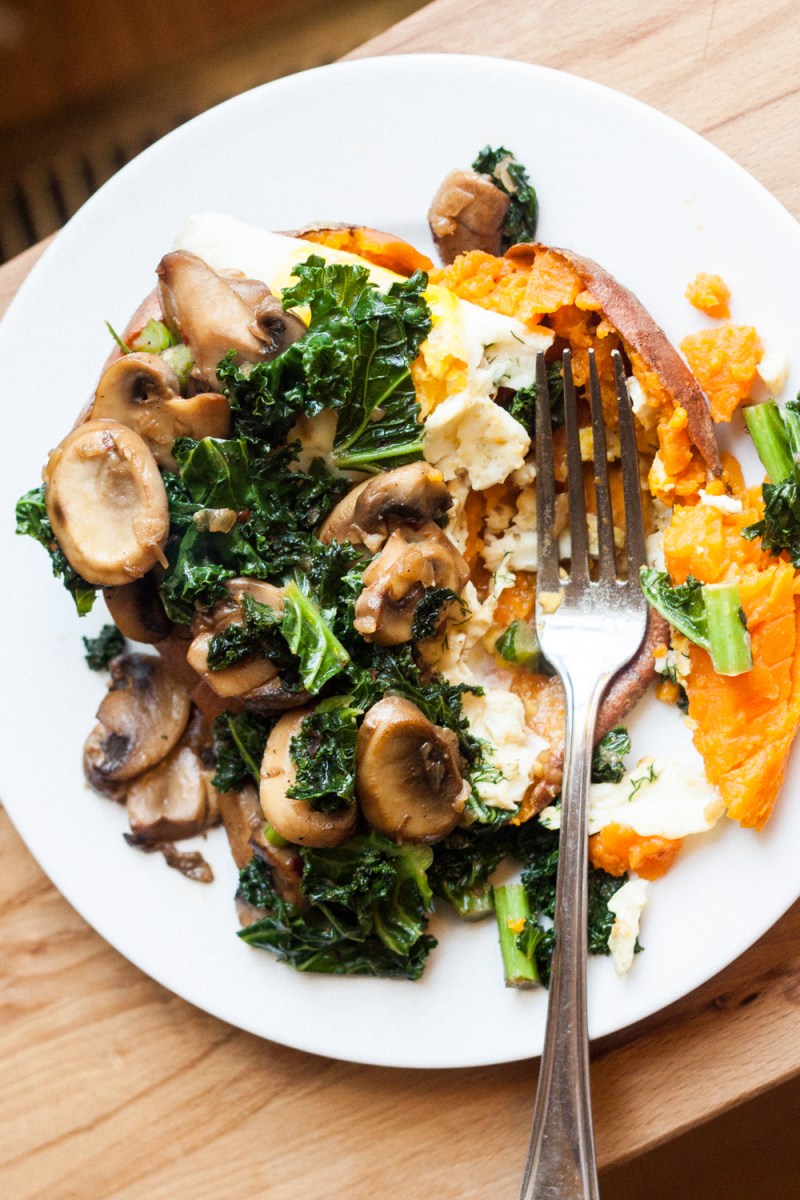
For this first iteration, the incorporated ingredients were kale, mushrooms, onions, eggs, and a tuber. After a little deliberation, I settled on the idea of a baked sweet potato, with the veggies/eggs as toppings. Turned out beautifully! I was so happy with the results I thought that I should share it here as well. Total cost of the meal was about $2.

Read Full Article

Parsnips are a bit of an oddity here in the United States, and unfairly so. They have been staples of the European diet since the Roman times. They were brought to America back in the day by colonists, but they eventually became replaced by the white potato on American plates. Parsnips are a great source of carbohydrates, and add a rich, buttery, and slightly-sweet taste to the table.

Read Full Article

NOTE: An updated version of this recipe appears in my cookbook, The Ancestral Table.

Poi is a Polynesian staple food, typically made with mashed taro root. However, it’s a little-known fact that the Hawaiian people also made poi from sweet potato and breadfruit. Given the fact that taro root is relatively hard to come by here in Maryland, we regularly make sweet potato poi to stave off our Hawaiian-food cravings. To bring in a little extra island flavor, I add a little coconut milk to the poi, which gives it a taste similar to haupia (a Hawaiian coconut dessert). Its creamy texture and sweet taste are perfect accompaniments to my kalua pig recipe.

Read Full Article

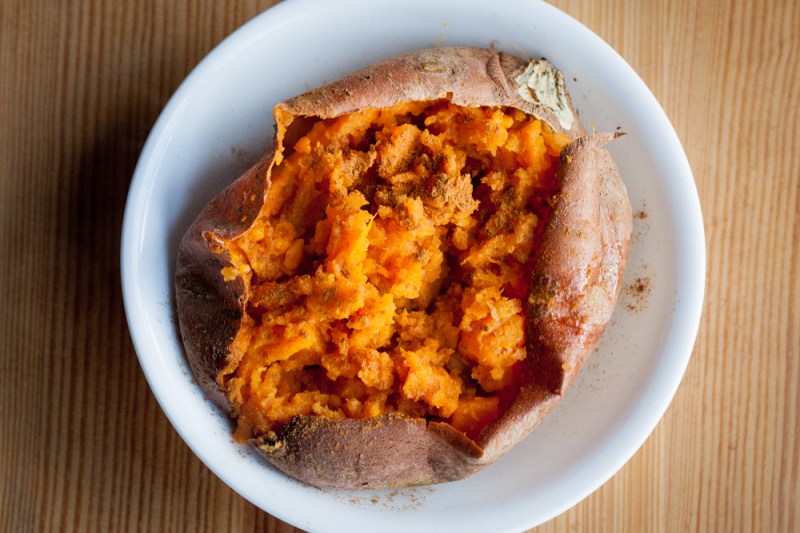
This may fall under the no-brainer category, but I thought I would explain how we bake our sweet potatoes here at the house. It’s one of our simplest recipes, and the only thing it needs is about 45 minutes of cooking time to ensure you get that perfect potato. Additionally, we like to take five seconds out of our busy day and add a little cinnamon to our potatoes, which gives just a twinge of complexity to the taste.

Here’s a couple neat facts about sweet potatoes. Sweet potatoes originated in Central/South America. Papua New Guinea eats the most sweet potatoes per capita, with 500kg per person annually. North Carolina supplies most of the sweet potatoes we find in US markets. They’re only distant cousins to the white potato, despite sharing the same name. They’re also pretty distantly related to yams (which originated in Africa), even though here in the US we often (incorrectly) label our sweet potatoes as “yams”.

Read Full Article

We had a ton of tomatoes from our backyard garden during our most recent harvest. Last year I canned tomatoes, but this year I decided to take it one step further and make and can my own sauce. When deciding on the consistency of my sauce, I decided to make a sauce that’s smooth and chunk-free; that way I could easily use it as a pizza sauce, and could then use fresh tomatoes (or a can of diced tomatoes) to add chunks to a spaghetti sauce.

Because the amount of tomatoes you have may vary, I decided to keep this recipe fluid; you could make this sauce with as many or little of those red, savory fruits as you’d like.

Read Full Article

I’m starting to find that bringing constant, new content to this site during the summer months is going to be difficult. Not only is my family much busier, but I find myself falling back on the same, tried-and-true meals as the summer heat kicks in – and they almost all include grilling. Since many of the dishes I love to grill are already on the site, I’m caught in a bit of a predicament.

Luckily, we signed up for a vegetable CSA share through a local farm which means that we’ve been getting all sorts of unexpected and new veggies every week. This basically requires me to find out more about each vegetable we get, and to research recipes to boot. This is one such recipe, although the same method can be applied to traditional greens (collard, mustard, turnip, etc).

Read Full Article

Rosemary potatoes are a classic French side dish, and we often roast them in the oven. I figured that grilling them under direct heat would speed up the process while eliminating the need to scrape and clean a pan afterwards – and I was right!

Read Full Article

Grilling vegetables on an open flame sure looks nice, but it rarely results in anything but dried out veggies. To remedy this, I’ve come up with a simple way of steaming them in butter and garlic on the grill; the result is a tasty and effortless dish.

Read Full Article