7 – Seafood

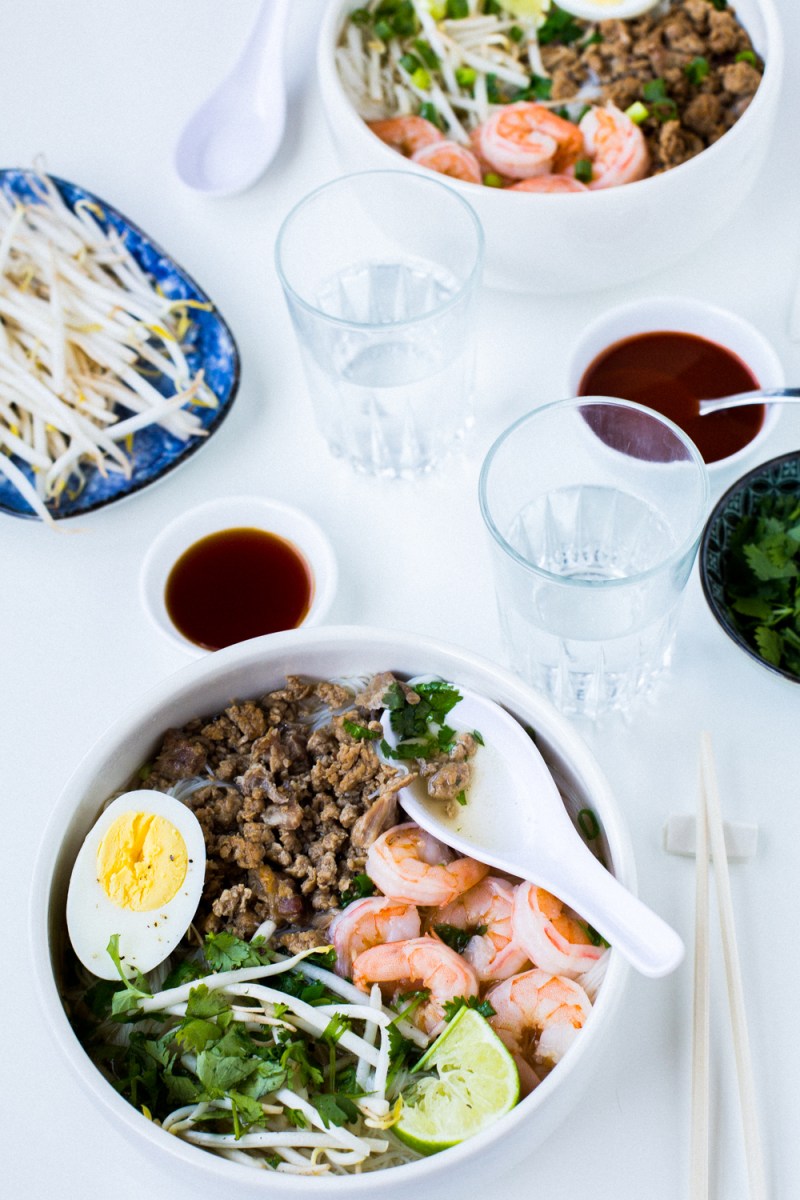
Kuy Teav is a Cambodian pork and seafood noodle soup, much like the Vietnamese Pho; in fact this dish is enjoyed in Vietnam, under the name Hu Tieu Nom Vang (“Phnom Penh Noodle Soup”). While I’m a huge fan of Pho (it’s in my cookbook), sometimes it’s a little too beefy for my tastes; Kuy Teav serves as an excellent break from the norm.

It’s believed that this dish originated among Chinese immigrants living in Cambodia, and later spread to the rest of the country. It’s also a popular breakfast meal. Like many Asian soups, there is no one way to prepare this dish. Feel free to experiment with all sorts of add-ins, including meat balls or any leftover meat you may have.

This dish sits firmly in the Perfect Health Diet spectrum of Paleo since it uses rice noodles, but feel free to use sweet potato noodles (or even zucchini noodles) instead. One of these days, I’ll help convince the Paleo world that rice is indeed Paleo, but until then, I’ll continue to use my favorite little hashtag: #teamwhiterice.

Read Full Article

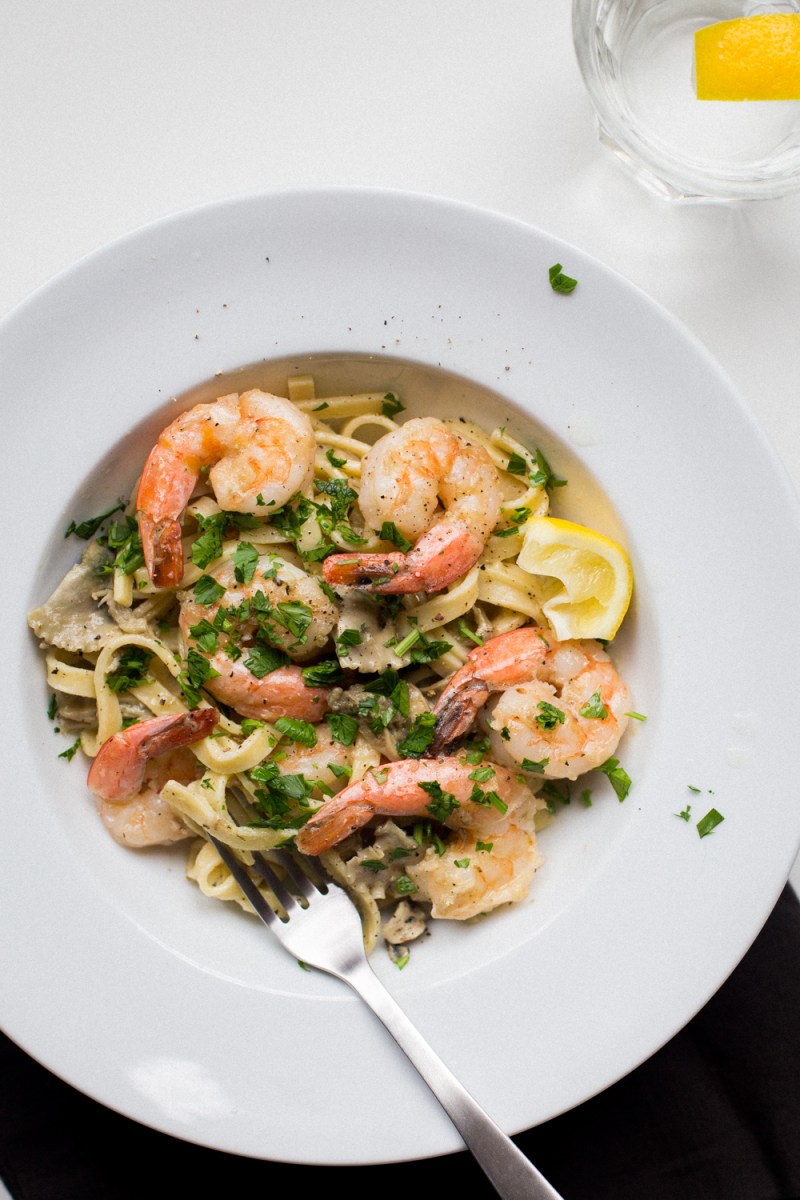
Many years ago, pasta cooked with seafood was my solution when I wanted something that tasted great without spending much time in the kitchen. Pasta cooks quickly and is delicious; seafood cooks even more quickly and is even more delicious. It’s almost like cheating in the way that you can have a memorable meal in a manner of minutes.

While pasta is rarely on our dinner table these days, we still miss the convenience of a quick Italian-style dinner. So from time to time I’ll whip something up with zucchini noodles or rice-based pasta. When we’re looking for a special treat, we’ll use Cappello’s grain-free fettuccine, which is made using just five ingredients: almond flour, cage-free eggs, tapioca flour, xanthan gum, and sea salt. Although this recipe in particular was made with Cappello’s pasta, directions for all three pasta types are provided below.

Read Full Article

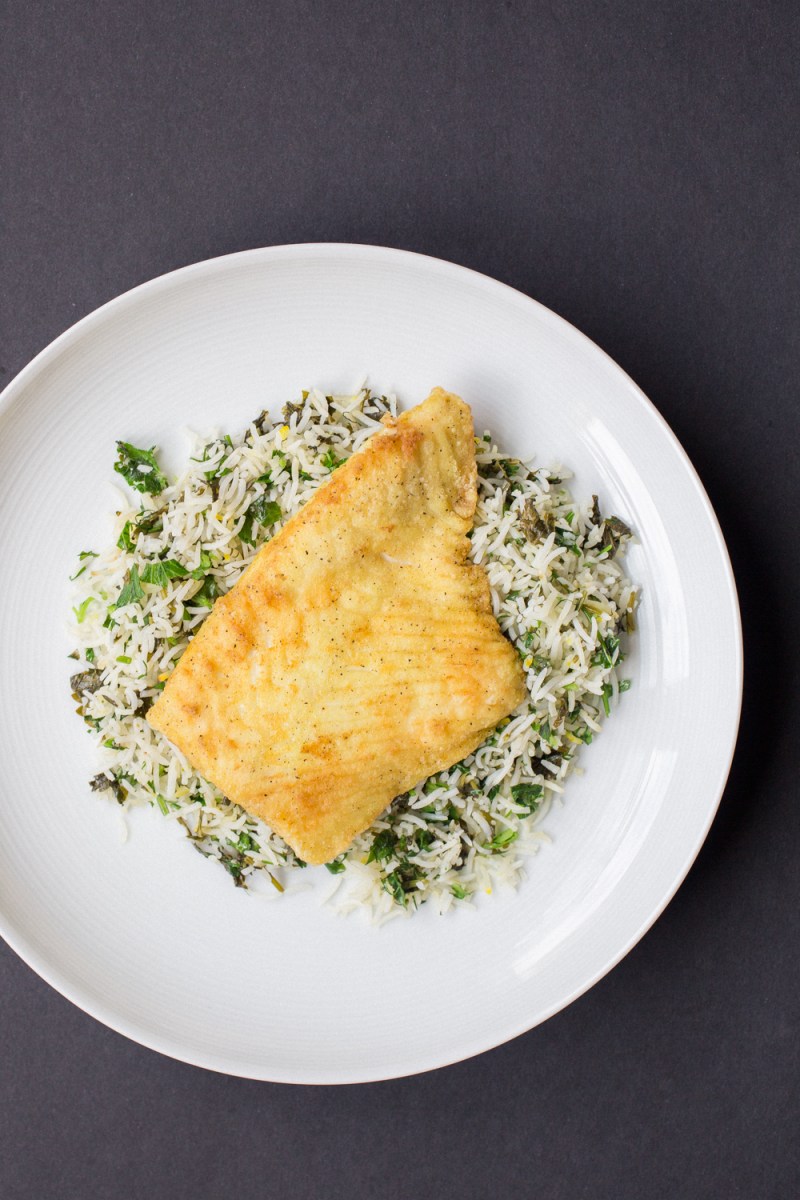
Sabzi Polo is a traditional Persian herbed rice pilaf. There are several different ways to cook rice in Persian cuisine, but Polo (parboiled and steamed) is the most popular. This dish in particular is eaten during the Persian New Year (Nowruz, late March) and served with white fish. The type of white fish varies from rare local fish like Caspian kutum to something more accessible, like halibut or tilapia.

Rice is a critical food source in modern day Iran, and has a long history in the region; it was first introduced from South Asia around 1000 BC, and has been grown in northern Iran ever since. It’s also commonly believed that rice entered Europe via Ancient Persia.

It’s exciting to see that white rice is gaining more acceptance in the Paleo community. I started adding white rice to my version of the Paleo diet in early 2011 (here is an old post about it) and it’s definitely had a positive impact on my overall wellness. I explain many of my reasons for eating rice in my book, but the long story short is that it’s an ancient, delicious, satisfying, and neutral starch (it has fewer toxins than many foods we consider Paleo, like coconut and almonds – reference) whose glycemic load is easily tempered by eating low-glycemic varieties (basmati rice in particular is lower (28) than regular white rice (43) – reference). When eaten as part of a whole meal with added fats and acids, its glycemic index is even further diminished (reference). There are still people that have digestive issues with rice, but for everyone else, it may warrant a place on your dinner table.

Sabzi Polo is an excellent example of an optimal way of eating rice, since it’s paired with a huge amount of herbs – much more than your typical dish – and considering Mathieu Lalonde’s AHS 2012 talk where he found that herbs and spices are second only to organ meats in terms of nutrient density, it’s always good to eat lots of herbs.

This recipe is part of a collaboration with my friend Naz of Cinnamon Eats – after having several discussions about Persian rice dishes, we decided to each write up a recipe to highlight the varied and delicious choices available in Persian cuisine. Be sure to check out her half of the collaboration: Zereshk Polo (Persian Barberry Rice).

Read Full Article

Bacalhau à Brás is a Portuguese dish using salted cod (bacalhau), eggs, and potatoes. The Portuguese were one of the first European cultures to fish for cod, making huge harvests and preserving the fish off the coast of Newfoundland shortly after Columbus discovered the New World. Since then, this salted cod has been an integral part of Portuguese culture, and it’s often said that you can cook a new recipe using bacalhau every day of the year (some say there are over 1,000 recipes that include this fish). Advances in fishing technology in the mid 20th century had collapsed the Northwest Atlantic cod market by the 1990s – cod takes a long time to mature, and overfishing had run rampant. Today, bacalhau is most often made using cod harvested from Arctic waters under more strict quotas.

Bacalhau is made by salting and drying the fish in the sun; while it was originally a method of preservation (salted cod keeps a long time even without refrigeration), its unique, strong flavor is unmistakable and delicious, and its popularity endures today. The only downside to eating bacalhau is that it requires a bit of foresight, since it needs to be soaked overnight to reconstitute the fish.

Bacalhau à Brás is one of the most famous Portuguese dishes, and is considered the ultimate comfort meal in Portugal. The dish uses many of the quintessential ingredients found in Portuguese cooking – bacalhau, eggs, potatoes, and black olives.

Read Full Article

Bouillabaisse is a traditional Provençal (Southeast France) stew, typically made with fish and shellfish. Although it was originally made with rockfish, today it’s also made with all sorts of different seafood. For this recipe in particular, I decided to go with lobster and mussels; I like the idea of pairing two foods that are at opposite ends of the price spectrum (lobster = rare & elegant, mussels = common & unglamorous). This dish is paired with my lobster stock recipe, so be sure to check that out since you’ll need some stock. Putting this dish together – stock and all – is actually a fairly quick experience: in about 90 minutes you’ll have a recipe that will have your dinner guests swooning.

Don’t let the assumed costs of buying lobster deter you. If available in your area, live lobsters are surprising affordable when compared to the going rate at a seafood restaurant. And really, sometimes you can’t put a price tag on eating a rich, classic meal in the comfort of your own home.

Also, don’t forget that I’m hosting a giveaway this week; click here for a chance to win two live 1.5 lb lobsters from lobster.com ($65 value)! The giveaway is limited to continental US residents and ends midnight, Saturday, Feb 8th, 2014. Good luck!

Read Full Article

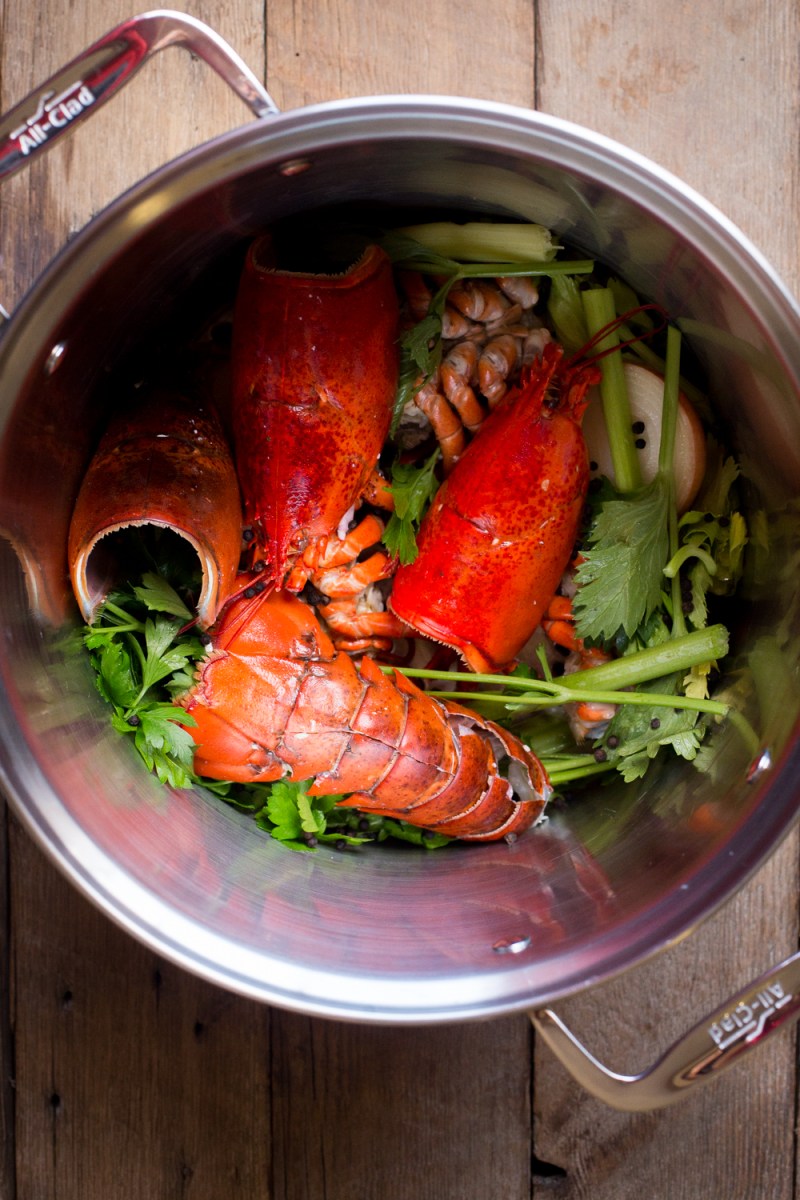
Phew! January has come and gone, which means that my tradition of sharing only Whole30 recipes during the month is over. While I think that Whole30 recipes are easy to make and fun to work with, I miss cooking with alcohol the most each January. So let’s dive right into February with an easy, tasty recipe that can be used in many different ways – lobster stock. Most people associate stock with long, boring hours of slow-cooking. The opposite is true with lobster (and all shellfish) stock, as it’s just a matter of sautéing vegetables and the shells, then adding water and wine, and cooking until it’s super delicious (about 45 minutes).

The folks at Lobster.com were kind enough to donate a lobster for my stock recipe. They ship overnight to the continental US, and it was quite an experience to receive a package in the mail that contains a live, breathing animal; not only was it alive, but it was the most lively lobster I’ve ever worked with! I par-boiled the lobster (instructions in the recipe below) so that I could use its shell for stock, and its meat for a Lobster and Mussel Bouillabaisse. I bought a couple lobster shells from my local grocer to add to this recipe and I was amazed at how thick and hearty the Lobster.com shell was compared to what I usually buy!

I was also able to arrange a giveaway through Lobster.com: two 1.5 lb live lobsters, delivered to your door ($65 value)! To enter, click here to enter via Rafflecopter. The giveaway is limited to continental US residents and ends midnight, Saturday, Feb 8th, 2014. Good luck! Okay, let’s move on to the recipe.

Read Full Article

This past week I did a guest recipe on PaleoParents.com, and I wanted to share the recipe with you folks too. This is actually an update of an old recipe that I decided to re-shoot because I was unsatisfied with the recipe’s photos. It’s amazing to see how much my photography has changed over the past three years; sometimes it’s hard to see the forest for the trees. For comparison’s sake, I’ve included the old picture at the bottom of this post. Although I’m posting all Whole30 recipes all month, this recipe isn’t technically Whole30 because it uses white wine; but it’s a guest post, so it’s exempt, right??

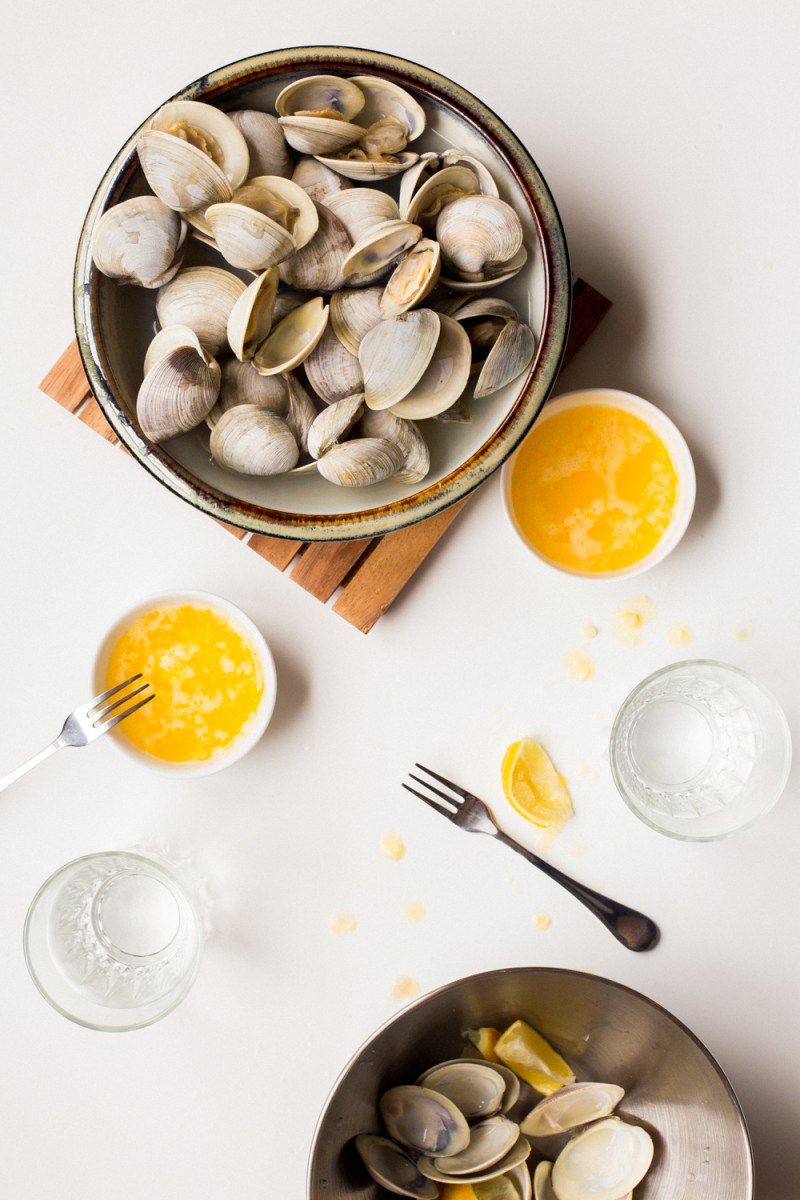
Lately, I’ve been on a personal quest to turn more people on to seafood. Besides the fact that it’s both delicious and full of nutrients, it can often be dead-simple to prepare. Take this recipe, for example, which requires only 15 minutes from start to finish – 5 minutes to scrub the clams, 5 minutes to prep the melted butter, and 5 minutes to steam the clams. Cooking clams at home is also much more economical than ordering them at a restaurant; you can often find and steam clams yourself for a fraction of the cost you’d pay out in town.

Clams in particular are especially nutritious. Pound-for-pound, they have more iron than beef liver, and they’re high in Vitamin B12, Vitamin A, calcium, selenium and potassium. They are an excellent source of protein, and are especially healthful when considering that they have Omega-3 fatty acids and a much lower contamination profile than other ocean-based sources of Omega-3 (like salmon). Have I convinced you yet?

Unlike other seafood, farm-raised clams (and mussels) are preferred over wild-caught clams; they are raised on ropes suspended above the sea floor, which makes them less gritty than wild clams dredged from the ocean floor. Dredging can also damage the ocean’s ecosystem.

Read Full Article

Baltimore/DC friends: Come join me for a cooking demo and holiday social this Sunday! $10 entry to cover grocery costs, space limited to 30 guests. Click here for more info. See you there!

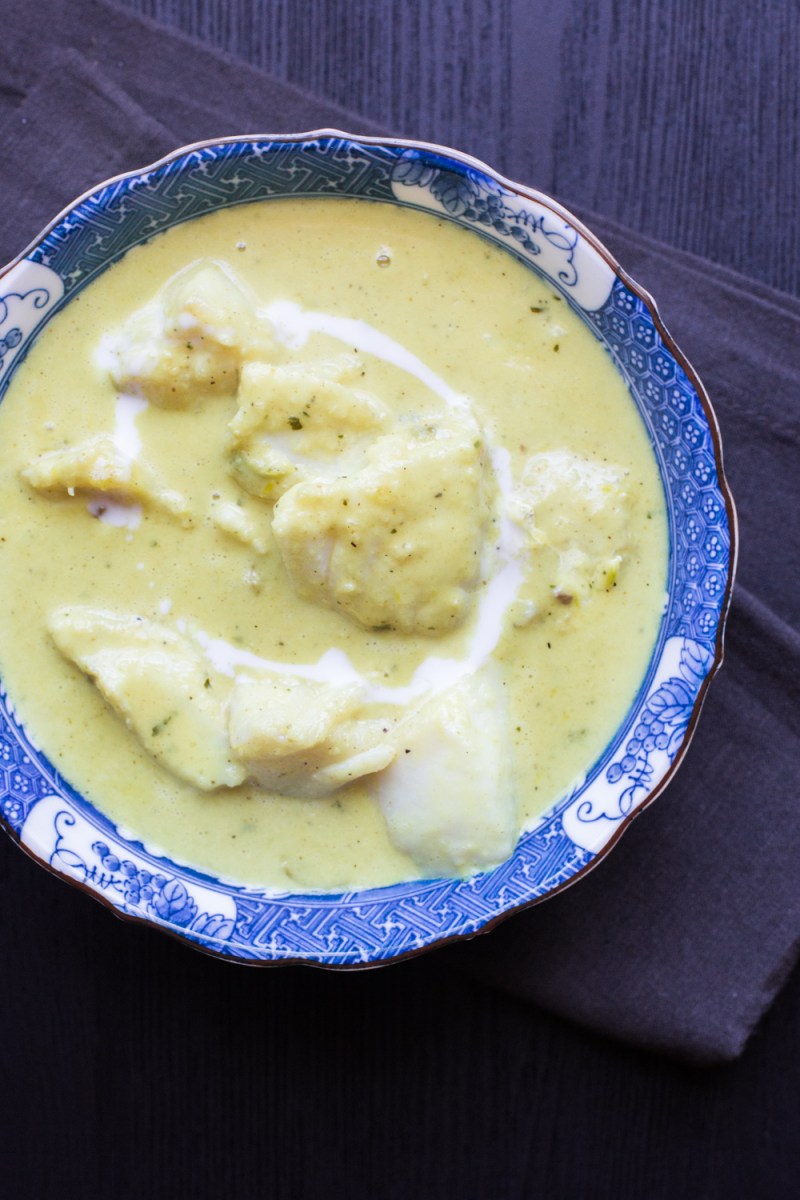
Mas Riha is a fish curry from Maldives, the small group of islands to the Southwest of the Indian subcontinent (it’s officially the smallest country in Asia). The dish is very representative of Maldivian cuisine, which is based on three main staples: fish, coconut, and starch.

While many people associate curries with hot, humid weather, I prefer them in the cold of winter; to me, the contrast of bitter cold weather and tropical food tends to embolden the curry’s flavors. This week is our first real glimpse of winter on the East Coast (there’s snow on the ground as I type this), so it seems like the perfect time to share this recipe. Fish curry is just about perfect, since it needs so little time to cook; you can easily throw together this entire delicious meal in less than 30 minutes.

Read Full Article

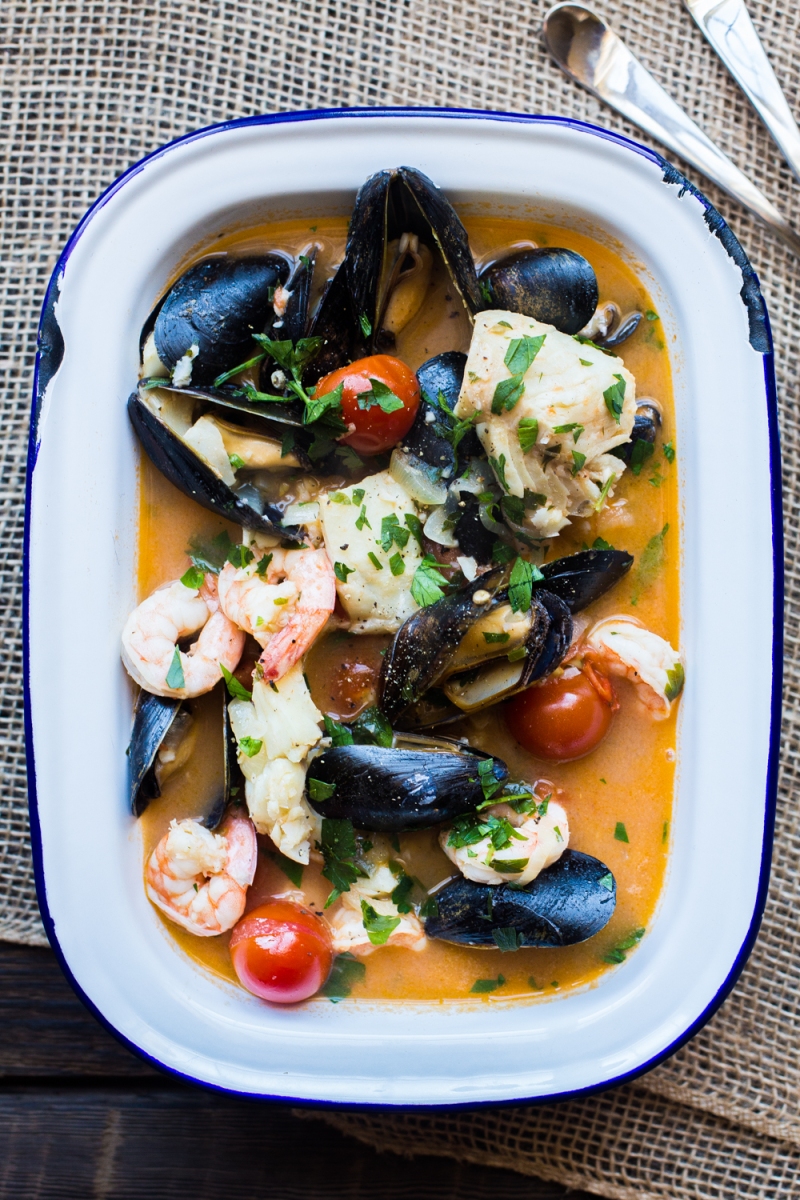
Brudet is a fish stew from Croatia, similar to an Italian Brodetto or Greek Bourdeto. All three are based on the Venetian word brodeto (“broth”). The recipes for each dish are similar; in fact, if you ever find yourself traveling along the Adriatic coast and see a similarly-named dish on a restaurant menu, you can probably bet it’s going to be a delicious fish stew cooked in a tomato base.

While there is a lot of variation to this dish, I like the Croatian version because it is an easy and unassuming approach to making soup. Marinate some fish for a while, then throw everything together at the proper time; it’s a true one-pot dish. Traditionally this dish is made with a mixture of fishes, to include eel, rockling, or coral trout; since they’re hard to come by, I think any firm white fish should be okay. I used cod. Adding shrimp and mussels also gives the stew a more rich and satisfying flavor.

Read Full Article

Carne de Porco à Alentejana is a traditional recipe from Portugal, made from a combination of pork, wine, paprika, clams, and black olives, and typically served with roasted or fried potatoes. When a reader first suggested I tackle this dish, I was floored by the seemingly odd ingredients list; but much like Chicken Marbella, the offbeat ingredients mixed together perfectly to create a unique taste that’s more than the sum of its parts.

While the name might lead you to believe that this dish originated in the Alentejo region of Portugal, it’s actually from Algarve (the Southernmost point of the country). Legend has it that chefs in Algarve gave the dish this name to let diners know that the pork was from Alentejo-raised pigs, who were fed acorns and had a flavorful meat. At the time, pigs in Algarve were fed fish scraps from the burgeoning canning industry, and was not considered very tasty. Some argue that the addition of clams to the dish was a way of masking any “fishy” tasting pork.

Read Full Article