7 – Seafood

NOTE: An updated version of this recipe appears in my cookbook, The Ancestral Table.

Maryland crab cakes are a little different from what you may be used to. They’re made with a smidgen of bread crumbs (or sometimes crushed crackers) which give them a slightly spongy consistency, unlike many of the hard-packed crab cake balls I’ve seen elsewhere. Also, Maryland crab cakes don’t have any onions in them; they’re basically just huge piles of crab meat.

Here in Maryland crab cakes are either fried or broiled, and I prefer the broiled method. I’ve seen a lot of recipes which call for baking then broiling the crab cakes; however, the internal temperature of a crab cake should be 160 degrees, so this method doesn’t seem very practical. I imagine it’s hard to guess the perfect temperature while a crab cake is being broiled at 500 degrees. Instead, I’ve chosen to broil the crab cake first to get the right crispiness, then bake it until it reaches the right temperature.

Lastly, for the bread crumbs I used Udi’s gluten free bread, which is made with tapioca starch, rice flour, and potato starch. I lightly toasted two slices of bread (this is a great use for the heels) and then blended them in my Magic Bullet. Worked perfectly.

Read Full Article

My parents came out to visit last week, and it’s become a tradition that they ship out some dungeness crabs from the West coast every time they visit. Personally, I think it’s a wonderful tradition.

Steaming dungeness crab is a delicate process, since most of the flavor comes naturally from the crab itself; instead, you want to season it lightly to complement the crab’s distinct taste.

Read Full Article

Satay is a dish that originated out of Indonesia. It’s basically just marinated, skewered, grilled pieces of meat. It’s most commonly found with chicken or beef, but like Japanese yakitori, you can find all sorts of weird varieties as well if you look hard enough. This is my shrimp version.

The most critical ingredient for this dish is turmeric, which gives the meat its yellow coloring. It’s somewhat hard to find but you’ll only need to get a small container, because a little bit goes a looong way.

Read Full Article

This is an update to a recipe I posted earlier, but with dashi (broth) made from scratch in order to reduce our MSG intake.

This dish has become our go-to easy lunch on the weekends, when we’re running around the house doing chores. Most of the “cooking” involves letting things soak or simmer, so with some agile timer-setting you can make this dish with minimal effort.

Read Full Article

Simply put, honey walnut shrimp (hé táo xiā) is one of my favorite Chinese dishes, and one of the best ways to eat shrimp. Period. This delicate and sweet dish is definitely worth the high price you’ll usually pay for it in most Chinese restaurants, but my make-at-home recipe is both inexpensive and easy to pull off.

I omitted this dish’s trademark candied walnuts because they’re chock-full of sugar, and the walnuts aren’t the same without the candy coating anyway. And honestly, I prefer the shrimp in its pure, unadulterated form.

Read Full Article

NOTE: An updated version of this recipe appears in my cookbook, The Ancestral Table.

Lomi lomi salmon is a traditional Hawaiian dish served in most luaus. It is served cold and is an interesting way to consume a good chunk of nutritious, fresh food. The words “lomi lomi” in Hawaiian actually translate to “massage”, and comes from the the mixing of the ingredients by hand at the end.

I should caveat here at that I can’t stand raw onions, so I’ve never actually had lomi lomi salmon. However, my wife loves it, and makes a killer recipe that I thought the world should know.

Read Full Article

As I was putting together a quick lunch the other day I made this simple soup, and didn’t take any pictures of the process because I assumed it wasn’t going to be a very noteworthy meal. Fortunately for me it was delicious, but unfortunately for you I don’t have any other pictures of the recipe other than the picture you see above. Regardless, I think I can still walk you through this dish without any visual help.

I lived in Hawaii for seven years, and I was lucky to learn a lot about Asian soups while I was there, and I feel that this dish accurately reflects the all-inclusive nature of Hawaiian (“local”) cuisine. This soup is a combination of many traditional dishes: I made a broth similar to Japanese shoyu ramen, but incorporated assorted Japanese fishcake from a dish called oden, and used wakame seaweed which is most commonly found in miso soup. I then used the same rice noodles used in Vietnamese pho and added fish balls, which you would find in many soups in Singapore and Malaysia.

Read Full Article

NOTE: An updated version of this recipe appears in my cookbook, The Ancestral Table.

As with most seafood, if you keep an eye on prices you can get lobster for surprisingly cheap. What’s more is that with lobster, bigger is not always better – the tastiest lobsters are right around the 1.5 lb weight. I tend to consider a max live lobster price to be $7/lb, which results in a $11 lobster cooked in the comfort of your own home.

Read Full Article

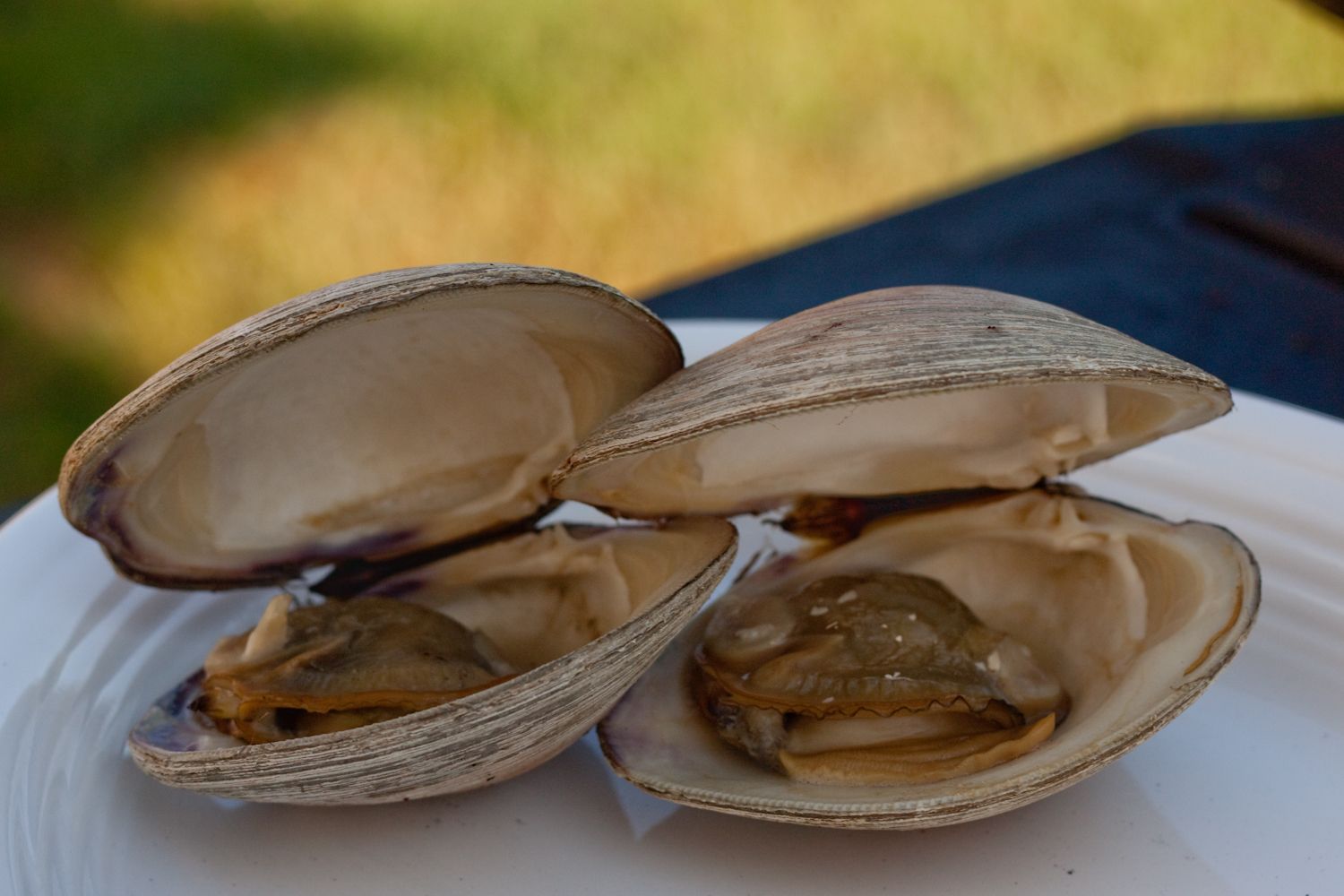
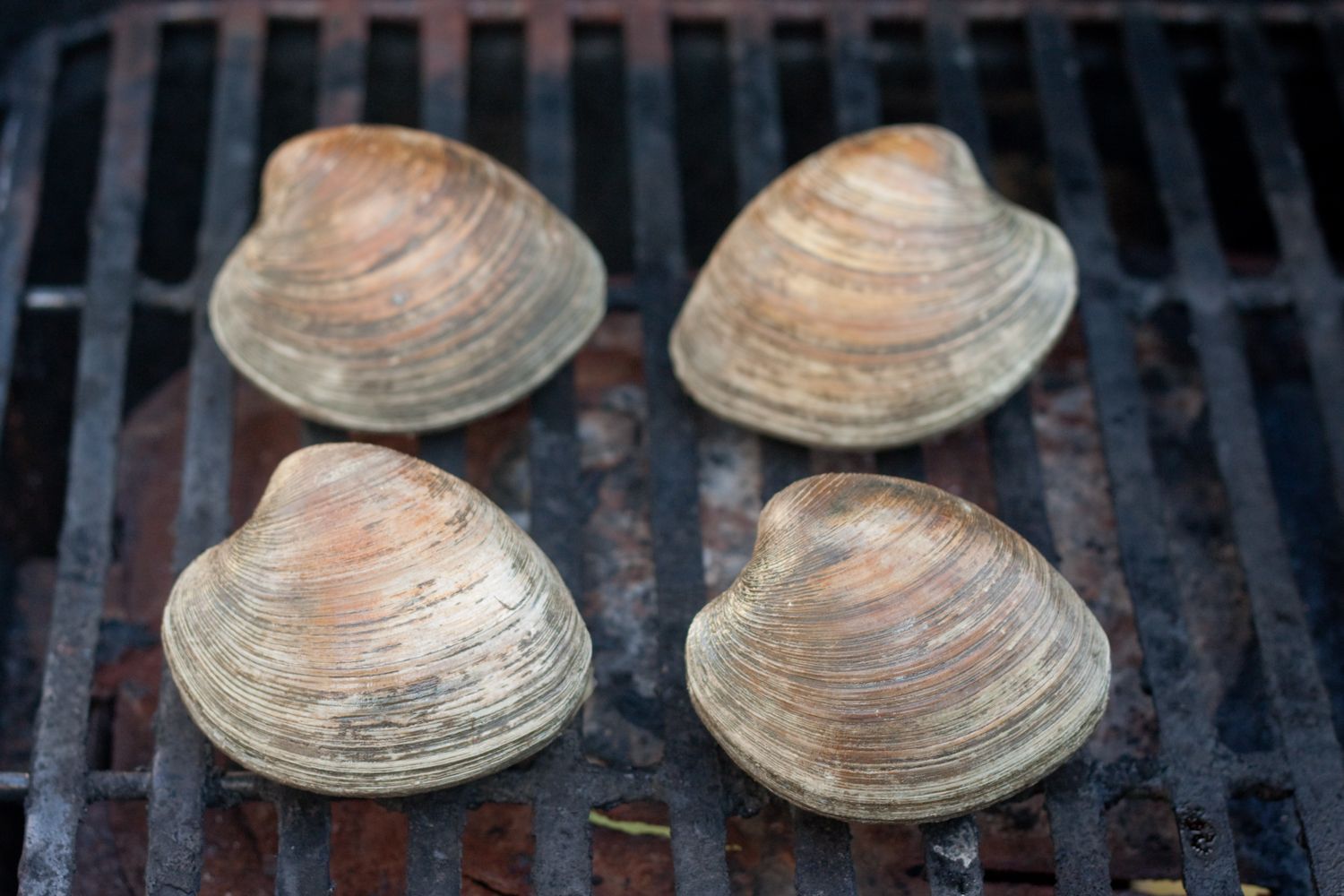
I’ve found that people are quick to throw meat onto a grill, but tend to shy away from seafood, especially shellfish. It’s a shame, because grilling clams is probably the easiest grilled dish on the planet. I like grilling the big ones because they’re cheaper than the smaller steamer clams (I bought four big clams for $2 the other day) and they’re a nice change of pace from the regular grilling fare. Here is the easiest, simplest way to grill clams. I’ll do some later posts that add a few more ingredients to the mix; but for now, let’s perfect the basics.

The only preparation needed is to clean the clams – place them in a bucket or pot with cold tap water, and add 1/2 cup of corn meal. Let them sit like this for four hours. This allows the clams to filter out sand so you don’t get any crunchy surprises during your meal.

To grill the clams, simply put them on a grill at a med/med-high temperature and let them cook for about 10 minutes. You’ll know they’re ready when they pop open. Serve with garlic butter.

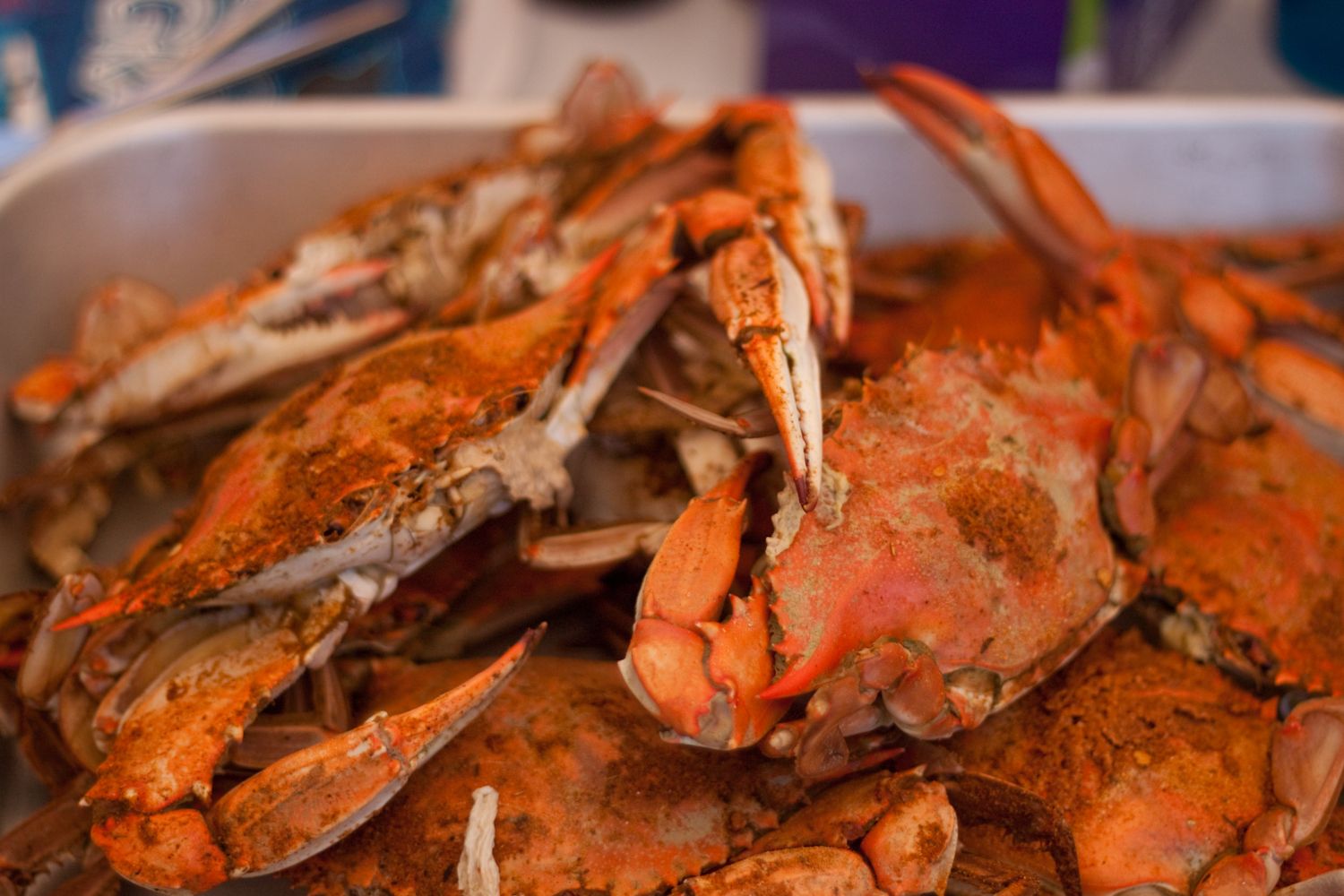
This is a great time of the year (and the perfect location for us) for Maryland blue crab. If you live near the Chesapeake Bay and you have a hankering for some crab, you have three options: you can go to a nice seafood restaurant and pay a premium, you can go to a dodgy restaurant and get something for a little cheaper, or you can buy some crabs and enjoy them in the comfort of your home. For the most part, we go with option number three. Here’s a quick and easy way to steam Chesapeake/Atlantic blue crab.

Read Full Article