Page 31 of 55

My path to a Paleo-style way of eating wasn’t perfectly straightforward. After years of health issues, in late 2010 I came upon an article describing a recently-published book called The Paleo Solution, written by a guy who obviously knows a thing or two about prehistory since his last name is Wolf. The book promised to demonstrate positive results for a number of health issues, including autoimmune diseases. Feeling like I was at a dead end with my own issues with autoimmunity, I bought the book at the very first opportunity, devoured it, and switched my diet within days.

While I’m very grateful to Robb Wolf and his Paleo Solution, it only gave me a glimpse of the journey I would need to take in order to restore my health. Much of the eating advice in the book was based on low-carb principles, which is understandable since the book is geared towards those who are looking to lose weight. But after losing an initial 30 pounds (likely due to discontinuing steroid therapy at that same time), I struggled with maintaining my weight, and had consistently low energy. It wasn’t until I reintroduced white rice and potatoes, foods promoted by The Perfect Health Diet, that I really started to feel like I had figured out an ideal way of eating for me (and one that I’ve maintained since). Dairy was also something I had to figure out on my own, as I found that I better tolerated certain types of dairy (mainly heavy cream, butter, and fermented products), and that my tolerance improved as my health improved. Dairy just didn’t warrant a blanket “avoid” stamp since individual tolerance was a better determining factor.

So over the years, I have had a hard time answering when people asked me where to start reading if they wanted to learn about the Paleo diet. The Paleo Solution is fairly inflexible, and was quickly becoming outdated as new voices entered the scene and brought new ideas with them. The Perfect Health Diet is a superior work, and provides an excellent template for sustained eating, but its lifelong approach to diet can be intimidating to those who aren’t ready for such a long commitment right out of the gate.

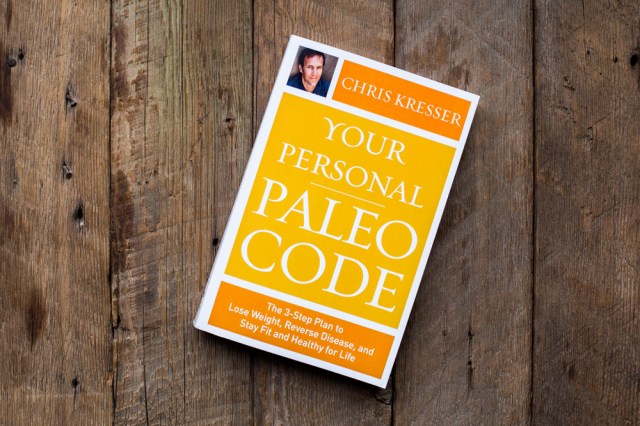
And in steps Your Personal Paleo Code by Chris Kresser.
Read Full Article

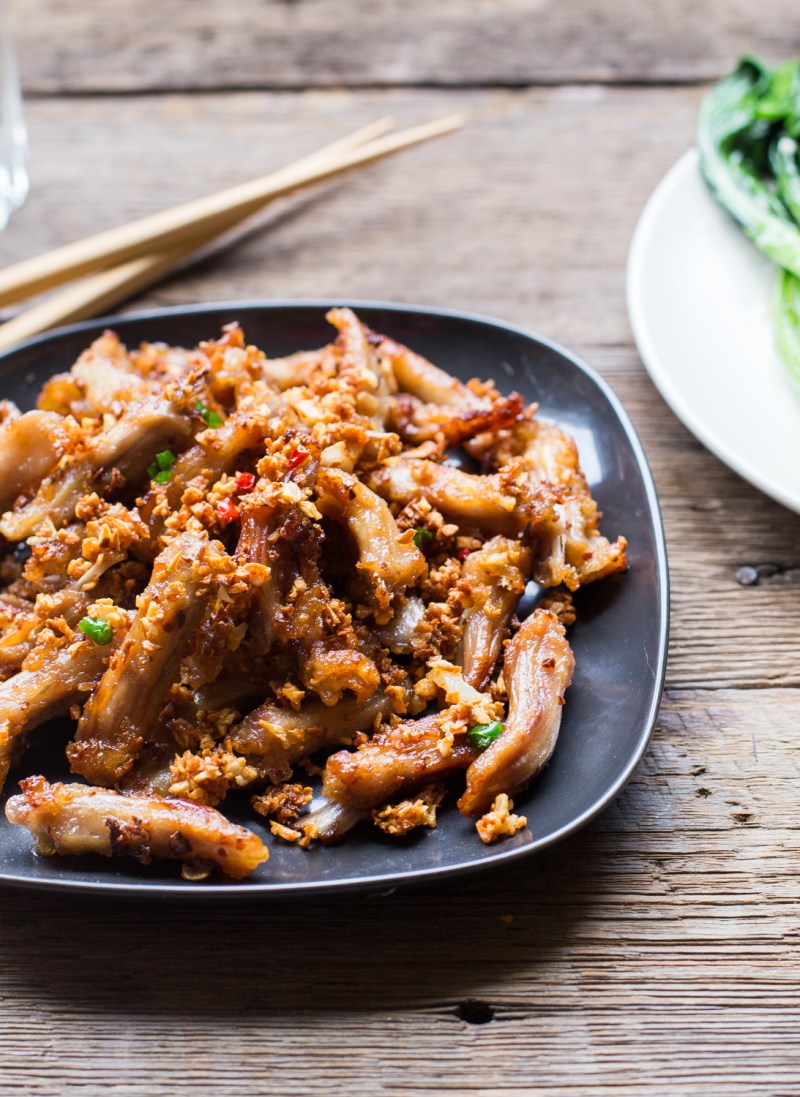
WAIT!! Don’t turn away just yet. If the idea of duck tongues is too much for you, know that you can make this exact recipe with shrimp instead and it’s equally tasty; in fact, this recipe is based on Salt and Pepper Shrimp (椒盐虾), a common Chinese dish that’s one of our favorites. I’ll probably do up the shrimp version of the recipe in the future.

Okay, now that I’ve coaxed you into staying, let’s talk about duck tongues. They’re very different from what you may be expecting from tongue – usually considered dense, muscled, and tough – and are instead tender and succulent. They carry an inherent richness which reminds me of escargot. They have a tender bone in the center of the tongue, that’s mostly cartilage; many people come to relish the slight crunch of eating the whole tongue, bone and all. They’re also very affordable considering their status as a delicacy: US Wellness Meats offers a pack of 50-60 tongues (which I used in making this recipe) for well under $10.

Read Full Article

Update: Congratulations to Christopher S., who won the giveaway!

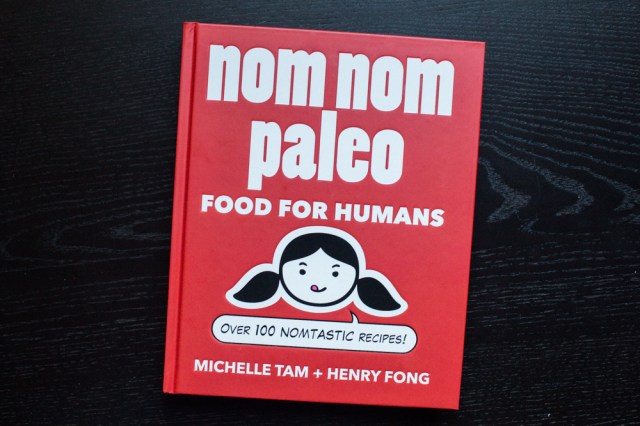
A while back, I made the decision that I wasn’t going write single book reviews, and instead write book review roundups (check out my Summer and Fall roundups). But then I had a look at Nom Nom Paleo: Food for Humans, which came out on Tuesday. Here’s the deal: it’s so good that writing anything other than a single book review doesn’t do this piece of art justice. Don’t even read this review, just go buy the book. Not convinced? Well, then keep reading.

Read Full Article

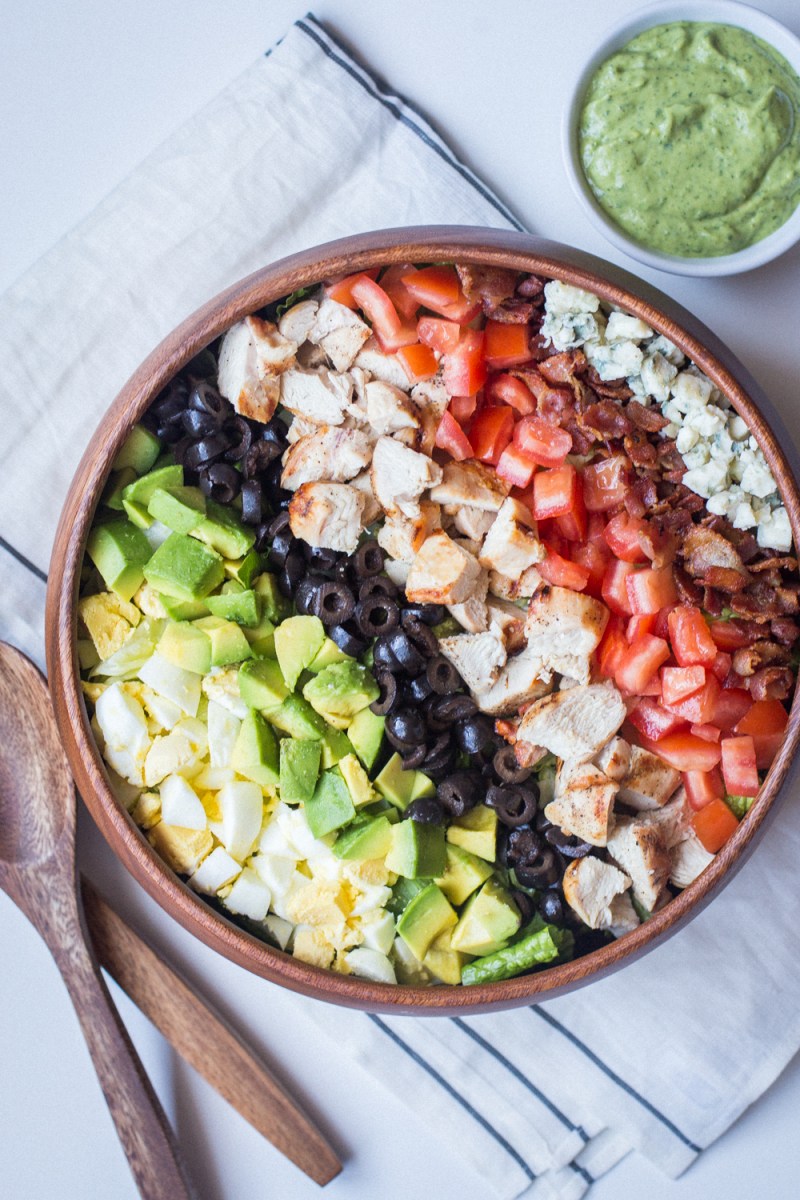
To tell the truth, it’s not often that I get a hankering for a meal-sized salad. There’s a lot of chewing involved. But if I am going to sit down and enjoy a full salad, I prefer to eat something made with a wide variety of hearty ingredients. In that regard, Cobb Salad takes the cake: it’s basically lettuce and a bunch of solid, pleasurable mix-ins. No dainty ingredients like sprouts, no sir! Okay, sometimes Cobb recipes call for chives, but you get my point.

Both the salad and dressing used in today’s recipe come from California in the early 20th century. Bob Cobb, owner of the Brown Derby Restaurant in Hollywood during the 1930s, whipped up a quick salad for a friend with a toothache using leftovers found in his kitchen. He cut the ingredients up into small pieces so as not to exacerbate his friend’s condition. (Personally, I would have whipped up a pureed soup if my friend had a toothache.) Other stories contend that there was no toothache involved. Either way, the salad was such a hit that Cobb added it to his menu, and it took off from there. Green Goddess Dressing was made by a San Francisco chef in the 1920s, after a popular stage play of the same name. While the salad and dressing don’t traditionally go together (Cobb salad is usually served with red wine vinaigrette), I really like the pairing of the two. Plus, they each call for 1/2 an avocado, so in that sense, they fit together perfectly.

Special thanks to my friends at Pacific Merchants who donated the hand-carved acacia wood salad bowl for the picture you see above. Their 12″ bowl is both beautiful and sturdy; it’s a perfect size for a whopping salad like this one.

Read Full Article

Just wanted to share some cool news: my Honey and Citrus Glazed Ham recipe is featured in this year’s People Magazine Holiday Entertaining issue! Definitely one of the highlights of my cooking/blogging career so far.

If you get a chance to grab a copy, let me know what you think. I pared down the recipe slightly to appeal to a broader audience, but it still definitely carries my personal touch to it. It’s awesome to see a Paleo recipe in such a widely-circulated magazine! And I must admit, it’s pretty surreal to be able to go into any supermarket right now and grab a picture of yours truly.

Read Full Article

Baltimore/DC friends: Come join me for a cooking demo and holiday social this Sunday! $10 entry to cover grocery costs, space limited to 30 guests. Click here for more info. See you there!

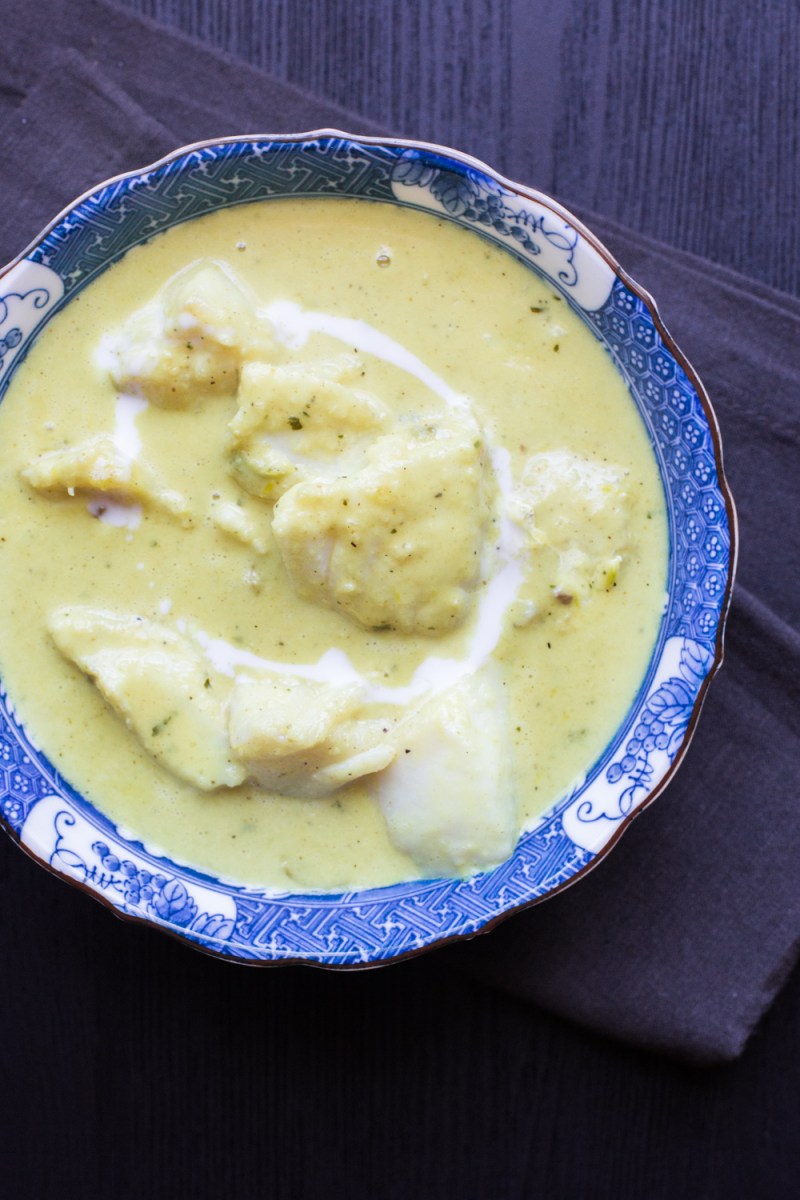
Mas Riha is a fish curry from Maldives, the small group of islands to the Southwest of the Indian subcontinent (it’s officially the smallest country in Asia). The dish is very representative of Maldivian cuisine, which is based on three main staples: fish, coconut, and starch.

While many people associate curries with hot, humid weather, I prefer them in the cold of winter; to me, the contrast of bitter cold weather and tropical food tends to embolden the curry’s flavors. This week is our first real glimpse of winter on the East Coast (there’s snow on the ground as I type this), so it seems like the perfect time to share this recipe. Fish curry is just about perfect, since it needs so little time to cook; you can easily throw together this entire delicious meal in less than 30 minutes.

Read Full Article

Jaegerschnitzel (Jägerschnitzel) is a traditional German dish, most commonly made with pork or veal cutlets (schnitzels) today. Historically, they were made with wild boar or venison (jäger means “hunter” in German) and paired with wild mushrooms. Today, its accompanying mushroom gravy is what separates Jaegerschnitzel from its more commonly-known (and gravy-less) counterpart, Wiener Schnitzel. Fun fact: it’s believed that Chicken Fried Steak originated from this dish, when German and Austrian immigrants brought it to Texas during the 1800s.

Making this dish within a Paleo template is easy, as it only requires a different type of flour. A combination of potato starch and arrowroot flour works best, but if you have only one flour on hand it still turns out pretty well. Tapioca starch can also be used in a pinch.

Read Full Article

A few years ago I spent a winter in Bavaria, the Southeastern state in Germany. One of my favorite dishes there was Blaukraut, a simple simmered red cabbage. The dish has three different names in Germany – Blaukraut (“blue cabbage”) in the South, Rotkraut (“red cabbage”) in Central Germany, and Rotkohl (also “red cabbage” – kohl is a Northern word for kraut).

It’s believed that the different names stemmed from the fact that the cabbage can take on different colors depending on the acidity of the soil it was grown in and its method of preparation. Some contend that the variation comes from the fact that there wasn’t a German word for the color purple until after the cabbage had been introduced. Since red cabbage has a tendency to turn a blueish color when cooked, adding acid (in this case, apple cider vinegar) helps retain its redness.

Read Full Article

A while back I received an email asking if I’d like to come visit the Culinary Institute of America’s campus in Hyde Park, NY. At first, I was hesitant to accept the invite – what did they want from me in return? – but it turns out they simply wanted to show me their program in case I wanted to share it with my readers. Eager to have an inside look at one of the biggest and most-respected culinary schools in the country (I mean, come on, Anthony Bourdain!), I accepted the offer and spent a couple days on campus. Along the way, I familiarized myself with their program and ate some delicious food. The folks at the school were also kind enough to share one of their recipes with me, which I’ve included below.

Read Full Article

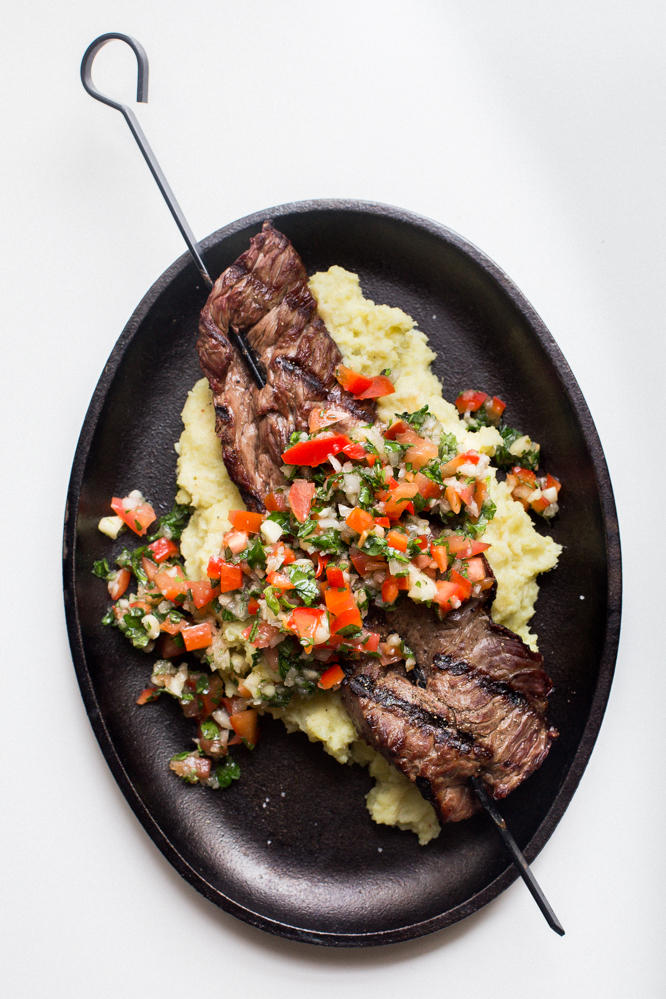
Boniato (also called batata or tropical sweet potato) is a white, starchy, and dry version of the common sweet potato. It’s popular in Florida and the Caribbean, but well-known throughout the Americas and some of Europe (Spain in particular). It was cultivated as far back as 1,000 years ago in Central and South America. Its skin is red-to-purple in color, and has white flesh. As far as I can tell, it is nearly identical to the Japanese sweet potato in terms of appearance and taste; considering the fact that sweet potatoes were a late addition to Japan (around the 17th century), I’d guess that the differences between the two is minimal. I’ve also seen identical sweet potatoes labeled as Korean sweet potatoes here in Maryland.

Taste-wise, boniato is like a cross between a white potato and sweet potato. If you’re missing the consistency of white potatoes but react poorly to them, this is the dish for you.

Preparing boniato is easy. Because the potato is naturally creamy, you only need to add a little cream to them to get a truly decadent flavor. If you’re dairy-free, they’re still surprisingly creamy when made with only chicken broth.

Read Full Article