Page 42 of 55

NOTE: An updated version of this recipe appears in my cookbook, The Ancestral Table.

We don’t eat fried foods that often, but every once in a while I get a craving for something crispy and crunchy. So I set out to make a gluten-free, Paleo-friendly Southern Fried Chicken. Bear in mind that this isn’t a smart choice for your everyday meals, but it’s a great way to change things up every once in a while.

The creation of Southern Fried Chicken is the result of several different influences: fried chicken was a West African delicacy brought over to the US by slaves, the mass-production of pork in the South made lard readily available, and the popularity of cast iron cookware in the 19th century created the fried chicken we now associate with the South. I kept my recipe true to those historical precedents, including the use of buttermilk as a marinade. If you’re dairy-free, omitting the buttermilk marinade will still leave you with a pretty tasty fried chicken.
Read Full Article

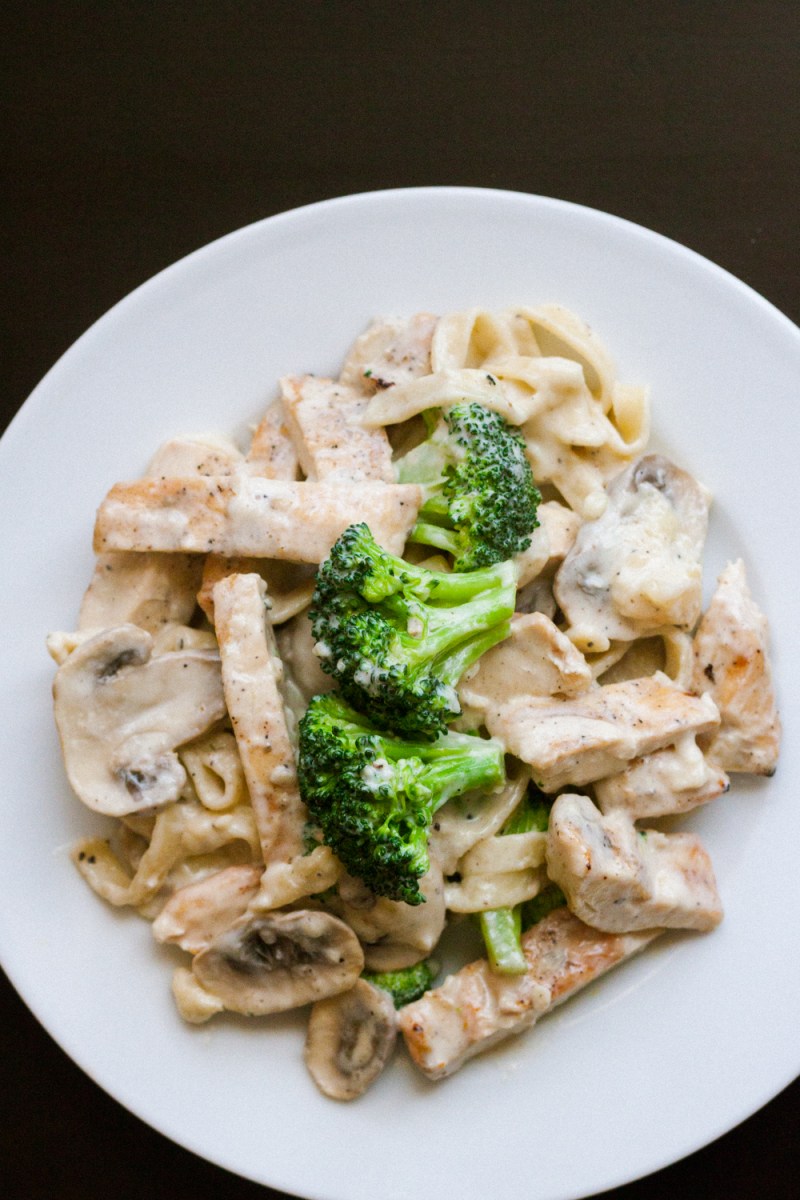
And here it is, one of my most treasured and well-known recipes (at least to my family and friends). I’ve been making Fettuccine Alfredo in this same manner since I first learned how to make it nearly fifteen years ago.

While pasta dishes tossed with butter and cheese have been around for a long time, the term “Fettuccine Alfredo” is based on the signature dish of Alfredo Di Lelio’s restaurant (aptly named “Alfredo”) which opened in Rome, Italy in 1914. American tourists grew to love the dish and bring it back here to the US; while we Americans often add ingredients like chicken, shrimp, mushrooms, or broccoli to the dish, it’s commonly served without add-ins elsewhere in the world.

Read Full Article

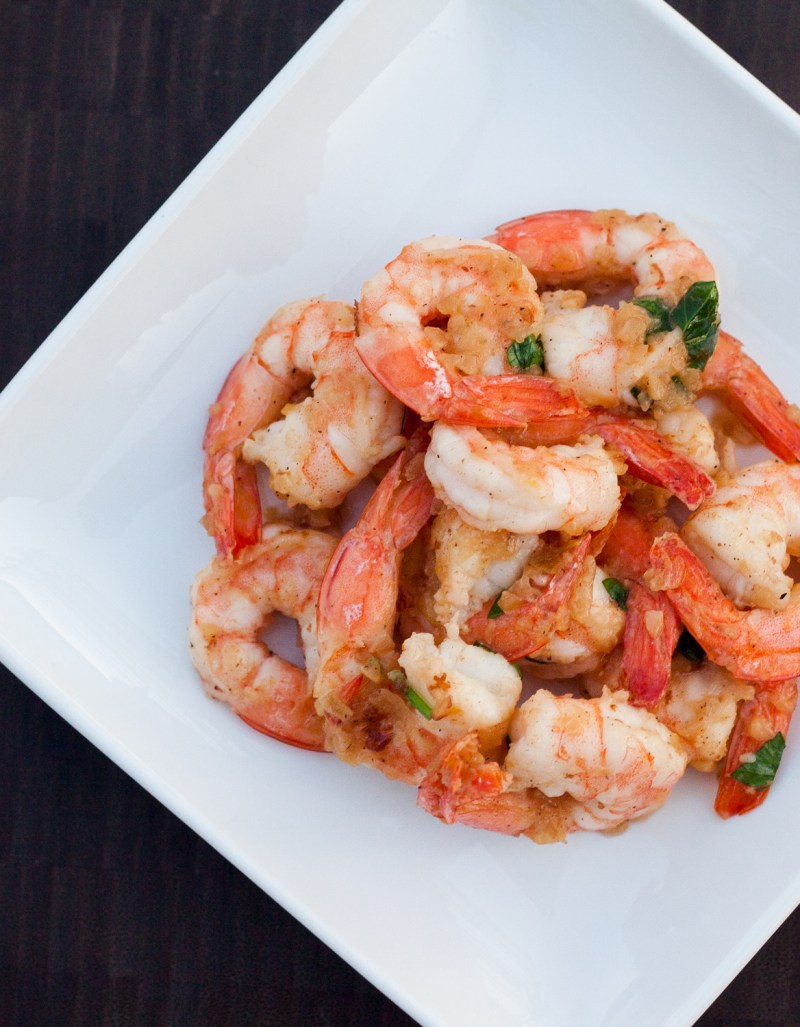
It may sound funny, but “scampi” is actually the culinary name for Nephrops Norvegicus, commonly known as the Norway lobster or Dublin Bay prawn. In Europe (Britain and Italy especially) “scampi” refers to the tail meat of this small lobster. Here in the US the word “scampi” most often refers to a style of preparation involving butter, garlic, and white wine used mainly with shrimp. However, I’ve seen “chicken scampi” in several restaurant menus, which often incites a chuckle.

I love making this dish because it’s both easy and decadent; it’s not often you can make something so delicious in just 20 minutes using ingredients you probably mostly have at home already.

Read Full Article

I was recently asked by the fine folks at Cappello’s to try out their unique line of fresh gluten-free, grain-free pasta, and I was excited to get my hands on their product. First of all, I have a special place in my heart for Italian dishes; I started to realize that I was pretty good at this whole “cooking” thing when I first started to focus on and perfect a few Italian meals, many years ago. Secondly, while we do eat dishes using boxed rice noodles from time to time, nothing beats fresh pasta.

The pasta is made using mainly egg and almond flour, and has a taste and consistency that is the best I’ve experienced from a non-wheat product. Read on for some more pictures and details, and I will have the recipes for each of these products up on the site over the next two weeks.

Read Full Article

NOTE: An updated version of this recipe appears in my cookbook, The Ancestral Table.

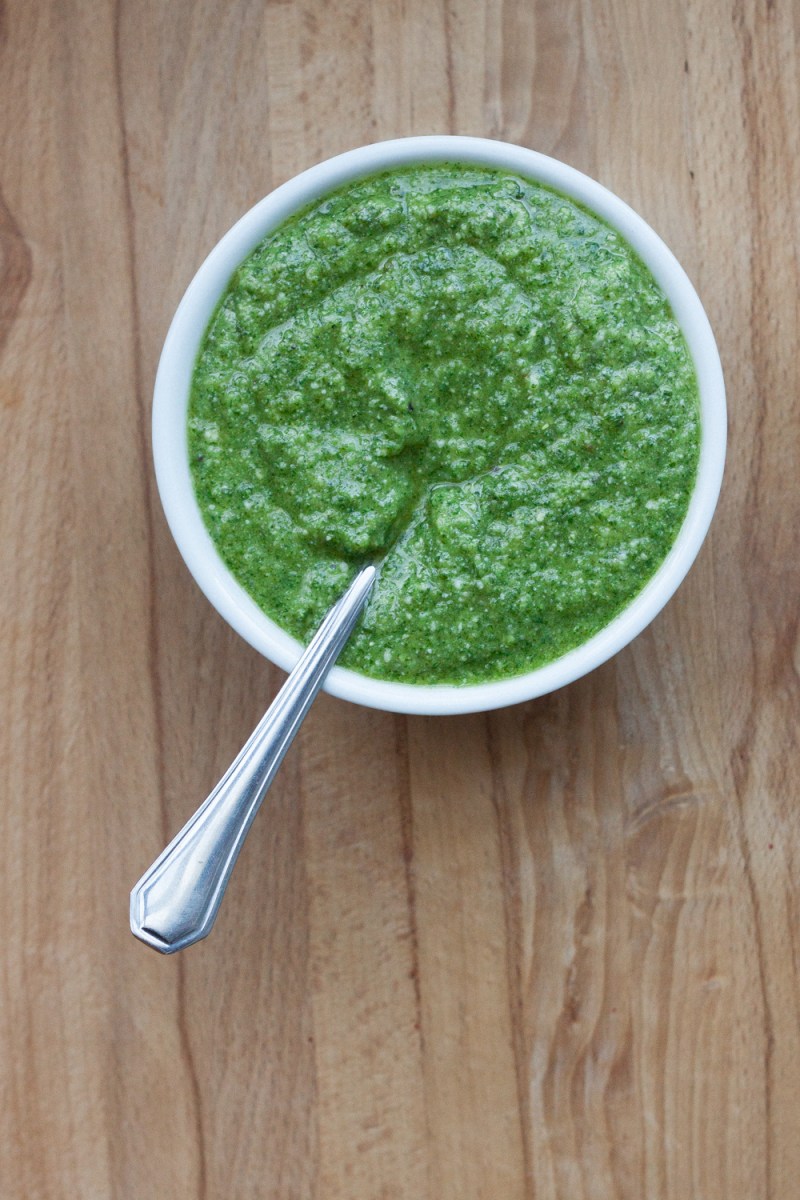
Pesto has an interesting history. Its name comes from a Genoese (Northern Italy) word that means to crush or pound, implying the use of mortar and pestle. In fact, the English word “pestle” has the same root. While pastes have been used in Italy since the Ancient Roman times, basil wasn’t introduced until later, from Africa (via India), and the modern interpretation of basil pesto dates back only to the 19th century. In fact, pesto didn’t even gain popularity in the United States until the latter half of the 20th century.

Basil pesto is great because it is a fool-proof way to spice up many pasta dish, or even sautéed vegetables. I often add a spoonful of it to many sauces, including alfredo or spaghetti sauce (blasphemy, right?) for a subtle extra kick.

Read Full Article

Bangers and mash is a traditional English dish and the quintessential “pub food”; it can be made for large groups of people at once with relative ease. This isn’t your standard bangers and mash dish since it’s typically served with beef or pork sausage and mashed potatoes, and I’m being crazy and using lamb sausage and colcannon. Regardless, this dish still has the same desired effect: it’s a hearty, savory dish that really hits the spot on a rainy day.

A perfect sausage for this dish was Lava Lake Lamb’s Rosemary and Garlic Sausage, which had a rich sausage flavor but was only slightly “lamby” in taste – in the end it was an excellent pairing of this savory sausage and the mild, buttery colcannon.

Read Full Article

NOTE: An updated version of this recipe appears in my cookbook, The Ancestral Table.

Although there are variations of potato/kale combos found all over Europe, I’m inclined to believe that the Irish variation, colcannon, is grandaddy of them all. First of all, the Irish basically own the creative rights to cabbage. The Romans introduced cabbage to most of Europe back in the day, except that when they got to Ireland it was already there! By tracing the word for cabbage linguistically, it appears that cabbage has been a part of the Irish (well, Celt at the time) diet since the Iron age. Potatoes weren’t introduced to Europe until the 16th Century, with the Irish and French being the first to really embrace them, and so colcannon came about sometime thereafter.

Although colcannon is treated as a St. Patrick’s Day dish here in the US, it’s traditionally a Halloween dish in Ireland. Some families would put a plate of colcannon outside their front door with a large chunk of butter in the middle to feed ghosts/fairies that were passing by. It also was closely related to marriage divination, in that trinkets (wedding rings, coins) would be hidden in the colcannon and the girl that found the trinket would be the next to marry.

Read Full Article

It might sound crazy, but you can totally make lettuce chips. Google it. It’s a thing!

Lettuce chips have a distinct taste to them – they retain a hint of bitterness, and just about melt in your mouth. They’re impossibly delicate so you’ll probably end up eating them all in one sitting instead of trying to store them without crushing everything. My technique for cooking them involved a quick bake in the oven, but I bet you could get the same effect with a food dehydrator for a longer period of time.

Read Full Article

I have a confession to make: it’s not often that I invent a recipe out of thin air. Usually I tend to re-create tried-and-true traditional dishes using a wide array of sources. However, with today’s recipe – a roasted pork sirloin – I made the whole thing up, mostly out of necessity. Although there are a lot of recipes out there for how to cook pork sirloin, many of them looked less than great, and there didn’t seem to be a universal approach to cooking this cut of pig.

I chose to tackle this dish for another reason, as well: it’s a fairly affordable cut of pork. That seems like a tragedy – to have an affordable, readily-available selection of meat available but no tasty method of preparation – and I wanted to fill that vacuum. Luckily, US Wellness Meats agreed with me, and let me try out one of their 4-lb. Pork Sirloin Roasts.

Read Full Article

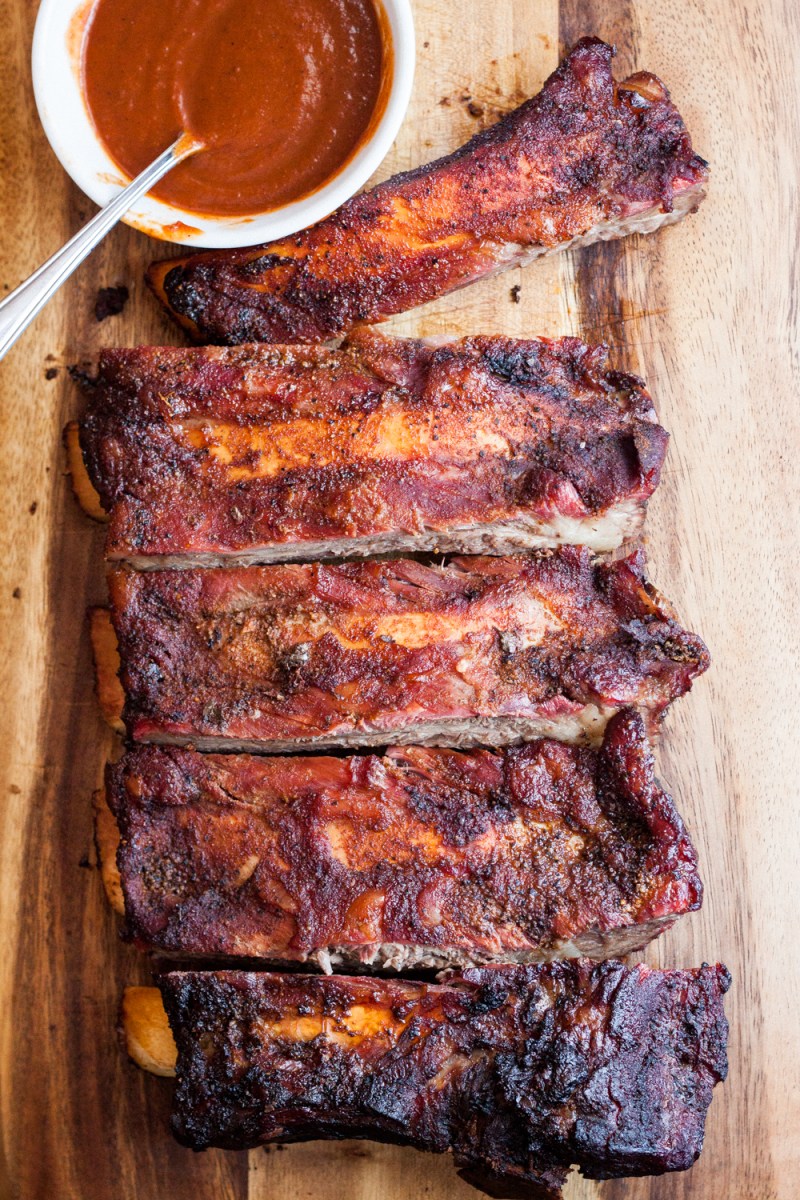
US Wellness Meats recently asked me to make a recipe for their beef back ribs, and I was happy to oblige (note: don’t ever turn down ribs). Little did I know, I was in for a surprise: this package, which included four racks of ribs, weighed in at SIXTEEN POUNDS of beefy goodness. I immediately knew that I had to call in for backup to give these monsters the attention they deserved.

Enter my friend Jeremy from SeaDog BBQ. SeaDog BBQ is a locally-based Kansas City Barbeque Society competition team, and they’ve done pretty well here in Maryland against some very talented teams. Not only did he come up with an awesome sugar-free barbecue rub recipe to accompany these beef ribs, he brought over his own smoker! While his smoker is from a small, locally-produced source, he did mention that the Weber Smokey Mountain is one of the best introductory smokers that are commercially available. If you don’t own a smoker, never fear – I added tips on how to replicate this recipe using a grill.

Okay, enough with the background, on to the ribs! For this recipe we cooked two of the racks, totaling eight pounds. We opted for a dry, sauceless cooking method, typical of Memphis-style barbecue, with an hour’s braise in the middle to speed up the cooking process and to keep the ribs juicy and full of beefy flavor.

Read Full Article