Chicken

Chicken Marbella is a dish first introduced in The Silver Palate Cookbook in 1982. Its unique combination of prunes, capers, and green olives quickly captured the hearts of home chefs and remains a family favorite in many households throughout the United States today. So when a friend requested that I make an adaptation of the recipe, I was happy to give it a shot and see what I could do.

And truth be told, I didn’t make many changes from the original recipe, because it’s already delicious and uses whole ingredients. However, I only used dark meat (instead of a quartered whole bird) to make sure all of the pieces cooked evenly. I also made some minor ingredient changes, like adding half an onion and using a butter and honey glaze instead of a brown sugar coating typically used in this recipe. Altogether, it all adds up to a slightly magical experience: a gourmet-tasting dish that’s dead simple to make!
Read Full Article

Update: Please note that I’ve improved upon this recipe – check out the new version here. They are also featured in my second cookbook, Paleo Takeout.

Over the past few weeks we’ve spent a fair amount of time out in town, shopping for gifts, and we have often found ourselves away from the house with no lunch plans. Chipotle is our emergency standby, but sometimes we’re tempted to grab Chick-fil-A since they’re everywhere (there are 30 of them within 20 miles of our house!). But as Melissa at Hunt.Gather.Love. points out, regardless of how you feel about Chick-fil-A’s stance on current social issues, the quality of their food alone should be enough to boycott the restaurant chain. For example, let’s take a look at the ingredients list for their nuggets:

100% natural whole breast filet, seasoning (salt, monosodium glutamate, sugar, spices, paprika), seasoned coater (enriched bleached flour [bleached wheat flour, malted barley flour, niacin, iron, thiamine mononitrate, riboflavin, folic acid], sugar, salt, monosodium glutamate, nonfat milk, leavening [baking soda, sodium aluminum phosphate, monocalcium phosphate], spice, soybean oil, color [paprika]), milk wash (water, egg, nonfat milk), peanut oil (fully refined peanut oil with TBHQ and citric acid added to preserve freshness and Dimethylpolysiloxane an anti-foaming agent added).

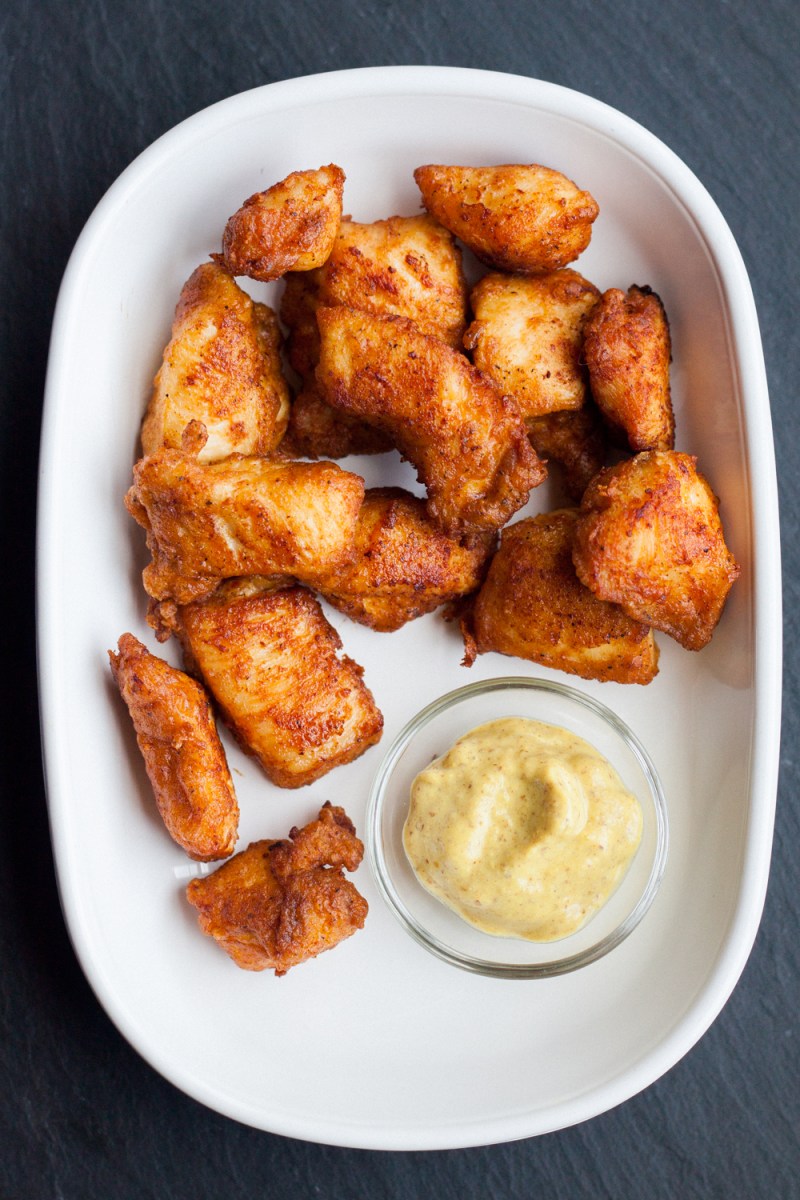
So I set out to recreate these chicken nuggets, and most importantly, reduce the ingredients list of this dish from 30+ ingredients down to 10 with minimal compromise on taste.

Read Full Article

The Cornish hen, often referred to as a Cornish game hen or Rock Cornish hen, is a hybrid chicken first developed in the United States in the 1950s. Besides being much smaller than its predecessor (the Cornish-Rock chicken, which is the common “broiler” chicken worldwide), it also generally has a higher white-to-dark meat ratio than its big brothers. Some other interesting tidbits include the fact that the Cornish “game” hen is not a game bird at all, it can be either male or female, and it reaches maturity within 30 days.

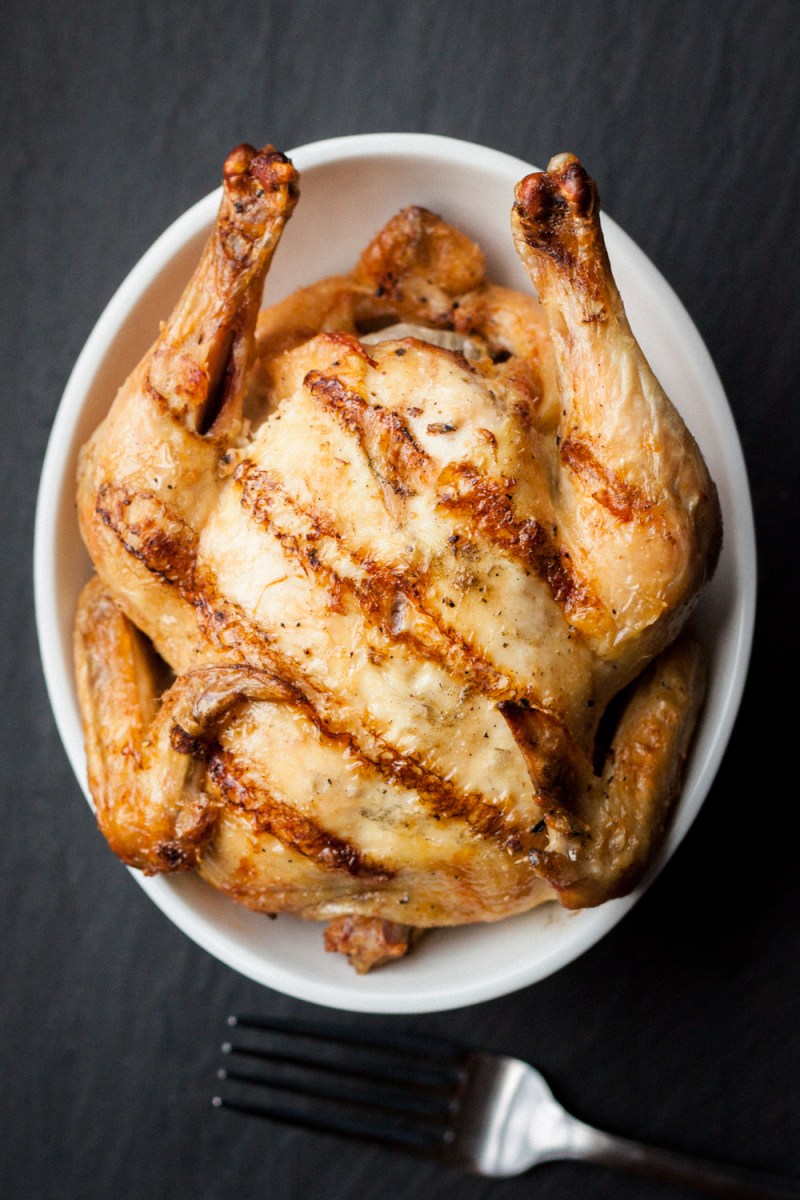
I love cooking these little bird because they’re the perfect single-person meal. You get the best of everything! Both drumsticks, both wings, and both oysters. I also find cooking Cornish hens easy and stress-free, and they can be ready in much less time than a full-sized bird.

Read Full Article

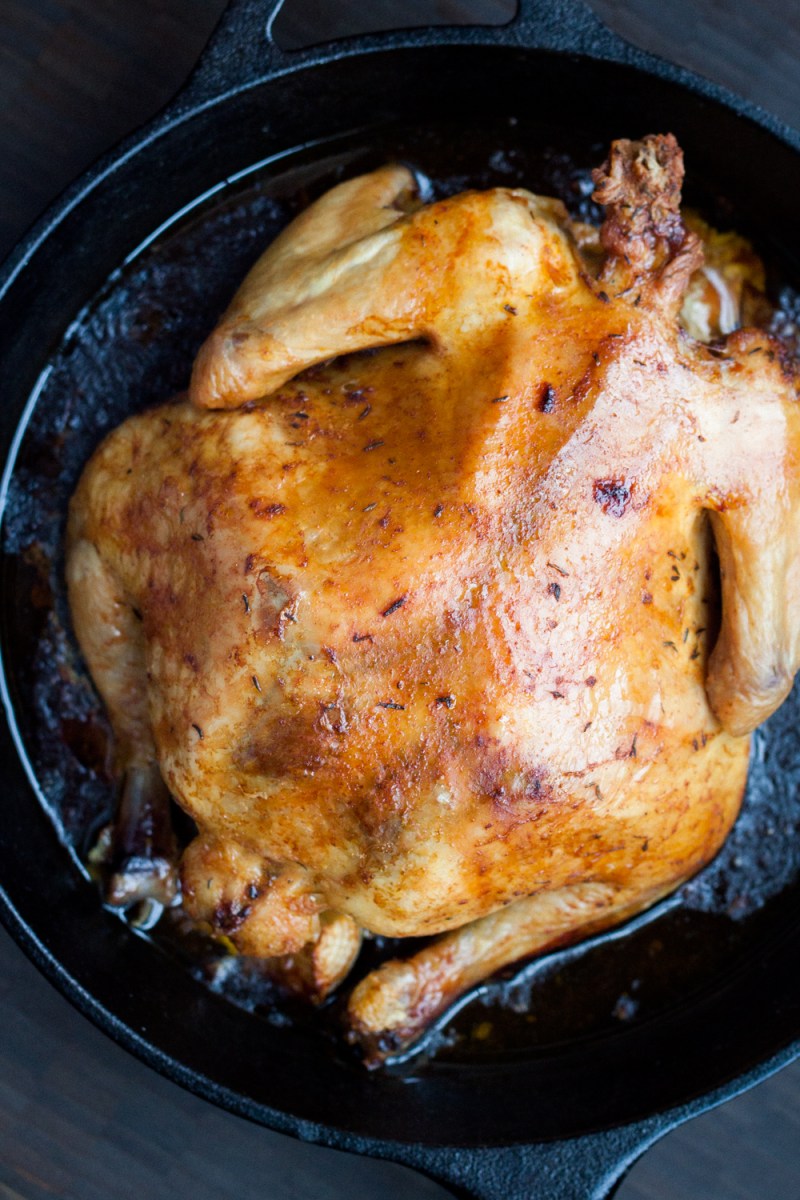
One of my readers recently turned me onto a dish called “Mimi’s Sticky Chicken“, and I was immediately intrigued by its foolproof technique and the mid-1990s feel of Mimi’s website. So I gave it a try, and I liked the recipe enough to share.

This recipe is unique in that it only needs one dish (I used a cast iron skillet), and it uses a relatively low cooking temperature of 250 degrees. Sure, it takes four to five hours to cook the bird, but it’s worth the wait.

Read Full Article

NOTE: An updated version of this recipe appears in my cookbook, The Ancestral Table.

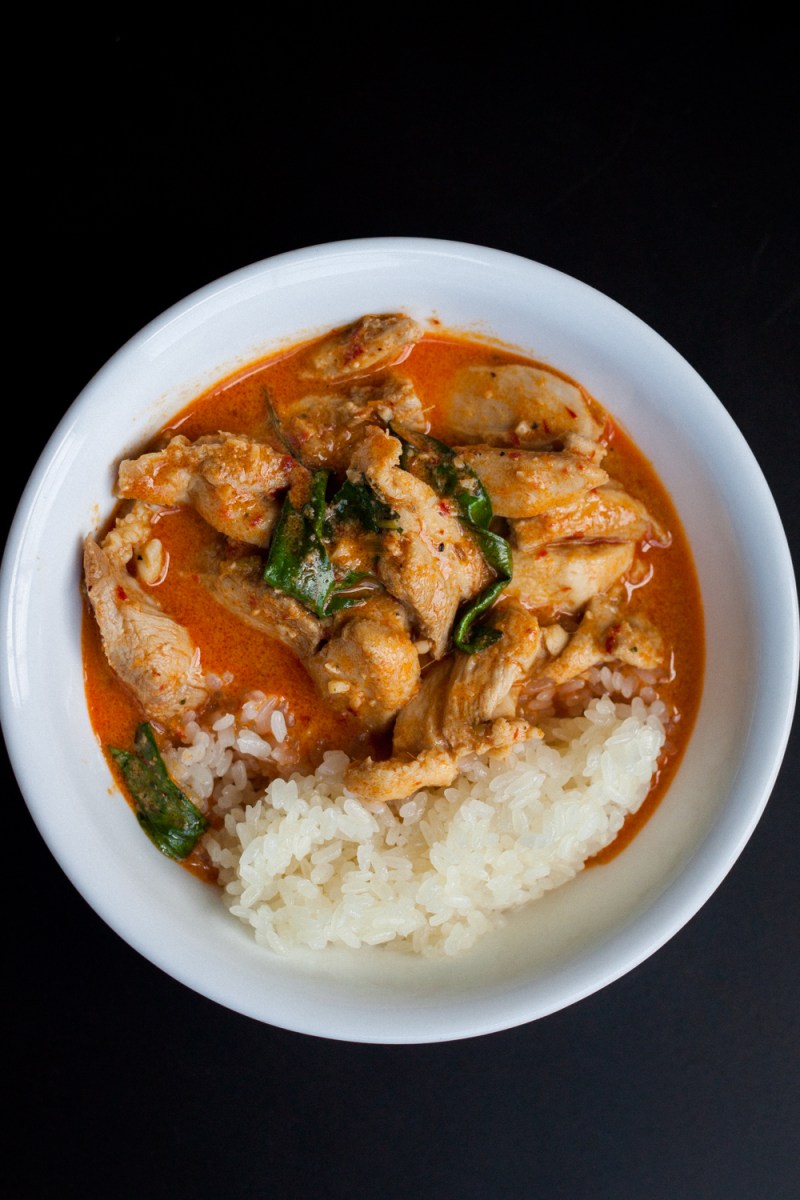
Like I had mentioned in my Panang curry paste recipe, Panang (also spelled พะแนง, Penang and Phanaeng) curry is a mild Thai curry that gets its name from the Malaysian island of Penang. It is similar to Thai red curry but is richer and creamier, and typically uses crushed peanuts as a major part of the dish (I personally use cashews). It is often served with beef, pork, chicken or shrimp in Thai restaurants in the United States, although beef is the traditional meat used in this dish. We love to make this curry with all of these meats, but typically we use chicken for its taste and texture.

Read Full Article

Drumsticks are a great cut of chicken. My three-year-old son loves them, since they come with “handles” and he gets to eat with his hands. To celebrate these little legs I decided to write up a quick, foolproof recipe for grilling drumsticks.

They are also one of the easiest and most rewarding pieces of chicken to grill, because it’s hard to mess them up. Chicken breasts are great, but they have a very small window of juiciness, and will dry up quicker than a jackrabbit in a thunderstorm. Whole chickens are also fun to grill, but are best when brined, which can take some time and planning. Thighs are another good option, but let’s be honest here – they’re just not as fun as drumsticks.

Read Full Article

NOTE: An updated version of this recipe appears in my cookbook, The Ancestral Table.

We don’t eat fried foods that often, but every once in a while I get a craving for something crispy and crunchy. So I set out to make a gluten-free, Paleo-friendly Southern Fried Chicken. Bear in mind that this isn’t a smart choice for your everyday meals, but it’s a great way to change things up every once in a while.

The creation of Southern Fried Chicken is the result of several different influences: fried chicken was a West African delicacy brought over to the US by slaves, the mass-production of pork in the South made lard readily available, and the popularity of cast iron cookware in the 19th century created the fried chicken we now associate with the South. I kept my recipe true to those historical precedents, including the use of buttermilk as a marinade. If you’re dairy-free, omitting the buttermilk marinade will still leave you with a pretty tasty fried chicken.

Read Full Article

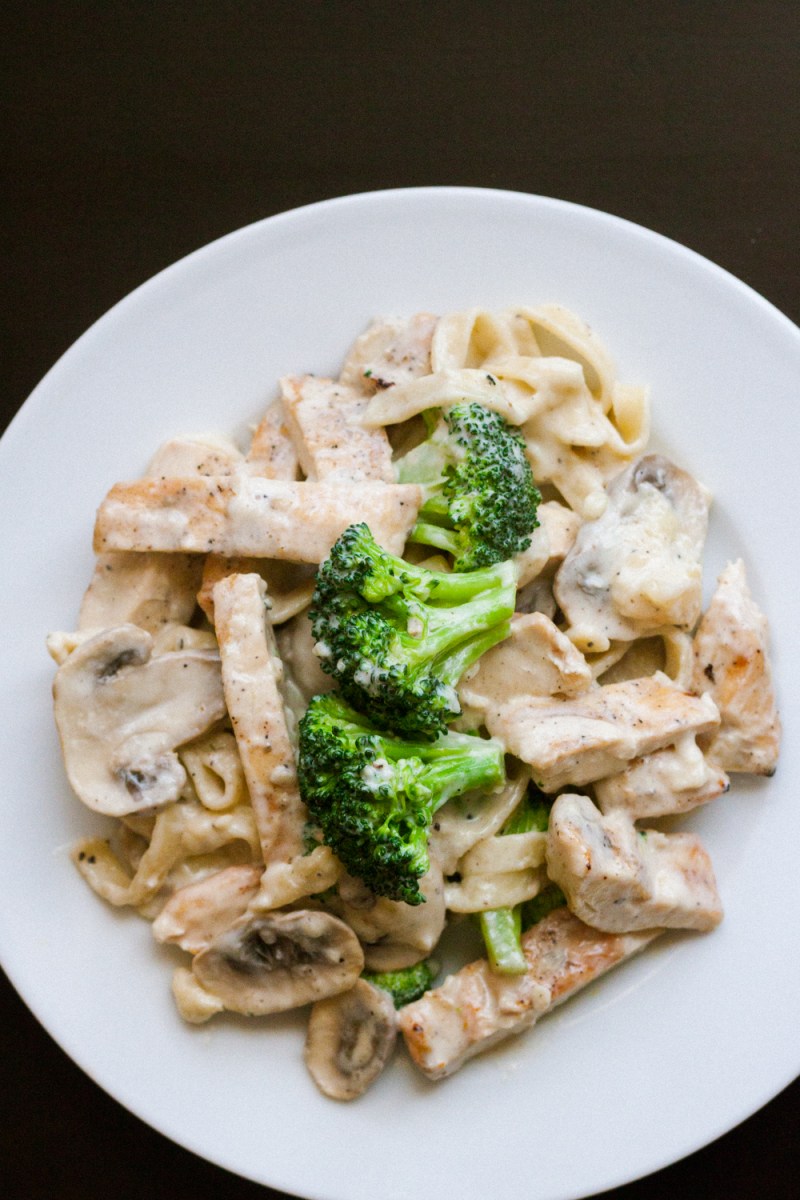
And here it is, one of my most treasured and well-known recipes (at least to my family and friends). I’ve been making Fettuccine Alfredo in this same manner since I first learned how to make it nearly fifteen years ago.

While pasta dishes tossed with butter and cheese have been around for a long time, the term “Fettuccine Alfredo” is based on the signature dish of Alfredo Di Lelio’s restaurant (aptly named “Alfredo”) which opened in Rome, Italy in 1914. American tourists grew to love the dish and bring it back here to the US; while we Americans often add ingredients like chicken, shrimp, mushrooms, or broccoli to the dish, it’s commonly served without add-ins elsewhere in the world.

Read Full Article

NOTE: An updated version of this recipe appears in my cookbook, The Ancestral Table.

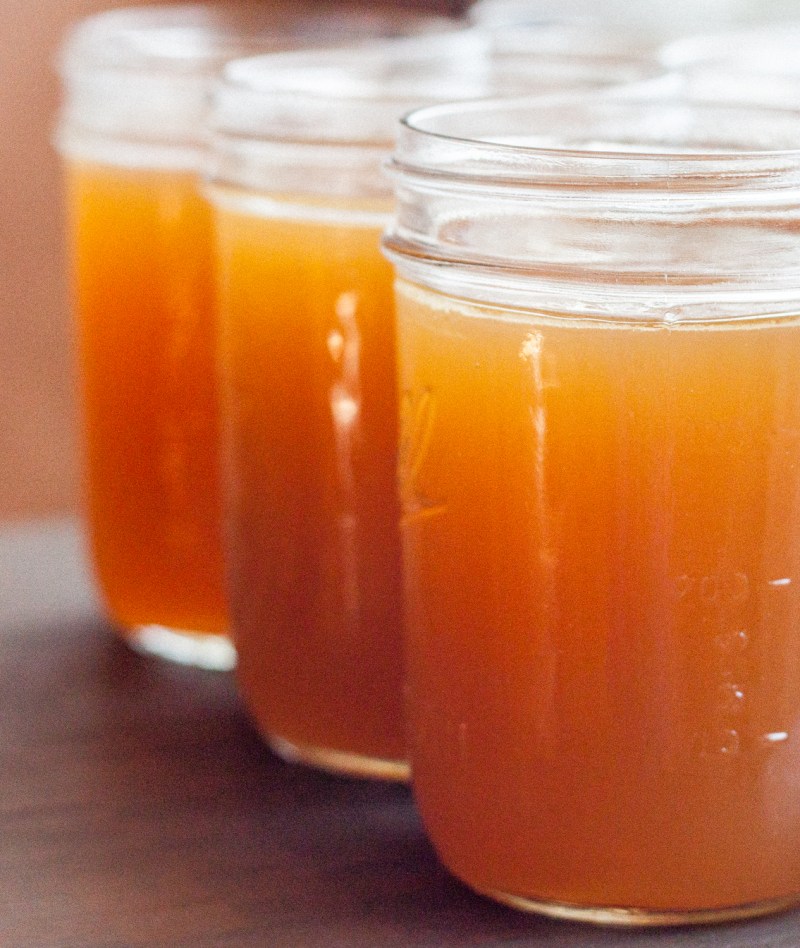
There are four main benefits to making your own homemade stock:

1. It saves you money, especially if you use leftover chicken parts. As you’ll see in this recipe, even buying chicken parts specifically for stock is still cheaper than buying commercially-available stock.
2. You get to control the taste of the broth, especially how much salt goes into it – which in my case is NONE. I prefer to add salt to my dishes as I cook them, without having to worry about how salty my broth is going to make my dish.
3. You can make it as concentrated as you’d like, which helps you save valuable freezer/fridge space.
4. You have control over where the chicken comes from, and how it was processed, by purchasing your birds/parts from a local farm or from online vendors.

For this recipe, I used chicken parts from U.S. Wellness Meats; specifically, chicken backs and necks. I used these parts because they have lots of bones, which house a lot of nutrients that are imparted into the broth. U.S. Wellness Meats were out of chicken feet at the time of my order, so I got some locally. These are great because they are full of bones and collagen, which create a rich, flavorful, and gelatinous broth. Other options for chicken parts are leftover chicken carcasses (store them in the freezer after roasting a chicken, until you have a few ready to go), or whole stewing hens (older chickens that are too tough to eat using quick-cooking methods).

Read Full Article

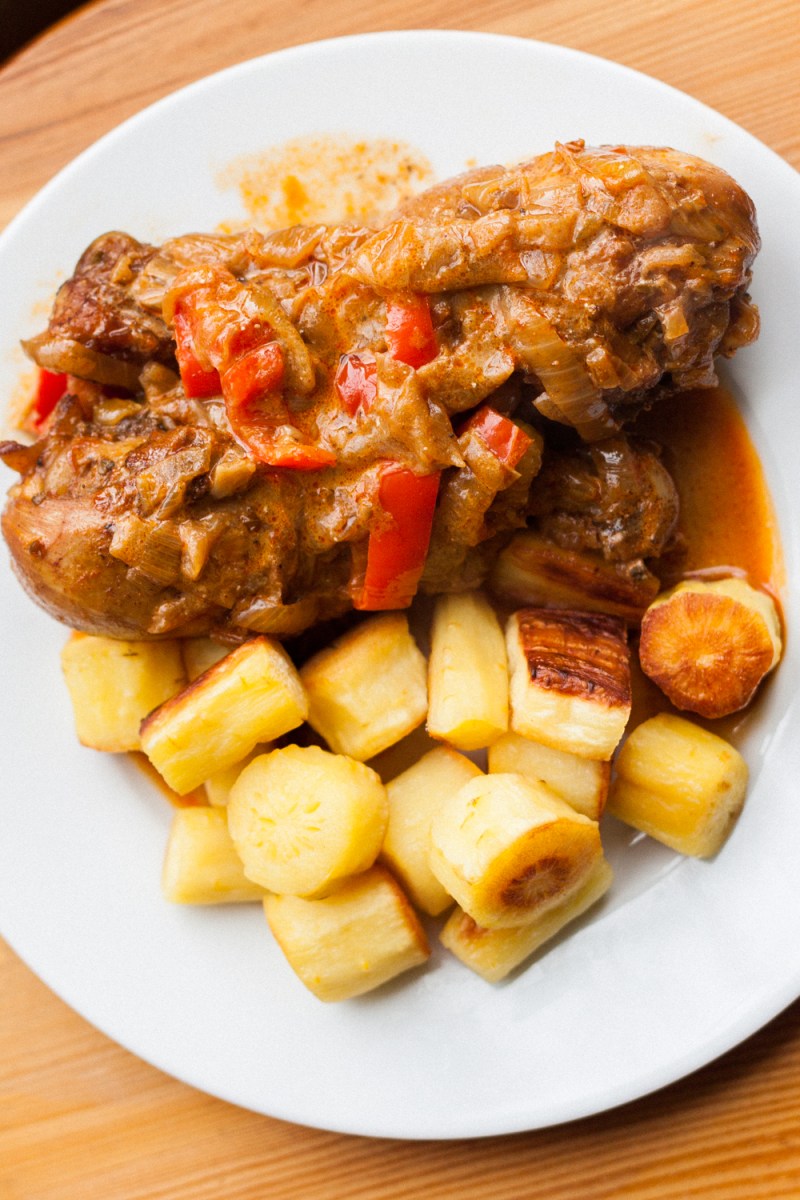
Chicken Paprikash is a famous Hungarian dish, known for its mellow flavor, mild sweetness, and tender chicken. Some might consider it a stew, and I’m not arguing that fact – honestly, it really doesn’t matter. This stuff just tastes good. This dish is commonly served with egg noodles or spätzle-like dumplings. I thought that my roasted parsnips would be a good substitution, and it worked; their crispy outside and slight-spongy inside were perfectly paired with the chicken’s creamy sauce.

Today’s recipe is somewhat of a joint venture with my friends Melissa and Nicole from mealpod.us. I love the concept of their site: they make a large batch of one dish in advance, and then freeze portions of it in their clever little “mealpods” for easy reheating. It allows them to eat healthy, regardless of how busy and frantic life gets. The only adjustment needed with my recipe to make it mealpod-friendly is to use boneless, skinless chicken thighs instead of bone-in thighs/drumsticks. I sent them this recipe a few weeks ago and they made a version of their own; it turned out great!

Read Full Article