
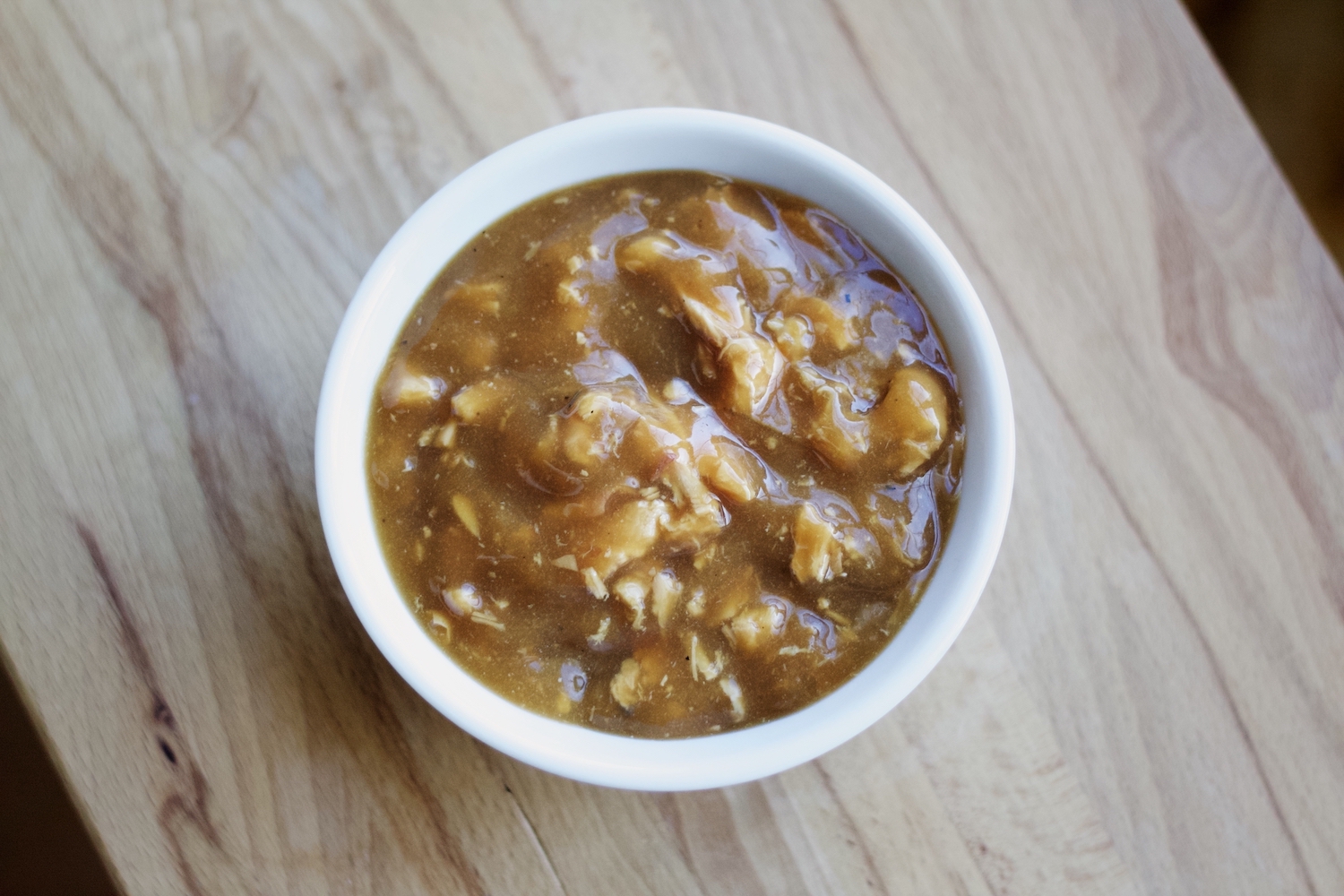
Creating a turkey gravy is pretty easy. Essentially, you just use all the stuff that comes from cooking a turkey. The only real trick is get the taste right. Luckily, you’ve got me to figure that part out for you.
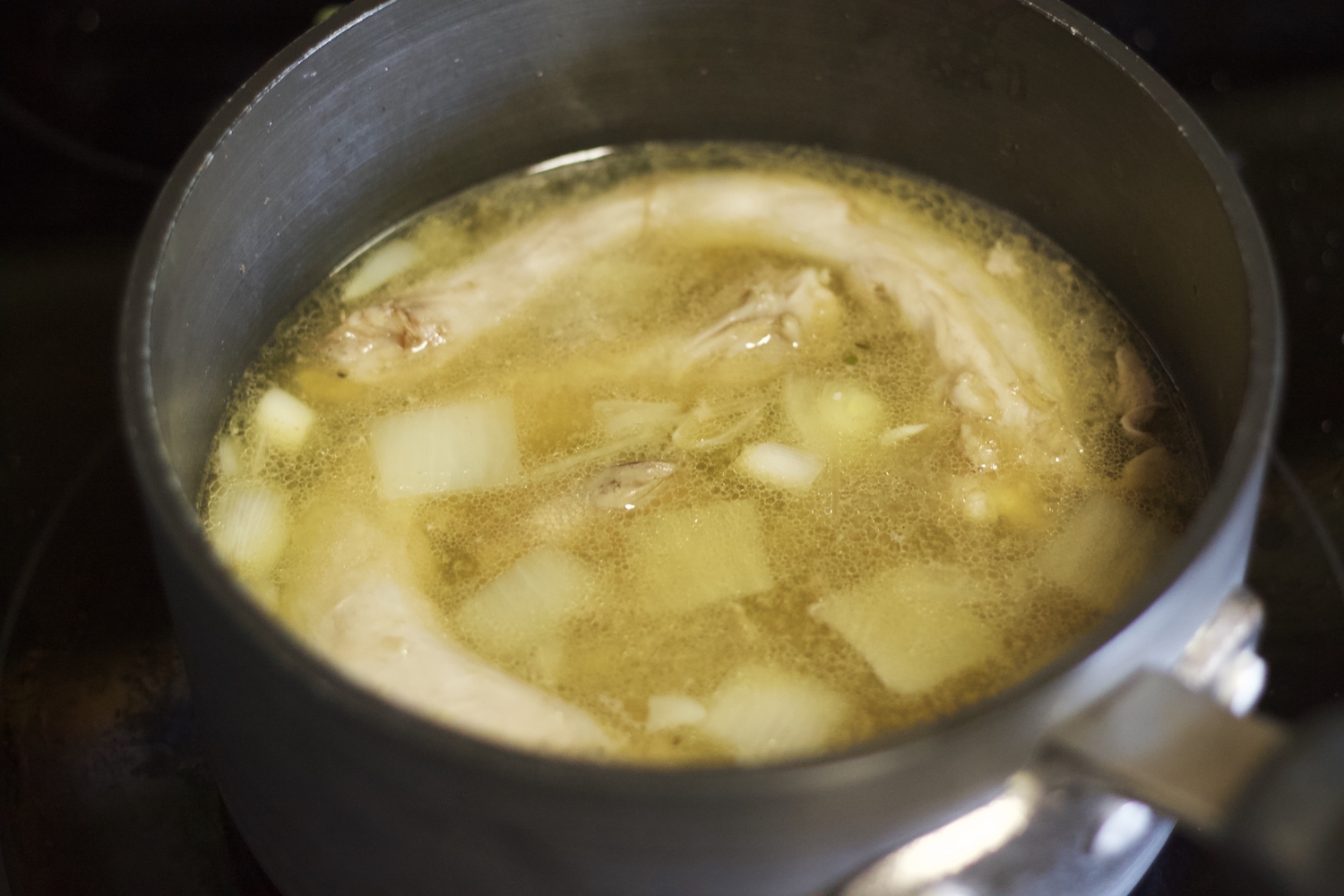
Creating a turkey gravy is pretty easy. Essentially, you just use all the stuff that comes from cooking a turkey. The only real trick is get the taste right. Luckily, you’ve got me to figure that part out for you.

NOTE: An updated version of this recipe appears in my cookbook, The Ancestral Table.
Maryland crab cakes are a little different from what you may be used to. They’re made with a smidgen of bread crumbs (or sometimes crushed crackers) which give them a slightly spongy consistency, unlike many of the hard-packed crab cake balls I’ve seen elsewhere. Also, Maryland crab cakes don’t have any onions in them; they’re basically just huge piles of crab meat.
Here in Maryland crab cakes are either fried or broiled, and I prefer the broiled method. I’ve seen a lot of recipes which call for baking then broiling the crab cakes; however, the internal temperature of a crab cake should be 160 degrees, so this method doesn’t seem very practical. I imagine it’s hard to guess the perfect temperature while a crab cake is being broiled at 500 degrees. Instead, I’ve chosen to broil the crab cake first to get the right crispiness, then bake it until it reaches the right temperature.
Lastly, for the bread crumbs I used Udi’s gluten free bread, which is made with tapioca starch, rice flour, and potato starch. I lightly toasted two slices of bread (this is a great use for the heels) and then blended them in my Magic Bullet. Worked perfectly.

I’ve got two issues with beer can chicken. First of all, I’ve decided to only drink beer on special occasions, and it’s wasteful to pour out a beer/soda can and fill it with wine or cider (let alone buying a six pack of canned beer just for the purpose of roasting chickens).
Secondly, taking the beer can out of a cooked chicken is a pain in the butt. Luckily, one simple kitchen tool solves all of my problems: this two-in-one vertical chicken roaster from Williams-Sonoma. This heavy duty dish allows you to roast one or two chickens using any liquid you’d like, with a lower tray that allows you to roast vegetables at the same time (and be basted in the chickens’ falling liquid). The roaster sells for $50 and I think it’s totally worth it.
NOTE: An updated version of this recipe appears in my cookbook, The Ancestral Table.
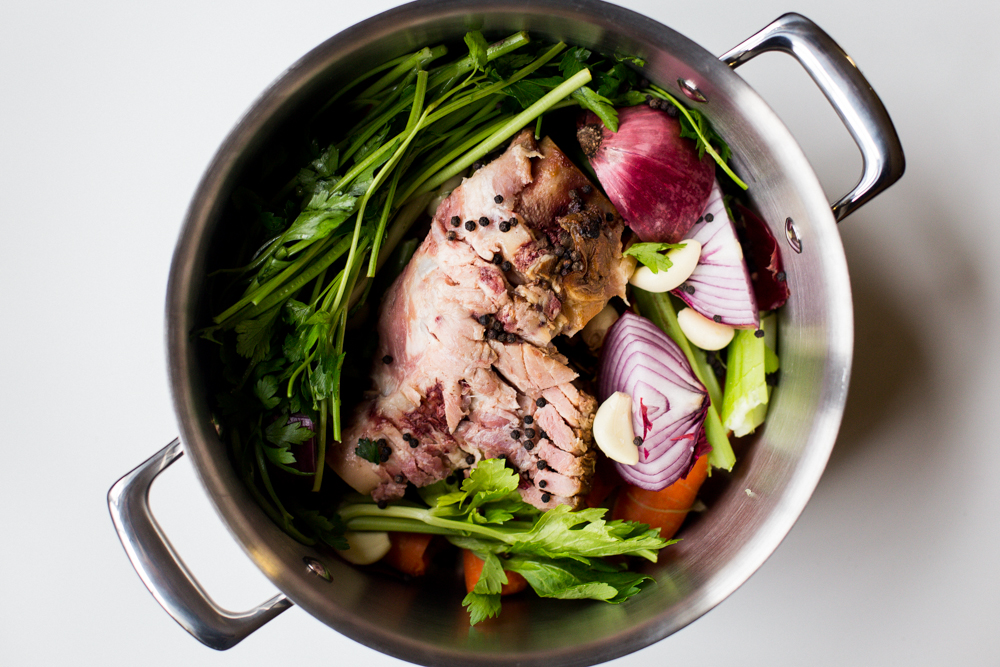
I decided to make a pork stock using our Easter Day ham – what else am I going to do with a huge ham bone? Although bean soups are usually the best and easiest use of ham stock, I may use it to steam some greens, make jambalaya, or a bean-free soup. Regardless of what I end up making with it, here’s how to make your own ham stock.

Rosemary potatoes are a classic French side dish, and we often roast them in the oven. I figured that grilling them under direct heat would speed up the process while eliminating the need to scrape and clean a pan afterwards – and I was right!

This year we upgraded our gas grill, so I’ve been thinking of new ways to grill food. I decided to incorporate grilling into chicken korma, resulting in a creamy, delicate sauce with textured chicken chunks.

This recipe is similar to my original ribs recipe, but with spare ribs instead of baby back ribs, and with more ingredients in the braising liquid. It resulted in a rich, complex meaty taste.
The first thing you’ll probably notice right off the bat is that spare ribs aren’t very nice looking. “Spare ribs” is a phrase used for the lower ribs, which aren’t particularly evenly cut. That’s the sacrifice one makes for getting cheaper ribs! The ribs I used in my recipe were pre-cut but you may have to cut them yourself. Also, spare ribs are usually home to a bunch of pieces of cartilage, which some people find unappealing; personally, I like to dig around the ribs and find them.

Man, I had the hardest time finding a chicken cordon bleu recipe in my French cookbooks. Turns out that this dish isn’t French at all; it was created in the US and we added the “cordon bleu” to make it sound awesome. And in that respect, it totally worked.
The challenge with making a grain-free chicken cordon bleu lies in its crispy outer crust, which is usually achieved through flour and bread crumbs. I experimented a bit and found that a combination of coconut flour and potato starch worked best: the coconut flour surprisingly doesn’t leave any sweet/coconuty flavor behind, and the potato starch creates a crisp, delicate shell around the chicken.
NOTE: An updated version of this recipe appears in my cookbooks, The Ancestral Table and Paleo Takeout.
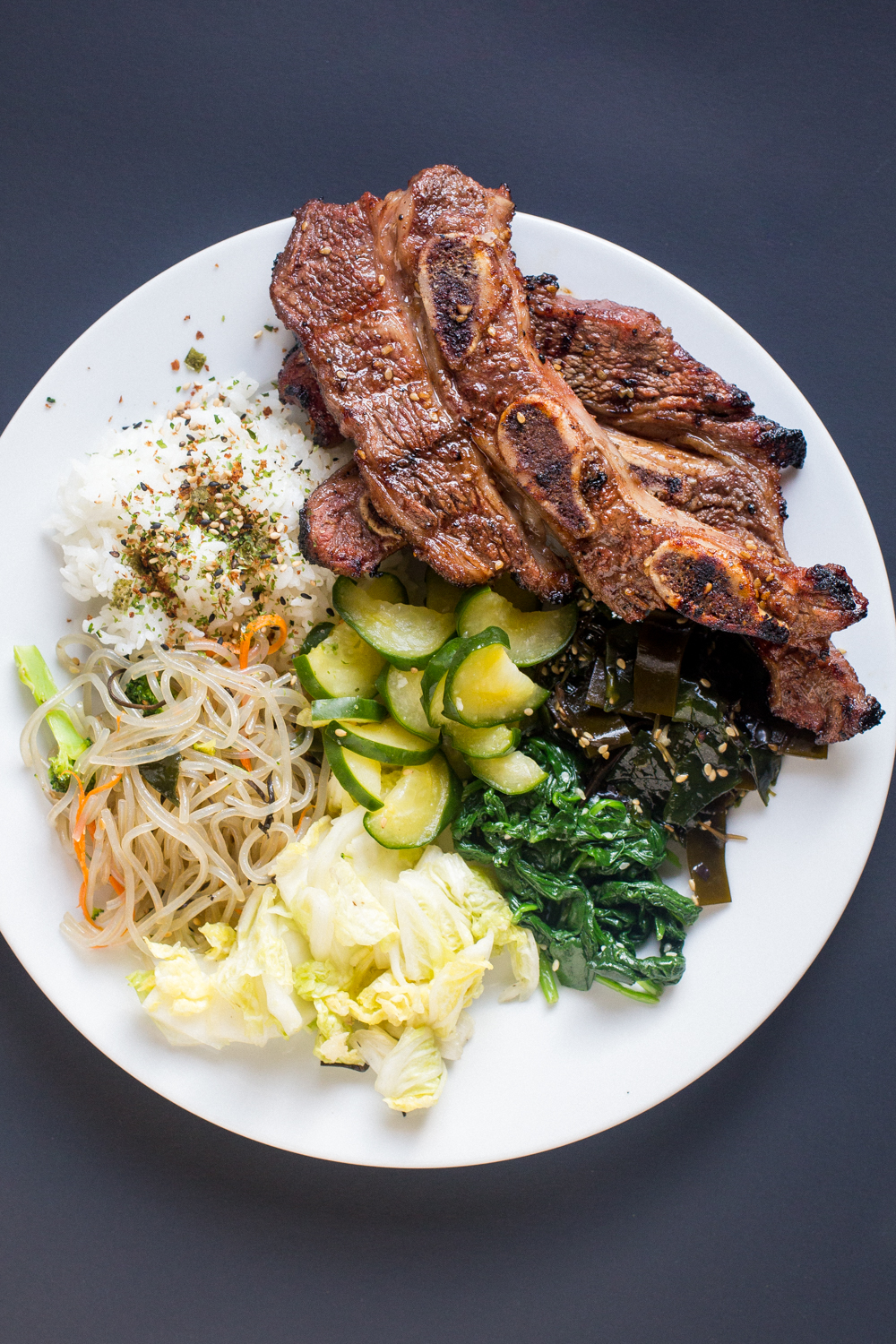
Kalbi (also known as Galbi) is one of my favorite meat dishes to grill at home. Unfortunately, all of the commercially-available marinades contain all sorts of nefarious ingredients, so I decided to try making the sauce from scratch. Luckily, it turned out to be really easy and tasted great.
This recipe calls for one Asian pear, but a regular golden pear, or even unsweetened applesauce, will do in a pinch.

Boiling potatoes for anything other than the purpose of mashing them may seem insane, but with certain potatoes it results in an evenly cooked potato with a mild taste – provided you cook them perfectly. Fingerling potatoes are perfect for boiling because it brings out their subtle, nutty flavor.
 The Domestic Man