food

Here it is: my first recipe published on the blog that features dried beans. Well, technically, I posted a recipe in 2013 for Cow Heel Soup which featured split peas, but I made them optional. If you’re wondering why I incorporated beans into the recipes for my latest book, be sure to check out this post from last week – but long story short, the recipes in The Heritage Cookbook are historically accurate for a reason. The book investigates the link between traditional foods and health, with the underlying idea that we may have specific adaptations to the foods our recent ancestors relied on as staples. So to omit historical ingredients, prepared in traditional ways, undercuts the entire premise of the book. And just maybe, if eaten in a traditional context, some of these foods might not be so bad from time to time.

So yep, beans. We’re going to use fava beans or lima beans, which are nice and meaty. And like with all of the recipes in the book that feature beans, we’re going to soak them overnight, which increases their digestibility and makes them far easier to cook (plus, this is the way they have been traditionally prepared for thousands of years). One interesting note: while they have a similar appearance and taste, they are from two different corners of the world. Fava beans are part of the pea family, from the eastern Mediterranean, and have been cultivated for 8,000 years; lima beans, on the other hand, are a New World bean, discovered in Peru about 4,000 years ago. There’s an easy way to remember the origins of beans: peas, chickpeas, and fava beans are Old World, and everything else is from the Americas. Pretty cool, huh?

Oxtail stews are found all over the world, and were recorded as far back as the Roman times (but definitely eaten before then – it’s just that nobody was writing about them). This dish in particular is modeled after the Caribbean (specifically, Jamaican) version of this dish, developed at a time when slaves had to make do with lesser cuts of meat, like oxtails. This oxtail stew uses a healthy dose of allspice (native to the Americas) for its base flavor, and the meat is coated in a bit of sugar before being browned. This technique caramelizes the stew nicely, and is likely a remnant of sugarcane plantation cookery.

Read Full Article

With the release of The Heritage Cookbook last week, I’m ready to get back to how it all started–blogging. And honestly, it feels pretty great to be back in the saddle, fiddling with my old writing tools and codes. We’ll start pretty light for now, with recipes from my new book. I figure that since there are less than two months left to put in your order for the special print edition of the book, you won’t mind if I share recipes and stories from the four years it took me to get it into your hands!

Dimlama is a stew popular in Central Asia (especially Uzbekistan and Kyrgyzstan), made during that short window when vegetables are in season. It’s hard to grow vegetables above the ground on the Central Asian steppes, because constant winds are disruptive to the growing process; that’s why Central Asian cuisine has historically relied on underground vegetables like onions and carrots as their source of vegetables.

Preparing this dish is relatively simple: grab all the vegetables you have available, and layer them over meat (usually lamb, but sometimes beef or horsemeat), cover and simmer until everything is tender. No need to add water – the vegetables will release their own liquid. And it turns out that this dish is actually a bit of a revelation to cook, because it really brings awareness to the vegetables’ subtle flavors. Plus this meat-to-veggies ratio makes the rare chunks of meat that much more pleasurable. When first developing this recipe, I assumed that this wouldn’t be one of my favorites from the book; I was totally wrong.

Read Full Article

Click here to learn more about the limited edition print version

Hello everyone. After several years of research, writing, and designing, I’m ready to release my third cookbook. It’s called The Heritage Cookbook, and it combines genealogy and genetic testing with nutrition and cooking. The book is both a comprehensive dive into ancestral nutrition, food, and cultural histories, and a massive cookbook with 300+ historical and traditional recipes from around the world.

The digital version of The Heritage Cookbook is available for purchase today, with a variety of options. The simplest option is a PDF version of the book, which can be enjoyed on any home computer, tablet, or smartphone. If you prefer to read your books on Kindle or Apple Books, I created those versions as well. I designed each version from the ground up, so they all look pretty great no matter which format you prefer. All digital editions are $14.99 each.

Initially, I was going to limit this book to digital formats only, because it’s nearly too big to print (780+ pages!), and I am no longer affiliated with my previous publisher, so I don’t have the resources to print and distribute physical copies through bookstores or Amazon. But after a lot of positive response from friends and family, I’ve decided to do a special, limited edition print run of the book.

Here’s how the hardcover edition will work:

  • I’ve set up an online store at TheHeritageCookbook.com, where you can pre-purchase the hardcover book for a limited time period (now until June 30th).
  • At the end of the ordering period, I’ll compile and send my order to a small, US-based printer; however many books are ordered is how many books I will have printed.
  • I’ll then personally sign, number, and ship each book by hand with an expected October 2019 delivery date.
  • Shipping is included in the price and you will also get an instant download link for the digital (PDF) version of the book, so you can enjoy the recipes immediately.


The hardcover book price is $60, and I have to limit shipping to US and military (APO) addresses only, but I am positive that the stunning hardcover copy and included perks (free shipping, digital edition included, signed and personalized) make this version truly special.

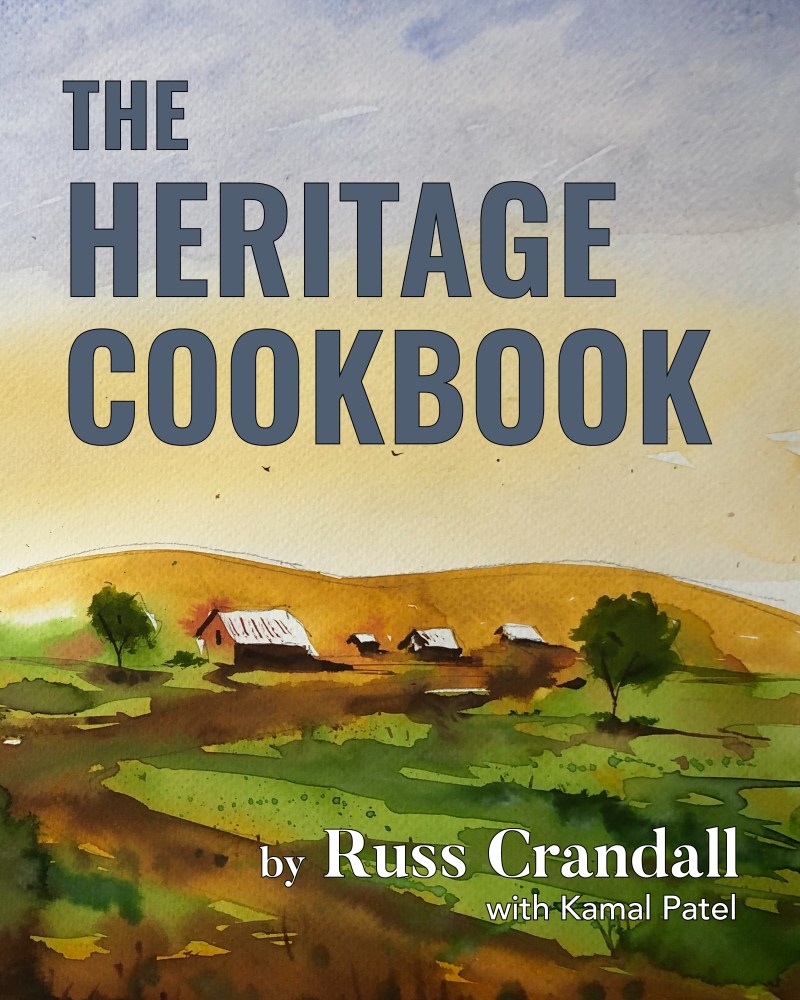
This limited edition version of The Heritage Cookbook will only be available for purchase between now and June 30th. After that, they’re gone forever! Click here to read more and to purchase a copy for yourself. I’m especially excited about the hardcover’s unique cover, which is taken from a beautiful, custom painting made by one of my favorite artists, Martin at Continuum Watercolors. The physical version will also be the same dimensions as my previous cookbooks (although much thicker!), so they’ll all sit nicely on the same shelf.

If you’re not able to purchase the physical edition, never fear: the digital edition contains all the same content, and is super convenient to take with you on your phone when grocery shopping. Be sure to visit the digital edition landing page to see some more pictures from the book!

I think this is a really neat way to wrap up this chapter of my life. I really hope you love this book as much as I have enjoyed writing it. I think that the recipes you’ll find in The Heritage Cookbook are by far the best I’ve ever written, and the photos are the best I’ve ever taken–I’m very proud of this book. If you have any questions, I’ve also made a handy FAQ page that has all sorts of information. Or leave me a question in the comments below. Enjoy!

click here for the digital edition:

also available on:

Click here to buy the limited edition print version

Adobo is one of my favorite dishes; my original Pork Adobo recipe has lived on this site for over six years, and I published an updated, streamlined version last year (see: Oven Roasted Pork Adobo). And while I initially assumed that folks would seamlessly adapt those recipes for a chicken version, I’ve had several requests over the years. So voilà, this week’s recipe.

Adobo, often considered the national dish of the Philippines, is a method of stewing meat in vinegar. The word adobo itself is linked to a Spanish method of preserving raw meat by immersing it in a mixture of vinegar, salt, and paprika. When the Spanish observed an indigenous Philippine cooking method involving vinegar in the 16th century, they referred to it as adobo, and the name stuck. The original name for this dish is no longer known.

One last note – don’t forget about this month’s offer for Free Ground Beef for Life from my friends at ButcherBox. The deal expires at the end of this month, so be sure to check it out by the end of the week!

Read Full Article

Hi everyone, my friends at ButcherBox are offering a special promotion this month and I thought you’d want to hear about it.

All new customers who sign up via this link during the month of September will receive 2 lbs of their 100% grass-fed ground beef for the lifetime of their subscription.

I’ve mentioned ButcherBox several times before on my site, and they’re one of my favorite sources of quality meat. They deliver grass-fed beef (free of hormones and antibiotics), heritage breed pork, and free-range organic chicken directly to your door each month through curated or customizable boxes (complete with recipe cards). Their service is very economical, rounding out to less than $6 a meal. And by taking advantage of this promotion, two extra pounds of ground beef in every box is a pretty sweet bonus.

You may be wondering what to do with yourself, since you’ll be swimming in free ground beef for the rest of your life (well, the life of your subscription). Never fear – here are my eight favorite recipes that use ground beef:

Sukuma Wiki (Kenyan Braised Collard Greens with Ground Beef)
Beef Tinaktak (Chamorro Coconut Beef)
Spaghetti and Meatballs
Keema Matar (South Asian Spiced Mincemeat with Peas)
Picadillo Cubano (Cuban Beef Hash)
Bobotie (South African Mincemeat and Custard)
Köttbullar (Swedish Meatballs)
Shepherd’s Pie

Click here to take advantage of this offer, which expires at midnight PST on September 31st, 2018. Enjoy!

This dish is summer in a bowl, equal parts comforting and exotic.

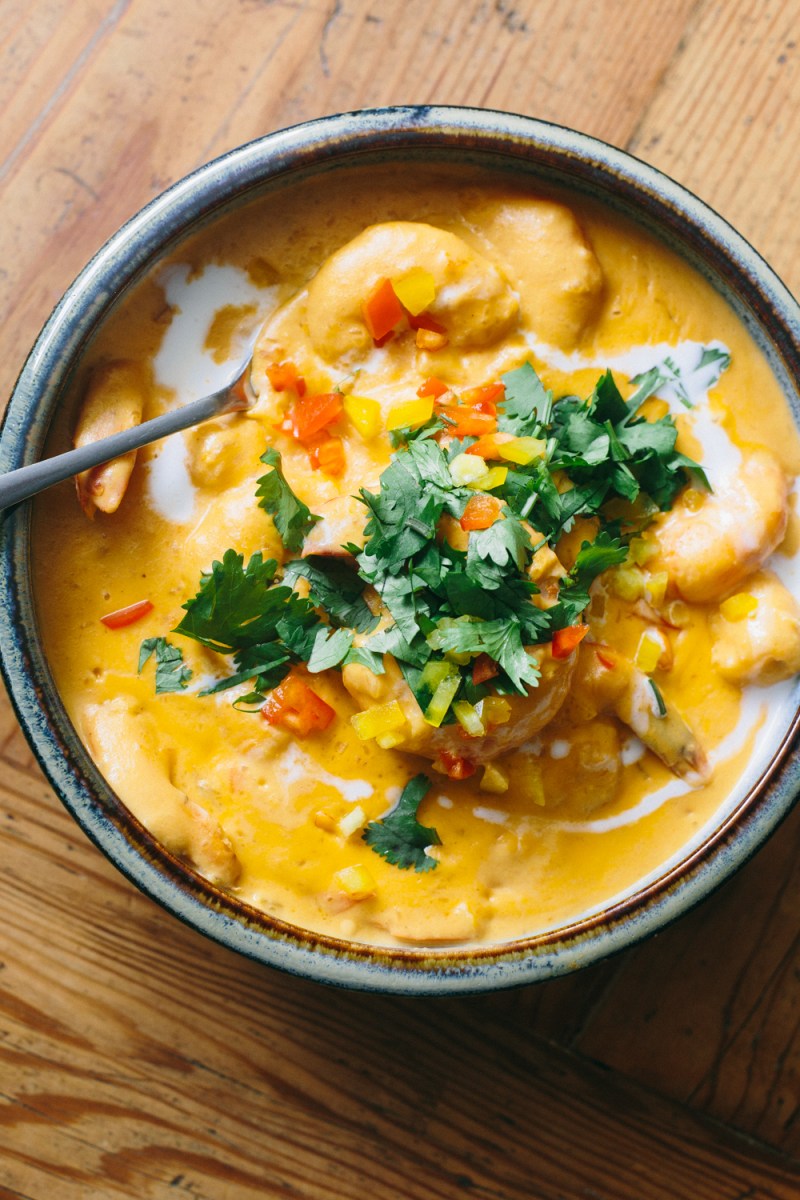
Bobó de Camarão (sometimes called Shrimp Bobó) is a shrimp chowder dish from coastal Brazil, thickened with mashed cassava (mandioca). This stew was likely inspired by a similar, traditional West African dish made with yams, which was brought to Brazil by West African slaves during the transatlantic slave trade from the 16th to 19th centuries. Other signature flavors from this dish include buttery red palm oil (dendê) and creamy coconut milk (leite de côco).

Red palm oil, originally from West Africa, is a controversial ingredient: the majority of palm oil is produced in Southeast Asia, where deforestation of palm oil trees has negatively impacted orangutan populations. For this reason, I prefer sustainably-harvested palm oil, like this one from Nutiva; their oil is part of the “Palm Done Right” international campaign, grown and harvested in Ecuador without contributing to deforestation or habitat destruction.

Given that red palm oil requires such careful consideration, you may be wondering why bother with it in the first place. Red palm oil is high in antioxidants and vitamins A and E, and has a health-promoting fatty acid profile (about 42% each saturated and monounsaturated fats)–in truth, it has one of the best nutrient profiles among cooking fats. And from a culinary perspective, the oil imparts a rich flavor, velvety texture, and has a high smoking point (about 350F). Over the past few years, I’ve come to prefer making popcorn in red palm oil, which adds a pleasing yellow color to the final product. If you don’t have access to sustainably-harvested red palm oil, never fear: this dish is also delicious when made with coconut oil or olive oil.

This dish is relatively simple overall, but does require a few phases: first, you’ll make a seafood stock using the shrimp shells, then boil the cassava and make a flavor base using tomatoes, onions, and peppers; next, you’ll blend the flavor base with coconut milk, pan-fry the shrimp, and put it all together. To save time, you can use peeled shrimp and pre-made seafood stock. But even then, this isn’t a dish I’d recommend you first tackle on a busy weeknight–it really benefits from an unhurried cooking environment, when you can play some relaxing music and envelop yourself in these tropical aromas. It’s worth the extra bit of effort and planning.

Read Full Article

First, an update. Thank you for the outpouring of support when I mentioned my reason for taking a break from blogging and social media. It’s been a challenging year for many reasons, but these past few months have been very restorative. I’m also happy to report that later today a newly-revised version of The Heritage Cookbook will be on its way to my publisher–a huge weight off my chest. More so than anything I’ve ever written, this new book carries a good chunk of my heart with it; three years of research and development, and moments of frustration and elation. I can’t wait to show it to you folks soon.

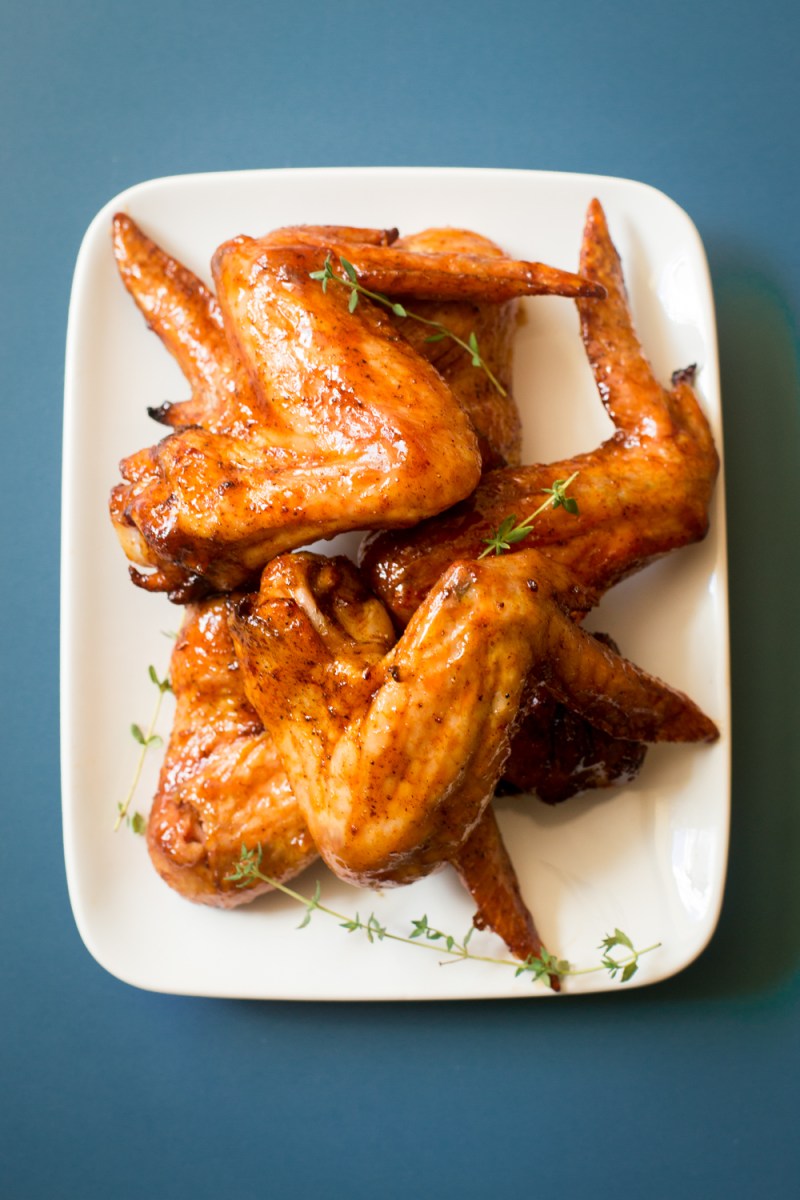
Second, let’s celebrate! Today I’m sharing my recipe for Caribbean-inspired sticky wings, spiked with a bit of rum for some tropical notes and a little bite. Traeger Grills recently sent me a grill to try out, and I thought this would be the perfect recipe to showcase the fun of using their products.

So yes, I’m back to blogging and maintaining a social media presence. I’ll probably ease into things, mostly because the family and I are trying to squeeze the last bits of fun out of what remains of summer — but you should expect to see more recipes soon.

Read Full Article

I’m going to be upfront with you – if you don’t like bitter foods, you probably won’t like this week’s recipe. Much as I’d like to tout that I’ve developed a way to eliminate the bitter momordicin compounds which make this vegetable one of the most astringent foods on the planet, that’s just not going to happen. But, there’s a bit of fun to be found in diving into this historically medicinal gourd; a new taste sensation is especially exciting for those who prefer their coffee black.

In truth, there are a few tricks to make bitter melon more palatable. First, salting and squeezing the melon extracts some of its bitter juices. Pairing the bitter melon with tangy amchur (green mango) powder, sweet coconut palm sugar, and a generous amount of spices also help balance the overall flavor. Finally, giving the melon slices a nice crisping near the end of cooking, and garnishing them with fresh cilantro as they come off the heat, give the dish an ideal texture.

There are two main varieties of bitter melon: the warty, light green Chinese cultivar, and the spiny, dark green Indian version. Both work fine for this recipe, but I prefer the exotic look of the Indian variety.

Read Full Article

My wife and I are still reeling from the sheer amount of recipe testers who volunteered to tackle a recipe (or three) during this last stage of recipe tweaks for my next cookbook. We ended up sending out nearly 2,000 recipes, and we’re still parsing through all of the feedback and applying your suggestions to the manuscript – thanks to everyone who helped out!

I still have over a month of writing to go before I turn in the manuscript, then a few rounds of edits, so chances are I’ll be a little quieter than usual on the blog – case in point, I totally forgot to post a recipe last week. Yikes!

So this week we’re going to pull out an old favorite, which was published in Paleo Takeout but hasn’t made it to the blog until today. Although we love rice well enough, sometimes a plate of Cauliflower Fried Rice is just the ticket: we can clean out the fridge and the cauliflower sits a bit more lightly in the stomach compared to rice. I’ve found that baking the cauliflower “rice” ahead of time browns it nicely without making the end product all mushy. I prefer to use any leftover meat I happen to have in the fridge, but you could use fresh meat or shrimp, too (instructions below the recipe).

Read Full Article

The most visited recipe on this blog, by a long shot, is my old Perfect Eye of Round Roast recipe. It’s been read over 1.7 million times, which is pretty crazy. The recipe is unique because you basically blast the roast with a high heat for a while, then shut the oven off completely for a couple hours while you watch Netflix, build a snowman, fume at Twitter, or whatever else people do with their free time.

Last week, the old post celebrated its sixth birthday, so I figured it’s time for a bit of an update. In place of shutting the oven off completely, we’ll just reduce the heat to 170F, which will give you the freedom to check the roast’s temperature periodically with an instant-read thermometer to make sure you pull it out of the oven right when it’s ready. I also like to pair my roast with a wine sauce reduction, so I’ve included that as well.

This recipe is adapted from the one I used in my first cookbook, The Ancestral Table, which in turn was an updated version of my old blog post (we’re almost getting into Inception levels of cross-reference here). Fun fact: the photos from this post are actually from that original photo session from The Ancestral Table, back in March of 2013. They still hold up pretty well!

Read Full Article