perfect health diet

UPDATE: Congratulations to Heather M., who won the giveaway!

Today I’m taking a break from my regularly scheduled recipe to host another giveaway. I feel like Father Christmas – two giveaways in one month! Don’t worry though, I will still be posting a recipe this week (on Thursday). And it’s a doozy.

The new edition of Perfect Health Diet comes out today, and I’m proud to say that I’m teaming up with Paul and Shou-Ching Jaminet to host a giveaway: a signed copy of their new book! The Perfect Health Diet is the template I use to guide my own dietary habits, and it’s quite a coincidence that this book is coming out on the same week as my two-year anniversary of switching my own diet.

The Perfect Health Diet is a simple and thoughtful approach to eating, which could probably be summed up as 3/4 vegetables and safe starches, and 1/4 meats, with healthy fats and acids to taste. The diet avoids the same foods as a Paleo diet (cereal grains, legumes, added sugar, grain-derived oils) with the exception of white rice, which is considered a safe starch.

Here’s how to enter the giveaway (first one is required, second is optional):

1. Sign up for the Perfect Health Diet RSS feed and leave a comment on this post letting me know you did it. If you don’t use RSS feeds, you can “like” the PHD FB page or follow Paul on Twitter instead.
2. Sign up for my newsletter (on the right sidebar of this page) and leave a comment on this post letting me know you did it.

If you do both options, I’ll give you two entries into the giveaway! You can tell me which options you did in one comment to save time. The giveaway ends midnight Saturday, December 15th (EST), and I will select a winner using a random number generator on Sunday. Good luck!

Giveaway not restricted to US residents – international entrants are welcome!
Giveaway graphic by Alex Boake Illustration.
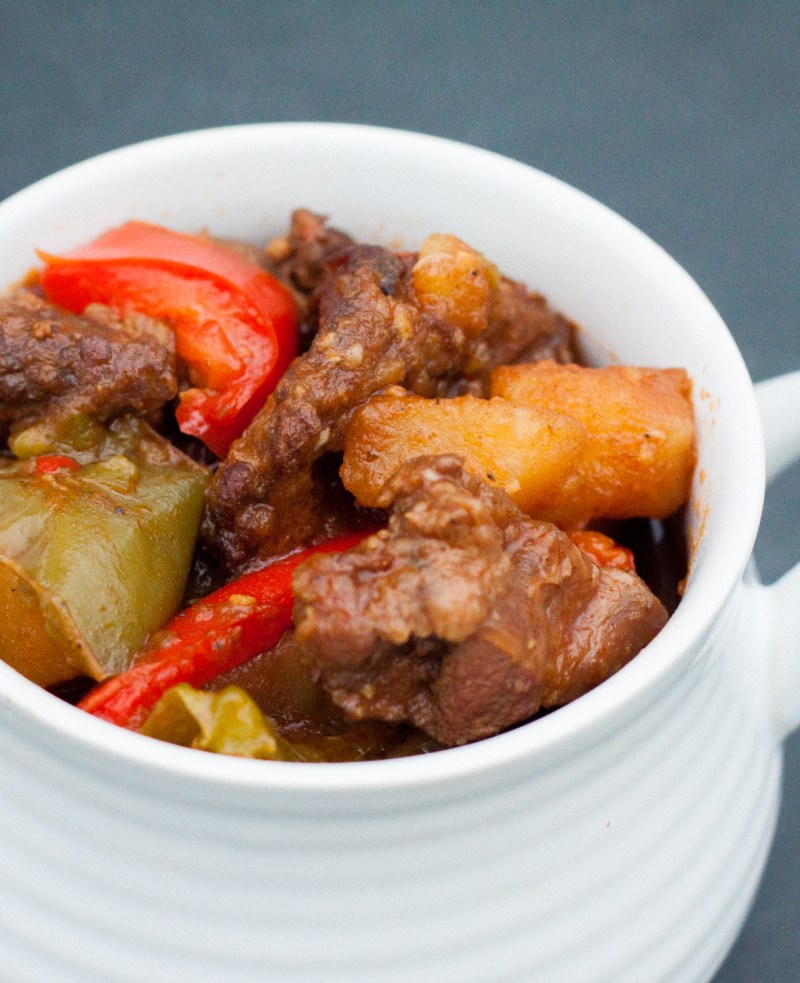
Goulash has a fairly long history, as it is traced back to 9th century Hungarian shepherds (the term gulyás translates to “herdsmen”), when soup was an important part of the lifestyle. People would dry meats and veggies and then add hot water later to create a soup, and goulash was born. Although paprika is a signature spice of both Hungarian cuisine and this dish, it wasn’t introduced until the 16th century (bell peppers came from the New World), so the original variations of this dish were paprika-less.

Goulash is often classified as a stew here in the United States, but many Hungarians maintain that it’s a soup, often to differentiate it from a similar, thicker dish called pörkölt. Goulash is often served over egg noodles or spätzle, but many variations use potatoes, including mine. They help to bring a hearty feel to the dish, plus they conveniently thicken the sauce at the same time.

Read Full Article

A couple months ago I wrote a guest post talking about easy ways to incorporate healthy eating into your life, and I decided to revise it a bit and put it up here on the site for posterity’s sake.

It is no secret that I follow a mostly Paleo-minded way of eating and cooking (more specifically, a model based on the Perfect Health Diet). And while the Paleo diet is a lot of fun and a great template to eat from, it’s a pretty drastic change from your standard, everyday Western fare. Switching to a Paleo way of eating is a major adjustment, and one that many people aren’t willing to jump into headfirst. And I get that. So I wrote up a few steps that anyone can take that aren’t drastic, or terribly inconvenient, but are big steps towards eating better. Think of this as the first steps in easing into an ancestral diet at your own pace.

Read Full Article

One of our favorite occasional indulgences is Chinese dim sum, and one of my favorite dim sum dishes is spare ribs with black beans. In Asia, black beans (douchi) aren’t the same black beans you get at Chipotle; they’re actually a fermented and salted version of soy beans. This recipe is basically my take on this dish but without the beans.

Part of this dish’s unique taste is the combination of sweet and salty with a subtle fermented twinge – in order to pull this signature fermented taste off, I added dashes of oyster sauce and fish sauce, and it came out beautifully.

Read Full Article

As summer hits (it’s 102 degrees as I type this!), no one’s really in the mood to cook an extravagant creation. I get that. That’s why I have simple, easy recipes like my little eggplant pizzas to get through the scorching days. There’s not a whole lot to this recipe, but it’s the perfect little distraction that seems to be most appealing when we don’t want to spend a lot of time in the kitchen.

In general I don’t like using the oven while it’s hot out, but these little babies cook up relatively fast so I don’t mind them so much.

Read Full Article

NOTE: An updated version of this recipe appears in my cookbook, The Ancestral Table.

Shashlik (Шашлык) is a type of shish kebab commonly found in Russia and the former Soviet republics. It was likely brought to Moscow from Central Asia in the 19th century. Today, it’s a popular summer food cooked over an open fire at social gatherings. It’s traditionally prepared with lamb, but chicken, pork, and beef variations are becoming increasingly prominent. With summer in full swing throughout the country right now, I thought it would be a great time to share this tasty dish!

There are a few tricks that I came up with when developing this recipe that I think are pretty sweet. While the dish is traditionally marinated in either vinegar or lemon juice, I found that the combination of lemon juice and apple cider vinegar gives the meat a tangy and subtly sweet flavor. Secondly, leaving the salt out of the marinade and saving it for the last stage of the recipe provides for a really great complementary texture to the tender and juicy meat.

Read Full Article

There’s an old saying: lamb is a meat best grilled. Okay, that may not be an old saying, but it should be. Something about lamb and direct heat go together really, really well. So when Lava Lake Lamb sent me some of their lamb sirloin for a recipe, I knew it was going directly on the grill.

This recipe uses a simple marinade that combines maple syrup and spicy brown mustard to complement the lamb’s natural deliciousness.

Read Full Article

NOTE: An updated version of this recipe appears in my cookbook, The Ancestral Table.

Pho, often considered the national dish of Vietnam, is a rice noodle dish that uses a beef bone broth. It’s hard to describe the basic, yet complex taste that comes from this unique mix of broth, beef, spices and herbs – I recommend just going to your local pho joint and trying it for yourself. You’ll be hooked. I had my first bowl right after moving to Hawaii in 2001, and ever since then I’ve been slightly obsessed with figuring it how to make it at home. After several dozen ho-hum attempts I finally settled on this, which I consider my definitive, recipe.

This dish emerged from Hanoi in the early 20th century, and was brought to the US in the 1970s by refugees after the fall of Saigon. The inclusion of beef in the dish is reflective of its French influence; prior to French colonialism, cows in Vietnam were mainly used for labor and not as a food source. I’ve read a few different histories of the word “phở” itself, and my favorite is that it came from the French word “feu” (fire), and that pho itself is Vietnam’s take on the popular French beef stew, pot au feu.

Read Full Article

NOTE: An updated version of this recipe appears in my cookbook, The Ancestral Table.

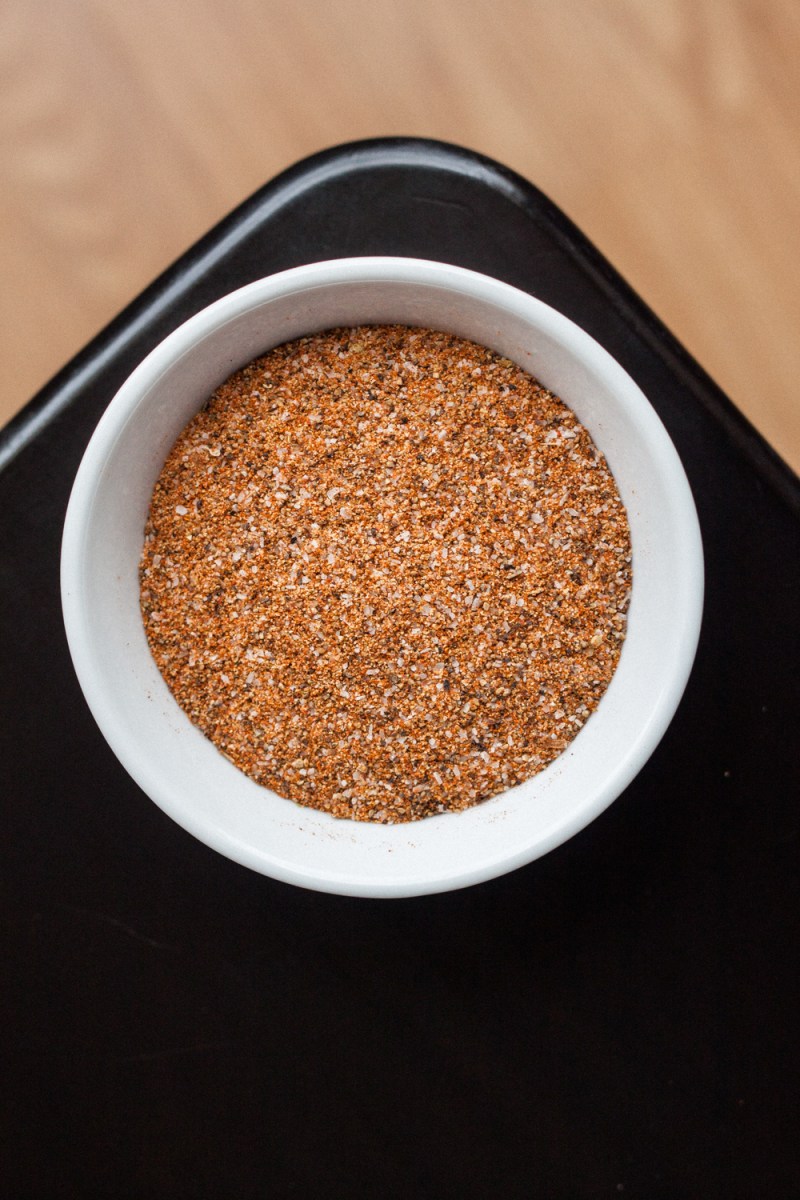
If you’ve taken a look at the ingredients list of your favorite barbecue rub, you may have been surprised to see that many commercially-available rubs have some form of sugar in them. There are definitely sugar-free rubs to be found, but wouldn’t it be better to just make some of your own?

This recipe is courtesy of my friend Jeremy, who has his own Kansas City Barbeque Society competition team, SeaDog BBQ. This rub has a nice, even taste with a hint of spice thanks to its use of chipotle powder.

Yields about 3/4 cup.

Read Full Article

NOTE: An updated version of this recipe appears in my cookbook, The Ancestral Table.

Loco moco is a Hawaiian dish and popular breakfast meal on the islands. It’s the ultimate breakfast meal prior to a big workday, consisting of rice, a hamburger patty, fried eggs, and brown gravy. Its unique mix of ingredients create a distinct taste that I’ve been missing lately, so I decided to whip one up the other day.

Read Full Article