primal

Today is a big voting day here in the United States. If you’re one of the 12 states (or American Samoa) participating, be sure to let your voice be heard! While I’m not in a voting state today, I’m holding a mini celebration by peppering this post with election-related vocabulary. How many words can you spot?

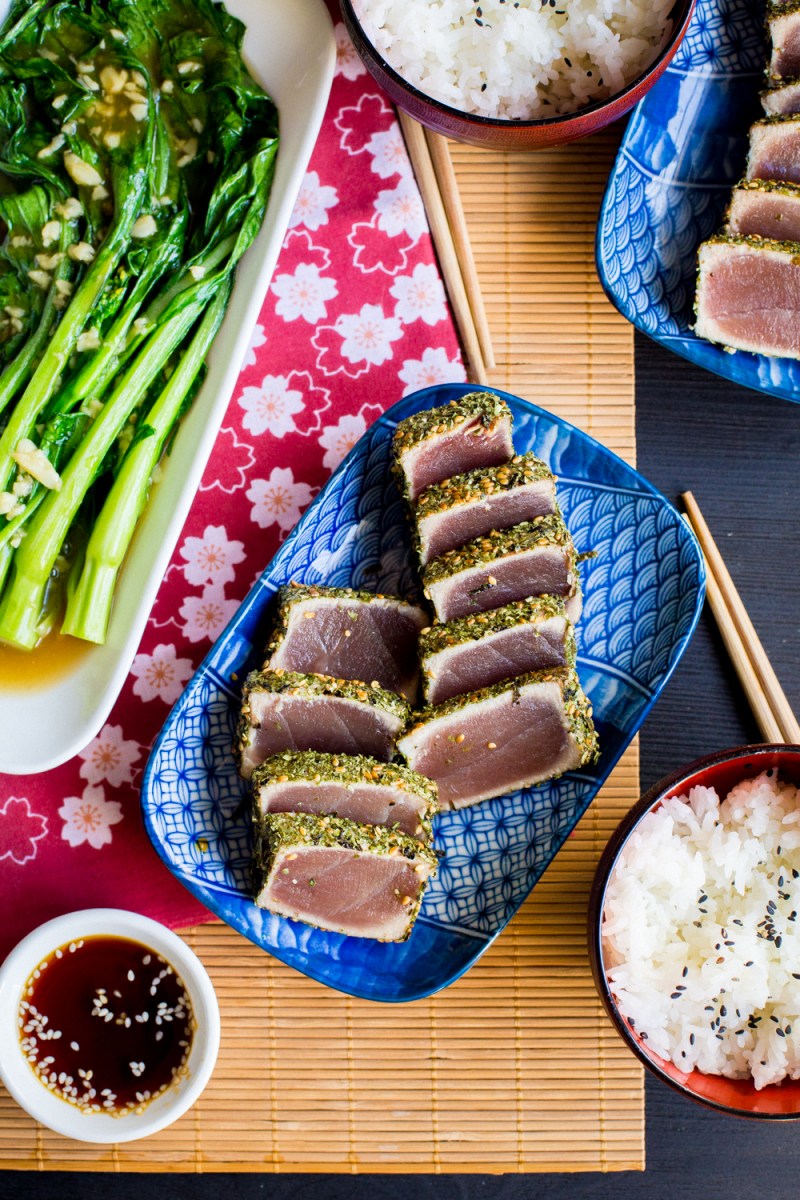
You may have noticed a vegetable side dish peeking out from last week’s Furikake Ahi recipe. It happens to be one of my favorite ways to prepare leafy greens, and until today, the recipe could only be found in my debut cookbook, The Ancestral Table. That’s all going to change today, as we’re going to have a bit of a…well, super Tuesday today with this recipe.

There’s a lot of flexibility in this dish, but the technique remains the same: prepare a sauce, simmer the greens in the sauce, then remove the greens and thicken the sauce before reuniting them in a savory, delicately-flavored superdelegate. I can’t be upset if you elect to add a few other ingredients, as the absolute majority of the flavor comes from the primary components of broth, ginger, and garlic. Other write-in options would be tamari, chopped cashews, dried shrimp, or fried shallots.
Read Full Article

I’m really starting to find beauty in simple meals. Like I mentioned a few weeks ago when sharing my recipe for three-ingredient Spaghetti Squash Bolognese Boats, I’ve had less time in the kitchen than usual (new babies will do that). It’s always tempting to reach for a takeout menu, but I’ve been determined to simply find quicker solutions for dinners. For example, I’ve been making a lot of pressure-cooker risotto, since it reheats well for lunches throughout the week.

This week’s recipe is similar in its approach – it contains just a few ingredients, and comes together in minutes. It’s a popular preparation in Hawaii, found on many restaurant menus. But to be honest, once I figured out how easy it is to prepare at home, I’ve had a hard time shelling out money to let someone else make it for me.

Furikake is a Japanese rice seasoning typically made with dried fish, sesame seeds, and seaweed. It was initially distributed in the early 1900s under the name Gohan No Tomo (“A friend for rice”) as a possible source of calcium (early recipes used ground fish bones). At first, the seasoning was too pricey for everyday eaters, but by 1948 it was commercially produced by Nissin foods (most famous for their Top Ramen), to help combat malnutrition in the Japanese population.

Read Full Article

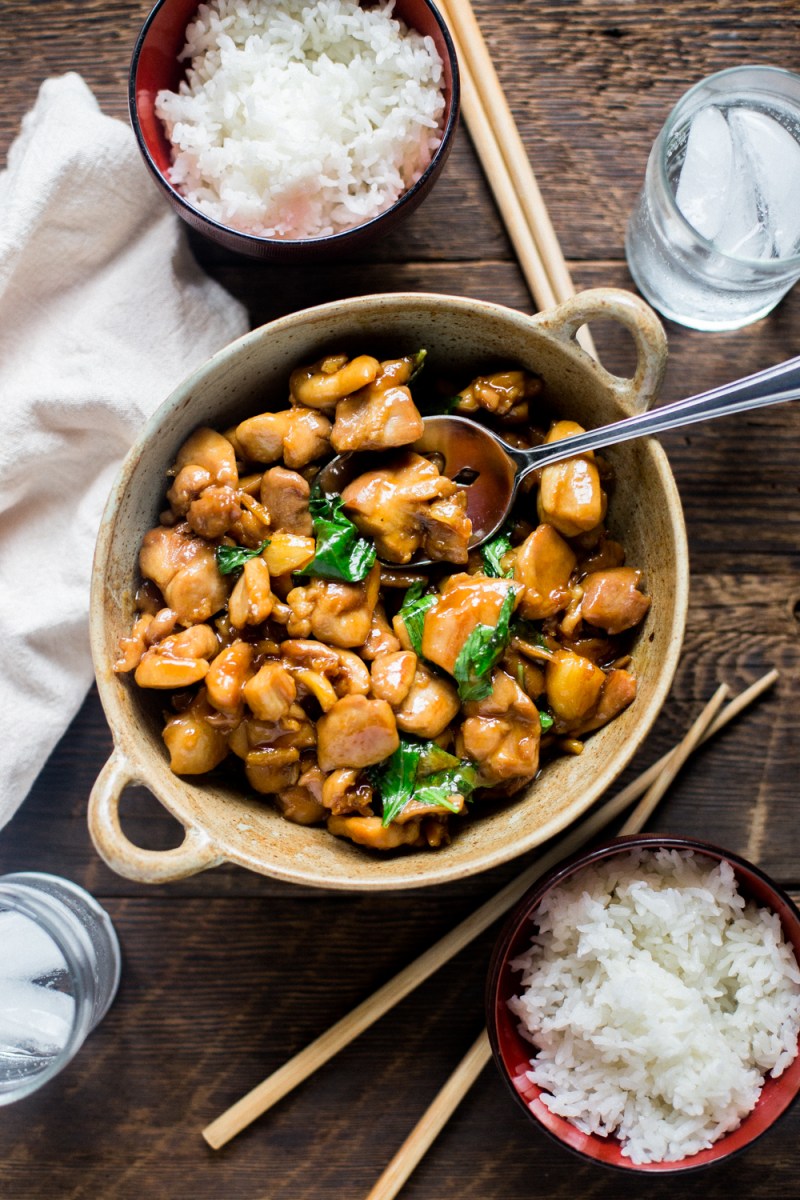
Sanbeiji is a popular Chinese dish, most often served in Southern China and Taiwan. The dish derives its name from its three key ingredients: sweet rice wine, soy sauce, and sesame oil. Garlic, ginger, fish sauce, honey, and basil round out the flavors in this deceptively simple preparation. Chicken is the most common protein, but pork, and occasionally frog, are also used.

What sets this dish apart is that there is no real trickery involved; the chicken and sauce simmer until the sauce evaporates, then it is removed from heat right when the chicken starts to sizzle and pop. The result is fully-flavored with a delightful texture – no breading or thickener required.

Read Full Article

My parents-in-law recently visited from Hawaii over the holidays, to help around the house as we adjusted to having a new baby in our family. It was great spending the holidays with them, but it also made me realize how much I miss living in Hawaii. I lived there from ages 21 to 28, and many of the events that shaped who I am today – from meeting and marrying my wife, to honing my skills as a home chef, to suffering the worst of my health adventures – came while living in view of the Honolulu skyline. For a few of those years, Janey and I lived with her parents, whom we affectionately called our “roommates”.

When we left the island in 2008, it genuinely felt like I was leaving home; time has caused that sentiment to wane a bit, but in the end, Hawaii has a special place in my heart. And within that special place in my heart there is another, perhaps specialer place in my heart, which is where Hawaii’s Chinese-style oxtail soup resides.

The title for Hawaii’s best oxtail soup is hotly contested. I’ve heard everything from Kapiolani Coffee Shop to Aiea Bowl. Somewhat surprisingly, restaurants attached to bowling alleys are generally known for having good oxtail soup – even the famous Kapiolani Coffee Shop oxtail soup got its start at Kam Bowl, which closed in 2007 but re-opened just last month.

I like to think that preparing an authentic dish from Hawaii makes the sting of not living there hurt a little less, and you really can’t go wrong with a Chinese-inspired creation that’s equal parts rich and comforting. So we’re going to recreate it today for those of us who can’t just drive to our local bowling alley to buy a bowl of soup. Included below are stovetop and electric pressure cooker variations of the recipe, whatever floats your boat.

Read Full Article

Lately, I’ve been taking tiny steps to minimize all those little stresses in life. For example, I’ve been driving on backroads on my way home from work each day, which has much better scenery and fewer cars zipping in and out in front of me. It might take an extra minute or two out of my day, but it’s adding years to my life, right? That’s what I’d like to think. Regardless of any increases in my life expectancy, I’ve been arriving at home in a better mood, so it’s well worth it.

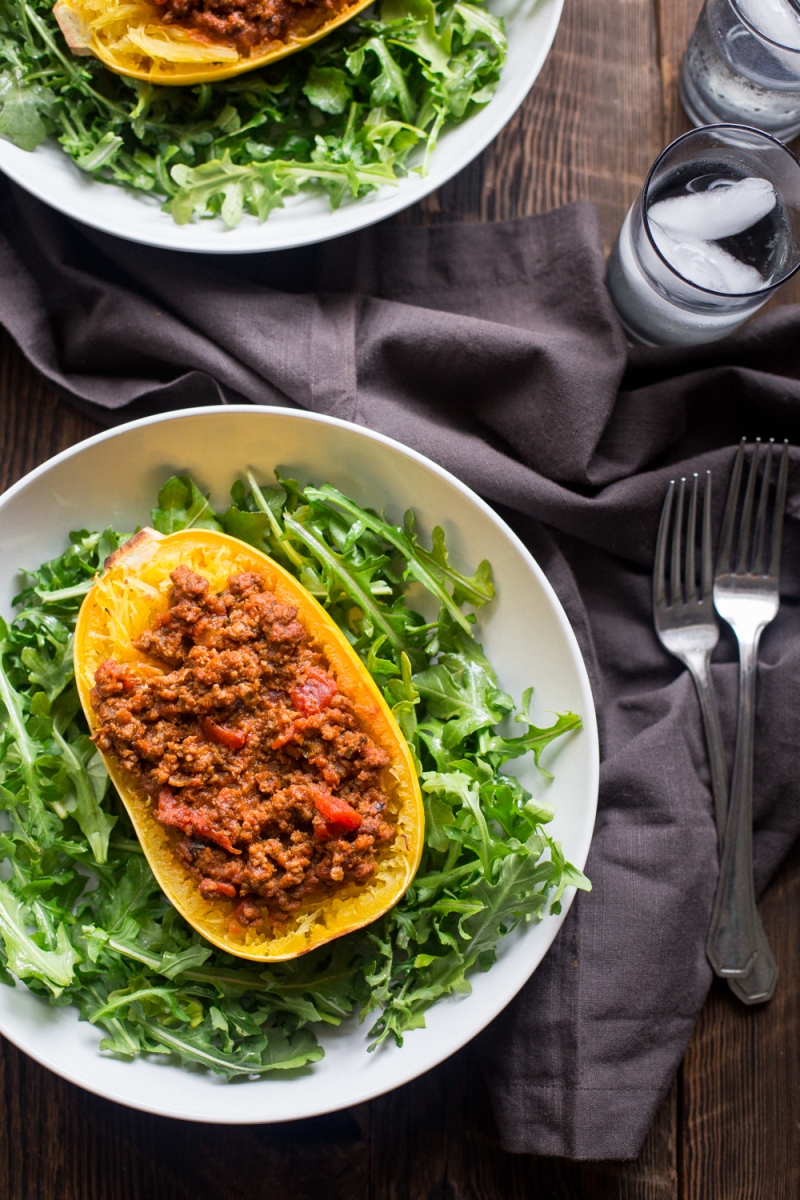
In similar fashion, we’ve recently been taking it a bit easy in the kitchen. Having a small baby at home will do that; my lullaby-singing skills have greatly improved, but I definitely have less time to chop up a bunch of ingredients. So meals like these Spaghetti Squash Bolognese Boats have been a hit, with minimal hands-on time but plenty of flavor. Plus, this recipe requires only three ingredients: squash, pasta sauce, and ground beef.

If you’re hoping to spend a bit more time in the kitchen, you could always make your own pasta sauce (here’s my recipe). Additionally, I’ve included quick instructions on how to roast the spaghetti squash seeds, so that nothing is wasted.

Read Full Article

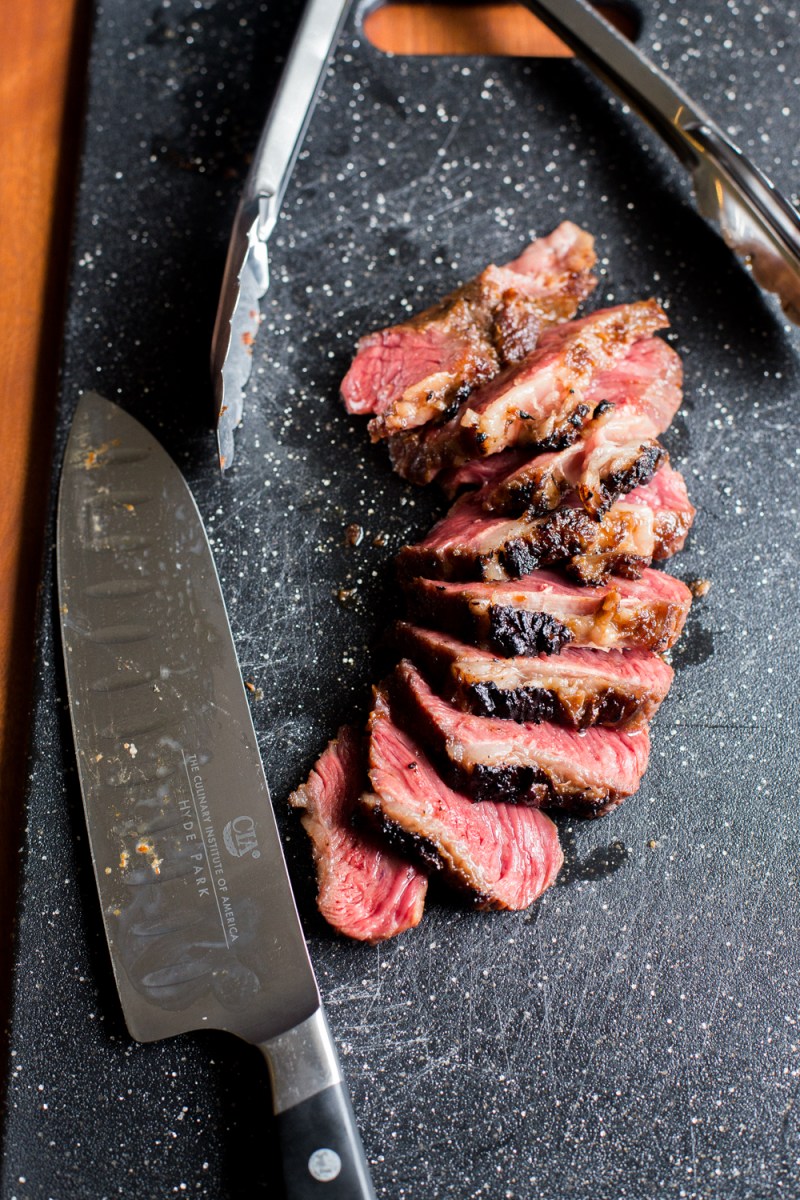
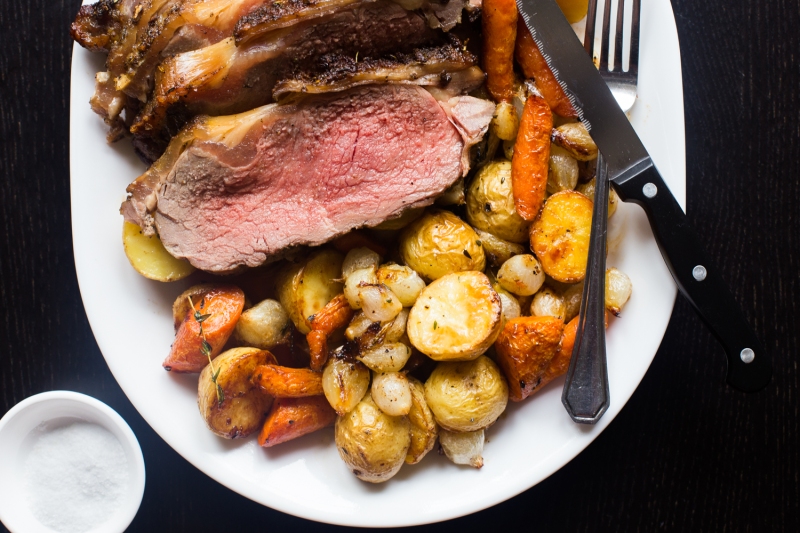
I don’t reverse-sear often enough. When faced with a choice chunk of beef, my go-to method is a traditional sear (see one of my favorite recipes of last year, this Roast NY Strip Loin). But many prefer a reverse-sear, where you cook the meat to just under your desired temperature, then blast it with some high heat to finish it off. This allows you to heat the meat evenly and results in a better distinction between the crispy crust and tender center (here is a good writeup). So I decided to share this method using these miso-marinated boneless short ribs.

Many folks in the Paleo world eschew all forms of soy, and balk at the idea of cooking with miso. But as I mentioned in my five years Paleo post last month, I believe a more nuanced approach to diet is appropriate, and we shouldn’t discount all foods from particular groups (even if it does make for handy and marketable “eat/avoid” charts). Here’s my stance on soy, taken from the pages of Paleo Takeout:

“Make no bones about it—soy is pretty terrible for you. It has been linked to malnutrition, thyroid dysfunction, cognitive decline, reproductive disorders, and even heart disease and cancer. It has one of the highest toxin profiles of any legume, and it’s baffling that we feed this stuff to our children via infant formula.

But there’s a bright spot in all this doom and gloom; fermenting soy, especially through the long, slow process of making tamari and miso, eliminates its phytic acid and other digestive inhibitors. However, the fermentation process doesn’t totally destroy phytoestrogen, another bad guy, although it does reduce it by up to 90 percent; you’re likely ingesting more phytoestrogen through sesame seeds and garlic than through fermented soy.”

Miso’s bold flavor makes for a great marinade. Adding a bit of acidity, in the form of mirin (sweet rice wine) and sake, helps tenderize the meat as well.

Read Full Article

I’m the kind of guy who likes to grill in the winter. Well, let me rephrase that – so long as there isn’t a ton of snow on the ground, I like to grill in the winter. Living in Florida has its perks; we still have surprisingly cold weather here in the panhandle, but it rarely snows, and so I get to fire up my grill year-round.

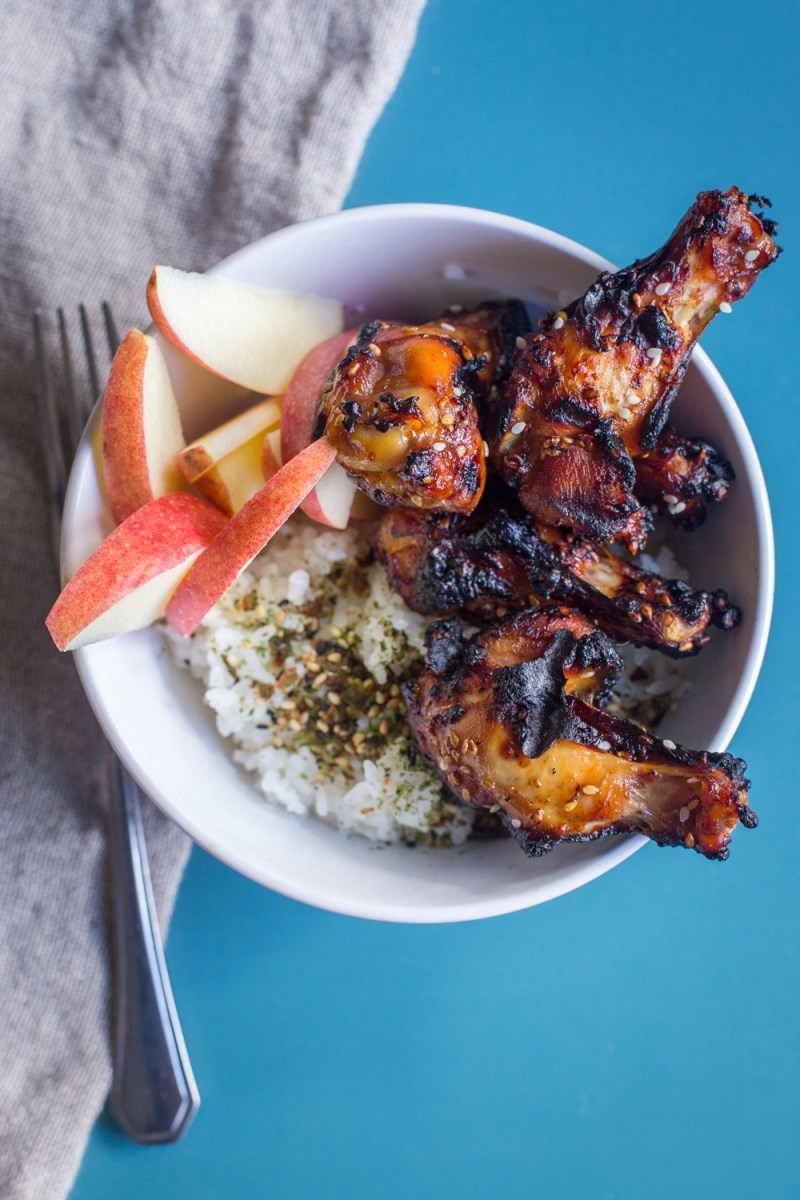
One of my favorite reasons to grill in the cold is that it creates contrasting experiences. Winter in the air, summer in your bowl. This idea is best exemplified in these Chicken Teriyaki Bowls, accented with apple slices and white rice seasoned with furikake (I like Urashima furikake, which is made without additives).

Teriyaki sauce can be traced back to the Edo age in Japan, which started in the 17th century. An increase in urbanization and exposure to outside cultures resulted in an influx of new ingredients, which converged to make this tangy, sweet sauce that is perfect for grilling. Japanese restaurants gained prominence in the United States in the 1960s, and teriyaki sauce became the household name that it is today.

Read Full Article

It’s a New Year, which means many folks are just starting (or restarting) a new healthy eating adventure. One of the more popular eating challenges is the Whole30 (heck, it’s the #6 book on Amazon as of this morning). It’s been a few years since I’ve done a Whole30, which is a 30-day program with explicit guidelines. It doesn’t stray far from the way I eat anyway, other than the fact that it’s more stringent on honey, alcohol, dairy, and rice than my typical diet.

One thing I remember from my last Whole30 (in 2012, if memory serves me) was that I had a hard time keeping up my carb intake – at the time, the only carb-heavy foods allowed were sweet potatoes, beets, and plantains, which grew tiresome after a month of eating them. Luckily, the folks behind Whole30 remedied that in 2014, when they added white potatoes to their list of allowed foods. Hopefully this recipe – which includes two starchy vegetables – will make this month’s Whole30 a bit easier for everyone (also, don’t forget about this guide which transforms 94% of the 250+ recipes in Paleo Takeout to be Whole3o-compliant).

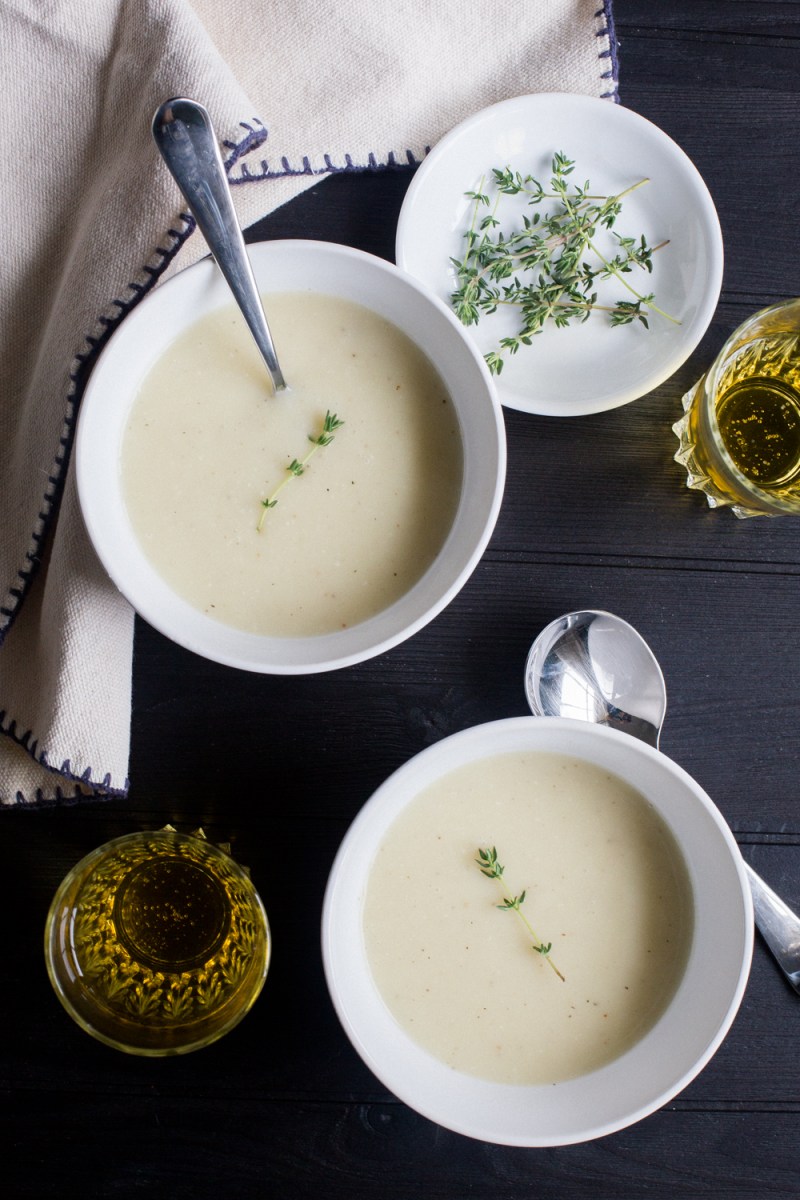
The turnip is one of the first cultivated vegetables, with some records dating back 17,000 years. Turnip roots aren’t as popular in the US as their greens, which are similar to mustard greens in taste. This soup is one of my favorite ways to prepare turnips, as it accentuates the natural creaminess of the root; serve this to your guests, and they won’t believe you that it’s dairy-free. Adding potatoes to the soup adds more body and heft to the dish, warming the belly on these cold winter evenings.

Fun fact: the rutabaga, another common root vegetable, was originally a cross-cultivation of the turnip and cabbage. It is also referred to as “neep” in some countries, likely a carryover from the Old English word næp (and before that, the Latin word napus), which meant “turnip”. Rutabagas and turnips are often confused for one another, with a common misconception that rutabagas are just large turnips.

Read Full Article

2015 really flew by, huh? I had quite a crazy ride over this past year: I released an eBook, a New York Times-bestselling cookbook, a smartphone/tablet app, embarked on a 12-week book tour, and welcomed our second son into the world. At the same time, this little website reached over 2.5 million readers, and a Yahoo news article about my health journey went viral.

More so than in previous years, I’ve caught myself reflecting on that fateful day in December 2010, when I first stumbled upon the ideas behind the Paleo diet. A lot has changed since then, and the movement has greatly expanded from the few forums that existed when I first changed my diet and restored my health. Here are 10 ideas on food and nutrition I’d like to share.

Read Full Article

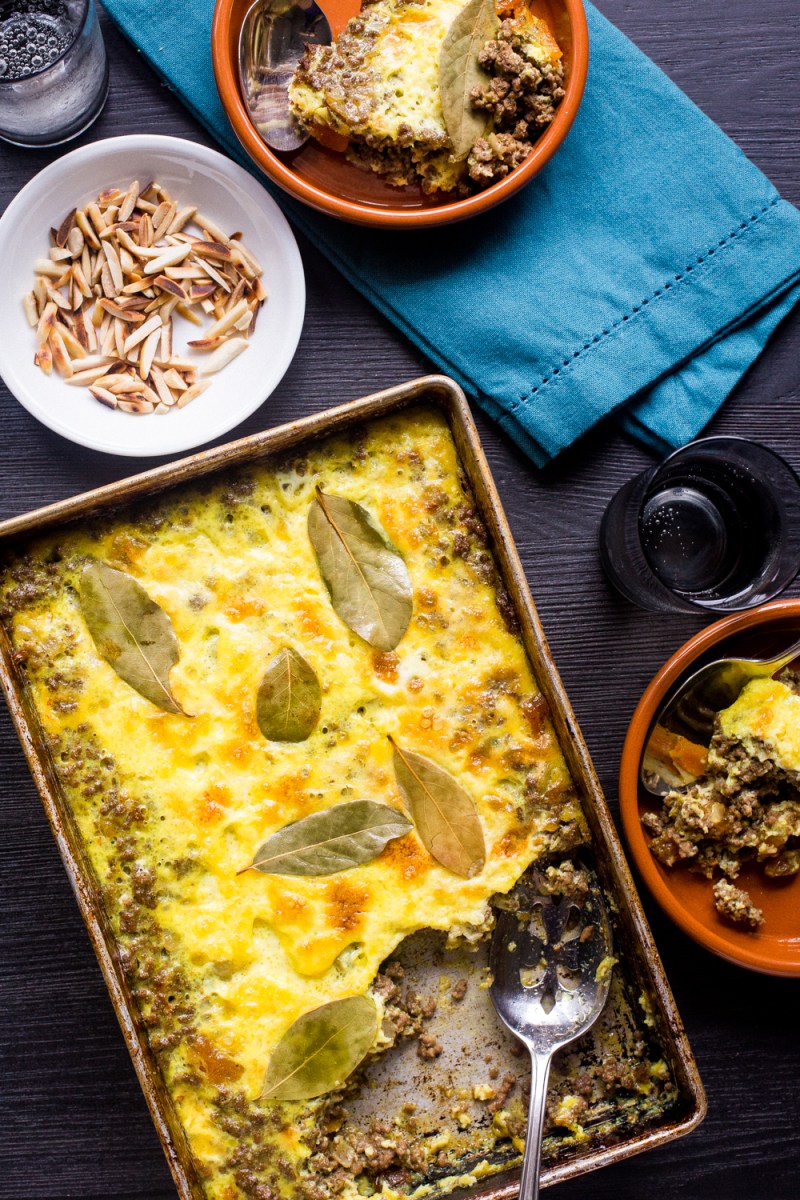
Bobotie is a baked mincemeat dish and one of the more recognizable foods to come out of South Africa. It’s commonly believed that Bobotie was first derived from the Javanese dish Botok, as Dutch colonists brought the dish to South Africa from their settlements in Indonesia (née Dutch East Indies) in the 17th century. While Botok is made with minced meat wrapped in banana leaves, Bobotie is often seasoned with curry powder and dried fruit and baked with a egg custard topping – a reflection of both local ingredients and European colonial tastes.

This dish joins the ranks of other dishes on my blog, like Mulligatawny Soup and Sukuma Wiki, as exotic-tasting meals that can be created using items you likely already have in your pantry. These are some of my favorite dishes to create and share, as they have a fairly low barrier to entry but can expand your palate and culinary repertoire.

Read Full Article