recipe

NOTE: An updated version of this recipe appears in my cookbook, The Ancestral Table.

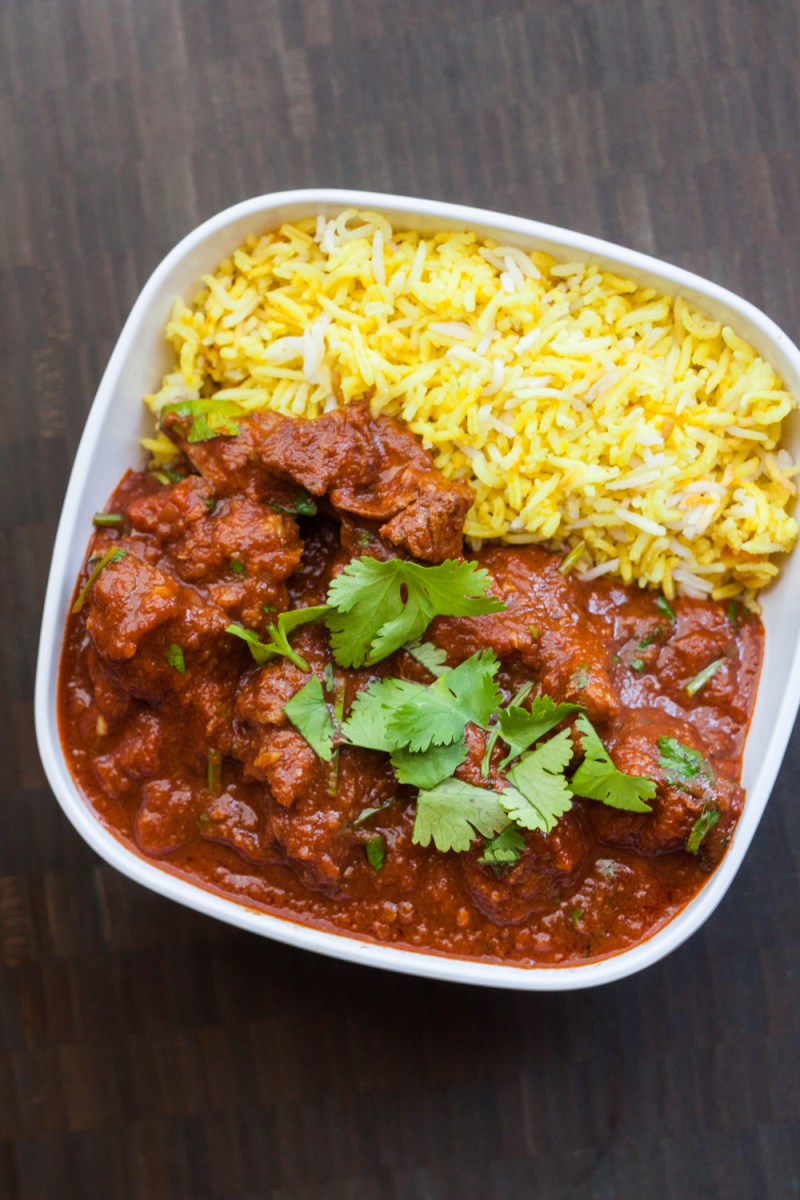
Rogan Josh is a popular Kashmiri dish that is believed to have originated in Persia before making its way to Northern India and beyond (in Persian, “rogan” means clarified butter and “josh” means hot or passionate). Its signature red color is historically the result of mild red Kashmiri chiles which were used in making this dish. Over the years, many restaurants started using tomatoes in the dish to bring about that red color easily. My recipe follows the more modern interpretation of the dish, mostly because you and I don’t have the money to travel to Kashmir for some chiles! Well, maybe you do, but I most certainly do not.

An excellent cut of lamb for this dish was the other half of Lava Lake Lamb’s beautiful lamb shoulder (the other half was used to make shashlik). This slightly-fatty cut imparted a ton of flavor into the dish, which just tasted better and better the longer it simmered.

I’m also happy to announce that this is my first recipe that features a printer-friendly version! I’ll be sure to do this with every recipe from now on, and as I get the spare time I will go back and make printer-friendly versions of all my recipes.

Read Full Article

As summer hits (it’s 102 degrees as I type this!), no one’s really in the mood to cook an extravagant creation. I get that. That’s why I have simple, easy recipes like my little eggplant pizzas to get through the scorching days. There’s not a whole lot to this recipe, but it’s the perfect little distraction that seems to be most appealing when we don’t want to spend a lot of time in the kitchen.

In general I don’t like using the oven while it’s hot out, but these little babies cook up relatively fast so I don’t mind them so much.

Read Full Article

Drumsticks are a great cut of chicken. My three-year-old son loves them, since they come with “handles” and he gets to eat with his hands. To celebrate these little legs I decided to write up a quick, foolproof recipe for grilling drumsticks.

They are also one of the easiest and most rewarding pieces of chicken to grill, because it’s hard to mess them up. Chicken breasts are great, but they have a very small window of juiciness, and will dry up quicker than a jackrabbit in a thunderstorm. Whole chickens are also fun to grill, but are best when brined, which can take some time and planning. Thighs are another good option, but let’s be honest here – they’re just not as fun as drumsticks.

Read Full Article

NOTE: An updated version of this recipe appears in my cookbook, The Ancestral Table.

Cabbage rolls are found all over Europe, Asia, and the Middle East. They are staple dishes in Croatia, Poland, Ukraine, Russia, and Sweden; in Russia, they’re called голубцы (golubtsy) and make regular dinnertime appearances in most homes.

There is some controversy over the origin of the dish. One common theory is based on its name, which could be linked to the word Russian word for pigeons (голуби). Russian cuisine and culture was heavily influenced by the French in the 17th and 18th centuries, and these stuffed cabbage rolls could be an attempt to recreate roasted pigeons, a popular French dish at the time.

Read Full Article

NOTE: An updated version of this recipe appears in my cookbook, The Ancestral Table.

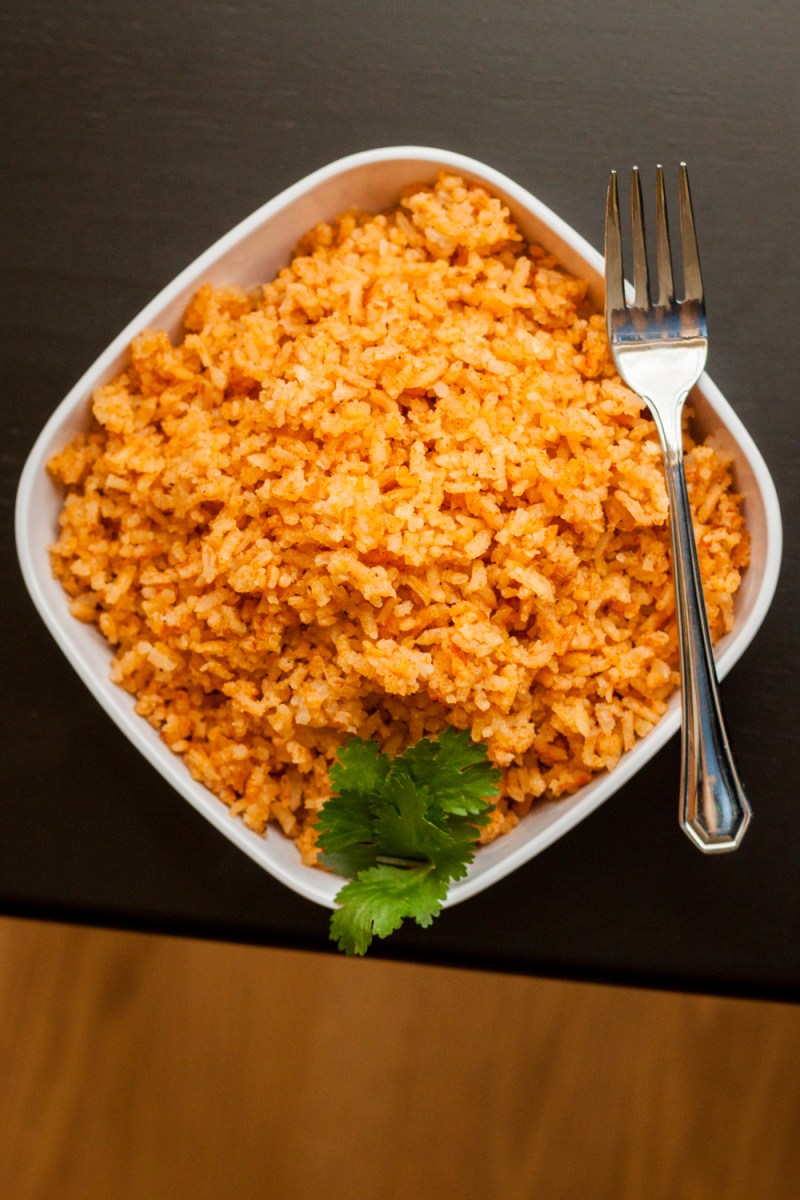
You know what doesn’t get enough credit? White rice. It helps feed a large portion of the world, and is a relatively safe starch. Sure, it doesn’t have a lot of nutritional value, but it can easily become a vessel for other nutrients. Enter my Mexican rice recipe, which is chock-full of tasty and healthy stuff like grass-fed butter/ghee, tomato sauce, and homemade chicken stock.

Although it’s often called “Spanish rice” here in the US as well Mexican rice, no such thing exists in Spain. I’ve been making this side dish for several years, well before switching my diet. For this dish I like to simulate your standard Mexican restaurant rice – tangy, slightly salty, and with a tiny hint of chicken thanks to its use of broth/stock.

Read Full Article

There’s an old saying: lamb is a meat best grilled. Okay, that may not be an old saying, but it should be. Something about lamb and direct heat go together really, really well. So when Lava Lake Lamb sent me some of their lamb sirloin for a recipe, I knew it was going directly on the grill.

This recipe uses a simple marinade that combines maple syrup and spicy brown mustard to complement the lamb’s natural deliciousness.

Read Full Article

NOTE: An updated version of this recipe appears in my cookbook, The Ancestral Table.

Pho, often considered the national dish of Vietnam, is a rice noodle dish that uses a beef bone broth. It’s hard to describe the basic, yet complex taste that comes from this unique mix of broth, beef, spices and herbs – I recommend just going to your local pho joint and trying it for yourself. You’ll be hooked. I had my first bowl right after moving to Hawaii in 2001, and ever since then I’ve been slightly obsessed with figuring it how to make it at home. After several dozen ho-hum attempts I finally settled on this, which I consider my definitive, recipe.

This dish emerged from Hanoi in the early 20th century, and was brought to the US in the 1970s by refugees after the fall of Saigon. The inclusion of beef in the dish is reflective of its French influence; prior to French colonialism, cows in Vietnam were mainly used for labor and not as a food source. I’ve read a few different histories of the word “phở” itself, and my favorite is that it came from the French word “feu” (fire), and that pho itself is Vietnam’s take on the popular French beef stew, pot au feu.

Read Full Article

NOTE: An updated version of this recipe appears in my cookbook, The Ancestral Table.

We don’t eat fried foods that often, but every once in a while I get a craving for something crispy and crunchy. So I set out to make a gluten-free, Paleo-friendly Southern Fried Chicken. Bear in mind that this isn’t a smart choice for your everyday meals, but it’s a great way to change things up every once in a while.

The creation of Southern Fried Chicken is the result of several different influences: fried chicken was a West African delicacy brought over to the US by slaves, the mass-production of pork in the South made lard readily available, and the popularity of cast iron cookware in the 19th century created the fried chicken we now associate with the South. I kept my recipe true to those historical precedents, including the use of buttermilk as a marinade. If you’re dairy-free, omitting the buttermilk marinade will still leave you with a pretty tasty fried chicken.

Read Full Article

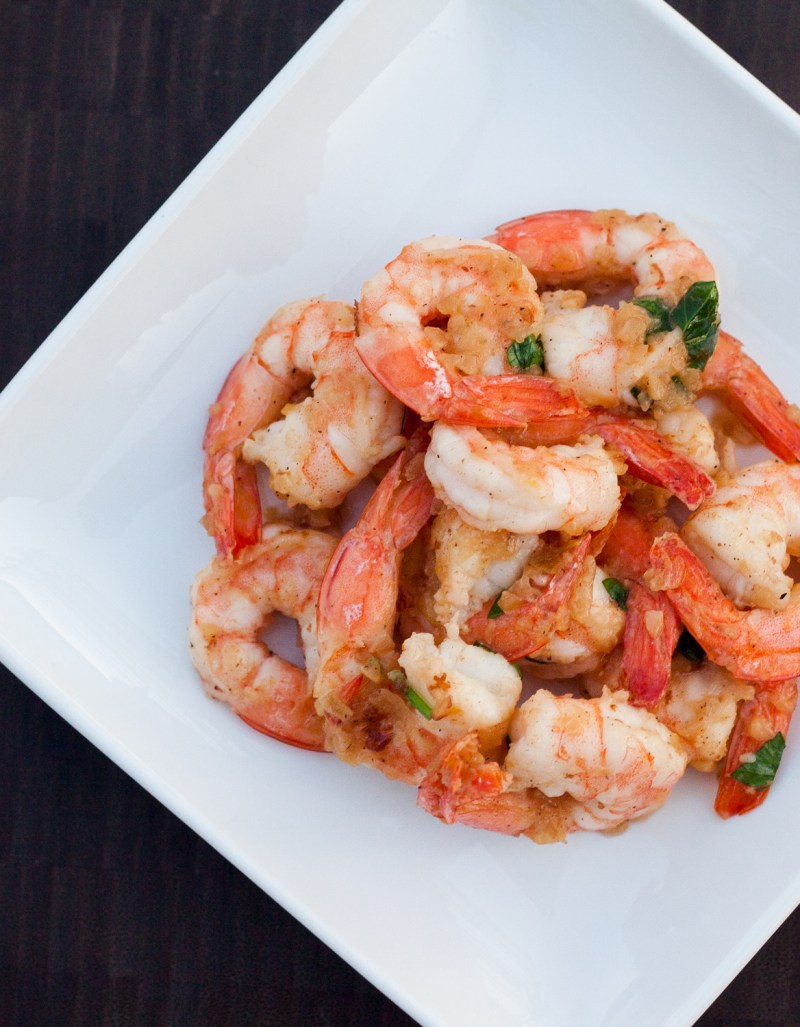
It may sound funny, but “scampi” is actually the culinary name for Nephrops Norvegicus, commonly known as the Norway lobster or Dublin Bay prawn. In Europe (Britain and Italy especially) “scampi” refers to the tail meat of this small lobster. Here in the US the word “scampi” most often refers to a style of preparation involving butter, garlic, and white wine used mainly with shrimp. However, I’ve seen “chicken scampi” in several restaurant menus, which often incites a chuckle.

I love making this dish because it’s both easy and decadent; it’s not often you can make something so delicious in just 20 minutes using ingredients you probably mostly have at home already.

Read Full Article

I was recently asked by the fine folks at Cappello’s to try out their unique line of fresh gluten-free, grain-free pasta, and I was excited to get my hands on their product. First of all, I have a special place in my heart for Italian dishes; I started to realize that I was pretty good at this whole “cooking” thing when I first started to focus on and perfect a few Italian meals, many years ago. Secondly, while we do eat dishes using boxed rice noodles from time to time, nothing beats fresh pasta.

The pasta is made using mainly egg and almond flour, and has a taste and consistency that is the best I’ve experienced from a non-wheat product. Read on for some more pictures and details, and I will have the recipes for each of these products up on the site over the next two weeks.

Read Full Article