3 – Vegetables

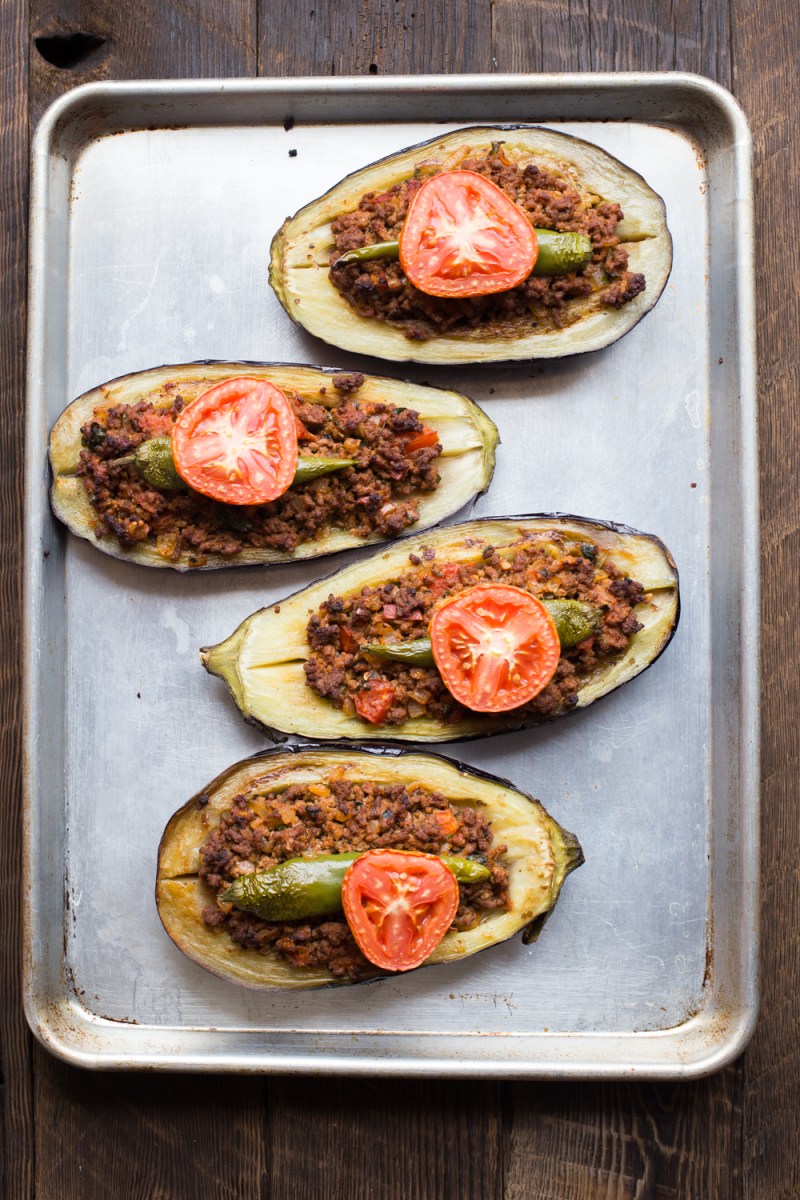
Our local market had some really nice-looking eggplants the other day, so I decided to pick up a couple and whip something up. When coming up with an idea for the dish, I decided to refer to some of the eggplant experts: the countries that live along the Mediterranean coast. Italy seemed too easy, so I went with Turkey instead, who have several classic eggplant dishes. Karniyarik is a stuffed eggplant dish from Turkey, similar to another popular Turkish dish, Imam Bayildi, which is similar but made without ground meat.

Eggplants got their name from their egg-like shape, although they are referred to as aubergines nearly everywhere outside of the United States. Eggplants were probably first cultivated in India about 2,000 years ago, before making their way to the Middle East and Europe. It was one of the first foods brought to the Americas by Spanish and Portuguese explorers in the 16th century.
Read Full Article

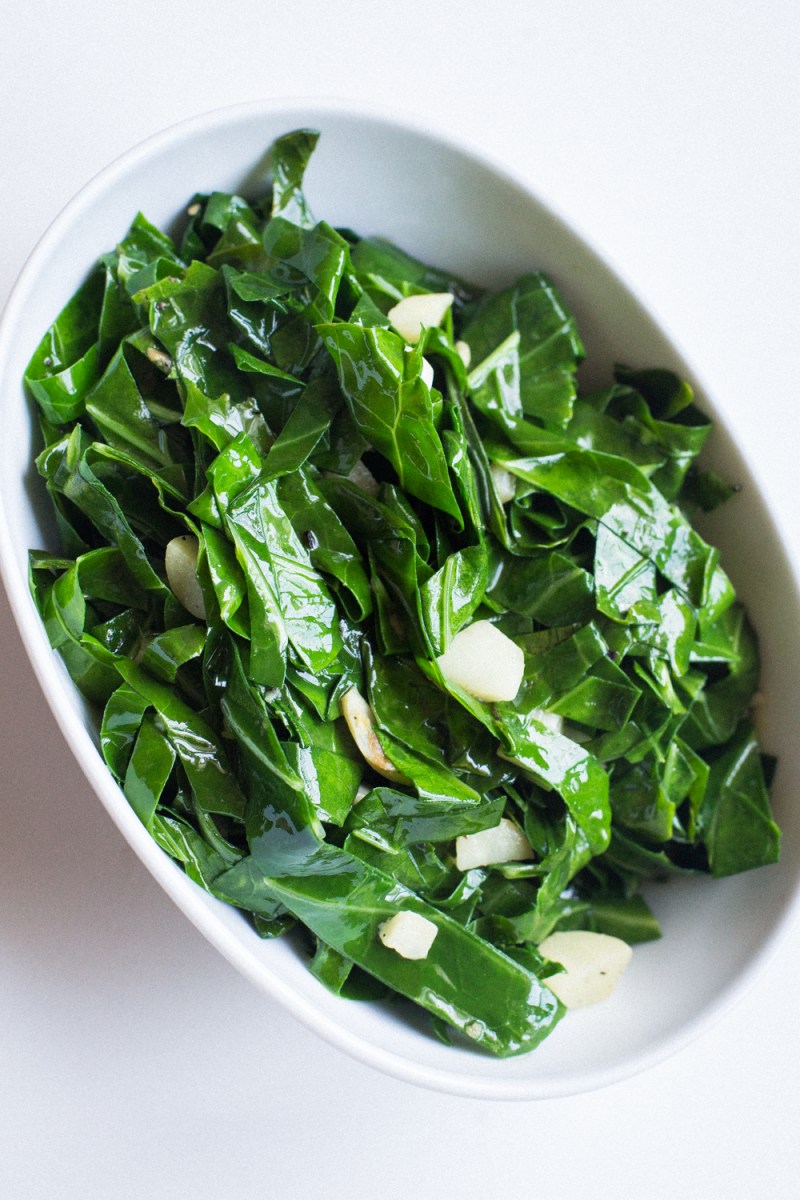
Although the common consensus is that collard greens originated in the Mediterranean, they gained their most widespread popularity in Africa (see my Sukuma Wiki recipe). It is assumed that collards made it to most of the Americas via African slaves. In Brazil, it’s a different story, as collard greens were likely introduced via Portugal, where it has been a staple veggie for hundreds of years (as evidenced by my Caldo Verde recipe). Today, collards are served often in Brazil, usually as an accompaniment to fish or beef.

Today’s recipe is a collaboration with my friend Alex Boake, who stayed at our house for a few days before heading off to Ancestral Health Symposium with us. She’s going to post an illustrated version of this recipe on her blog later this week, so bookmark her site! We’ll be knocking out a couple other illustrated recipes in the near future as well, so this is just the tip of the illustrated Paleo recipe iceberg. Update: Here is Alex’s post!

Read Full Article

NOTE: An updated version of this recipe appears in my cookbook, The Ancestral Table.

I love collard greens. They may be my favorite green food – well, second to mint chocolate chip ice cream, at least. They’ve been in use for at least 2,000 years; the ancient Greeks cultivated them along with kale.

I typically simmer my collard greens with some sort of smoked pork (usually bacon or smoked ham hocks), chicken broth, and apple cider vinegar, and it’s always delicious, although it can get a little boring. So a while back I consulted my buddy, the internet, to find another use for collard greens. During my search, I kept coming across the word Sukuma Wiki, the Swahili name for collard greens. Sukuma Wiki literally translates to “push/stretch the week” – collard greens are available year-round in East Africa, and are used to stretch meals out to last all week.

In the culinary world, Sukuma Wiki is a common name for a Kenyan dish of braised collard greens, usually prepared with ground meat, tomatoes, and onions. Turns out that this dish is dead easy to make, both in terms of time/preparation and ingredients. I was able to whip it up using stuff already in my pantry, and it’s always nice to find another use for ground beef. But the best part about this dish is its taste: it’s absolutely delicious, and has just a hint of exoticness to make it remarkable. One thing that sets this dish apart is that the collard greens are simply wilted down, and so they retain a slightly crunchy texture that really complements the ground beef.

Read Full Article

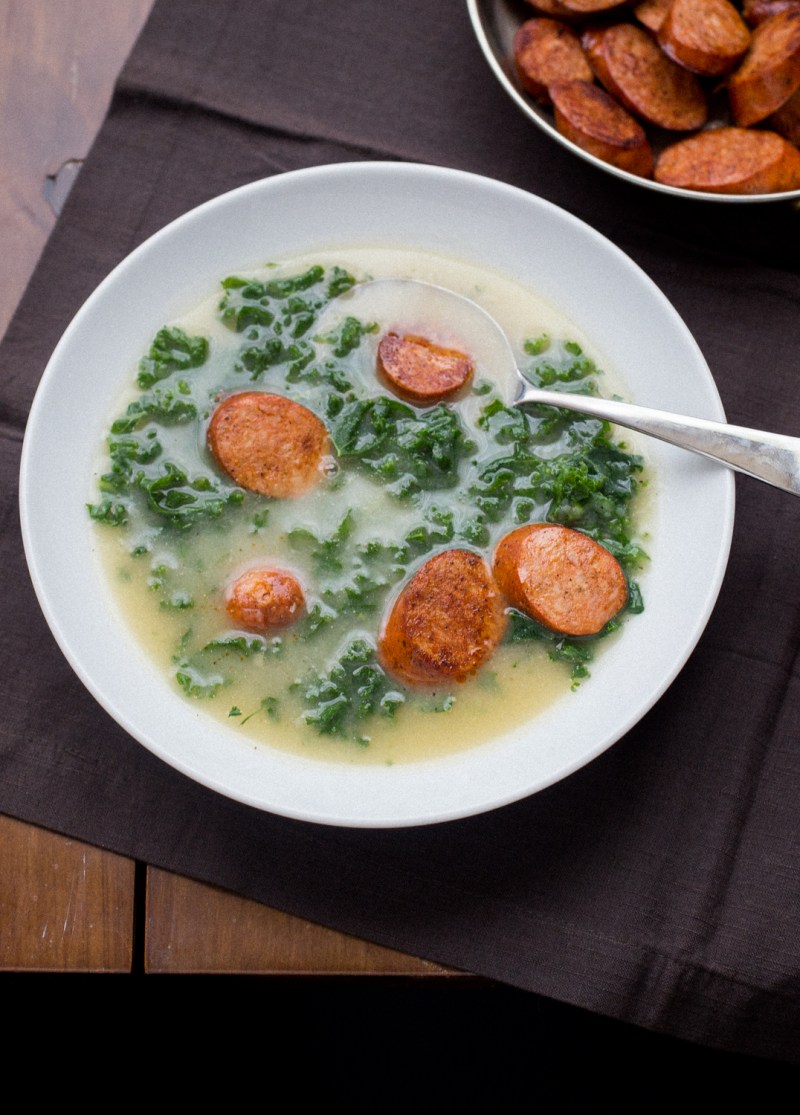
A few weeks ago, a reader suggested I try my hand at Caldo Verde (“green broth”), a traditional Portuguese soup that is often considered their national dish. It was the perfect recommendation – the soup’s use of simple, satisfying ingredients, plus the addition of slightly-spicy sausage, make it an ideal late spring / early summer meal.

Initially, the soup’s use of kale might seem out of place for a country that is geographically closer to Africa than the rest of Europe. But when you take into context the fact that the soup originates from Portugal’s northern Minho region, which was once under Roman and Celtic occupation and still retains some of that influence today, the culinary presence of a hearty cabbage like collard greens (or kale like in this recipe) makes sense. One of my favorite aspects of this dish is that it’s a perfect pauper’s meal: combine some very basic and always-available ingredients (water, onion, potatoes, cabbage) and add other items if and when they are available (broth, sausage).

Read Full Article

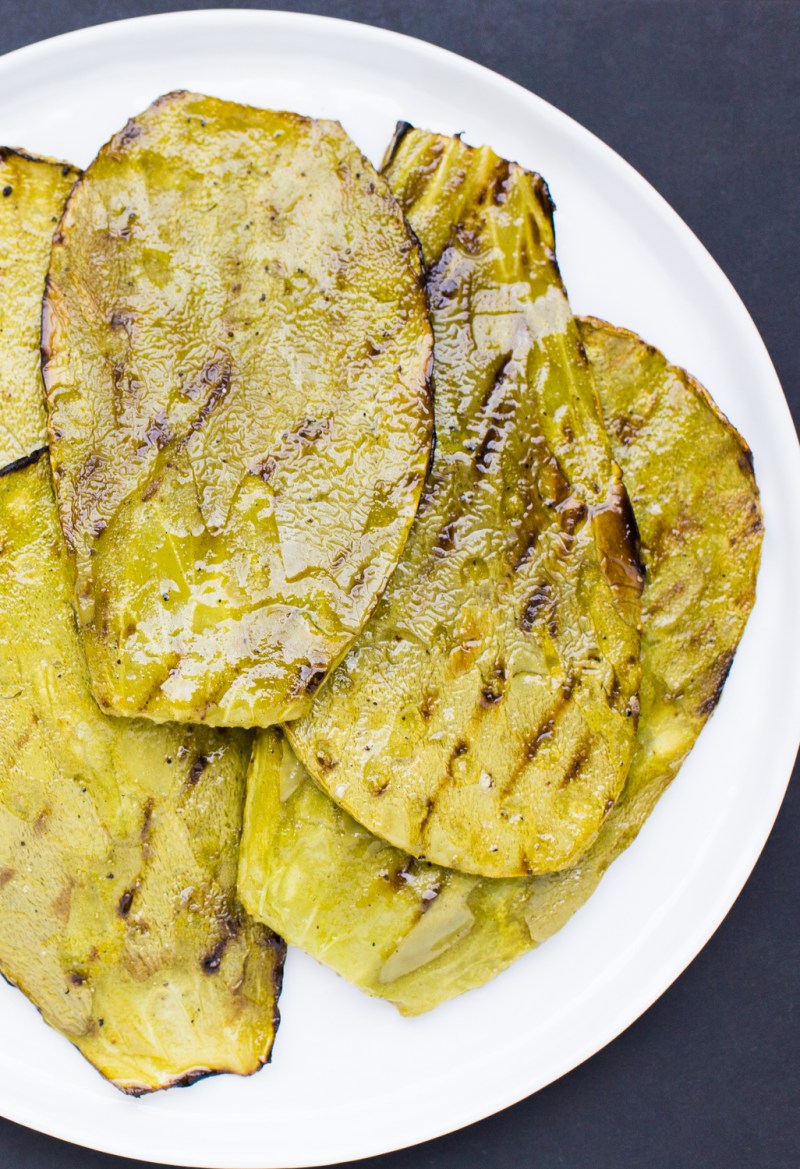
With spring upon us, I’ve been looking to expand my grilling options. The idea of cooking and eating a cactus might sound intimidating, but the reality is much simpler than you’d think. All you have to do is scrape off their thorns, and grill them – it’s that easy.

Nopales are the paddles of oputina (prickly pear) cactus, commonly found in Mexico. They are a common vegetable in Mexico, and taste a little like green beans, but slightly more acidic. They are a great addition to grilled meat dishes, or tasty just on their own. They are also often sliced/diced and served with eggs or in salads.

Read Full Article

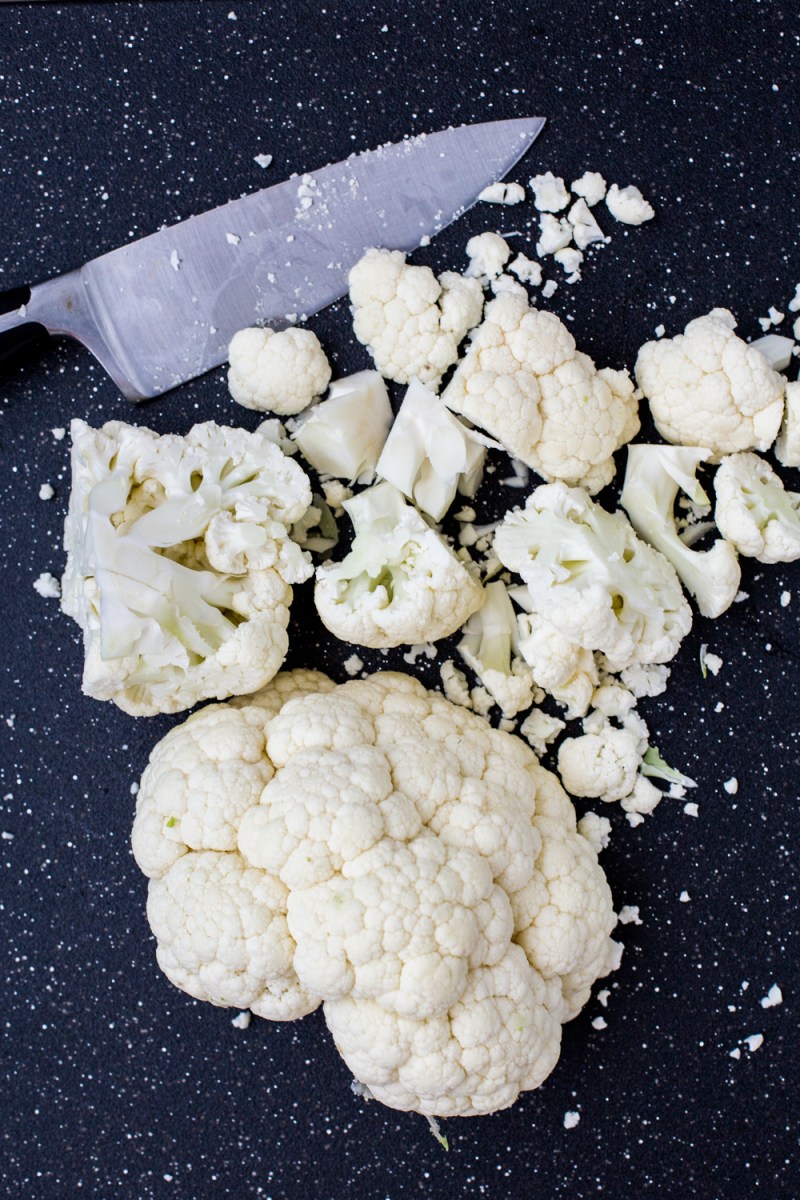
I must be reverting to some sort of baby food phase, because lately I’ve been really into puréed veggies. I think it’s the idea of eating familiar foods in unfamiliar ways. Either way you look at it, this cauliflower purée recipe isn’t the most innovative recipe I’ve created, but it serves an excellent purpose as an easy and mild-tasting accompaniment to robust dishes (which you’ll see in a couple upcoming recipes!).

It’s unsurprising that cauliflower is a close relative to broccoli, but until recently I wasn’t aware that it is from the same family (Brassica oleracea) as cabbage, brussels sprouts, kale, and collard greens. It was first brought to mainstream attention by some French cookbooks in the 17th century, although the plant itself originally came from Genoa, Italy.

Read Full Article

Who doesn’t love spinach? Besides kids, I mean. Actually, funny story, kids are more apt to eat vegetables if they watch Popeye. Personally, I despised it growing up, but now I love spinach in all forms – raw, blanched, or simmered (as in this recipe); it has a mild and unique taste with each preparation.

This recipe is modeled after the German dish Rahmspinat (“creamed spinach”), and it mostly true to the original except for the fact that this particular recipe is dairy-free. So I guess the more appropriate term for this dish would be Spinat. If you’d like to prepare it more true to the original dish, I’ve added instructions below!

Read Full Article

We eat watermelon a few times a year, and usually throw the rinds into the compost pile. I figure that’s what most people do. But a while back I ran across the idea of pickling the rinds, and I was immediately hooked on the concept; I love the idea of using a quick, simple pickling process to render something that’s usually inedible into a delicious, tangy, and crunchy treat.

It might sound a little weird at first glance, but watermelon pickles have been around for a while. While in Germany and Eastern Europe they tend to pickle the red flesh of watermelon, there are a few Scandinavian recipes that focus on pickling the rinds. In the US, there are records of people making pickles of watermelon rinds dating back to the Civil War; those original recipes call for soaking the rinds in a salt brine, then boiling with sugar, vinegar, cloves, and cinnamon until clear and soft, which turns it into something resembling a sweet relish. I went with a Scandinavian approach, but left a little of the flesh on the rind in order to add a little natural sweetness to the pickle and to aid in the fermentation process (bacteria likes sugar!).

Read Full Article

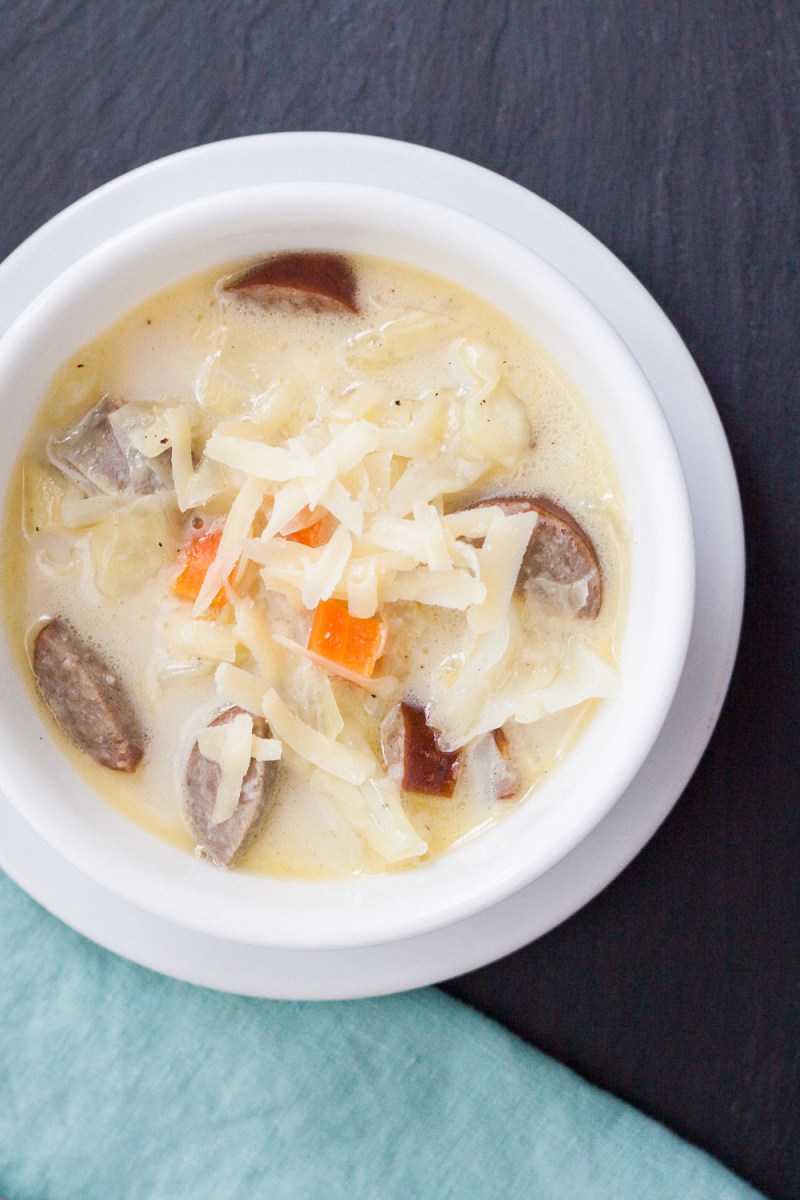
Ah, bratwurst. The German sausage has been around for a long time – the oldest recorded recipe is from the 15th Century, but it is mentioned in earlier texts. Germany (and Eastern Europe) in particular happened to be the perfect place to develop the sausages over time, because the cold winters and Northern winds were perfect conditions for testing out this cured meat. Historically, it’s also an excellent way to get nutrients into your system, as the sausages were full of parts that would have otherwise gone to waste (including some organ meats!).

Chowders made with bratwurst are popular in the United States, particularly in the Upper Midwest, but they are often full of beer and cheddar. Those aren’t bad things, mind you! But still, I wanted to make a recipe that captured the spirit and richness of those delicious chowders, but with some cleaner ingredients. Turns out a combination of chicken broth, cream, and a little aged cheddar did the trick nicely. I love this chowder in particular because it doesn’t take long to cook – about 45 minutes from start to finish – another benefit of cooking with sausage!

Read Full Article

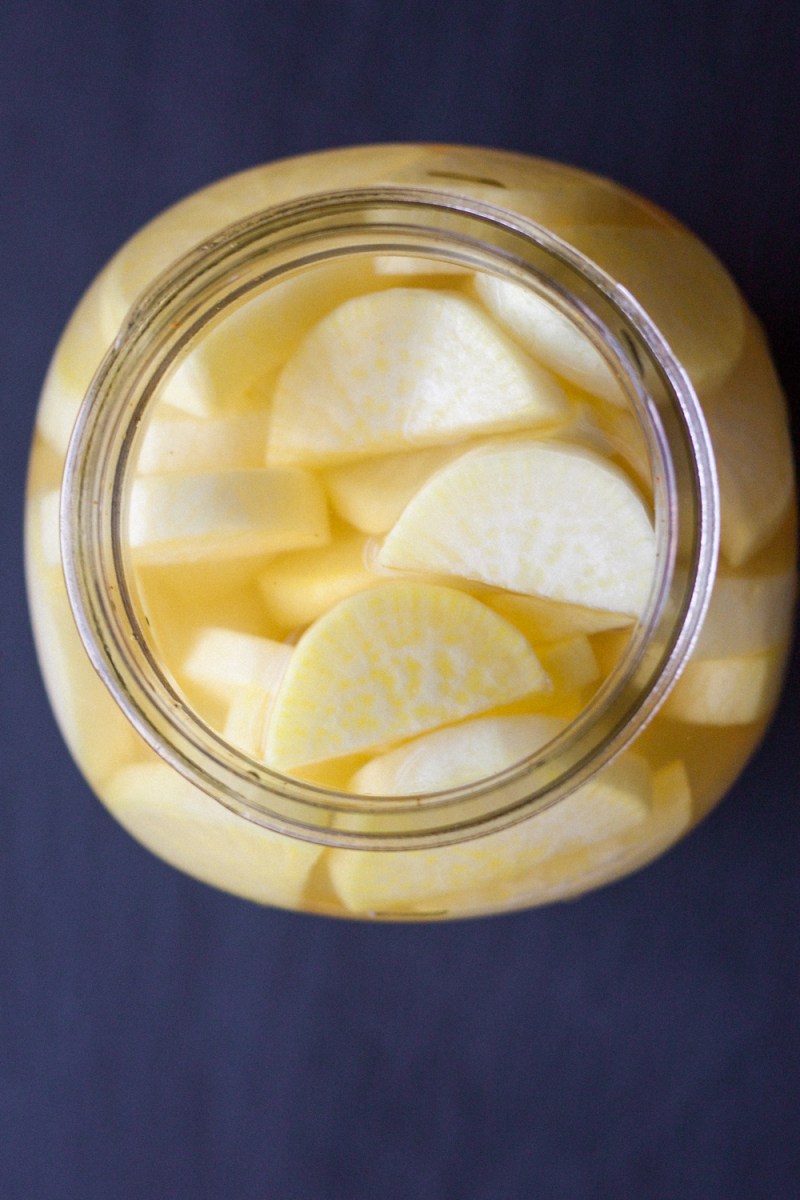
Takuan is a Japanese dish of fermented daikon radish. It is a form of Tsukemono (Japanese pickled veggies), which are served as side dishes or snacks, and are even part of the Japanese tea ceremony. Takuan in particular is often served at the end of meal to help digestion. The name “Takuan” is often attributed to Takuan Soho, a 17th century Zen Buddhist figure and the creative basis for the character Dakuan from the anime film Ninja Scroll. Korean cuisine has a similar pickled daikon radish dish, called Danmuji (단무지).

The daikon radish itself made its way to Japan from China about 2,000 years ago. Today, more land in Japan is used to grow daikon than any other vegetable. Takuan sold in many stores today is dyed yellow with food coloring; I was able to get a similar color by using a tiny bit of turmeric while pickling the radishes.

Read Full Article