Chicken

I’m going to keep this week’s recipe intro a bit short, because to be honest I’m a little distracted – we welcomed our second child into the world yesterday! His name is Elliott and I’m sure plenty of pics will soon be coming to my various social media platforms.

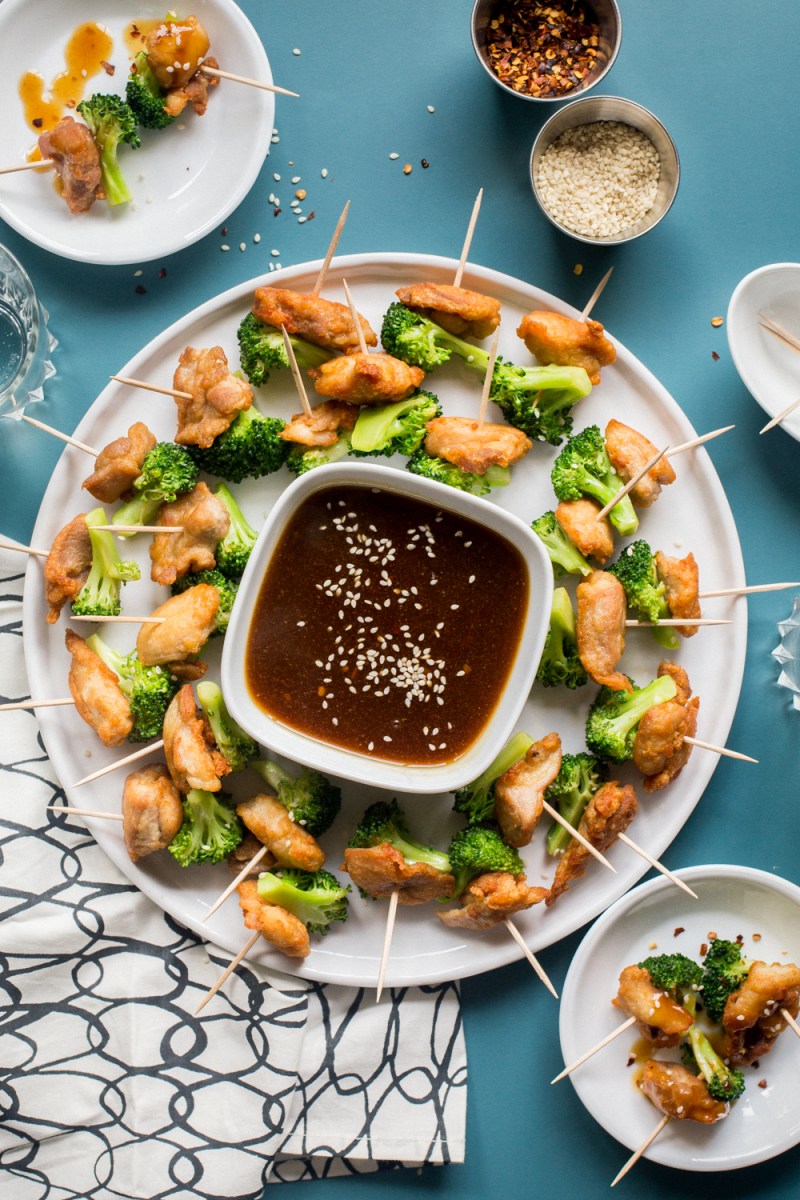
I recently asked my readers what recipes they’d like me to tackle next, and an overwhelming majority asked for pressure-cooker meals; for those folks, I have something special in store for next week. Meanwhile, a vocal minority asked for appetizers to bring to holiday parties, so I put together this recipe as a fun way to enjoy a classic Chinese takeout dish: Chicken & Broccoli. While not as celebrated as its big brother, Beef & Broccoli, I like the contrast of crisp chicken with a dark sauce. Enjoy!

Read Full Article

Friendly reminder that the Kindle version of my debut cookbook, The Ancestral Table, is available for $2.99 on Amazon for today (Nov 24th) only!

Jambalaya has its origins in European cuisine, and it is commonly believed that the dish is the result of Spaniards living in New Orleans attempting to recreate Paella using local ingredients. The word Jambalaya itself comes from the Provençal (Southern France) word Jambalaia, which means “mish-mash”. Some folktales posit that the word is a combination of Jamón (“ham”) and Paella, but that falls a bit flat when you consider that ham is not a traditional ingredient in Jambalaya.

But what are traditional ingredients, you might ask? Good question. First, there are two major types of Jambalaya – Creole (or “Red”) and Cajun. The main difference between the two is that Creole Jambalaya, the more popular version of the two, contains tomatoes (the Cajun version has more rural roots, where tomatoes weren’t readily available).

Aside from the standard “holy trinity” mirepoix of onion, celery, and bell pepper, there are plenty of proteins used in this dish: shrimp, sausage, alligator, chicken, crawfish, oysters, and nutria rat. For this recipe I used the most readily-available proteins: sausage, shrimp, and chicken; if you have access to some of the more adventurous ingredients from this list, go for it.

Read Full Article

Local friends: I’ll be having a talk, cooking demo, and book signing in a couple weeks – for more info, see the bottom of this post.

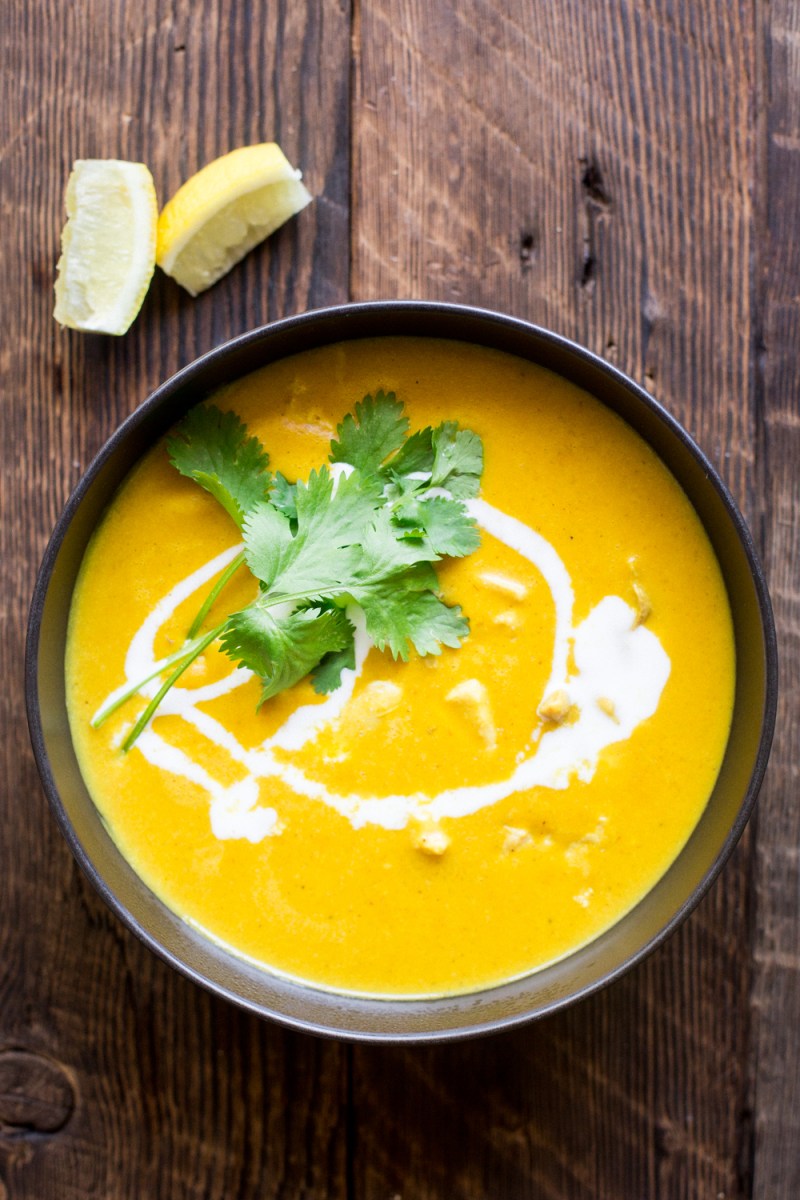
This little soup has made quite a journey over its lifetime. It was traditionally a sauce served over rice in its native India, but British colonials returning to England from travels abroad in the 19th century sought to recreate the dish at home. It eventually evolved into a mildly-flavored soup and spread as far as Australia, and there are now hundreds of variations of the dish.

While coconut milk was likely the original ingredient used to add richness to the soup, cream eventually took over in the UK. Personally, I like the exotic notes that coconut milk provides, so I reverted this dish back to its roots. This soup is typically thickened by adding rice and blending it with the other ingredients, but if you’re rice-free, don’t worry about it, the soup will still have a fairly hearty thickness to it thanks to the soup’s blended sweet potato.

One of my favorite aspects of this dish is that it imparts a slightly exotic flavor while using common ingredients (much like another favorite, Sukuma Wiki). Lastly, one fun fact: the name mulligatawny is derived from the Tamil (Southern Indian) words மிளகு தண்ணீர் (mullaga and thanni), which translate to “pepper water”.

Read Full Article

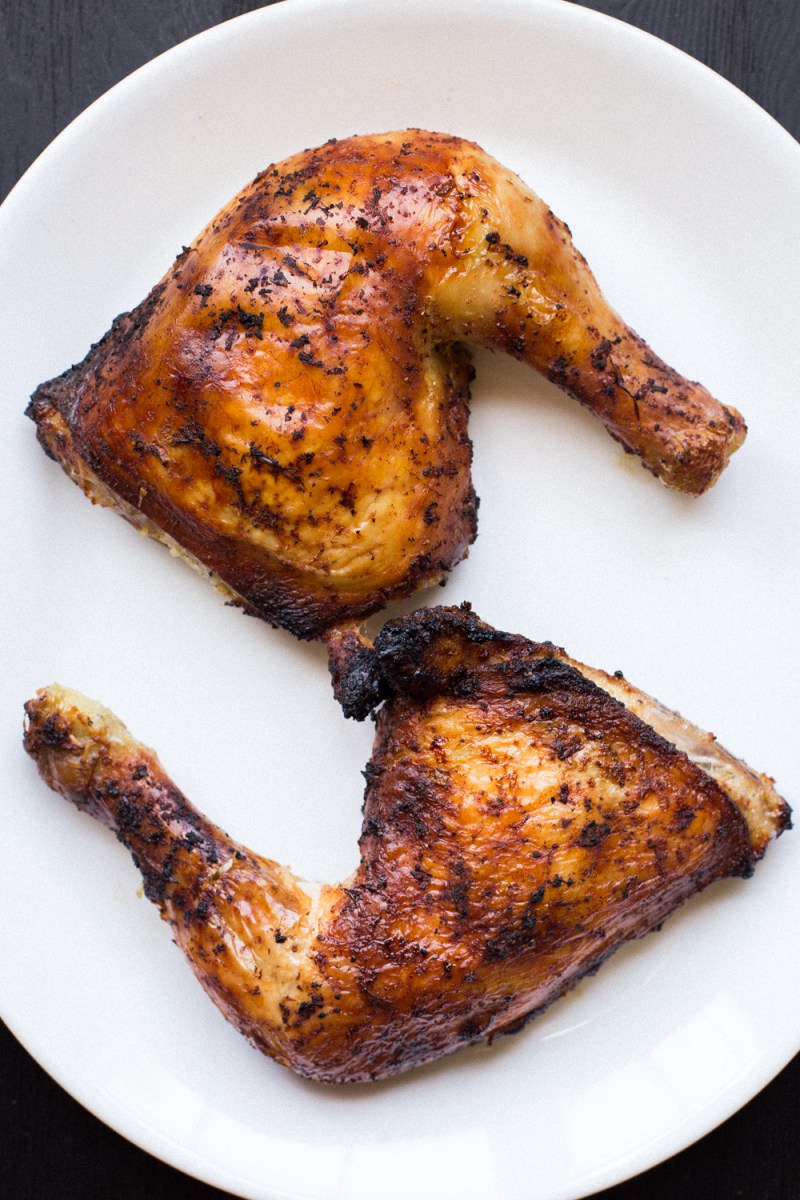
It’s starting to get a little chilly here in the Florida panhandle, which is a welcome change from our typical summer heat. At the same time, this weather has me scrambling to do some last-minute grilling before the grilling season ends. This week’s recipe is perfect for that dwindling window of opportunity to spend time outdoors; it takes a few minutes to prep the marinade (which tastes best when left overnight), then you just throw the chicken on a grill and swing by later to pick it up when it’s done.

Pollo al Ajillo (Garlic Chicken) is a popular Spanish simmered chicken dish, characterized by its generous use of garlic. It is believed that the inclusion of garlic was because this dish was originally prepared with rabbit, and the garlic masked the rabbit’s gamey taste. Pollo al Ajillo also exists in some Caribbean and Latin American regions, and is especially popular in Cuba, where they tend to roast the chicken instead of simmering it. This recipe is modeled after the Cuban version, which also uses citrus fruit (in this case, orange juice) to help tenderize the meat.

Read Full Article

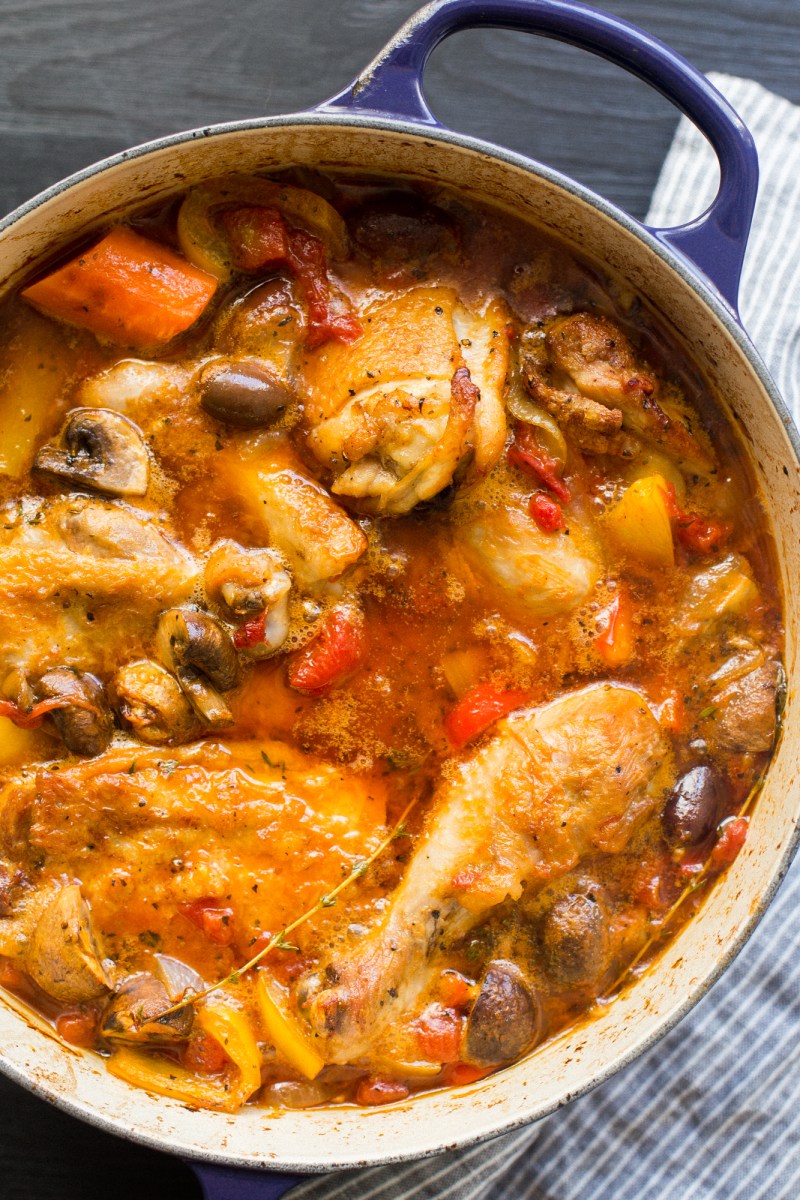
Chicken Cacciatore (Pollo alla Cacciatora) is a traditional Italian dish. The word “Cacciatora” translates to “Hunter” in English, as this dish was originally used to prepare rabbit and gamefowl. Today, variations that feature rabbit meat still abound.

The story goes that this “hunter’s stew” consisted of ingredients you could find in the forest or open fields. Many American versions of this dish have been altered considerably from their source material; breaded, fried chicken cutlets are often smothered in a marinara sauce (not unlike Chicken Parmesan, really). Italian versions often feature tomatoes but not overwhelmingly so; instead they’re a complement to other vegetables like onion, mushrooms, carrot, and bell pepper. Northern Italian variations of this dish use white wine, while Southern Italians use red wine.

Typically, this dish is prepared with a broken-down whole chicken. I’m down for that, but at the same time, I’m always concerned about the different cooking times for dark meat and finicky chicken breasts; instead, I prepared this recipe to feature thighs and drumsticks, so that everything comes together naturally.

Read Full Article

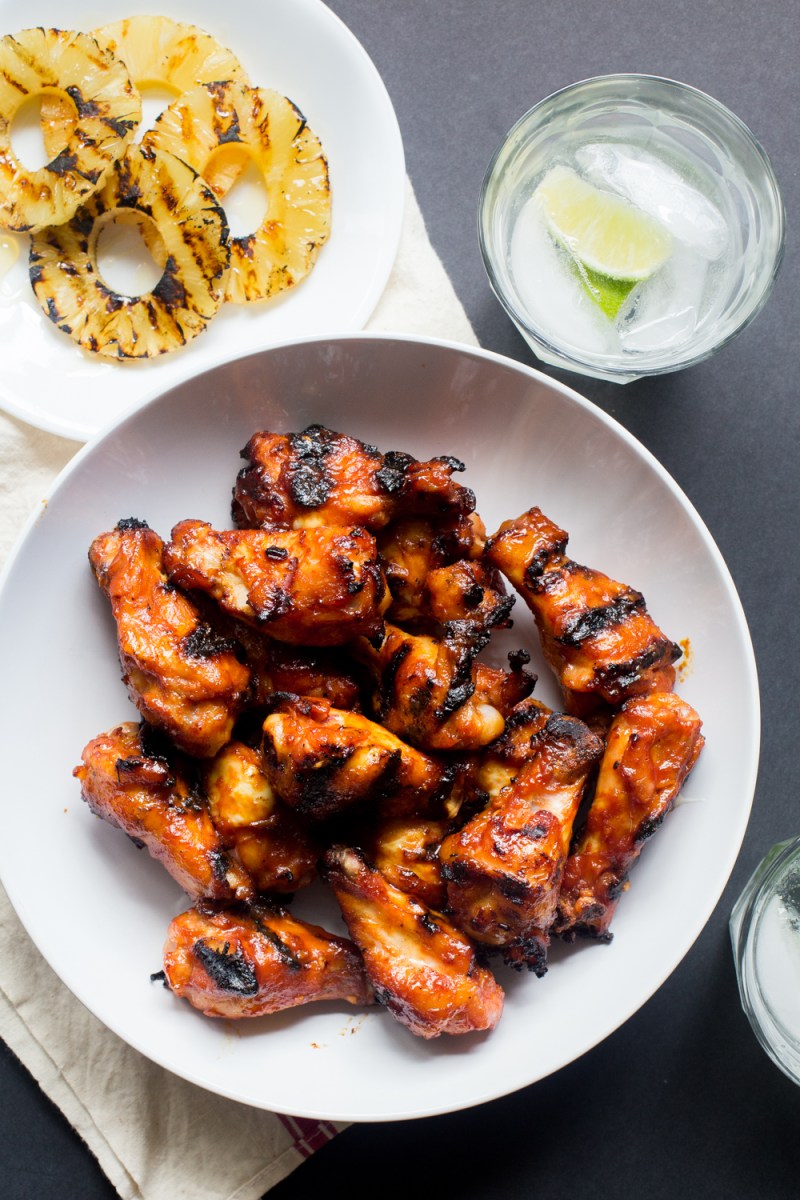
Having used up my vacation days writing a book earlier this year, I wasn’t able to join my wife and son during their summer trip to visit family in Hawaii. While there, they lovingly (teasingly?) texted me photos of all the delicious meals they were enjoying. So for my own little slice of revenge, I developed this recipe for one of Hawaii’s best-known dishes, Huli-Huli Chicken, while they were gone.

“Huli-Huli” translates to “turn, turn” in the Hawaiian language, but this chicken is not a traditional Hawaiian dish. In the 1950s, the head of a Hawaii chicken breeders association, Ernest Morgado, broiled up some teriyaki chicken for a farmers’ meeting. The chicken was a hit, and so he started selling the cooked chickens for local fundraisers. The name “Huli-Huli” comes from the fact that the chickens are cooked between two grills, and are turned as each side finishes cooking. Today, Huli-Huli Chicken is still a staple fundraising tool in Hawaii. Morgado, who passed away in 2002, holds the Guinness world record for the single largest chicken barbecue, cooking 46,386 chicken halves at a school fundraiser in 1981.

Morgado trademarked the name “Huli-Huli” in 1958 and the sauce is still sold today. For a bit of excitement, I decided to make my recipe using wings, to fully capture the sticky-sweet fun of eating this dish. My take on the sauce uses pineapple juice, honey, and apple cider vinegar to lend the chicken its sweet flavor (as opposed to gobs of brown sugar), and a bit of red palm oil will give the dish its signature red color (usually achieved with ketchup).

By the way, Ernest Morgado and I share more than just a love for chicken: he served as a Navy Chief Petty Officer during WWII (I’ve been serving in the Navy since 2000, and was recently promoted to the rank of Master Chief Petty Officer).

Read Full Article

One of my favorite recipes from The Ancestral Table is Jerk Pork. When first writing the recipe for the book, I told myself that eventually I would make a chicken variation of this Caribbean classic and post it on this blog; I think it’s about time to follow through, since it’s a perfect summer grilling recipe. From the book:

Jerk is a cooking method and seasoning from Jamaica that typically involves marinating in a paste of allspice (pimento) and Scotch bonnet peppers (often confused with their cousin, the habañero) and cooking over a fire made with pimento wood. Jamaica was first inhabited by the Arwak Indians from South America more than 2,000 years ago.


The Arwak brought with them a cooking technique of marinating and drying meat over a fire or in the sun, the basis of beef jerky as we know it today. It also served as the origin of jerk cooking, as in this jerk pork recipe, although the two dishes are wildly different today; beef jerky is a dried, preserved meat, while jerk pork is tender and juicy.

As a reminder, I am smack-dab in the middle of my Paleo Takeout book release tour, with events every weekend through August. Click here to see if I’m coming to a city near you, and to RSVP!

Read Full Article

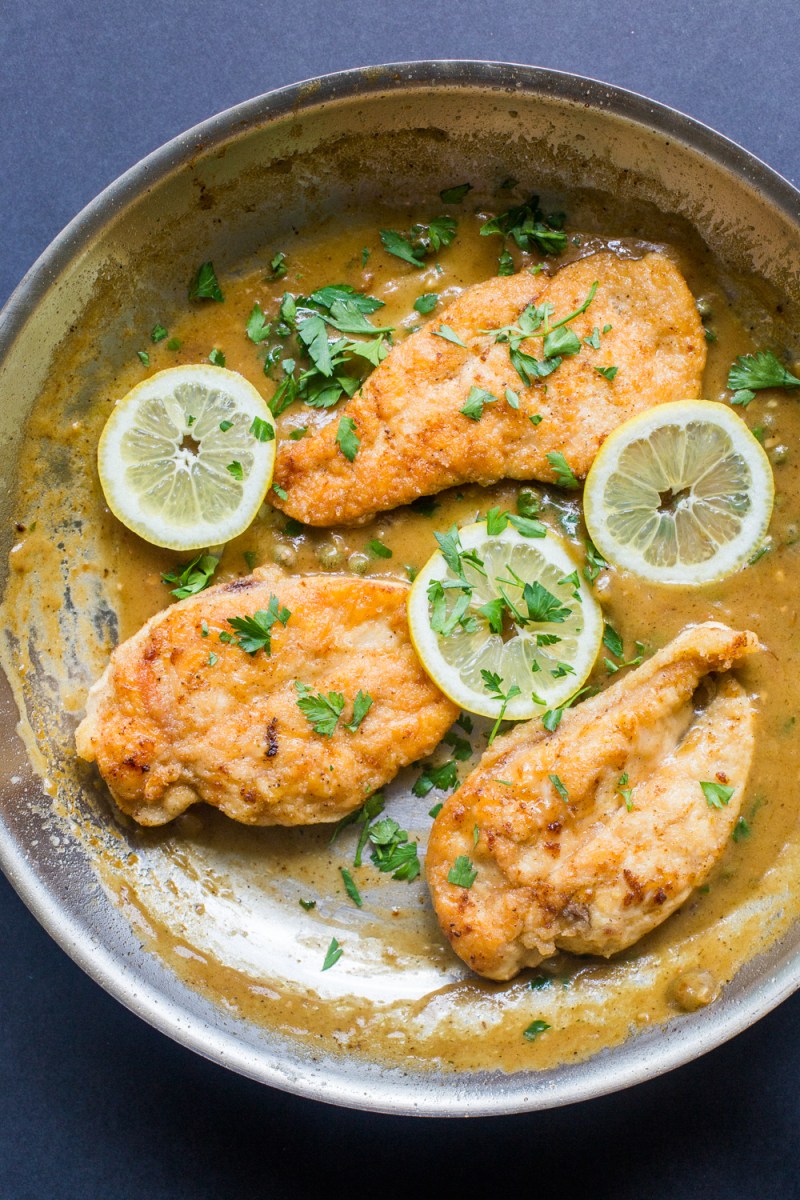
Confession time: a couple weeks ago, when a reader requested that I make this dish, I had to look it up because I had never heard of it. Somehow, I had inadvertently avoided Chicken Piccata my whole life. Although truth be told, I rarely visit Italian restaurants any longer since bread, pasta, and pizza all contain that pesky (but delicious) protein, gluten. And after that, what’s left at your typical Italian-American restaurant – salad? Regardless, I did a bit of research on the dish, and here we are.

The origin of this dish isn’t confirmed, but most believe it to be of American design, most likely by Italian-American immigrants during the 1930s. In Italy, Piccatas today are commonly made with veal, but here in the US, chicken prevails. The cutlets are breaded and pan-fried, and then a sauce is made with the drippings. It’s a simple technique made remarkable by its combination of flavors – wine, broth, lemon juice, and capers.

Read Full Article

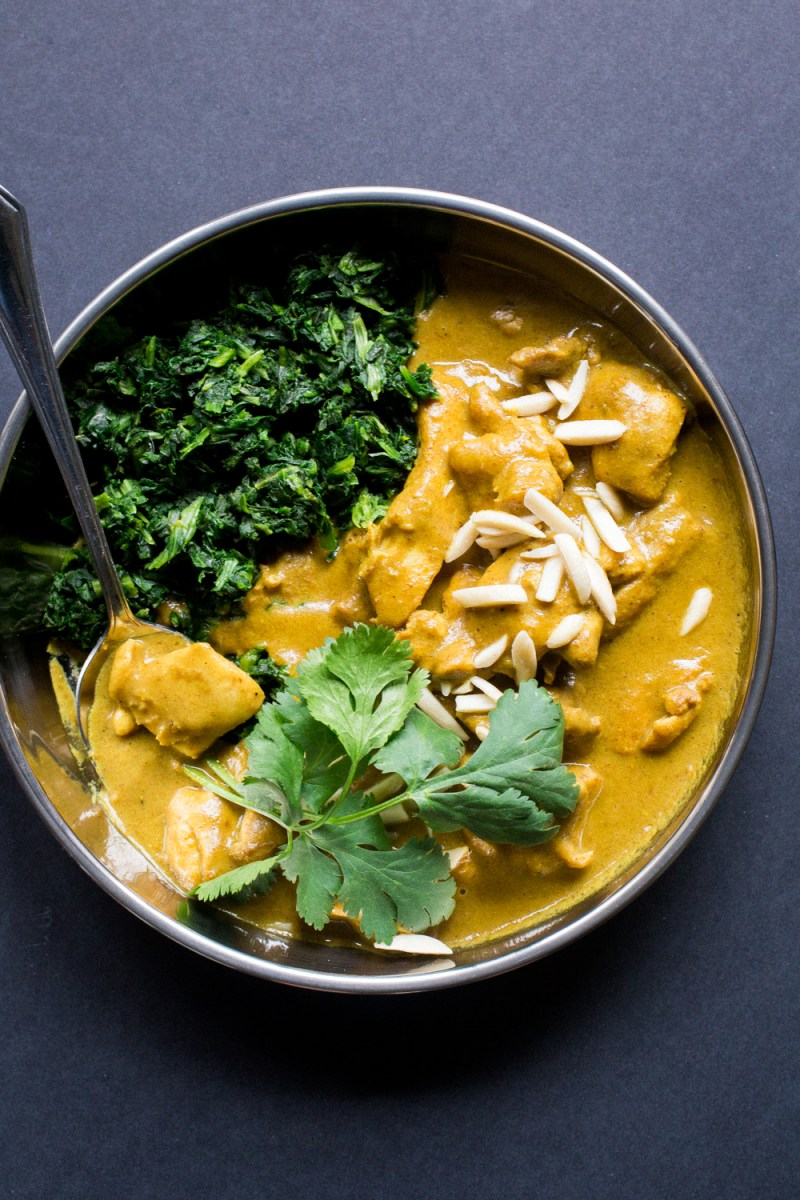
In my new office here in Pensacola Florida, we have an interesting combination of Navy families. Two of my co-workers have spouses they met while stationed in England, and another met his wife while serving in Canada. I’ll often ask them what new dishes they’d like for me to bring into work, as they typically (and unknowingly) are my tasting judges. The question inevitably gets passed to their spouses, and all too often I hear complaints that there are “no good curries” to be found in our town. This Chicken Korma recipe is the result of those conversations.

“Korma” comes from the Urdu word ḳormā, which means to braise. This dish, as with other braised dishes like Rogan Josh, is characteristic of Moghul cuisine, which was first introduced to Northern India by the Mughal Empire in the 16th Century; the Mughal were a predominantly Muslim people of Turko-Mongol descent (some claimed to be direct descendants of Genghis Khan).

There is a lot of variation to kormas, but the underlying theme includes a slow braise in a rich, mildly-spicy curry sauce, often flavored with yogurt or heavy cream. For this recipe in particular, I kept it relatively dairy-free (what’s a recipe without butter or ghee?) and used a bit of lemon juice to impart the tanginess you’d expect from using yogurt.

Read Full Article

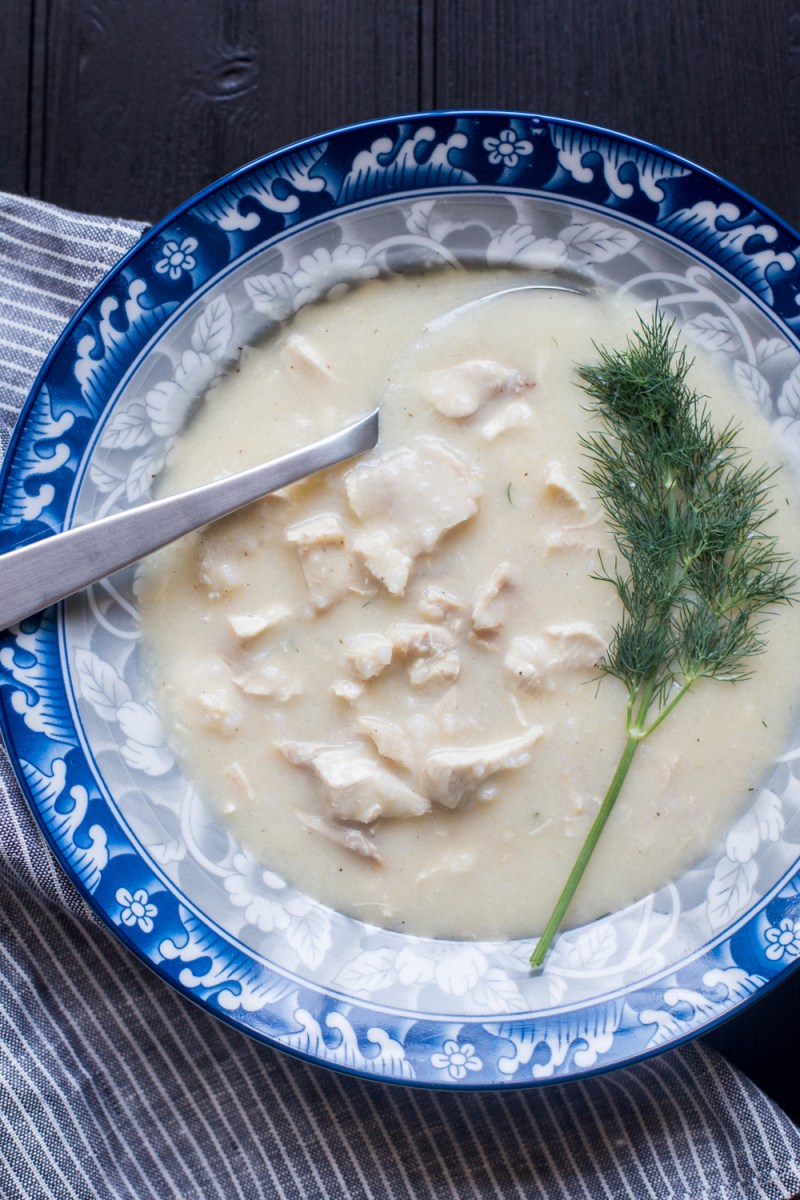
Avgolemeno is a Mediterranean sauce and soup, most commonly associated with Greece. As a sauce, it’s often served with Dolma or used as a vegetable dip. But if you ask me, it really shines the most as a mild and comforting soup, and that’s why I’m sharing this recipe with you today. It features egg yolks and lemon juice which enrich and enliven the soup, and some fresh dill brings it all together to give it a distinct and just slightly exotic flavor.

I’m a big fan of taking my time when making recipes. After all, cooking is one of my main sources of relaxation (second only to reading cheesy sci-fi). But I realize that’s not always the case for folks, so I’m trying something new today; below you’ll find a “short version” of the recipe that can be made in 20 minutes, as well as the traditional 2-hour version. Let me know what you think. If you like it, I’ll try to incorporate more variety into my recipe posts (kind of like how I’ve been adding pressure-cooker versions to some recipes).

Read Full Article