Chicken

Mole is a term used for a number of sauces in Mexico. On its own, the word usually implies Mole Poblano, a dark red sauce made with poblano peppers. This sauce, Mole Verde, is a lighter, fresher version of the sauce, made with pepitas, blended herbs, and tomatillos.

A traditional herb used in this dish is epazote, which is a pungent, weed-like herb. It’s also commonly added while cooking black beans, because it reduces the gassiness that follows after eating those magical fruits. If you can’t find epazote where you live, never fear – flat-leaf parsley will work in a pinch.

Many variations of this dish call for stewing the chicken in the sauce. But I started thinking about the fact that this sauce can be put together in about 20 minutes, and it’s a tragedy that you’d have to delay the cooking time by so much in order to stew the chicken (and lose some of the sauce’s fresh taste along the way). Instead, I figure that there’s a better way to get dinner on your table; you can roast a chicken (or buy a rotisserie chicken) separately and combine it with the sauce to serve. I particularly like the contrasting flavors of the bold, refreshing sauce and the tender roast chicken. It’s making me hungry all over again just typing this. Enough talk; let’s get cooking.
Read Full Article

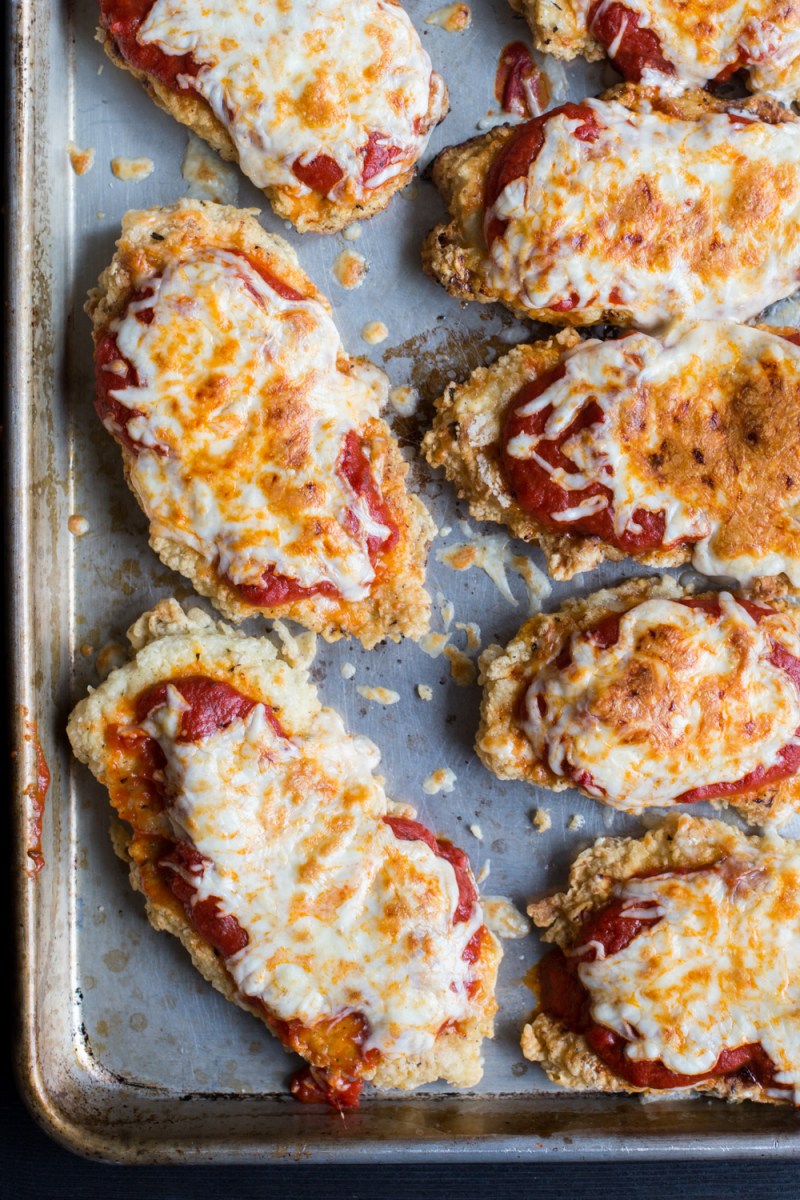
Parmigiana is a method of Italian cooking wherein breaded, fried cutlets are layered in cheese and tomato sauce. Originally made with eggplant (Melanzane alla Parmigiana), breaded chicken and veal cutlets are popular as well. There is some dispute as to where this dish came from; logic would dictate that the Northern city of Parma started the craze, but Southern regions Campania and Sicily also stake a claim in this dish. A common misconception is that the dish got its name from its inclusion of Parmesan cheese (despite the fact that mozzarella is the most common cheese used in this dish); but like Chicken Parmesan, Parmesan cheese got its name from the fact that it is produced in the city of Parma.

While Chicken Parmesan is fairly well-known in the US, it’s of monstrous popularity in Australia, where it is called Chicken Parm, Chicken Parma, or even Chicken Parmy. Their take on the dish usually includes french fries, and was named the #37 best food in the world by CNN Traveler a few years back.

My take on the dish is surprisingly similar to the way I made it while working as a line chef many years ago; the only thing that’s changed is the breading ingredients. While plain tapioca or arrowroot starch works well for its first dusting layer, mixing the starch with some potato starch for the outer breading layer gives the outside a crisp texture. If you’re looking for a really authentic, slightly rough texture that only breadcrumbs can provide, you could toast your favorite gluten-free bread, cool it, then blend to make breadcrumbs. But as you’ll see from the pictures below, this simple preparation is pretty awesome, too.

Read Full Article

Although I consider Butter Chicken to be the ultimate Indian chicken curry (I saved that recipe for my cookbook), Chicken Tikka Masala takes a close second. In fact, there is little difference in the dishes – both are usually made by adding roasted chicken pieces to a tomato-based curry sauce. Butter Chicken has more, well, butter.

The origin of Chicken Tikka Masala is disputed. It’s commonly believed that it was first whipped up in Indian restaurants in the UK (Glasgow in particular is often cited), but many argue that it was first influenced by dishes from the Punjab region of India and Pakistan well before it appeared in UK restaurants.

Putting the curry together is actually pretty simple – start to finish in under an hour. It gets a little complicated when the chicken comes into play, since it should be marinated for at least 6 hours beforehand (overnight preferred). But with a little forethought, this is an excellent weeknight meal.

Read Full Article

Yassa Poulet (sometimes called Chicken Yassa) is a West African dish originally from Senegal, characterized by its spicy marinade of peppers, lemon, and onions. I was initially drawn to this dish because the marinade uses a crazy amount of onions, and they’re not wasted; instead, they are recombined with the chicken during cooking.

Many traditional recipes call for the chicken to be browned in a skillet and then braised with the marinade until tender. That sounds good, but our nice summer weather always compels me to grill, which left me with a conundrum; how do I reincorporate the onions into this dish after grilling? The answer turned out to be simple – caramelize the onions while the chicken is on the grill. Combining the sweet, delicate flavor of the caramelized onions and the bright, crispy grilled chicken was a pretty awesome move.

I’ve also found that this makes a perfect weeknight dinner – throw together the marinade before work (or the night before), then finish the dish in less than an hour when you get home. Since both the chicken and onions are relatively hands-off, it gives you plenty of time to prepare other accompaniments along the way. Sure, it’s a bit more work than something like my Simple Grilled Chicken Drumsticks recipe, but it’s totally worth it in terms of flavor.

Read Full Article

Chicken Kiev is a Ukrainian dish, possibly influenced by the French roulade (I’m a big fan of roulades – check out my German Rouladen recipe). This dish is characterized by rolling herbed butter into chicken cutlets. To me, this is an ideal meal; chicken breasts tend to be bland without some added fat or spices, and Chicken Kiev has both in spades. To make the butter easier to roll, my recipe calls for freezing the butter for 30 minutes before rolling – it makes a huge difference.

As a Russian linguist and teacher in my day job, I would be remiss if I didn’t talk about the spelling of the word “Kiev” in my recipe. The Ukrainian government officially changed the romanized spelling of their capital city’s name to Kyiv in 1995, mostly due to the fact that Kiev is the Russian pronunciation of the word. But in truth, Kiev is the original, Old East Slavic pronunciation of the city (technically it’d be spelled Kyev today). I think it’ll be interesting to see how the world spells and pronounces the word for this important city in the future – especially given the amount of attention this corner of the world has received recently. Personally, I like Kiev, but not as a slight to the Ukrainian people or government; I’m just a fan of Old East Slavic.

Read Full Article

It’s hard to believe, but my cookbook, The Ancestral Table, has been out for nearly four months. I keep finding myself surprised whenever someone tells me they have and enjoy my book; for some reason I keep assuming that only our little family regularly uses it as a reference. So I thought it would be fun to take a week off from my regular recipes and share one from The Ancestral Table, as a gentle reminder to myself that there are other people out there who could use these recipes.

Deciding on a dish to share was really easy; we make this roasted chicken recipe at least once every two weeks. Simply put, it’s one of the easiest chicken recipes you’ll find, and it’s deliciously crispy and juicy. Cooking the bird directly in a skillet also makes it a cinch to whip the drippings into a flavorful gravy. Finally, we like to throw the bones and carcass into our electric pressure cooker for a couple hours to make some tasty and calcium-rich broth.

I’m also giving away a copy of my book this week, signed by me and Paul Jaminet (who wrote the foreword of my book). There are only a few copies like this one, so be sure to enter to win (instructions at the bottom of this post).

Read Full Article

Let’s talk about Sweet and Sour Chicken for a second. It is probably not surprising to read that while this dish is served in Chinese restaurants in many Western countries, it doesn’t really exist in China. There are several sauces in China that incorporate both sweet and sour tastes, the most common being from the Hunan province, but they’re still a far cry from what you can get at your local Chinese-American restaurant. The reality is that this dish is now nearly more of an American dish than Chinese. On the flip side, the Chinese have their own interpretation of Western tastes – like flying fish roe and salmon cream cheese stuffed crust pizza (Hong Kong Pizza Hut).

But at the end of the day, it’s still a unique and comforting meal, and I thought it would be fun to try and replicate it using Paleo-friendly ingredients. My first order of business was figuring out how to make the sauce without resorting to ketchup as a base; instead, I used a combination of chicken stock, tomato paste, apple cider vinegar, tamari, honey, and spices. For the chicken, I used my new breading technique highlighted in Tuesday’s chicken nugget recipe. Lastly, I found that gently simmering the sauce while I cooked the chicken helped the sauce ingredients to perfectly marry, resulting in a balanced, delicious flavor.

For this recipe in particular, I teamed up with the folks at Vitacost; they offered to have me experiment with their online store and see what I could come up with. I had been thinking of trying out this Sweet and Sour Chicken recipe for a while now so it seemed like a good fit. I was surprised at how easy and cost-effective it was to use their shop; many of the items in their store were comparable or even cheaper than what I can find locally. Not only that, they had many of the brands we already buy. It was a lot of fun to conceive an entire meal using only their store items (minus the produce and meat). I think Vitacost would be a great resource for three types of people: (1) those who don’t live near a gourmet or international market, (2) those who have a high cost of living (big cities, for example), and (3) those who don’t have time to rummage through the aisles of several stores to find the right ingredients.

Okay, let’s get cooking.

Read Full Article

I have always been proud of my Paleo “Chick-fil-A” nugget recipe from a couple years back, and it has definitely been a hit with readers. If fact, I’m sure a few of you stumbled upon my little blog because of them. But to be honest, I’ve never been satisfied with the texture of the nuggets themselves; while they are very similar to the thin coating that you’ll find at Chick-fil-A, I personally prefer a spongier breading around my chicken nuggets. So while experimenting with breading techniques for my Sweet and Sour Chicken recipe, I happened upon my eureka moment – something I like to call “reverse battering.”

You see, I’ve always been taught to bread meats using a liquid-then-flour (or flour-liquid-flour/breading) method. Sounds logical, right? It’d be just crazy to not put flour or breading on nuggets before frying them. But after some YouTube surfing for Chinese recipes, I noticed that sometimes people would bread their food with starch and then egg before throwing it in the oil. Turns out it’s a genius idea for getting a light, crunchy, and satisfying texture for nuggets without having to deal with that whole pesky “wheat flour” or “breadcrumbs” stuff. The trick is in not heating the oil too hot, so as to keep the egg from burning; medium heat works perfectly.

Read Full Article

I’m a big fan of Thai curries, and Green Curry is one of my favorites. It’s been a couple years since I tackled my last Thai curry (Panang Curry), so I thought it was time to share another recipe. Like in my Panang Curry recipe, this recipe is a template for you to adjust as you see fit; directions on how to change the protein or add vegetables are provided below the recipe.

The Thai word for Green Curry (แกงเขียวหวาน) actually translates to “Sweet Green Curry”, but that doesn’t imply that this dish is sweet. Instead, “sweet green” means “light green” in Thai.

While the idea of making curry from scratch may be initially daunting, nothing could be further from the truth. My curry paste has quite a few ingredients, but all you do is basically throw them all together and purée; the paste will keep for a month in the fridge (or several months in the freezer) and there’s enough paste to make three curries. Making the actual curry is even easier – it’s a 20-minute meal, if not less.

Read Full Article

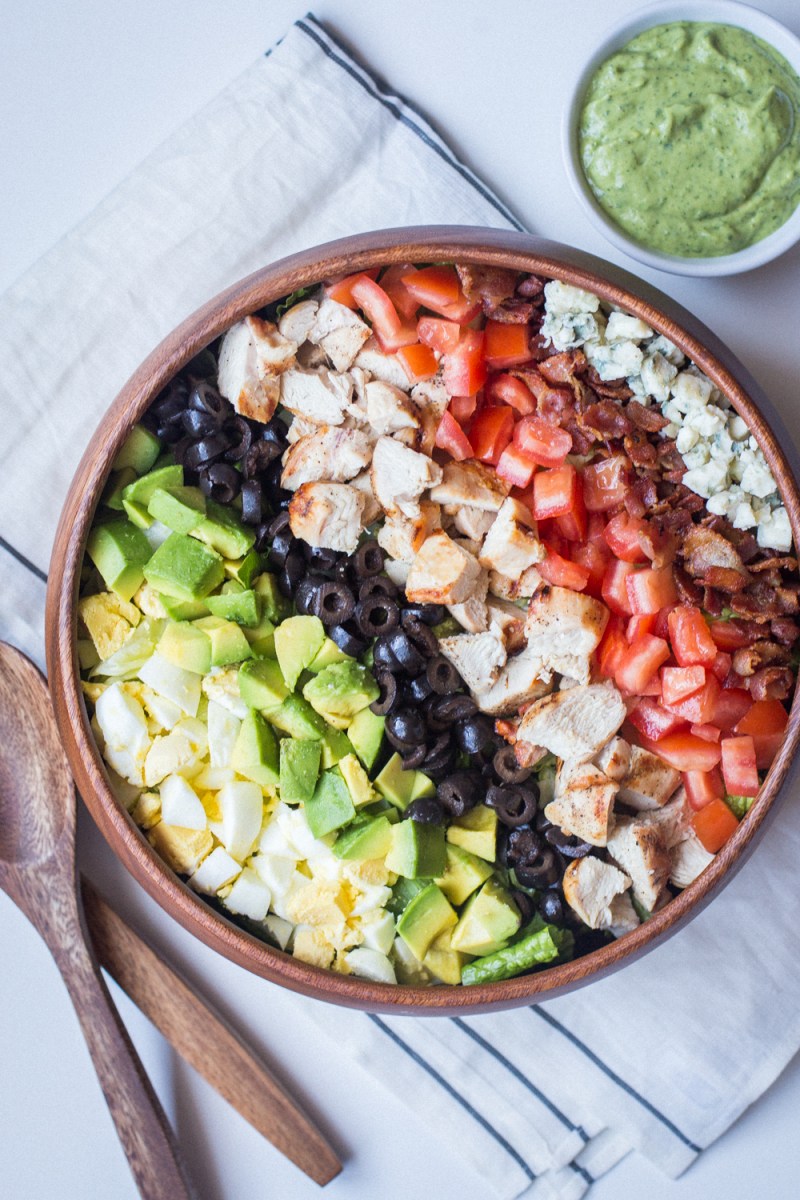
To tell the truth, it’s not often that I get a hankering for a meal-sized salad. There’s a lot of chewing involved. But if I am going to sit down and enjoy a full salad, I prefer to eat something made with a wide variety of hearty ingredients. In that regard, Cobb Salad takes the cake: it’s basically lettuce and a bunch of solid, pleasurable mix-ins. No dainty ingredients like sprouts, no sir! Okay, sometimes Cobb recipes call for chives, but you get my point.

Both the salad and dressing used in today’s recipe come from California in the early 20th century. Bob Cobb, owner of the Brown Derby Restaurant in Hollywood during the 1930s, whipped up a quick salad for a friend with a toothache using leftovers found in his kitchen. He cut the ingredients up into small pieces so as not to exacerbate his friend’s condition. (Personally, I would have whipped up a pureed soup if my friend had a toothache.) Other stories contend that there was no toothache involved. Either way, the salad was such a hit that Cobb added it to his menu, and it took off from there. Green Goddess Dressing was made by a San Francisco chef in the 1920s, after a popular stage play of the same name. While the salad and dressing don’t traditionally go together (Cobb salad is usually served with red wine vinaigrette), I really like the pairing of the two. Plus, they each call for 1/2 an avocado, so in that sense, they fit together perfectly.

Special thanks to my friends at Pacific Merchants who donated the hand-carved acacia wood salad bowl for the picture you see above. Their 12″ bowl is both beautiful and sturdy; it’s a perfect size for a whopping salad like this one.

Read Full Article