Chicken

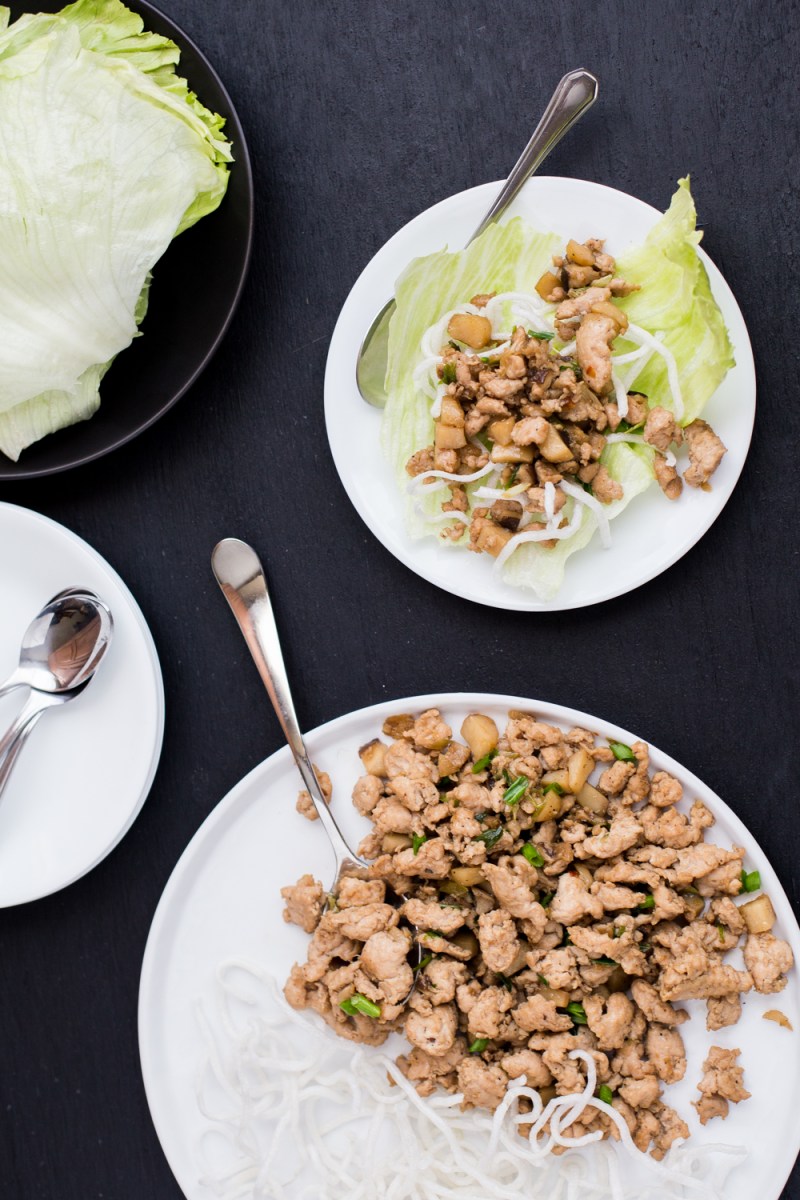
Last September we met up with our friends Matt and Stacy, the Paleo Parents, for dinner at P.F. Chang’s China Bistro, a popular Asian-themed chain restuarant here in the U.S. that sports a gluten-free menu. It was our first time visiting the restaurant, and Stacy strongly recommended (demanded?) that I try to re-create their famous Chicken Lettuce Wraps. Never one to turn a challenge down, I accepted, and then promptly forgot all about it.

But lucky for you, Stacy didn’t forget the promise I made that fateful day. In fact, she did one better, and corralled a bunch of Paleo-friendly bloggers together this week to re-create some favorite dishes from the restaurant chain. Here is a link to the round-up.

For my version I made a few minor adjustments. I used honey instead of what I assume is gobs of sugar (we taste-tested the original dish again last week and I was surprised by how sweet it was), and made fried noodle sticks using sweet potato noodles instead of rice or mung bean noodles, which I assume is what they use in the original recipe.
Read Full Article

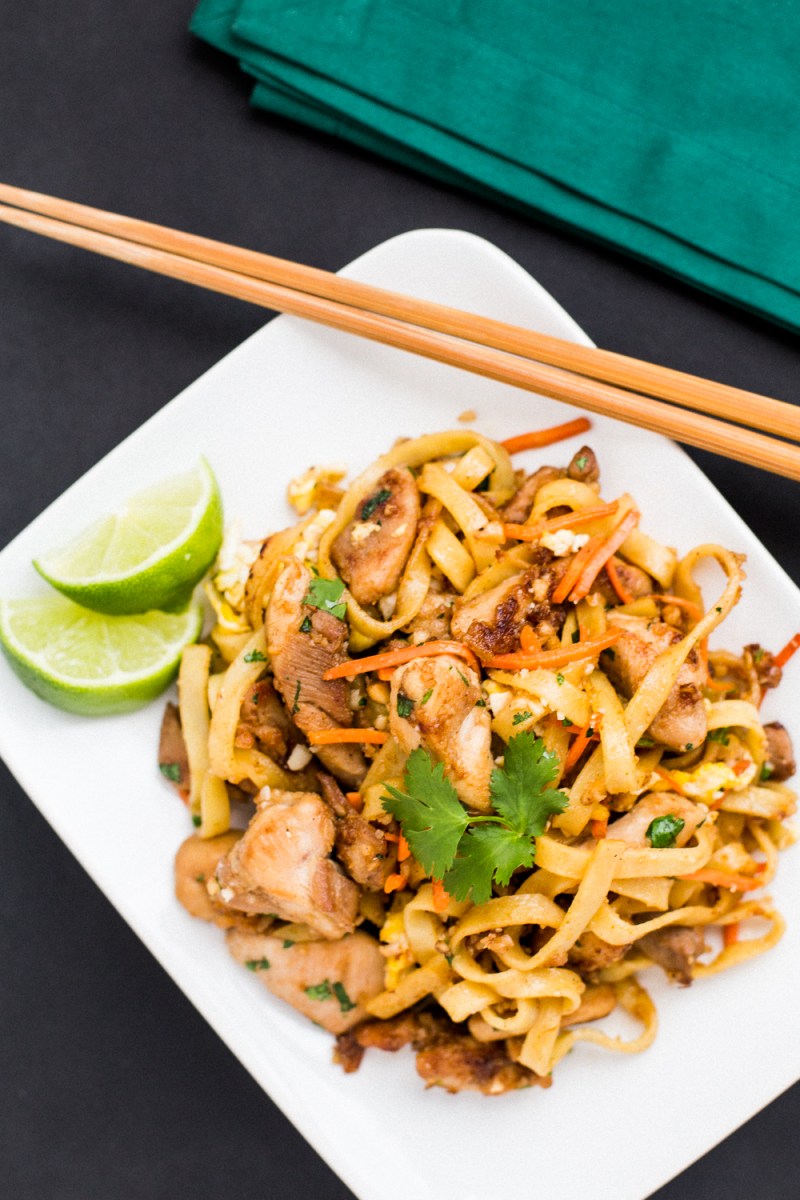
It’s somewhat surprising, but Pad Thai, despite being one of Thailand’s national dishes, is from Vietnam. Originally influenced by Chinese cuisine, the dish was relatively unknown in Thailand until the 20th century. It actually was part of a Thai government campaign in the 1940s to create a national dish that both reflected the Thai spirit and also increased rice noodle production to help propel their economy. There’s a really interesting history of the dish to be read here.

This recipe is a long time coming, and something we’ve been cooking for years. For a while I was content with pre-made sauces like Mae Ploy’s, but I was never happy with its high sugar content and the fact that it has MSG in it. So I decided to work out how to make it from scratch, and I couldn’t be happier with the resulting product. This is the real deal.

And to make things even more interesting, for this particular photo session I thought it would be neat to try out Cappello’s gluten-free, grain-free fettuccine noodles instead of our usual rice noodles, and I was surprised by how well they worked! Instructions on how to make them with traditional rice noodles and zucchini noodles are included as well.

Read Full Article

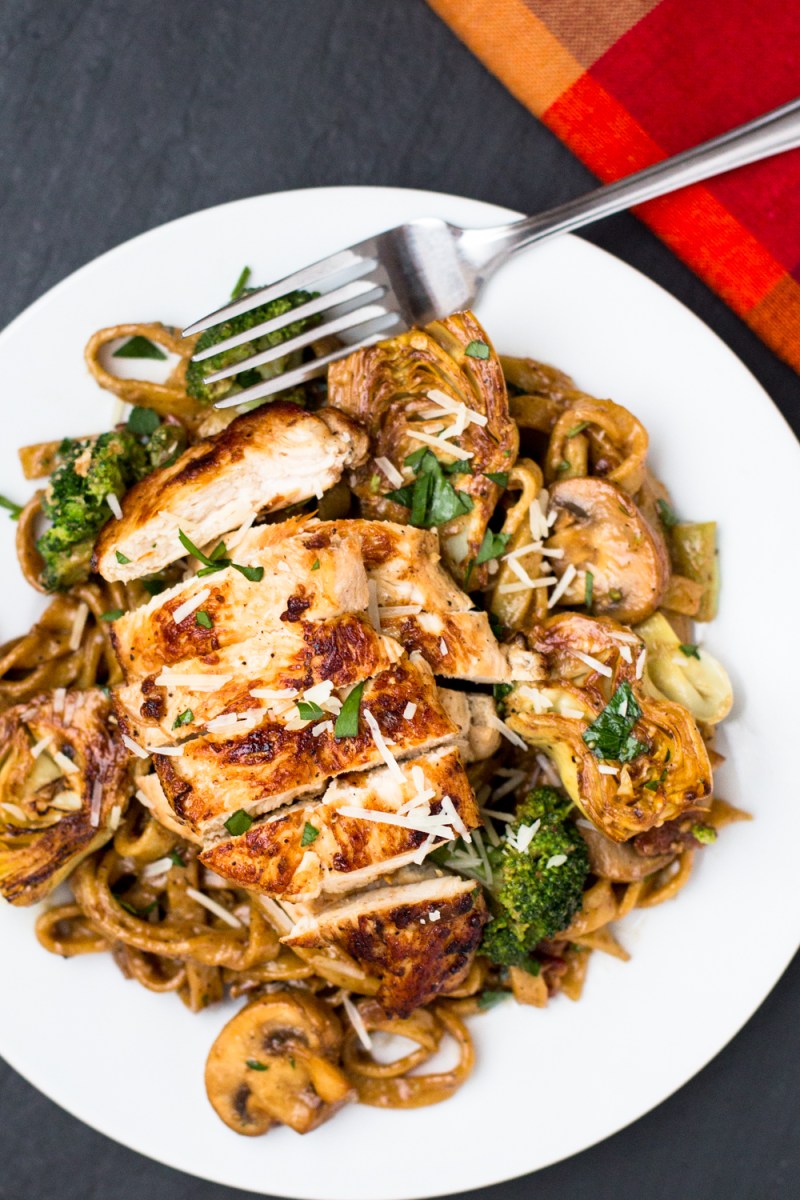
While researching some Italian pasta-based chicken dishes, I came across a dish called Chicken Francesca more than once. I loved the name, and all it implies: the Italian word Francesca literally means “from France”, so to me the name Chicken Francesca means it’s an Italian dish that is cooked using French culinary methods. The problem is that the recipes I found that carried the name were vastly different from my initial impression: some were baked using breadcrumbs and cream, others were mushroom-intensive and served over rice, and still more were linked to a restaurant in Boston known for breasts sautéed in a skillet with artichokes and parsley.

So I decided to take my favorite elements of some of those recipes to make something even more unique: an Italian pasta dish that borrows heavily from French culinary methods! Namely, I focused on creating a heavily-browned skillet in order to deglaze it to serve as the base for my pasta sauce. I also used a milder shallot instead of the traditional onion found in many Italian pasta dishes, and added fresh parsley right at the end of the dish, which is so often found in French cuisine.

Read Full Article

Chicken Marbella is a dish first introduced in The Silver Palate Cookbook in 1982. Its unique combination of prunes, capers, and green olives quickly captured the hearts of home chefs and remains a family favorite in many households throughout the United States today. So when a friend requested that I make an adaptation of the recipe, I was happy to give it a shot and see what I could do.

And truth be told, I didn’t make many changes from the original recipe, because it’s already delicious and uses whole ingredients. However, I only used dark meat (instead of a quartered whole bird) to make sure all of the pieces cooked evenly. I also made some minor ingredient changes, like adding half an onion and using a butter and honey glaze instead of a brown sugar coating typically used in this recipe. Altogether, it all adds up to a slightly magical experience: a gourmet-tasting dish that’s dead simple to make!

Read Full Article

My family loves Chipotle. Their chicken burrito bowls are our default food choice when we’re out in town and in a pinch. There are both good and bad aspects of our relationship with Chipotle. The good is that we’re able to find quick meals that are within our dietary parameters and with relatively naturally-raised ingredients. The bad is that while Chiptole is pretty upfront about their standards towards raising animals, they have not released a list of their ingredients to the public. There’s actually a petition (right here) to ask Chipotle to reveal their ingredients. My personal concern is that they are cooking with oils that are high in Omega-6 fatty acids, like soybean oil.

My other issue is that we like Chipotle so much that sometimes it becomes our dinner even if we’re not out in town and in a pinch; it’s so tasty that we find ourselves wanting it even when we have a fridge full of food.

So I decided to do something about it and re-create our beloved chicken bowls so we can enjoy them in the comfort of our own home and know exactly what ingredients go into the meal. Also, I am sure that this recipe isn’t 100% authentic, especially in its use of chipotle powder (as opposed to whole dried chipotles and/or canned chipotles) but I made a couple shortcuts to make the process a little easier. I pieced this recipe together using my taste buds and some rumors I found floating around on message boards, so if you have intimate knowledge of some of Chipotle’s ingredients, leave me a comment below!

Read Full Article

Today’s recipe is unique in that it’s basically a combination of two traditional dishes: Chicken Long Rice (Hawaiian) and Japchae (잡채, Korean). They’re both very similar, and in making either dish Paleo-friendly, they both just kinda mixed into this one dish you see above. Although it doesn’t have an official name, don’t worry: it tastes great!

Chicken Long Rice is a Hawaiian luau food that consists of chicken broth, mung bean starch noodles, chicken, and green onions. It was brought to the islands by Chinese immigrant workers in the 19th century, and is now integrated into Hawaiian cuisine.

Japchae is a Korean dish that is traced back to the 17th century, which traditionally was made with vegetables and mushrooms (Japchae literally means “a mixture of vegetables”), and sometimes with beef. Since the 20th century, sweet potato noodles (dangmyeon, 당면) have been a major part of the dish.

Read Full Article

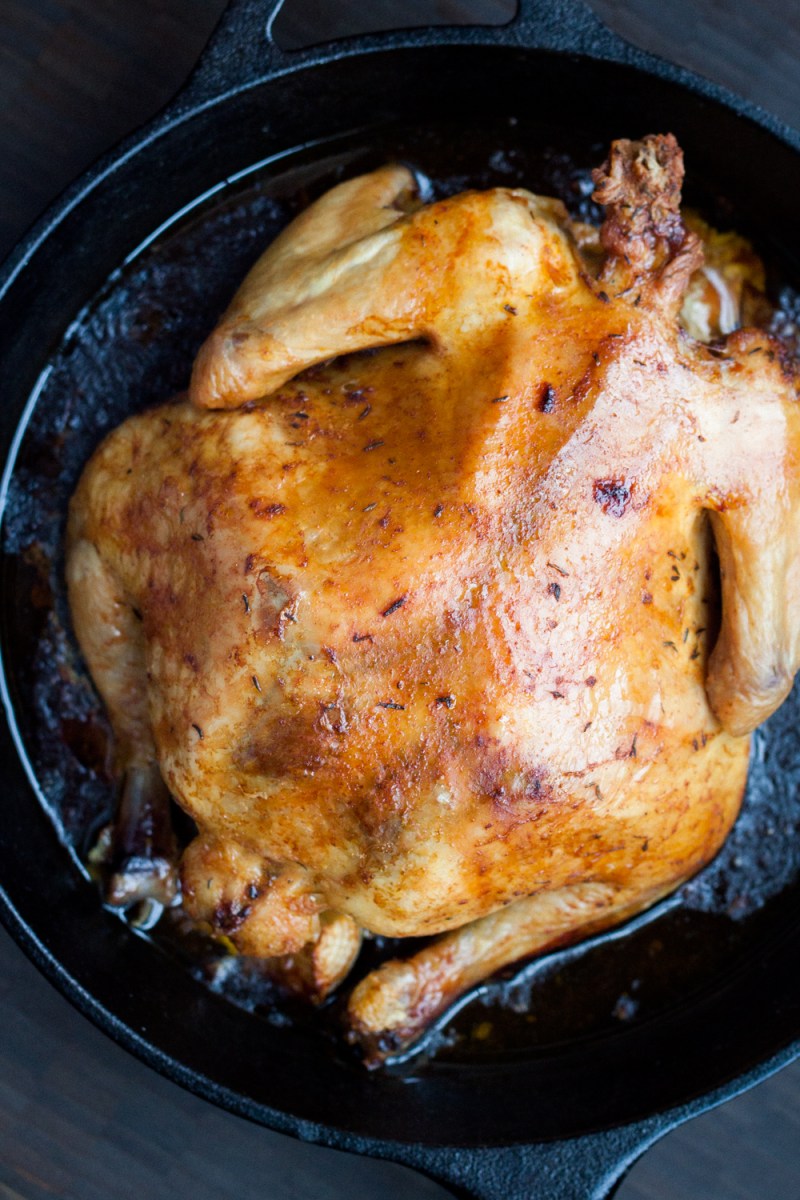
One of my readers recently turned me onto a dish called “Mimi’s Sticky Chicken“, and I was immediately intrigued by its foolproof technique and the mid-1990s feel of Mimi’s website. So I gave it a try, and I liked the recipe enough to share.

This recipe is unique in that it only needs one dish (I used a cast iron skillet), and it uses a relatively low cooking temperature of 250 degrees. Sure, it takes four to five hours to cook the bird, but it’s worth the wait.

Read Full Article

NOTE: An updated version of this recipe appears in my cookbook, The Ancestral Table.

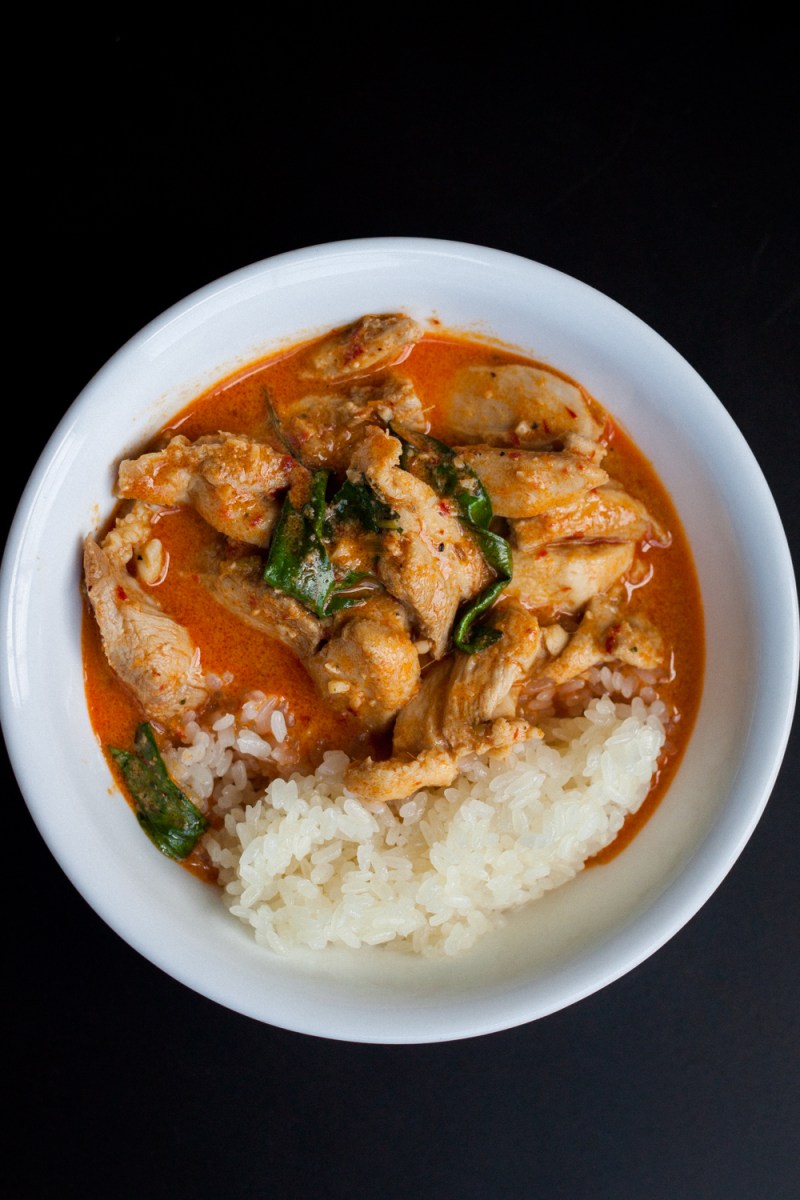
Like I had mentioned in my Panang curry paste recipe, Panang (also spelled พะแนง, Penang and Phanaeng) curry is a mild Thai curry that gets its name from the Malaysian island of Penang. It is similar to Thai red curry but is richer and creamier, and typically uses crushed peanuts as a major part of the dish (I personally use cashews). It is often served with beef, pork, chicken or shrimp in Thai restaurants in the United States, although beef is the traditional meat used in this dish. We love to make this curry with all of these meats, but typically we use chicken for its taste and texture.

Read Full Article

Drumsticks are a great cut of chicken. My three-year-old son loves them, since they come with “handles” and he gets to eat with his hands. To celebrate these little legs I decided to write up a quick, foolproof recipe for grilling drumsticks.

They are also one of the easiest and most rewarding pieces of chicken to grill, because it’s hard to mess them up. Chicken breasts are great, but they have a very small window of juiciness, and will dry up quicker than a jackrabbit in a thunderstorm. Whole chickens are also fun to grill, but are best when brined, which can take some time and planning. Thighs are another good option, but let’s be honest here – they’re just not as fun as drumsticks.

Read Full Article

NOTE: An updated version of this recipe appears in my cookbook, The Ancestral Table.

We don’t eat fried foods that often, but every once in a while I get a craving for something crispy and crunchy. So I set out to make a gluten-free, Paleo-friendly Southern Fried Chicken. Bear in mind that this isn’t a smart choice for your everyday meals, but it’s a great way to change things up every once in a while.

The creation of Southern Fried Chicken is the result of several different influences: fried chicken was a West African delicacy brought over to the US by slaves, the mass-production of pork in the South made lard readily available, and the popularity of cast iron cookware in the 19th century created the fried chicken we now associate with the South. I kept my recipe true to those historical precedents, including the use of buttermilk as a marinade. If you’re dairy-free, omitting the buttermilk marinade will still leave you with a pretty tasty fried chicken.

Read Full Article