Chicken

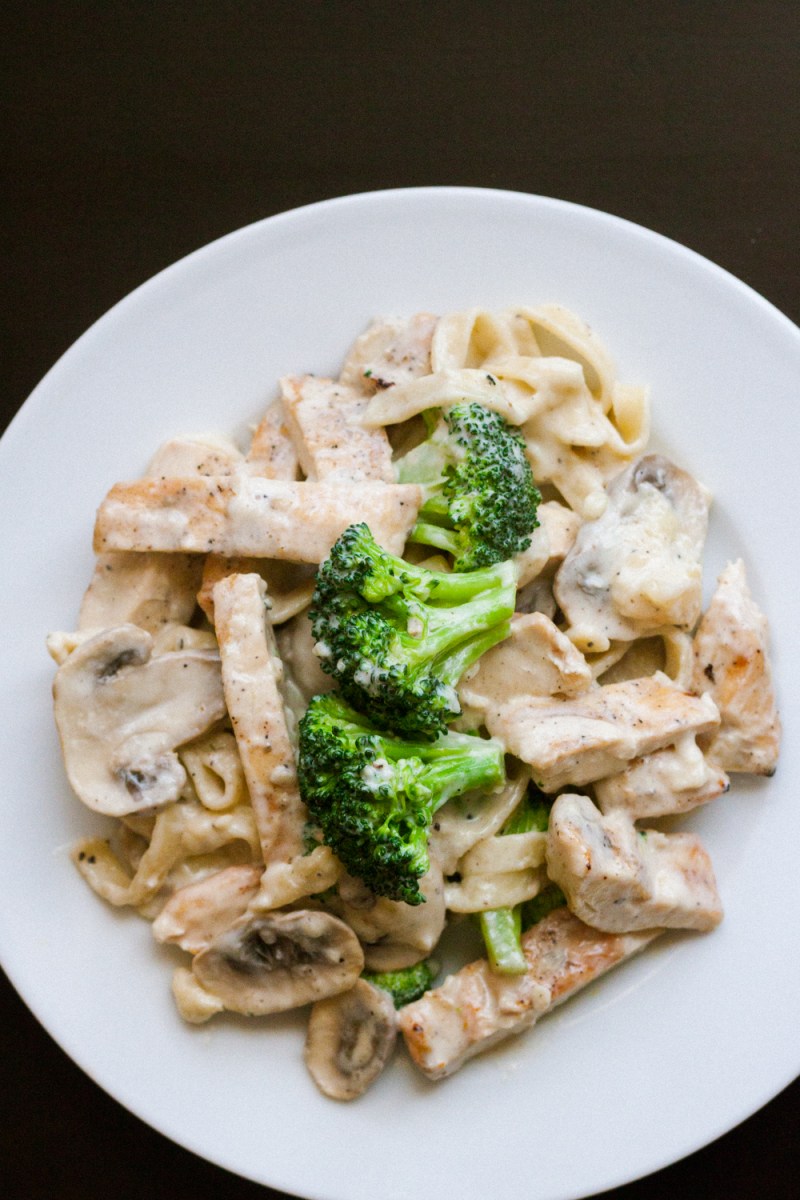
And here it is, one of my most treasured and well-known recipes (at least to my family and friends). I’ve been making Fettuccine Alfredo in this same manner since I first learned how to make it nearly fifteen years ago.

While pasta dishes tossed with butter and cheese have been around for a long time, the term “Fettuccine Alfredo” is based on the signature dish of Alfredo Di Lelio’s restaurant (aptly named “Alfredo”) which opened in Rome, Italy in 1914. American tourists grew to love the dish and bring it back here to the US; while we Americans often add ingredients like chicken, shrimp, mushrooms, or broccoli to the dish, it’s commonly served without add-ins elsewhere in the world.

Read Full Article

NOTE: An updated version of this recipe appears in my cookbook, The Ancestral Table.

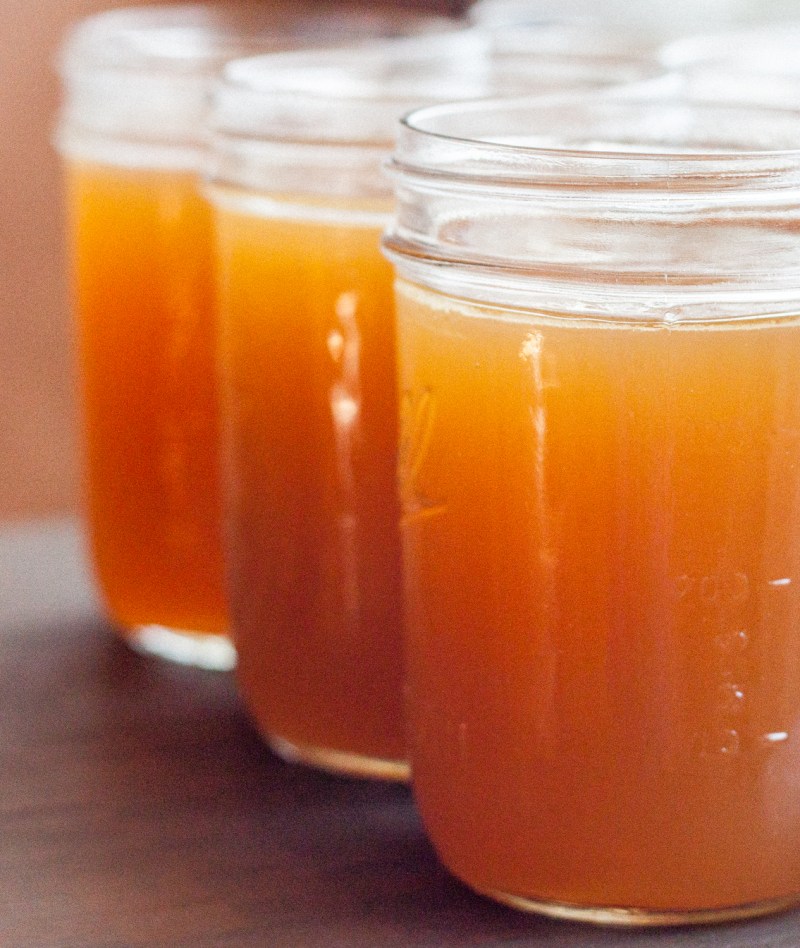
There are four main benefits to making your own homemade stock:

1. It saves you money, especially if you use leftover chicken parts. As you’ll see in this recipe, even buying chicken parts specifically for stock is still cheaper than buying commercially-available stock.
2. You get to control the taste of the broth, especially how much salt goes into it – which in my case is NONE. I prefer to add salt to my dishes as I cook them, without having to worry about how salty my broth is going to make my dish.
3. You can make it as concentrated as you’d like, which helps you save valuable freezer/fridge space.
4. You have control over where the chicken comes from, and how it was processed, by purchasing your birds/parts from a local farm or from online vendors.

For this recipe, I used chicken parts from U.S. Wellness Meats; specifically, chicken backs and necks. I used these parts because they have lots of bones, which house a lot of nutrients that are imparted into the broth. U.S. Wellness Meats were out of chicken feet at the time of my order, so I got some locally. These are great because they are full of bones and collagen, which create a rich, flavorful, and gelatinous broth. Other options for chicken parts are leftover chicken carcasses (store them in the freezer after roasting a chicken, until you have a few ready to go), or whole stewing hens (older chickens that are too tough to eat using quick-cooking methods).

Read Full Article

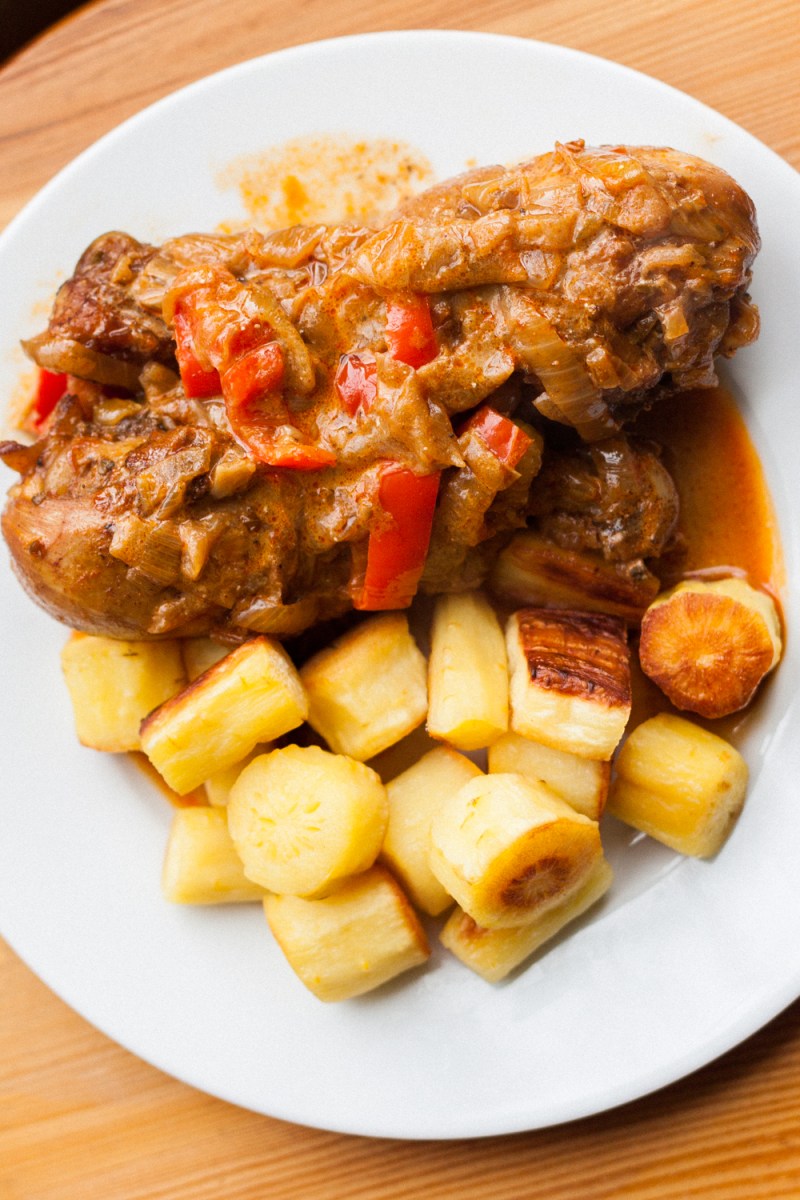
Chicken Paprikash is a famous Hungarian dish, known for its mellow flavor, mild sweetness, and tender chicken. Some might consider it a stew, and I’m not arguing that fact – honestly, it really doesn’t matter. This stuff just tastes good. This dish is commonly served with egg noodles or spätzle-like dumplings. I thought that my roasted parsnips would be a good substitution, and it worked; their crispy outside and slight-spongy inside were perfectly paired with the chicken’s creamy sauce.

Today’s recipe is somewhat of a joint venture with my friends Melissa and Nicole from mealpod.us. I love the concept of their site: they make a large batch of one dish in advance, and then freeze portions of it in their clever little “mealpods” for easy reheating. It allows them to eat healthy, regardless of how busy and frantic life gets. The only adjustment needed with my recipe to make it mealpod-friendly is to use boneless, skinless chicken thighs instead of bone-in thighs/drumsticks. I sent them this recipe a few weeks ago and they made a version of their own; it turned out great!

Read Full Article

For Thanksgiving last year, I roasted/smoked our turkey. It turned out so crispy and delicious that lately I’ve been smoking our chickens using the same method. This recipe isn’t terribly different from that turkey post, but I wanted to make sure it had its own dedicated post so that visitors can quickly find it.

I did a little experimenting and found that the combination of lemon and dill – traditionally used in baked salmon – creates a tangy, fresh tasting bird. Because I smoked this chicken during our January Whole30 Challenge, I tried rubbing clarified butter all over the chicken instead of regular butter – I found it easy to work with (the butter quickly became solid again once in contact with the chicken skin), and it produced a golden protective outer “shell” around the chicken, leaving the meat inside perfectly succulent.

Read Full Article

One of the more unique elements of my December giveaway was that I promised to make the winner a gluten-free variation of any traditional dish they wanted. The winner, Mandy from The Yard, requested a gluten-free chicken lasagna, and I was definitely up for the challenge. Little did I know how much of a challenge it would be!

From the outset, I wanted to make a creamy, spinach-based lasagna like you’d find in Northern Italy, since it would go really well with chicken. The trouble came with the rest of the ingredients – how much cream do I use? What cheese will work best? And how long do I cook it? After several unsuccessful attempts, I feel like a chicken lasagna expert in what NOT to do. For example, don’t use ricotta cheese, because it makes the dish too rich. Also, you don’t need as much cream as you’d think, and you need to thicken the cream with hard cheese to keep it from bubbling over while baking. You also need to soak the no-boil noodles in hot water before cooking (despite the manufacturer warning you AGAINST doing that) in order to get the perfect consistency without overcooking your spinach. Lastly, mozzarella cheese works best on a top layer, creating a pizza-like upper crust.

After a good amount of trial and error, I’m proud to say that I’ve got a unique and delicious chicken lasagna recipe that is just about the tastiest thing I’ve ever made. Fair warning: this is a dairy-intensive dish, with butter, cream, and four different types of cheese!

Read Full Article

NOTE: An updated version of this recipe appears in my cookbook, The Ancestral Table.

Satay is a dish that originated in Indonesia, and can be found in many Asian restaurants as an appetizer. It’s basically meat on a stick, so it has a universal appeal. Making an authentic satay dish is easy, provided you have access to the ingredients (galangal, turmeric, and lemongrass in particular).

Read Full Article

NOTE: An updated version of this recipe appears in my cookbook, The Ancestral Table.

Japanese curry is a relative new dish to the country – it was introduced by the British in the 19th century, who in turn picked it up from India. Today, curry houses are everywhere in Japan, and for good reason; the irresistible sauce is mild and slightly sweet compared to other curries found worldwide, and is often served with any combination of stewed or fried meats which keep this dish surprisingly versatile.

I remember the first time I went to a local Asian grocery store shortly after deciding to go mostly-grain-free last year, and my utter disappointment when looking at the ingredients list of those handy Japanese curry blocks. You see, one of the pivotal ingredients in all of those blocks is wheat – which makes sense given the thick and creamy consistency that’s unique to Japanese curry. But fear not, dear reader, because I’ve been working on a gluten-free Japanese curry for the past year and I think I’ve got it figured out.

Read Full Article

NOTE: An updated version of this recipe appears in my cookbook, The Ancestral Table.

As I mentioned in an earlier post, summer is a difficult time to write new recipes. We’ve spent a lot of this summer traveling or entertaining guests; when we are home, I usually prefer to grill something, and most of my grilling recipes are already on this site.

However, this has also been a good time for me to try out healthier versions of pre-Paleo dishes, like teriyaki chicken. I grew up in Washington state, where you’ll find an abundance of Asian restaurants selling “teriyaki chicken” – likely influenced by traditional Japanese teriyaki sauce, which is made with soy sauce, cooking wine, and sugar or honey. Hawaii has a similar dish, simply called “BBQ chicken”. Traditionally, the sauce is boiled down and thickened before marinating the meat, but it’s often too long of a prep to cap onto an already long marinating process (2-4 hours). Here’s how I make it at home.

Read Full Article

Split chicken breasts don’t get any respect. They’re a lot cheaper per pound than boneless, skinless breasts (granted, they weigh more) plus their bones give them a natural grilling “rack” to use, resulting in a better tasting cut of meat. I decided to try out a method of grilling split breasts that I had read about, and here are the results.

As I mentioned in an earlier post, I prefer to brine chicken if I’m going to grill it, in order to retain as much liquid as possible. Although it definitely makes the chicken more juicy, it does take a little bit of preparation. I think it’s worth it.

Read Full Article