6 – Pork

I was recently approached by Sharp to try out their new convection microwave as part of a challenge to rethink the way we cook with microwaves. Initially, I kept thinking about those disastrous microwave cookbooks from the 1980s and 1990s (this one might be the best example of all time), but after a bit of reading I decided to take them up on the offer. After all, if the telephone can radically change over the course of 10 years, and the Instant Pot can change how we look at pressure cookers, shouldn’t a microwave make some leaps and bounds as well?

I must have been living under a rock, because apparently microwaves can do all sorts of cool things today, and this model is no exception. At its core, this device serves three functions: 1) a standard microwave, 2) a convection oven, and 3) a roaster (with heating elements both on the bottom and top of the microwave). And because the microwave is much smaller than a traditional oven, it preheats much more quickly (it took me five and half minutes to pre-heat it to 400F). I envision this microwave to be an ideal solution for those without the space for a typical oven or as a secondary oven when you have lots of items to bake at once (Thanksgiving comes to mind).

To test the microwave, I decided to try it out on a very standard, traditional recipe: roasted brussels sprouts (with bacon, of course). I first baked the bacon at a convection setting, then roasted the brussels sprouts in the rendered bacon fat using the roaster setting. It worked like a charm – the food cooked evenly and easily, with a texture which is about the opposite of what you’d expect from a microwave (crispy and browned). I also provided conventional (oven) instructions for this recipe below.

The microwave also combines Sharp’s cooking functions to allow you to try different ways of heating food. For example, I reheated the leftover brussels sprouts with a combination of 50% microwave power and 50% roaster (top heating element) and they came out both hot and crispy – not your typical microwave re-heating experience.

I’ll be posting a couple more recipes using this microwave over the course of the next month, so let me know in the comments if you have any questions or anything you’d like me to address in a future recipe.
Read Full Article

Things are really moving with my next cookbook, Paleo Takeout: Restaurant Favorites without the Junk. For starters, the book finished printing last week, and my publisher overnighted a copy to me so I could be one of the first to check it out. I’m very happy with the finished product, and I think you’ll love it too! I’m in the middle of scheduling a summer book tour, and I’ll be sure to share the dates as soon as I have everything arranged – if you haven’t already, be sure to sign up for my brand new newsletter, where I’ll be sharing news and recipes in one convenient little email package.

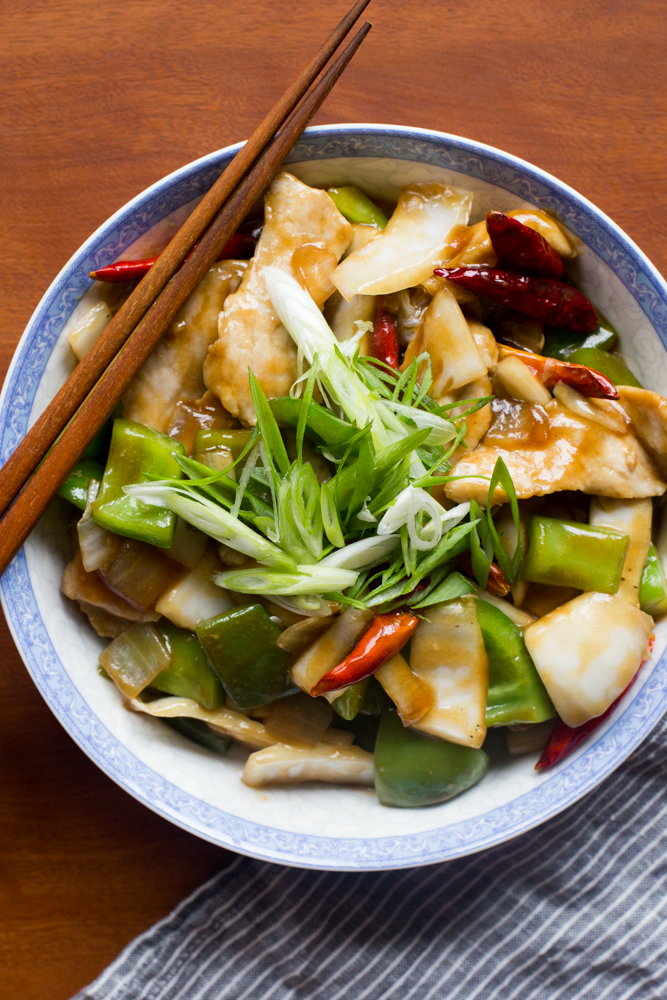
For this week’s recipe, I wanted to highlight some of the techniques and ingredients that you’ll find in the book, to set the stage for when it releases on June 23rd. This Twice-Cooked Pork dish uses a technique common to Chinese-American takeout restaurants called velveting, where lean meat is thinly sliced, marinated in a starch mixture, then blanched and drained before being added to a stir-fry. Have you ever had some Beef & Broccoli with steak pieces that are super soft and tender? That’s velveting at work.

While this method isn’t absolutely required for any of the recipes for the book, it’s a fun technique that really adds a tasty dynamic to your Asian-inspired dishes. I also tend to start my velveted meat as the first part of the cooking process, so that I can chop my veggies and prepare my stir-fry sauce while the meat is tenderizing – the timing tends to flow naturally that way.

In terms of ingredients, I used this recipe in particular to highlight rice cooking wine (sometimes labeled as Chinese cooking wine or just rice wine) and Sichuan chili peppers (those are the whole dried peppers you’ll find in dishes like General Tso’s Chicken), since both are commonly used in Chinese-American dishes. Similarly, arrowroot starch is commonly used in Paleo Takeout to create a thickening slurry; both potato starch and tapioca starch can be used in a pinch, but I’ve found that arrowroot best mimics the thickening properties of cornstarch.

For a full list of uncommon pantry ingredients that are found in Paleo Takeout, be sure to check out my online shopping guide that lists the ingredients plus how often they appear in the book. Additionally, I’ve set up a similar guide for tools that I used in writing the book.

Read Full Article

First of all, great news: Paleo Takeout is now available for pre-order! Alright, back to the food.

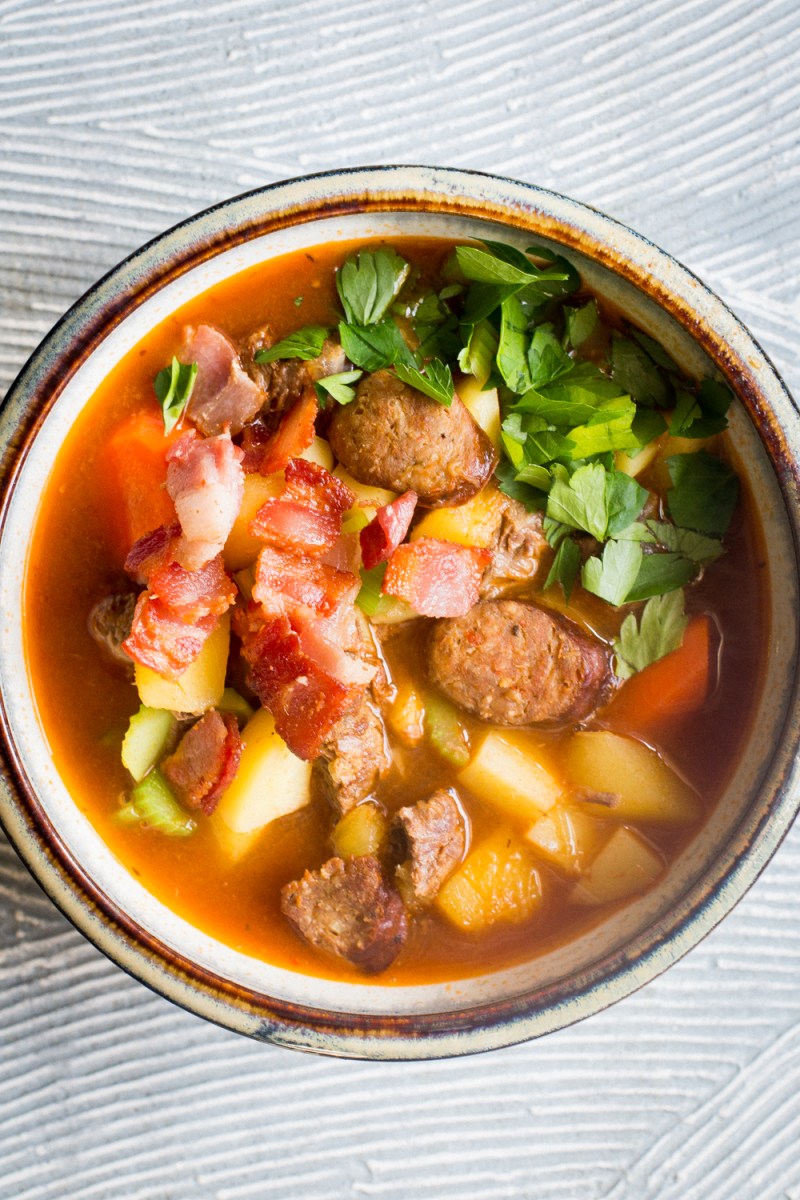
Puchero is a popular stew in many Spanish-speaking countries (the word puchero means “stewpot” in Spanish). There are many variations to this dish, but I was especially drawn to the version that comes from the Río de la Plata region, where Argentina and Uruguay share a border. One dish from this area in particular is called Puchero Criollo, indicating it is of Creole origin. That led me to read up a bit on Creole history, and that settled it – this was the dish I wanted to share with you folks.

The term “Creole” generally refers to cultures of mixed European and native heritage. The most popular use of the term in the US is Louisiana Creole, indicating those descended from French or Spanish colonists prior to the Louisiana purchase. In terms of this stew, Puchero Criollo refers to a dish that is inspired by its Spanish heritage but uses items native to the Río de la Plata region; in this case, beef (primarily osso buco) is the common protein used in this dish since cattle are plentiful in the region. To have a little fun with the dish, I added a few staples of Louisiana Creole cuisine to the stew, like Creole seasoning and some andouille sausage.

In keeping with the tradition I started a while back, I’ve included Instant Pot electric pressure cooker instructions for this dish, to cut down on the cooking time. stovetop instructions are also included.

Read Full Article

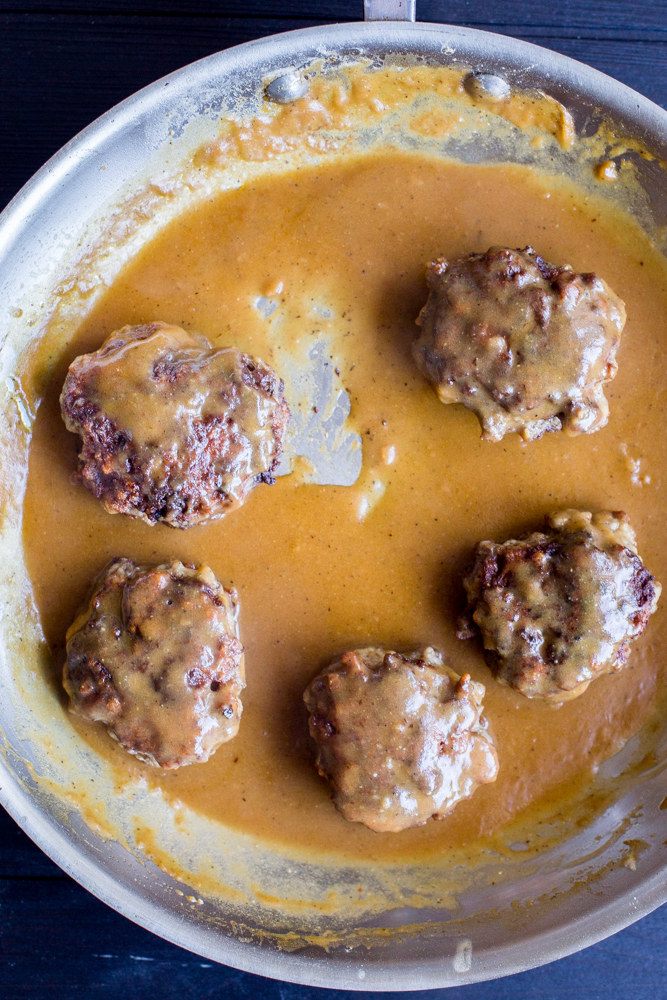
I know what you’re thinking. It’s something like this – “Seriously, Russ? You already have an awesome Swedish Meatball recipe in your cookbook. Way to put a new coat of paint on your old favorites.”

First of all, thanks for the compliment. Second, these meatballs are a little different. For example, Danish Frikadeller are often smashed and look more like little patties than those little round balls you might be expecting. Think of them as Denmark’s LEGOs (probably their coolest invention) vs. Sweden’s crescent wrench (also a cool invention); both are useful, but serve slightly different purposes.

The recipe itself differs from Swedish meatballs in that I found that adding a bit of tapioca starch makes the balls stick together really well, and they’re pretty delightfully spongy, too. I also played around with the spices until I found something that delivered a distinctive Old-World taste while using common pantry items.

Read Full Article

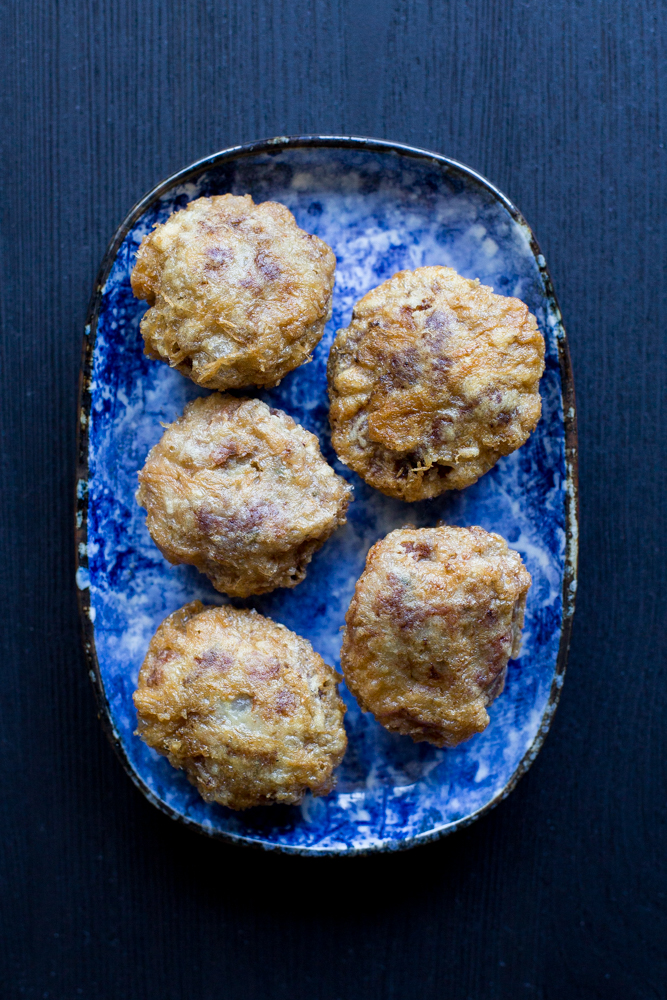
Perkedel are Indonesian fried fritters, found everywhere from city streets to high-end restaurants. This dish carries a lot of variations, but most contain potatoes and ground meat, so that’s what I focused on in this recipe (most variations use just beef, but I found adding pork evens out the flavors). Speaking of variations, I made two versions of this dish as you’ll see in the pictures below: one with the breading, and one without. Both are awesome and easy to throw together.

The word Perkedel is actually a derivative of the Dutch word Frikandel, which is a deep-fried sausage that doesn’t have a casing and is often sliced down the middle and stuffed with toppings (the original #hotdogasthebun, in truth). The Dutch first colonized Indonesia, so there is a lot of cool Dutch influence like this in the archipelago (and vice-versa – Indonesian food is wildly popular in The Netherlands).

Totally unrelated, but the folks at Tabasco offered to give a selection of their sauces to one of my readers, shipped in time for Super Bowl this weekend; head over to this FB post to throw your name in the hat, if you’d like.

Read Full Article

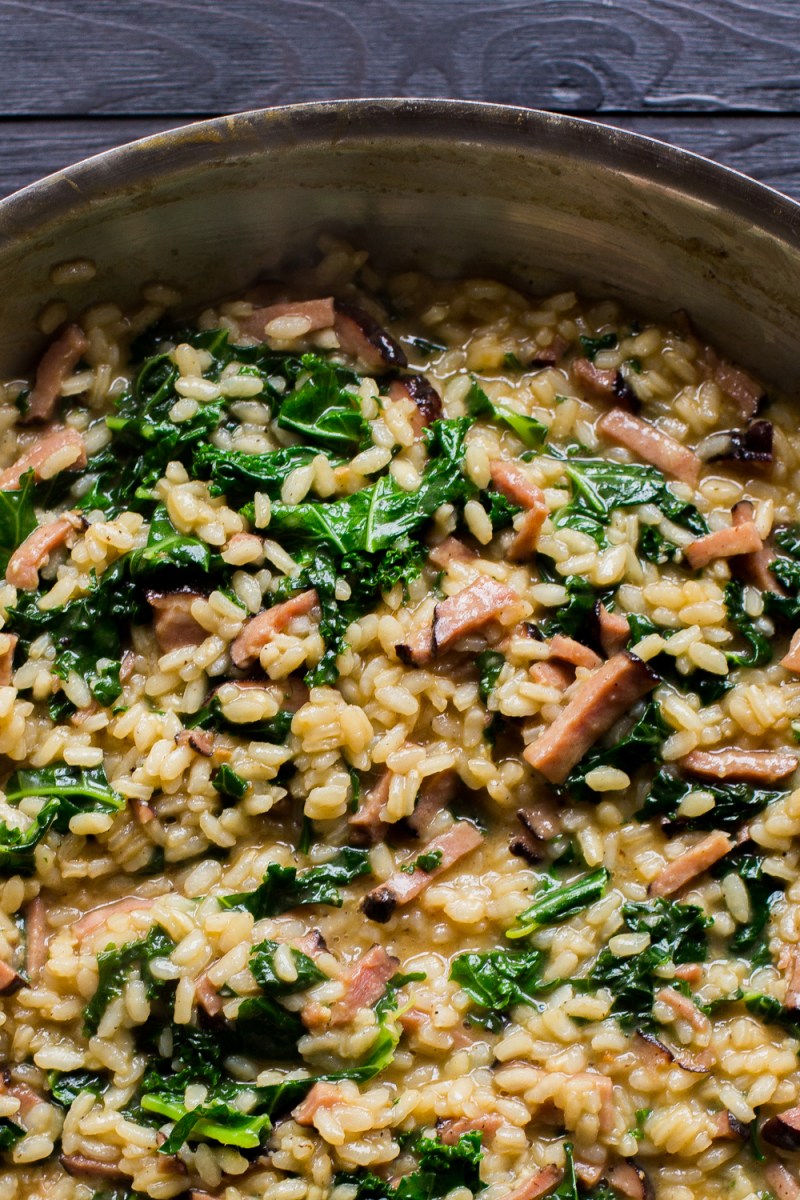
So here we are, five days after Christmas, and you’re probably wondering what to do with the leftover holiday ham in your fridge. After all, there are only so many ham soups you can make before they get tiring (and I’m a big fan of ham soups). As I was thinking about everyone’s ham problem yesterday, I put together this ham and kale risotto for lunch. I thought you folks would enjoy it as well.

Risotto is the most popular way to prepare rice in Italy, and has been around since the 1500s. The rice varieties used in risotto (typically Carnaroli, Arborio, or Vialone Nano) are high in starch and impart a creamy texture to the dish. There’s a certain technique to making risotto: you create a soffrito using fat and onion, toast the rice and coat it in the fat, pour in and evaporate wine, ladle in hot broth until cooked through, then finish with butter and/or cheese.

The risotto-cooking process requires almost constant stirring in order to loosen up the starch and to keep the rice from sticking to the pan, so expect to spend a lot of time in front of your stove when making this dish (I usually grab a book or watch some Netflix on my phone). As an added bonus, your arm will get a bit of a workout along the way.

Read Full Article

First of all, I want to thank everyone who bought my cookbook or spread the word about that crazy deal last week. The Kindle version of The Ancestral Table climbed from somewhere in the top 105,000 to the #12 book on all of Amazon! My time near the top of the list was short-lived, but it was pretty awesome knowing that my book made it into so many new hands.

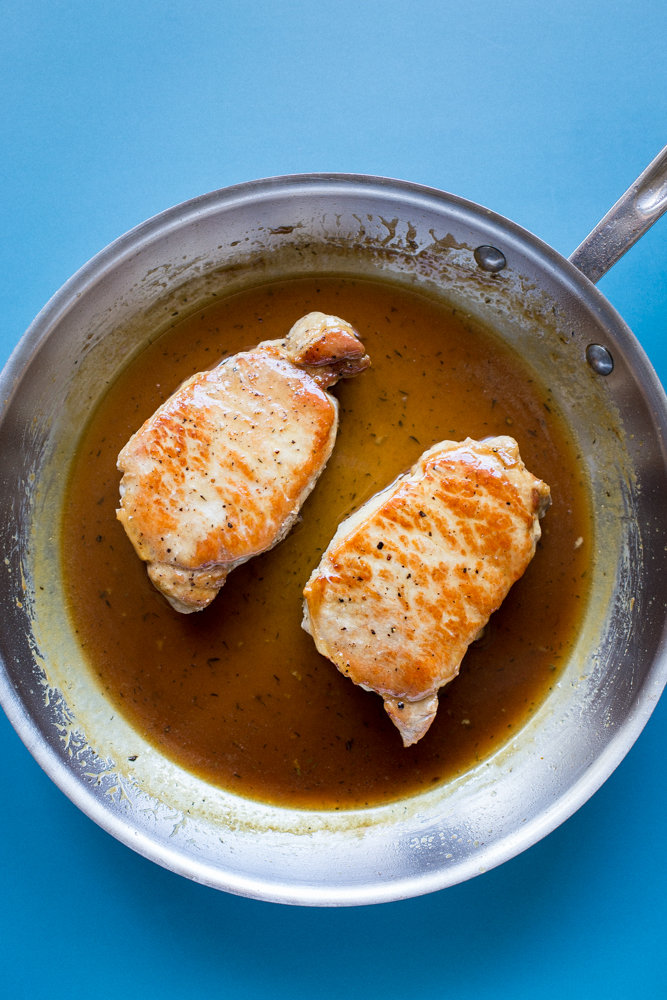
We spent our Thanksgiving with Sarah Ballantyne and her family in Atlanta, and came home earlier this weekend with enough time for me to develop and photograph a few dishes. After the hubbub of a holiday meal, I was in the mood for something simple and straight-forward. Pork chops came to mind. These easy glazed chops come together in less than an hour and are impossible to mess up. Bear in mind that you’ll want an instant-read thermometer to make sure they’re perfectly done; we use and love this one.

Don’t worry about the cut of chop (bone-in, center-cut, etc) for this recipe. Any of them will work fine, although thick chops are preferred; thin chops tend to try out quickly and are best prepared with a marinade, like in the Lemongrass Pork Chops recipe found in my book.

Read Full Article

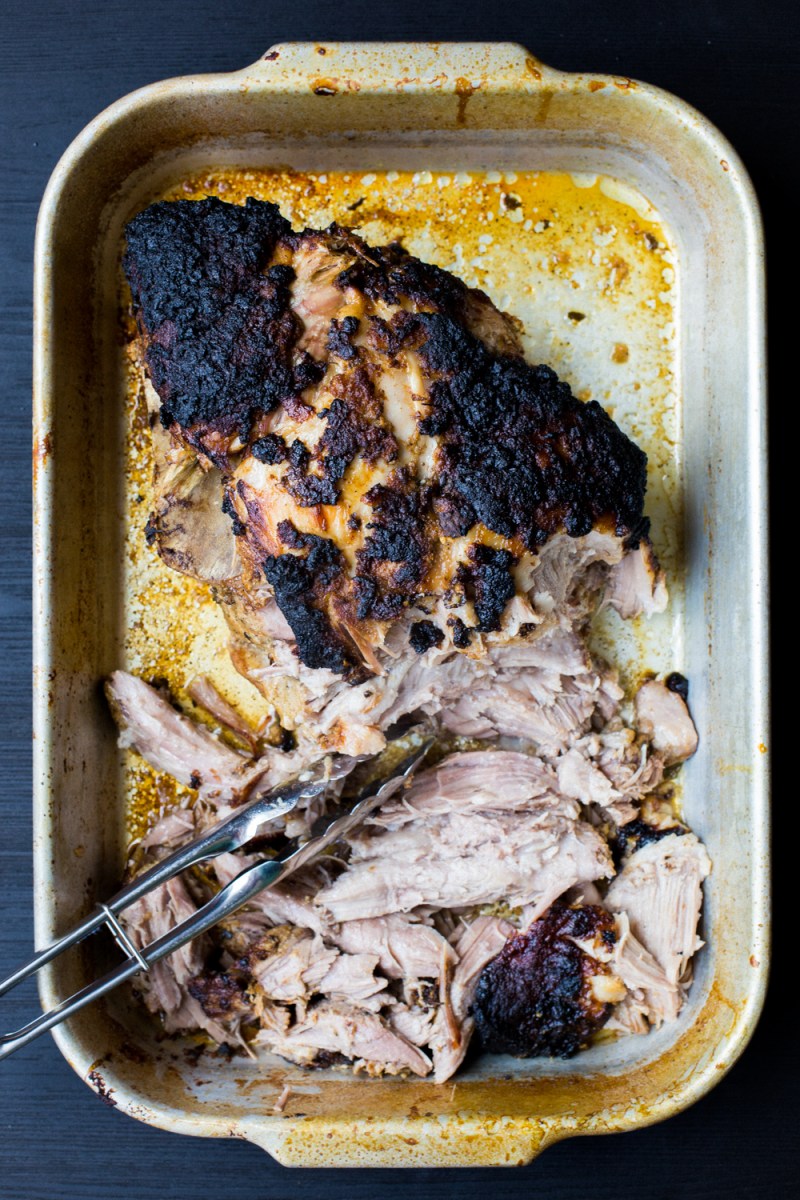
Lately I’ve been in the mood to catch up on all of the recipes that didn’t quite make it into The Ancestral Table. Like last week’s Chicken Tikka Masala, I had initially considered putting Pernil in my book. But once I put everything together and realized that there were already two pulled pork shoulder recipes in there (Kalua Pig and BBQ Pulled Pork), plus a Puerto Rican roast pork (Lechon Asado), I knew that it would be more appropriate to put my Pernil recipe here on the blog.

Pernil is a roasted pork shoulder popular in Puerto Rico, often served during holidays. It is derived from the Spanish word pierno (leg), likely because it was originally made with the hind end, but since most hind quarters are used to make ham nowadays it makes sense that the cheaper shoulder is the cut of choice today. One particular trait of Pernil is the use of an adobo mojado, or wet marinade, which is created by using bitter orange juice (I used orange and lime juices) and a little vinegar to add moisture and tenderize the meat.

Although roasting a pork shoulder in the oven would be considered cheating here in the US, Pernil is surprisingly roasted in an oven on an almost exclusive basis. I can see why, since oven-roasting makes this dish dead-simple to make. I did add a smidge of liquid smoke to boost the roast’s flavor, but otherwise I kept the recipe true to what I found in most Puerto Rican cookbooks.

Read Full Article

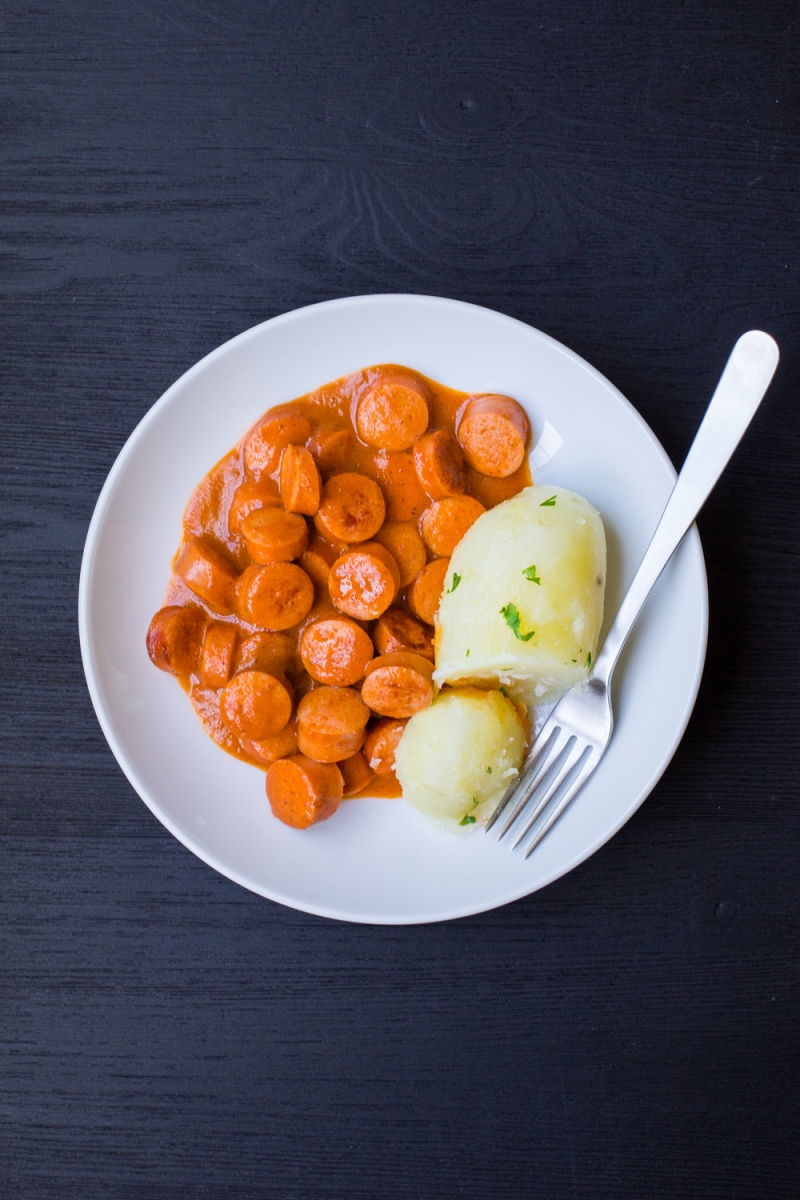
So, I don’t really know anything about this recipe. I just happened to stumble upon it when looking at funny Finnish recipes. If there are any kind Finns who would love to enlighten me on the history of this dish, I’m all ears.

Essentially, the dish calls for simmering hot dogs (or mild sausages) in a tomato-based sauce, which based on my research often consists of ketchup and a few spices. It basically looked like a Chef Boyardee creation to me at first glance. Intrigued, I decided to deconstruct the sauce using more nutritious ingredients – from uncured German weiners to a sauce made with tomato paste, onion, carrot, and broth.

In the end, it didn’t quite capture the canned goodness (or lack thereof) that is Chef Boyardee, but what resulted was a tasty combination of warm tomato flavors that paired perfectly with some comforting boiled potatoes. At the end of the day, this is an easy, interesting dish that’s fun for the whole family.

Read Full Article

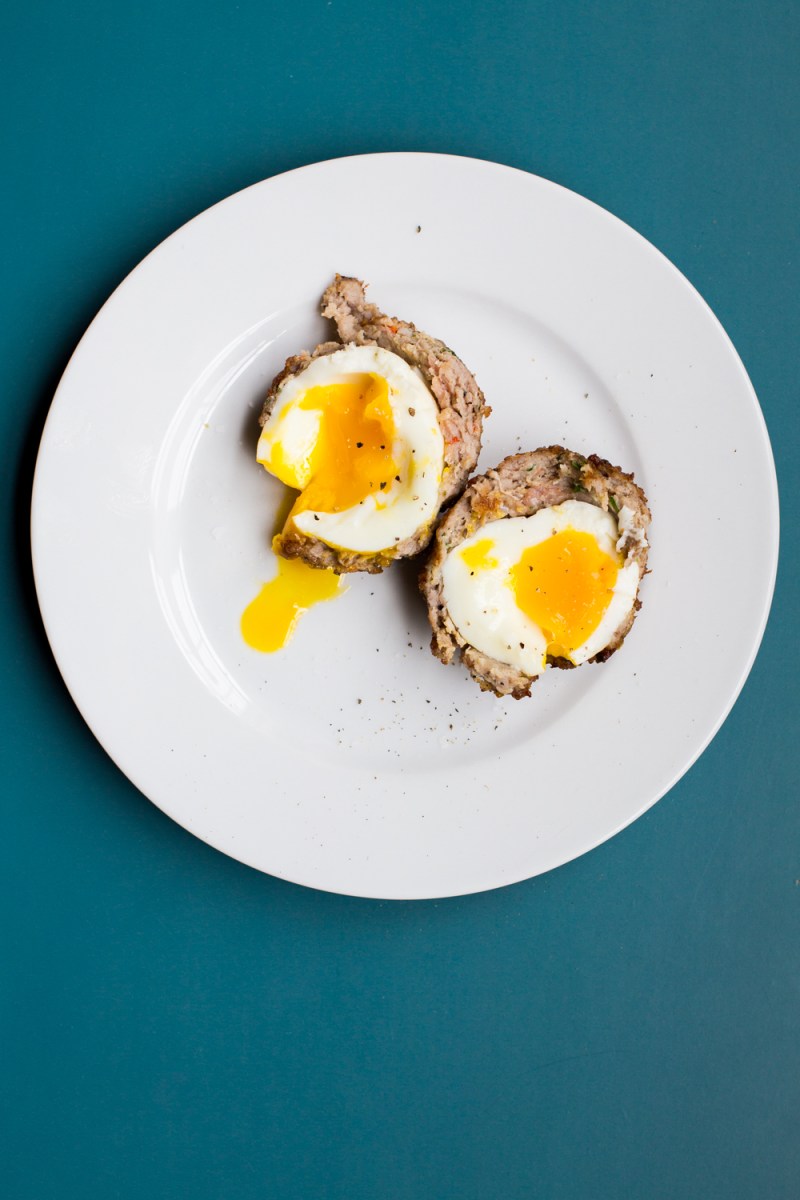
Scotch eggs are a common picnic and party dish in the UK, and have been around for over 200 years. I first had one at the local Maryland Renaissance Festival some years back. Several restaurants and markets claim to have started the craze, but it’s likely that the dish was originally inspired by a North Indian and Pakistani dish called Nargisi Kofta, which encases a hard-boiled egg in spicy ground meat.

We make Scotch Eggs at home from time to time, basically any time we have some loose sausage on hand. But lately we’ve been soft boiling the eggs, which has shifted this dish from something comforting to something exquisite (and still comforting). Typical Scotch Egg recipes call for breading the sausage before frying, which gives them a nice crunch and helps the sausage stay in place; over the years we’ve come to prefer the ease and simplicity of not breading the eggs.

Read Full Article