7 – Seafood

Mohinga is a Burmese rice noodle soup not unlike many other rice noodles soups found in Southeast Asia, like Pho and Laksa. Mohinga is unique in that it uses a catfish soup stock and it’s typically served for breakfast.

There are many variations of this dish out there, but the most common versions usually include chickpea flour (which I omitted since it’s legume-based) and banana tree stem (which I wasn’t able to find in my area). The fish used to make the stock is often pan fried and added to the soup upon serving. To replace the chickpea flour and pan-fried fish, I used crushed up fish and rice fritters, which was my recipe from last week. It ended up being a very good decision.

Read Full Article

Mankind has been dealing with leftover rice for a long time. While some common uses for old rice are fried rice and congee (rice porridge), rice cakes are also a great way to clean out the fridge. Many variations of rice cakes are made using leftover rice that’s pressed together and steamed or pan-fried. When ingredients are mixed into the rice cake, they often take on a different name, fritter.

In putting together this recipe, I looked to create a dish that has an ideal macronutrient ratio (40% fat, 30% protein, 30% carb), which I achieved by mixing in fish and an egg yolk, and pan-frying them in coconut oil. They came out great, and I plan on using this recipe as a baseline for future creations.

Read Full Article

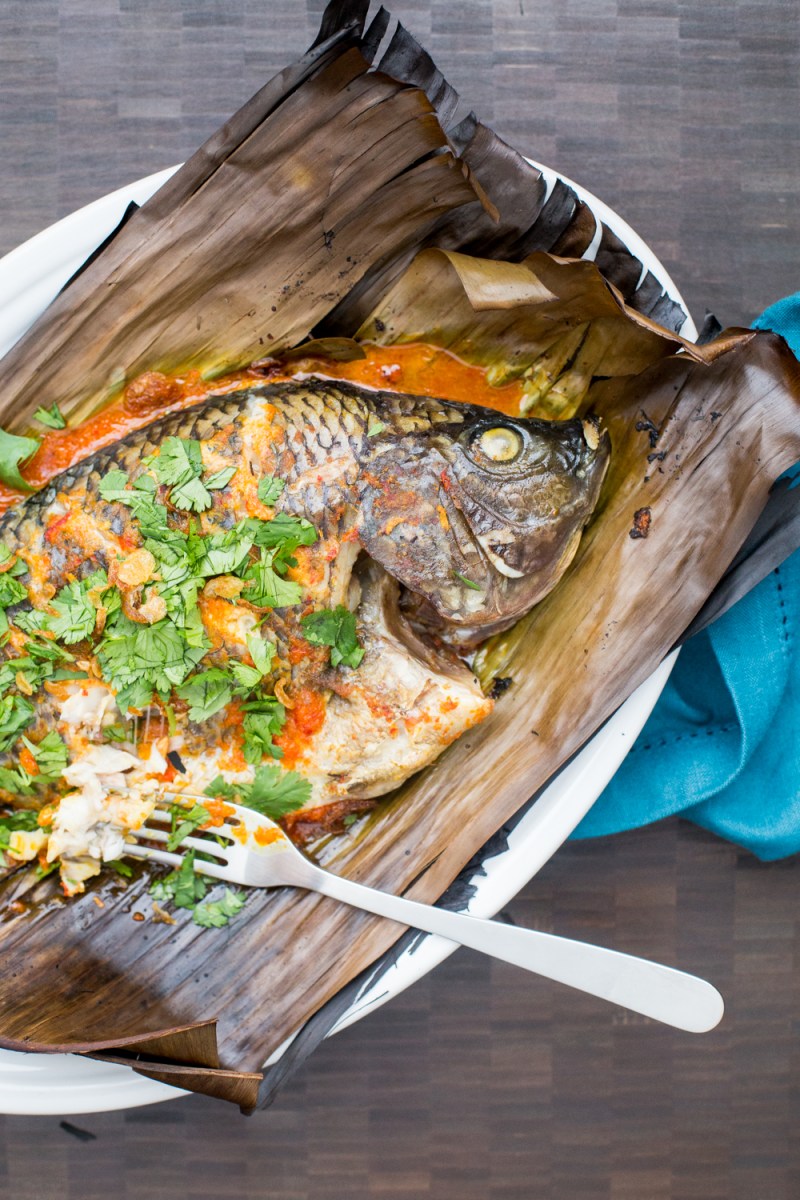
Ikan Bakar is a popular grilled fish dish (say that 3x fast) in Indonesia and Malaysia, usually sold by street vendors. The fish is marinated in sambal – a Southeast Asian chili-based condiment – and grilled over banana leaves. Popular fishes used for the dish include tilapia, skate, snapper, sea bass, or stingray.

While this is a very exotic-sounding dish, it’s surprising that all of the ingredients can be easily found during a trip to your local Asian market. Banana leaves are commonly sold frozen in large sheets for very cheap – usually a dollar will get you as many as 20 leaves. Bear in mind that frozen banana leaves are more brittle than fresh, and don’t hold up to heat as well – so you’ll want to get plenty of them, at least five leaves per fish.

Read Full Article

A few weeks back I did a guest recipe for Nom Nom Paleo, and I thought I’d share it here on my site for posterity’s sake.

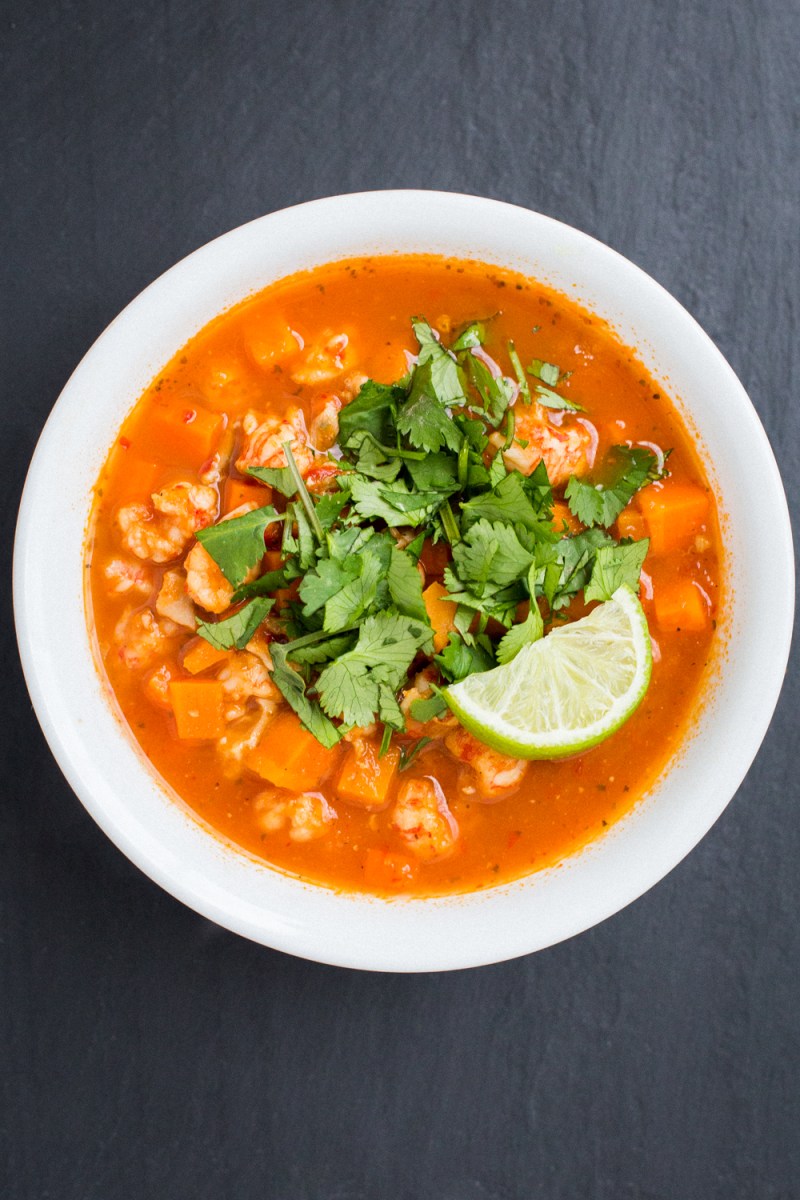
Langostinos (Pleuroncodes Monodon, also called “squat lobsters”) are small, lobster-like crustaceans most often fished off the coast of Chile. They are found in abundance worldwide, but sadly, they are rarely caught for human consumption; instead, they’re used as feed in fisheries, mostly because they carry a certain pigment that helps color farm-raised salmon and trout. They have a sweet, shrimpy tasty to them and can be found for relatively cheap – so if you can get your hands on them, definitely give them a try.

This recipe in particular is modeled after a traditional Mexican soup, Caldo de Camarón, which is typically used with shrimp. If you don’t have any langostinos on hand, shrimp can be used with this recipe.

Read Full Article

My buddies at US Wellness Meats recently sent me a box of goodies to cook with, so for the next few weeks you’ll see some of their products popping up in my recipes. I couldn’t be happier – everything I’ve tried from this place is downright awesome.

When eyeing their Alaskan scallops, I knew some sort of pork needed to be paired with it, but I couldn’t decide. Bacon-wrapped scallops? Done to death. Sausage? Maybe. Both? Now we’re talking. So I whipped up one of my rare “thin-air” recipes – which are actually pretty hard for me to do, since I love recreating traditional recipes more than anything.

This dish only uses a few ingredients and seasonings on purpose – to hone in on the natural taste of the scallops, sausage, bacon, and kale. I also kept the portions a little small, so this dish is perfect for a light, tasty, and slightly messy lunch.

Read Full Article

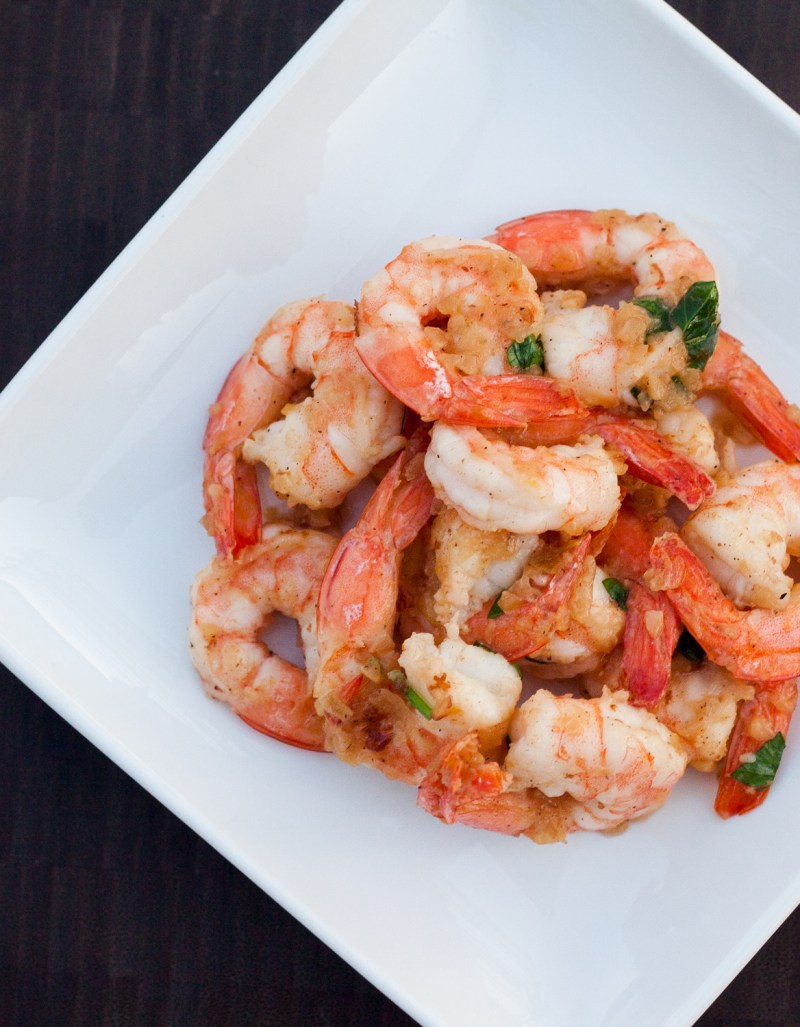
It may sound funny, but “scampi” is actually the culinary name for Nephrops Norvegicus, commonly known as the Norway lobster or Dublin Bay prawn. In Europe (Britain and Italy especially) “scampi” refers to the tail meat of this small lobster. Here in the US the word “scampi” most often refers to a style of preparation involving butter, garlic, and white wine used mainly with shrimp. However, I’ve seen “chicken scampi” in several restaurant menus, which often incites a chuckle.

I love making this dish because it’s both easy and decadent; it’s not often you can make something so delicious in just 20 minutes using ingredients you probably mostly have at home already.

Read Full Article

Have you been to Alex Boake’s blog yet? It’s pretty awesome. She complements each of her unique recipes with beautiful illustrations in place of photos, and each illustration carries a great sense of motion and impeccable placement. After a bit of gushing about her work, she offered to do a recipe swap – wherein she makes one of my dishes and draws it, and I make one of her dishes and take pictures of it. I thought it was a great idea.

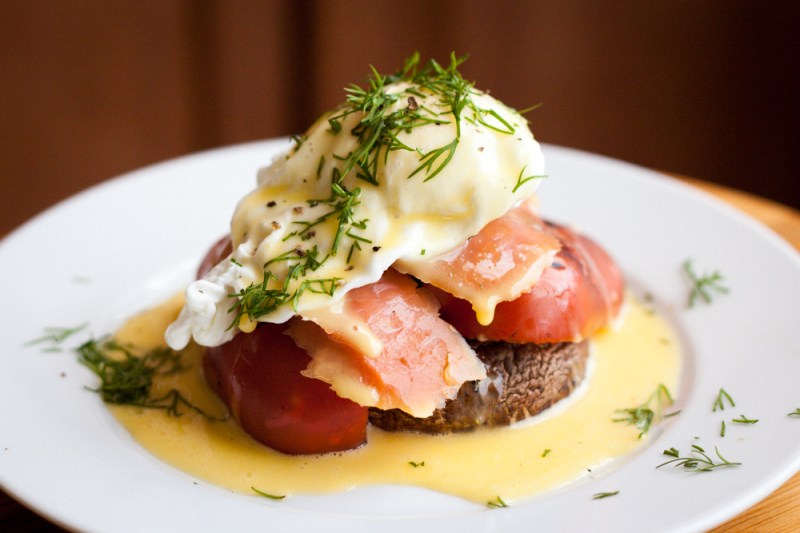
I decided to try and tackle her Smoked Salmon Eggs Benedict recipe (also known as Eggs Atlantic, Eggs Hemingway, and Eggs Royale). I thought it was a fun gourmet dish to try for a weekend brunch, and I liked the idea of using a portabella mushroom cap to replace the standard english muffin typically found in this dish. The red bell pepper also adds a hint of sweetness not normally found in the dish, which was great. I only made one adjustment to her original recipe, and that was to add a little white vinegar to the water I used to poach my eggs – a trick I learned while working at a breakfast restaurant many years ago – the acidity helps to make sure the eggs don’t break apart during the poaching process.

Read Full Article

NOTE: An updated version of this recipe appears in my cookbook, The Ancestral Table.

Chowders get their name from the French word “chaudière” (kettle, pot), which in turn is derived from the Latin “caldāria” (cauldron). There’s quite a rivalry regarding the white, creamy New England Clam Chowder and the clear, tomato-based Manhattan Clam Chowder – in fact, a bill was introduced into the Maine legislature in 1939 attempting to make it illegal to add tomatoes to clam chowder.

Here’s another interesting fact – it wasn’t until the Second Vatican Council during the 1960s that Catholics were permitted to eat meat on Fridays (the abstinence period has been reduced to Lent now). To provide a seafood option to Catholics, restaurants across the country served clam chowder on Fridays, and the tradition remains today.

Creating a hearty, traditional wheat-free chowder is quite a challenge, since they are usually thickened with flour or soup crackers. Using starchy russet potatoes would naturally thicken the chowder, but also leave you with disintegrated potatoes. And then it struck me: I can cook the chowder using sturdier red potatoes, and thicken it with potato starch – leaving us with the best of both worlds.

Read Full Article

Here in the United States, mussels have a bad reputation as being a “lesser” shellfish. I happen to disagree. True, they may have a less intense flavor than clams or oysters, and they sure like to turn into a rubbery / chewy mess with a quickness, but with the right amount of care you can make something remarkable. And to top it all off, mussels can be found for relatively cheap compared to their more popular cousins.

This preparation is a Provençal (SE coast of France) dish. The “à la marinière” part of this dish translates to “mariner’s style”, which is when shellfish is prepared with white wine and herbs. Although the white wine really enhances the mussels’ taste, I like to think that it’s the butter and cream that really do the trick. Either way, you’re in for a treat.

Read Full Article

Saimin is a dish unique to Hawaii, and a marriage of the many cultures found on the islands. Chinese egg noodles are served in a Japanese broth with garnishes taken from Chinese (char siu), Japanese (fish cake), Filipino (adobo), Korean (won bok cabbage), and Portuguese (sausage) cuisine. My favorite saimin in Hawaii is found at Shiro’s Saimin Haven, which features 70+ variations of the dish (my favorite is “dodonpa” – 10 garnishes!). Likewise, fried saimin is a stir-fried version of the soup, and is also popular in many saimin shops. It’s a refreshing break from noodle soups and your everyday lo mein-style dishes. Unfortunately, saimin noodles are made with wheat.

To remedy this, I settled on sweet potato-based noodles, which as far as I know are a Korean invention. They are made with just sweet potato starch and water, and are similar to glass/bean noodles used in dishes like chicken long rice.

Read Full Article