8 – Side Dishes

NOTE: An updated version of this recipe appears in my cookbook, The Ancestral Table.

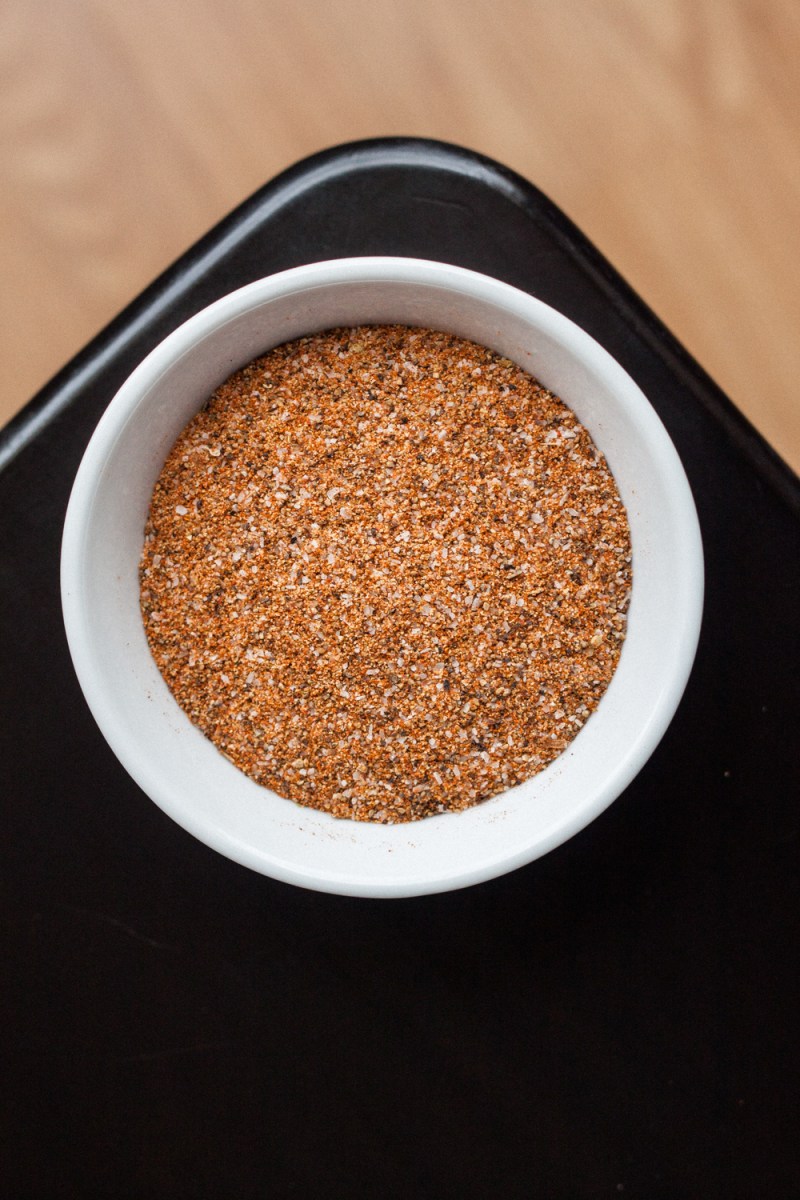
If you’ve taken a look at the ingredients list of your favorite barbecue rub, you may have been surprised to see that many commercially-available rubs have some form of sugar in them. There are definitely sugar-free rubs to be found, but wouldn’t it be better to just make some of your own?

This recipe is courtesy of my friend Jeremy, who has his own Kansas City Barbeque Society competition team, SeaDog BBQ. This rub has a nice, even taste with a hint of spice thanks to its use of chipotle powder.

Yields about 3/4 cup.

Read Full Article

In the US, tzatziki is associated with Greek food (most especially as a sauce served with gyros), but the name comes from the Turkish side dish called cacık which features the same ingredients but is diluted with water. Although you can find it commercially (we especially like Hannah’s version), it’s a fairly easy sauce to whip up on your own using ingredients you might already have in the fridge.

Read Full Article

NOTE: An updated version of this recipe appears in my cookbook, The Ancestral Table.

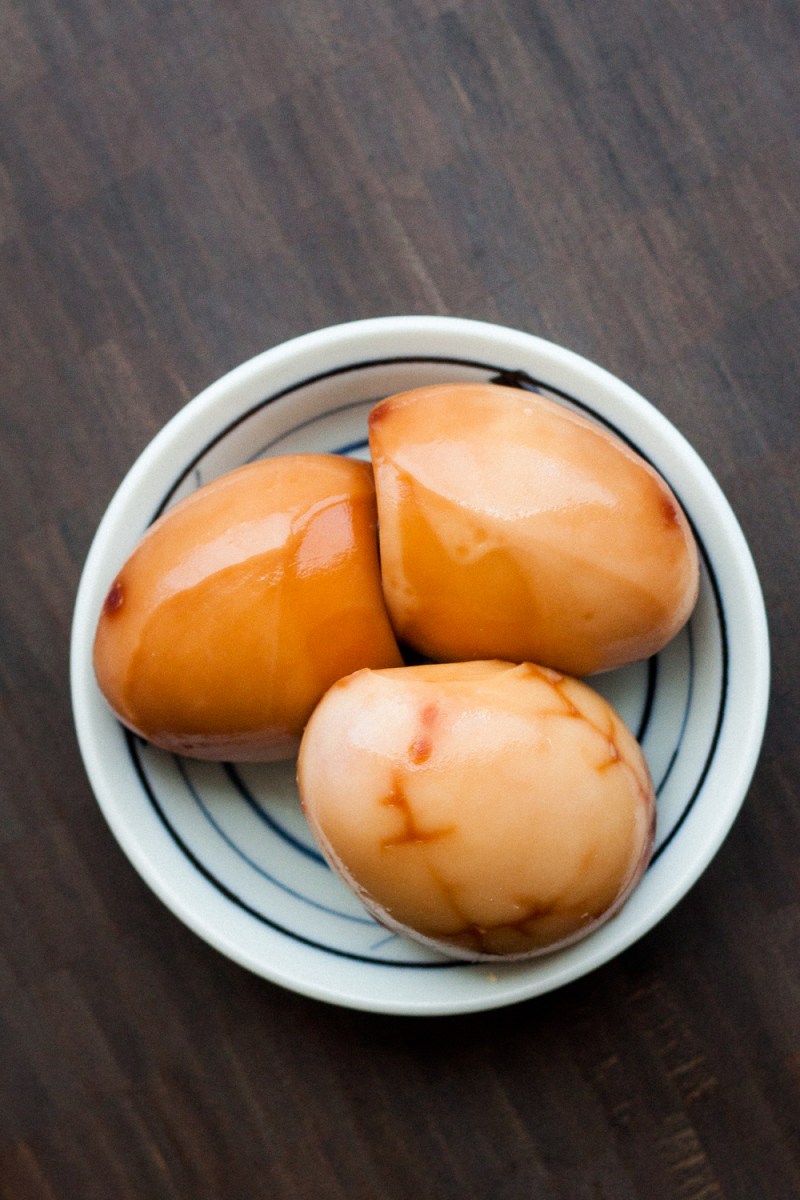
While I usually eat a combination of meat (homemade jerky, smoked salmon, sardines, or uncured deli meat) and fruit (berries, banana) for breakfast during the workweek, on weekends I tend to gravitate towards your typical eggs/bacon breakfasts. Unfortunately, this guy gets tired of eggs fairly quickly, even after trying every just about every egg preparation under the sun. Then last week a friend turned me onto the dish you see above, huevos haminados.

This egg dish is popular in Jewish communities in the Middle East and the Mediterranean, and served at Passover Seders (a ritual feast that marks the beginning of Passover). The dish’s Latin-based name might throw you off, but that’s a reflection of its origin in Medieval Spain. There are several variations online, which include boiling the eggs in onion skins and coffee, or simmering in a crock pot for seven hours. I decided to go with an even easier approach – you just throw the eggs in an oven for five hours.

While the egg shells stay mostly white, the egg whites become a rich brown color and the eggs develop a nutty, roasted taste. There’s even a hint of meatiness in there that’s hard to describe. Either way, it’s a dead-simple dish that is worth a try!

Read Full Article

Parsnips are a bit of an oddity here in the United States, and unfairly so. They have been staples of the European diet since the Roman times. They were brought to America back in the day by colonists, but they eventually became replaced by the white potato on American plates. Parsnips are a great source of carbohydrates, and add a rich, buttery, and slightly-sweet taste to the table.

Read Full Article

NOTE: An updated version of this recipe appears in my cookbook, The Ancestral Table.

We make ribs at the house pretty often, so much so that we seem to always be buying BBQ sauce. Although I like the taste of the all-natural (and unfortunately-named) Bone Suckin’ Sauce, I’ve been wanting to make my own sauce for a while.

Read Full Article

During the month of January, my wife and I did the Whole30 challenge. The challenge is very similar to our current diet, but without any dairy, white potatoes, white rice, or sweeteners like honey and maple syrup. I felt great all month, but I did struggle with maintaining my weight (I’m a pretty skinny guy). In order to keep up a good amount of carbs, I spent a lot of time eating carb-heavy foods like sweet potatoes, parsnips, sun-dried tomatoes, squash, and plantains.

Of all of those foods, grilled plantains may have been my favorite. They were dead simple to make, and have distinct tastes depending on how ripe the fruits are. Green plantains have a dry, starchy texture and mild taste, while yellow and black plantains are sweeter and less starchy. While fried plantain chips seem to be the standard way to eat plantains in the Paleo world, I wanted to try out grilled plantains (admittedly, it was because I was grilling a lot anyway and I figured, why dirty another dish?).

Read Full Article

NOTE: An updated version of this recipe appears in my cookbook, The Ancestral Table.

Poi is a Polynesian staple food, typically made with mashed taro root. However, it’s a little-known fact that the Hawaiian people also made poi from sweet potato and breadfruit. Given the fact that taro root is relatively hard to come by here in Maryland, we regularly make sweet potato poi to stave off our Hawaiian-food cravings. To bring in a little extra island flavor, I add a little coconut milk to the poi, which gives it a taste similar to haupia (a Hawaiian coconut dessert). Its creamy texture and sweet taste are perfect accompaniments to my kalua pig recipe.

Read Full Article

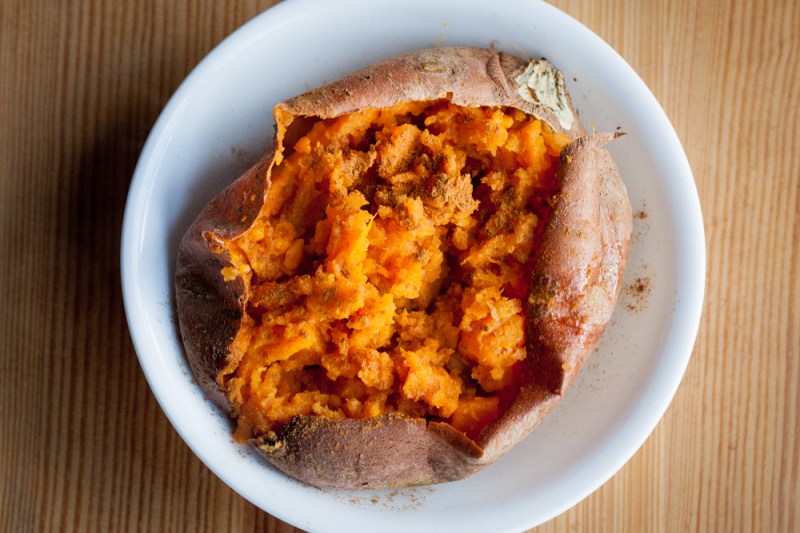
This may fall under the no-brainer category, but I thought I would explain how we bake our sweet potatoes here at the house. It’s one of our simplest recipes, and the only thing it needs is about 45 minutes of cooking time to ensure you get that perfect potato. Additionally, we like to take five seconds out of our busy day and add a little cinnamon to our potatoes, which gives just a twinge of complexity to the taste.

Here’s a couple neat facts about sweet potatoes. Sweet potatoes originated in Central/South America. Papua New Guinea eats the most sweet potatoes per capita, with 500kg per person annually. North Carolina supplies most of the sweet potatoes we find in US markets. They’re only distant cousins to the white potato, despite sharing the same name. They’re also pretty distantly related to yams (which originated in Africa), even though here in the US we often (incorrectly) label our sweet potatoes as “yams”.

Read Full Article

NOTE: An updated version of this recipe appears in my cookbook, The Ancestral Table.

Satay is a dish that originated in Indonesia, and can be found in many Asian restaurants as an appetizer. It’s basically meat on a stick, so it has a universal appeal. Making an authentic satay dish is easy, provided you have access to the ingredients (galangal, turmeric, and lemongrass in particular).

Read Full Article

NOTE: An updated version of this recipe appears in my cookbook, The Ancestral Table.

Satay sauce is primarily a dipping sauce in the United States, but it takes on a different role in Southeast Asia, where it originated; in addition to being a dipping sauce, it is used as a general purpose condiment to provide depth to dishes, and is the pivotal ingredient in many dishes such as gado-gado in Indonesia. In Australia, it’s a flavor you can have added to kebabs (to delicious effect, I might add), and is used as a condiment in many parts of Europe as well.

Because peanuts are not Paleo-friendly, I replaced the peanuts with a combination of walnuts, almonds, and macadamia nuts. Surprisingly, you can’t really tell that there aren’t any peanuts in this sauce – it’s the combination of shrimp paste, garlic, coconut milk, and palm sugar that really give this sauce its signature taste. If you have no restrictions on peanuts, I made no other substitution so you can just throw them back into the mix.

Read Full Article