8 – Side Dishes

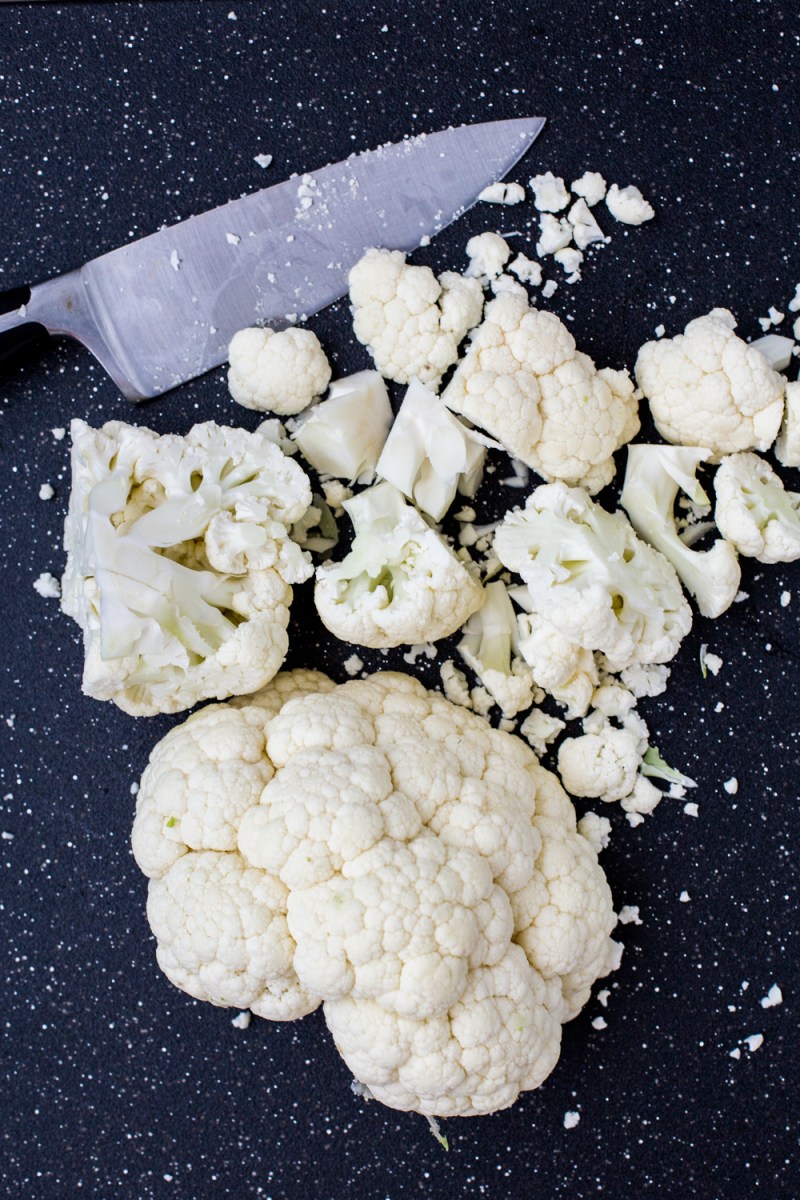
I must be reverting to some sort of baby food phase, because lately I’ve been really into puréed veggies. I think it’s the idea of eating familiar foods in unfamiliar ways. Either way you look at it, this cauliflower purée recipe isn’t the most innovative recipe I’ve created, but it serves an excellent purpose as an easy and mild-tasting accompaniment to robust dishes (which you’ll see in a couple upcoming recipes!).

It’s unsurprising that cauliflower is a close relative to broccoli, but until recently I wasn’t aware that it is from the same family (Brassica oleracea) as cabbage, brussels sprouts, kale, and collard greens. It was first brought to mainstream attention by some French cookbooks in the 17th century, although the plant itself originally came from Genoa, Italy.

Read Full Article

Who doesn’t love spinach? Besides kids, I mean. Actually, funny story, kids are more apt to eat vegetables if they watch Popeye. Personally, I despised it growing up, but now I love spinach in all forms – raw, blanched, or simmered (as in this recipe); it has a mild and unique taste with each preparation.

This recipe is modeled after the German dish Rahmspinat (“creamed spinach”), and it mostly true to the original except for the fact that this particular recipe is dairy-free. So I guess the more appropriate term for this dish would be Spinat. If you’d like to prepare it more true to the original dish, I’ve added instructions below!

Read Full Article

A while back I stumbled upon this recipe from Tina at Oh Snap! Let’s Eat! and knew that I had to try it for myself. Pancakes made with just eggs and a banana? Too good to be true. Turns out they’re very tasty and an interesting way to enjoy some of my favorite breakfast staples.

Read Full Article

NOTE: An updated version of this recipe appears in my cookbook, The Ancestral Table.

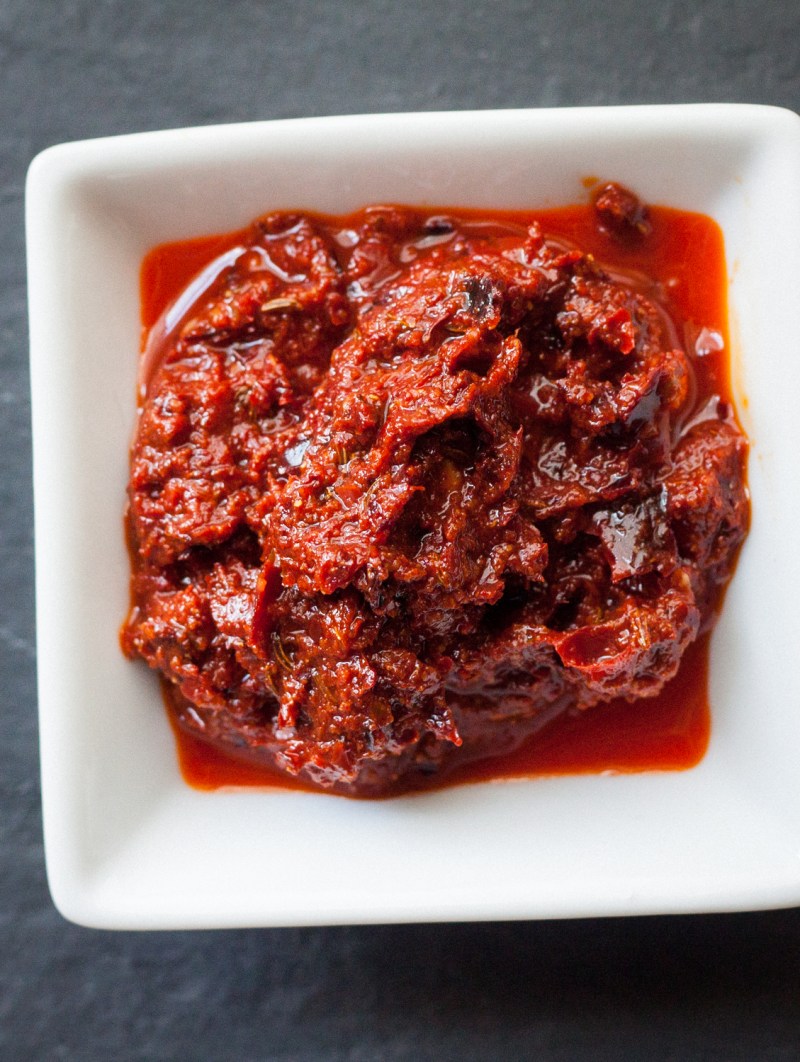
Harissa (هريسة) is a North African chili sauce, commonly used as a condiment and curry base in Tunisia, Libya, Algeria, and Morocco. Its complex and slightly spicy taste is often compared to a similar Asian sauce, the equally-delicious almighty Sriracha. There is a lot of variation in the sauce, but the recipe I developed is one that pairs well with many curry sauces, including my Lamb Tagine recipe.

While there is mention of Harissa as early as the 13th century, it probably didn’t take the form we recognize today until later, since chili peppers arrived in Europe and Africa following Columbus’ discovery of the New World.

Read Full Article

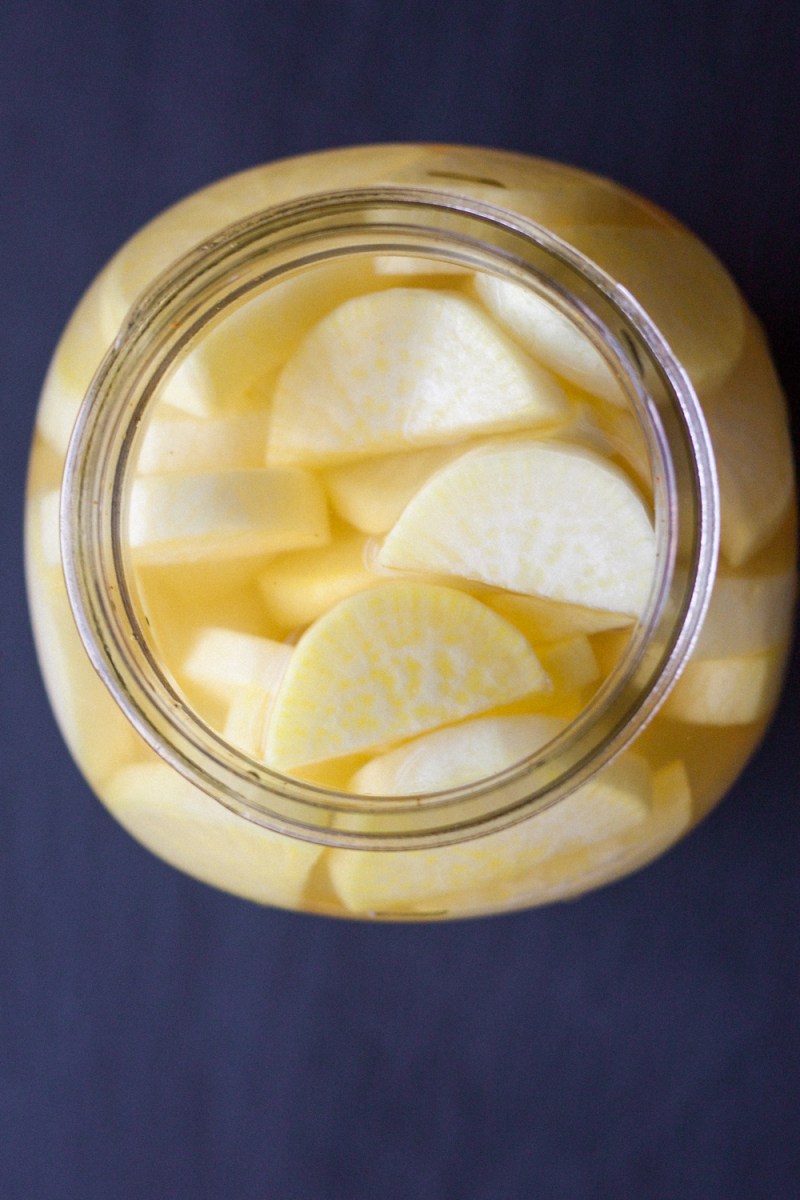
Takuan is a Japanese dish of fermented daikon radish. It is a form of Tsukemono (Japanese pickled veggies), which are served as side dishes or snacks, and are even part of the Japanese tea ceremony. Takuan in particular is often served at the end of meal to help digestion. The name “Takuan” is often attributed to Takuan Soho, a 17th century Zen Buddhist figure and the creative basis for the character Dakuan from the anime film Ninja Scroll. Korean cuisine has a similar pickled daikon radish dish, called Danmuji (단무지).

The daikon radish itself made its way to Japan from China about 2,000 years ago. Today, more land in Japan is used to grow daikon than any other vegetable. Takuan sold in many stores today is dyed yellow with food coloring; I was able to get a similar color by using a tiny bit of turmeric while pickling the radishes.

Read Full Article

NOTE: An updated version of this recipe appears in my cookbook, The Ancestral Table.

Kabees El Lift is a popular Lebanese dish, often served as a lighter side to heavy meat dishes. The dish sports a vibrant pink color, which is made by adding beets to the turnips as they ferment. Fermented foods are great for adding natural probiotics into your diet. And, as Paul Jaminet points out, there is evidence of fermented foods like kimchi helping against autoimmune diseases and allergies. Plus they’re tasty.

I’m not sure how long this dish has been around, but I do know that turnips have been around for a long, long time; the Romans talked about them, and some of their original names were in Greek, which suggests they were eaten in Ancient Greece. Beets have been around just as long, although early forms were only the beet greens, and the bulbous root was developed/cultivated later.

Read Full Article

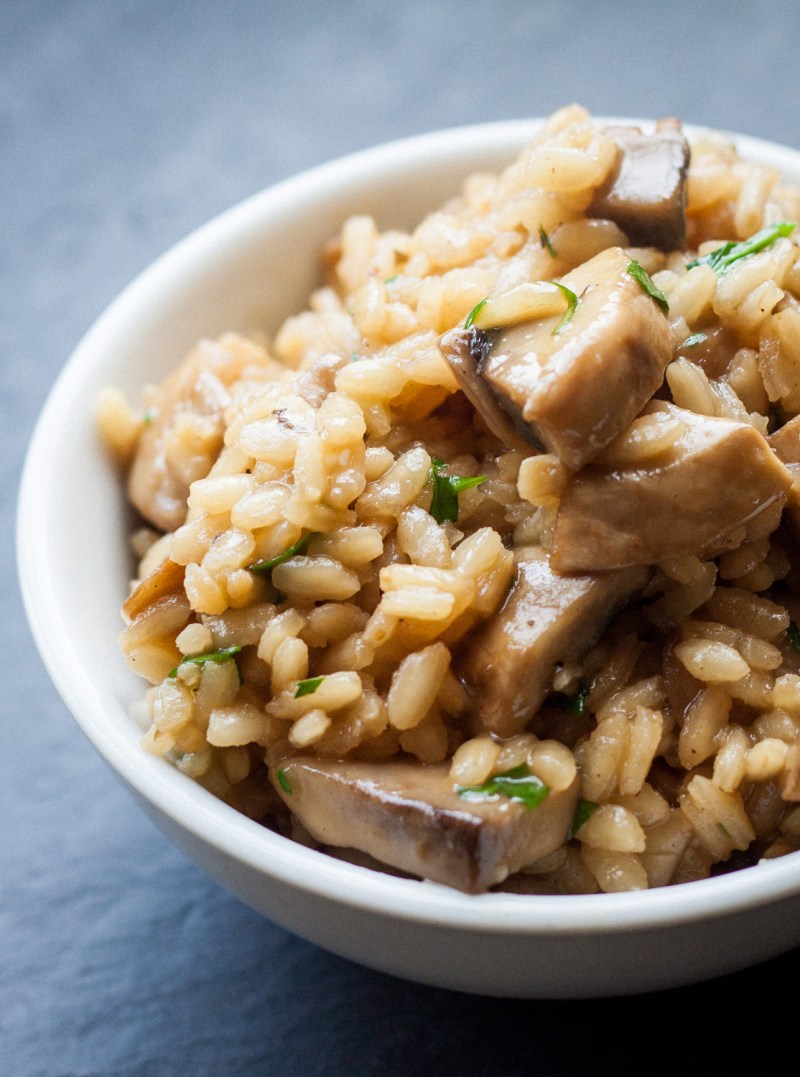
For Thanksgiving this year, we decided to make a traditional side dish instead of trying to invent something new that is in line with our dietary restrictions. What we settled on is not a traditional dish for Thanksgiving by any means, but it’s a traditional one nonetheless!

Risotto is a dish first served in Italy in the 16th century, when rice was first introduced from neighboring Mediterranean cuisines, and gained popularity in Milan. Risotto was served in the United States in the 1800s, but didn’t get popular until after WWII (along with pizza). The 1980s are also a time when this dish became really popular and faddish in the US.

Read Full Article

NOTE: An updated version of this recipe appears in my cookbook, The Ancestral Table.

Pão de Queijo is a traditional cheese bun popular in South America, most especially in Brazil. The dish has been around since the 17th century, and was made with just tapioca starch and water before the widespread domestication of cattle in Brazil in the 1800s. Today, it’s a popular breakfast food and can be found in most bakeries in Brazil.

Cheese buns are some of our favorite non-bread breads to make. They’re dead simple – mostly tapioca starch and hard cheese – and are a great complement to many meals (not just breakfast). We first discovered them in our pre-Paleo days at a Fogo de Chao Brazilian steakhouse. Later we started making them using pre-packaged Chebe brand dry mixes, until we found out that the Jaminets over at Perfect Health Diet had posted a recipe of their own. My recipe is very close to theirs, the only main difference being that I use a combination of cream and water instead of milk (there’s nothing wrong with making it with milk, but I have an easier time digesting cream than milk). I’ve also adjusted the portion sizes so that our recipe only makes 15-20 cheese balls – otherwise, that’s all we would be eating at every meal!

Read Full Article

NOTE: An updated version of this recipe appears in my cookbook, The Ancestral Table.

Gnocchi are a type of dumpling most often made with potatoes, and like many Italian dishes, there is a lot of variability to the dish. It’s commonly believed that gnocchi have been around since the Roman times, and that they actually came from the Middle East. It’s unclear whether the word gnocchi comes from nocchio (a knot in wood) or from nocca (knuckle). The addition of potatoes is relatively new, since they came over to Europe in the 15th century; semolina was widely used before then, and still used in some recipes today.

My version of the little dudes is very simple, and similar to many mass-produced variations of the dish. Sure, you could add all sorts of neat stuff like herbs or spinach, but I prefer to leave my gnocchi as a blank canvas for other tastes/sauces.

Read Full Article

NOTE: An updated version of this recipe appears in my cookbook, The Ancestral Table.

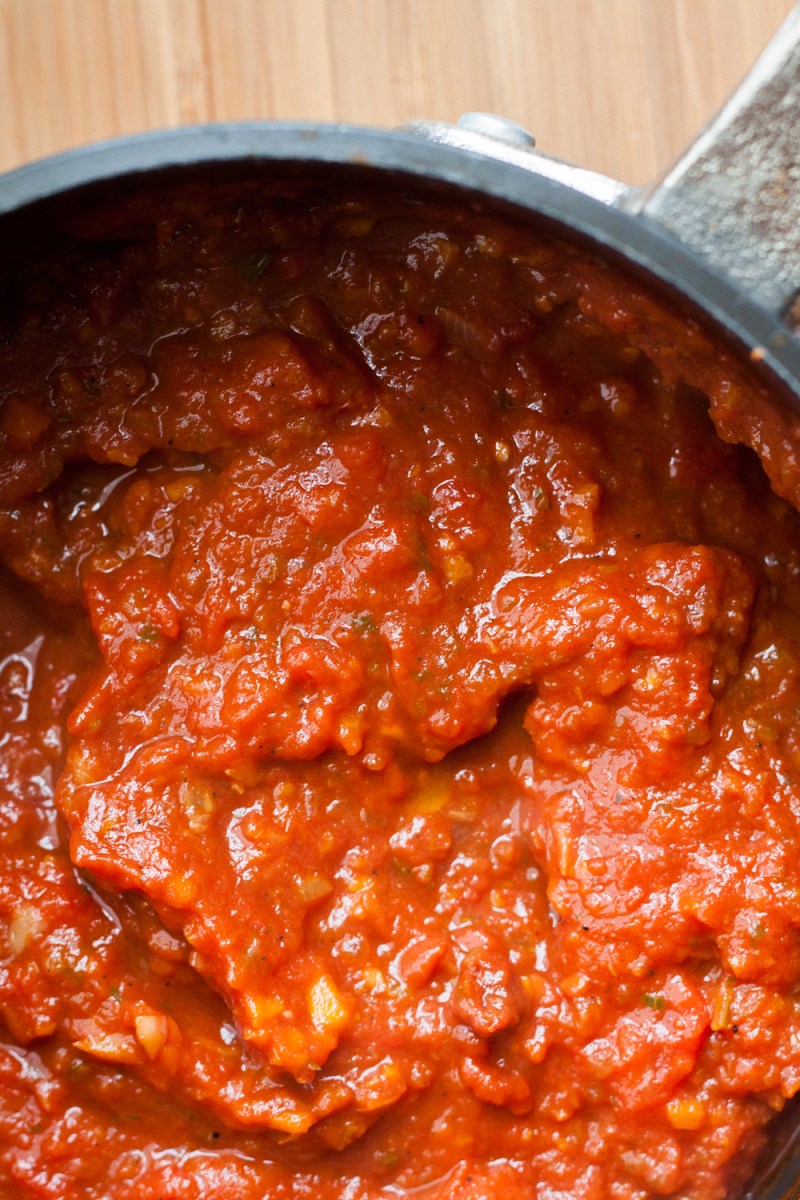
Have you looked at the ingredients of canned tomato/spaghetti sauces lately? You’d think they would be very simple, but surprisingly they have some hidden and unnecessary ingredients. Even Trader Joe’s organic marinara sauce has soybean oil in it, as well as parmesan cheese; I don’t find the cheese offensive per se, but does it have to be in there? So, I decided it was time to share an easy, tasty sauce of my own, which you can use as the foundation to any tomato-based sauce.

Although tomatoes arrived in Europe from the New World in the 16th century, tomato-based sauces didn’t start appearing on record until the 1790s. There is a staggering amount of variation to this seemingly simple sauce, with names to boot: In the US, marinara can mean just a tomato-based sauce, but in Italy it often refers to a seafood dish. The term tomato sauce also refers to any tomato-based sauce, except in the UK, Australia, New Zealand, and South Africa, where it refers to ketchup (pasta sauce is the proper term there). Neapolitan is a meatless tomato sauce, linked to southern Italy. A ragù is a tomato sauce with meat (often referred to as bolognese sauce outside of Italy). Finally, call me old-fashioned, but I just like to call it spaghetti sauce.

Read Full Article