Food

Lately I’ve been slightly obsessed with making super nourishing foods, mainly soups. Turns out that many soups that are considered miracle meals (often affectionately termed “hangover meals”) – Pho, Attukal Paya, or even a simple chicken soup – basically consist of boiling soup bones for extended periods of time and adding spices as needed. So to add to my growing list of nourishing soups, I present Cow Heel Soup.

Also known as Cow Foot or Bull Foot Soup, Cow Heel Soup is a traditional soup found in the Caribbean (mainly Jamaica, Trinidad, and Tobago). Legend has it that in the 18th century, plantation owners would take the best cuts of cows and leave the workers with the “fifth quarter” – tail, feet, head, and organs – which became quite a challenge for local cooks. Over time the recipe for cow heel soup became popular, and while there are many variations to this dish, I tried to keep my recipe close to the standard, baseline recipe.

Read Full Article

Last year I made a gyro meat recipe based on Alton Brown’s method, which I really like. It’s a great way to use ground lamb, and it produces some really great results. The only thing that prevents it from being an all-time great is that it involves a bit of work – blending everything in a food processor, wrapping it with plastic wrap, letting it sit out for two hours, then roasting it in a water bath. It’s not a huge deal, but not a quick and easy meal by any means. So I’ve always wanted to work out a grilled gyros recipe that produces similar tastes but with minimal work. When US Wellness Meats asked me to try their new lamb tenderloin, it was time to put my new idea to the test.

Gyro meat, often referred to as doner or shawarma meat, is meat roasted on a rotating vertical spit and shaved off. Most Mediterranean and Middle-Eastern countries have some variation of this dish as a common street food. Depending on where you’re getting it, the meat can be made of lamb, beef, goat, chicken or a combination of meats.

Slightly off-topic, but I was recently a guest on the Born Primal podcast, where I talked about my health history and some of my culinary inspirations. Let me know what you think.

Read Full Article

Because of their heavy use, beef cheeks are super lean and tough. While this doesn’t sound like a fun cut of meat to cook, when braised the results are remarkable: with a little liquid, heat, and time, one cheek magically transforms into a dense, succulent, and immensely satisfying meal for two.

A traditional French-style braise in broth, red wine, mirepoix veggies, and a few sprigs of fresh herbs help to bring a full flavor to the meat. But after several hours in the oven I felt like I needed to add something to liven the dish up; so I worked out a new favorite invention of mine, anchovy butter.

Read Full Article

Update: Congratulations to Erin W., who won the giveaway!

I think the upcoming release of Elana Amsterdam’s Paleo Cooking from Elana’s Pantry marks an exciting time in the Paleo movement. This value-priced book is coming right when Paleo is spiking in mainstream appeal, and the book sports some really delicious and ultra simple recipes, which will be really helpful for those curious about changing their dietary habits for the better. Moreover, there are enough new recipes in here to keep seasoned Paleo eaters busy for a while.

Read Full Article

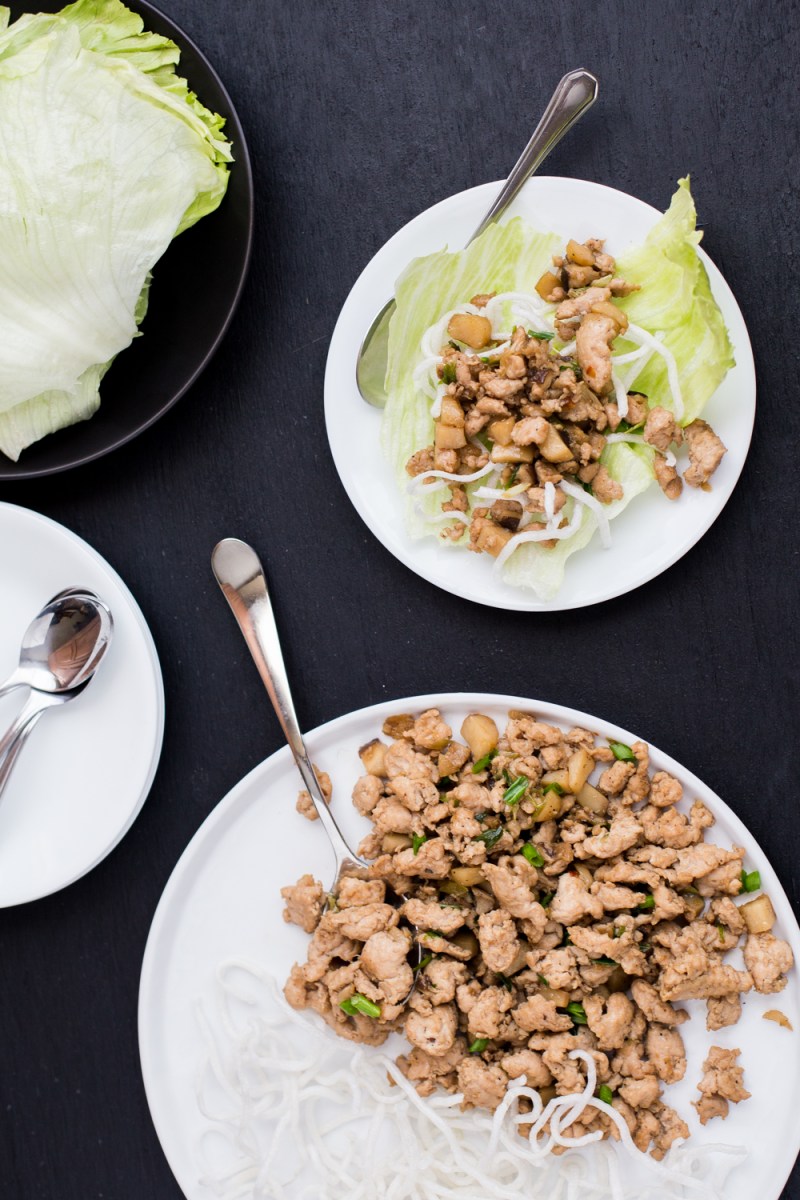
Last September we met up with our friends Matt and Stacy, the Paleo Parents, for dinner at P.F. Chang’s China Bistro, a popular Asian-themed chain restuarant here in the U.S. that sports a gluten-free menu. It was our first time visiting the restaurant, and Stacy strongly recommended (demanded?) that I try to re-create their famous Chicken Lettuce Wraps. Never one to turn a challenge down, I accepted, and then promptly forgot all about it.

But lucky for you, Stacy didn’t forget the promise I made that fateful day. In fact, she did one better, and corralled a bunch of Paleo-friendly bloggers together this week to re-create some favorite dishes from the restaurant chain. Here is a link to the round-up.

For my version I made a few minor adjustments. I used honey instead of what I assume is gobs of sugar (we taste-tested the original dish again last week and I was surprised by how sweet it was), and made fried noodle sticks using sweet potato noodles instead of rice or mung bean noodles, which I assume is what they use in the original recipe.

Read Full Article

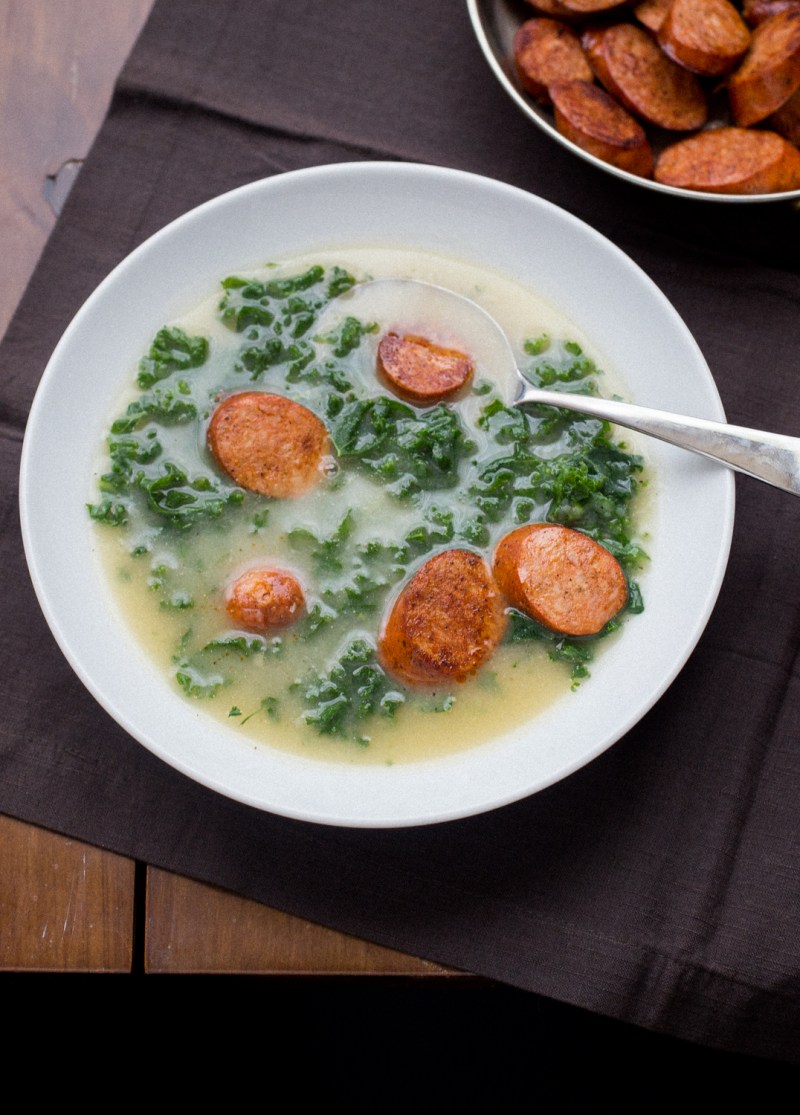
A few weeks ago, a reader suggested I try my hand at Caldo Verde (“green broth”), a traditional Portuguese soup that is often considered their national dish. It was the perfect recommendation – the soup’s use of simple, satisfying ingredients, plus the addition of slightly-spicy sausage, make it an ideal late spring / early summer meal.

Initially, the soup’s use of kale might seem out of place for a country that is geographically closer to Africa than the rest of Europe. But when you take into context the fact that the soup originates from Portugal’s northern Minho region, which was once under Roman and Celtic occupation and still retains some of that influence today, the culinary presence of a hearty cabbage like collard greens (or kale like in this recipe) makes sense. One of my favorite aspects of this dish is that it’s a perfect pauper’s meal: combine some very basic and always-available ingredients (water, onion, potatoes, cabbage) and add other items if and when they are available (broth, sausage).

Read Full Article

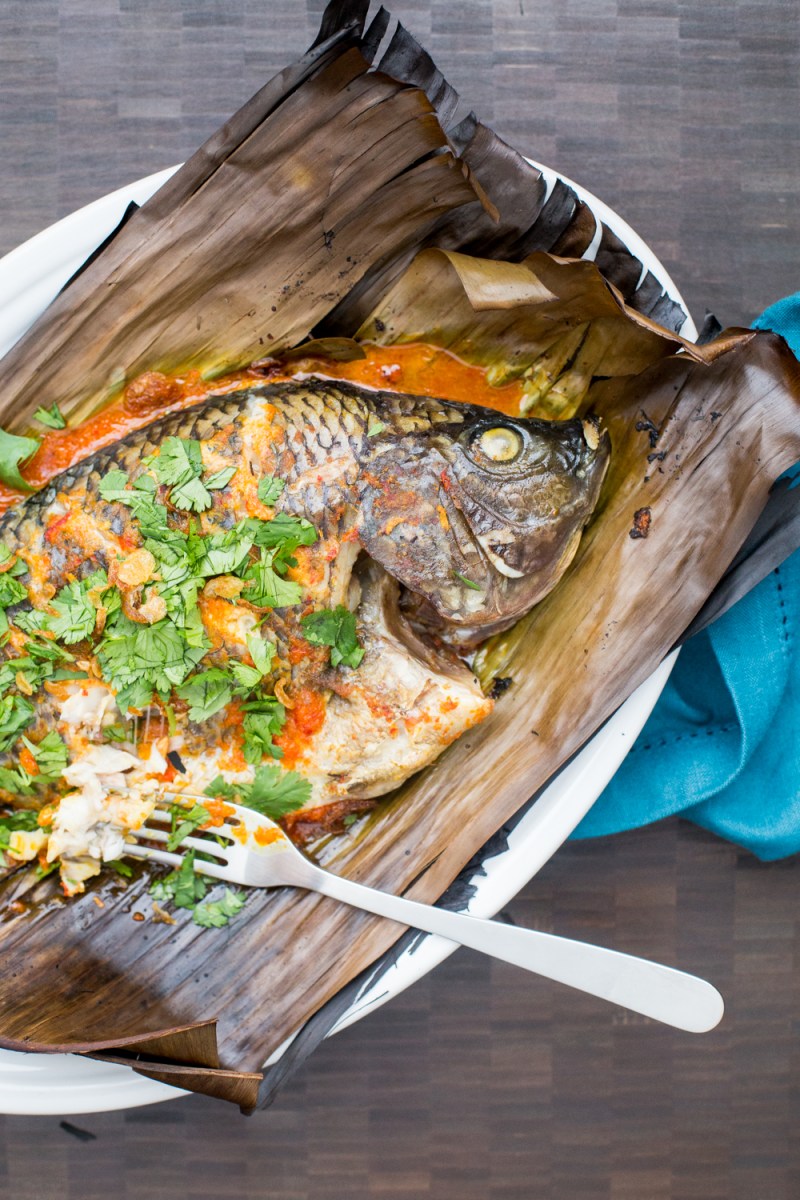
Ikan Bakar is a popular grilled fish dish (say that 3x fast) in Indonesia and Malaysia, usually sold by street vendors. The fish is marinated in sambal – a Southeast Asian chili-based condiment – and grilled over banana leaves. Popular fishes used for the dish include tilapia, skate, snapper, sea bass, or stingray.

While this is a very exotic-sounding dish, it’s surprising that all of the ingredients can be easily found during a trip to your local Asian market. Banana leaves are commonly sold frozen in large sheets for very cheap – usually a dollar will get you as many as 20 leaves. Bear in mind that frozen banana leaves are more brittle than fresh, and don’t hold up to heat as well – so you’ll want to get plenty of them, at least five leaves per fish.

Read Full Article

I don’t know about you guys, but after our longer-than-expected winter I’ve been in on a month-long grilling bender. And though I love to come up with tasty marinades for my grilling adventures (Exhibit A: Izgara Bonfile), sometimes I just want a tasty creation that’s also quick to make. The solution is pretty easy, really: you just throw a salsa on top of an otherwise basic grilled steak!

This salsa is inspired by Insalata Caprese, a fresh salad originating from the island of Capri in the early 20th century. It’s traditionally made with tomatoes, fresh mozzarella cheese, oregano, and arugula, but over time most people have substituted the oregano and arugula with fresh basil. We Americans are even weirder in that we also like to add balsamic vinegar as well. For my salsa I decided to keep a little balsamic vinegar and also add a bit of lemon juice to provide some acidity and sourness without an overpowering vinegar taste.

Read Full Article

I have a feeling that if you asked a child what sweetbreads are, and then asked a chef, you’d get wildly varying answers. The word “sweetbread” first popped up in the 1500s, and it’s hard to tell what part of the animal they were referring to: historians generally agree that it’s likely the thymus gland or pancreas. Today, the word is often used for many small organs, from the sublingual gland to (gasp!) the testicle. Common sense assumes that these glands were eaten regularly throughout history, and was probably highly sought after due to their rarity (in relation to the rest of the food you get from an animal) and delicacy.

When my friends at US Wellness Meats offered to send me some of their lamb sweetbreads to try, I jumped at the opportunity; I hadn’t made them at home before, and I was up for a challenge. It turns out that they are relatively simple to make, they just take a little finesse and patience. To fill out the dish, I wanted to add something hearty and filling (cauliflower purée), something sweet (a pear reduction sauce), and a firm texture to make sure the dish didn’t turn out to “mushy” and to add a sharper taste to everything (spring greens tossed in balsamic vinaigrette). It all turned out beautifully.

Read Full Article

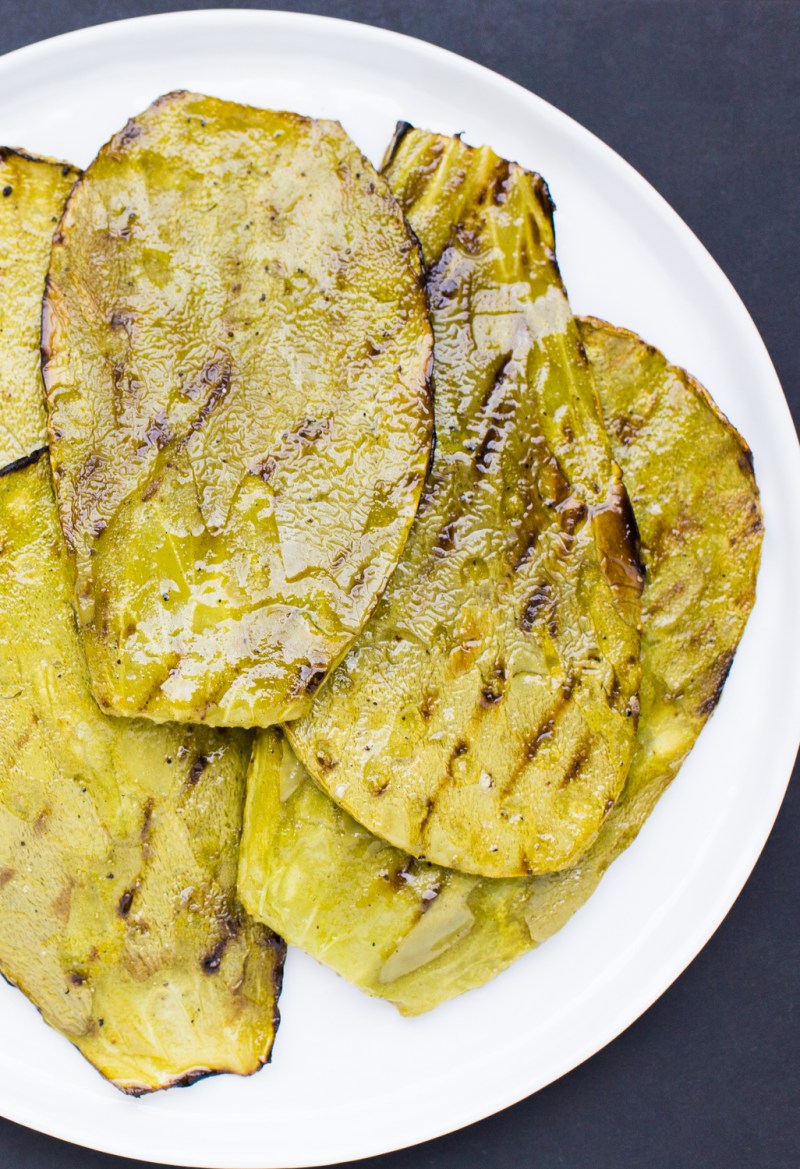
With spring upon us, I’ve been looking to expand my grilling options. The idea of cooking and eating a cactus might sound intimidating, but the reality is much simpler than you’d think. All you have to do is scrape off their thorns, and grill them – it’s that easy.

Nopales are the paddles of oputina (prickly pear) cactus, commonly found in Mexico. They are a common vegetable in Mexico, and taste a little like green beans, but slightly more acidic. They are a great addition to grilled meat dishes, or tasty just on their own. They are also often sliced/diced and served with eggs or in salads.

Read Full Article