Page 39 of 55

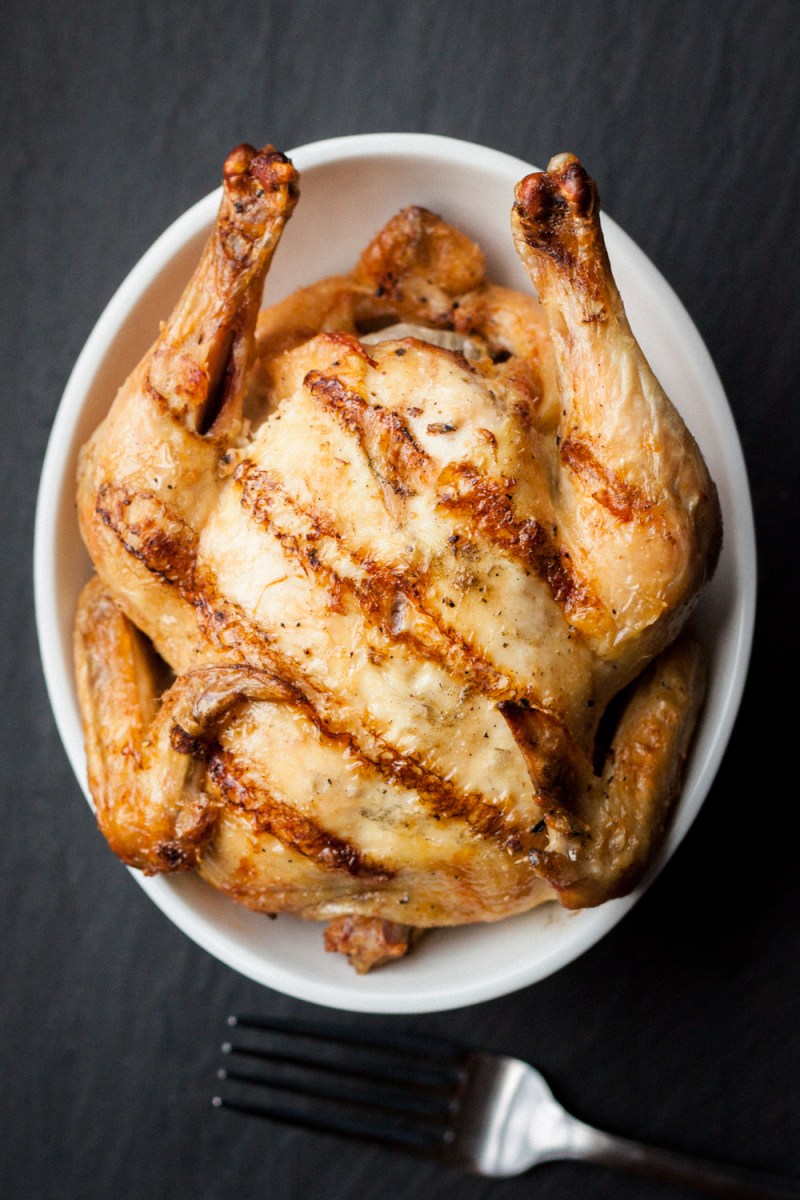
The Cornish hen, often referred to as a Cornish game hen or Rock Cornish hen, is a hybrid chicken first developed in the United States in the 1950s. Besides being much smaller than its predecessor (the Cornish-Rock chicken, which is the common “broiler” chicken worldwide), it also generally has a higher white-to-dark meat ratio than its big brothers. Some other interesting tidbits include the fact that the Cornish “game” hen is not a game bird at all, it can be either male or female, and it reaches maturity within 30 days.

I love cooking these little bird because they’re the perfect single-person meal. You get the best of everything! Both drumsticks, both wings, and both oysters. I also find cooking Cornish hens easy and stress-free, and they can be ready in much less time than a full-sized bird.

Read Full Article

My friends at Lava Lake Lamb recently started carrying grass-fed beef, and I jumped at the chance to give some of it a try. One particular challenge came in finding a unique, yet somewhat traditional, way of preparing sirloin steak; it’s a very simple cut, which fares the best with a simple preparation (garlic, salt, and pepper are usually perfect). Luckily, after some digging I discovered quite a few different ways that people grill this steak in Turkey, so I developed a recipe based on some of those traditional Turkish methods.

It’s hard to find specific history related to grilled beef steaks in Turkey – in fact, many regions only ate meat during special celebrations until very recently. My guess is that this particular preparation is relatively new to the country, probably only 50 years old. But at the end of the day, it doesn’t really matter – this steak was delicious, regardless of how long people have been cooking it!

Read Full Article

NOTE: An updated version of this recipe appears in my cookbook, The Ancestral Table.

Pão de Queijo is a traditional cheese bun popular in South America, most especially in Brazil. The dish has been around since the 17th century, and was made with just tapioca starch and water before the widespread domestication of cattle in Brazil in the 1800s. Today, it’s a popular breakfast food and can be found in most bakeries in Brazil.

Cheese buns are some of our favorite non-bread breads to make. They’re dead simple – mostly tapioca starch and hard cheese – and are a great complement to many meals (not just breakfast). We first discovered them in our pre-Paleo days at a Fogo de Chao Brazilian steakhouse. Later we started making them using pre-packaged Chebe brand dry mixes, until we found out that the Jaminets over at Perfect Health Diet had posted a recipe of their own. My recipe is very close to theirs, the only main difference being that I use a combination of cream and water instead of milk (there’s nothing wrong with making it with milk, but I have an easier time digesting cream than milk). I’ve also adjusted the portion sizes so that our recipe only makes 15-20 cheese balls – otherwise, that’s all we would be eating at every meal!

Read Full Article

NOTE: An updated version of this recipe appears in my cookbook, The Ancestral Table.

Gnocchi are a type of dumpling most often made with potatoes, and like many Italian dishes, there is a lot of variability to the dish. It’s commonly believed that gnocchi have been around since the Roman times, and that they actually came from the Middle East. It’s unclear whether the word gnocchi comes from nocchio (a knot in wood) or from nocca (knuckle). The addition of potatoes is relatively new, since they came over to Europe in the 15th century; semolina was widely used before then, and still used in some recipes today.

My version of the little dudes is very simple, and similar to many mass-produced variations of the dish. Sure, you could add all sorts of neat stuff like herbs or spinach, but I prefer to leave my gnocchi as a blank canvas for other tastes/sauces.

Read Full Article

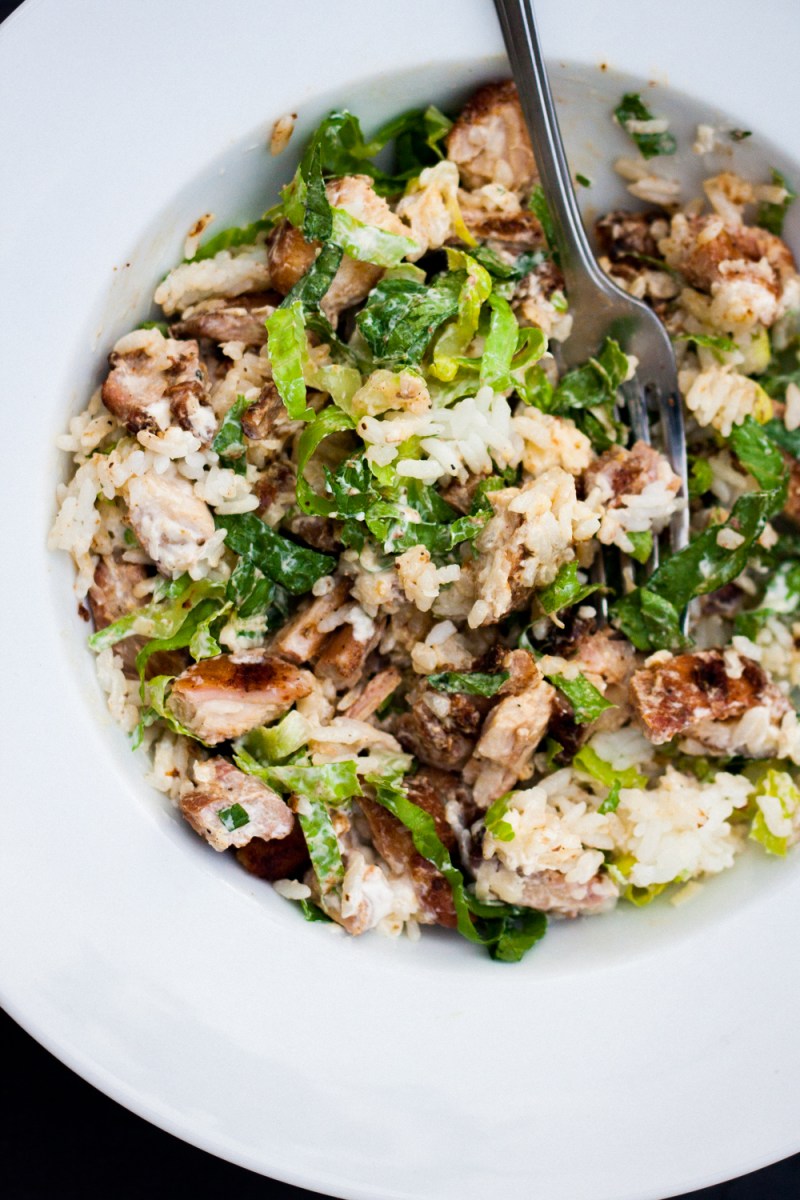
My family loves Chipotle. Their chicken burrito bowls are our default food choice when we’re out in town and in a pinch. There are both good and bad aspects of our relationship with Chipotle. The good is that we’re able to find quick meals that are within our dietary parameters and with relatively naturally-raised ingredients. The bad is that while Chiptole is pretty upfront about their standards towards raising animals, they have not released a list of their ingredients to the public. There’s actually a petition (right here) to ask Chipotle to reveal their ingredients. My personal concern is that they are cooking with oils that are high in Omega-6 fatty acids, like soybean oil.

My other issue is that we like Chipotle so much that sometimes it becomes our dinner even if we’re not out in town and in a pinch; it’s so tasty that we find ourselves wanting it even when we have a fridge full of food.

So I decided to do something about it and re-create our beloved chicken bowls so we can enjoy them in the comfort of our own home and know exactly what ingredients go into the meal. Also, I am sure that this recipe isn’t 100% authentic, especially in its use of chipotle powder (as opposed to whole dried chipotles and/or canned chipotles) but I made a couple shortcuts to make the process a little easier. I pieced this recipe together using my taste buds and some rumors I found floating around on message boards, so if you have intimate knowledge of some of Chipotle’s ingredients, leave me a comment below!

Read Full Article

NOTE: An updated version of this recipe appears in my cookbook, The Ancestral Table.

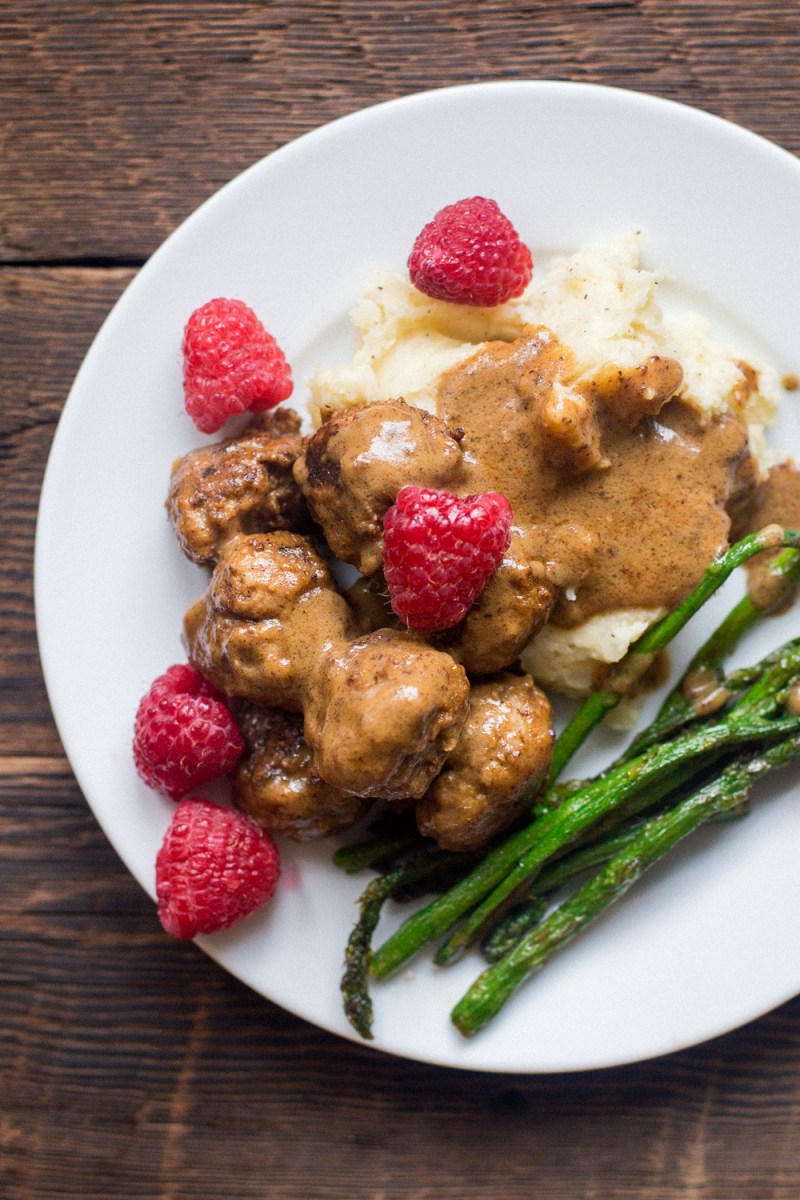
While meatballs have been around forever, the first written documentation of meatballs in Sweden appeared in the 18th century. Meatballs were likely an uncommon food in Sweden until the widespread use of meat-grinders; they later became standard Smörgåsbord (the original buffet!) fare. Scandinavian immigrants brought their meatballs to the United States, particularly the Midwest, during the 1920s. Swedish meatballs are unique in that they are pretty small and often served with a cream-based gravy.

Most Swedish meatballs are made using breadcrumbs (even IKEA’s!) so I set off to make a gluten-free version of the classic dish. It was surprisingly easy, with almond meal, cream, and egg yolk making a pretty hefty binder. I also found that in making the gravy, regular white rice flour (not sweet rice flour) created the best consistency.

Read Full Article

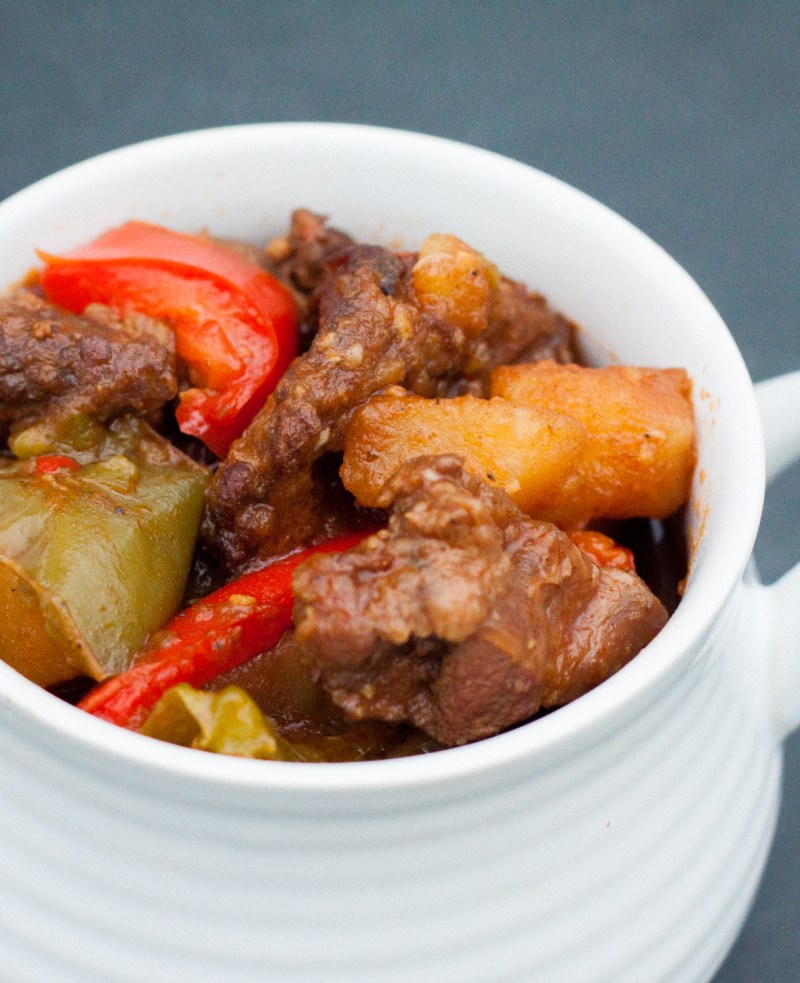
Goulash has a fairly long history, as it is traced back to 9th century Hungarian shepherds (the term gulyás translates to “herdsmen”), when soup was an important part of the lifestyle. People would dry meats and veggies and then add hot water later to create a soup, and goulash was born. Although paprika is a signature spice of both Hungarian cuisine and this dish, it wasn’t introduced until the 16th century (bell peppers came from the New World), so the original variations of this dish were paprika-less.

Goulash is often classified as a stew here in the United States, but many Hungarians maintain that it’s a soup, often to differentiate it from a similar, thicker dish called pörkölt. Goulash is often served over egg noodles or spätzle, but many variations use potatoes, including mine. They help to bring a hearty feel to the dish, plus they conveniently thicken the sauce at the same time.

Read Full Article

NOTE: An updated version of this recipe appears in my cookbook, The Ancestral Table.

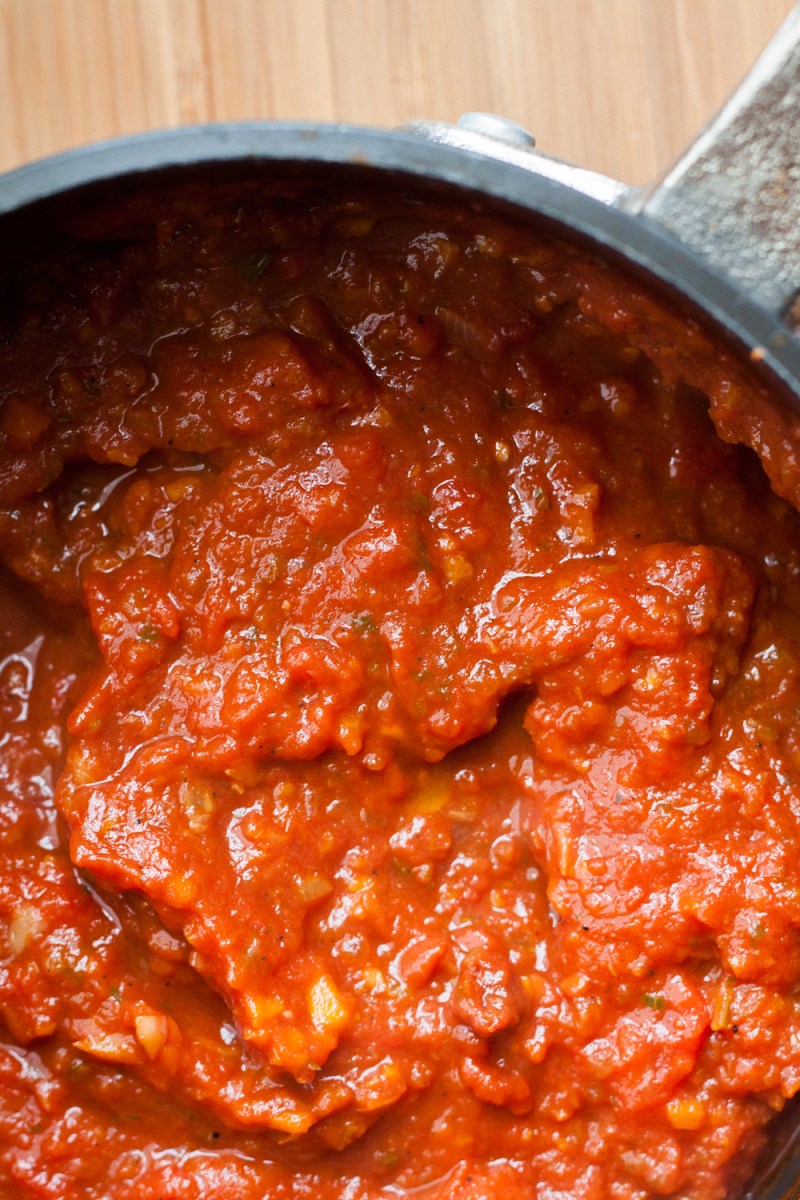
Have you looked at the ingredients of canned tomato/spaghetti sauces lately? You’d think they would be very simple, but surprisingly they have some hidden and unnecessary ingredients. Even Trader Joe’s organic marinara sauce has soybean oil in it, as well as parmesan cheese; I don’t find the cheese offensive per se, but does it have to be in there? So, I decided it was time to share an easy, tasty sauce of my own, which you can use as the foundation to any tomato-based sauce.

Although tomatoes arrived in Europe from the New World in the 16th century, tomato-based sauces didn’t start appearing on record until the 1790s. There is a staggering amount of variation to this seemingly simple sauce, with names to boot: In the US, marinara can mean just a tomato-based sauce, but in Italy it often refers to a seafood dish. The term tomato sauce also refers to any tomato-based sauce, except in the UK, Australia, New Zealand, and South Africa, where it refers to ketchup (pasta sauce is the proper term there). Neapolitan is a meatless tomato sauce, linked to southern Italy. A ragù is a tomato sauce with meat (often referred to as bolognese sauce outside of Italy). Finally, call me old-fashioned, but I just like to call it spaghetti sauce.

Read Full Article

NOTE: An updated version of this recipe appears in my cookbook, The Ancestral Table.

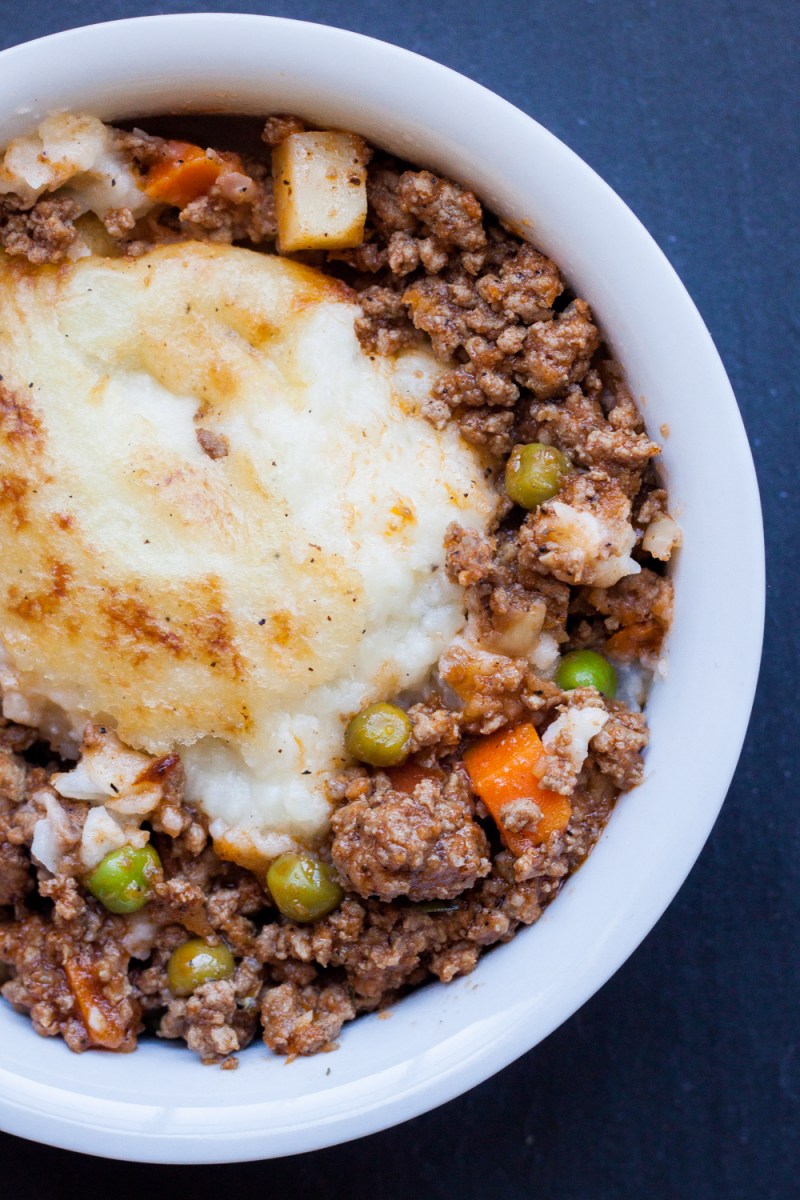
Although meat pies have been eaten in the British Isles since the Middle Ages (14th Century, last I heard), Shepherd’s Pie as we know it today coincided with the arrival of the potato in Europe. The Spanish brought potatoes to Europe in 1520, but they didn’t catch on until the 18th Century in Great Britain. Shepherd’s Pie appeared shortly thereafter – although under its original name, Cottage Pie, and made mostly with beef. The term Shepherd’s Pie followed about a hundred years later, along with the idea that it should be made with mutton. Today, Shepherd’s Pie can be made with beef or lamb, or sometimes both, while Cottage Pie usually refers only to the beef version of the dish.

Another interesting thing about this dish is the fact that it’s prevalent in many other cultures, with some pretty amusing names, like Pâté Chinois (“Chinese Pie”, French Canada), Картофельная Запеканка (“Potato Baked Pudding”, Russia), and Escondidinho (“Hidden”, Brazil).

Read Full Article

NOTE: An updated version of this recipe appears in my cookbook, The Ancestral Table.

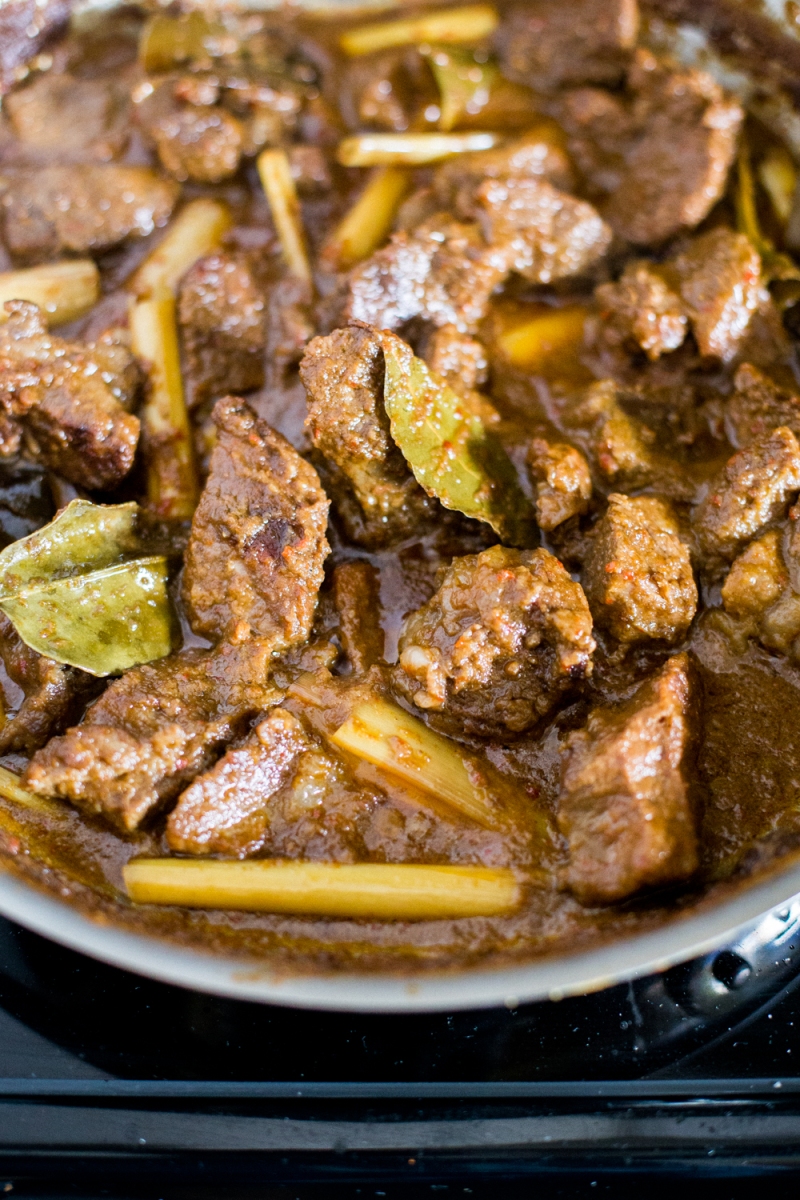
Rendang is a dry curry originating among the Minangkabau people of West Sumatra, and later spreading throughout Indonesia and Malaysia. It’s one of the most recognizable Southeast Asian dishes, with its distinct…well, ugliness and signature intensity. This “dry” method consists of simmering down coconut milk for several hours to intensify the flavors (and also preserve the meat, which was probably how the dish was started). The end result is a taste so significant that it can be downright overwhelming.

Rendang is usually made with beef, but it can sometimes be found using mutton or water buffalo. For this dish, I used a combination of TX Bar Organics’ delicious and lean stew meat, and a pound of fattier chuck roast. This allowed me to use the chuck roast’s rendered fat to brown the beef during the last stage of cooking.

Read Full Article