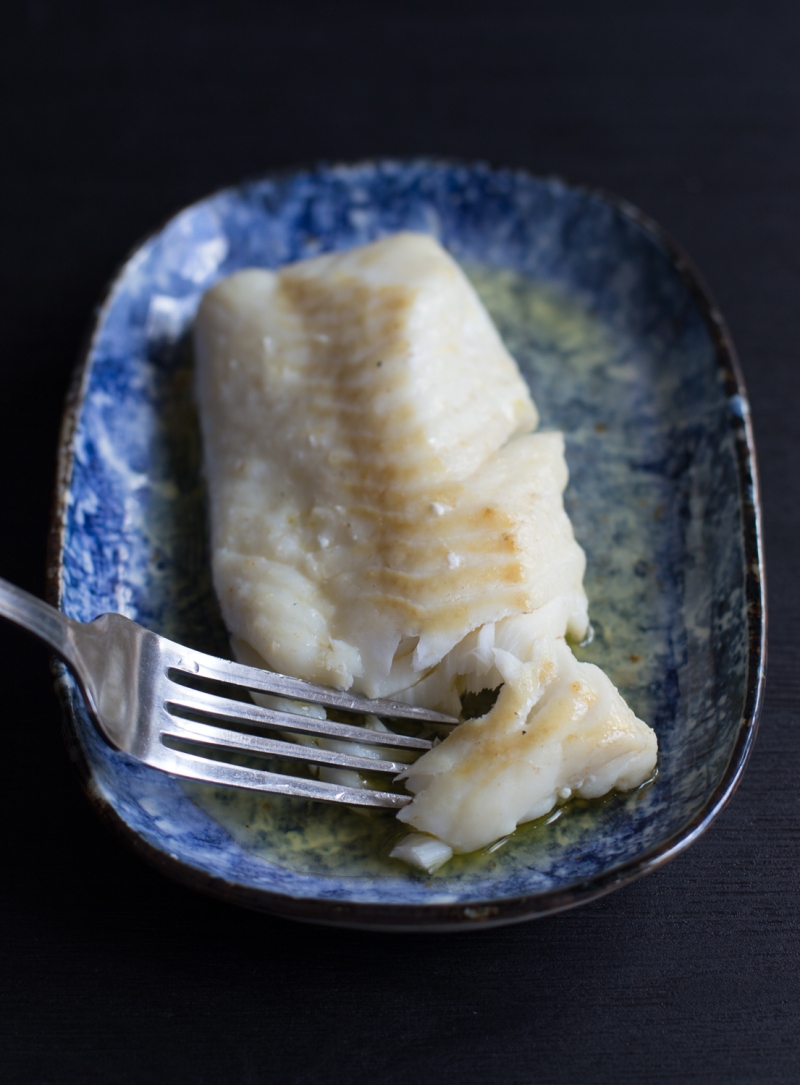
Fish

I love buying frozen fish. It’s super handy and still tastes great since many fishermen can flash-freeze it almost immediately after harvesting. And while fish thaws quickly, the thawing process is still a tiny pain in the butt; so I started looking for ways to forgo the whole “thawing” thing altogether (sheesh, how lazy can I get?). And that’s when I stumbled upon my new best friend, Torsk.

The word Torsk itself means “cod” in Danish, Norwegian, and Swedish, but also is often used to describe a cod dish in Scandinavia that is sometimes cooked from a frozen state. Perfect. When researching Torsk recipes, I found that they were either poached or broiled; never one to do something halfway, I decided to do both methods in the same recipe to get the best of both worlds. Pulling this dish off is a little different from your typical recipe, but don’t worry, I’m here to walk you through the process. I’m really excited about this recipe, especially because you can pull fish out of the freezer and put it on your dinner table in 20 minutes. It just can’t be beat in terms of convenience and tastiness.

Most broiled versions of Torsk call for butter, but in order to keep the butter from burning I mixed in an equal amount of ghee (which has a much higher smoking point since it doesn’t have milk solids). Lately I’ve been using Tin Star Foods ghee, which is hand-poured in small batches using Kerrygold butter (from grass-fed cows). This ghee is awesome – smooth, flavorful, and rich. Definitely worth your time.
Read Full Article

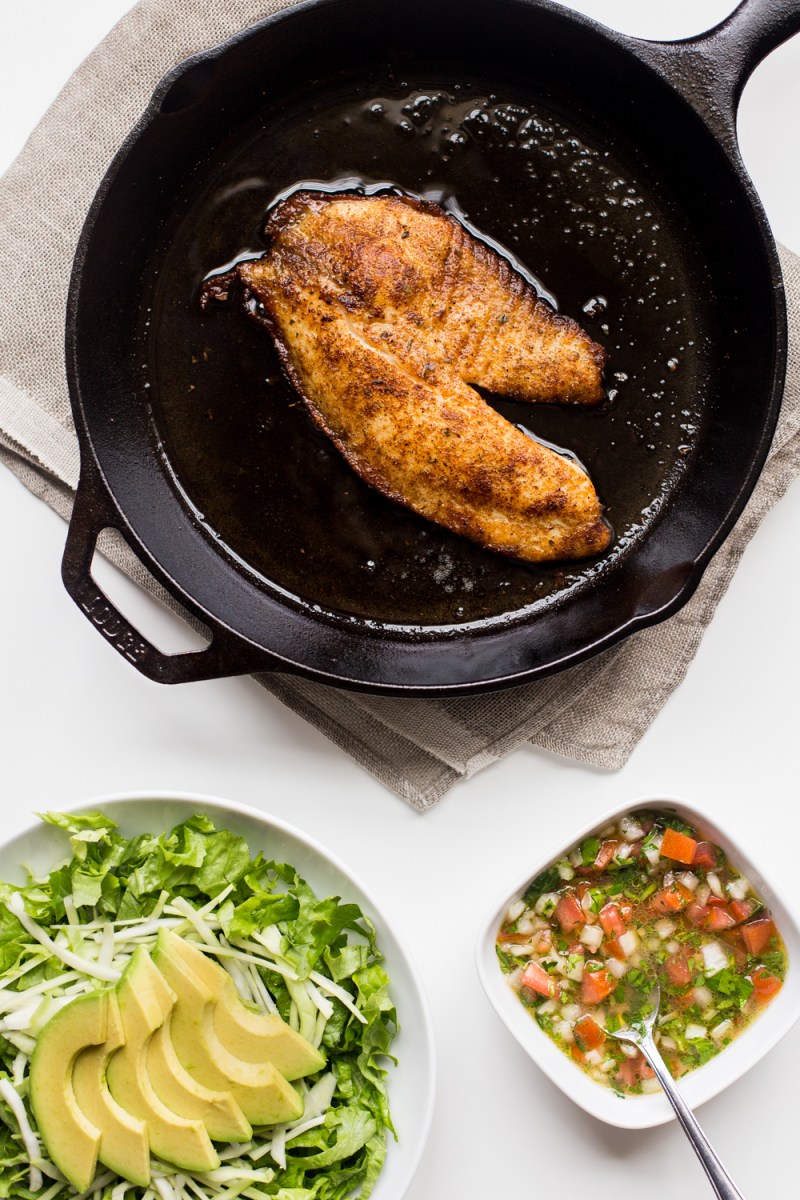
Tilapia has been an important food source in North Africa and the Middle East for thousands of years, but has only recently been gaining ground in the United States. Over the past 50 years, worldwide consumption of this fish has skyrocketed, and for good reason: tilapia is fast-growing, lean, low in mercury, and can thrive on an algae or vegetarian diet.

While wild-caught fish is always preferred, farmed tilapia has an extremely low toxin profile and minimal environmental impact when raised in the right conditions. Tilapia is one of the most sustainable and inexpensive farmed fish; by comparison, it takes over 3 pounds of wild fish to produce only 1 pound of farmed salmon. In a world of decreasing wild fish options, I think it’s prudent to find the next best thing. Seek out tilapia farmed in the United States, as they are better observed than in many other countries, especially fish farms in China and Southeast Asia.

Farmed tilapia does not have the same Omega-3 to Omega-6 ratio as other, wild-caught fish, but it is still an excellent protein source – it just shouldn’t be treated like an Omega-3 rich meal. Instead, we like to think of it as the nutritional equivalent of chicken breast; not a robust source of vitamins and nutrients, but still great to have from time to time.

Read Full Article

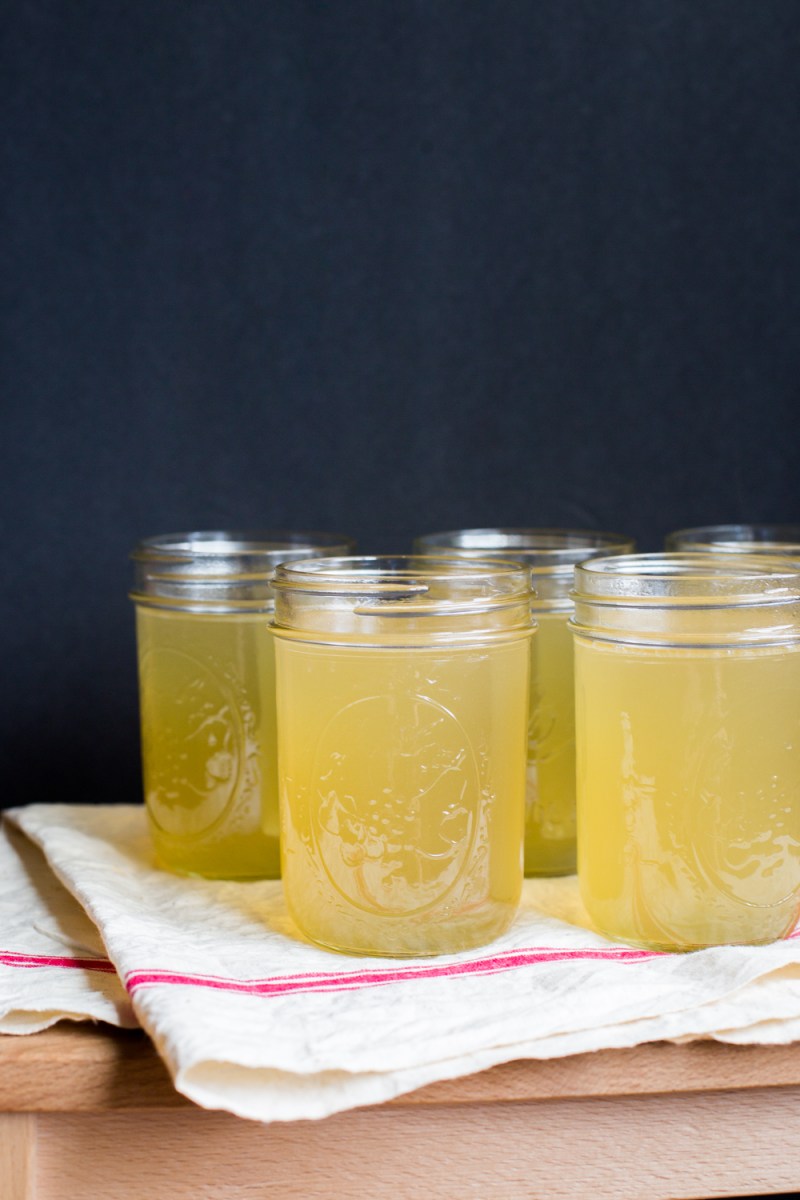
There are two types of people: those who make stock all the time and don’t need or want someone else to tell them how to do it, and those who are intimidated by the process and never start in the first place. The other day, when writing my Blue Crab and Chipotle Bisque recipe, I realized that simply calling for fish stock was a little mean to the latter group, since they might not have some fish stock handy. Honestly, it was a little negligent of me to have this blog for over four years and not post a fish stock guide – after all, what if it was the only thing stopping you from making my delicious Brudet recipe?

One thing in particular I like about fish stock is that it’s surprisingly cheap to make. For example, most fish markets will give you their unused fish heads for free or super cheap. Additionally, I find that the best herbs for making stock are actually the stems of fresh herbs, which means you can save the actual herbs for other cooking creations. Fish stock keeps well in the freezer; we tend to divide the stock into pint jars and leave them in the freezer until we need them. We often use it to whip up a quick fish-based soup, or to add to risotto or fish curries.

Read Full Article

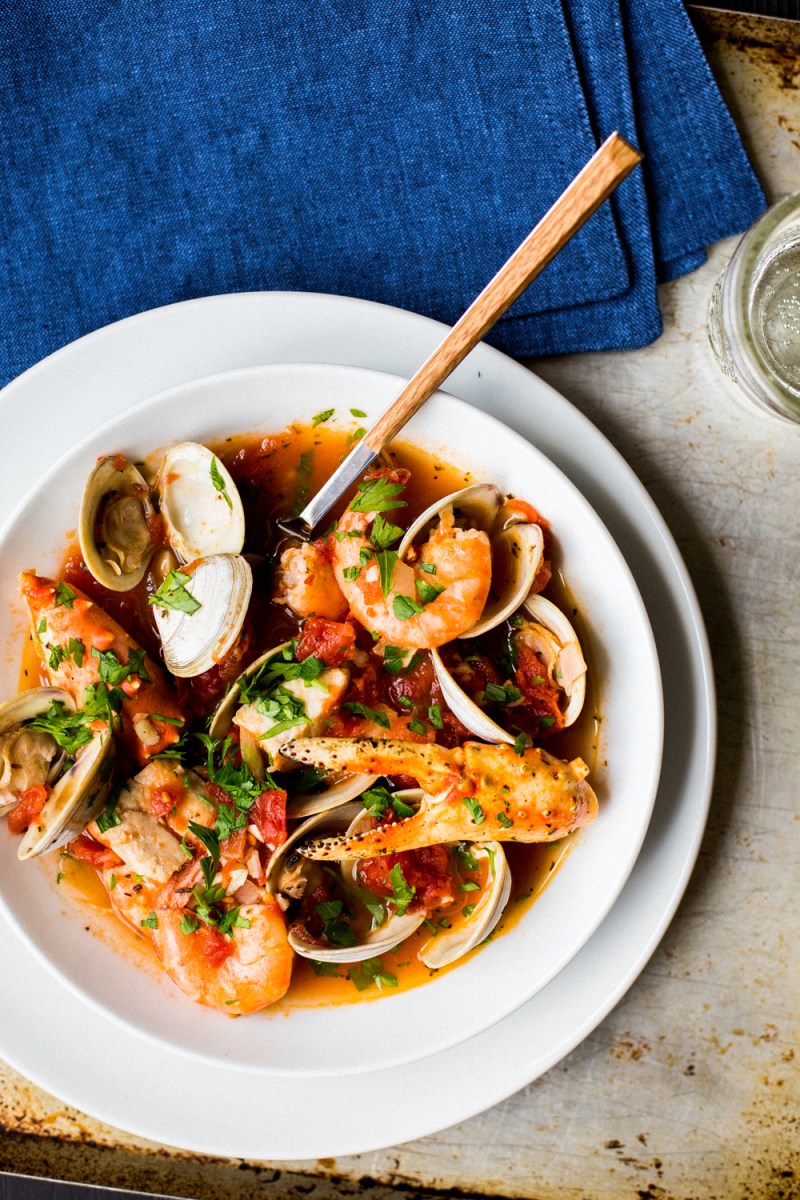
Cioppino is an Italian-American seafood stew first developed in San Francisco in the late 1800s. Originally made by Italian fisherman who had settled in the region, it was crafted directly on fishing boats using rudimentary cooking tools before making its way into local restaurants and beyond. Much like the French Bouillabaisse or the Eastern European Brudet, Cioppino is made with a variety of seafood, depending on whatever is on hand. Also, apparently I’m obsessed with tomato-based seafood stews, because this is my third such recipe in the past year.

The origin of this dish’s name is the subject of some debate. The most likely answer is that it comes from the word ciuppin, which means “chopped” in the Ligurian dialect spoken in Genoa, Italy’s largest seaport, from where many immigrants in the San Francisco area originated. The idea is that fishermen chopped up a bunch of fish for the stew. There’s also a seafood stew from Genoa called Ciuppin, so there’s that, too. But a more compelling origin is that the name comes from Italian-Americans asking their fellow fishermen to “chip in” some seafood for a communal feast, and their broken English formed the word we know today as Cioppino.

No matter its etymology, this is a quick and versatile dish to make for any weeknight or weekend, allowing you to maximize your flavors based on whatever seafood is on sale at your local market. For us, king crab was (somewhat) affordable the other day, so that’s what we used to spice up our dinner. Just stick with the underlying foundation of the recipe and you can’t go wrong.

Read Full Article

So, did you see the news? The Whole30 program now includes white potatoes. For those of you that aren’t familiar with Whole30, it is a 30-day eating program with a moderately strict interpretation of the Paleo template – no alcohol, sweeteners of any kind, or faux foods (like almond flour pancakes); in my cookbook, I reference it as “a tough-love plan to transform your diet.” It’s especially popular right around the New Year, as people look to clean up their eating habits.

Since its inception, the Whole30 has forbidden white potatoes, likely due to the fact that most potatoes are eaten in the form of chips or french fries. I have been an advocate for white potatoes since first changing my diet in 2010, after reading about the Perfect Health Diet. My inclusion of those little delicious tubers on this site has constantly confused readers who were introduced to Paleo through the Whole30 concept. So I’m happy to see that potatoes are gaining more acceptance as a whole food that has just as many nutrients as its favored cousin, the sweet potato.

White potatoes serve as an excellent example of mindful eating. They have a moderately high glycemic load, but studies have shown that it is greatly reduced when eaten with certain foods, especially fats and acids. So be sure to smother your baked potato with butter and sour cream. Also, the skin of white potatoes are high in glycoalkaloids, which can cause gastrointestinal irritation. This is a known issue – in fact, modern potatoes are much lower in glycoalkaloids than in earlier history, as farmers cultivated certain potatoes (especially the russet potato) to be more digestible.

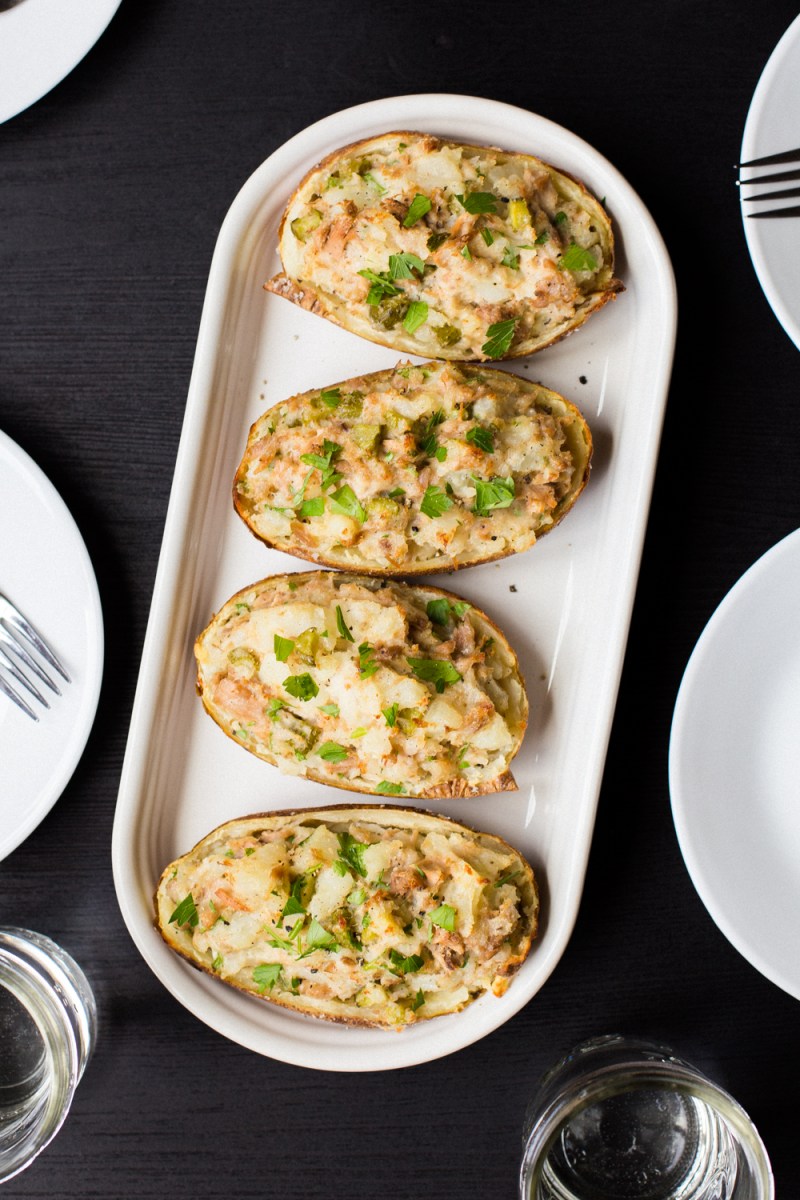
Preparation of potatoes is also important; when compared to white bread, boiled potatoes are 323% more satisfying per calorie. Potato chips? Only 91% as satisfying. That’s why most people are able to easily eat three potatoes’ worth of potato chips, when they’d have a hard time eating three boiled potatoes in one sitting. So at our house, we typically only eat our potatoes boiled (and mashed) or baked. Or twice baked, like in today’s recipe.

Read Full Article

Bacalhau à Brás is a Portuguese dish using salted cod (bacalhau), eggs, and potatoes. The Portuguese were one of the first European cultures to fish for cod, making huge harvests and preserving the fish off the coast of Newfoundland shortly after Columbus discovered the New World. Since then, this salted cod has been an integral part of Portuguese culture, and it’s often said that you can cook a new recipe using bacalhau every day of the year (some say there are over 1,000 recipes that include this fish). Advances in fishing technology in the mid 20th century had collapsed the Northwest Atlantic cod market by the 1990s – cod takes a long time to mature, and overfishing had run rampant. Today, bacalhau is most often made using cod harvested from Arctic waters under more strict quotas.

Bacalhau is made by salting and drying the fish in the sun; while it was originally a method of preservation (salted cod keeps a long time even without refrigeration), its unique, strong flavor is unmistakable and delicious, and its popularity endures today. The only downside to eating bacalhau is that it requires a bit of foresight, since it needs to be soaked overnight to reconstitute the fish.

Bacalhau à Brás is one of the most famous Portuguese dishes, and is considered the ultimate comfort meal in Portugal. The dish uses many of the quintessential ingredients found in Portuguese cooking – bacalhau, eggs, potatoes, and black olives.

Read Full Article

Baltimore/DC friends: Come join me for a cooking demo and holiday social this Sunday! $10 entry to cover grocery costs, space limited to 30 guests. Click here for more info. See you there!

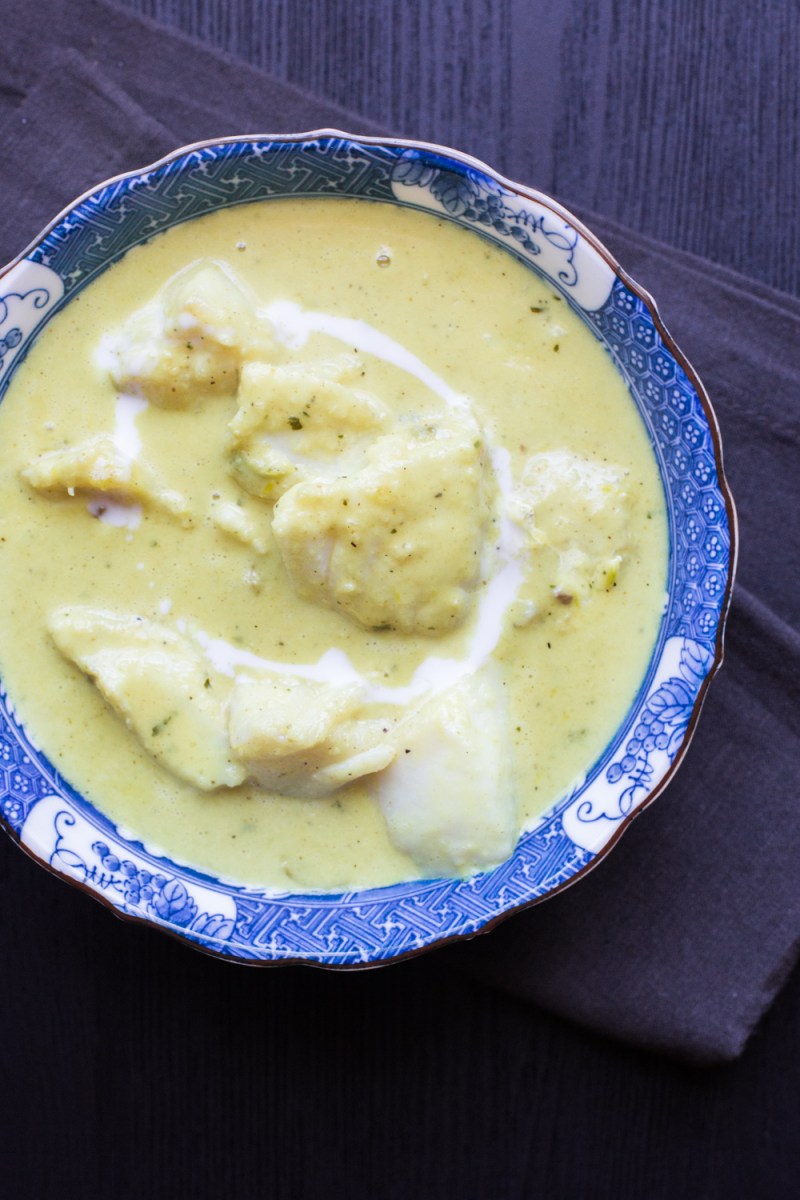
Mas Riha is a fish curry from Maldives, the small group of islands to the Southwest of the Indian subcontinent (it’s officially the smallest country in Asia). The dish is very representative of Maldivian cuisine, which is based on three main staples: fish, coconut, and starch.

While many people associate curries with hot, humid weather, I prefer them in the cold of winter; to me, the contrast of bitter cold weather and tropical food tends to embolden the curry’s flavors. This week is our first real glimpse of winter on the East Coast (there’s snow on the ground as I type this), so it seems like the perfect time to share this recipe. Fish curry is just about perfect, since it needs so little time to cook; you can easily throw together this entire delicious meal in less than 30 minutes.

Read Full Article

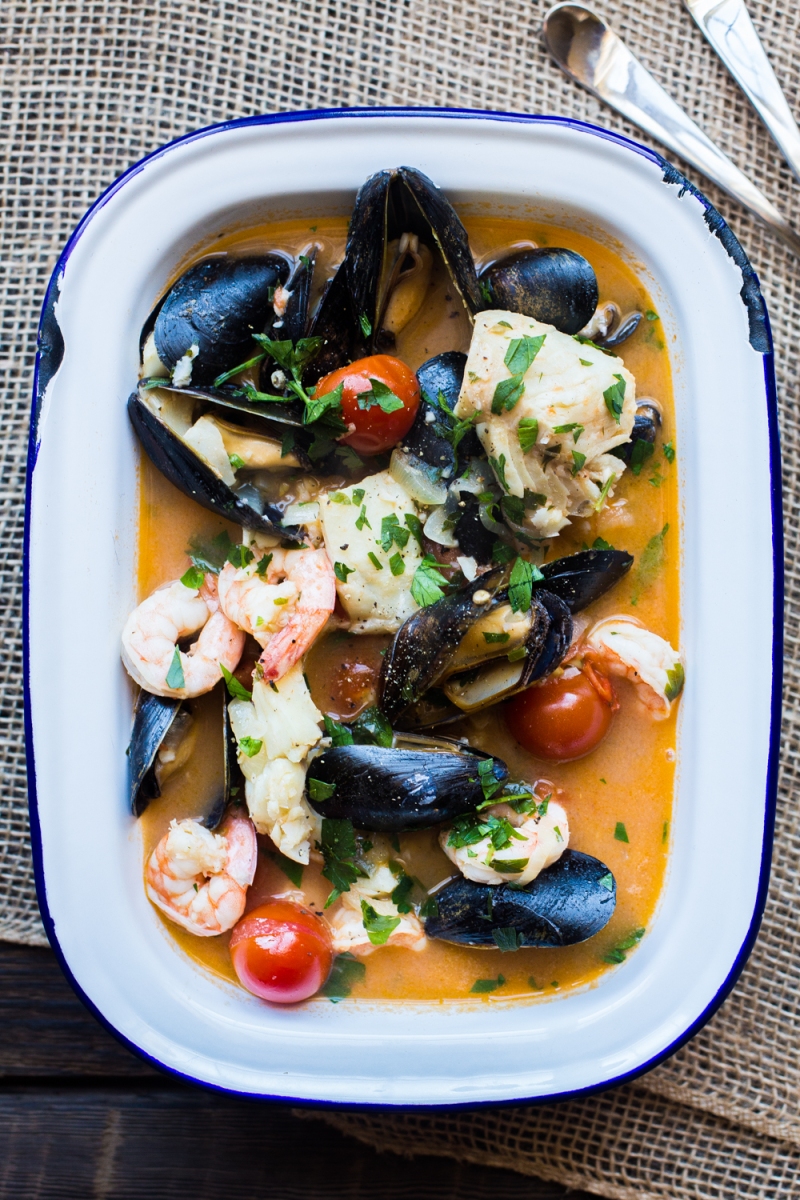
Brudet is a fish stew from Croatia, similar to an Italian Brodetto or Greek Bourdeto. All three are based on the Venetian word brodeto (“broth”). The recipes for each dish are similar; in fact, if you ever find yourself traveling along the Adriatic coast and see a similarly-named dish on a restaurant menu, you can probably bet it’s going to be a delicious fish stew cooked in a tomato base.

While there is a lot of variation to this dish, I like the Croatian version because it is an easy and unassuming approach to making soup. Marinate some fish for a while, then throw everything together at the proper time; it’s a true one-pot dish. Traditionally this dish is made with a mixture of fishes, to include eel, rockling, or coral trout; since they’re hard to come by, I think any firm white fish should be okay. I used cod. Adding shrimp and mussels also gives the stew a more rich and satisfying flavor.

Read Full Article

Mohinga is a Burmese rice noodle soup not unlike many other rice noodles soups found in Southeast Asia, like Pho and Laksa. Mohinga is unique in that it uses a catfish soup stock and it’s typically served for breakfast.

There are many variations of this dish out there, but the most common versions usually include chickpea flour (which I omitted since it’s legume-based) and banana tree stem (which I wasn’t able to find in my area). The fish used to make the stock is often pan fried and added to the soup upon serving. To replace the chickpea flour and pan-fried fish, I used crushed up fish and rice fritters, which was my recipe from last week. It ended up being a very good decision.

Read Full Article

Mankind has been dealing with leftover rice for a long time. While some common uses for old rice are fried rice and congee (rice porridge), rice cakes are also a great way to clean out the fridge. Many variations of rice cakes are made using leftover rice that’s pressed together and steamed or pan-fried. When ingredients are mixed into the rice cake, they often take on a different name, fritter.

In putting together this recipe, I looked to create a dish that has an ideal macronutrient ratio (40% fat, 30% protein, 30% carb), which I achieved by mixing in fish and an egg yolk, and pan-frying them in coconut oil. They came out great, and I plan on using this recipe as a baseline for future creations.

Read Full Article