food

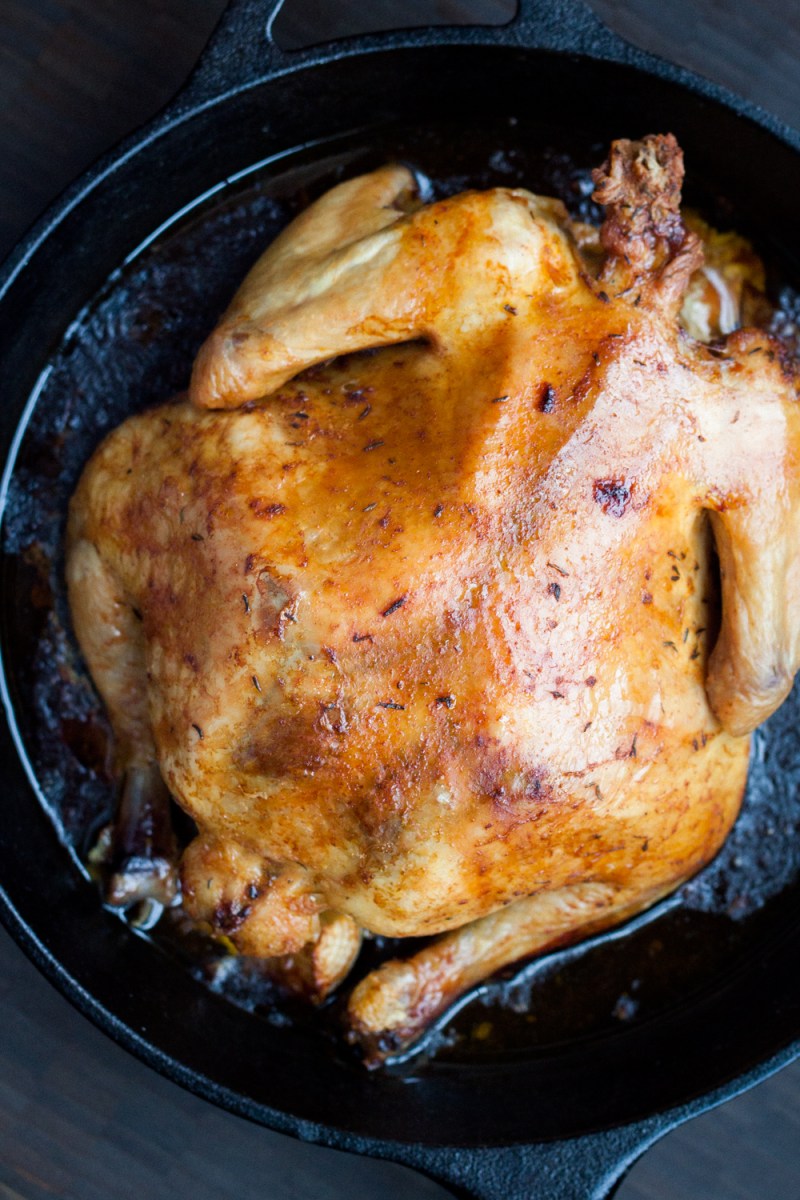
One of my readers recently turned me onto a dish called “Mimi’s Sticky Chicken“, and I was immediately intrigued by its foolproof technique and the mid-1990s feel of Mimi’s website. So I gave it a try, and I liked the recipe enough to share.

This recipe is unique in that it only needs one dish (I used a cast iron skillet), and it uses a relatively low cooking temperature of 250 degrees. Sure, it takes four to five hours to cook the bird, but it’s worth the wait.

Read Full Article

A couple months ago I wrote a guest post talking about easy ways to incorporate healthy eating into your life, and I decided to revise it a bit and put it up here on the site for posterity’s sake.

It is no secret that I follow a mostly Paleo-minded way of eating and cooking (more specifically, a model based on the Perfect Health Diet). And while the Paleo diet is a lot of fun and a great template to eat from, it’s a pretty drastic change from your standard, everyday Western fare. Switching to a Paleo way of eating is a major adjustment, and one that many people aren’t willing to jump into headfirst. And I get that. So I wrote up a few steps that anyone can take that aren’t drastic, or terribly inconvenient, but are big steps towards eating better. Think of this as the first steps in easing into an ancestral diet at your own pace.

Read Full Article

NOTE: An updated version of this recipe appears in my cookbook, The Ancestral Table.

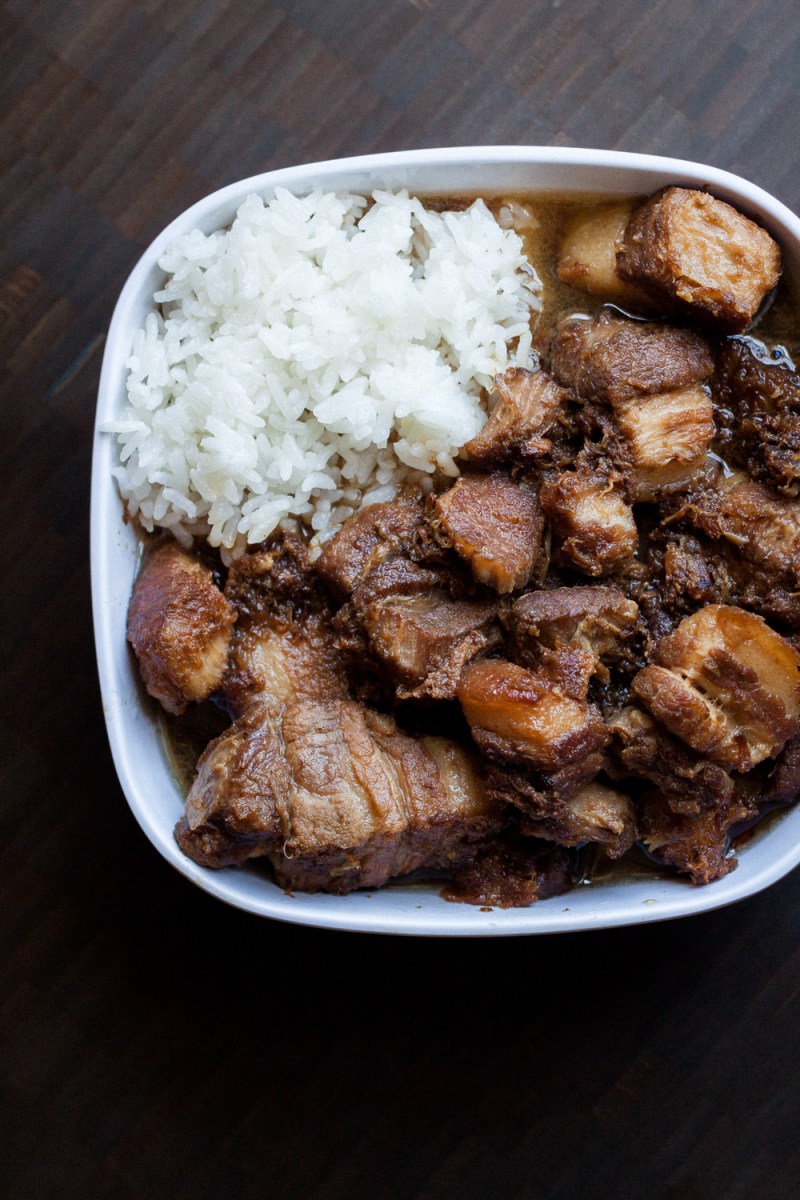
Adobo, often considered the national dish of the Philippines, is a method of stewing meat in vinegar. The word “adobo” itself is linked to a Spanish method of preserving raw meat by immersing it in a mixture of vinegar, salt, and paprika. When the Spanish observed an indigenous Philippine cooking method involving vinegar in the 16th century, they referred to it as adobo, and the name stuck. Interestingly, the original Filipino name for this dish is no longer known.

Read Full Article

Some eagle-eyed readers may recall that in my Memphis-style barbecue beef back ribs recipe from earlier this year, I only used half of the huge 16 lb. package of beef back ribs that US Wellness Meats sent me. I had been eyeballing the remaining two racks of ribs for a while and I decided to take a different approach to the ribs this time; the Memphis-style recipe was a lot of fun, but it also took a lot of work (and some specialized equipment) to get that perfect taste. This time around, I wanted to make something that was ridiculously easy and still produced some high-quality, juicy, and tender beef ribs.

So I turned to my dear old gas grill, and let the magic of indirect heat run its course.

Read Full Article

NOTE: An updated version of this recipe appears in my cookbook, The Ancestral Table.

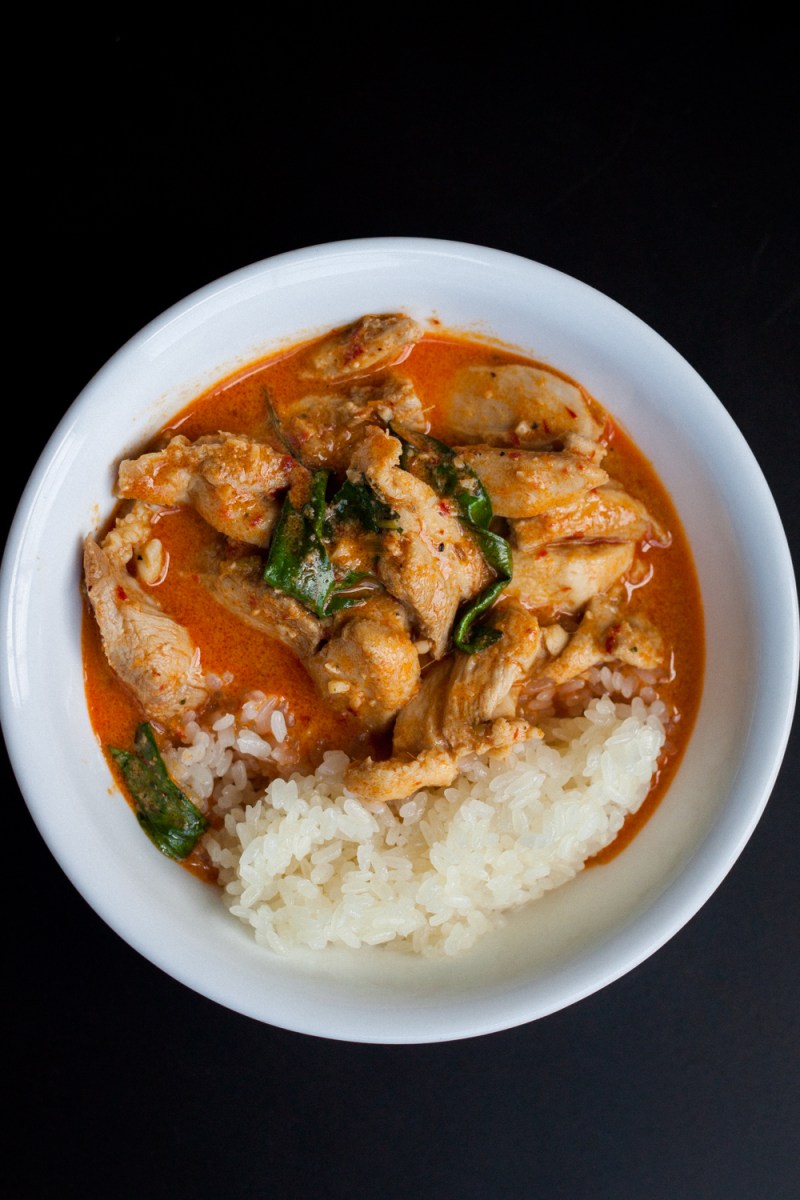
Like I had mentioned in my Panang curry paste recipe, Panang (also spelled พะแนง, Penang and Phanaeng) curry is a mild Thai curry that gets its name from the Malaysian island of Penang. It is similar to Thai red curry but is richer and creamier, and typically uses crushed peanuts as a major part of the dish (I personally use cashews). It is often served with beef, pork, chicken or shrimp in Thai restaurants in the United States, although beef is the traditional meat used in this dish. We love to make this curry with all of these meats, but typically we use chicken for its taste and texture.

Read Full Article

NOTE: An updated version of this recipe appears in my cookbook, The Ancestral Table.

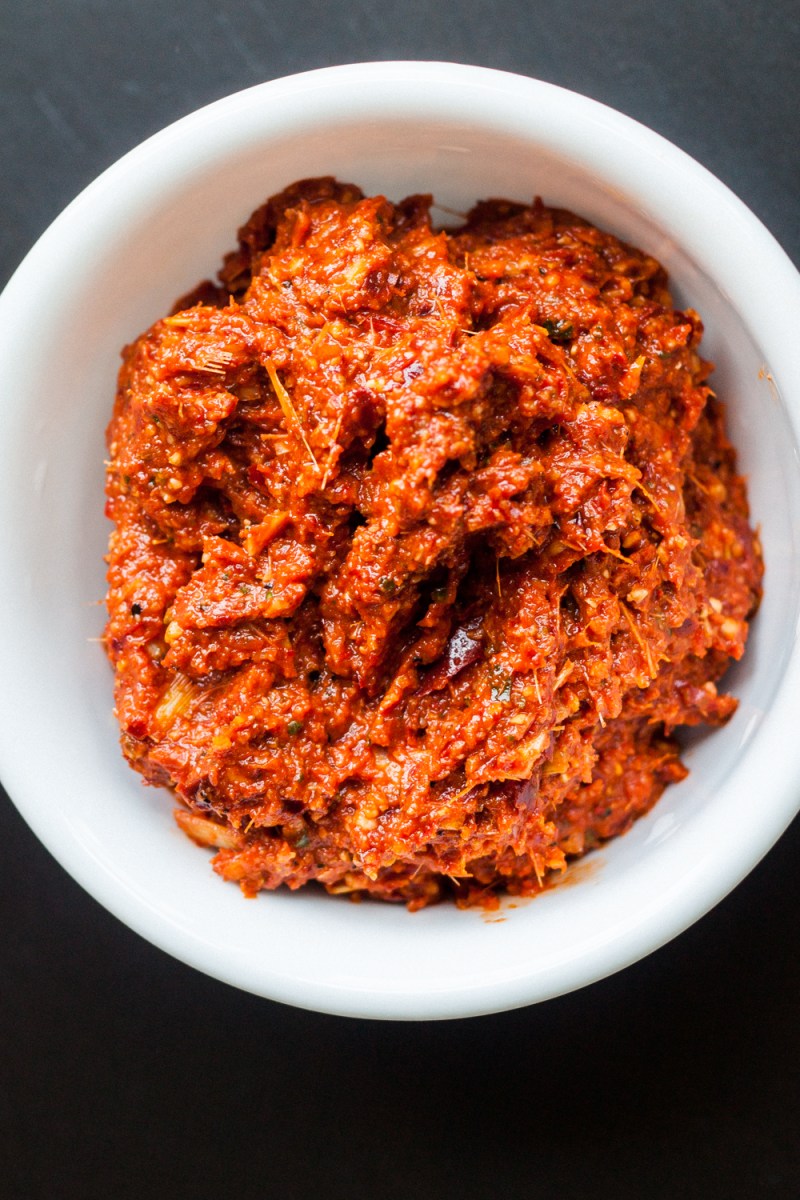
Panang (also spelled Penang and Phanaeng) curry is a mild Thai curry that gets its name from the Malaysian island of Penang. It is similar to Thai red curry but is richer and creamier, and typically uses crushed peanuts as a major part of the dish (I personally use cashews). It is often served with beef, pork, chicken or shrimp in Thai restaurants in the United States, although beef is the traditional meat used in this dish.

While the pre-made Panang curry pastes from Maesri and Mae Ploy are both excellent, they are more spicy than I would like. Reducing the amount of paste used or adding extra coconut milk just makes for a bland meal, so I decided to develop a mild Panang curry paste of my own that could then be adjusted for spiciness. As an added bonus, my recipe is also free of added sugar, unlike the pre-made pastes!

Click here to see this paste in action, in my Chicken Panang recipe.

Read Full Article

One of our favorite occasional indulgences is Chinese dim sum, and one of my favorite dim sum dishes is spare ribs with black beans. In Asia, black beans (douchi) aren’t the same black beans you get at Chipotle; they’re actually a fermented and salted version of soy beans. This recipe is basically my take on this dish but without the beans.

Part of this dish’s unique taste is the combination of sweet and salty with a subtle fermented twinge – in order to pull this signature fermented taste off, I added dashes of oyster sauce and fish sauce, and it came out beautifully.

Read Full Article

As summer hits (it’s 102 degrees as I type this!), no one’s really in the mood to cook an extravagant creation. I get that. That’s why I have simple, easy recipes like my little eggplant pizzas to get through the scorching days. There’s not a whole lot to this recipe, but it’s the perfect little distraction that seems to be most appealing when we don’t want to spend a lot of time in the kitchen.

In general I don’t like using the oven while it’s hot out, but these little babies cook up relatively fast so I don’t mind them so much.

Read Full Article

NOTE: An updated version of this recipe appears in my cookbook, The Ancestral Table.

Cabbage rolls are found all over Europe, Asia, and the Middle East. They are staple dishes in Croatia, Poland, Ukraine, Russia, and Sweden; in Russia, they’re called голубцы (golubtsy) and make regular dinnertime appearances in most homes.

There is some controversy over the origin of the dish. One common theory is based on its name, which could be linked to the word Russian word for pigeons (голуби). Russian cuisine and culture was heavily influenced by the French in the 17th and 18th centuries, and these stuffed cabbage rolls could be an attempt to recreate roasted pigeons, a popular French dish at the time.

Read Full Article

Let’s talk about corn a little bit. Although it’s a grain, it is considered moderately safe depending on individual tolerance, so this year our family has decided to try and re-introduce it into our diet. We don’t plan on eating corn that often (heck, I mentioned that I was going to eat corn six months ago and I’m just now getting around to it), but we like the idea of adding a little variety to our eating habits. Mainly, we plan on eating it in the form of tortillas, popcorn, and these little pieces of heaven you see in this recipe: arepas.

Arepas are corn cakes that are popular in Venezuela, Colombia, and other parts of Latin and South America. They couldn’t be simpler to make – ground corn, water, and salt – but they bring a unique texture to other foods. Something about the crispy outside and slightly-mushy inside make them the perfect little sandwich pockets. It’s hard to describe, but they have a density and feel not unlike buttermilk biscuits, but a little grittier.

Read Full Article