gluten free

As summer hits (it’s 102 degrees as I type this!), no one’s really in the mood to cook an extravagant creation. I get that. That’s why I have simple, easy recipes like my little eggplant pizzas to get through the scorching days. There’s not a whole lot to this recipe, but it’s the perfect little distraction that seems to be most appealing when we don’t want to spend a lot of time in the kitchen.

In general I don’t like using the oven while it’s hot out, but these little babies cook up relatively fast so I don’t mind them so much.

Read Full Article

Drumsticks are a great cut of chicken. My three-year-old son loves them, since they come with “handles” and he gets to eat with his hands. To celebrate these little legs I decided to write up a quick, foolproof recipe for grilling drumsticks.

They are also one of the easiest and most rewarding pieces of chicken to grill, because it’s hard to mess them up. Chicken breasts are great, but they have a very small window of juiciness, and will dry up quicker than a jackrabbit in a thunderstorm. Whole chickens are also fun to grill, but are best when brined, which can take some time and planning. Thighs are another good option, but let’s be honest here – they’re just not as fun as drumsticks.

Read Full Article

Let’s talk about corn a little bit. Although it’s a grain, it is considered moderately safe depending on individual tolerance, so this year our family has decided to try and re-introduce it into our diet. We don’t plan on eating corn that often (heck, I mentioned that I was going to eat corn six months ago and I’m just now getting around to it), but we like the idea of adding a little variety to our eating habits. Mainly, we plan on eating it in the form of tortillas, popcorn, and these little pieces of heaven you see in this recipe: arepas.

Arepas are corn cakes that are popular in Venezuela, Colombia, and other parts of Latin and South America. They couldn’t be simpler to make – ground corn, water, and salt – but they bring a unique texture to other foods. Something about the crispy outside and slightly-mushy inside make them the perfect little sandwich pockets. It’s hard to describe, but they have a density and feel not unlike buttermilk biscuits, but a little grittier.

Read Full Article

NOTE: An updated version of this recipe appears in my cookbook, The Ancestral Table.

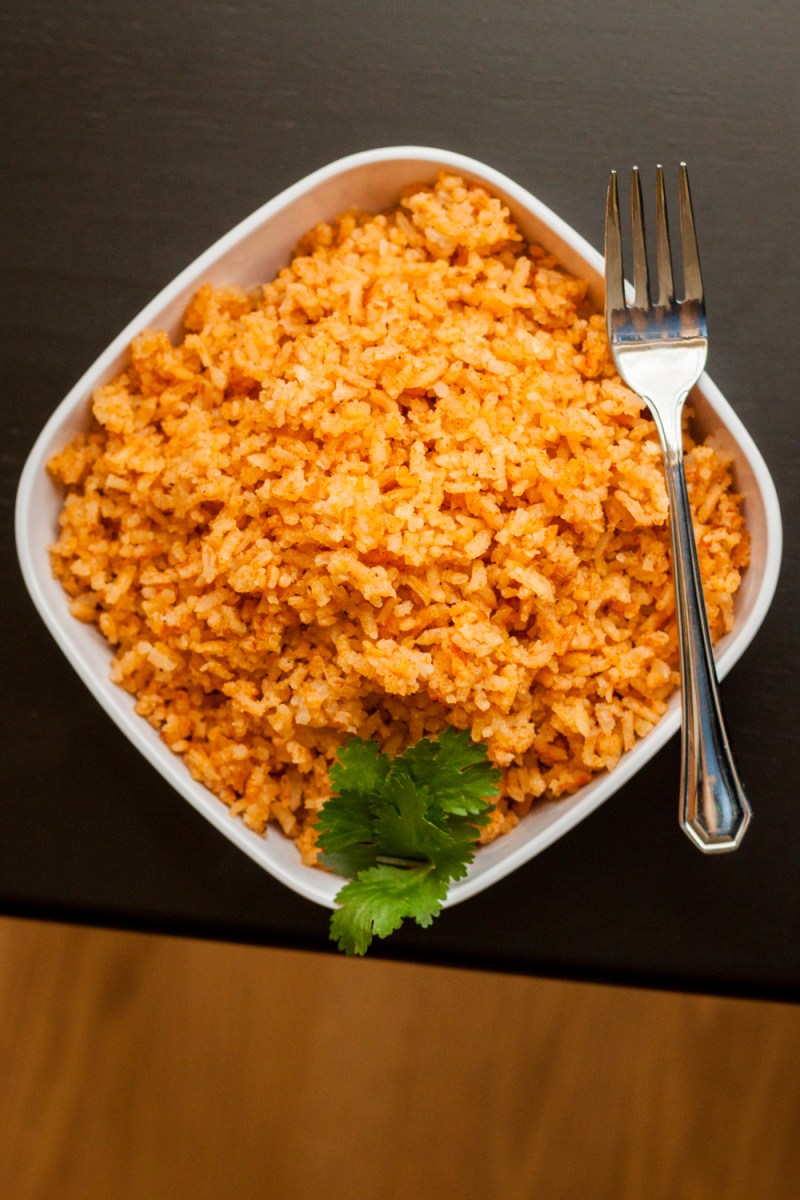
You know what doesn’t get enough credit? White rice. It helps feed a large portion of the world, and is a relatively safe starch. Sure, it doesn’t have a lot of nutritional value, but it can easily become a vessel for other nutrients. Enter my Mexican rice recipe, which is chock-full of tasty and healthy stuff like grass-fed butter/ghee, tomato sauce, and homemade chicken stock.

Although it’s often called “Spanish rice” here in the US as well Mexican rice, no such thing exists in Spain. I’ve been making this side dish for several years, well before switching my diet. For this dish I like to simulate your standard Mexican restaurant rice – tangy, slightly salty, and with a tiny hint of chicken thanks to its use of broth/stock.

Read Full Article

NOTE: An updated version of this recipe appears in my cookbook, The Ancestral Table.

We don’t eat fried foods that often, but every once in a while I get a craving for something crispy and crunchy. So I set out to make a gluten-free, Paleo-friendly Southern Fried Chicken. Bear in mind that this isn’t a smart choice for your everyday meals, but it’s a great way to change things up every once in a while.

The creation of Southern Fried Chicken is the result of several different influences: fried chicken was a West African delicacy brought over to the US by slaves, the mass-production of pork in the South made lard readily available, and the popularity of cast iron cookware in the 19th century created the fried chicken we now associate with the South. I kept my recipe true to those historical precedents, including the use of buttermilk as a marinade. If you’re dairy-free, omitting the buttermilk marinade will still leave you with a pretty tasty fried chicken.

Read Full Article

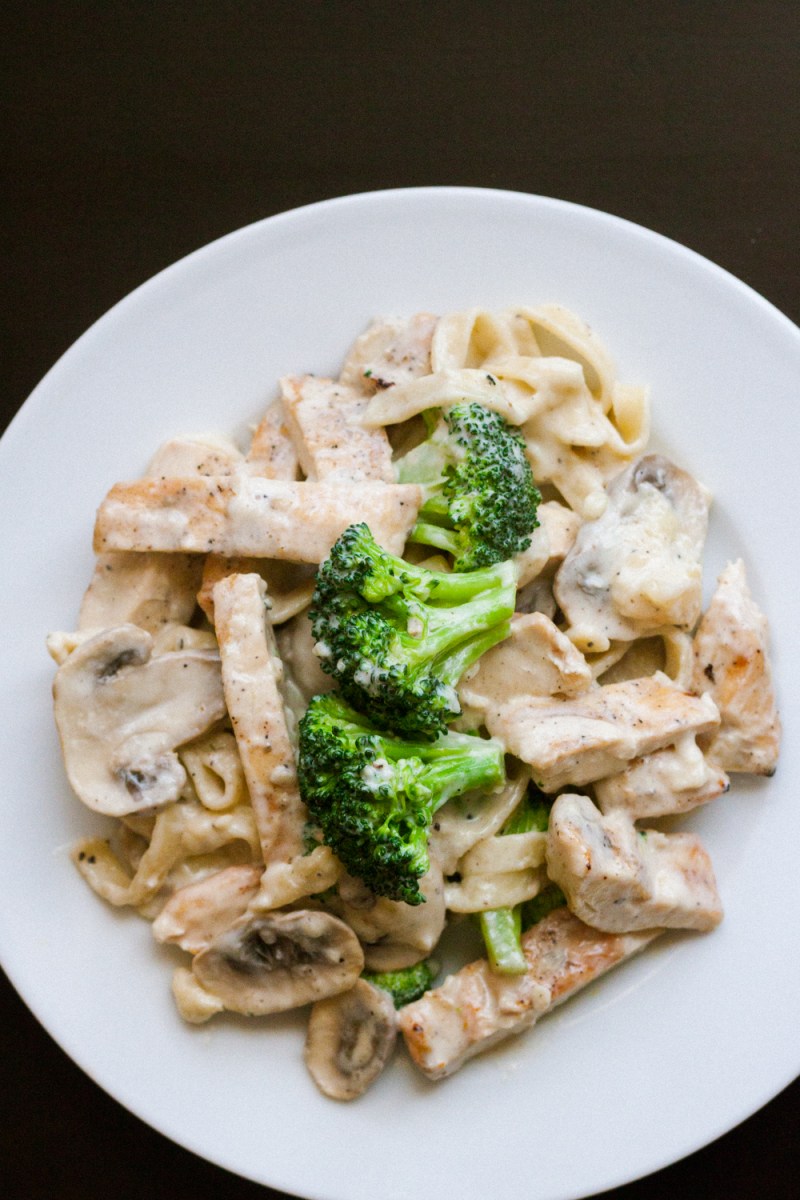
And here it is, one of my most treasured and well-known recipes (at least to my family and friends). I’ve been making Fettuccine Alfredo in this same manner since I first learned how to make it nearly fifteen years ago.

While pasta dishes tossed with butter and cheese have been around for a long time, the term “Fettuccine Alfredo” is based on the signature dish of Alfredo Di Lelio’s restaurant (aptly named “Alfredo”) which opened in Rome, Italy in 1914. American tourists grew to love the dish and bring it back here to the US; while we Americans often add ingredients like chicken, shrimp, mushrooms, or broccoli to the dish, it’s commonly served without add-ins elsewhere in the world.

Read Full Article

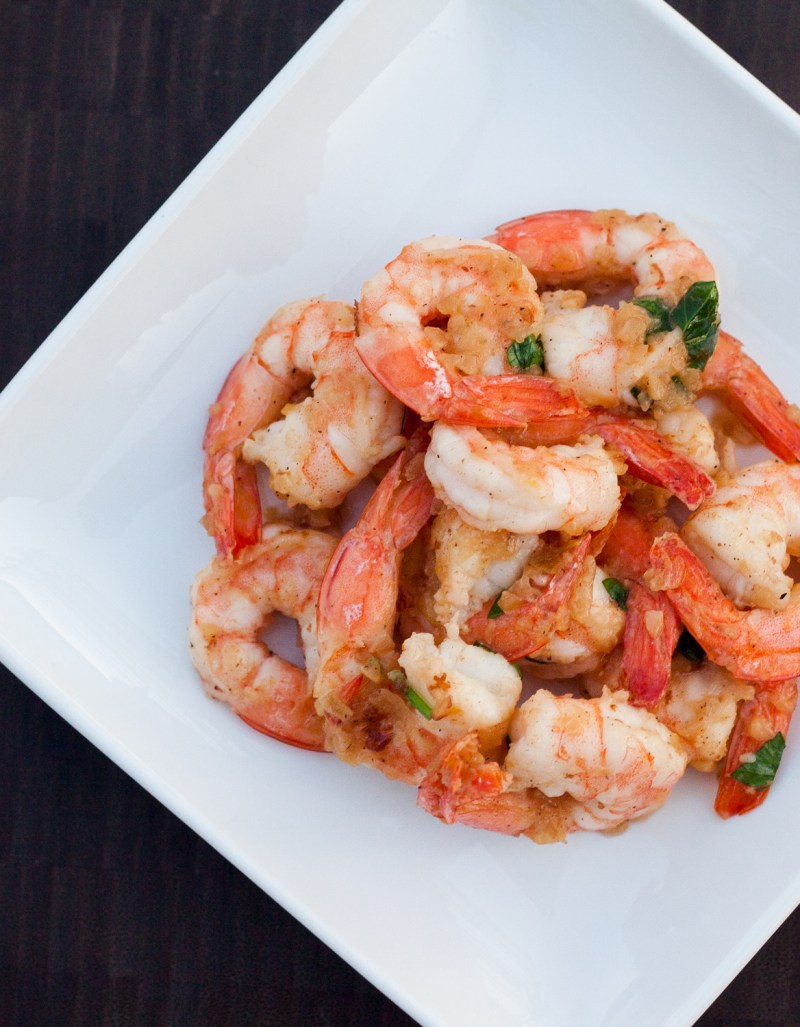
It may sound funny, but “scampi” is actually the culinary name for Nephrops Norvegicus, commonly known as the Norway lobster or Dublin Bay prawn. In Europe (Britain and Italy especially) “scampi” refers to the tail meat of this small lobster. Here in the US the word “scampi” most often refers to a style of preparation involving butter, garlic, and white wine used mainly with shrimp. However, I’ve seen “chicken scampi” in several restaurant menus, which often incites a chuckle.

I love making this dish because it’s both easy and decadent; it’s not often you can make something so delicious in just 20 minutes using ingredients you probably mostly have at home already.

Read Full Article

I was recently asked by the fine folks at Cappello’s to try out their unique line of fresh gluten-free, grain-free pasta, and I was excited to get my hands on their product. First of all, I have a special place in my heart for Italian dishes; I started to realize that I was pretty good at this whole “cooking” thing when I first started to focus on and perfect a few Italian meals, many years ago. Secondly, while we do eat dishes using boxed rice noodles from time to time, nothing beats fresh pasta.

The pasta is made using mainly egg and almond flour, and has a taste and consistency that is the best I’ve experienced from a non-wheat product. Read on for some more pictures and details, and I will have the recipes for each of these products up on the site over the next two weeks.

Read Full Article

NOTE: An updated version of this recipe appears in my cookbook, The Ancestral Table.

Although there are variations of potato/kale combos found all over Europe, I’m inclined to believe that the Irish variation, colcannon, is grandaddy of them all. First of all, the Irish basically own the creative rights to cabbage. The Romans introduced cabbage to most of Europe back in the day, except that when they got to Ireland it was already there! By tracing the word for cabbage linguistically, it appears that cabbage has been a part of the Irish (well, Celt at the time) diet since the Iron age. Potatoes weren’t introduced to Europe until the 16th Century, with the Irish and French being the first to really embrace them, and so colcannon came about sometime thereafter.

Although colcannon is treated as a St. Patrick’s Day dish here in the US, it’s traditionally a Halloween dish in Ireland. Some families would put a plate of colcannon outside their front door with a large chunk of butter in the middle to feed ghosts/fairies that were passing by. It also was closely related to marriage divination, in that trinkets (wedding rings, coins) would be hidden in the colcannon and the girl that found the trinket would be the next to marry.

Read Full Article

I have a confession to make: it’s not often that I invent a recipe out of thin air. Usually I tend to re-create tried-and-true traditional dishes using a wide array of sources. However, with today’s recipe – a roasted pork sirloin – I made the whole thing up, mostly out of necessity. Although there are a lot of recipes out there for how to cook pork sirloin, many of them looked less than great, and there didn’t seem to be a universal approach to cooking this cut of pig.

I chose to tackle this dish for another reason, as well: it’s a fairly affordable cut of pork. That seems like a tragedy – to have an affordable, readily-available selection of meat available but no tasty method of preparation – and I wanted to fill that vacuum. Luckily, US Wellness Meats agreed with me, and let me try out one of their 4-lb. Pork Sirloin Roasts.

Read Full Article