health

NOTE: An updated version of this recipe appears in my cookbook, The Ancestral Table.

A tagine is a type of slow-cooked Moroccan stew, which gets it name from the pot it is usually cooked in, also named tagine (طاجين). It is often spelled as tajine as well. A typical tagine is made with cheaper cuts of lamb or beef, like shoulder or shank, but can also be used with chicken and seafood. Seasonal fruits like dates, raisins, and apricots are often used, as well as honey and preserved lemons.

For this recipe, I decided to make a baseline lamb tagine dish – no frills or gimmicks, just a simple template for you to follow. Feel free to experiment with tastes, especially different veggies (potatoes and olives add an interesting dynamic) and meats as you see fit. Since preserved lemons aren’t the easiest thing in the world to find (although making them yourself seems pretty easy), using chopped lemon rind works almost as well, and it’s what I usually use at home. Lastly, while tagines are very pretty looking, that’s a lot of cookware just for one type of dish – my trusty Le Creuset dutch oven worked out beautifully, as always.

Also, don’t forget that I am hosting a $50 gift card giveaway for Lava Lake Lamb this week! I used their delicious lamb shoulder for this recipe, and I can’t say enough good stuff about how well it turned out.
Read Full Article

NOTE: An updated version of this recipe appears in my cookbook, The Ancestral Table.

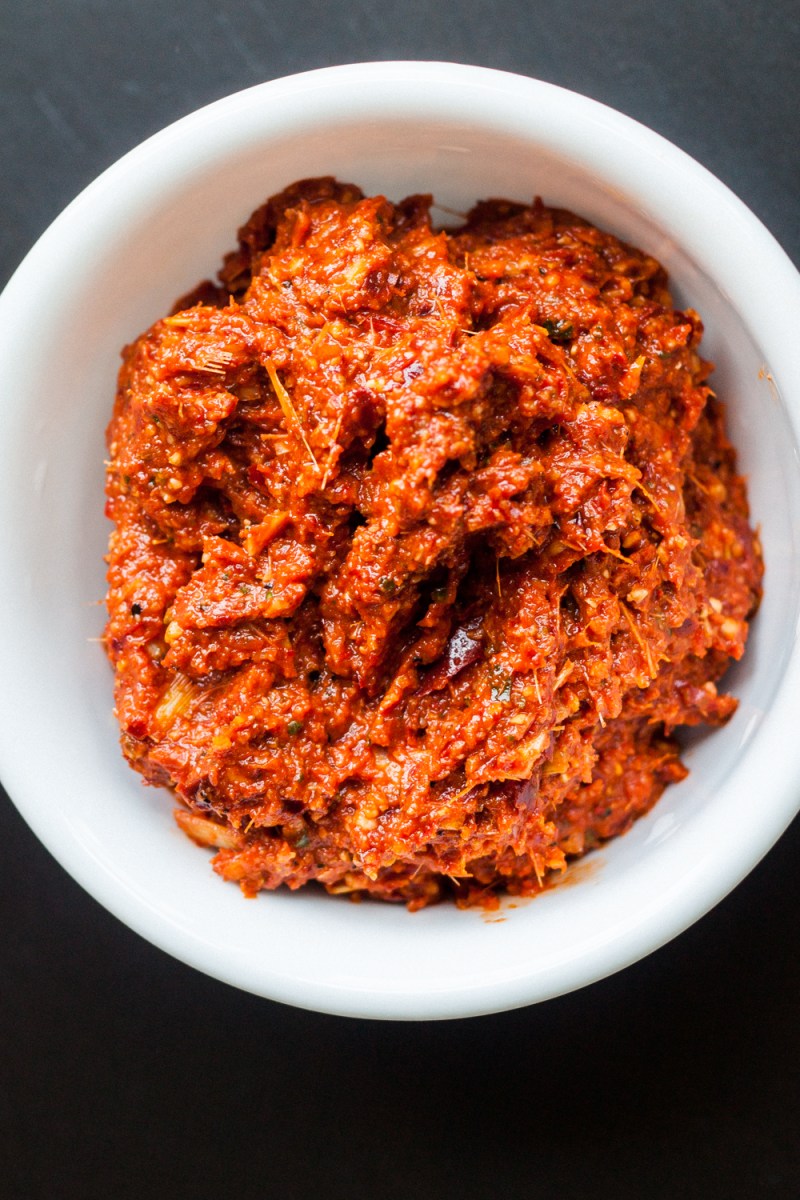
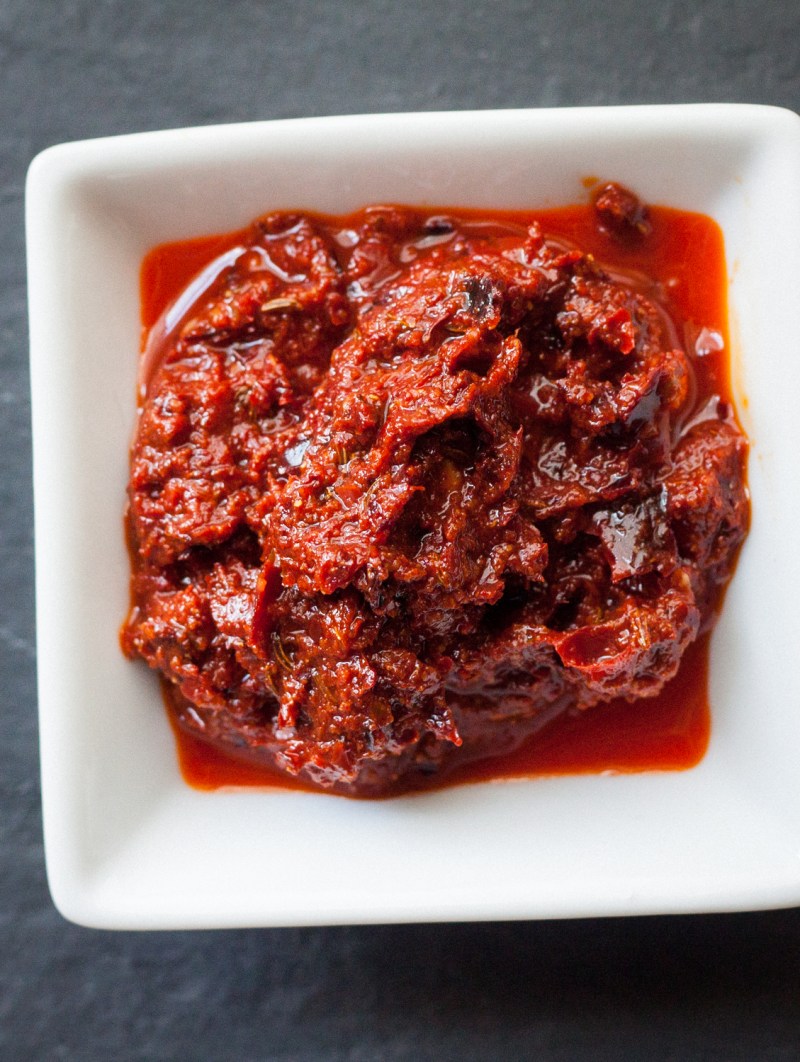
Harissa (هريسة) is a North African chili sauce, commonly used as a condiment and curry base in Tunisia, Libya, Algeria, and Morocco. Its complex and slightly spicy taste is often compared to a similar Asian sauce, the equally-delicious almighty Sriracha. There is a lot of variation in the sauce, but the recipe I developed is one that pairs well with many curry sauces, including my Lamb Tagine recipe.

While there is mention of Harissa as early as the 13th century, it probably didn’t take the form we recognize today until later, since chili peppers arrived in Europe and Africa following Columbus’ discovery of the New World.

Read Full Article

NOTE: An updated version of this recipe appears in my cookbook, The Ancestral Table.

Pão de Queijo is a traditional cheese bun popular in South America, most especially in Brazil. The dish has been around since the 17th century, and was made with just tapioca starch and water before the widespread domestication of cattle in Brazil in the 1800s. Today, it’s a popular breakfast food and can be found in most bakeries in Brazil.

Cheese buns are some of our favorite non-bread breads to make. They’re dead simple – mostly tapioca starch and hard cheese – and are a great complement to many meals (not just breakfast). We first discovered them in our pre-Paleo days at a Fogo de Chao Brazilian steakhouse. Later we started making them using pre-packaged Chebe brand dry mixes, until we found out that the Jaminets over at Perfect Health Diet had posted a recipe of their own. My recipe is very close to theirs, the only main difference being that I use a combination of cream and water instead of milk (there’s nothing wrong with making it with milk, but I have an easier time digesting cream than milk). I’ve also adjusted the portion sizes so that our recipe only makes 15-20 cheese balls – otherwise, that’s all we would be eating at every meal!

Read Full Article

NOTE: An updated version of this recipe appears in my cookbook, The Ancestral Table.

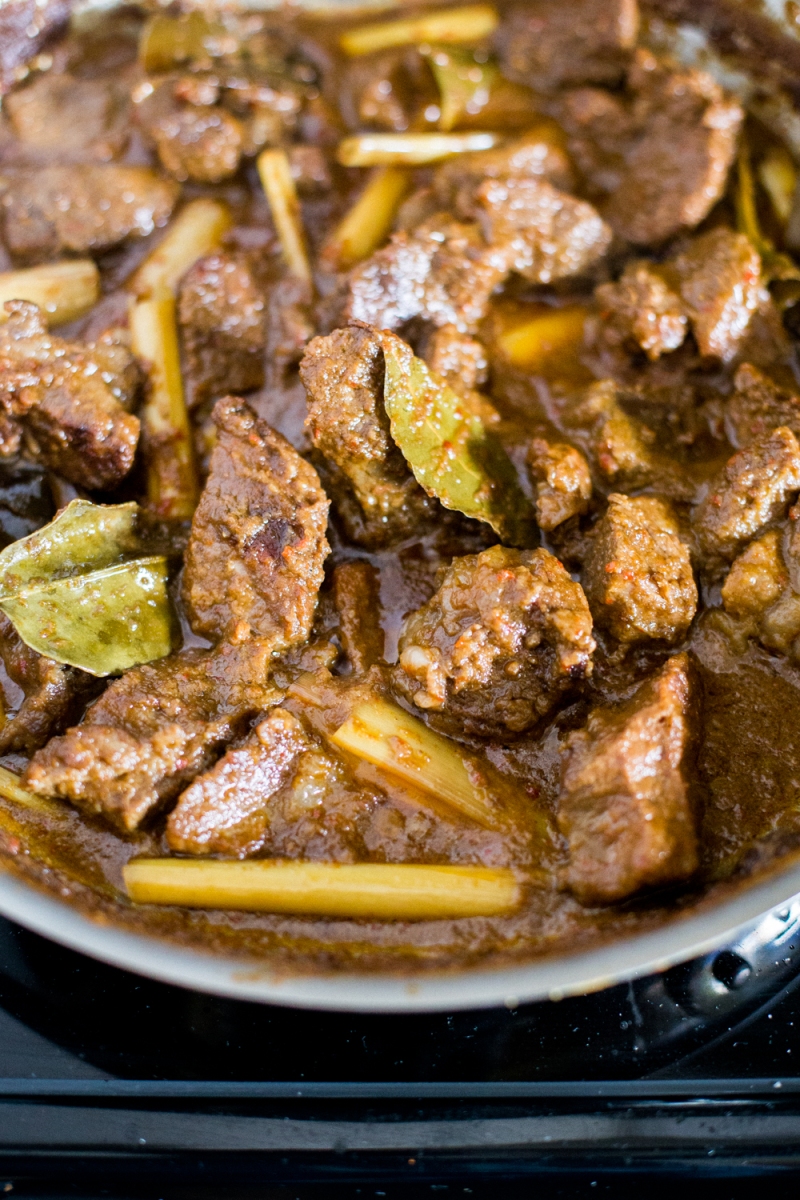
Rendang is a dry curry originating among the Minangkabau people of West Sumatra, and later spreading throughout Indonesia and Malaysia. It’s one of the most recognizable Southeast Asian dishes, with its distinct…well, ugliness and signature intensity. This “dry” method consists of simmering down coconut milk for several hours to intensify the flavors (and also preserve the meat, which was probably how the dish was started). The end result is a taste so significant that it can be downright overwhelming.

Rendang is usually made with beef, but it can sometimes be found using mutton or water buffalo. For this dish, I used a combination of TX Bar Organics’ delicious and lean stew meat, and a pound of fattier chuck roast. This allowed me to use the chuck roast’s rendered fat to brown the beef during the last stage of cooking.

Read Full Article

NOTE: An updated version of this recipe appears in my cookbook, The Ancestral Table.

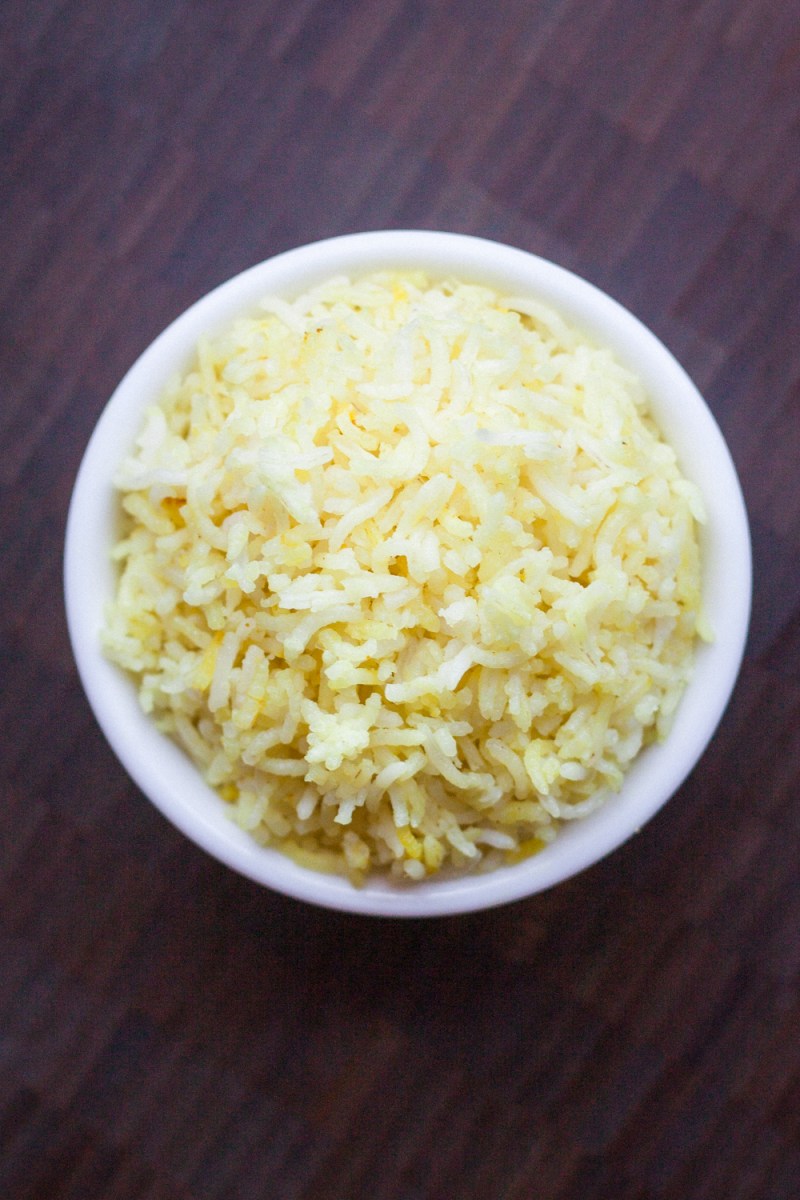
Basmati rice is an aromatic long-grain rice that originated in the Himalaya mountain foothills. It carries a lower glycemic index than short-grain rice, thus having less of an effect on insulin and blood sugar levels than most other forms of rice. Its non-sticky texture also goes well with certain dishes, especially curries.

Before we move on, I’d like to address the fact that white rice even exists on a Paleo-friendly website, since one of the main points of the Paleo diet is avoiding grains. Rice has the lowest toxicity of all cereal grains, and most of rice’s toxins (phytates, trypsin inhibitor, and haemagglutinin-lectin) exist in the rice bran – which is found in brown rice – hence my white rice preference. In fact, white rice has less phytic acid than many foods considered completely safe by Paleo standards, including coconut, walnuts, sesame seeds, almonds, and brazil nuts. Additionally, most of the remaining toxins are destroyed in the cooking process. So, rice is low in toxins, but not necessarily nutritious when compared to meats and veggies. My Paleo hero, Paul Jaminet, suggests a 10% dietary calorie limit on rice, which suits our tastes perfectly. Additionally, when eating rice at the house, we tend to use it as a vehicle for other nutrients: cooking the rice in broth instead of water, or steaming with butter/turmeric/coconut milk as in today’s recipe.

Okay, enough nutrition talk. Let’s make some delicious, guilt-free basmati rice. I should note that this recipe in particular is modeled after the Indonesian rice dish Nasi Kuning, but with less coconut milk and turmeric that what is usually used.

Read Full Article

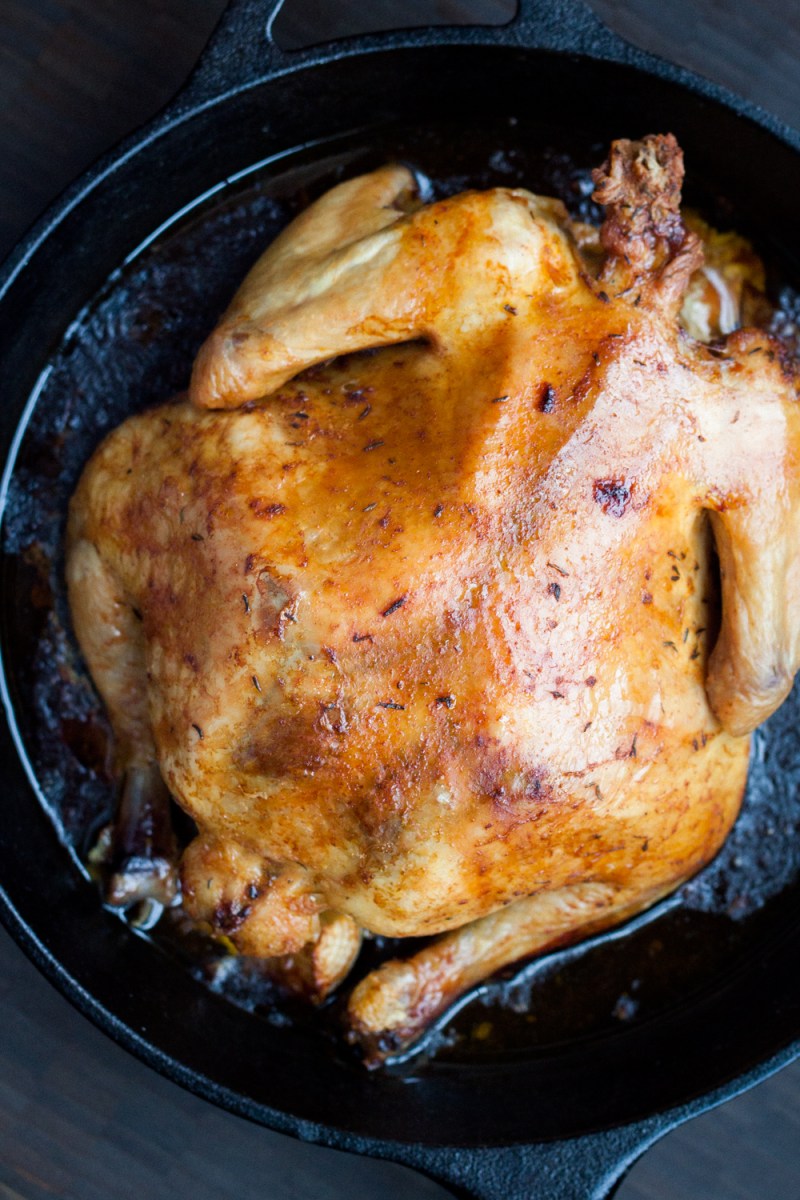
One of my readers recently turned me onto a dish called “Mimi’s Sticky Chicken“, and I was immediately intrigued by its foolproof technique and the mid-1990s feel of Mimi’s website. So I gave it a try, and I liked the recipe enough to share.

This recipe is unique in that it only needs one dish (I used a cast iron skillet), and it uses a relatively low cooking temperature of 250 degrees. Sure, it takes four to five hours to cook the bird, but it’s worth the wait.

Read Full Article

A couple months ago I wrote a guest post talking about easy ways to incorporate healthy eating into your life, and I decided to revise it a bit and put it up here on the site for posterity’s sake.

It is no secret that I follow a mostly Paleo-minded way of eating and cooking (more specifically, a model based on the Perfect Health Diet). And while the Paleo diet is a lot of fun and a great template to eat from, it’s a pretty drastic change from your standard, everyday Western fare. Switching to a Paleo way of eating is a major adjustment, and one that many people aren’t willing to jump into headfirst. And I get that. So I wrote up a few steps that anyone can take that aren’t drastic, or terribly inconvenient, but are big steps towards eating better. Think of this as the first steps in easing into an ancestral diet at your own pace.

Read Full Article

NOTE: An updated version of this recipe appears in my cookbook, The Ancestral Table.

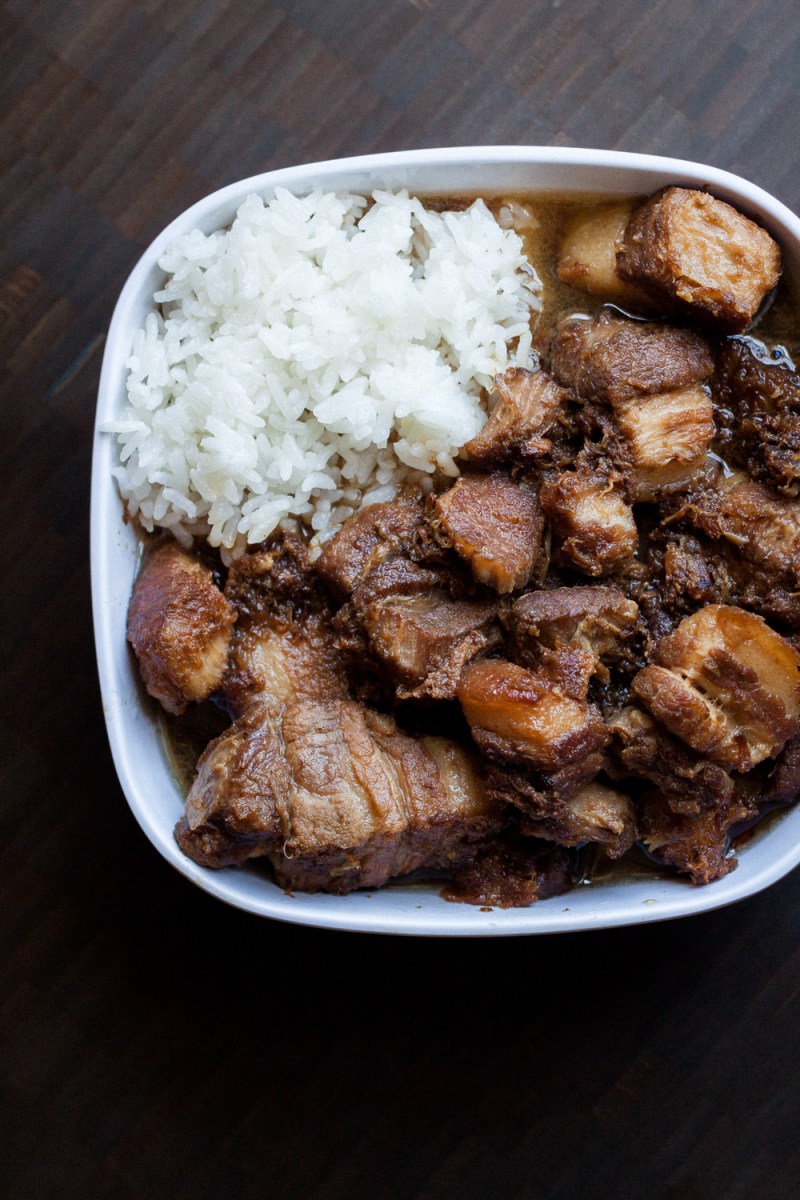
Adobo, often considered the national dish of the Philippines, is a method of stewing meat in vinegar. The word “adobo” itself is linked to a Spanish method of preserving raw meat by immersing it in a mixture of vinegar, salt, and paprika. When the Spanish observed an indigenous Philippine cooking method involving vinegar in the 16th century, they referred to it as adobo, and the name stuck. Interestingly, the original Filipino name for this dish is no longer known.

Read Full Article

NOTE: An updated version of this recipe appears in my cookbook, The Ancestral Table.

Panang (also spelled Penang and Phanaeng) curry is a mild Thai curry that gets its name from the Malaysian island of Penang. It is similar to Thai red curry but is richer and creamier, and typically uses crushed peanuts as a major part of the dish (I personally use cashews). It is often served with beef, pork, chicken or shrimp in Thai restaurants in the United States, although beef is the traditional meat used in this dish.

While the pre-made Panang curry pastes from Maesri and Mae Ploy are both excellent, they are more spicy than I would like. Reducing the amount of paste used or adding extra coconut milk just makes for a bland meal, so I decided to develop a mild Panang curry paste of my own that could then be adjusted for spiciness. As an added bonus, my recipe is also free of added sugar, unlike the pre-made pastes!

Click here to see this paste in action, in my Chicken Panang recipe.

Read Full Article

One of our favorite occasional indulgences is Chinese dim sum, and one of my favorite dim sum dishes is spare ribs with black beans. In Asia, black beans (douchi) aren’t the same black beans you get at Chipotle; they’re actually a fermented and salted version of soy beans. This recipe is basically my take on this dish but without the beans.

Part of this dish’s unique taste is the combination of sweet and salty with a subtle fermented twinge – in order to pull this signature fermented taste off, I added dashes of oyster sauce and fish sauce, and it came out beautifully.

Read Full Article