health

As summer hits (it’s 102 degrees as I type this!), no one’s really in the mood to cook an extravagant creation. I get that. That’s why I have simple, easy recipes like my little eggplant pizzas to get through the scorching days. There’s not a whole lot to this recipe, but it’s the perfect little distraction that seems to be most appealing when we don’t want to spend a lot of time in the kitchen.

In general I don’t like using the oven while it’s hot out, but these little babies cook up relatively fast so I don’t mind them so much.

Read Full Article

NOTE: An updated version of this recipe appears in my cookbook, The Ancestral Table.

Cabbage rolls are found all over Europe, Asia, and the Middle East. They are staple dishes in Croatia, Poland, Ukraine, Russia, and Sweden; in Russia, they’re called голубцы (golubtsy) and make regular dinnertime appearances in most homes.

There is some controversy over the origin of the dish. One common theory is based on its name, which could be linked to the word Russian word for pigeons (голуби). Russian cuisine and culture was heavily influenced by the French in the 17th and 18th centuries, and these stuffed cabbage rolls could be an attempt to recreate roasted pigeons, a popular French dish at the time.

Read Full Article

Let’s talk about corn a little bit. Although it’s a grain, it is considered moderately safe depending on individual tolerance, so this year our family has decided to try and re-introduce it into our diet. We don’t plan on eating corn that often (heck, I mentioned that I was going to eat corn six months ago and I’m just now getting around to it), but we like the idea of adding a little variety to our eating habits. Mainly, we plan on eating it in the form of tortillas, popcorn, and these little pieces of heaven you see in this recipe: arepas.

Arepas are corn cakes that are popular in Venezuela, Colombia, and other parts of Latin and South America. They couldn’t be simpler to make – ground corn, water, and salt – but they bring a unique texture to other foods. Something about the crispy outside and slightly-mushy inside make them the perfect little sandwich pockets. It’s hard to describe, but they have a density and feel not unlike buttermilk biscuits, but a little grittier.

Read Full Article

NOTE: An updated version of this recipe appears in my cookbook, The Ancestral Table.

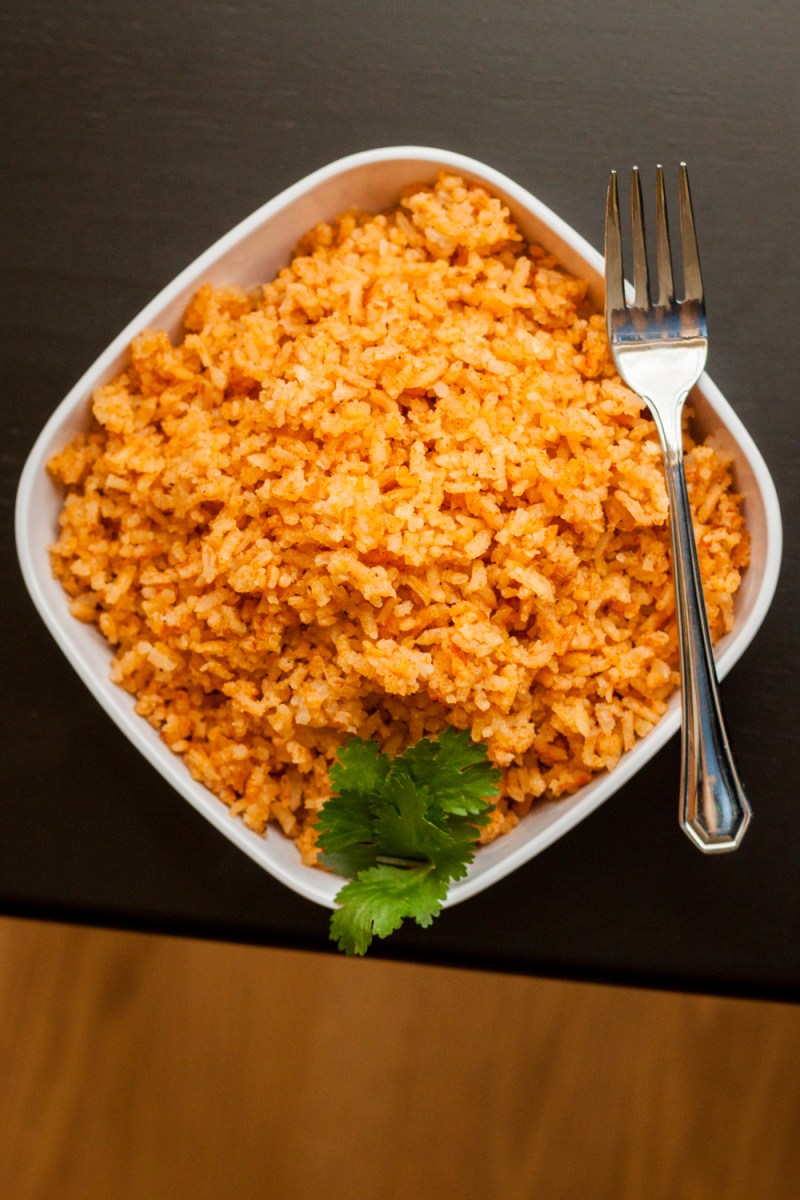
You know what doesn’t get enough credit? White rice. It helps feed a large portion of the world, and is a relatively safe starch. Sure, it doesn’t have a lot of nutritional value, but it can easily become a vessel for other nutrients. Enter my Mexican rice recipe, which is chock-full of tasty and healthy stuff like grass-fed butter/ghee, tomato sauce, and homemade chicken stock.

Although it’s often called “Spanish rice” here in the US as well Mexican rice, no such thing exists in Spain. I’ve been making this side dish for several years, well before switching my diet. For this dish I like to simulate your standard Mexican restaurant rice – tangy, slightly salty, and with a tiny hint of chicken thanks to its use of broth/stock.

Read Full Article

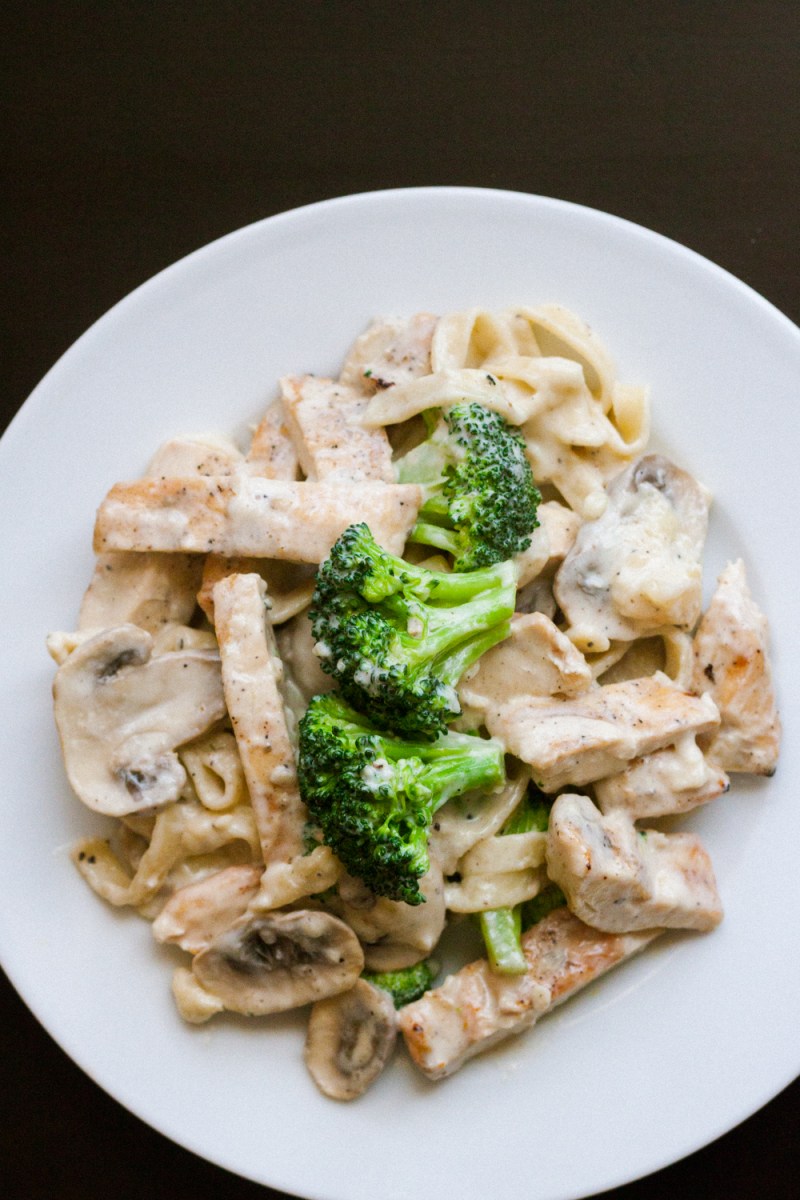
And here it is, one of my most treasured and well-known recipes (at least to my family and friends). I’ve been making Fettuccine Alfredo in this same manner since I first learned how to make it nearly fifteen years ago.

While pasta dishes tossed with butter and cheese have been around for a long time, the term “Fettuccine Alfredo” is based on the signature dish of Alfredo Di Lelio’s restaurant (aptly named “Alfredo”) which opened in Rome, Italy in 1914. American tourists grew to love the dish and bring it back here to the US; while we Americans often add ingredients like chicken, shrimp, mushrooms, or broccoli to the dish, it’s commonly served without add-ins elsewhere in the world.

Read Full Article

NOTE: An updated version of this recipe appears in my cookbook, The Ancestral Table.

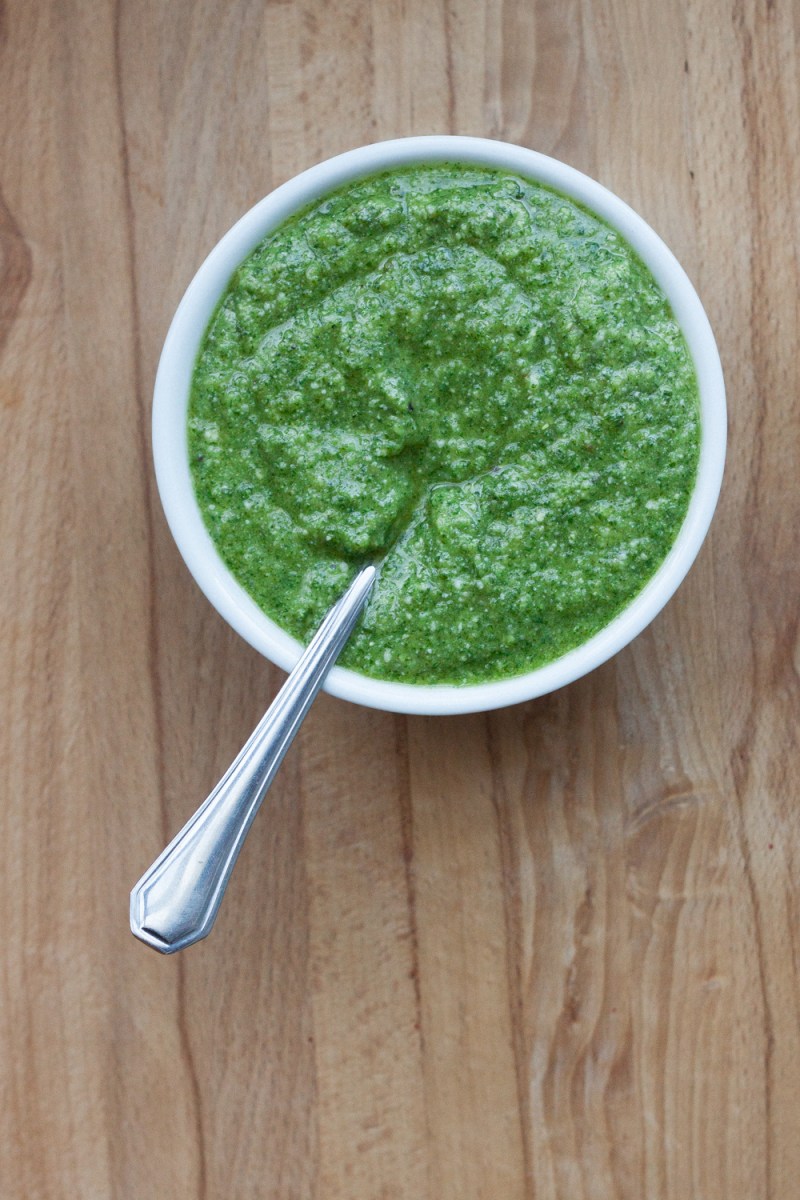
Pesto has an interesting history. Its name comes from a Genoese (Northern Italy) word that means to crush or pound, implying the use of mortar and pestle. In fact, the English word “pestle” has the same root. While pastes have been used in Italy since the Ancient Roman times, basil wasn’t introduced until later, from Africa (via India), and the modern interpretation of basil pesto dates back only to the 19th century. In fact, pesto didn’t even gain popularity in the United States until the latter half of the 20th century.

Basil pesto is great because it is a fool-proof way to spice up many pasta dish, or even sautéed vegetables. I often add a spoonful of it to many sauces, including alfredo or spaghetti sauce (blasphemy, right?) for a subtle extra kick.

Read Full Article

I have a confession to make: it’s not often that I invent a recipe out of thin air. Usually I tend to re-create tried-and-true traditional dishes using a wide array of sources. However, with today’s recipe – a roasted pork sirloin – I made the whole thing up, mostly out of necessity. Although there are a lot of recipes out there for how to cook pork sirloin, many of them looked less than great, and there didn’t seem to be a universal approach to cooking this cut of pig.

I chose to tackle this dish for another reason, as well: it’s a fairly affordable cut of pork. That seems like a tragedy – to have an affordable, readily-available selection of meat available but no tasty method of preparation – and I wanted to fill that vacuum. Luckily, US Wellness Meats agreed with me, and let me try out one of their 4-lb. Pork Sirloin Roasts.

Read Full Article

NOTE: An updated version of this recipe appears in my cookbook, The Ancestral Table.

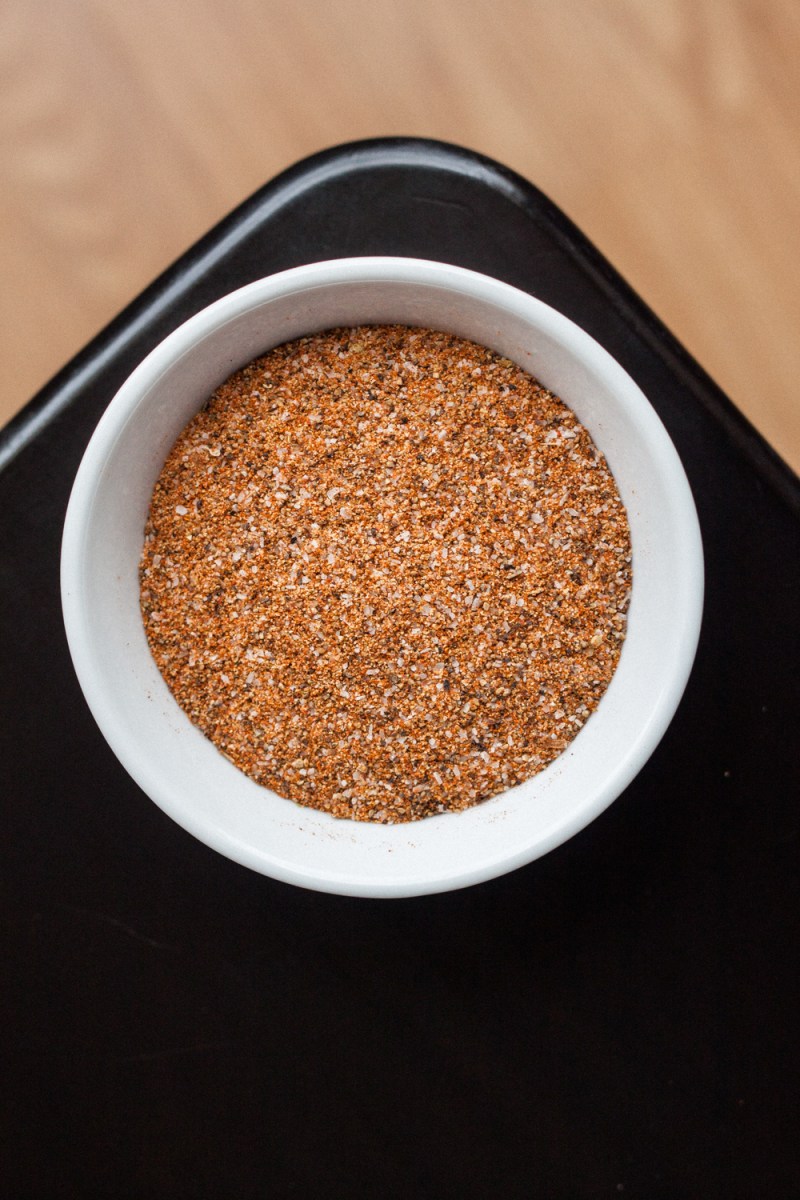
If you’ve taken a look at the ingredients list of your favorite barbecue rub, you may have been surprised to see that many commercially-available rubs have some form of sugar in them. There are definitely sugar-free rubs to be found, but wouldn’t it be better to just make some of your own?

This recipe is courtesy of my friend Jeremy, who has his own Kansas City Barbeque Society competition team, SeaDog BBQ. This rub has a nice, even taste with a hint of spice thanks to its use of chipotle powder.

Yields about 3/4 cup.

Read Full Article

Gyro meat, often referred to as doner or shawarma meat, is simply meat roasted on a rotating vertical spit and shaved off. Most Mediterranean and Middle-Eastern countries have some variation of this dish as a common street food. Depending on where you’re getting it, the meat can be made of lamb, beef, goat, chicken or a combination of meats. It’s one of my favorite meats of all time, and one that’s not easily replicated at home without a rotisserie setup. Lava Lake Lamb was gracious enough to send me some ground lamb recently, so I thought it was time to try and figure out how to make it on my own.

I spent a lot of time researching how to make authentic gyro meat at home, and in the end I found that Alton Brown’s approach was just about perfect. It involves processing the meat to make a thick paste, which is then stored for a couple hours before being cooked on the grill using a rotisserie or in the oven using a meatloaf pan. I went with the meatloaf pan variation with just a few adjustments, and it was awesome.

Read Full Article

In the US, tzatziki is associated with Greek food (most especially as a sauce served with gyros), but the name comes from the Turkish side dish called cacık which features the same ingredients but is diluted with water. Although you can find it commercially (we especially like Hannah’s version), it’s a fairly easy sauce to whip up on your own using ingredients you might already have in the fridge.

Read Full Article