health

Char siu (蜜汁叉烧, literally “fork burn/roast”) is a famous Chinese roast pork dish. Not only is it served on its own, but it is commonly found in fried rice, noodle soups, and steamed buns (char siu bao/manapua).

Today this dish is often made with maltose, which is a malt sugar made from barley. Honey is a suitable substitute, and still used by many chefs as well. Also, many restaurants will use red dye to simulate that signature red roasted look – we’re going for the real deal in this recipe.

Read Full Article

NOTE: An updated version of this recipe appears in my cookbook, The Ancestral Table.

If you’ve eaten at a Thai restaurant, you’ve probably had sticky rice. In many parts of Southeast Asia (Laos and Northern Thailand, for example) eating with your hands is still totally cool, and sticky rice is how they get the job done.

Sticky rice is also referred to as “glutinous rice” but that doesn’t mean it has gluten – it simply refers to its glue-like texture. It can also be labeled as sweet rice or mochi rice. It also comes in short or long grain varieties – the rice I used is short grain.

Read Full Article

NOTE: An updated version of this recipe appears in my cookbook, The Ancestral Table.

Chowders get their name from the French word “chaudière” (kettle, pot), which in turn is derived from the Latin “caldāria” (cauldron). There’s quite a rivalry regarding the white, creamy New England Clam Chowder and the clear, tomato-based Manhattan Clam Chowder – in fact, a bill was introduced into the Maine legislature in 1939 attempting to make it illegal to add tomatoes to clam chowder.

Here’s another interesting fact – it wasn’t until the Second Vatican Council during the 1960s that Catholics were permitted to eat meat on Fridays (the abstinence period has been reduced to Lent now). To provide a seafood option to Catholics, restaurants across the country served clam chowder on Fridays, and the tradition remains today.

Creating a hearty, traditional wheat-free chowder is quite a challenge, since they are usually thickened with flour or soup crackers. Using starchy russet potatoes would naturally thicken the chowder, but also leave you with disintegrated potatoes. And then it struck me: I can cook the chowder using sturdier red potatoes, and thicken it with potato starch – leaving us with the best of both worlds.

Read Full Article

Note: I’ve tweaked this recipe over the years, and HERE is my definitive method/recipe.

For Thanksgiving this year I tried my hand at roasting a turkey on the grill. The resulting bird was crispy on the outside and juicy and tender on the inside, and only took a few minutes longer than roasting it in the oven. Also, adding woods chips imparts an authentic smokey flavor that really made the turkey stand out on the Thanksgiving table. Lastly, it frees up the oven for other endeavors!

Also, when grilling a turkey (or roasting it in the oven, for that matter), you want to use a v-rack (often called a roasting rack). We just started using one recently and it’s amazing how evenly it cooks the bird, since it allows air to circulate around the entire turkey. Depending on how your grill plates run, though, the v-rack may fall through the plates; to prevent this, put the v-rack on a grill pan.

Read Full Article

NOTE: An updated version of this recipe appears in my cookbook, The Ancestral Table.

Japanese curry is a relative new dish to the country – it was introduced by the British in the 19th century, who in turn picked it up from India. Today, curry houses are everywhere in Japan, and for good reason; the irresistible sauce is mild and slightly sweet compared to other curries found worldwide, and is often served with any combination of stewed or fried meats which keep this dish surprisingly versatile.

I remember the first time I went to a local Asian grocery store shortly after deciding to go mostly-grain-free last year, and my utter disappointment when looking at the ingredients list of those handy Japanese curry blocks. You see, one of the pivotal ingredients in all of those blocks is wheat – which makes sense given the thick and creamy consistency that’s unique to Japanese curry. But fear not, dear reader, because I’ve been working on a gluten-free Japanese curry for the past year and I think I’ve got it figured out.

Read Full Article

NOTE: An updated version of this recipe appears in my cookbook, The Ancestral Table.

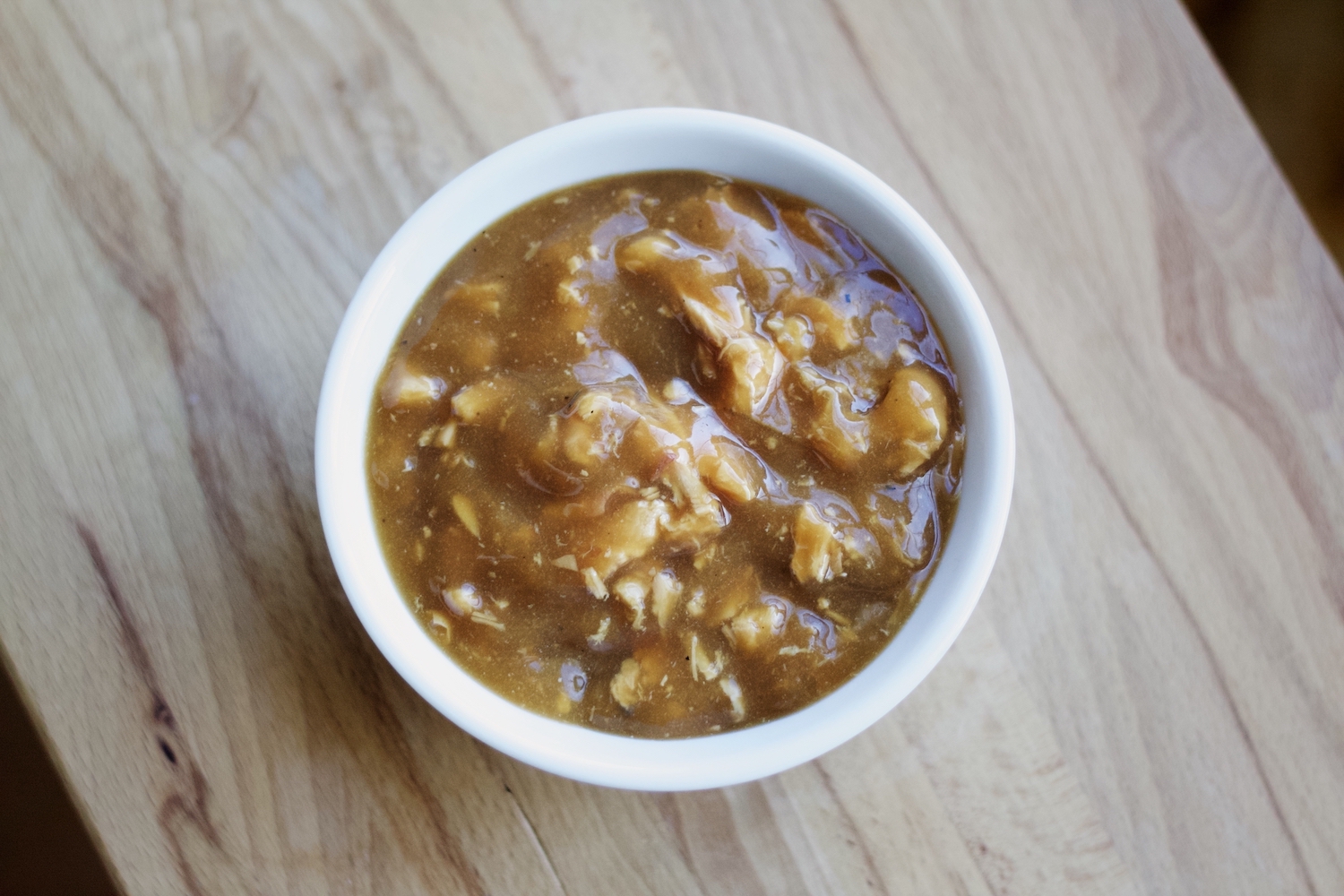
Loco moco is a Hawaiian dish and popular breakfast meal on the islands. It’s the ultimate breakfast meal prior to a big workday, consisting of rice, a hamburger patty, fried eggs, and brown gravy. Its unique mix of ingredients create a distinct taste that I’ve been missing lately, so I decided to whip one up the other day.

Read Full Article

I’m starting to find that bringing constant, new content to this site during the summer months is going to be difficult. Not only is my family much busier, but I find myself falling back on the same, tried-and-true meals as the summer heat kicks in – and they almost all include grilling. Since many of the dishes I love to grill are already on the site, I’m caught in a bit of a predicament.

Luckily, we signed up for a vegetable CSA share through a local farm which means that we’ve been getting all sorts of unexpected and new veggies every week. This basically requires me to find out more about each vegetable we get, and to research recipes to boot. This is one such recipe, although the same method can be applied to traditional greens (collard, mustard, turnip, etc).

Read Full Article

Saimin is a dish unique to Hawaii, and a marriage of the many cultures found on the islands. Chinese egg noodles are served in a Japanese broth with garnishes taken from Chinese (char siu), Japanese (fish cake), Filipino (adobo), Korean (won bok cabbage), and Portuguese (sausage) cuisine. My favorite saimin in Hawaii is found at Shiro’s Saimin Haven, which features 70+ variations of the dish (my favorite is “dodonpa” – 10 garnishes!). Likewise, fried saimin is a stir-fried version of the soup, and is also popular in many saimin shops. It’s a refreshing break from noodle soups and your everyday lo mein-style dishes. Unfortunately, saimin noodles are made with wheat.

To remedy this, I settled on sweet potato-based noodles, which as far as I know are a Korean invention. They are made with just sweet potato starch and water, and are similar to glass/bean noodles used in dishes like chicken long rice.

Read Full Article