health

Salad dressings are an important part of many cuisines. Leafy greens were eaten in prehistory, and despite common misconceptions that early agriculture was entirely focused on grains, many of the first gardeners grew spring greens. The Ancient Greeks often mixed salads with oil, herbs, and seasonings (the word salad comes from the Latin salata, meaning “something salted”). Green salads were especially popular in Medieval Europe, and lettuce seeds were brought to the New World colonies, where salads were eventually redefined; the 20th century saw the advent of French, Russian, Thousand Island, Green Goddess, and even the mighty Ranch – all in the dressing-obsessed United States.

Today, the salad dressing aisle of every supermarket in America is downright embarrassing. Every dressing promises health, high quality and natural ingredients, and not a single one makes good on its promise. I dare you to try and find a dressing that is free of sugar, corn, soy, wheat, seed/grain oils, or chemically-extracted ingredients (hint: you won’t). It’s infuriating, especially coming from a product whose sole existence is to make salads more palatable and nutritious (adding oil increases the bioavailability of the fat-soluble Vitamins A, D, E, and K found in leafy greens). Salads have always been associated with health, but modern dressings have made it more difficult for us to make that connection. The salad dressing industry is so untrustworthy that after first switching my diet I resolved to just eat my salads with olive oil, sea salt, and black pepper.

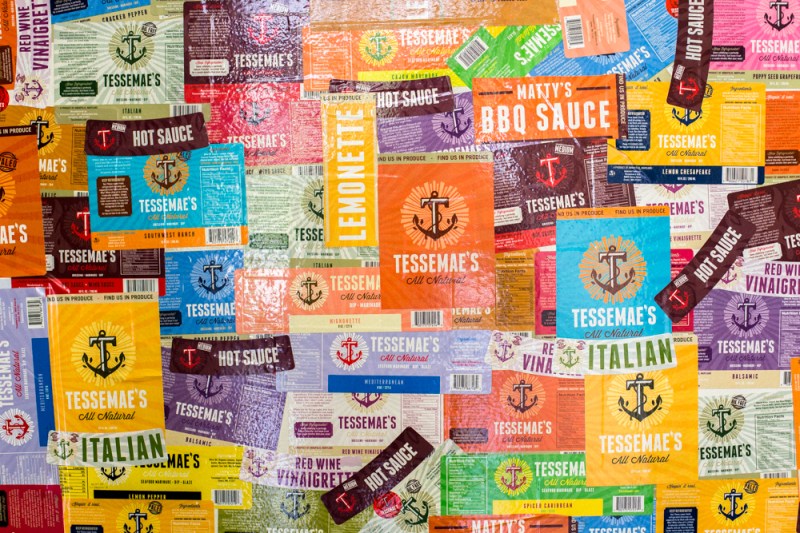
Enter Tessemae’s All Natural. Our family has been enjoying their salad dressings since 2011; their dressings were first sold in the Annapolis Whole Foods (one of our local markets), so we’ve been riding on the Tessemae’s bandwagon from nearly the start. In fact, last year I used their Lemonette dressing to help secure my win in a bacon competition.

It’s relatively easy, albeit unglamorous and time consuming, to develop your own salad dressings. But I’m a man of simple truths, and the simple truth is that Tessemae’s dressings are so tasty, and contain such high quality ingredients, that I haven’t felt a need to make my own. Essentially, this is the basic principle of supply and demand; thanks to their supply, we carry no demand. Honestly, as a consumer I’d much rather depend on the convenience and reliability of a quality product than figure my own out. There is honor in creating one product, and doing it well – very rarely today do we find true craftsmen and artisans. This is something that Tessemae’s does unequivocally with their dressings and sauces.

I had the pleasure of visiting their Baltimore-based headquarters (lovingly called “the Treefort”) twice over the past few weeks. Here is what I learned.
Read Full Article

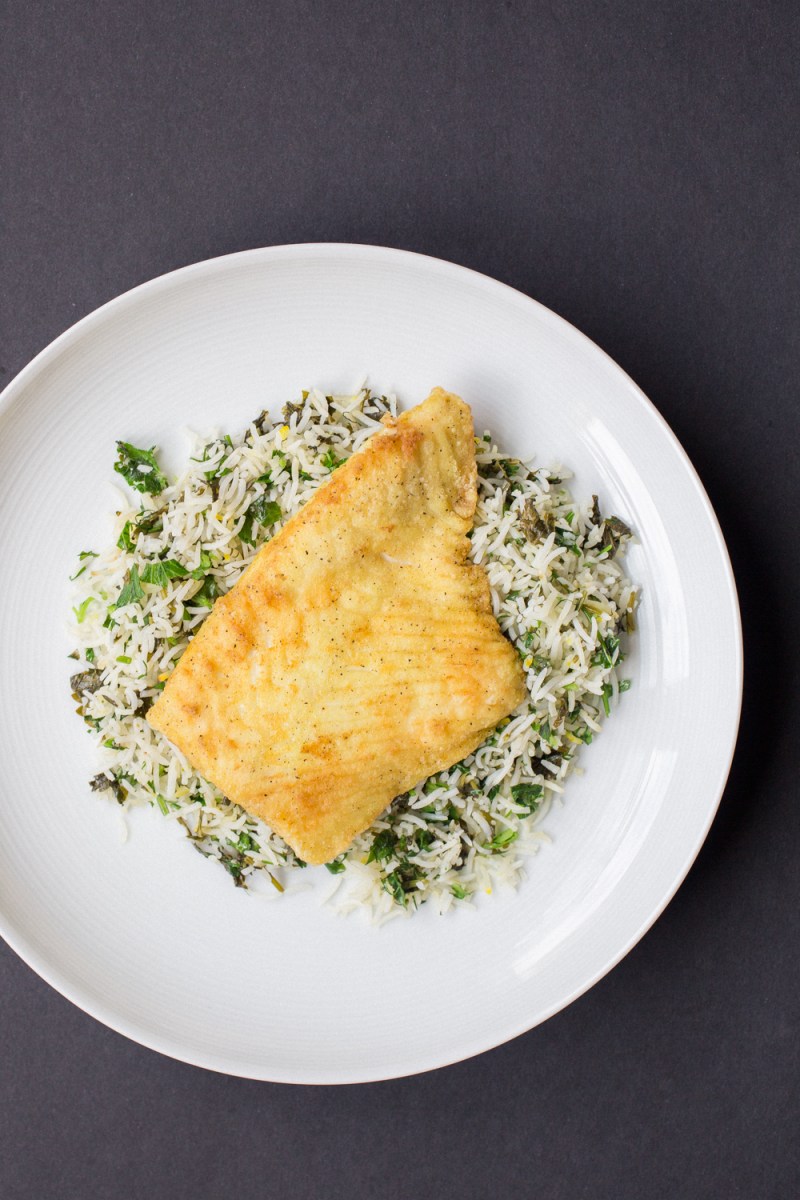
Sabzi Polo is a traditional Persian herbed rice pilaf. There are several different ways to cook rice in Persian cuisine, but Polo (parboiled and steamed) is the most popular. This dish in particular is eaten during the Persian New Year (Nowruz, late March) and served with white fish. The type of white fish varies from rare local fish like Caspian kutum to something more accessible, like halibut or tilapia.

Rice is a critical food source in modern day Iran, and has a long history in the region; it was first introduced from South Asia around 1000 BC, and has been grown in northern Iran ever since. It’s also commonly believed that rice entered Europe via Ancient Persia.

It’s exciting to see that white rice is gaining more acceptance in the Paleo community. I started adding white rice to my version of the Paleo diet in early 2011 (here is an old post about it) and it’s definitely had a positive impact on my overall wellness. I explain many of my reasons for eating rice in my book, but the long story short is that it’s an ancient, delicious, satisfying, and neutral starch (it has fewer toxins than many foods we consider Paleo, like coconut and almonds – reference) whose glycemic load is easily tempered by eating low-glycemic varieties (basmati rice in particular is lower (28) than regular white rice (43) – reference). When eaten as part of a whole meal with added fats and acids, its glycemic index is even further diminished (reference). There are still people that have digestive issues with rice, but for everyone else, it may warrant a place on your dinner table.

Sabzi Polo is an excellent example of an optimal way of eating rice, since it’s paired with a huge amount of herbs – much more than your typical dish – and considering Mathieu Lalonde’s AHS 2012 talk where he found that herbs and spices are second only to organ meats in terms of nutrient density, it’s always good to eat lots of herbs.

This recipe is part of a collaboration with my friend Naz of Cinnamon Eats – after having several discussions about Persian rice dishes, we decided to each write up a recipe to highlight the varied and delicious choices available in Persian cuisine. Be sure to check out her half of the collaboration: Zereshk Polo (Persian Barberry Rice).

Read Full Article

When I started this blog nearly four years ago, I didn’t have many expectations. I simply wanted to have a better understanding of the food we put in our bodies. A recurring element in my recipes has been the individual histories of each dish I create; I think it’s important to know how recipes came to be, and I really adore following the culture that hides behind every dish. But to tell the truth, as of late, simply doing internet searches on food history or relying on my previous travels for culinary and cultural insights simply hasn’t been enough for me. Don’t get me wrong – I still love food history and sharing traditional/classic recipes – I just want to step it up a notch.

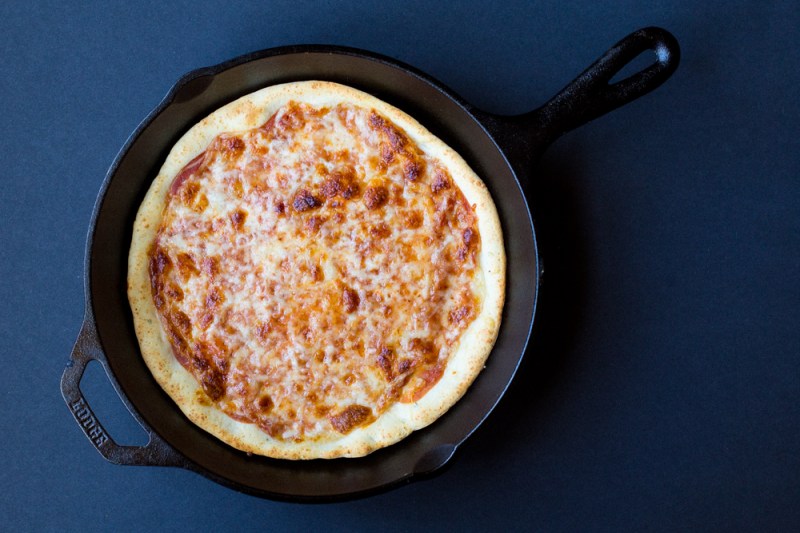
Consider the pizza in the picture above. It’s probably fair to say that this little pizza recipe has made a huge contribution to my current readership. Heck, I thought it was important enough to put on the cover of my cookbook, since it’s an excellent representation of classic, traditional, and modern cuisines. And while it’s cool that we can make pizza easily at home and say that we made it from scratch, the pizza above wasn’t really made “from scratch.”

Who harvested the cassava, and how was it processed into tapioca starch? How were the tomatoes grown and transformed into pizza sauce? Under what conditions was the milk produced, and how was it turned into cheese? Where did the salt, white pepper, and oregano come from? These questions aren’t easily answered, even in today’s information age. It’s much easier for me to tell you that oregano is a variety of wild marjoram native to the Mediterranean region than it is to figure out how the oregano in my spice rack actually made it into my home.

So I’m taking The Domestic Man into a new direction, partially inspired by my recent tours of The Culinary Institute of America and my local Whole Foods. Along with continuing to post new recipes every Tuesday, I’m going to start doing a little investigative work on the side. I’ll be traveling to and touring farms, manufacturers, and other organizations involved in the food industry to gain a better understanding of the processes in place to get food onto our tables. I plan on working with everyone from small, family-owned businesses to large, faceless corporations in order to better my understanding of how things work. And obviously, I’m going to share the results of my work with you.

The goal of this project isn’t to judge these food producers as being “good” or “bad”, but rather to look at the environment they are working in and how that affects us as consumers. I’m not an investigative journalist, policy maker, or food scientist; I’m simply a home chef with a nagging feeling that there’s more to what we eat than what we eat.

I should mention that if you are a farm or company involved in something related to food, send me an email so we can brainstorm some ideas. Bear in mind that these travels will be limited by my (constantly shrinking) free time and budget, but overall I’m very excited to get started. As always, thanks for sticking around.

Russ

Let’s talk about Sweet and Sour Chicken for a second. It is probably not surprising to read that while this dish is served in Chinese restaurants in many Western countries, it doesn’t really exist in China. There are several sauces in China that incorporate both sweet and sour tastes, the most common being from the Hunan province, but they’re still a far cry from what you can get at your local Chinese-American restaurant. The reality is that this dish is now nearly more of an American dish than Chinese. On the flip side, the Chinese have their own interpretation of Western tastes – like flying fish roe and salmon cream cheese stuffed crust pizza (Hong Kong Pizza Hut).

But at the end of the day, it’s still a unique and comforting meal, and I thought it would be fun to try and replicate it using Paleo-friendly ingredients. My first order of business was figuring out how to make the sauce without resorting to ketchup as a base; instead, I used a combination of chicken stock, tomato paste, apple cider vinegar, tamari, honey, and spices. For the chicken, I used my new breading technique highlighted in Tuesday’s chicken nugget recipe. Lastly, I found that gently simmering the sauce while I cooked the chicken helped the sauce ingredients to perfectly marry, resulting in a balanced, delicious flavor.

For this recipe in particular, I teamed up with the folks at Vitacost; they offered to have me experiment with their online store and see what I could come up with. I had been thinking of trying out this Sweet and Sour Chicken recipe for a while now so it seemed like a good fit. I was surprised at how easy and cost-effective it was to use their shop; many of the items in their store were comparable or even cheaper than what I can find locally. Not only that, they had many of the brands we already buy. It was a lot of fun to conceive an entire meal using only their store items (minus the produce and meat). I think Vitacost would be a great resource for three types of people: (1) those who don’t live near a gourmet or international market, (2) those who have a high cost of living (big cities, for example), and (3) those who don’t have time to rummage through the aisles of several stores to find the right ingredients.

Okay, let’s get cooking.

Read Full Article

Jerusalem artichokes have an interesting history. There is no connection between this tuber and the city that bears the same name; they were originally cultivated by Native Americans. The most common theory behind their current name stems from the fact that Italian immigrants named them girasole, which later became “girasole artichoke”, which then eventually developed into “Jerusalem artichoke”. Its other name, sunchoke, is a relatively new name for the tuber that stems from the fact that its flowers look a lot like sunflowers.

While only distantly related to artichokes, Jerusalem artichokes still carry a distinct (okey dokey) artichokey flavor when cooked. They have a similar texture to potatoes. They’re one of my favorite starches because of their versatility; they can be eaten raw or cooked, they don’t need to be peeled, and they taste good both gently cooked and fully roasted.

Read Full Article

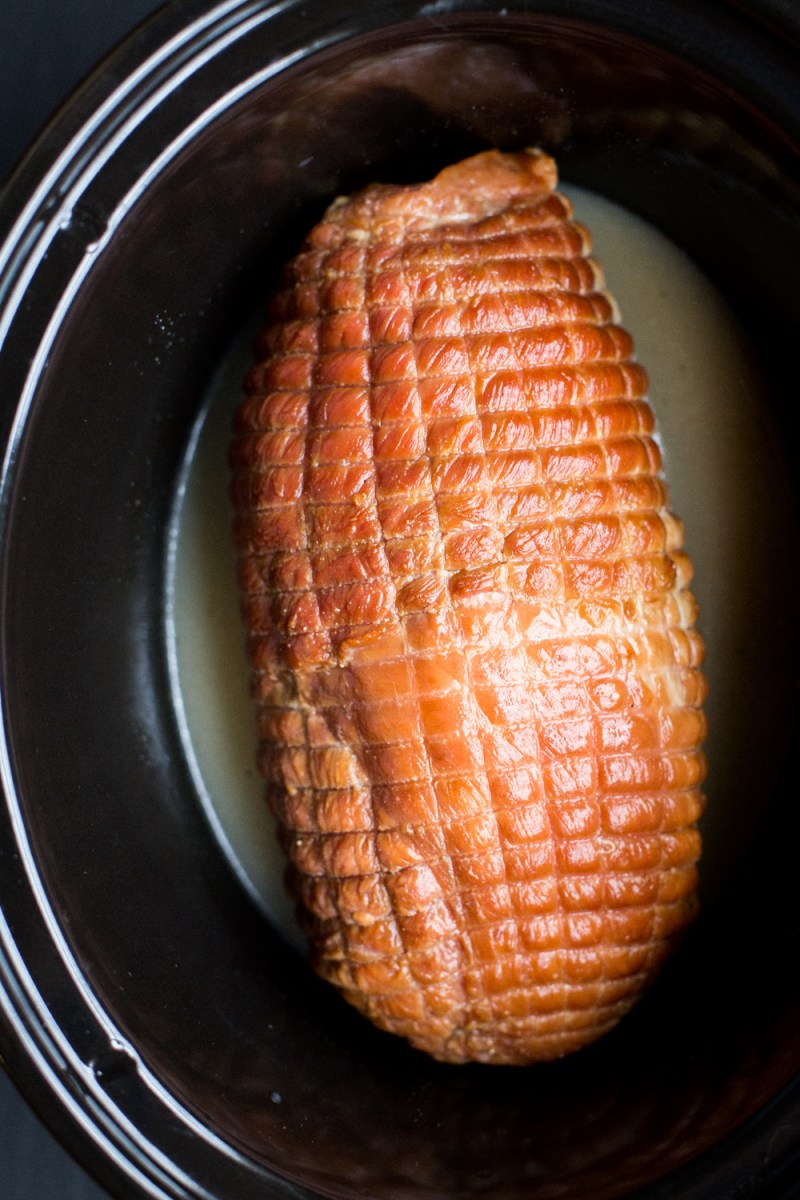
Ham recipes have always been special to me; they tend to remind me of family gatherings. But recently, they have been especially special. For starters, my other ham recipe marks the first collaboration I did with my friends at US Wellness Meats, when I was their April 2012 Featured Chef. Last year, that same ham recipe was featured in People Magazine. That’s quite a lot of attention from one little cured pig leg!

The other day, US Wellness Meats asked me to try out another ham recipe, this time using a slow cooker. I jumped at the chance. This recipe is simple and not unlike my other recipe, but with the added convenience of simply throwing everything in a pot to cook in a savory broth. Better yet, this recipe works well in two ways: perfectly cooked to 140F and sliced, or slow-cooked to shreddable deliciousness. Instructions for both methods are provided below.

Read Full Article

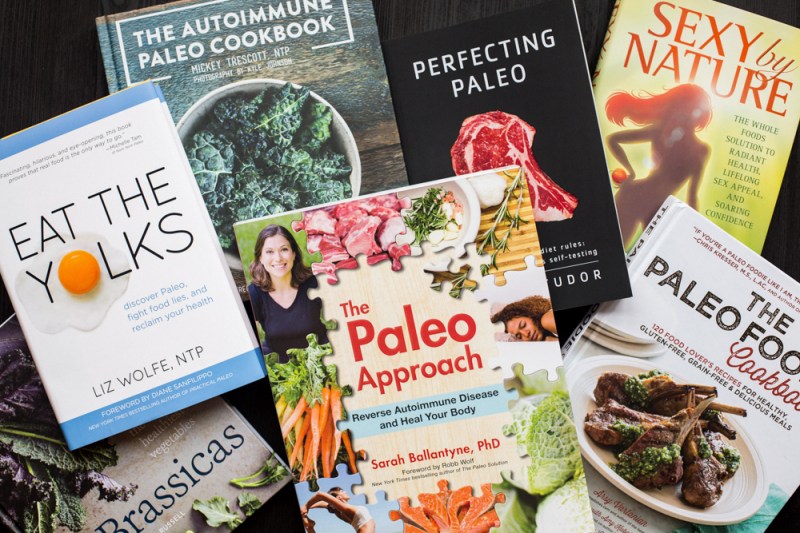
Man, there are a lot of new books out right now. I have a mounting pile that needed some attention, some that I personally bought and others that were sent for me to review. I thought I’d take a moment and briefly look at these additions to my growing library.

Read Full Article

It’s funny, but up until recently I assumed there was already a ketchup recipe on my blog. I didn’t discover its absence until I developed Thursday’s recipe (hint: it rhymes with “beet oaf”), when I couldn’t find my recipe online. At first I was confused, and thought the search function of my blog was definitely broken. So…sorry about that, and here you go.

The history of ketchup is pretty awesome. It all started with garum, an ancient fish sauce first used by the Ancient Greeks and later the Romans. It reached Asia some 2,000 years ago via trade routes, and became a staple in many Asian countries, particularly Vietnam (where they later perfected the sauce using anchovies). Vietnamese fish sauce as we know it today entered China about 500 years ago, and the Chinese (particularly those in the Southeast providence of Fujian) spread it around the rest of Asia. The Fujian word for fish sauce? You guessed it, ketchup. In fact, many Asian languages today still use a form of the word “ketchup” to refer to sauces; a common example is the Indonesian word kecap (pronounced “keh-chap”), a catch-all term for fermented sauces.

When Europeans arrived in Asia in the 1600s, they were enamored with fish sauce (they’d long forgotten about garum) and took it back to Europe. Many variations of ketchup existed in Europe for hundreds of years, the most popular being walnut ketchup and mushroom ketchup (the practice of using fish eventually died out). It wasn’t until the 1800s that people started adding tomatoes to the sauce, and H. J. Heinz took it to a new level in 1904 when his company figured out a way to bottle and preserve the sauce using natural ingredients (the mid 1800s were full of horror stories about deadly batches of ketchup made with stuff like boric acid and coal tar). Heinz was also one of the first to add copious amounts of sugar to the sauce.

My recipe still maintains the sweet and sour taste we’ve all come to expect from ketchup, but throws a historical twist in for good measure: a bit of fish sauce.

Read Full Article


Left: Chili Con Carne from The Ancestral Table. Right: Texas Chili from The Slim Palate Paleo Cookbook

I don’t know about you guys, but my teenage years were not very productive. I played and sang in punk rock bands, and we churned out a cassette tape release every six months or so. That was about it. At the time I felt like a pretty prolific chap, but it pales in comparison to the milestones that teen blogger Joshua Weissman (the writer behind the website Slim Palate and the newly-released cookbook, The Slim Palate Paleo Cookbook) has reached in the past couple of years.

Writing a cookbook is not easy. Surviving your teenage years is not easy. Somehow, Joshua managed both, and while I can’t speak for how easily his adolescence is going, this book is a significant accomplishment in and of itself. But this book is even more impressive; it is the tale of one young man’s journey from obesity to health (he lost 100 pounds along the way). Ultimately, this project is more than a cookbook – it’s an early chronicle of someone destined for great(er) things.

Read Full Article

Since I personally have an autoimmune condition, I have a lot of respect for the Autoimmune Protocol. For those unfamiliar with the concept, the protocol is aligned with the Paleo Diet (you know the drill – meats, seafood, veggies, fruits) but also eliminates other troublesome foods in an effort to further reverse autoimmune issues. The main culprits are nightshades (peppers, potatoes, tomatoes), eggs (especially the whites), dairy, alcohol, and most nuts and seeds.

I’ve dabbled in the protocol over the past couple of years, eliminating certain foods for months at a time and then re-introducing them to see how I react to them. Most recently I eliminated eggs for about four months because I found myself feeling tired after eating them; I started eating eggs again this month without any issue. There are a ton of factors involved in diet and health, so I’m not saying outright that eliminating eggs for a short period of time directly affected my resiliency, but I think there is good reason to abstain from certain foods from time to time. After all, this mimics the seasonality of human diets preceding our modern era, as well as many religious practices that have endured over the years.

When I wrote The Ancestral Table I didn’t necessarily keep the Autoimmune Protocol (“AIP”) in mind, especially since two incredible-looking cookbooks on the subject are coming out this year (see: The Paleo Approach Cookbook and The Autoimmune Paleo Cookbook). After doing the math, 55 of the 112 recipes found in my cookbook are AIP-friendly or easily modified to be so. While at first I thought this number was pretty low, after talking with some experts I was happy to find that 55 is actually a fairly high number compared to many of the Paleo cookbooks out there, since many of them rely on nut-based flours for texture, something that is rarely found in The Ancestral Table.

So I thought it would be worth your time to publish an AIP guide for anyone looking to buy my book while on an elimination diet. For more information on the Autoimmune Protocol, check out my friend Sarah’s site, ThePaleoMom.com.
Read Full Article