health

Today’s recipe is a combination of two recent events in our house. First, I recently bought a remote grill thermometer, and I was itching to try it out. The thermometer has has two probes: one that goes in the meat and one to gauge the overall grill temperature. It’s an easy way to keep an eye on both the grill temp and your food without having to open the grill lid. Plus, it has a wireless receiver so I can keep an eye on the temperatures from afar, perfect for some wintertime grilling.

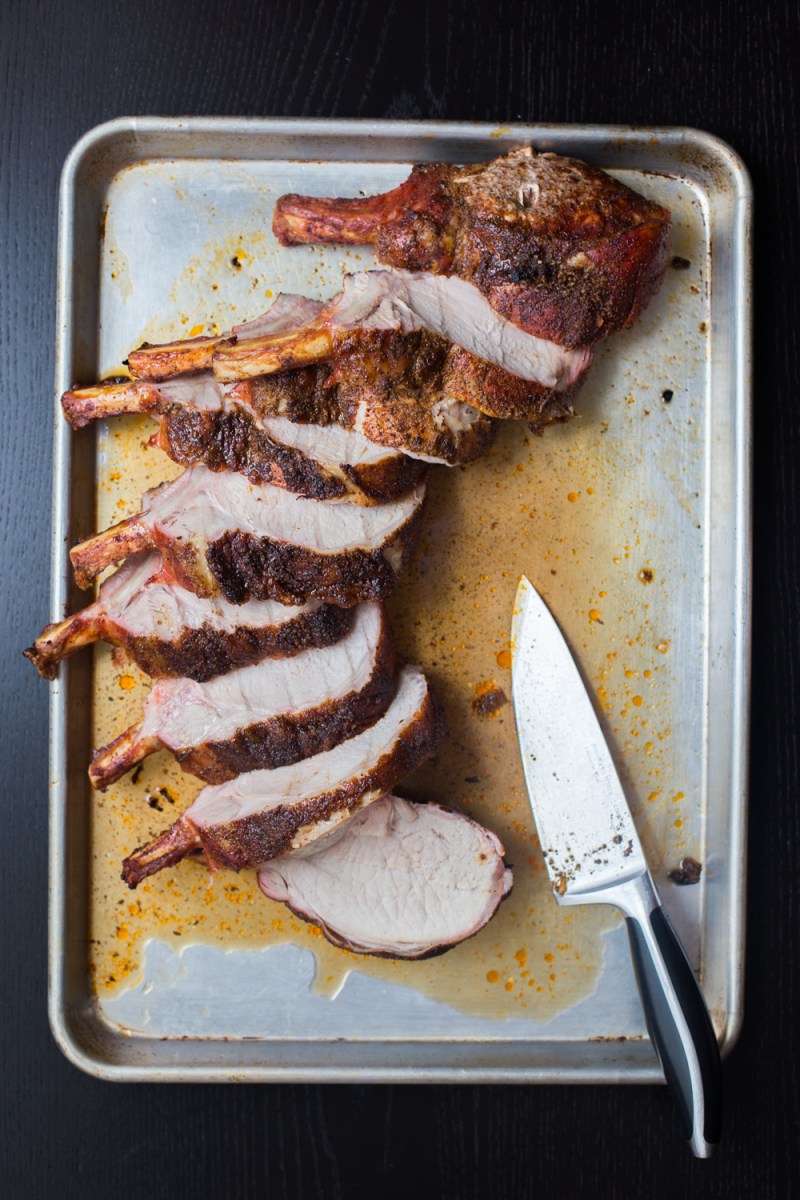
Second, we recently came across a beautiful French Rack of Pork at our local market, which is a shoulder pork loin still attached to the ribs; basically, it’s a rack of center cut pork chops. As luck would have it, the rack was on sale; my guess is that it intimidated customers and the store was having a hard time selling it. Either way, we couldn’t turn down the price, so I dragged the big hunk of meat home and the rest is history.

I decided to smoke the rack on my gas grill, which would allow me to give it a flavorful crust without overcooking the tender meat inside. Just to be safe, I brined the pork overnight to keep it from drying out, which was also a good call. The end result was crisp on the outside, and ridiculously juicy and flavorful on the inside.
Read Full Article

My path to a Paleo-style way of eating wasn’t perfectly straightforward. After years of health issues, in late 2010 I came upon an article describing a recently-published book called The Paleo Solution, written by a guy who obviously knows a thing or two about prehistory since his last name is Wolf. The book promised to demonstrate positive results for a number of health issues, including autoimmune diseases. Feeling like I was at a dead end with my own issues with autoimmunity, I bought the book at the very first opportunity, devoured it, and switched my diet within days.

While I’m very grateful to Robb Wolf and his Paleo Solution, it only gave me a glimpse of the journey I would need to take in order to restore my health. Much of the eating advice in the book was based on low-carb principles, which is understandable since the book is geared towards those who are looking to lose weight. But after losing an initial 30 pounds (likely due to discontinuing steroid therapy at that same time), I struggled with maintaining my weight, and had consistently low energy. It wasn’t until I reintroduced white rice and potatoes, foods promoted by The Perfect Health Diet, that I really started to feel like I had figured out an ideal way of eating for me (and one that I’ve maintained since). Dairy was also something I had to figure out on my own, as I found that I better tolerated certain types of dairy (mainly heavy cream, butter, and fermented products), and that my tolerance improved as my health improved. Dairy just didn’t warrant a blanket “avoid” stamp since individual tolerance was a better determining factor.

So over the years, I have had a hard time answering when people asked me where to start reading if they wanted to learn about the Paleo diet. The Paleo Solution is fairly inflexible, and was quickly becoming outdated as new voices entered the scene and brought new ideas with them. The Perfect Health Diet is a superior work, and provides an excellent template for sustained eating, but its lifelong approach to diet can be intimidating to those who aren’t ready for such a long commitment right out of the gate.

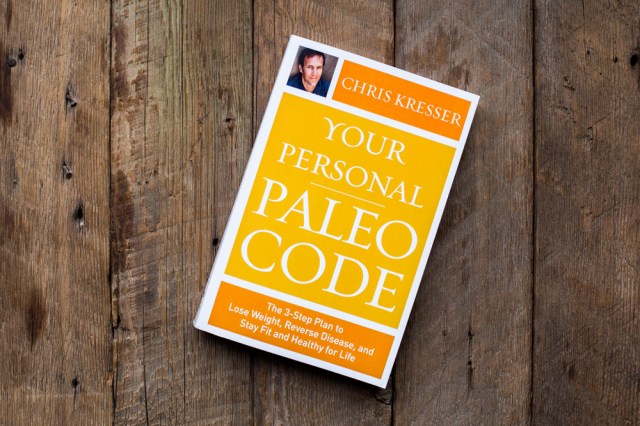
And in steps Your Personal Paleo Code by Chris Kresser.

Read Full Article

Jaegerschnitzel (Jägerschnitzel) is a traditional German dish, most commonly made with pork or veal cutlets (schnitzels) today. Historically, they were made with wild boar or venison (jäger means “hunter” in German) and paired with wild mushrooms. Today, its accompanying mushroom gravy is what separates Jaegerschnitzel from its more commonly-known (and gravy-less) counterpart, Wiener Schnitzel. Fun fact: it’s believed that Chicken Fried Steak originated from this dish, when German and Austrian immigrants brought it to Texas during the 1800s.

Making this dish within a Paleo template is easy, as it only requires a different type of flour. A combination of potato starch and arrowroot flour works best, but if you have only one flour on hand it still turns out pretty well. Tapioca starch can also be used in a pinch.

Read Full Article

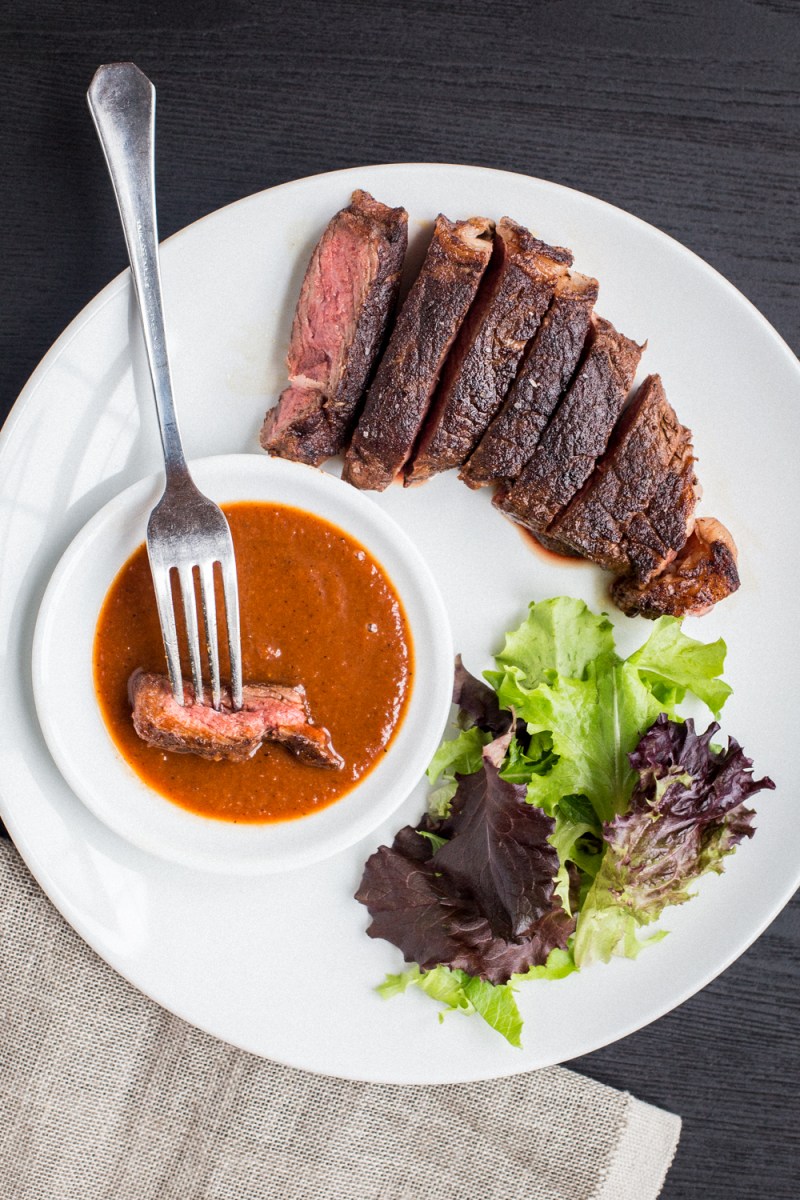
As the temperatures fall this month, I expect many people to be hesitant about going outside to grill food. Personally, we keep the grill outside and ready all year long, but I realize that not everyone feels that way (especially my Midwestern readers, whose winters are a little more significant than ours). So I thought it would be a good time to work on a solid, foolproof pan-seared steak recipe.

To be honest, we as a family don’t eat steak much, due to its high price point. But it’s an excellent celebratory meal, or for when you’re looking for a simple, developed taste without having to spend much time preparing your meal. Generally, steaks are made from the most tender cuts of the animal and cooked quickly; their tenderness comes from a lack of tough fibers and connective tissue found in the muscles that are more worked. Applying a light spice rub on a steak is ideal, and right before cooking, so that you have contrasting tastes of the crust and delicate interior. The combination of cacao, peppers, and salt go especially well with steak.

Read Full Article

It’s hard to believe that my last Paleo cookbook roundup was only two months ago, because I’m already getting overwhelmed with another stack of new books. So I think I’m going to continue to write these review roundups each season. Personally, I can’t wait for the next roundup, since by then I’ll finally get my grubby hands on the Nom Nom Paleo cookbook!

Since we’re talking about cookbooks, I’d be remiss if I didn’t mention that I announced my own cookbook last week, which will be out next February. If you haven’t already, I’d really appreciate it if you considered pre-ordering my book; pre-order sales go a long way towards getting it distributed and placed in high-profile stores. I’m a relatively small fish in the big Paleo pond, so every sale helps. Thanks! Okay, enough about me, let’s dive into other peoples’ hard work.

Read Full Article

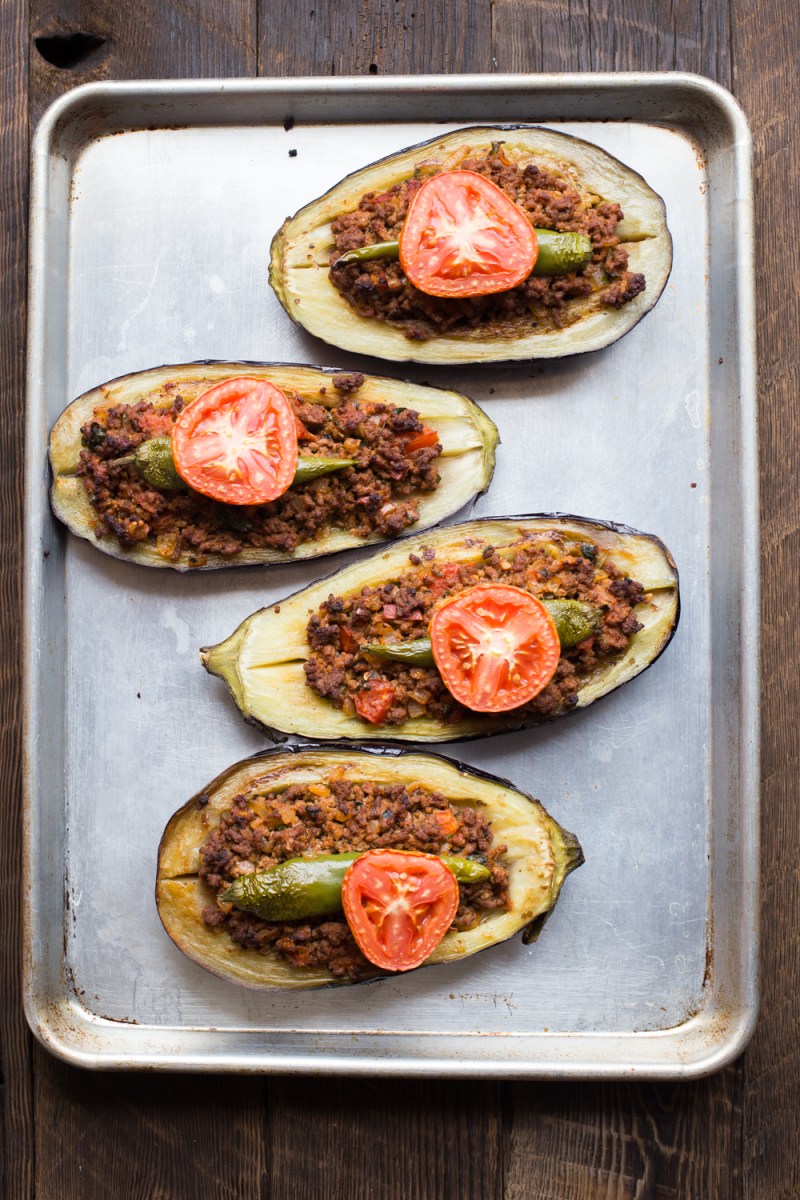
Our local market had some really nice-looking eggplants the other day, so I decided to pick up a couple and whip something up. When coming up with an idea for the dish, I decided to refer to some of the eggplant experts: the countries that live along the Mediterranean coast. Italy seemed too easy, so I went with Turkey instead, who have several classic eggplant dishes. Karniyarik is a stuffed eggplant dish from Turkey, similar to another popular Turkish dish, Imam Bayildi, which is similar but made without ground meat.

Eggplants got their name from their egg-like shape, although they are referred to as aubergines nearly everywhere outside of the United States. Eggplants were probably first cultivated in India about 2,000 years ago, before making their way to the Middle East and Europe. It was one of the first foods brought to the Americas by Spanish and Portuguese explorers in the 16th century.

Read Full Article

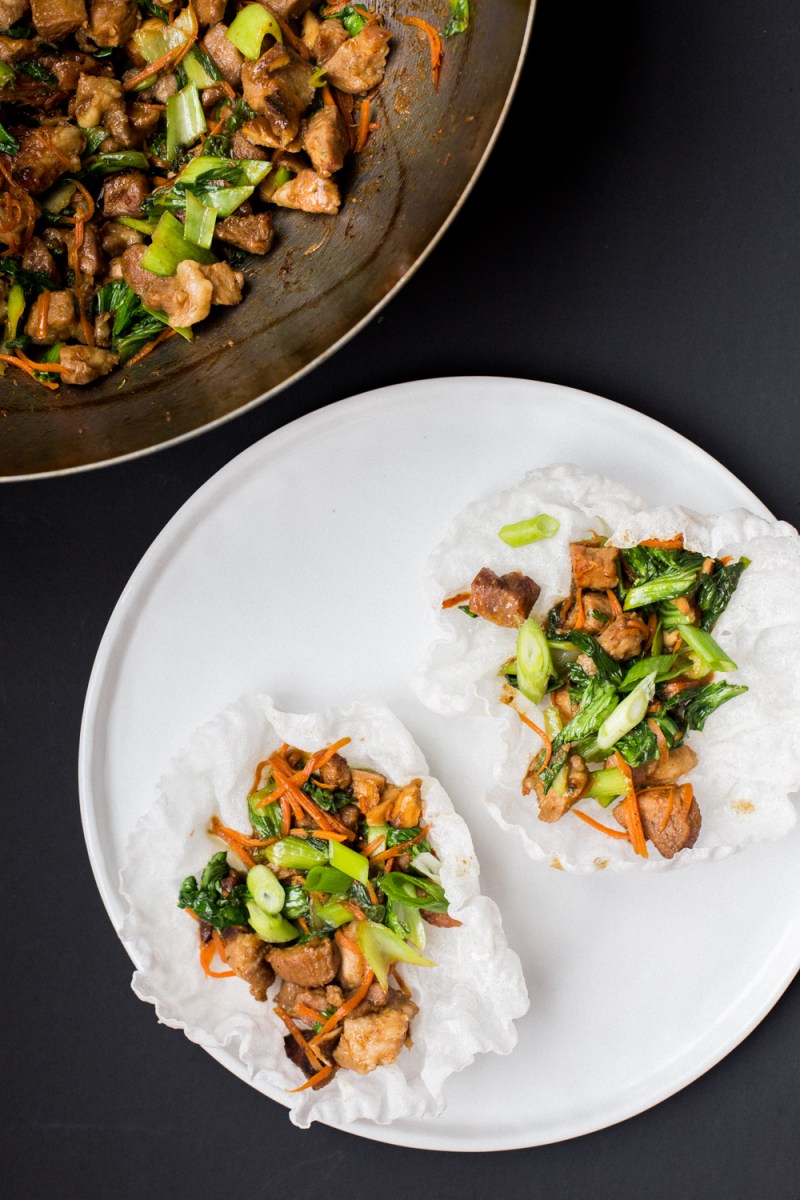
A reader recently tipped me off about the idea of pan-frying rice papers (bánh tráng) to make a quick snack. Not only was it a great idea, it served as a unique way of making a quick serving “dish”; in fact, they acted not unlike tostadas in that sense. So to keep with the theme of rice papers, I decided to make some deconstructed spring roll “tostadas” as a quick and easy meal.

Read Full Article

This past weekend I competed in a bacon cook-off fundraiser, entitled Baconpalooza, which was hosted by the Farm-to-Consumer Legal Defense Fund. The contest was part of an entire weekend of events, which included a tour of Joel Salatin’s Polyface Farm and nutrition talks and cooking demos by Robb Wolf and Jenny McGruther. My competition was very stiff during the cook-off, with many imaginative and delicious entries trying to woo the sold-out crowd of 250 voters.

I’m happy to say that I was the winner of the cook-off! I thought it would be neat to share the recipe of my winning dish so you can recreate it at home.

Read Full Article

It tends to happen every year, but this year’s summer months have been especially busy for our family and in truth I’ve had a heck of a time maintaining my weekly blogging schedule. I’ve been sent several excellent cookbooks over the past couple months and I wanted to take a second and do some quick write-ups about them in case you’re interested in expanding your Paleo and Gluten-Free cookbook library.

Read Full Article

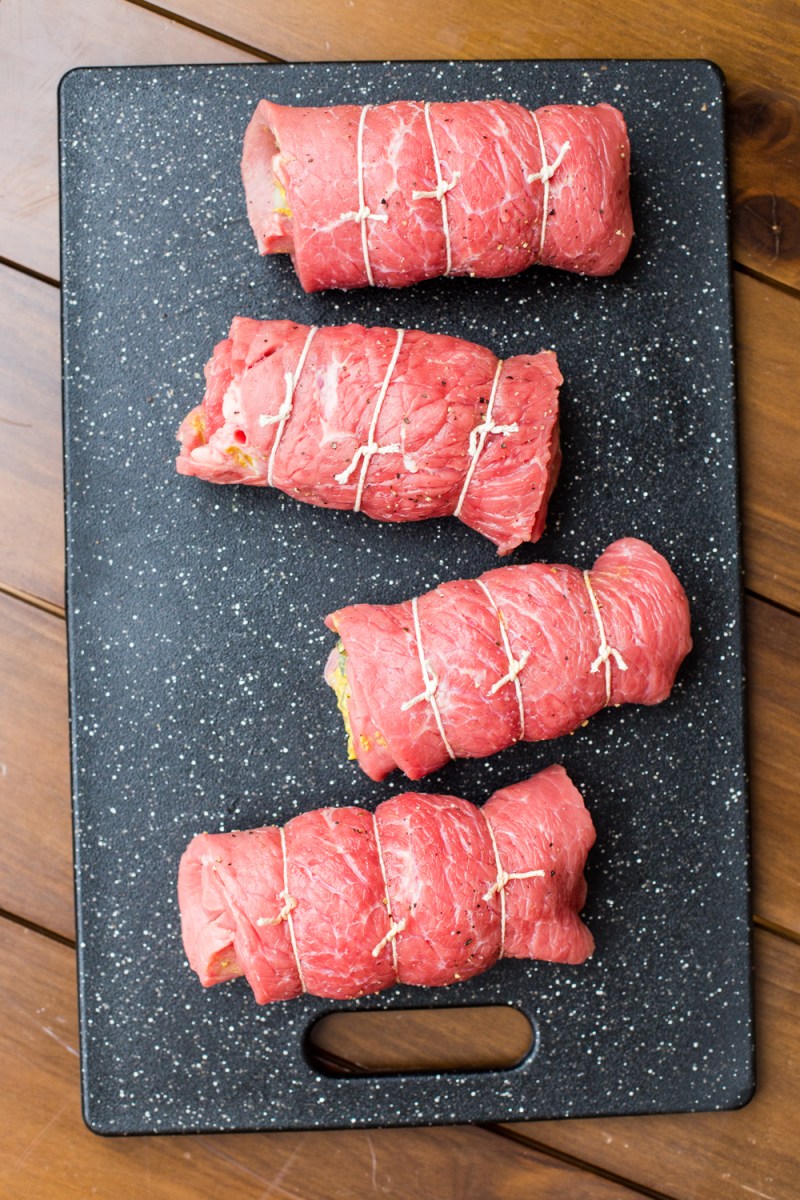
Rouladen is the German version of the French roulade, which is a roll made with thinly-sliced meat. The German version is interesting in that it probably came from Germans using items they had on hand most of the time – mustard, pickles, onion, and pork – to make something that’s unique in its own right. What’s even better is that these characteristics also make it easy to throw together this delicious meal with items you probably already have in your kitchen.

There’s no denying the French influence on this dish, with its use of a wine and broth braise (although Germans sometimes use beer instead) and mirepoix vegetables to add flavor. It’s commonly thought that Rouladen was originally made with strips of pork, although beef has become the most popular meat for this dish over the past century.

Read Full Article