paleo

Chicken Marbella is a dish first introduced in The Silver Palate Cookbook in 1982. Its unique combination of prunes, capers, and green olives quickly captured the hearts of home chefs and remains a family favorite in many households throughout the United States today. So when a friend requested that I make an adaptation of the recipe, I was happy to give it a shot and see what I could do.

And truth be told, I didn’t make many changes from the original recipe, because it’s already delicious and uses whole ingredients. However, I only used dark meat (instead of a quartered whole bird) to make sure all of the pieces cooked evenly. I also made some minor ingredient changes, like adding half an onion and using a butter and honey glaze instead of a brown sugar coating typically used in this recipe. Altogether, it all adds up to a slightly magical experience: a gourmet-tasting dish that’s dead simple to make!

Read Full Article

The word cutlet is a bit of a culinary mystery – everyone has their own interpretation of what it means. Throughout most of Europe, a cutlet is a thinly-sliced cut of meat (usually pork or veal) that is beaten, covered in breadcrumbs, and fried (think schnitzel). This is the same in the US, but they are mostly made with chicken breasts. The Japanese like to use pork (tonkatsu). Australia uses either chicken or lamb. Great Britain is a little different in that cutlets are usually not breaded.

And then there’s Russia. Somehow, as they trotted down the path of history, the Russians decided that котлет was a pretty good word for what we in the US would call a hamburger steak. Russian cutlets are a very common household dish, probably due to how easy they are to prepare. What’s funny is that they often eat cutlets between two slices of bread as a snack – which sounds a lot like a hamburger to me, although they are still called cutlets.

So at the end of the day, you could have three people walking down the street,

a) eating a Chick-Fil-A sandwich
b) eating a schnitzel sandwich (they exist!)
c) eating what basically looks like a hamburger

…and they’d all tell you they are eating cutlets.

So, after working on my Russian cutlets for a while, I decided to make a dish that is unique in that it would be fit to serve at a restaurant (which is ironic, because cutlets are rarely served in restaurants in Russia).

Read Full Article

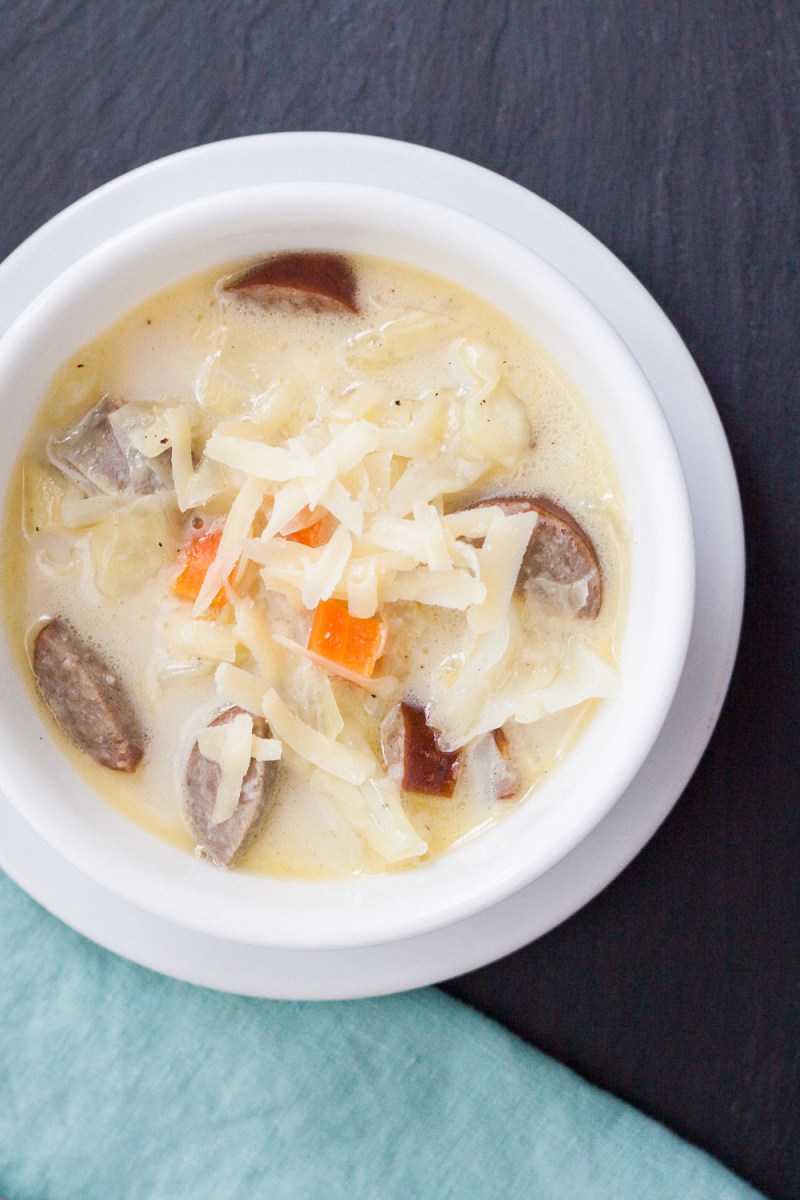
Ah, bratwurst. The German sausage has been around for a long time – the oldest recorded recipe is from the 15th Century, but it is mentioned in earlier texts. Germany (and Eastern Europe) in particular happened to be the perfect place to develop the sausages over time, because the cold winters and Northern winds were perfect conditions for testing out this cured meat. Historically, it’s also an excellent way to get nutrients into your system, as the sausages were full of parts that would have otherwise gone to waste (including some organ meats!).

Chowders made with bratwurst are popular in the United States, particularly in the Upper Midwest, but they are often full of beer and cheddar. Those aren’t bad things, mind you! But still, I wanted to make a recipe that captured the spirit and richness of those delicious chowders, but with some cleaner ingredients. Turns out a combination of chicken broth, cream, and a little aged cheddar did the trick nicely. I love this chowder in particular because it doesn’t take long to cook – about 45 minutes from start to finish – another benefit of cooking with sausage!

Read Full Article

A couple weeks ago our family spent a week in Orlando, visiting Disney World. It was great to get away from the freezing Maryland winter and spend some time in the Florida sun, enjoying one of our favorite places. We also got a chance to hang out with our friend Tony from Fitness in an Evolutionary Direction.

Being that this was our second trip to the resort in the past year, I made a conscious effort to track how we ate so that families heading down to the park can see how we managed. Overall, it’s a great place to visit if you’re concerned about diet, although you’ll have to actively avoid sugar, since it’s just about everywhere there! Alright, let’s get down to business.

Read Full Article

A while back I stumbled upon this recipe from Tina at Oh Snap! Let’s Eat! and knew that I had to try it for myself. Pancakes made with just eggs and a banana? Too good to be true. Turns out they’re very tasty and an interesting way to enjoy some of my favorite breakfast staples.

Read Full Article

Update: congratulations to Chris, Ethan, and Jamison, the three winners! The giveaway is now officially closed.

It’s probably no surprise that I’m a huge fan of Nom Nom Paleo. Michelle’s photos are always perfect and vibrant, and her recipes make it immediately apparent that not only does she know her way around a kitchen, she has a serious love of all things food. She’s a continuing source of inspiration for me in terms of presentation and healthful approaches to cooking. You might think it’s funny, but I only allow myself to visit her website every so often, mostly to make sure that my next recipe isn’t going to conflict with one of her recipes. And this is because I have serious blog envy; I’m afraid that if I go there too often, my cooking and website will mimic hers even more than it does already! I know, it’s ridiculous.

Her much-lauded iPad app received a serious update earlier this month, with a new pricing scheme – instead of in-app purchases for new recipes, you get the whole shebang for a one-time $6 price tag. I have put the app through its paces and I can say with conviction that it’s one of the best-designed apps I’ve seen, period. It has over 120 recipes, all of them both beautiful and delicious. I especially love her Walnut Prawns recipe, which made me realize that my own recipe for the dish is in serious need of updating!

To celebrate her new iPad app update, I’ve teamed up with Michelle to offer three download codes!

Here’s how to enter the giveaway (first one is required, second is optional):

1. Sign up for my newsletter (on the right sidebar of this page) and leave a comment on this post letting me know you did it.
2. “Like” The Domestic Man FB page and leave a comment on this post letting me know you did it.

If you do both options, I’ll give you two entries into the giveaway! You can tell me which options you did in one comment to save time. The giveaway ends at 10pm TONIGHT (January 27th, EST), and I will select three winners using a random number generator right afterwards. Good luck!

Fine print: the download codes expire on January 30th, 2013, so be sure to redeem it as soon as you get it!

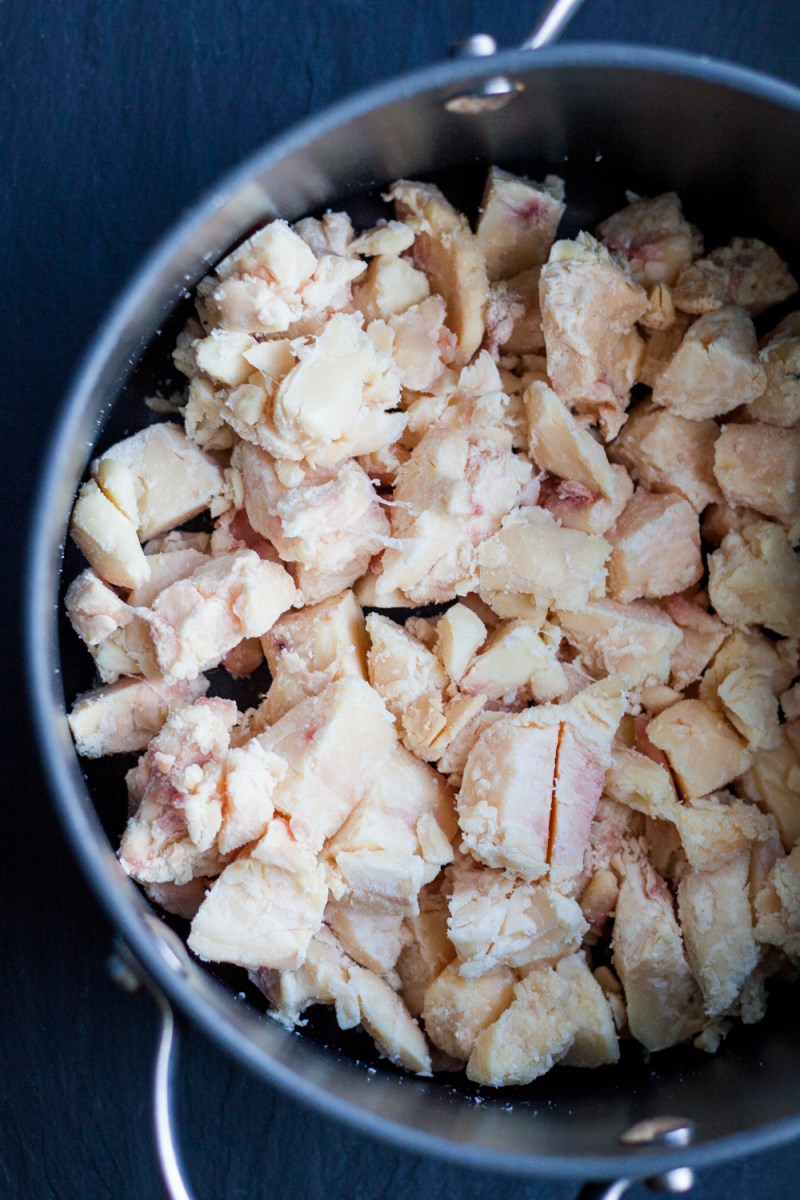
Some of my long-time readers may remember that over two years ago I rendered my own beef tallow and shared the experience with the world. It was actually one of my first “Paleo” adventures, as my wife and I went from butcher shop to butcher shop in our area trying to find someone that would sell us some fat. Finally, our local Whole Foods agreed to set aside their fat as they trimmed it off their cuts of meat – not the most ideal source of fat since it came from all kinds of cuts, and was often full of muscle meat, but it worked for a while. And it was free!

My friends at US Wellness Meats recently started selling bison fat, and considering the fact that I had a really good experience with their bison stew meat last year (recipe: Hearty Bison Stew), I wanted to try rendering my own bison tallow. I’m glad I did – the fat was of perfect quality, and the tallow came out both mild and delicious.

Read Full Article

Shirred eggs, more commonly known as baked eggs, are eggs that are baked in a flat-bottom dish. Although they are traditionally prepared with minimal ingredients, my variation is a little different in that I like to use cupcake pans and layer a host of ingredients into a cup lined with ham or other form of cured meat. I like the idea of building your whole breakfast at once.

These baked eggs are a great way to treat guests that come over for brunch, or everybody’s favorite meal, “breakfast for dinner.”

Read Full Article

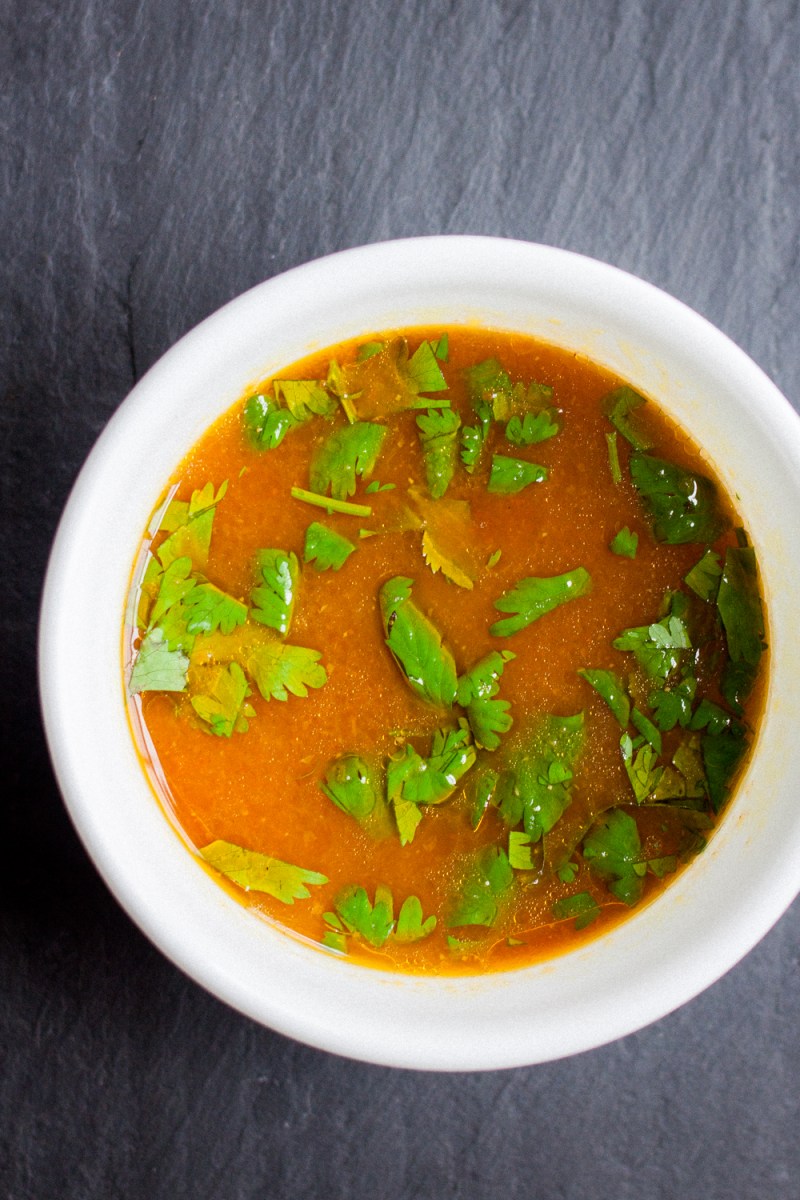
Attukal Paya (sometimes spelled as Aattukaal Paya or just Paya) is a hearty soup made with lamb, sheep, or goat feet served in South India. What fascinates me about this dish is that it’s often served for breakfast – initially this sounded strange to me, but the more I thought about it, the more it made sense; why not start your day out with some nutritious bone broth soup?

I also love the idea of throwing together a bunch of ingredients at night and waking up to breakfast already made!

Read Full Article

To start off the New Year, I’ll be posting only Whole30-compliant recipes this month. What is the Whole30 Program? It’s very similar to what I eat already, but with a few more restrictions: no dairy (except ghee), no white potatoes, no rice, no alcohol, no sugars or sweeteners of any kind. It’s a great way to jump headfirst into an ancestral diet (although easing into a Paleo diet is just fine, too) and see some dramatic changes in your health.

For my first January recipe I wanted to share one of my go-to comfort foods: sausage and sauerkraut. It can be whipped up in less than 30 minutes and always hits the spot! Sauerkraut is a superfood thanks to its healthy bacteria; Genghis Kahn took it with him as he conquered Eurasia, and Germans brought it with them on ships as they traveled to America, in order to fight off disease. Admittedly, many of its healthy bacteria are destroyed in the cooking process of this dish, but don’t let it deter you from chowing down on this tasty recipe! When shopping for sauerkraut, be sure to buy some that only has water, salt and cabbage as its ingredients. You can always make it yourself, too; it’s one of the easiest pickling endeavors you could undertake.

Read Full Article