pork

Congratulations to Abby F. who won the giveaway!

It’s with great pleasure that I take a minute and review Beyond Bacon: Paleo Recipes that Respect the Whole Hog, written by my friends Stacy Toth and Matthew McCarry (also known as the Paleo Parents). It’s the epitome of what I have been waiting to surface out of the Paleo world: a classy, beautiful, and relevant cookbook that holds its own against traditional cookbooks on the market today.

Beyond Bacon is a Paleo book with a lowercase “p” – the fact that the recipes happen to be Paleo takes a backseat, letting the dishes speak for themselves (and trust me, they can and do speak for themselves – more on that in a second). It’s the kind of book you’d expect people to buy only to find out later that it’s a book based on dietary restrictions.

Read Full Article

Shirred eggs, more commonly known as baked eggs, are eggs that are baked in a flat-bottom dish. Although they are traditionally prepared with minimal ingredients, my variation is a little different in that I like to use cupcake pans and layer a host of ingredients into a cup lined with ham or other form of cured meat. I like the idea of building your whole breakfast at once.

These baked eggs are a great way to treat guests that come over for brunch, or everybody’s favorite meal, “breakfast for dinner.”

Read Full Article

NOTE: An updated version of this recipe appears in my cookbook, The Ancestral Table.

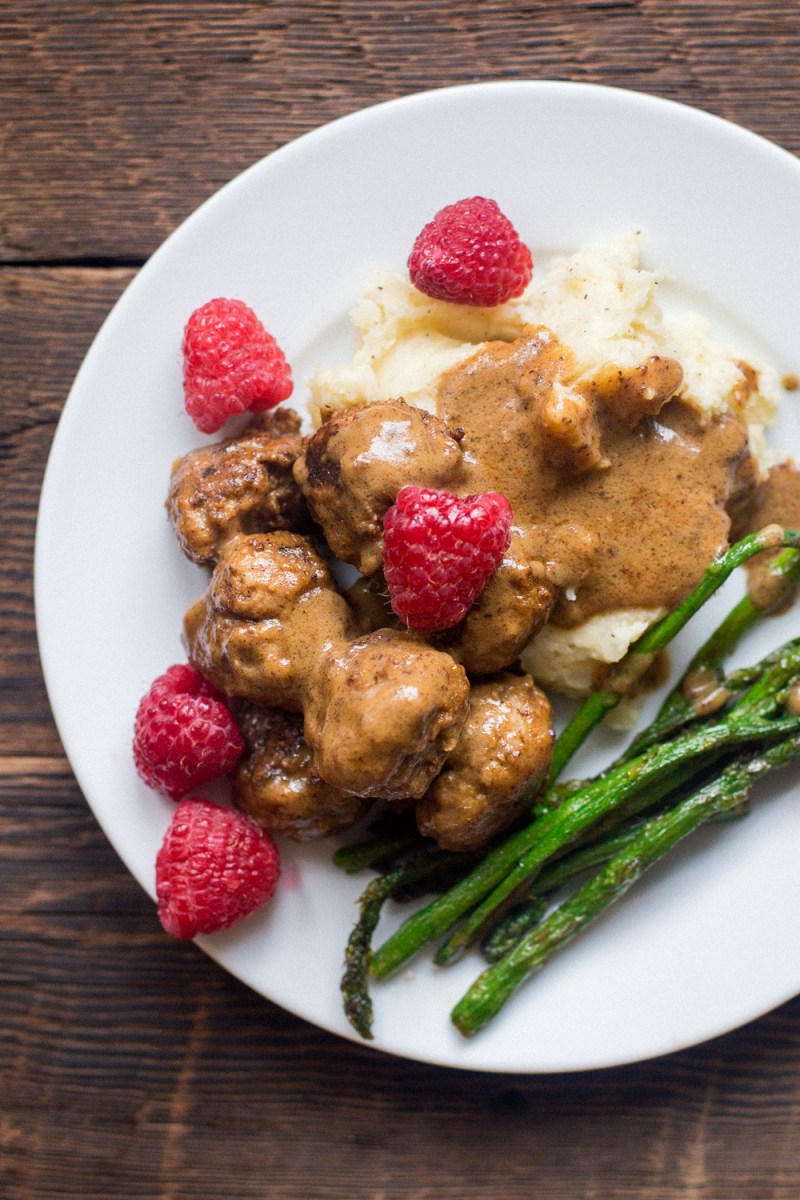
While meatballs have been around forever, the first written documentation of meatballs in Sweden appeared in the 18th century. Meatballs were likely an uncommon food in Sweden until the widespread use of meat-grinders; they later became standard Smörgåsbord (the original buffet!) fare. Scandinavian immigrants brought their meatballs to the United States, particularly the Midwest, during the 1920s. Swedish meatballs are unique in that they are pretty small and often served with a cream-based gravy.

Most Swedish meatballs are made using breadcrumbs (even IKEA’s!) so I set off to make a gluten-free version of the classic dish. It was surprisingly easy, with almond meal, cream, and egg yolk making a pretty hefty binder. I also found that in making the gravy, regular white rice flour (not sweet rice flour) created the best consistency.

Read Full Article

NOTE: An updated version of this recipe appears in my cookbook, The Ancestral Table.

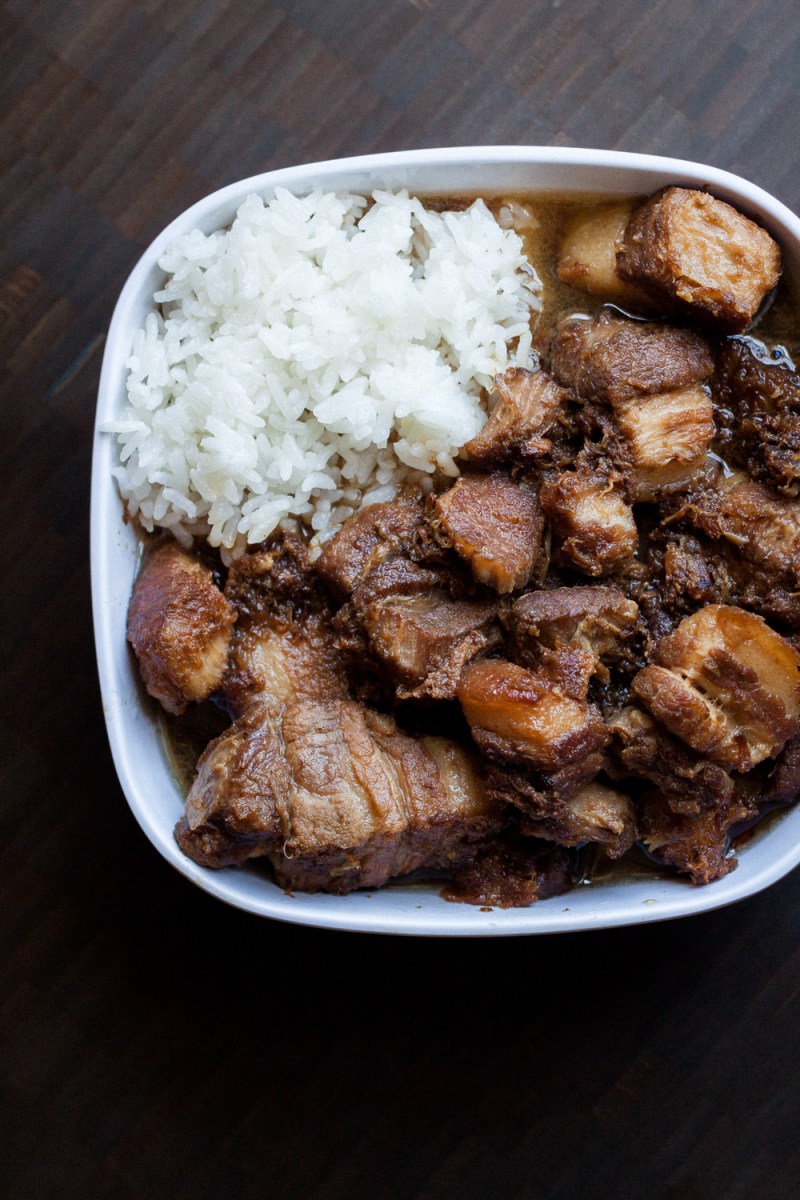
Adobo, often considered the national dish of the Philippines, is a method of stewing meat in vinegar. The word “adobo” itself is linked to a Spanish method of preserving raw meat by immersing it in a mixture of vinegar, salt, and paprika. When the Spanish observed an indigenous Philippine cooking method involving vinegar in the 16th century, they referred to it as adobo, and the name stuck. Interestingly, the original Filipino name for this dish is no longer known.

Read Full Article

One of our favorite occasional indulgences is Chinese dim sum, and one of my favorite dim sum dishes is spare ribs with black beans. In Asia, black beans (douchi) aren’t the same black beans you get at Chipotle; they’re actually a fermented and salted version of soy beans. This recipe is basically my take on this dish but without the beans.

Part of this dish’s unique taste is the combination of sweet and salty with a subtle fermented twinge – in order to pull this signature fermented taste off, I added dashes of oyster sauce and fish sauce, and it came out beautifully.

Read Full Article

I have a confession to make: it’s not often that I invent a recipe out of thin air. Usually I tend to re-create tried-and-true traditional dishes using a wide array of sources. However, with today’s recipe – a roasted pork sirloin – I made the whole thing up, mostly out of necessity. Although there are a lot of recipes out there for how to cook pork sirloin, many of them looked less than great, and there didn’t seem to be a universal approach to cooking this cut of pig.

I chose to tackle this dish for another reason, as well: it’s a fairly affordable cut of pork. That seems like a tragedy – to have an affordable, readily-available selection of meat available but no tasty method of preparation – and I wanted to fill that vacuum. Luckily, US Wellness Meats agreed with me, and let me try out one of their 4-lb. Pork Sirloin Roasts.

Read Full Article

Ham seems like a simple hunk of meat. All you have to do is buy a cured, pre-sliced ham and warm it up in the oven. Unfortunately, while this is the easiest (and most common) way to get some ham in your belly, it’s not the healthiest option. Your everyday pre-cooked ham is loaded with sugar and nitrates.

I’ve been meaning to tackle an uncured ham for a while, so imagine my delight when US Wellness Meats asked me to write up a recipe for their petite ham. This smoked ham is both sugar and nitrate free, using compassionate certified pork. Its size is also perfect for our family of three – 2.5 lbs of porcine goodness. There was plenty for us to eat, and a good amount of leftovers to boot. For those of you using a cured and/or a spiral-cut ham, don’t worry – this recipe works just fine for them as well.

Read Full Article

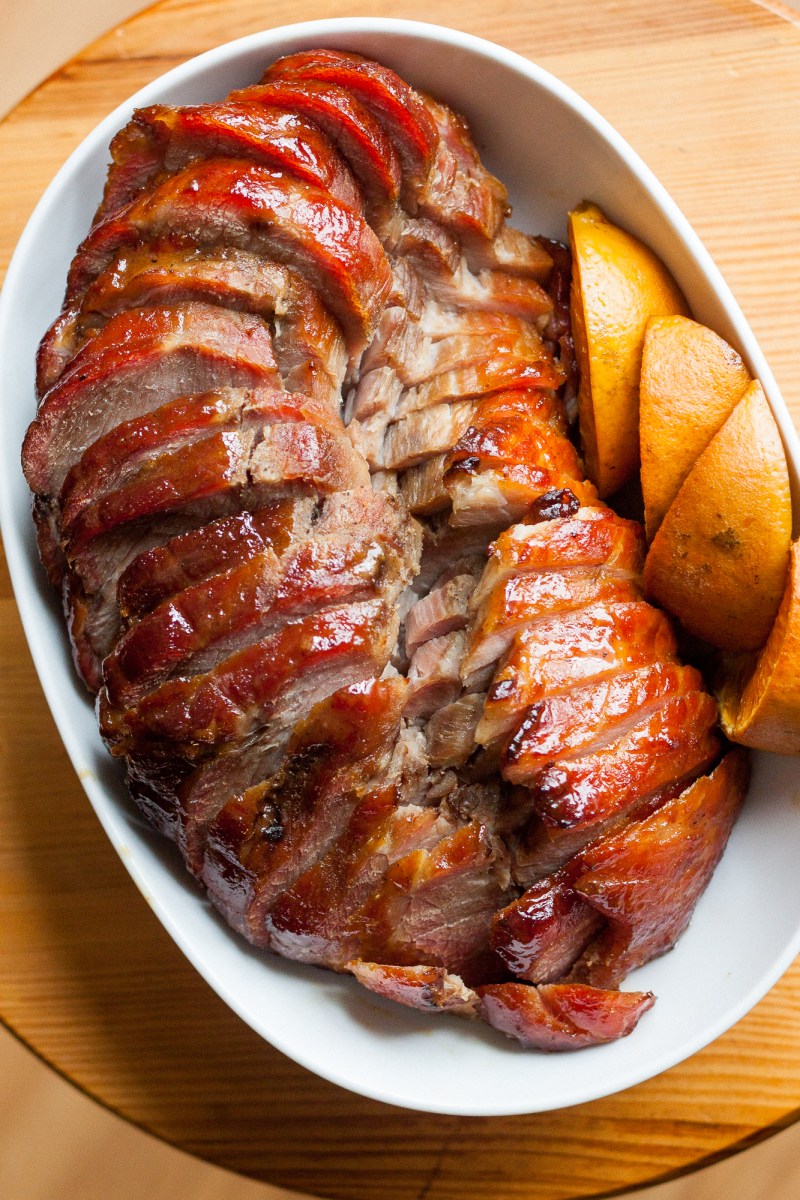
Char siu (蜜汁叉烧, literally “fork burn/roast”) is a famous Chinese roast pork dish. Not only is it served on its own, but it is commonly found in fried rice, noodle soups, and steamed buns (char siu bao/manapua).

Today this dish is often made with maltose, which is a malt sugar made from barley. Honey is a suitable substitute, and still used by many chefs as well. Also, many restaurants will use red dye to simulate that signature red roasted look – we’re going for the real deal in this recipe.

Read Full Article

You may remember one of my favorite recipes, my easy BBQ ribs. Well, since posting the recipe last year (and a revised version this March), I’ve been slowly honing this dish, and I’ve made enough changes that I figured I should write a quick amendment post.

The biggest change is that after cooking, I have been letting the ribs rest for about ten minutes, and then cutting each bone away from the rack using a pair of kitchen shears. This step makes for a much cleaner and fulfilling eating experience.

I’ve also found that adding peppercorns to the apple cider/white wine mixture in the first part of the cooking process really adds a depth to the meat’s taste.

While in Germany last year, I came across a Bavarian dish called “Schweinshaxe” (pork knuckle), which is a ham hock that is boiled and roasted to a crisp. I enjoyed picking apart this barbarian hunk of meat, and I wanted to replicate the experience at home. Since uncured ham hocks are hard to come by, and most butchers would look at you funny if you asked for a pork knuckle, I decided to try out a different cut but with similar result.

I settled on a pork shoulder (same thing as a pork butt), which is easy to find and fairly marbled. Pork shoulder is the cut used in pulled pork, so I thought I would roast a shoulder in the grill but take it off before it starts to fall apart; the outer shell came out deliciously crispy and the meat was juicy and tender.

Read Full Article