primal

NOTE: An updated version of this recipe appears in my cookbook, The Ancestral Table.

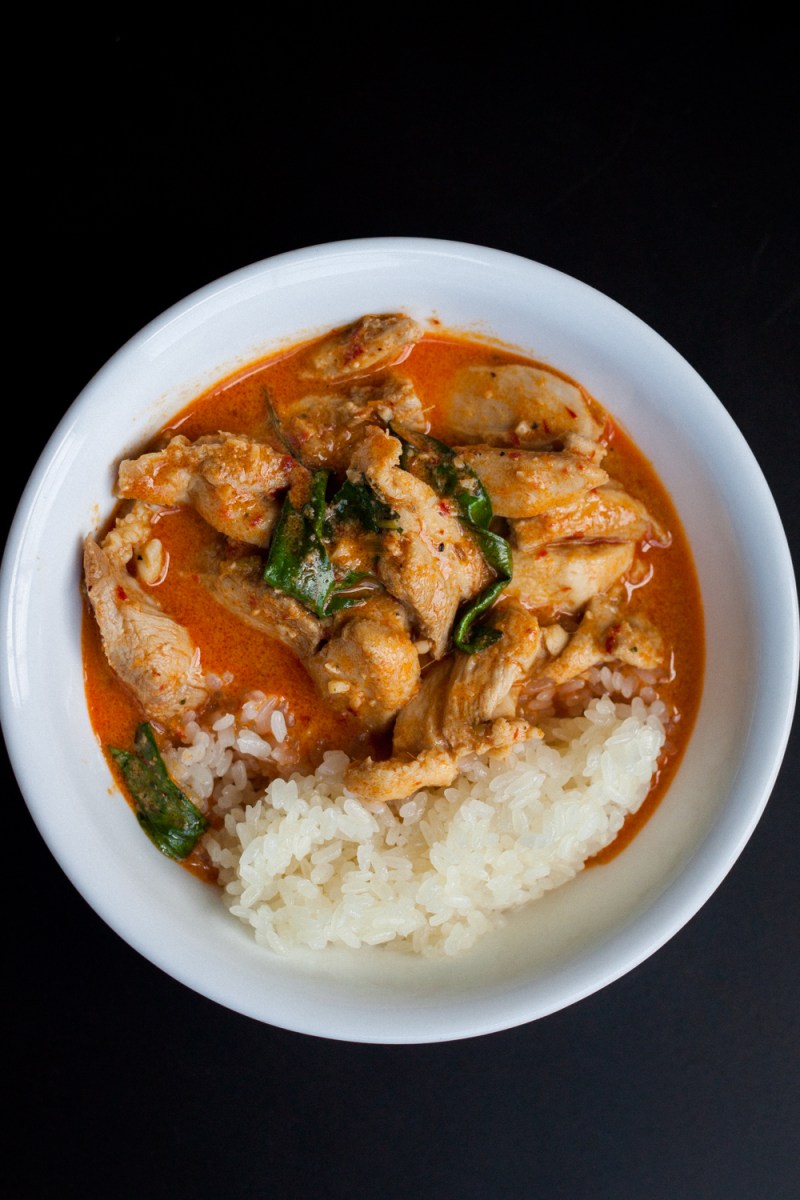
Like I had mentioned in my Panang curry paste recipe, Panang (also spelled พะแนง, Penang and Phanaeng) curry is a mild Thai curry that gets its name from the Malaysian island of Penang. It is similar to Thai red curry but is richer and creamier, and typically uses crushed peanuts as a major part of the dish (I personally use cashews). It is often served with beef, pork, chicken or shrimp in Thai restaurants in the United States, although beef is the traditional meat used in this dish. We love to make this curry with all of these meats, but typically we use chicken for its taste and texture.
Read Full Article

NOTE: An updated version of this recipe appears in my cookbook, The Ancestral Table.

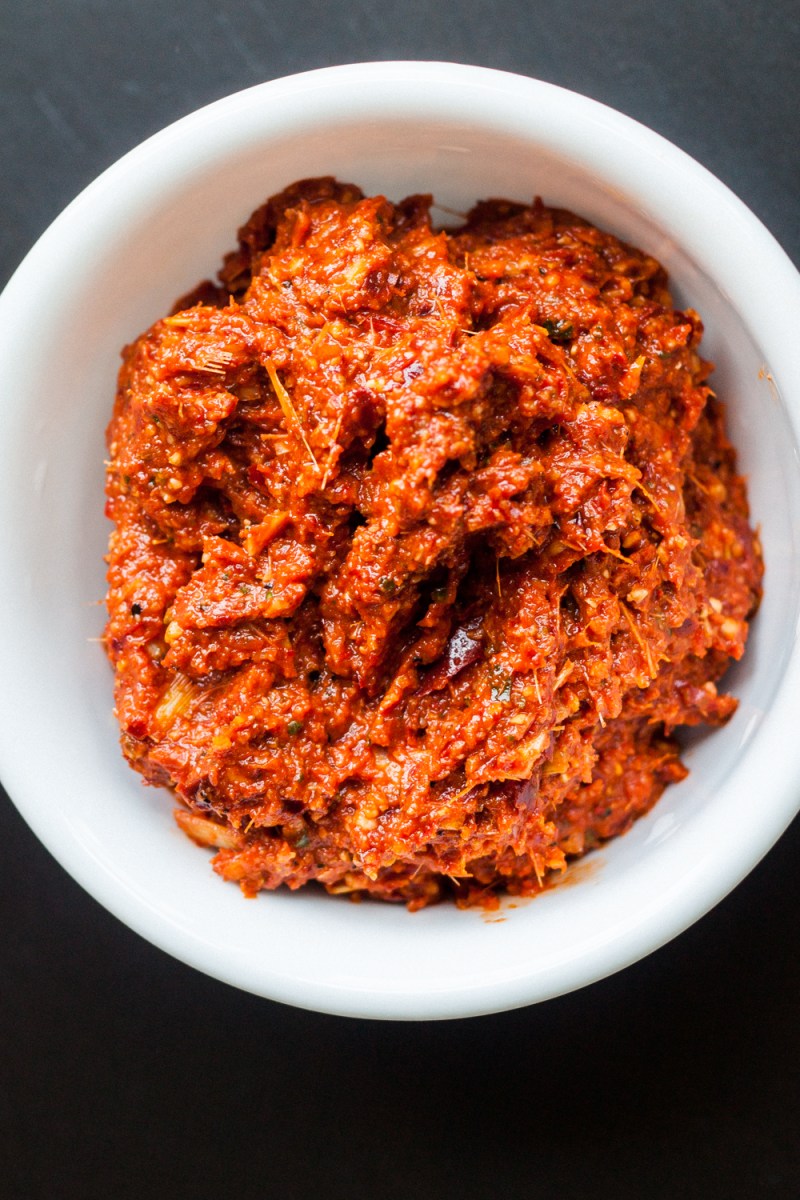
Panang (also spelled Penang and Phanaeng) curry is a mild Thai curry that gets its name from the Malaysian island of Penang. It is similar to Thai red curry but is richer and creamier, and typically uses crushed peanuts as a major part of the dish (I personally use cashews). It is often served with beef, pork, chicken or shrimp in Thai restaurants in the United States, although beef is the traditional meat used in this dish.

While the pre-made Panang curry pastes from Maesri and Mae Ploy are both excellent, they are more spicy than I would like. Reducing the amount of paste used or adding extra coconut milk just makes for a bland meal, so I decided to develop a mild Panang curry paste of my own that could then be adjusted for spiciness. As an added bonus, my recipe is also free of added sugar, unlike the pre-made pastes!

Click here to see this paste in action, in my Chicken Panang recipe.

Read Full Article

Yuca (cassava) is a starchy, tuberous root that originated in South America, most likely Brazil, and has probably been cultivated for 12,000 years. Today, Africa consumes the most yuca, with Nigeria being the world’s largest producer of the root. When dried, it becomes tapioca. Quite a handy root, eh?

The easiest (and possibly tastiest) way to prepare a yuca root is dead simple: all it takes is a quick boil and a little time with some quality coconut oil.

Read Full Article

One of our favorite occasional indulgences is Chinese dim sum, and one of my favorite dim sum dishes is spare ribs with black beans. In Asia, black beans (douchi) aren’t the same black beans you get at Chipotle; they’re actually a fermented and salted version of soy beans. This recipe is basically my take on this dish but without the beans.

Part of this dish’s unique taste is the combination of sweet and salty with a subtle fermented twinge – in order to pull this signature fermented taste off, I added dashes of oyster sauce and fish sauce, and it came out beautifully.

Read Full Article

NOTE: An updated version of this recipe appears in my cookbook, The Ancestral Table.

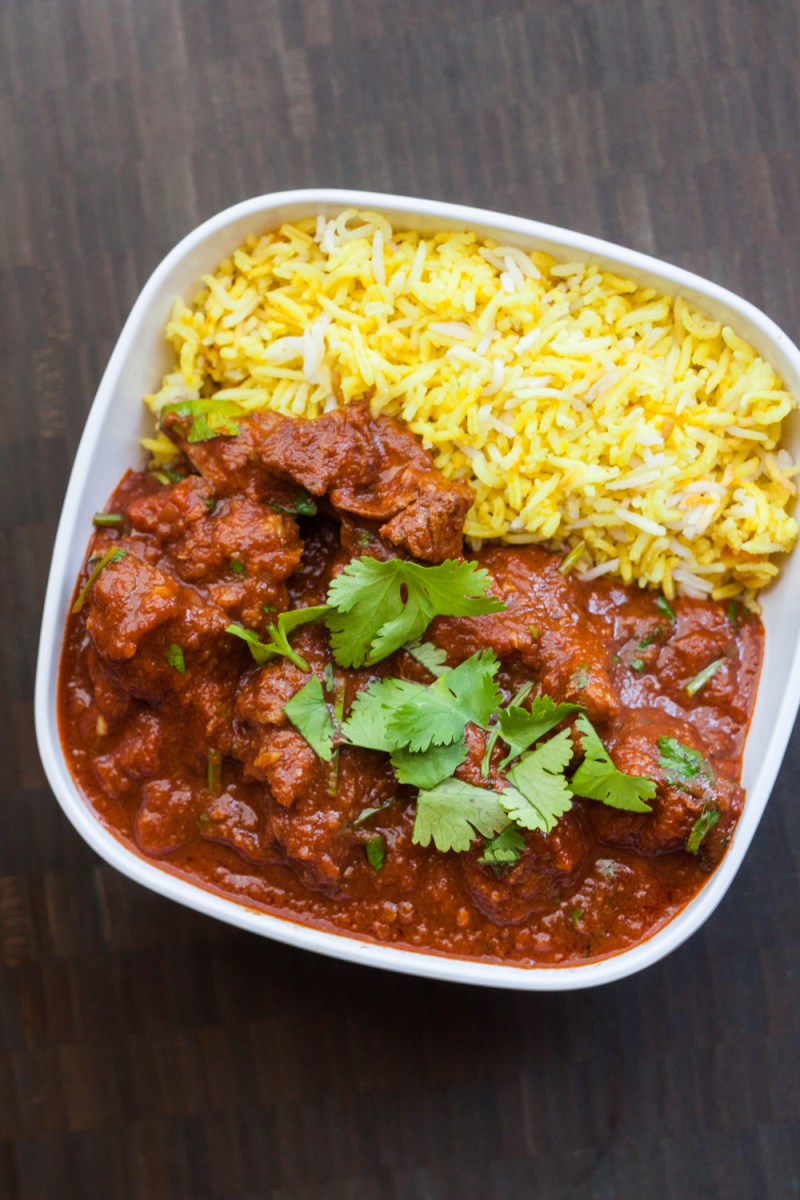
Rogan Josh is a popular Kashmiri dish that is believed to have originated in Persia before making its way to Northern India and beyond (in Persian, “rogan” means clarified butter and “josh” means hot or passionate). Its signature red color is historically the result of mild red Kashmiri chiles which were used in making this dish. Over the years, many restaurants started using tomatoes in the dish to bring about that red color easily. My recipe follows the more modern interpretation of the dish, mostly because you and I don’t have the money to travel to Kashmir for some chiles! Well, maybe you do, but I most certainly do not.

An excellent cut of lamb for this dish was the other half of Lava Lake Lamb’s beautiful lamb shoulder (the other half was used to make shashlik). This slightly-fatty cut imparted a ton of flavor into the dish, which just tasted better and better the longer it simmered.

I’m also happy to announce that this is my first recipe that features a printer-friendly version! I’ll be sure to do this with every recipe from now on, and as I get the spare time I will go back and make printer-friendly versions of all my recipes.

Read Full Article

As summer hits (it’s 102 degrees as I type this!), no one’s really in the mood to cook an extravagant creation. I get that. That’s why I have simple, easy recipes like my little eggplant pizzas to get through the scorching days. There’s not a whole lot to this recipe, but it’s the perfect little distraction that seems to be most appealing when we don’t want to spend a lot of time in the kitchen.

In general I don’t like using the oven while it’s hot out, but these little babies cook up relatively fast so I don’t mind them so much.

Read Full Article

Drumsticks are a great cut of chicken. My three-year-old son loves them, since they come with “handles” and he gets to eat with his hands. To celebrate these little legs I decided to write up a quick, foolproof recipe for grilling drumsticks.

They are also one of the easiest and most rewarding pieces of chicken to grill, because it’s hard to mess them up. Chicken breasts are great, but they have a very small window of juiciness, and will dry up quicker than a jackrabbit in a thunderstorm. Whole chickens are also fun to grill, but are best when brined, which can take some time and planning. Thighs are another good option, but let’s be honest here – they’re just not as fun as drumsticks.

Read Full Article

NOTE: An updated version of this recipe appears in my cookbook, The Ancestral Table.

Shashlik (Шашлык) is a type of shish kebab commonly found in Russia and the former Soviet republics. It was likely brought to Moscow from Central Asia in the 19th century. Today, it’s a popular summer food cooked over an open fire at social gatherings. It’s traditionally prepared with lamb, but chicken, pork, and beef variations are becoming increasingly prominent. With summer in full swing throughout the country right now, I thought it would be a great time to share this tasty dish!

There are a few tricks that I came up with when developing this recipe that I think are pretty sweet. While the dish is traditionally marinated in either vinegar or lemon juice, I found that the combination of lemon juice and apple cider vinegar gives the meat a tangy and subtly sweet flavor. Secondly, leaving the salt out of the marinade and saving it for the last stage of the recipe provides for a really great complementary texture to the tender and juicy meat.

Read Full Article

NOTE: An updated version of this recipe appears in my cookbook, The Ancestral Table.

Cabbage rolls are found all over Europe, Asia, and the Middle East. They are staple dishes in Croatia, Poland, Ukraine, Russia, and Sweden; in Russia, they’re called голубцы (golubtsy) and make regular dinnertime appearances in most homes.

There is some controversy over the origin of the dish. One common theory is based on its name, which could be linked to the word Russian word for pigeons (голуби). Russian cuisine and culture was heavily influenced by the French in the 17th and 18th centuries, and these stuffed cabbage rolls could be an attempt to recreate roasted pigeons, a popular French dish at the time.

Read Full Article

NOTE: An updated version of this recipe appears in my cookbook, The Ancestral Table.

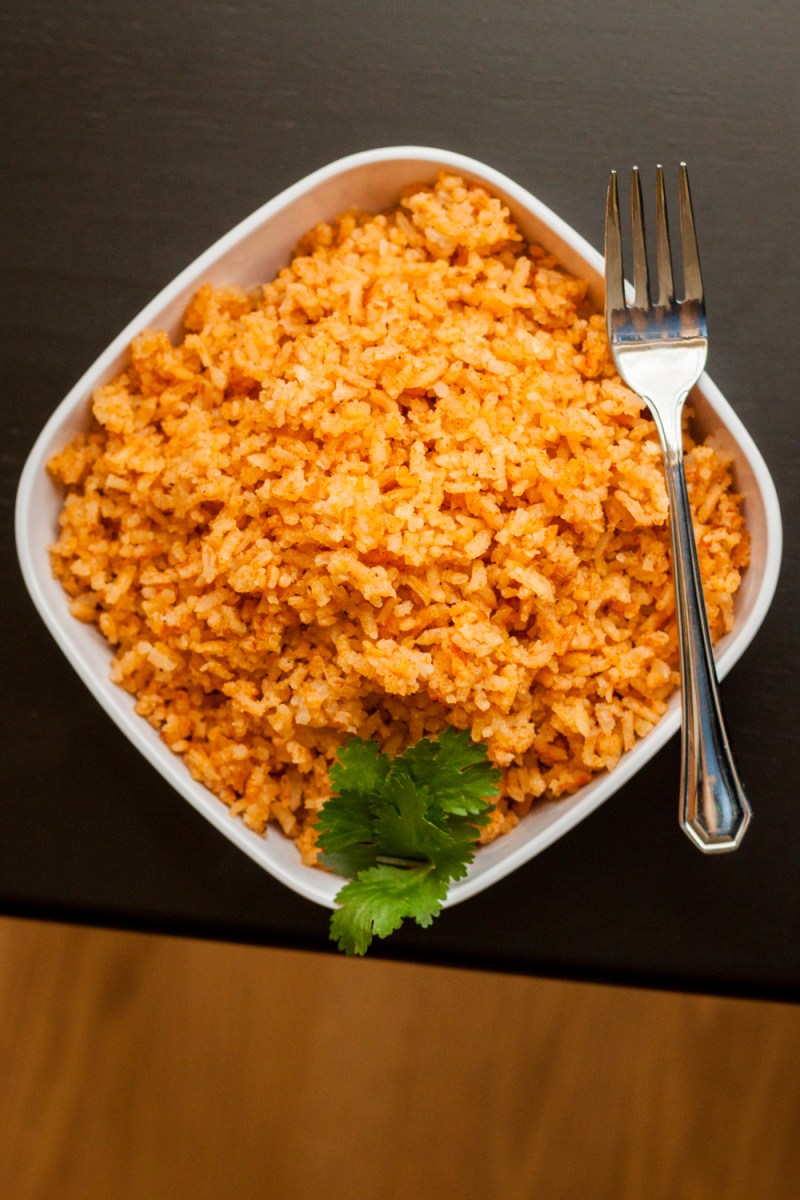
You know what doesn’t get enough credit? White rice. It helps feed a large portion of the world, and is a relatively safe starch. Sure, it doesn’t have a lot of nutritional value, but it can easily become a vessel for other nutrients. Enter my Mexican rice recipe, which is chock-full of tasty and healthy stuff like grass-fed butter/ghee, tomato sauce, and homemade chicken stock.

Although it’s often called “Spanish rice” here in the US as well Mexican rice, no such thing exists in Spain. I’ve been making this side dish for several years, well before switching my diet. For this dish I like to simulate your standard Mexican restaurant rice – tangy, slightly salty, and with a tiny hint of chicken thanks to its use of broth/stock.

Read Full Article