primal

NOTE: An updated version of this recipe appears in my cookbook, The Ancestral Table.

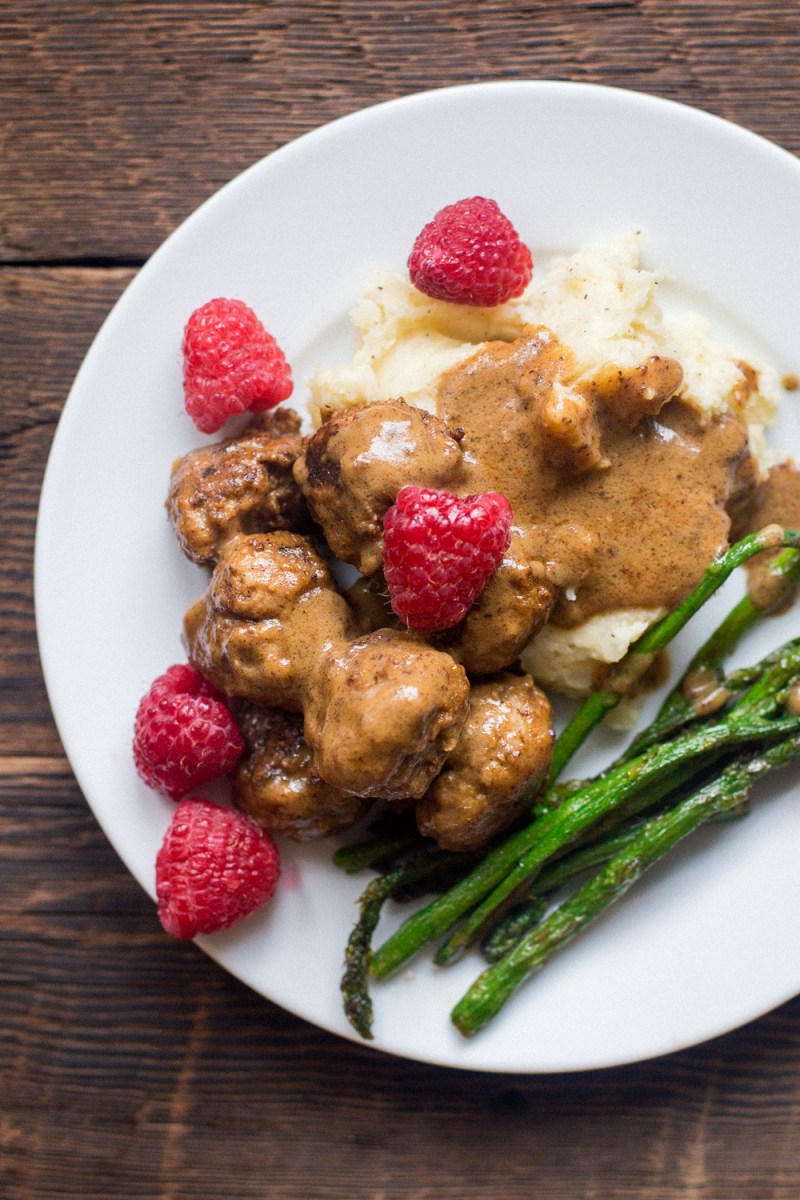
While meatballs have been around forever, the first written documentation of meatballs in Sweden appeared in the 18th century. Meatballs were likely an uncommon food in Sweden until the widespread use of meat-grinders; they later became standard Smörgåsbord (the original buffet!) fare. Scandinavian immigrants brought their meatballs to the United States, particularly the Midwest, during the 1920s. Swedish meatballs are unique in that they are pretty small and often served with a cream-based gravy.

Most Swedish meatballs are made using breadcrumbs (even IKEA’s!) so I set off to make a gluten-free version of the classic dish. It was surprisingly easy, with almond meal, cream, and egg yolk making a pretty hefty binder. I also found that in making the gravy, regular white rice flour (not sweet rice flour) created the best consistency.
Read Full Article

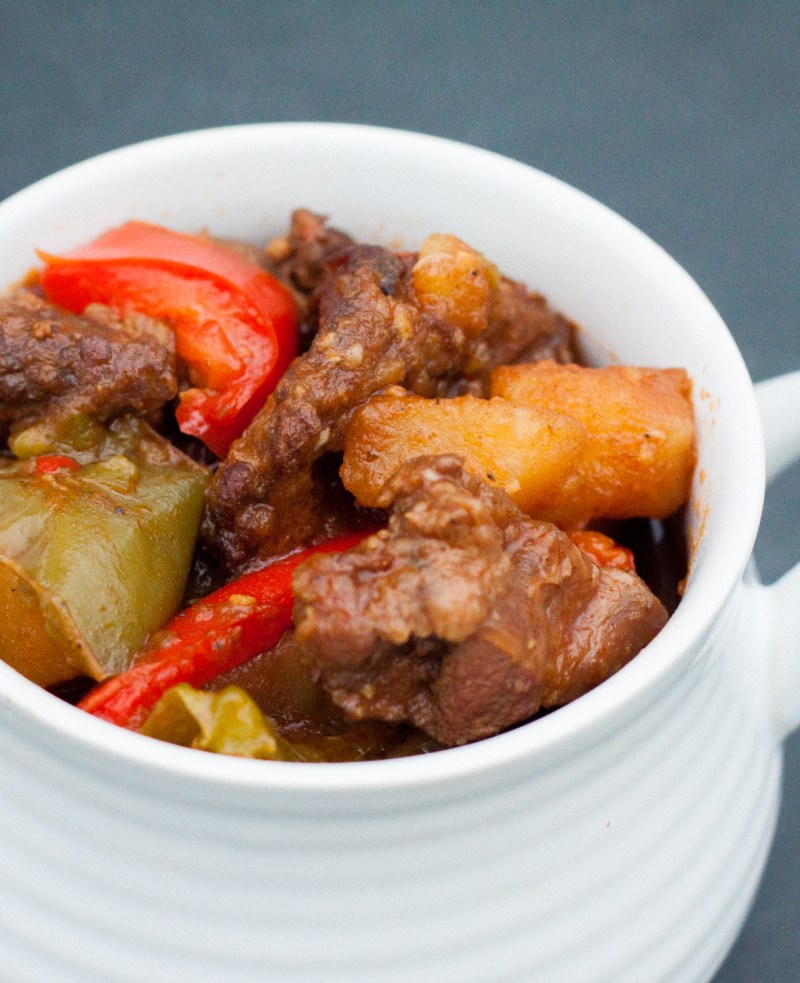
Goulash has a fairly long history, as it is traced back to 9th century Hungarian shepherds (the term gulyás translates to “herdsmen”), when soup was an important part of the lifestyle. People would dry meats and veggies and then add hot water later to create a soup, and goulash was born. Although paprika is a signature spice of both Hungarian cuisine and this dish, it wasn’t introduced until the 16th century (bell peppers came from the New World), so the original variations of this dish were paprika-less.

Goulash is often classified as a stew here in the United States, but many Hungarians maintain that it’s a soup, often to differentiate it from a similar, thicker dish called pörkölt. Goulash is often served over egg noodles or spätzle, but many variations use potatoes, including mine. They help to bring a hearty feel to the dish, plus they conveniently thicken the sauce at the same time.

Read Full Article

NOTE: An updated version of this recipe appears in my cookbook, The Ancestral Table.

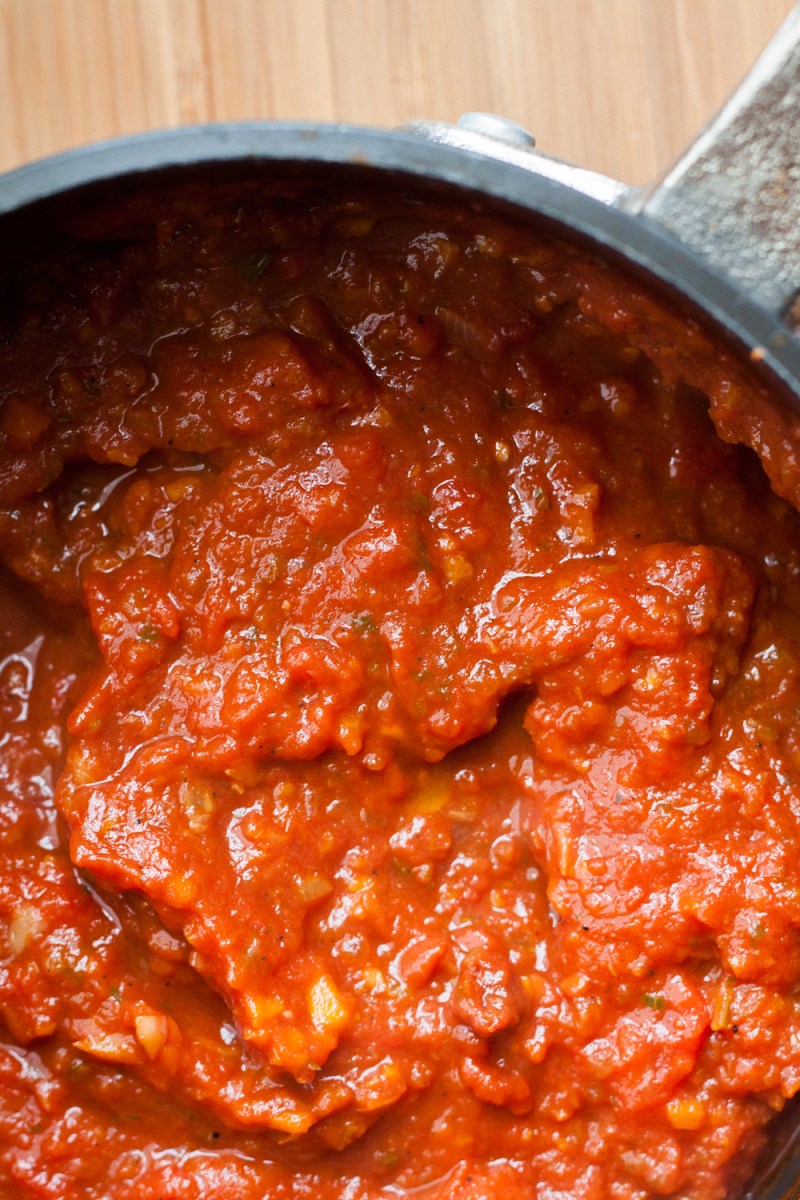
Have you looked at the ingredients of canned tomato/spaghetti sauces lately? You’d think they would be very simple, but surprisingly they have some hidden and unnecessary ingredients. Even Trader Joe’s organic marinara sauce has soybean oil in it, as well as parmesan cheese; I don’t find the cheese offensive per se, but does it have to be in there? So, I decided it was time to share an easy, tasty sauce of my own, which you can use as the foundation to any tomato-based sauce.

Although tomatoes arrived in Europe from the New World in the 16th century, tomato-based sauces didn’t start appearing on record until the 1790s. There is a staggering amount of variation to this seemingly simple sauce, with names to boot: In the US, marinara can mean just a tomato-based sauce, but in Italy it often refers to a seafood dish. The term tomato sauce also refers to any tomato-based sauce, except in the UK, Australia, New Zealand, and South Africa, where it refers to ketchup (pasta sauce is the proper term there). Neapolitan is a meatless tomato sauce, linked to southern Italy. A ragù is a tomato sauce with meat (often referred to as bolognese sauce outside of Italy). Finally, call me old-fashioned, but I just like to call it spaghetti sauce.

Read Full Article

NOTE: An updated version of this recipe appears in my cookbook, The Ancestral Table.

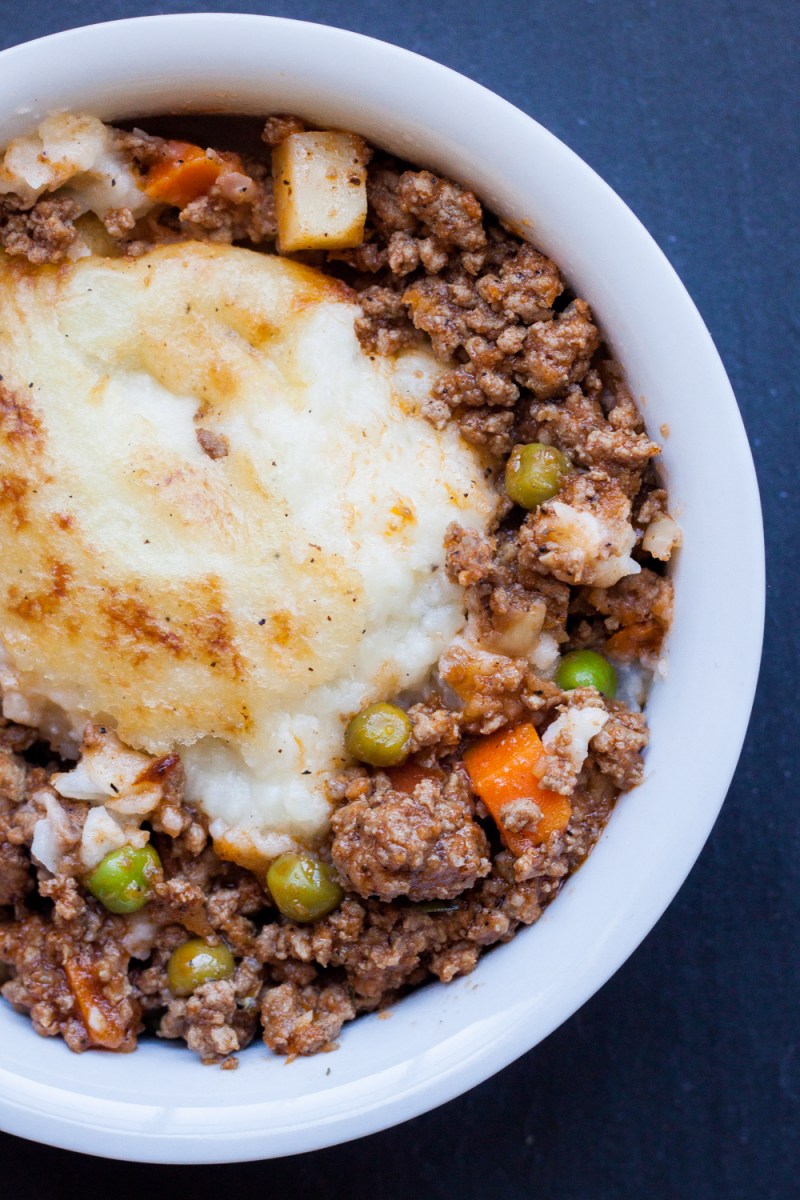
Although meat pies have been eaten in the British Isles since the Middle Ages (14th Century, last I heard), Shepherd’s Pie as we know it today coincided with the arrival of the potato in Europe. The Spanish brought potatoes to Europe in 1520, but they didn’t catch on until the 18th Century in Great Britain. Shepherd’s Pie appeared shortly thereafter – although under its original name, Cottage Pie, and made mostly with beef. The term Shepherd’s Pie followed about a hundred years later, along with the idea that it should be made with mutton. Today, Shepherd’s Pie can be made with beef or lamb, or sometimes both, while Cottage Pie usually refers only to the beef version of the dish.

Another interesting thing about this dish is the fact that it’s prevalent in many other cultures, with some pretty amusing names, like Pâté Chinois (“Chinese Pie”, French Canada), Картофельная Запеканка (“Potato Baked Pudding”, Russia), and Escondidinho (“Hidden”, Brazil).

Read Full Article

NOTE: An updated version of this recipe appears in my cookbook, The Ancestral Table.

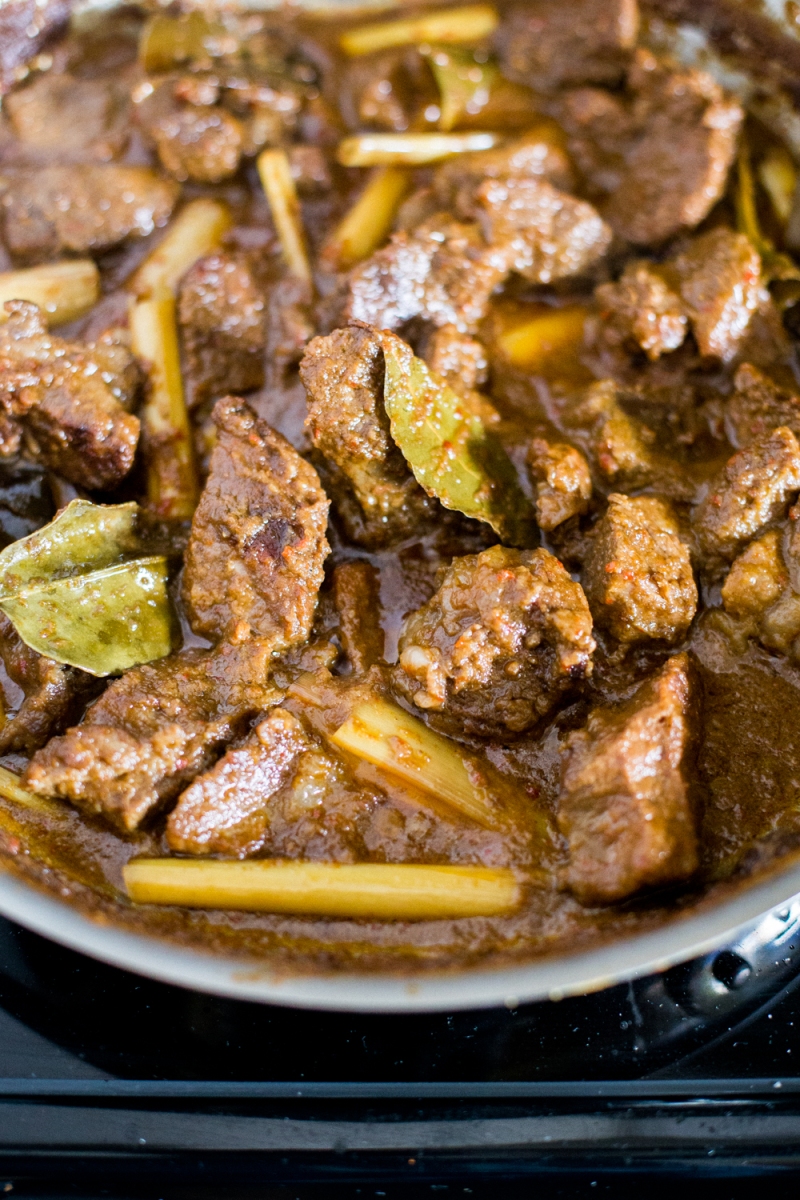
Rendang is a dry curry originating among the Minangkabau people of West Sumatra, and later spreading throughout Indonesia and Malaysia. It’s one of the most recognizable Southeast Asian dishes, with its distinct…well, ugliness and signature intensity. This “dry” method consists of simmering down coconut milk for several hours to intensify the flavors (and also preserve the meat, which was probably how the dish was started). The end result is a taste so significant that it can be downright overwhelming.

Rendang is usually made with beef, but it can sometimes be found using mutton or water buffalo. For this dish, I used a combination of TX Bar Organics’ delicious and lean stew meat, and a pound of fattier chuck roast. This allowed me to use the chuck roast’s rendered fat to brown the beef during the last stage of cooking.

Read Full Article

Today’s recipe is unique in that it’s basically a combination of two traditional dishes: Chicken Long Rice (Hawaiian) and Japchae (잡채, Korean). They’re both very similar, and in making either dish Paleo-friendly, they both just kinda mixed into this one dish you see above. Although it doesn’t have an official name, don’t worry: it tastes great!

Chicken Long Rice is a Hawaiian luau food that consists of chicken broth, mung bean starch noodles, chicken, and green onions. It was brought to the islands by Chinese immigrant workers in the 19th century, and is now integrated into Hawaiian cuisine.

Japchae is a Korean dish that is traced back to the 17th century, which traditionally was made with vegetables and mushrooms (Japchae literally means “a mixture of vegetables”), and sometimes with beef. Since the 20th century, sweet potato noodles (dangmyeon, 당면) have been a major part of the dish.

Read Full Article

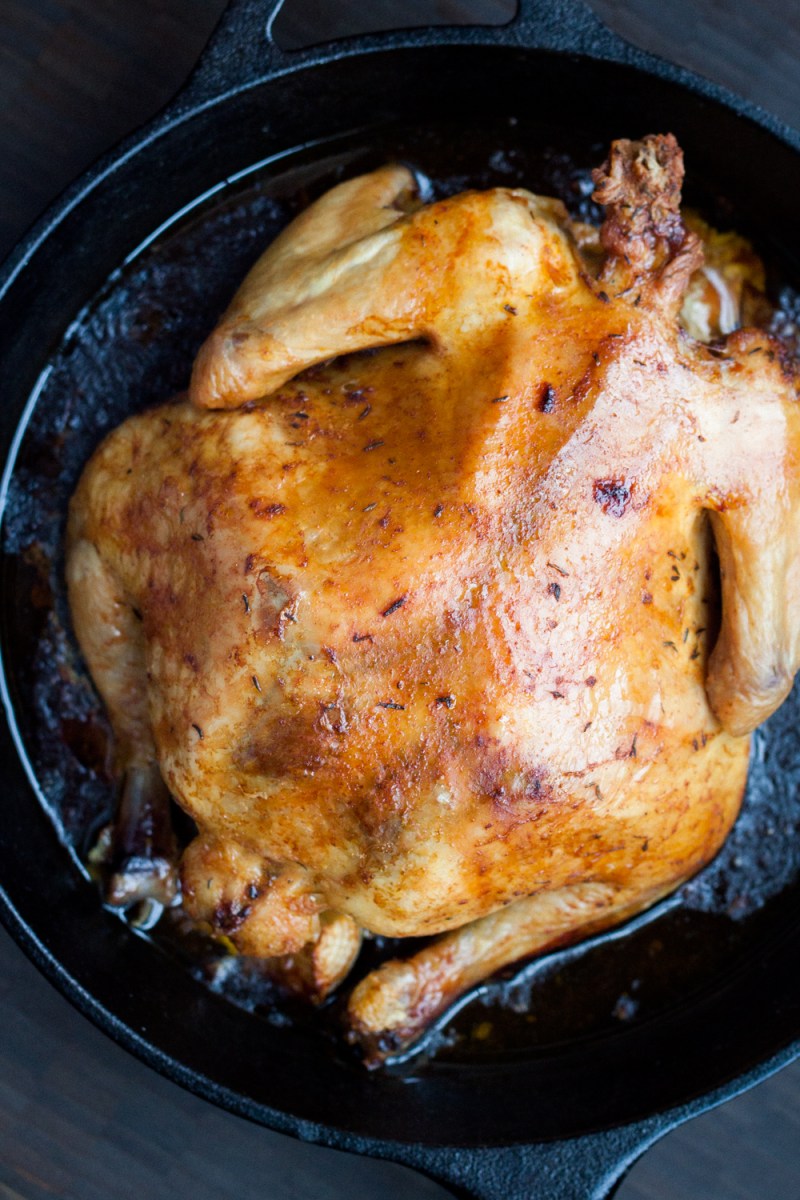
One of my readers recently turned me onto a dish called “Mimi’s Sticky Chicken“, and I was immediately intrigued by its foolproof technique and the mid-1990s feel of Mimi’s website. So I gave it a try, and I liked the recipe enough to share.

This recipe is unique in that it only needs one dish (I used a cast iron skillet), and it uses a relatively low cooking temperature of 250 degrees. Sure, it takes four to five hours to cook the bird, but it’s worth the wait.

Read Full Article

A couple months ago I wrote a guest post talking about easy ways to incorporate healthy eating into your life, and I decided to revise it a bit and put it up here on the site for posterity’s sake.

It is no secret that I follow a mostly Paleo-minded way of eating and cooking (more specifically, a model based on the Perfect Health Diet). And while the Paleo diet is a lot of fun and a great template to eat from, it’s a pretty drastic change from your standard, everyday Western fare. Switching to a Paleo way of eating is a major adjustment, and one that many people aren’t willing to jump into headfirst. And I get that. So I wrote up a few steps that anyone can take that aren’t drastic, or terribly inconvenient, but are big steps towards eating better. Think of this as the first steps in easing into an ancestral diet at your own pace.

Read Full Article

NOTE: An updated version of this recipe appears in my cookbook, The Ancestral Table.

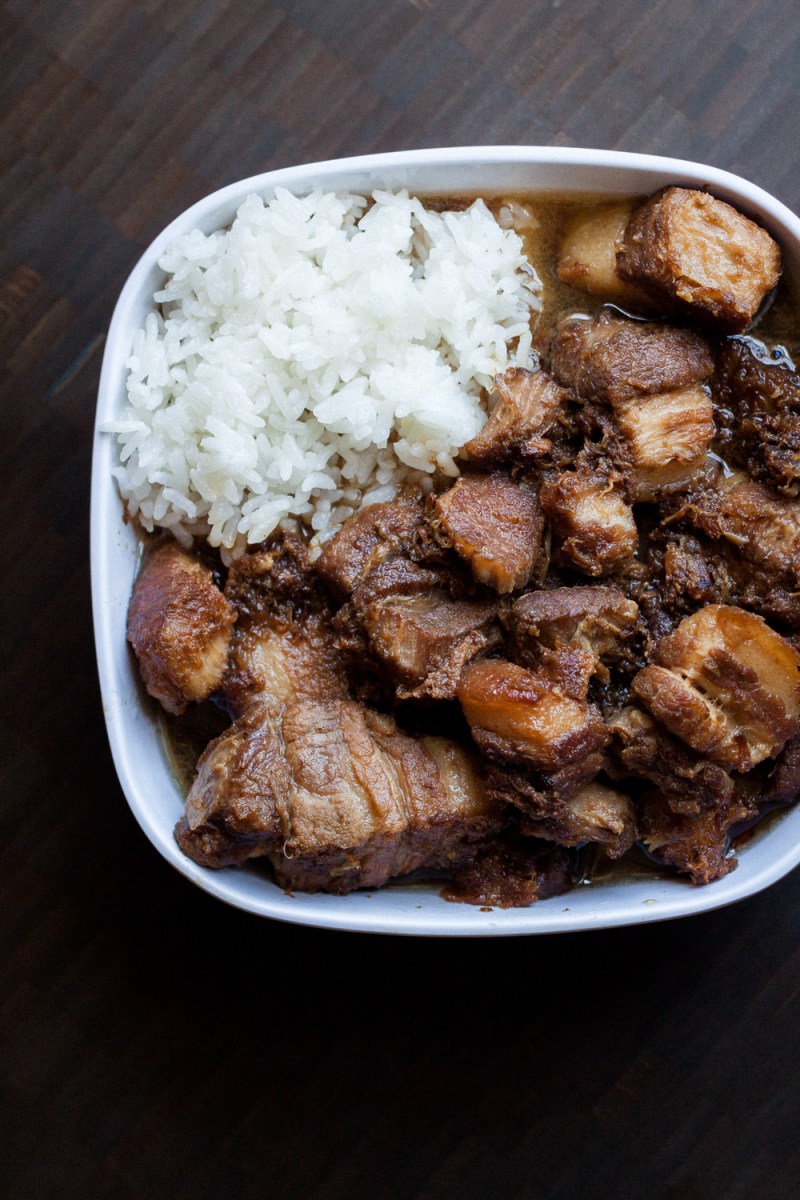
Adobo, often considered the national dish of the Philippines, is a method of stewing meat in vinegar. The word “adobo” itself is linked to a Spanish method of preserving raw meat by immersing it in a mixture of vinegar, salt, and paprika. When the Spanish observed an indigenous Philippine cooking method involving vinegar in the 16th century, they referred to it as adobo, and the name stuck. Interestingly, the original Filipino name for this dish is no longer known.

Read Full Article

Some eagle-eyed readers may recall that in my Memphis-style barbecue beef back ribs recipe from earlier this year, I only used half of the huge 16 lb. package of beef back ribs that US Wellness Meats sent me. I had been eyeballing the remaining two racks of ribs for a while and I decided to take a different approach to the ribs this time; the Memphis-style recipe was a lot of fun, but it also took a lot of work (and some specialized equipment) to get that perfect taste. This time around, I wanted to make something that was ridiculously easy and still produced some high-quality, juicy, and tender beef ribs.

So I turned to my dear old gas grill, and let the magic of indirect heat run its course.

Read Full Article