recipe

Mohinga is a Burmese rice noodle soup not unlike many other rice noodles soups found in Southeast Asia, like Pho and Laksa. Mohinga is unique in that it uses a catfish soup stock and it’s typically served for breakfast.

There are many variations of this dish out there, but the most common versions usually include chickpea flour (which I omitted since it’s legume-based) and banana tree stem (which I wasn’t able to find in my area). The fish used to make the stock is often pan fried and added to the soup upon serving. To replace the chickpea flour and pan-fried fish, I used crushed up fish and rice fritters, which was my recipe from last week. It ended up being a very good decision.

Read Full Article

Mankind has been dealing with leftover rice for a long time. While some common uses for old rice are fried rice and congee (rice porridge), rice cakes are also a great way to clean out the fridge. Many variations of rice cakes are made using leftover rice that’s pressed together and steamed or pan-fried. When ingredients are mixed into the rice cake, they often take on a different name, fritter.

In putting together this recipe, I looked to create a dish that has an ideal macronutrient ratio (40% fat, 30% protein, 30% carb), which I achieved by mixing in fish and an egg yolk, and pan-frying them in coconut oil. They came out great, and I plan on using this recipe as a baseline for future creations.

Read Full Article

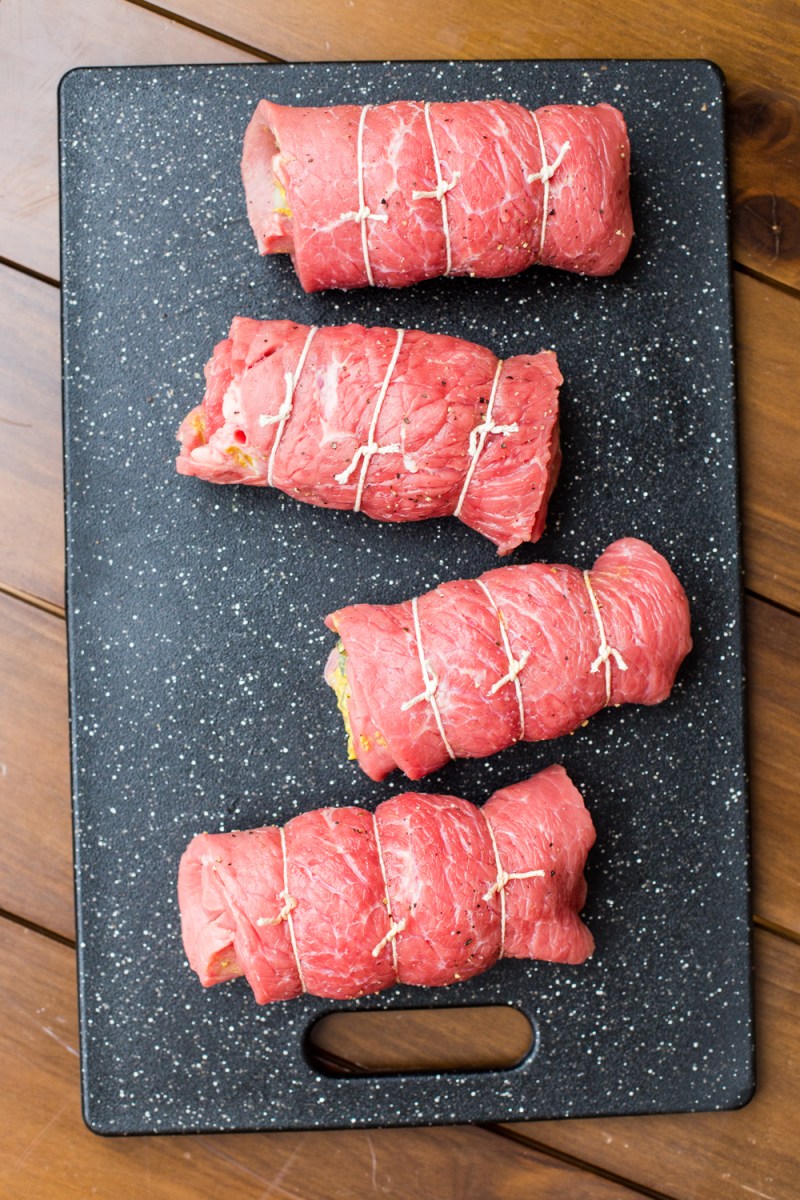
Rouladen is the German version of the French roulade, which is a roll made with thinly-sliced meat. The German version is interesting in that it probably came from Germans using items they had on hand most of the time – mustard, pickles, onion, and pork – to make something that’s unique in its own right. What’s even better is that these characteristics also make it easy to throw together this delicious meal with items you probably already have in your kitchen.

There’s no denying the French influence on this dish, with its use of a wine and broth braise (although Germans sometimes use beer instead) and mirepoix vegetables to add flavor. It’s commonly thought that Rouladen was originally made with strips of pork, although beef has become the most popular meat for this dish over the past century.

Read Full Article

Alright, people. You must have known this recipe was coming sooner or later. For the past year or so I have been playing around with nourishing soups (recent examples are here and here), so I thought it was time to tackle the mother of them all: Menudo. This tripe soup is often considered the ultimate hangover cure, similar to many bone broth soups found worldwide.

In Northern Mexico, Menudo is cooked with hominy, which is a form of corn that has been soaked in an alkaline solution. This process (called nixtamalization) removes the hull and germ from the kernel, effectively removing most of corn’s toxic anti-nutrients and making it more digestible. This process has been around since at least 1500 BCE, when people in present-day Mexico and Guatemala would soak their corn in water mixed with wood ash. If you do decide to use hominy in your recipe, be sure to get the organic stuff to ensure it isn’t made with GMO corn. But definitely feel free to omit the hominy and still consider the recipe authentic: it is also called Pancita in some regions, and from what I can tell Pancita also doesn’t usually include hominy.

Read Full Article

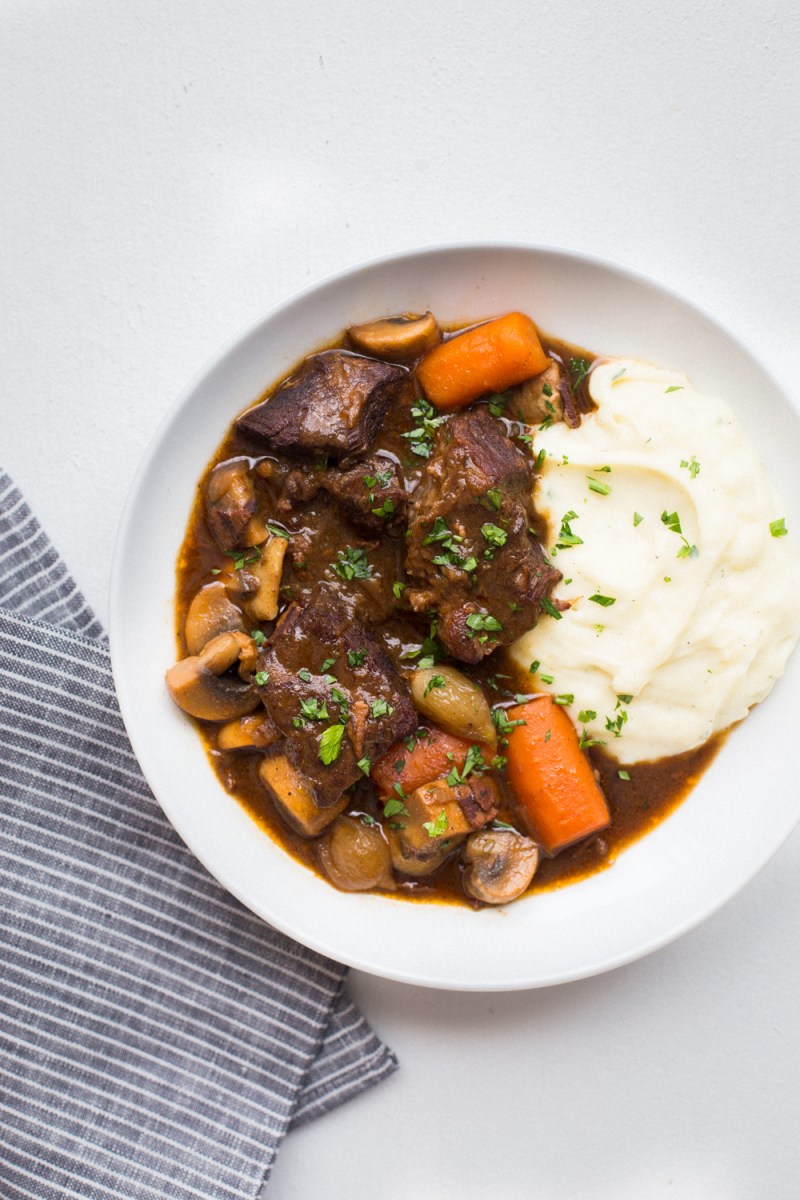
Some long-term readers may remember that I posted a Beef Bourguignon recipe about this time last year. While it tasted great, I wasn’t happy with some of the steps in the recipe, and I was really unhappy with the pictures. So this past weekend I put my thinking cap on and tackled the dish from scratch, without consulting my old recipe at all. I’m happy to report that I made some pretty big improvements to my old recipe and cut out a couple unnecessary steps along the way. To avoid confusion, I’ve now happily removed my old, obsolete recipe.

Beef Bourguignon is a dish that originates from the Burgundy region of Eastern France. It’s widely accepted that this dish started as a peasant’s recipe, possibly as far back as the Middle Ages, as a way to slow-cook tough cuts of meat. However, it’s not mentioned in cookbooks until the early 20th century, when it was refined into the staple haute cuisine dish it’s generally regarded as today. Most people associate this dish with Julia Child, as her recipe in Mastering the Art of French Cooking is a timeless classic.

This dish is fairly true to the authentic recipes available today, and not terribly unlike Julia’s original recipe. Generally, this dish is cooked with bacon since lean/tough meats were typically used and adding bacon gave this dish some rich fattiness. I’ve also found that fattier cuts turn out really good as well. My personal touches include dusting the beef pieces in rice flour before browning (Julia browned the beef alone, then added flour and roasted the beef for a little while in the oven, turning the beef once halfway through – quite an involved step!). I also decided to keep the pot on the stovetop instead of transferring it to the oven; to me, this better mimics the open-fire method of cooking that birthed this dish, and it doesn’t alienate home chefs that don’t have a dutch oven yet. If you’re rice-free, never fear – while the addition of rice flour helps thicken the sauce and adds a little body to the broth, it’s not a show stopper.

Read Full Article

Greater Baltimore area residents: I’m speaking about food and nutrition at CrossFit Glen Burnie on Saturday, July 13th. More info is here.

Like most red-blooded American men, I have a special place in my heart for barbecue ribs. That’s probably pretty obvious, since I have no less than TEN ribs recipes on my site (my favorites are here and here) – that’s nearly 5% of all my recipes!

My taste in ribs has changed over the years, as well as my cooking method; originally I braised my ribs in apple juice and onions for a couple hours, then crisped them over a grill. While I still like ribs that way from time to time, I’ve come to better appreciate smoked ribs – those cooked over low temperatures for extended periods, gently nudged to perfection by wafting curls of smoking cinders.

The trouble is, despite all of my outdoor cooking adventures, I keep pushing off the idea of buying a charcoal grill or a smoker, the usual staples of tasty smoked ribs – my backyard patio only has so much real estate, and I don’t think Mrs. Domestic Man would appreciate more contraptions back there. So I’ve been diligently plugging away at making an easy, foolproof method for smoking ribs on a gas grill, and I’m ready to share the meats of my labor.

To demonstrate, I decided to use spare ribs, which is a cheaper cut of ribs, but they taste just fine to me when cooked properly. I also used a drip pan full of hard cider to flavor and moisten the ribs as they smoked (regular apple cider or water would do fine as well).

Read Full Article

Last year I made a gyro meat recipe based on Alton Brown’s method, which I really like. It’s a great way to use ground lamb, and it produces some really great results. The only thing that prevents it from being an all-time great is that it involves a bit of work – blending everything in a food processor, wrapping it with plastic wrap, letting it sit out for two hours, then roasting it in a water bath. It’s not a huge deal, but not a quick and easy meal by any means. So I’ve always wanted to work out a grilled gyros recipe that produces similar tastes but with minimal work. When US Wellness Meats asked me to try their new lamb tenderloin, it was time to put my new idea to the test.

Gyro meat, often referred to as doner or shawarma meat, is meat roasted on a rotating vertical spit and shaved off. Most Mediterranean and Middle-Eastern countries have some variation of this dish as a common street food. Depending on where you’re getting it, the meat can be made of lamb, beef, goat, chicken or a combination of meats.

Slightly off-topic, but I was recently a guest on the Born Primal podcast, where I talked about my health history and some of my culinary inspirations. Let me know what you think.

Read Full Article

Because of their heavy use, beef cheeks are super lean and tough. While this doesn’t sound like a fun cut of meat to cook, when braised the results are remarkable: with a little liquid, heat, and time, one cheek magically transforms into a dense, succulent, and immensely satisfying meal for two.

A traditional French-style braise in broth, red wine, mirepoix veggies, and a few sprigs of fresh herbs help to bring a full flavor to the meat. But after several hours in the oven I felt like I needed to add something to liven the dish up; so I worked out a new favorite invention of mine, anchovy butter.

Read Full Article

Update: Congratulations to Erin W., who won the giveaway!

I think the upcoming release of Elana Amsterdam’s Paleo Cooking from Elana’s Pantry marks an exciting time in the Paleo movement. This value-priced book is coming right when Paleo is spiking in mainstream appeal, and the book sports some really delicious and ultra simple recipes, which will be really helpful for those curious about changing their dietary habits for the better. Moreover, there are enough new recipes in here to keep seasoned Paleo eaters busy for a while.

Read Full Article

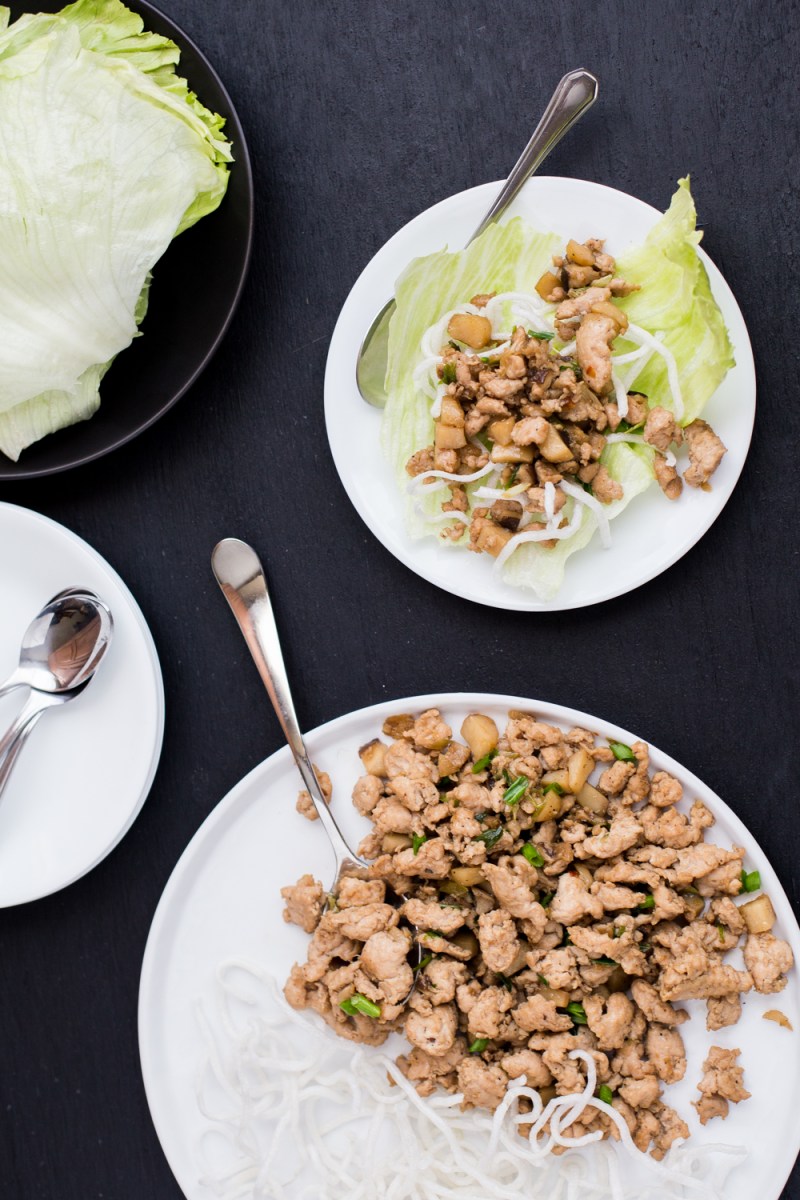
Last September we met up with our friends Matt and Stacy, the Paleo Parents, for dinner at P.F. Chang’s China Bistro, a popular Asian-themed chain restuarant here in the U.S. that sports a gluten-free menu. It was our first time visiting the restaurant, and Stacy strongly recommended (demanded?) that I try to re-create their famous Chicken Lettuce Wraps. Never one to turn a challenge down, I accepted, and then promptly forgot all about it.

But lucky for you, Stacy didn’t forget the promise I made that fateful day. In fact, she did one better, and corralled a bunch of Paleo-friendly bloggers together this week to re-create some favorite dishes from the restaurant chain. Here is a link to the round-up.

For my version I made a few minor adjustments. I used honey instead of what I assume is gobs of sugar (we taste-tested the original dish again last week and I was surprised by how sweet it was), and made fried noodle sticks using sweet potato noodles instead of rice or mung bean noodles, which I assume is what they use in the original recipe.

Read Full Article