Rice

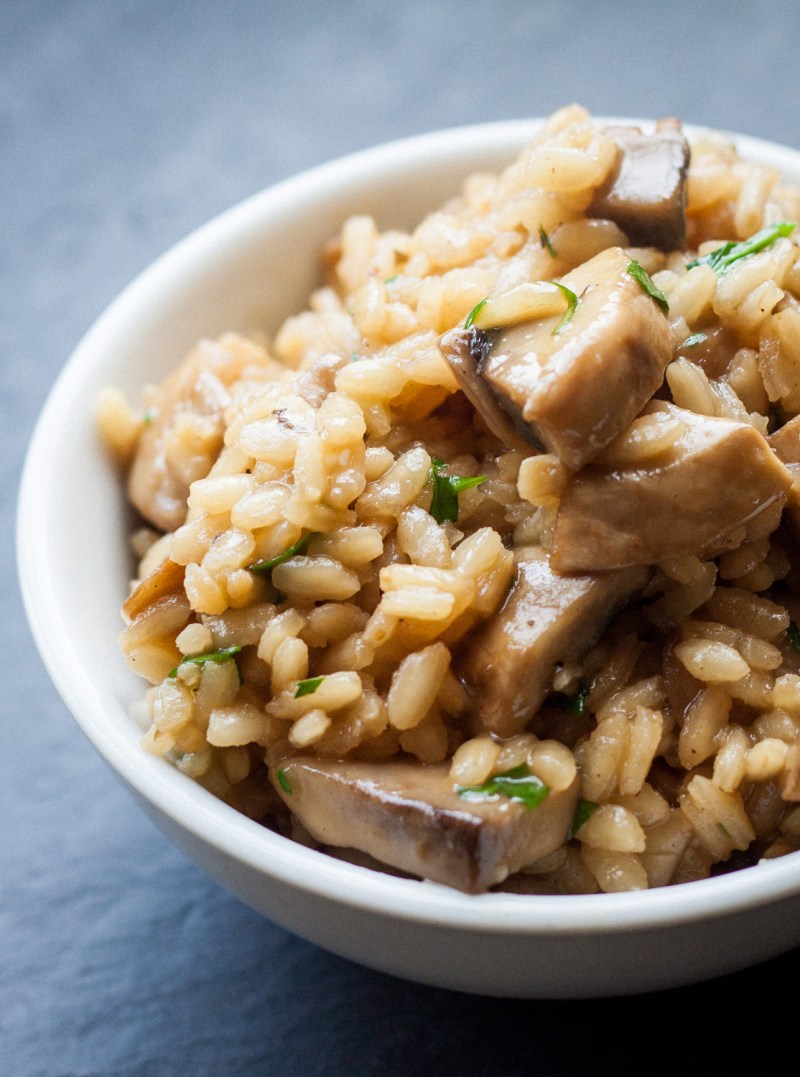
For Thanksgiving this year, we decided to make a traditional side dish instead of trying to invent something new that is in line with our dietary restrictions. What we settled on is not a traditional dish for Thanksgiving by any means, but it’s a traditional one nonetheless!

Risotto is a dish first served in Italy in the 16th century, when rice was first introduced from neighboring Mediterranean cuisines, and gained popularity in Milan. Risotto was served in the United States in the 1800s, but didn’t get popular until after WWII (along with pizza). The 1980s are also a time when this dish became really popular and faddish in the US.

Read Full Article

NOTE: An updated version of this recipe appears in my cookbook, The Ancestral Table.

Basmati rice is an aromatic long-grain rice that originated in the Himalaya mountain foothills. It carries a lower glycemic index than short-grain rice, thus having less of an effect on insulin and blood sugar levels than most other forms of rice. Its non-sticky texture also goes well with certain dishes, especially curries.

Before we move on, I’d like to address the fact that white rice even exists on a Paleo-friendly website, since one of the main points of the Paleo diet is avoiding grains. Rice has the lowest toxicity of all cereal grains, and most of rice’s toxins (phytates, trypsin inhibitor, and haemagglutinin-lectin) exist in the rice bran – which is found in brown rice – hence my white rice preference. In fact, white rice has less phytic acid than many foods considered completely safe by Paleo standards, including coconut, walnuts, sesame seeds, almonds, and brazil nuts. Additionally, most of the remaining toxins are destroyed in the cooking process. So, rice is low in toxins, but not necessarily nutritious when compared to meats and veggies. My Paleo hero, Paul Jaminet, suggests a 10% dietary calorie limit on rice, which suits our tastes perfectly. Additionally, when eating rice at the house, we tend to use it as a vehicle for other nutrients: cooking the rice in broth instead of water, or steaming with butter/turmeric/coconut milk as in today’s recipe.

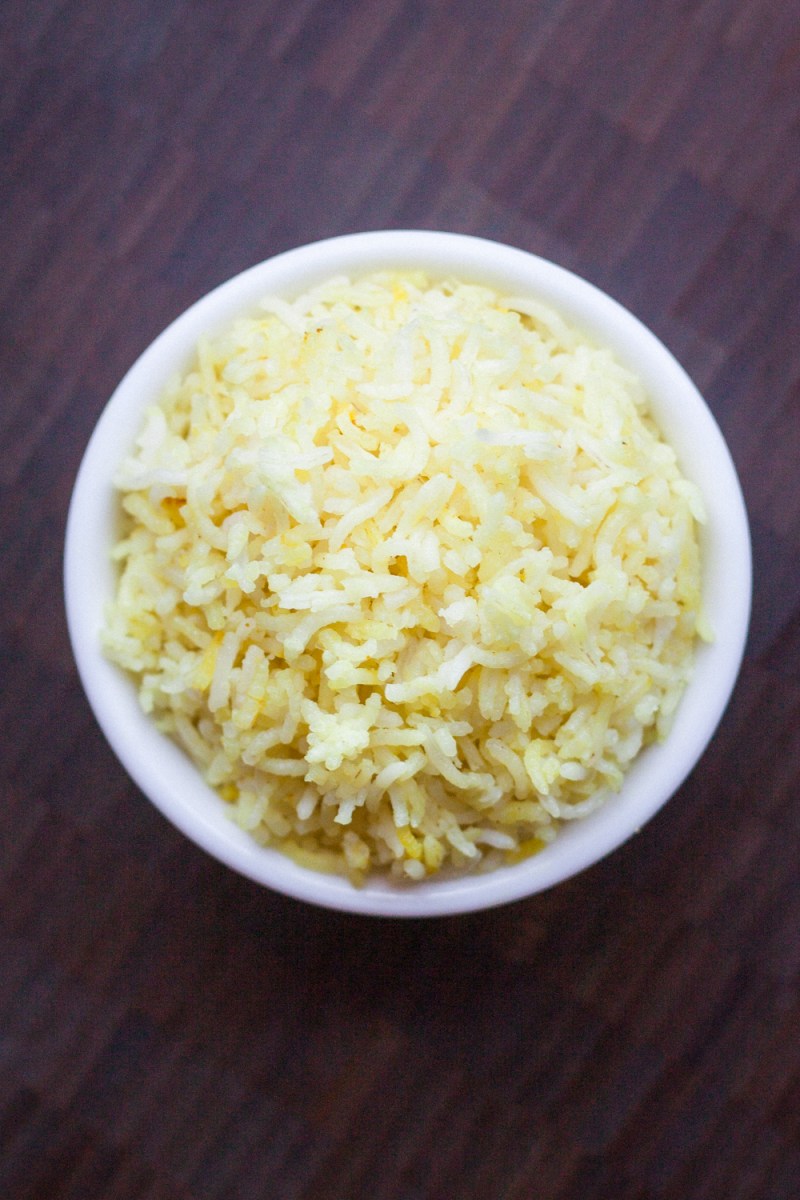
Okay, enough nutrition talk. Let’s make some delicious, guilt-free basmati rice. I should note that this recipe in particular is modeled after the Indonesian rice dish Nasi Kuning, but with less coconut milk and turmeric that what is usually used.

Read Full Article

NOTE: An updated version of this recipe appears in my cookbook, The Ancestral Table.

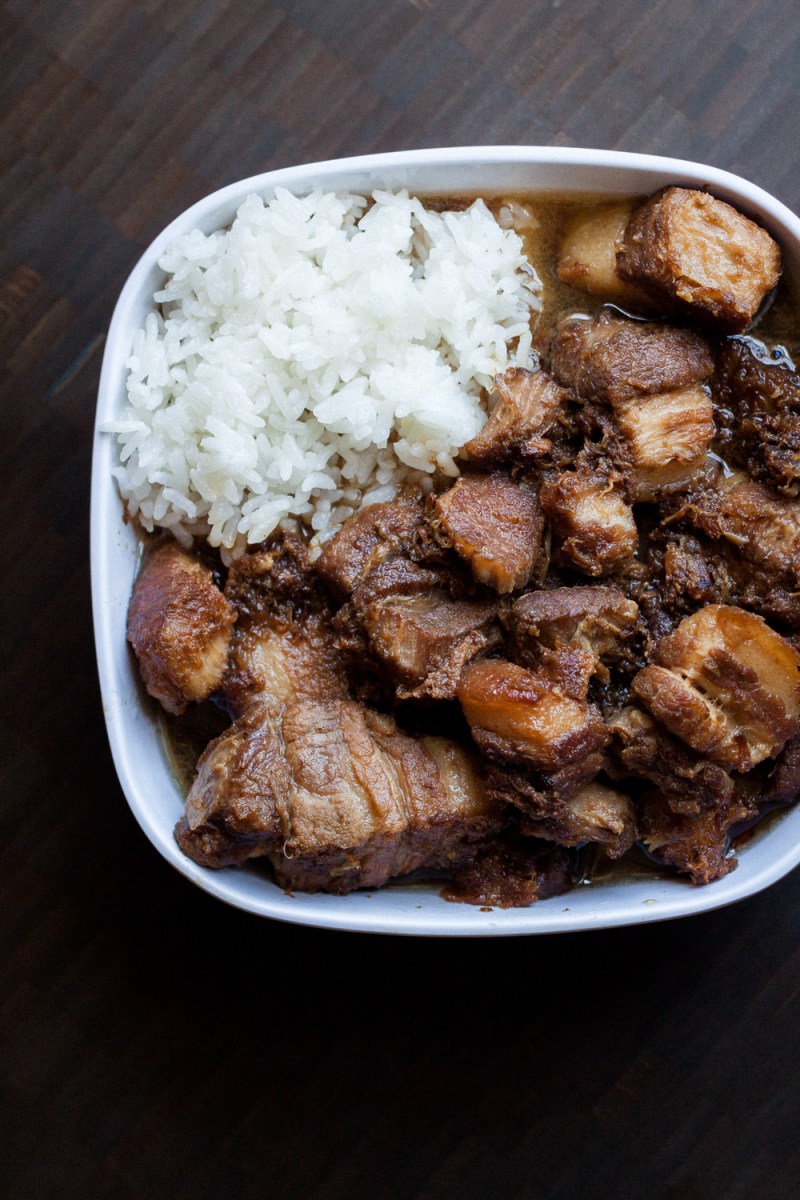
Adobo, often considered the national dish of the Philippines, is a method of stewing meat in vinegar. The word “adobo” itself is linked to a Spanish method of preserving raw meat by immersing it in a mixture of vinegar, salt, and paprika. When the Spanish observed an indigenous Philippine cooking method involving vinegar in the 16th century, they referred to it as adobo, and the name stuck. Interestingly, the original Filipino name for this dish is no longer known.

Read Full Article

NOTE: An updated version of this recipe appears in my cookbook, The Ancestral Table.

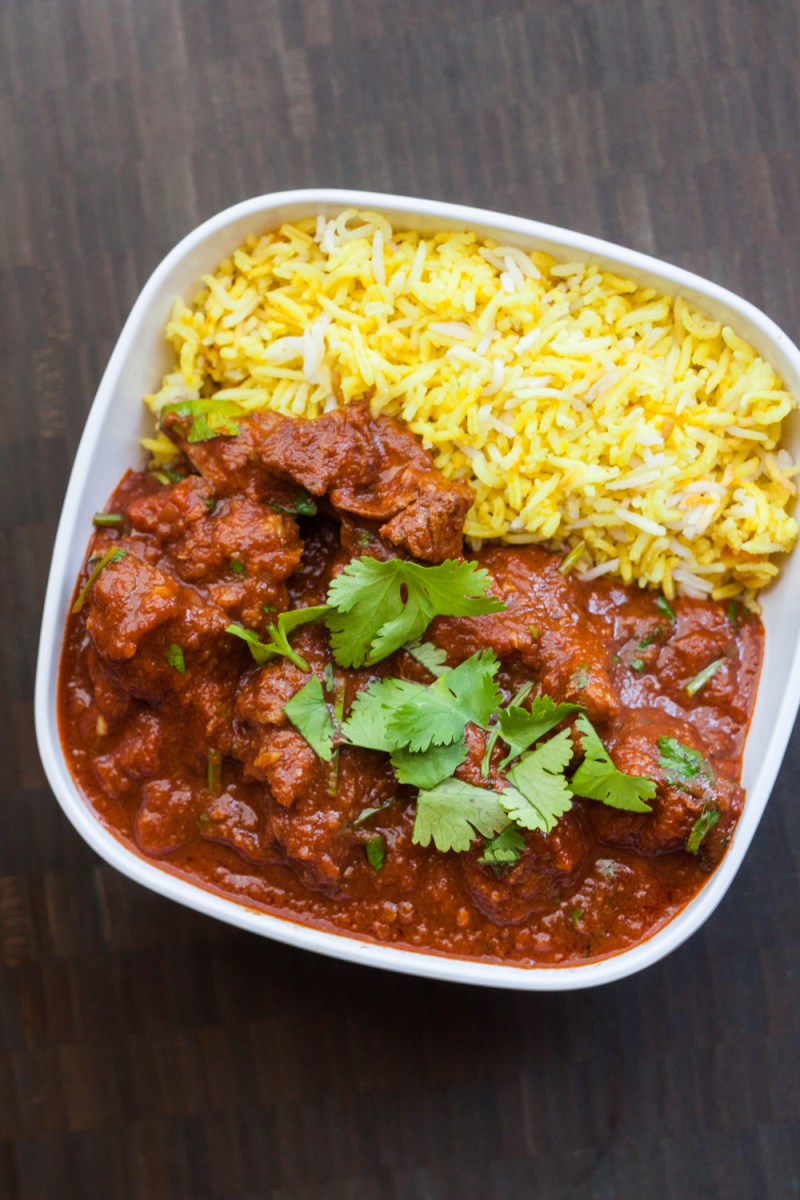
Rogan Josh is a popular Kashmiri dish that is believed to have originated in Persia before making its way to Northern India and beyond (in Persian, “rogan” means clarified butter and “josh” means hot or passionate). Its signature red color is historically the result of mild red Kashmiri chiles which were used in making this dish. Over the years, many restaurants started using tomatoes in the dish to bring about that red color easily. My recipe follows the more modern interpretation of the dish, mostly because you and I don’t have the money to travel to Kashmir for some chiles! Well, maybe you do, but I most certainly do not.

An excellent cut of lamb for this dish was the other half of Lava Lake Lamb’s beautiful lamb shoulder (the other half was used to make shashlik). This slightly-fatty cut imparted a ton of flavor into the dish, which just tasted better and better the longer it simmered.

I’m also happy to announce that this is my first recipe that features a printer-friendly version! I’ll be sure to do this with every recipe from now on, and as I get the spare time I will go back and make printer-friendly versions of all my recipes.

Read Full Article

NOTE: An updated version of this recipe appears in my cookbook, The Ancestral Table.

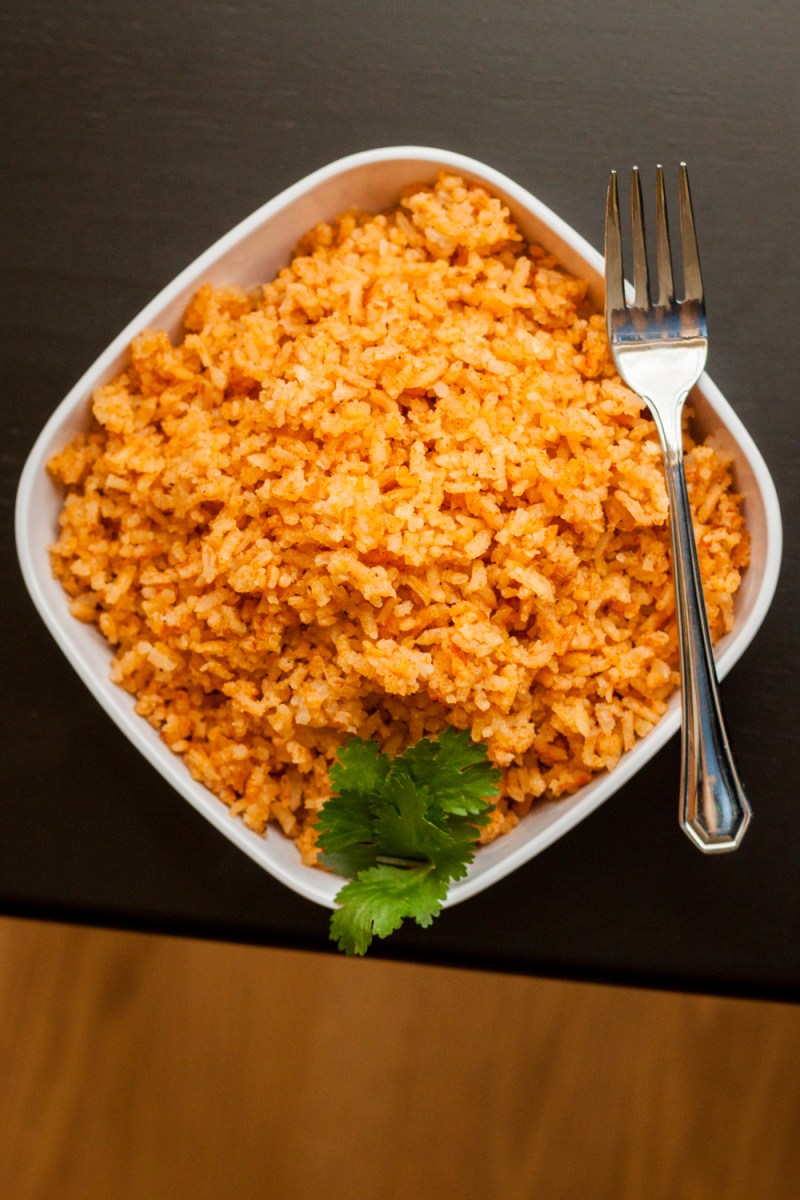
You know what doesn’t get enough credit? White rice. It helps feed a large portion of the world, and is a relatively safe starch. Sure, it doesn’t have a lot of nutritional value, but it can easily become a vessel for other nutrients. Enter my Mexican rice recipe, which is chock-full of tasty and healthy stuff like grass-fed butter/ghee, tomato sauce, and homemade chicken stock.

Although it’s often called “Spanish rice” here in the US as well Mexican rice, no such thing exists in Spain. I’ve been making this side dish for several years, well before switching my diet. For this dish I like to simulate your standard Mexican restaurant rice – tangy, slightly salty, and with a tiny hint of chicken thanks to its use of broth/stock.

Read Full Article

NOTE: An updated version of this recipe appears in my cookbook, The Ancestral Table.

Loco moco is a Hawaiian dish and popular breakfast meal on the islands. It’s the ultimate breakfast meal prior to a big workday, consisting of rice, a hamburger patty, fried eggs, and brown gravy. Its unique mix of ingredients create a distinct taste that I’ve been missing lately, so I decided to whip one up the other day.

Read Full Article

My shrimp pasta – called “seafood pasta” at the house – has been a dinner staple for several years. I make it using the same methodology as my chicken alfredo recipe…but with seafood.

For the pasta, we’ve been using De Boles penne pasta, mostly because we haven’t found any other brand of rice pasta in our local markets. It’s not bad, but it is really hard to get a good, consistent level of tenderness. If we happen upon any other brand I’ll be sure to pass on the results.

Read Full Article

Today’s recipe is a quickie, mostly because I’ve written so much about fried rice already. Regardless, I though it was time to introduce nasi goreng (“fried rice” in Indonesian/Malay), one of my favorite fried rice dishes, to the world.

Nasi goreng is different from other fried rices in that it uses shrimp paste/powder (“terasi” in Indonesian, “belacan” in Malay, and could be labeled as either in the store), chilies, and a little palm sugar. The result is a taste that is pungent, spicy and sweet all at the same time. The traditional recipe uses “kecap manis” – a sweet soy sauce used in Southeast Asia – but I think that there’s enough sweetness in the palm sugar alone so I stuck with my tamari/aminos combo.

Read Full Article

This is a recipe borrowed from my father-in-law, who often uses breakfast foods as the base of his fried rice. I thought I would take it a step further and make this a breakfast-centric dish, while also retaining the bacon grease to fry the rice.

I should mention that although I use the word “wok” in this recipe, we actually use a Calphalon 12″ Chicken Fryer which has a larger bottom and can fry more food at once.

Read Full Article