2 – Soups & Stews

Lately I’ve been slightly obsessed with making super nourishing foods, mainly soups. Turns out that many soups that are considered miracle meals (often affectionately termed “hangover meals”) – Pho, Attukal Paya, or even a simple chicken soup – basically consist of boiling soup bones for extended periods of time and adding spices as needed. So to add to my growing list of nourishing soups, I present Cow Heel Soup.

Also known as Cow Foot or Bull Foot Soup, Cow Heel Soup is a traditional soup found in the Caribbean (mainly Jamaica, Trinidad, and Tobago). Legend has it that in the 18th century, plantation owners would take the best cuts of cows and leave the workers with the “fifth quarter” – tail, feet, head, and organs – which became quite a challenge for local cooks. Over time the recipe for cow heel soup became popular, and while there are many variations to this dish, I tried to keep my recipe close to the standard, baseline recipe.
Read Full Article

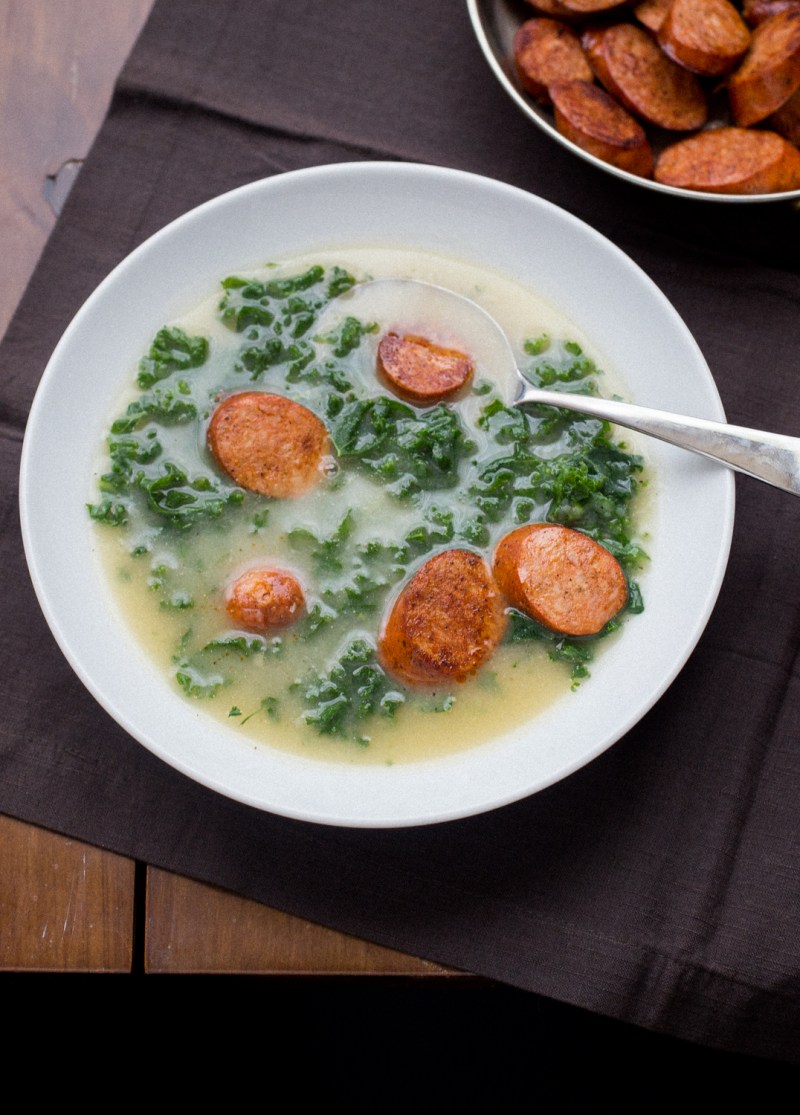
A few weeks ago, a reader suggested I try my hand at Caldo Verde (“green broth”), a traditional Portuguese soup that is often considered their national dish. It was the perfect recommendation – the soup’s use of simple, satisfying ingredients, plus the addition of slightly-spicy sausage, make it an ideal late spring / early summer meal.

Initially, the soup’s use of kale might seem out of place for a country that is geographically closer to Africa than the rest of Europe. But when you take into context the fact that the soup originates from Portugal’s northern Minho region, which was once under Roman and Celtic occupation and still retains some of that influence today, the culinary presence of a hearty cabbage like collard greens (or kale like in this recipe) makes sense. One of my favorite aspects of this dish is that it’s a perfect pauper’s meal: combine some very basic and always-available ingredients (water, onion, potatoes, cabbage) and add other items if and when they are available (broth, sausage).

Read Full Article

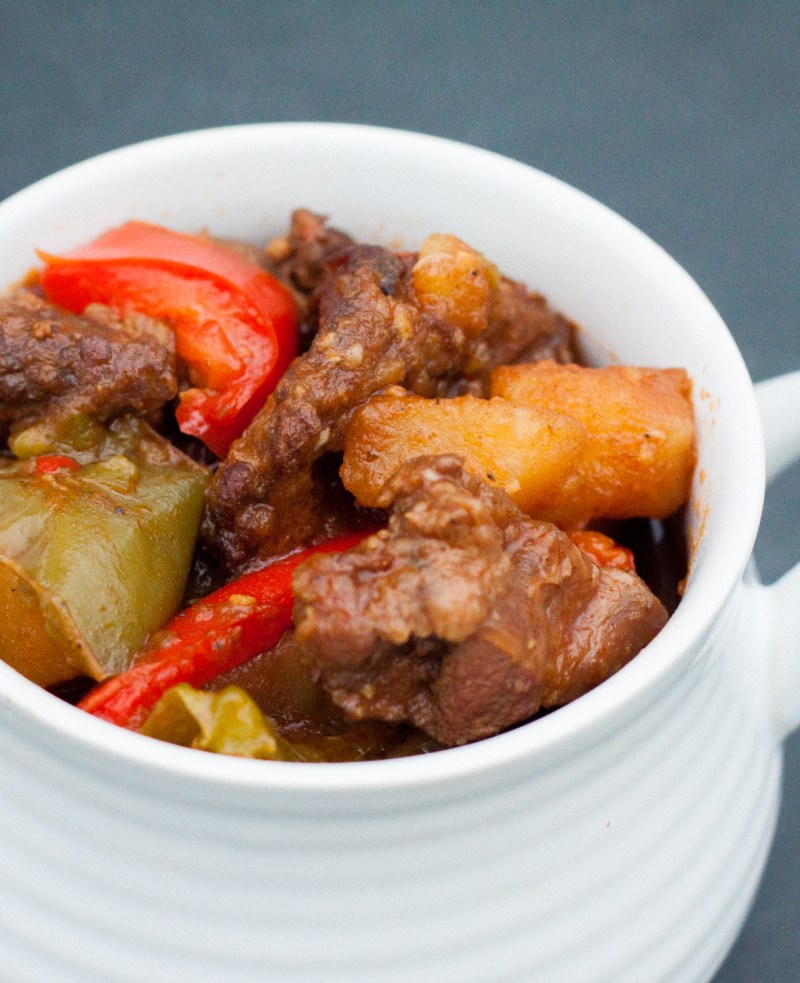
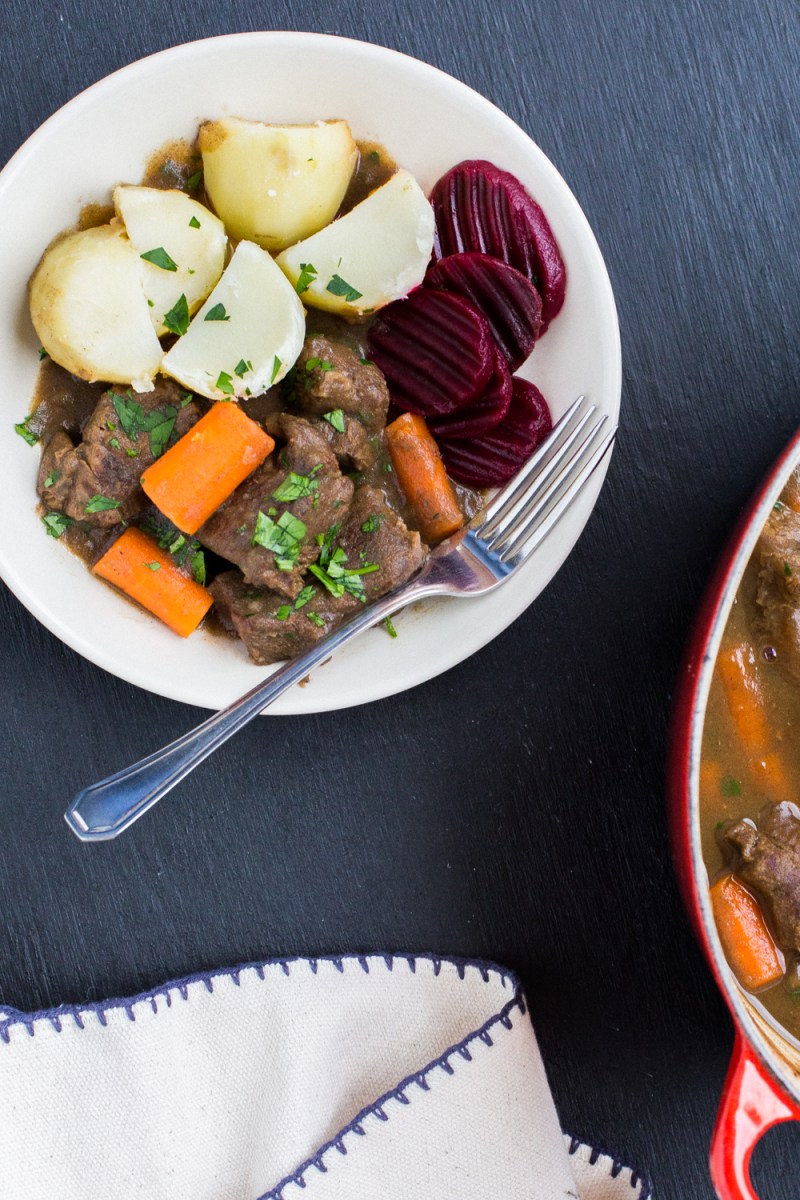
Kalops is a traditional Swedish stew, first recorded in the 18th century. The word kalops itself is a cognate with the English word collops, which simply means “a slice of meat” – there’s actually some dispute as to whether the Swedish or English word came first. Either way, this stew is very similar to many English stews, but with a few Scandinavian twists: its signature flavor comes from a healthy amount of allspice, and it is commonly served with pickled beets. When carrots are added, the dish is called Skånsk Kalops, referring to the Skåne region (which is in Southern Sweden – perhaps carrots grow most abundantly there?).

Kalops is most often prepared with chunks of beef, but reindeer or elk are used as well. Personally, I thought it would be neat to make it with bison chuck roast, which US Wellness Meats recently sent me to try. It was pretty awesome. Overall, I loved this stew, and its characteristic allspice-heavy flavor gave it a warm, hearty, and very distinct taste.

Read Full Article

A few weeks back I did a guest recipe for Nom Nom Paleo, and I thought I’d share it here on my site for posterity’s sake.

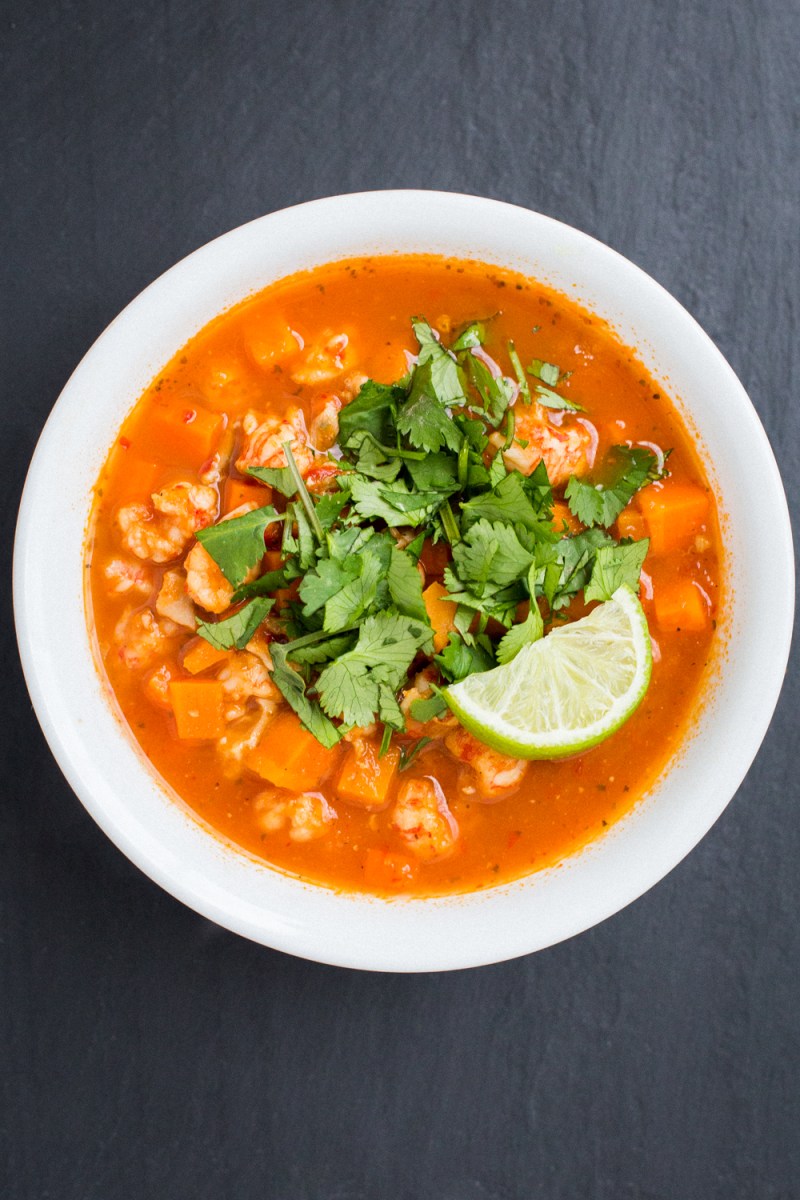
Langostinos (Pleuroncodes Monodon, also called “squat lobsters”) are small, lobster-like crustaceans most often fished off the coast of Chile. They are found in abundance worldwide, but sadly, they are rarely caught for human consumption; instead, they’re used as feed in fisheries, mostly because they carry a certain pigment that helps color farm-raised salmon and trout. They have a sweet, shrimpy tasty to them and can be found for relatively cheap – so if you can get your hands on them, definitely give them a try.

This recipe in particular is modeled after a traditional Mexican soup, Caldo de Camarón, which is typically used with shrimp. If you don’t have any langostinos on hand, shrimp can be used with this recipe.

Read Full Article

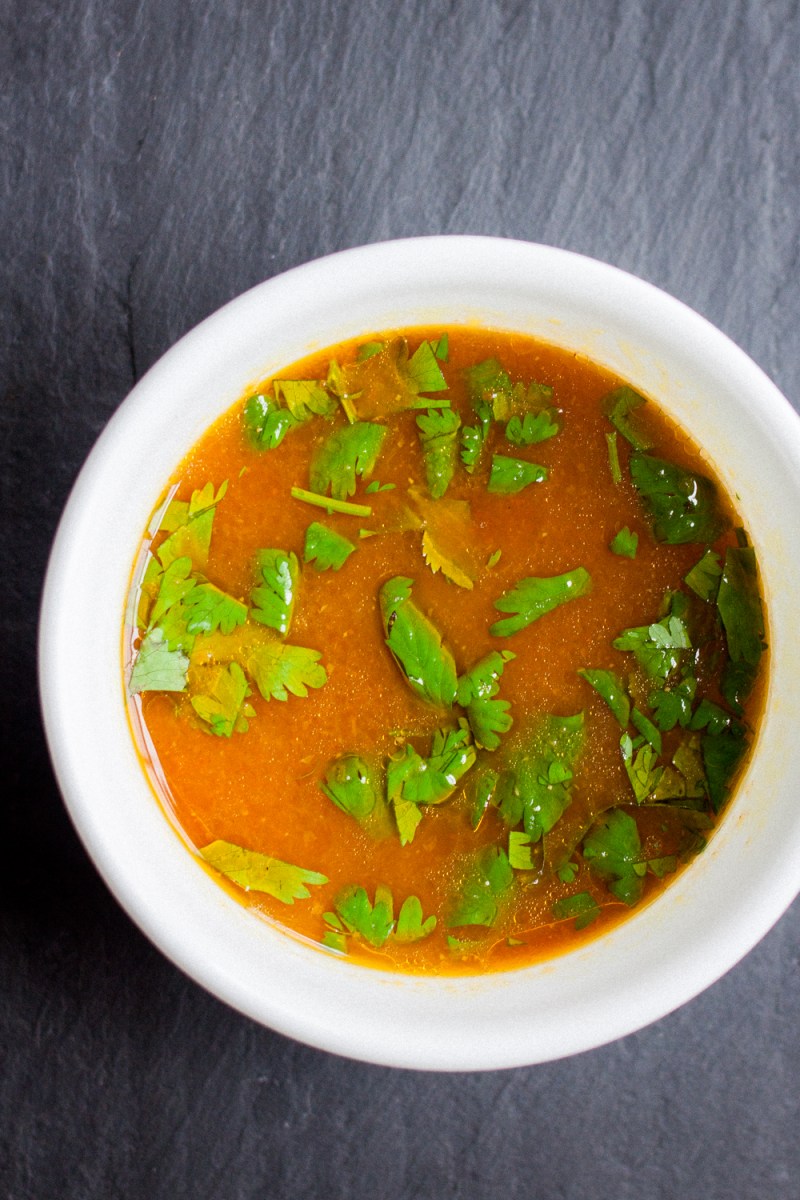
Attukal Paya (sometimes spelled as Aattukaal Paya or just Paya) is a hearty soup made with lamb, sheep, or goat feet served in South India. What fascinates me about this dish is that it’s often served for breakfast – initially this sounded strange to me, but the more I thought about it, the more it made sense; why not start your day out with some nutritious bone broth soup?

I also love the idea of throwing together a bunch of ingredients at night and waking up to breakfast already made!

Read Full Article

NOTE: An updated version of this recipe appears in my cookbook, The Ancestral Table.

A tagine is a type of slow-cooked Moroccan stew, which gets it name from the pot it is usually cooked in, also named tagine (طاجين). It is often spelled as tajine as well. A typical tagine is made with cheaper cuts of lamb or beef, like shoulder or shank, but can also be used with chicken and seafood. Seasonal fruits like dates, raisins, and apricots are often used, as well as honey and preserved lemons.

For this recipe, I decided to make a baseline lamb tagine dish – no frills or gimmicks, just a simple template for you to follow. Feel free to experiment with tastes, especially different veggies (potatoes and olives add an interesting dynamic) and meats as you see fit. Since preserved lemons aren’t the easiest thing in the world to find (although making them yourself seems pretty easy), using chopped lemon rind works almost as well, and it’s what I usually use at home. Lastly, while tagines are very pretty looking, that’s a lot of cookware just for one type of dish – my trusty Le Creuset dutch oven worked out beautifully, as always.

Also, don’t forget that I am hosting a $50 gift card giveaway for Lava Lake Lamb this week! I used their delicious lamb shoulder for this recipe, and I can’t say enough good stuff about how well it turned out.

Read Full Article

Goulash has a fairly long history, as it is traced back to 9th century Hungarian shepherds (the term gulyás translates to “herdsmen”), when soup was an important part of the lifestyle. People would dry meats and veggies and then add hot water later to create a soup, and goulash was born. Although paprika is a signature spice of both Hungarian cuisine and this dish, it wasn’t introduced until the 16th century (bell peppers came from the New World), so the original variations of this dish were paprika-less.

Goulash is often classified as a stew here in the United States, but many Hungarians maintain that it’s a soup, often to differentiate it from a similar, thicker dish called pörkölt. Goulash is often served over egg noodles or spätzle, but many variations use potatoes, including mine. They help to bring a hearty feel to the dish, plus they conveniently thicken the sauce at the same time.

Read Full Article

NOTE: An updated version of this recipe appears in my cookbook, The Ancestral Table.

Pho, often considered the national dish of Vietnam, is a rice noodle dish that uses a beef bone broth. It’s hard to describe the basic, yet complex taste that comes from this unique mix of broth, beef, spices and herbs – I recommend just going to your local pho joint and trying it for yourself. You’ll be hooked. I had my first bowl right after moving to Hawaii in 2001, and ever since then I’ve been slightly obsessed with figuring it how to make it at home. After several dozen ho-hum attempts I finally settled on this, which I consider my definitive, recipe.

This dish emerged from Hanoi in the early 20th century, and was brought to the US in the 1970s by refugees after the fall of Saigon. The inclusion of beef in the dish is reflective of its French influence; prior to French colonialism, cows in Vietnam were mainly used for labor and not as a food source. I’ve read a few different histories of the word “phở” itself, and my favorite is that it came from the French word “feu” (fire), and that pho itself is Vietnam’s take on the popular French beef stew, pot au feu.

Read Full Article

I wanted to come up with a special Easter dish this year, but I quickly realized that I couldn’t use your standard Easter meal ideas; I’ve already posted recipes for ham and lamb roasts this year. Instead, I settled on a traditional Polish Easter Soup called Żurek (also often referred to as Biały Barszcz – “White Borscht”). This soup uses a combination of pork (kielbasa sausage, ham, or in our case, bacon), boiled eggs, and veggies in a slightly sour and creamy (hence the “white”) broth.

There are quite a few challenges with creating a grain-free version of this soup. First of all, the soup is traditionally made by soaking and fermenting/souring rye bread as a soup starter. Instead, we’re going to create a “sour” taste by using another popular method – horseradish and sour cream. Żurek is also traditionally served in a rye bread bowl or with large chunks of rye bread as an accompaniment. We’re just going to omit that whole rye bread part; it didn’t make this soup any less delicious!

Read Full Article

NOTE: An updated version of this recipe appears in my cookbook, The Ancestral Table.

There are four main benefits to making your own homemade stock:

1. It saves you money, especially if you use leftover chicken parts. As you’ll see in this recipe, even buying chicken parts specifically for stock is still cheaper than buying commercially-available stock.
2. You get to control the taste of the broth, especially how much salt goes into it – which in my case is NONE. I prefer to add salt to my dishes as I cook them, without having to worry about how salty my broth is going to make my dish.
3. You can make it as concentrated as you’d like, which helps you save valuable freezer/fridge space.
4. You have control over where the chicken comes from, and how it was processed, by purchasing your birds/parts from a local farm or from online vendors.

For this recipe, I used chicken parts from U.S. Wellness Meats; specifically, chicken backs and necks. I used these parts because they have lots of bones, which house a lot of nutrients that are imparted into the broth. U.S. Wellness Meats were out of chicken feet at the time of my order, so I got some locally. These are great because they are full of bones and collagen, which create a rich, flavorful, and gelatinous broth. Other options for chicken parts are leftover chicken carcasses (store them in the freezer after roasting a chicken, until you have a few ready to go), or whole stewing hens (older chickens that are too tough to eat using quick-cooking methods).

Read Full Article