Beef

Picadillo is the name of a variety of dishes first originating in Spain. Versions of Picadillo can be found across Latin America and the Caribbean, and it has reached as far as the Philippines. Each variation has its own distinct quality; in the Dominican Republic, Picadillo is served with hard-boiled eggs, while in Puerto Rico it is used as a filler in Empanadas, or in savory pastries known as Piononos. The word Picadillo itself comes from the Spanish word Picar, to chop or mince.

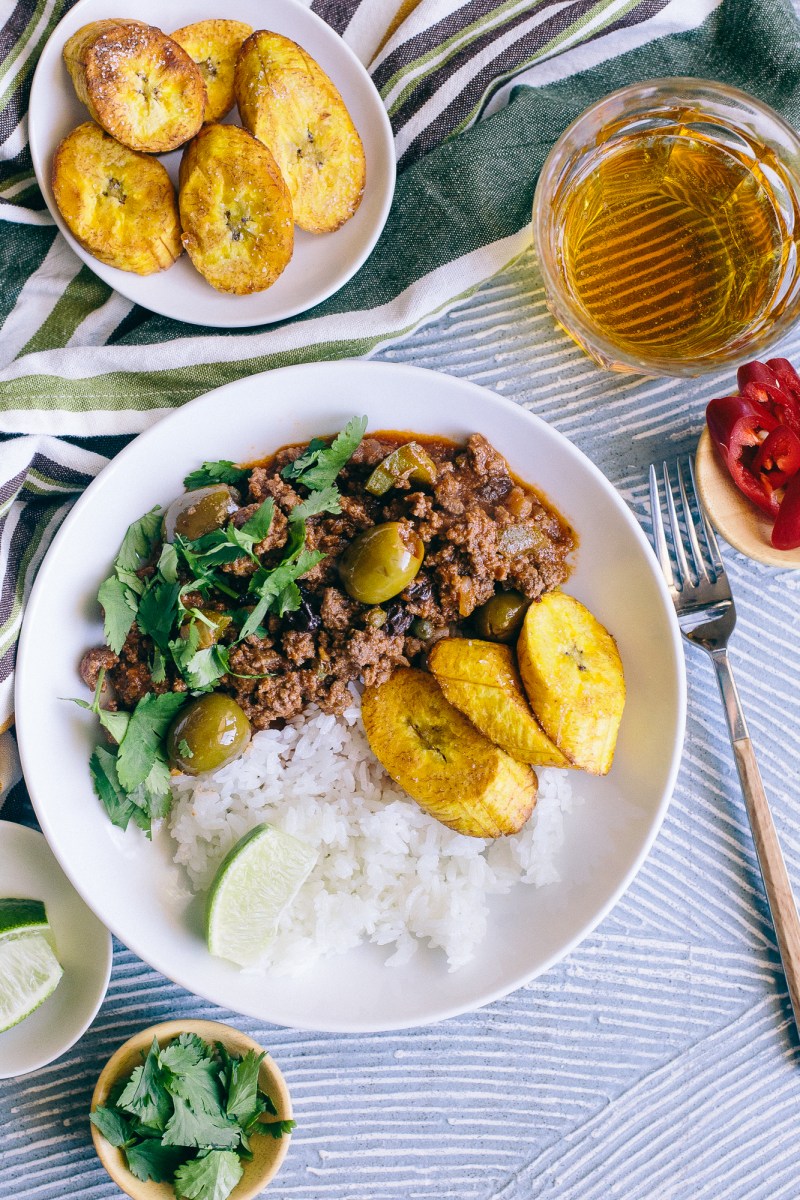
My favorite Picadillo is the Cuban version, aptly named Picadillo Cubano. As with any beloved dish, there are many regional variations, but it generally combines the unique flavors of cumin, oregano, green olives, capers, and raisins. The end result is not unlike America’s favorite crockpot dish, Chili con Carne, but with a sweet-and-savory dynamic that’s equally comforting and exotic – and it all comes together in 30 minutes.

Not to confuse you, but the Cuban version of Picadillo is found in other countries, as well. For example, it is called Arroz a la Cubana in the Philippines, where it is topped with a fried egg. Not a terrible addition, if you ask me.

For today’s recipe I tested ButcherBox‘s ground beef; this is my second time trying their 100% grassfed beef (read about my first experience here), and I was just as impressed as the first time around. If you’re looking for a fun new take on pasture-raised meats – as part of a curated package shipped monthly – you can’t go wrong with these folks.

Read Full Article

My parents-in-law recently visited from Hawaii over the holidays, to help around the house as we adjusted to having a new baby in our family. It was great spending the holidays with them, but it also made me realize how much I miss living in Hawaii. I lived there from ages 21 to 28, and many of the events that shaped who I am today – from meeting and marrying my wife, to honing my skills as a home chef, to suffering the worst of my health adventures – came while living in view of the Honolulu skyline. For a few of those years, Janey and I lived with her parents, whom we affectionately called our “roommates”.

When we left the island in 2008, it genuinely felt like I was leaving home; time has caused that sentiment to wane a bit, but in the end, Hawaii has a special place in my heart. And within that special place in my heart there is another, perhaps specialer place in my heart, which is where Hawaii’s Chinese-style oxtail soup resides.

The title for Hawaii’s best oxtail soup is hotly contested. I’ve heard everything from Kapiolani Coffee Shop to Aiea Bowl. Somewhat surprisingly, restaurants attached to bowling alleys are generally known for having good oxtail soup – even the famous Kapiolani Coffee Shop oxtail soup got its start at Kam Bowl, which closed in 2007 but re-opened just last month.

I like to think that preparing an authentic dish from Hawaii makes the sting of not living there hurt a little less, and you really can’t go wrong with a Chinese-inspired creation that’s equal parts rich and comforting. So we’re going to recreate it today for those of us who can’t just drive to our local bowling alley to buy a bowl of soup. Included below are stovetop and electric pressure cooker variations of the recipe, whatever floats your boat.

Read Full Article

Lately, I’ve been taking tiny steps to minimize all those little stresses in life. For example, I’ve been driving on backroads on my way home from work each day, which has much better scenery and fewer cars zipping in and out in front of me. It might take an extra minute or two out of my day, but it’s adding years to my life, right? That’s what I’d like to think. Regardless of any increases in my life expectancy, I’ve been arriving at home in a better mood, so it’s well worth it.

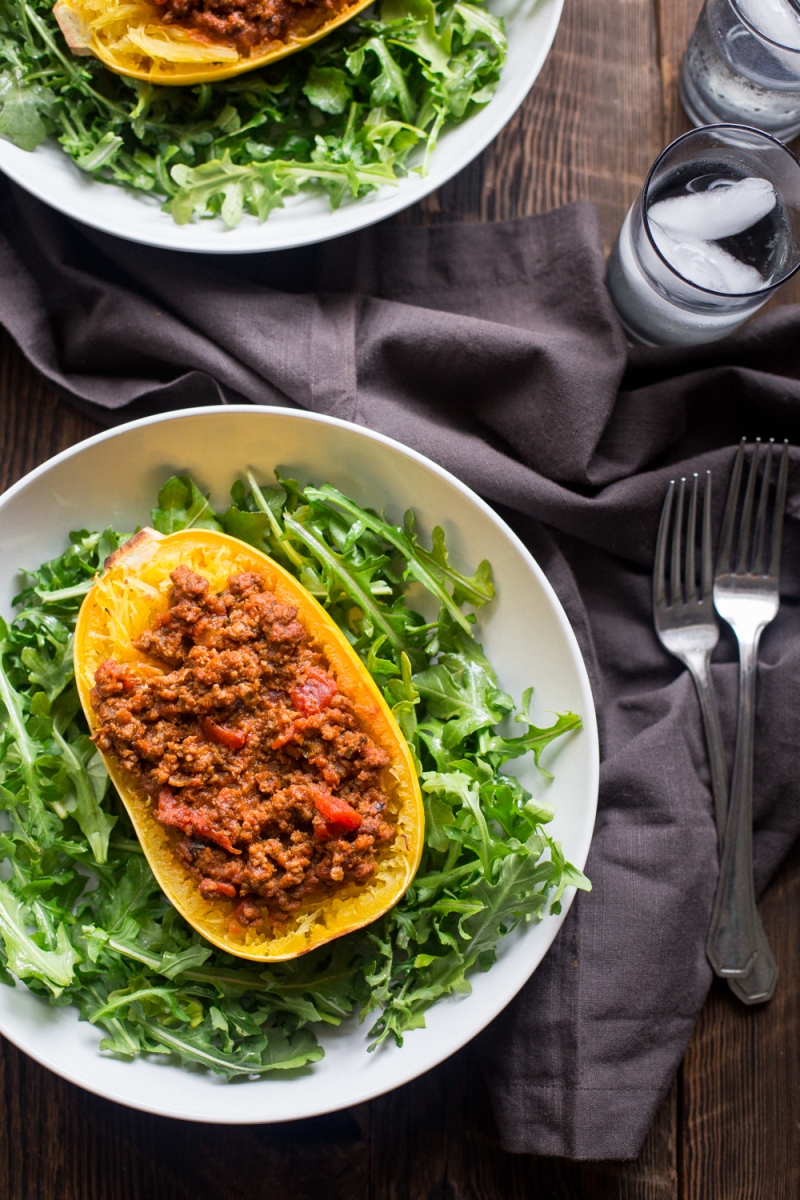
In similar fashion, we’ve recently been taking it a bit easy in the kitchen. Having a small baby at home will do that; my lullaby-singing skills have greatly improved, but I definitely have less time to chop up a bunch of ingredients. So meals like these Spaghetti Squash Bolognese Boats have been a hit, with minimal hands-on time but plenty of flavor. Plus, this recipe requires only three ingredients: squash, pasta sauce, and ground beef.

If you’re hoping to spend a bit more time in the kitchen, you could always make your own pasta sauce (here’s my recipe). Additionally, I’ve included quick instructions on how to roast the spaghetti squash seeds, so that nothing is wasted.

Read Full Article

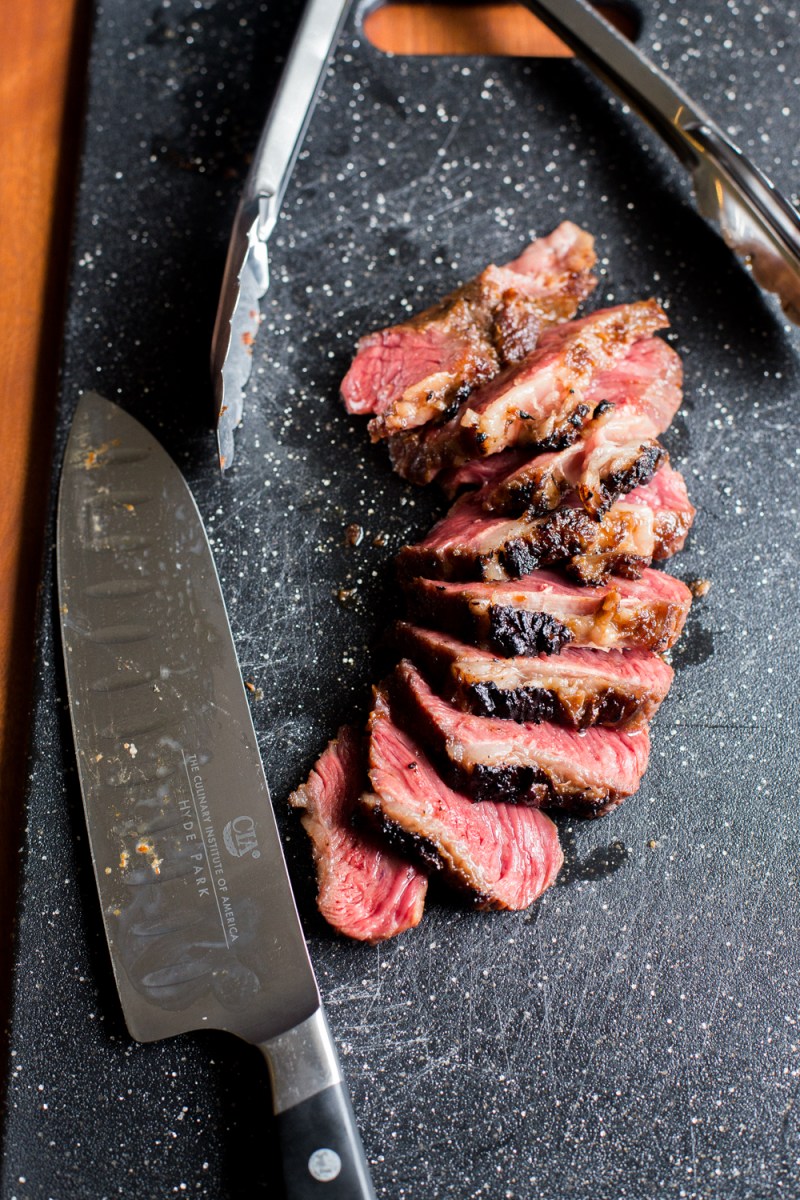
I don’t reverse-sear often enough. When faced with a choice chunk of beef, my go-to method is a traditional sear (see one of my favorite recipes of last year, this Roast NY Strip Loin). But many prefer a reverse-sear, where you cook the meat to just under your desired temperature, then blast it with some high heat to finish it off. This allows you to heat the meat evenly and results in a better distinction between the crispy crust and tender center (here is a good writeup). So I decided to share this method using these miso-marinated boneless short ribs.

Many folks in the Paleo world eschew all forms of soy, and balk at the idea of cooking with miso. But as I mentioned in my five years Paleo post last month, I believe a more nuanced approach to diet is appropriate, and we shouldn’t discount all foods from particular groups (even if it does make for handy and marketable “eat/avoid” charts). Here’s my stance on soy, taken from the pages of Paleo Takeout:

“Make no bones about it—soy is pretty terrible for you. It has been linked to malnutrition, thyroid dysfunction, cognitive decline, reproductive disorders, and even heart disease and cancer. It has one of the highest toxin profiles of any legume, and it’s baffling that we feed this stuff to our children via infant formula.

But there’s a bright spot in all this doom and gloom; fermenting soy, especially through the long, slow process of making tamari and miso, eliminates its phytic acid and other digestive inhibitors. However, the fermentation process doesn’t totally destroy phytoestrogen, another bad guy, although it does reduce it by up to 90 percent; you’re likely ingesting more phytoestrogen through sesame seeds and garlic than through fermented soy.”

Miso’s bold flavor makes for a great marinade. Adding a bit of acidity, in the form of mirin (sweet rice wine) and sake, helps tenderize the meat as well.

Read Full Article

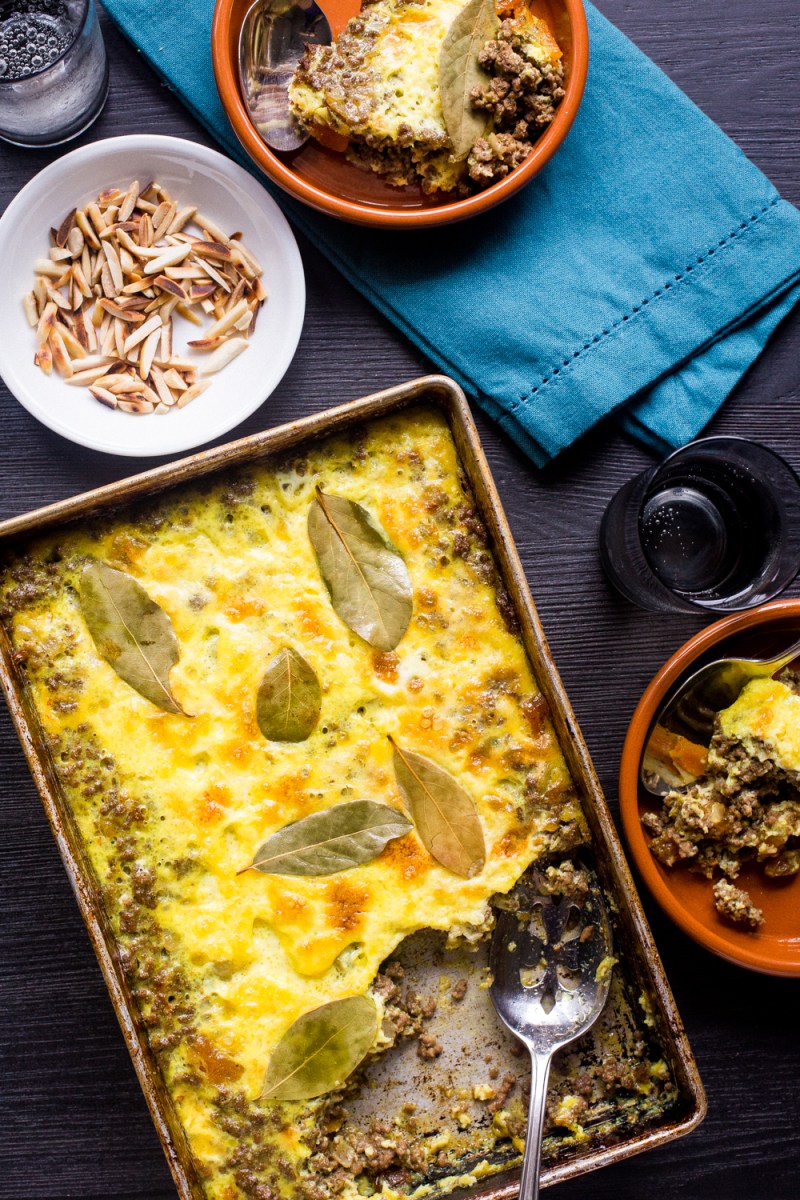
Bobotie is a baked mincemeat dish and one of the more recognizable foods to come out of South Africa. It’s commonly believed that Bobotie was first derived from the Javanese dish Botok, as Dutch colonists brought the dish to South Africa from their settlements in Indonesia (née Dutch East Indies) in the 17th century. While Botok is made with minced meat wrapped in banana leaves, Bobotie is often seasoned with curry powder and dried fruit and baked with a egg custard topping – a reflection of both local ingredients and European colonial tastes.

This dish joins the ranks of other dishes on my blog, like Mulligatawny Soup and Sukuma Wiki, as exotic-tasting meals that can be created using items you likely already have in your pantry. These are some of my favorite dishes to create and share, as they have a fairly low barrier to entry but can expand your palate and culinary repertoire.

Read Full Article

As far as I can tell, one of this year’s most popular gadgets was the Instant Pot, an electronic pressure cooker that doubles (triples, etc) as a slow cooker, rice pot, steamer, yogurt maker, and more. I’m most frequently asked to develop recipes for it by my readers, followed closely by folks looking for slow cooker (crockpot) recipes. So this week’s Pot Roast recipe is the best of both worlds – a pressure cooker recipe that also includes instructions for slow cookers. Heck, I even threw in Dutch Oven instructions while I was at it.

Don’t let the lengths of these instructions scare you away. Each recipe is essentially four parts: brown the roast, cook the roast (and vegetables), broil the roast (and vegetables), and reduce the sauce. It’s a bit more involved than dumping everything in a pot, but well worth the extra effort: tender meat, roasted vegetables, and tasty sauce all at once.

Read Full Article

When filling out our weekly meal plan, my family often consults my cookbooks; after all, the main reason I included particular recipes in those books is because they’re our favorites. This week we decided to make the Thai Red Curry recipe from Paleo Takeout, and I thought it would be fun to share the recipe with you folks as well.

Thai Red Curry differs from other popular Thai curries in that its base is made from dried chiles instead of fresh chiles. In order to temper the considerable heat of dried Thai chiles (usually the only chili used in traditional Thai Red Curries), I use a combination of large, mild dried chiles (like Anaheim, Guajillo, or New Mexico chiles) and spicy Thai chiles. To increase the intensity of your curry, simply add more spicy chiles.

Read Full Article

When first moving to our current home in Pensacola, Florida last year, we were initially concerned with how we were going to easily do our grocery shopping. After all, living in the Baltimore/DC area had spoiled us in terms of convenience; there, you can randomly throw a stone and likely hit Trader Joe’s, Wegmans, MOM’s, Costco, or Whole Foods. But after looking at a map of Pensacola and seeing that those stores were hours away, we figured a change in shopping habits was in order. So we started to lean more heavily on a local (pricey) health food store and weekend farmer’s market, and buying bulk from online vendors like US Wellness Meats and Tendergrass Farms.

But then last weekend I visited my local grocery store, and was pleasantly surprised to find how easy it was to find relatively healthy ingredients (many of the items I would expect to find in our favorite grocery stores before moving). Organic vegetables, grass-fed and pastured meats, wild-caught seafood, full-fat dairy, and gluten-free items were plentiful. It seems like many grocery stores are starting to prioritize real foods, and it is an excellent sign.

So I decided to carry out an experiment. What if I could whip up a meal using only ingredients found in our local Publix grocery store, while still aligning to my dietary restrictions? It just so happened that I was also eager to re-tackle an old lasagna recipe from several years ago, so it all fell together nicely.

Note: I still get frequent request for my first lasagna recipes, so here it is in convenient PDF form.

Read Full Article

Beef Stroganoff is a dish of Russian origin, most likely named after the Stroganov family, whose last member died in 1923. Members of the Stroganov family were some of the most successful merchants and businessmen in the Russian empire from the 16th to 20th centuries (think of them as enduringly popular Kardashians, albeit with a bit less drama). It’s hard to say how long this dish has been around, but the most popular Russian cookbook from the early 20th century, A Gift to Young Housewives (Подарок Молодым Хозяйкам), contains one of the oldest recorded recipes in its 1907 printing.

This is a dish I first tackled nearly four years ago, but my old version never sat well with me – the sauce was too thin, and used a bit too much sour cream. So I set off to redevelop the recipe by keeping it fairly close to the original (putting my Russian translation skills to the test, see my notes below the recipe); at the same time, I kept the modern American interpretation of the dish in mind, which uses wine, mushrooms, and onions (in my case, shallots) to add some complexity to the dish.

Read Full Article

After first watching The LEGO Movie last year, our son Oliver started asking about the mysterious phenomenon known as “Taco Tuesday“. So we started a new tradition of what we call “Taco Bowl Tuesdays”; as you may have seen on my Instagram feed, we make them pretty regularly now. I thought it would be pretty fun to write up our Taco Bowl Tuesday recipe as a change of pace and a glimpse into our everyday lives.

The base of the recipe is simple: equal portions of seasoned ground beef, rice, and lettuce. There is some variation in which rice we use; sometimes we make Mexican Rice, and other times we make Cilantro-Lime Rice. The toppings themselves are usually a combination of what we have on hand and what we’re feeling at the moment.

Read Full Article