Beef

Hey folks! Tonight at 7pm ET (4pm PT) I’ll be one of three home chefs participating in a live Google+ Hangout “Cookalong” with MasterChef Top 4 contestant Jessie Lysiak; be sure to tune in via the MasterChef Google+ page or FOX’s YouTube Channel to watch me in action! Thanks for the support!

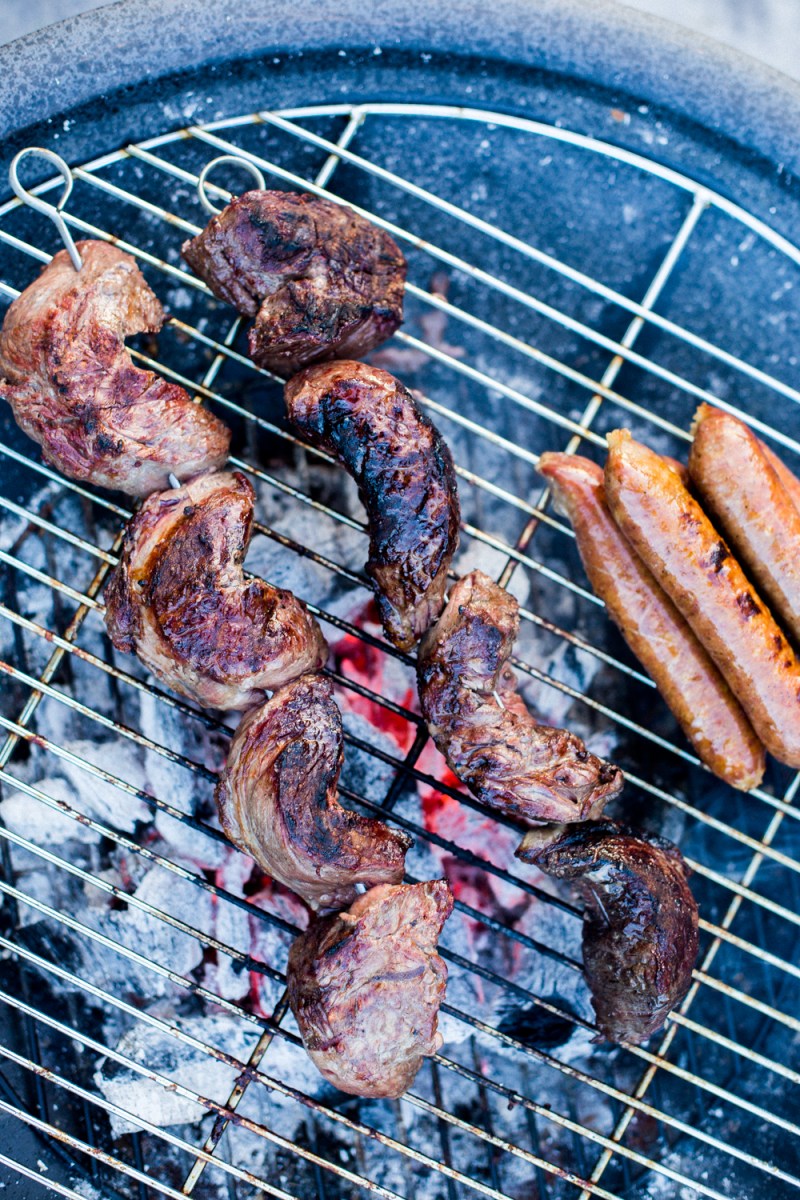
Most of the time, I really appreciate a well-marinated chunk of meat. Or something that’s been swimming in a fragrant sauce for a while. But every once in I while I like to bring dishes back to their basics – and this week’s recipe fits the bill nicely. Picanha (pronounced “Pee-cone-ya”) is about as simple as it can get: skewered rump cap roasted over an open fire, flavored with only sea salt. It’s a staple dish of Brazilian barbecue (churrasco) and one of the more prominent dishes from the region.

A rump cap is hard to find in many American butcher shops, as it’s often incorporated into the cut we call rump roast. If you’re lucky enough to find it in North America, the rump cap is usually identified by a thick layer of fat on one side which flavors the meat as it grills. As an alternative, we used a couple top sirloins from US Wellness Meats, which had a nice layer of fat on one side, mimicking the rump cap perfectly.

This week’s recipe, like last week’s Couve a Mineira, is part of a team-up recipe with my friend Alex Boake. Be sure to check out her illustrated version of this recipe!
Read Full Article

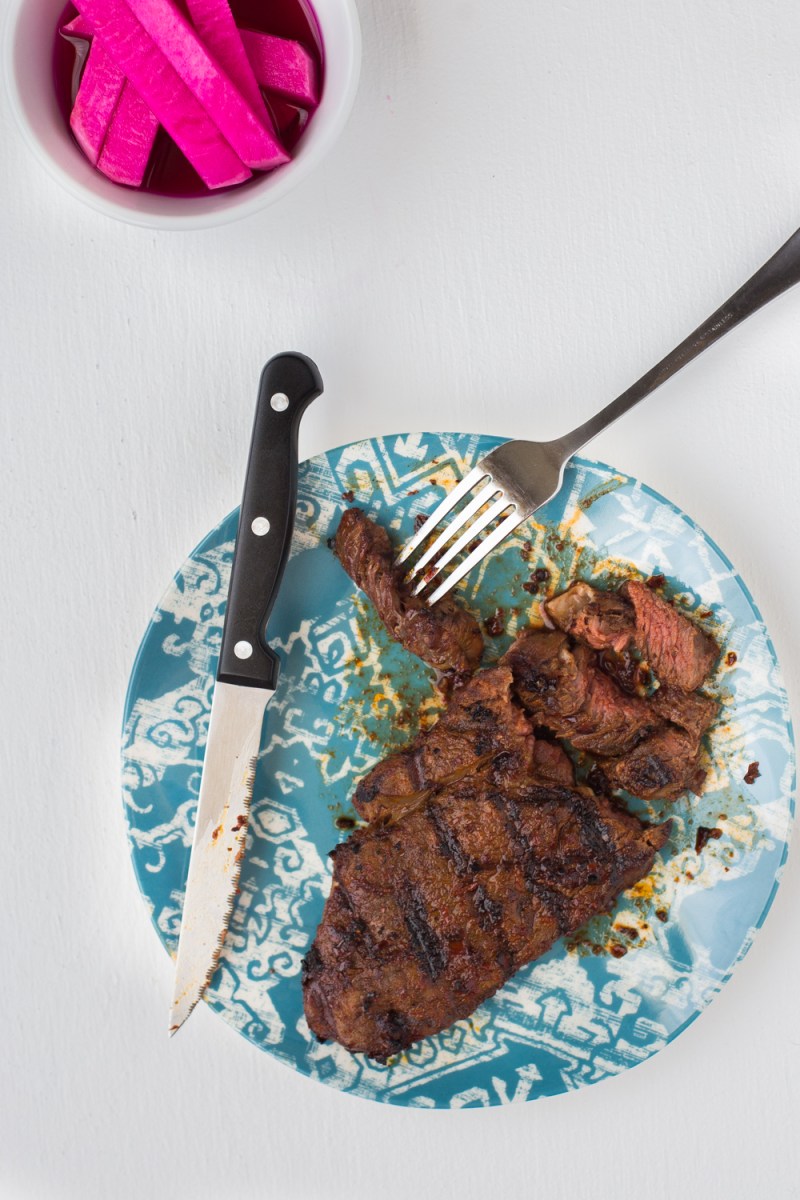
A while back I decided to try out a few new uses for my harissa recipe, besides the lamb tagine dish I posted last year. One great thing about harissa is that it’s so full-flavored that it can take an otherwise simple dish and make it immediately and exponentially complex (not to mention tasty). For example, I tried simply spooning it onto a couple steaks before grilling them, and the taste was ridiculous: the North African condiment formed a nice crust around the steak, but didn’t fully penetrate the pure meaty taste of the steaks themselves. It was a winning combination.

Warning: this is a super simple recipe. I’m still recovering from my trip to Atlanta for the Ancestral Health Symposium, where I spoke about gourmet culinary practices in a Paleo context. I’ll post more about my trip later this week.

Read Full Article

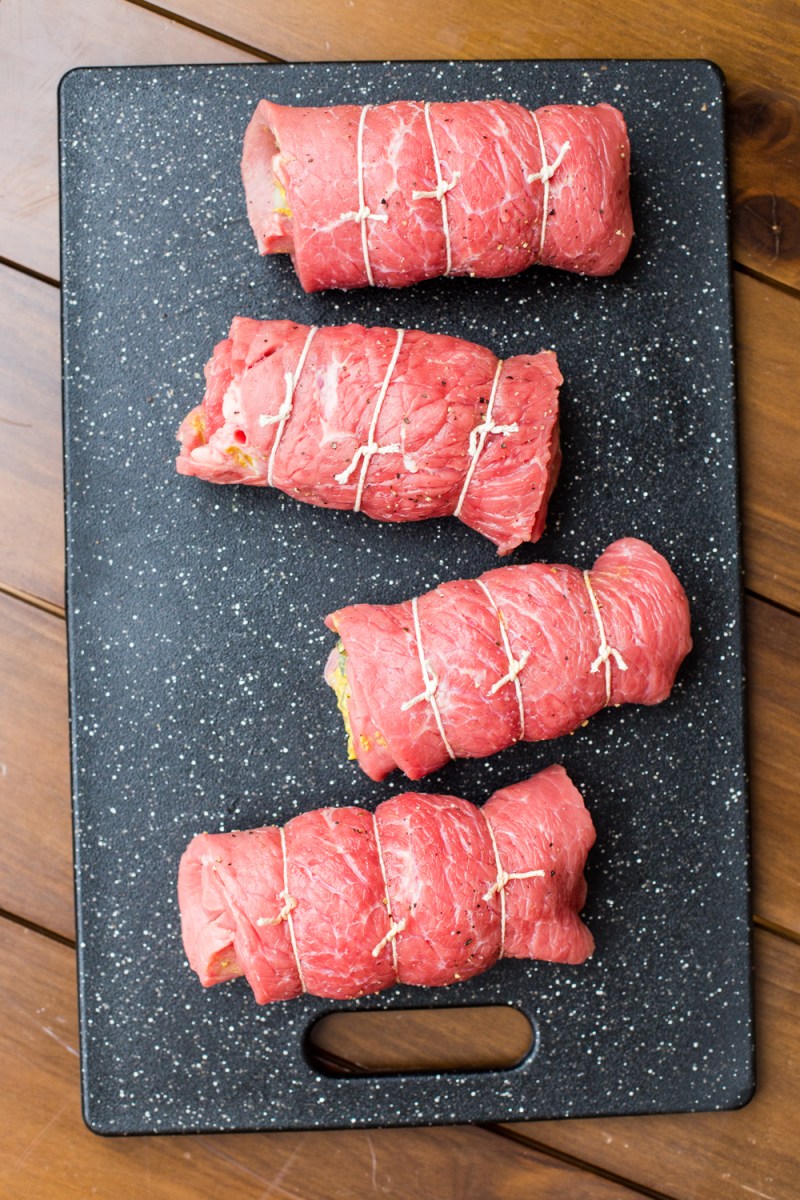
Rouladen is the German version of the French roulade, which is a roll made with thinly-sliced meat. The German version is interesting in that it probably came from Germans using items they had on hand most of the time – mustard, pickles, onion, and pork – to make something that’s unique in its own right. What’s even better is that these characteristics also make it easy to throw together this delicious meal with items you probably already have in your kitchen.

There’s no denying the French influence on this dish, with its use of a wine and broth braise (although Germans sometimes use beer instead) and mirepoix vegetables to add flavor. It’s commonly thought that Rouladen was originally made with strips of pork, although beef has become the most popular meat for this dish over the past century.

Read Full Article

Alright, people. You must have known this recipe was coming sooner or later. For the past year or so I have been playing around with nourishing soups (recent examples are here and here), so I thought it was time to tackle the mother of them all: Menudo. This tripe soup is often considered the ultimate hangover cure, similar to many bone broth soups found worldwide.

In Northern Mexico, Menudo is cooked with hominy, which is a form of corn that has been soaked in an alkaline solution. This process (called nixtamalization) removes the hull and germ from the kernel, effectively removing most of corn’s toxic anti-nutrients and making it more digestible. This process has been around since at least 1500 BCE, when people in present-day Mexico and Guatemala would soak their corn in water mixed with wood ash. If you do decide to use hominy in your recipe, be sure to get the organic stuff to ensure it isn’t made with GMO corn. But definitely feel free to omit the hominy and still consider the recipe authentic: it is also called Pancita in some regions, and from what I can tell Pancita also doesn’t usually include hominy.

Read Full Article

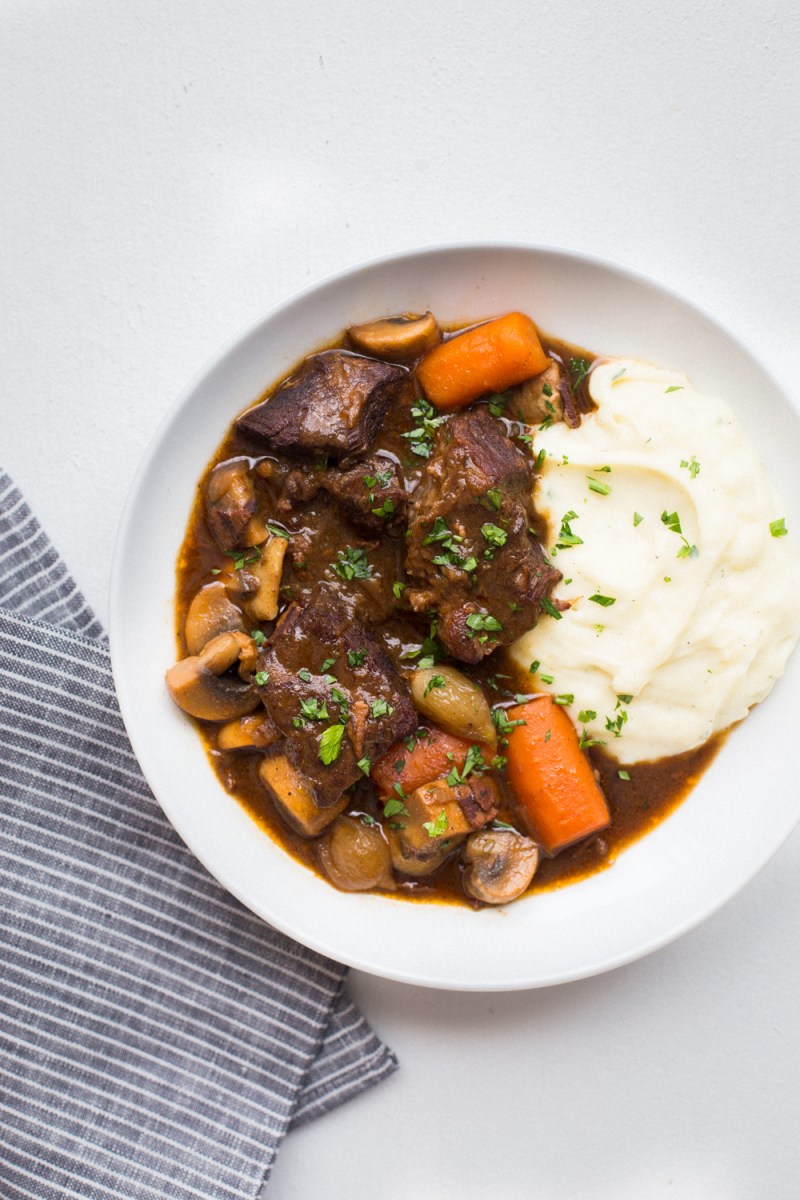
Some long-term readers may remember that I posted a Beef Bourguignon recipe about this time last year. While it tasted great, I wasn’t happy with some of the steps in the recipe, and I was really unhappy with the pictures. So this past weekend I put my thinking cap on and tackled the dish from scratch, without consulting my old recipe at all. I’m happy to report that I made some pretty big improvements to my old recipe and cut out a couple unnecessary steps along the way. To avoid confusion, I’ve now happily removed my old, obsolete recipe.

Beef Bourguignon is a dish that originates from the Burgundy region of Eastern France. It’s widely accepted that this dish started as a peasant’s recipe, possibly as far back as the Middle Ages, as a way to slow-cook tough cuts of meat. However, it’s not mentioned in cookbooks until the early 20th century, when it was refined into the staple haute cuisine dish it’s generally regarded as today. Most people associate this dish with Julia Child, as her recipe in Mastering the Art of French Cooking is a timeless classic.

This dish is fairly true to the authentic recipes available today, and not terribly unlike Julia’s original recipe. Generally, this dish is cooked with bacon since lean/tough meats were typically used and adding bacon gave this dish some rich fattiness. I’ve also found that fattier cuts turn out really good as well. My personal touches include dusting the beef pieces in rice flour before browning (Julia browned the beef alone, then added flour and roasted the beef for a little while in the oven, turning the beef once halfway through – quite an involved step!). I also decided to keep the pot on the stovetop instead of transferring it to the oven; to me, this better mimics the open-fire method of cooking that birthed this dish, and it doesn’t alienate home chefs that don’t have a dutch oven yet. If you’re rice-free, never fear – while the addition of rice flour helps thicken the sauce and adds a little body to the broth, it’s not a show stopper.

Read Full Article

NOTE: An updated version of this recipe appears in my cookbook, The Ancestral Table.

I love collard greens. They may be my favorite green food – well, second to mint chocolate chip ice cream, at least. They’ve been in use for at least 2,000 years; the ancient Greeks cultivated them along with kale.

I typically simmer my collard greens with some sort of smoked pork (usually bacon or smoked ham hocks), chicken broth, and apple cider vinegar, and it’s always delicious, although it can get a little boring. So a while back I consulted my buddy, the internet, to find another use for collard greens. During my search, I kept coming across the word Sukuma Wiki, the Swahili name for collard greens. Sukuma Wiki literally translates to “push/stretch the week” – collard greens are available year-round in East Africa, and are used to stretch meals out to last all week.

In the culinary world, Sukuma Wiki is a common name for a Kenyan dish of braised collard greens, usually prepared with ground meat, tomatoes, and onions. Turns out that this dish is dead easy to make, both in terms of time/preparation and ingredients. I was able to whip it up using stuff already in my pantry, and it’s always nice to find another use for ground beef. But the best part about this dish is its taste: it’s absolutely delicious, and has just a hint of exoticness to make it remarkable. One thing that sets this dish apart is that the collard greens are simply wilted down, and so they retain a slightly crunchy texture that really complements the ground beef.

Read Full Article

Lately I’ve been slightly obsessed with making super nourishing foods, mainly soups. Turns out that many soups that are considered miracle meals (often affectionately termed “hangover meals”) – Pho, Attukal Paya, or even a simple chicken soup – basically consist of boiling soup bones for extended periods of time and adding spices as needed. So to add to my growing list of nourishing soups, I present Cow Heel Soup.

Also known as Cow Foot or Bull Foot Soup, Cow Heel Soup is a traditional soup found in the Caribbean (mainly Jamaica, Trinidad, and Tobago). Legend has it that in the 18th century, plantation owners would take the best cuts of cows and leave the workers with the “fifth quarter” – tail, feet, head, and organs – which became quite a challenge for local cooks. Over time the recipe for cow heel soup became popular, and while there are many variations to this dish, I tried to keep my recipe close to the standard, baseline recipe.

Read Full Article

Because of their heavy use, beef cheeks are super lean and tough. While this doesn’t sound like a fun cut of meat to cook, when braised the results are remarkable: with a little liquid, heat, and time, one cheek magically transforms into a dense, succulent, and immensely satisfying meal for two.

A traditional French-style braise in broth, red wine, mirepoix veggies, and a few sprigs of fresh herbs help to bring a full flavor to the meat. But after several hours in the oven I felt like I needed to add something to liven the dish up; so I worked out a new favorite invention of mine, anchovy butter.

Read Full Article

I don’t know about you guys, but after our longer-than-expected winter I’ve been in on a month-long grilling bender. And though I love to come up with tasty marinades for my grilling adventures (Exhibit A: Izgara Bonfile), sometimes I just want a tasty creation that’s also quick to make. The solution is pretty easy, really: you just throw a salsa on top of an otherwise basic grilled steak!

This salsa is inspired by Insalata Caprese, a fresh salad originating from the island of Capri in the early 20th century. It’s traditionally made with tomatoes, fresh mozzarella cheese, oregano, and arugula, but over time most people have substituted the oregano and arugula with fresh basil. We Americans are even weirder in that we also like to add balsamic vinegar as well. For my salsa I decided to keep a little balsamic vinegar and also add a bit of lemon juice to provide some acidity and sourness without an overpowering vinegar taste.

Read Full Article

While spending a few days in Austin last month, I basically dove head-first into Texas barbecue: the pickles, the vinegar-based cole slaw, and man, the brisket! I loved how a dry, blackened crust over their barbecued meats isn’t a bad thing, and how sauce is added according to individual taste, after plating. Even better, the barbecued meats are sold by the quarter pound, so each person gets to choose how much they want to eat. If that’s not the most American way of eating ever, I don’t know what is! These are all concepts that are relatively uncommon in our neck of the woods here in Maryland, so I decided to try my hand at some Texas-style barbecued beef the other day.

When choosing a meat to try, I decided to go the easy route with some boneless short ribs: they are a great size, and fatty enough that I was sure I didn’t need to worry about them drying out while cooking. Turns out I made a great choice – the short ribs were perfectly moist and tasty, and a great change of pace from our typical method of cooking short ribs (braising).

Read Full Article