4 – Red Meat

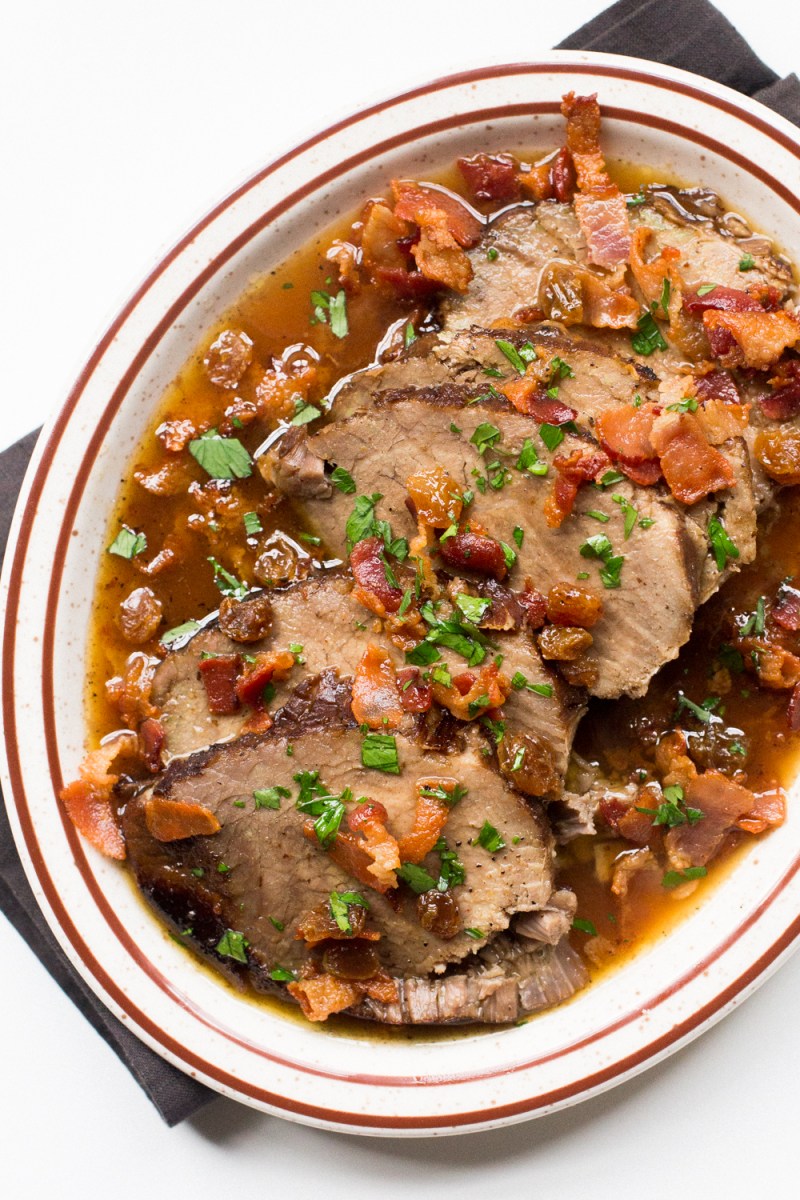
Sauerbraten (“Sour Roast”) is a German pickled roast. Traditionally made with lean horse meat, this dish works well with any lean roast. For my recipe in particular I used eye of round roast. This dish is unique in that the meat is tenderized in a wine or vinegar marinade for several days, probably a carryover from ancient preservation methods.

To counter the sour taste of the meat, Germans today commonly add gingersnap cookies to the roast’s gravy; personally, I used a bit of honey and golden raisins to cut its sourness, a custom found in Rheinischer Sauerbraten (Sauerbraten from the Rhine region in West Germany).

The eye of round roast for this recipe was graciously donated by Friends & Farms, a Maryland-based community that provides high-quality food baskets from local farms and artisans. They build the baskets with certain recipes in mind, and provide the recipes each week; each basket is designed to complement your eating habits, and is enough food for about three meals per week. You can also customize your baskets for a more Paleo-minded lifestyle, which is really cool.

Better yet, they are giving away a free weekly food basket to one of my readers – if you’re in the greater Baltimore area, click here to enter the giveaway via Rafflecopter. The giveaway ends ends midnight (EST) Saturday, Feb 22nd, 2014 and is limited to Maryland-area residents; you’ll need to be able to pick up your winnings at one of their many pickup locations. Good luck!

Read Full Article

Today is kind of a big deal for our family. After nearly two years of work, The Ancestral Table is finally in stores today! To celebrate, I thought it would be fitting to post my cookbook recipe for Japchae, which is a common party dish in Korea today.

Japchae has its origins in the 17th century; fittingly, it was first served at a party for the reigning king. Originally made with just vegetables and mushrooms, sweet potato noodles (dangmyeon, also called glass noodles) were introduced in the 20th century and are now an integral part of the dish.

Read Full Article

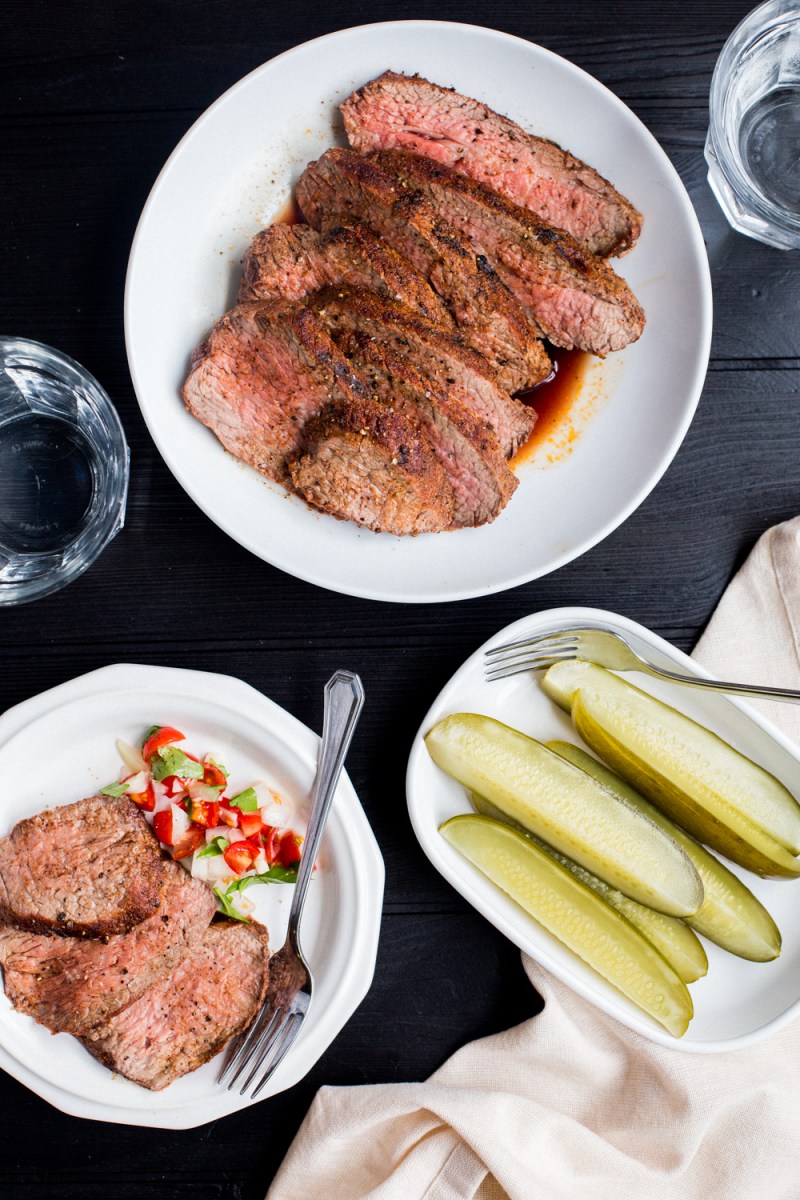
Santa Maria Tri-Tip Steak is a specialty of Santa Maria, California, which lies about 100 miles northwest of Los Angeles. Tri-tip is taken from the bottom sirloin of the cow, and is often cut into steaks and sold as “sirloin steak” (a tougher version of the prized “top sirloin steak”). When sold whole, as is used in this recipe, it can weigh up to 4 pounds. This lean, moderately tough, and economical cut of meat fares best when cooked only to medium-rare or medium.

The key to making a good Santa Maria Tri-Tip is cooking it so that it has a crusty outside and tender, juicy inside. There are different ways to achieve this result; in Santa Maria, chefs often use a grill that can be adjusted up and down, so as to develop a crust and then pull it away from the fire to prevent burning.

My method is similar. We’re going to only heat one side of the grill, indirectly roast it until it reaches a certain temperature, then place it directly over the fire to create a tasty crust at the end. The end result is a dead simple recipe that always makes for a tasty experience.

Read Full Article

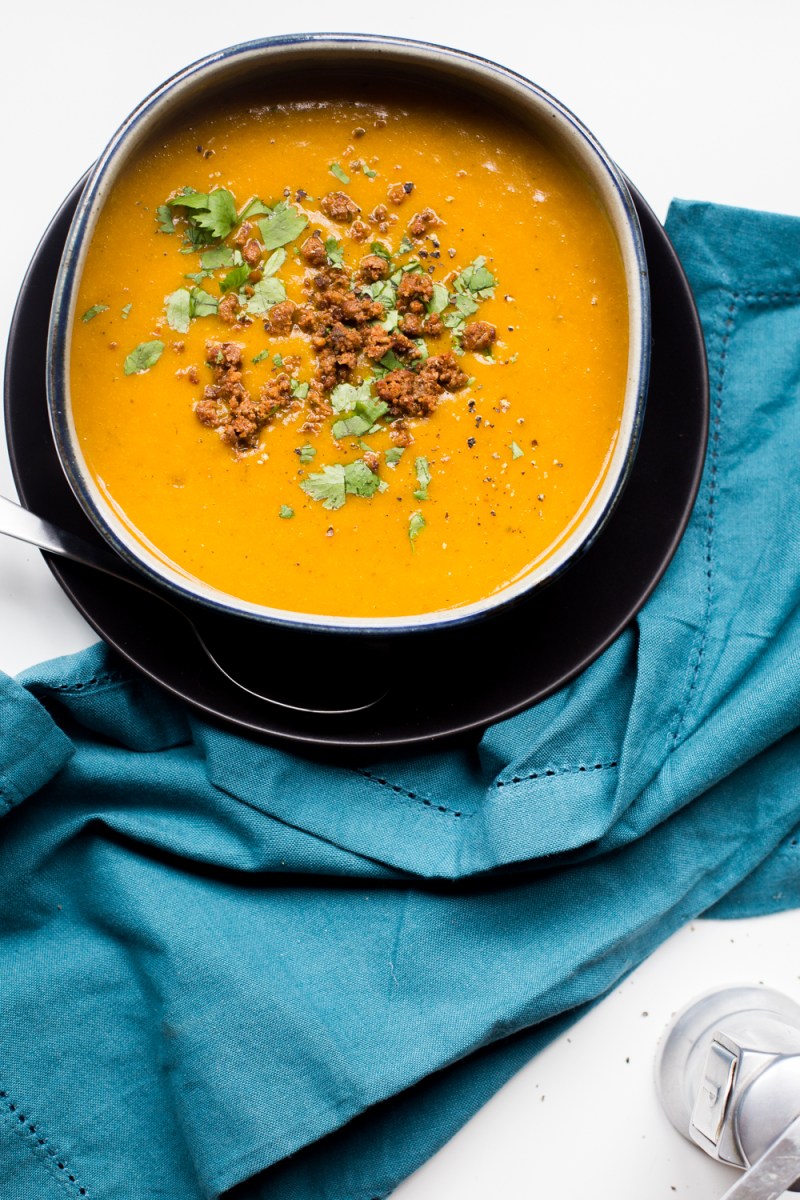
I figure it’s safe to post a pumpkin recipe now. For a while there (all of October and November) I thought I was going to drown in pumpkin-flavored products. Is it just me, or are they becoming more and more prominent every year? Regardless, pumpkin soup is a hearty, warming way to enjoy the cold months of fall and winter, and I didn’t want to let spring hit me before sharing this recipe.

Like many foods we enjoy today, pumpkins are a product of the New World, and entered Europe in the 15th century. Most foods introduced during that time took a while to gain momentum in Europe – sometimes hundreds of years – but not the pumpkin. Because they resembled gourds and squashes common in the Old World, pumpkins were readily adopted and prized for their robust flavor and easy cultivation. It was quickly made into various soups, and mixed with honey and spices as early as the 17th century – a precursor to pumpkin pie.

For today’s recipe I wanted to keep pumpkin closer to its place of origin – North America – so I decided to focus on a Mexican soup commonly referred to as Sopa de Calabaza, often flavored with cumin and chorizo sausage. I really like the cyclical nature of this dish. Cumin was first cultivated in India and introduced to the Americas by the Portuguese and Spanish. Chorizo is the best of both worlds: Old World sausage flavored with paprika made by New World peppers, and later re-introduced to the Americas. So this dish is the product of the unique culinary marriage of these two continents and cultures.

While pre-roasting a whole pumpkin inevitably lends more depth of flavor, using canned pumpkin puree drastically cuts down on your cooking time and effectively turns this dish into a 30-minute meal. Read Full Article

I love finding new ways to transform cheap cuts of meat into something spectacular. I think most people feel the same way, as my Eye of Round Roast recipe remains the most popular recipe on my blog. So when I read my friend Peter’s Tjälknöl recipe from earlier this year, I knew that I needed to try it. The method intrigued me: take a frozen chunk of lean beef and slow cook it until it reaches a certain temperature, then remove it and let it sit in a brine for a few hours. The Tjälknöl came out utterly delicious and not unlike roast beef, perfect for thinly slicing and enjoying cold.

I love the story behind the dish, which I pulled straight from Peter’s excellent blog, Striclty Paleo…ish:

“Ragnhild Nilsson, the wife of moose hunter Eskil Nilsson, asked her husband one evening to thaw a frozen moose steak in the oven on low temperature. He did…and forgot about it, and Ragnhild found it still laying in the oven the next day. She understood it would be rather tasteless eating it like that, so in an attempt to save it she placed it in a brine for a few hours. When they later ate it, they both found it to be not only delicious, but also extremely juicy and tender. A year or so later, she submitted the recipe for a national contest to find new regional signature dishes, and won! Tjälknöl was declared the new signature dish of Medelpad (a region of northern Sweden), and it spread nationwide.”

I took a few liberties with the original recipe as I converted it to US measurements, mostly because I’m constantly tweaking things in the kitchen.

Read Full Article

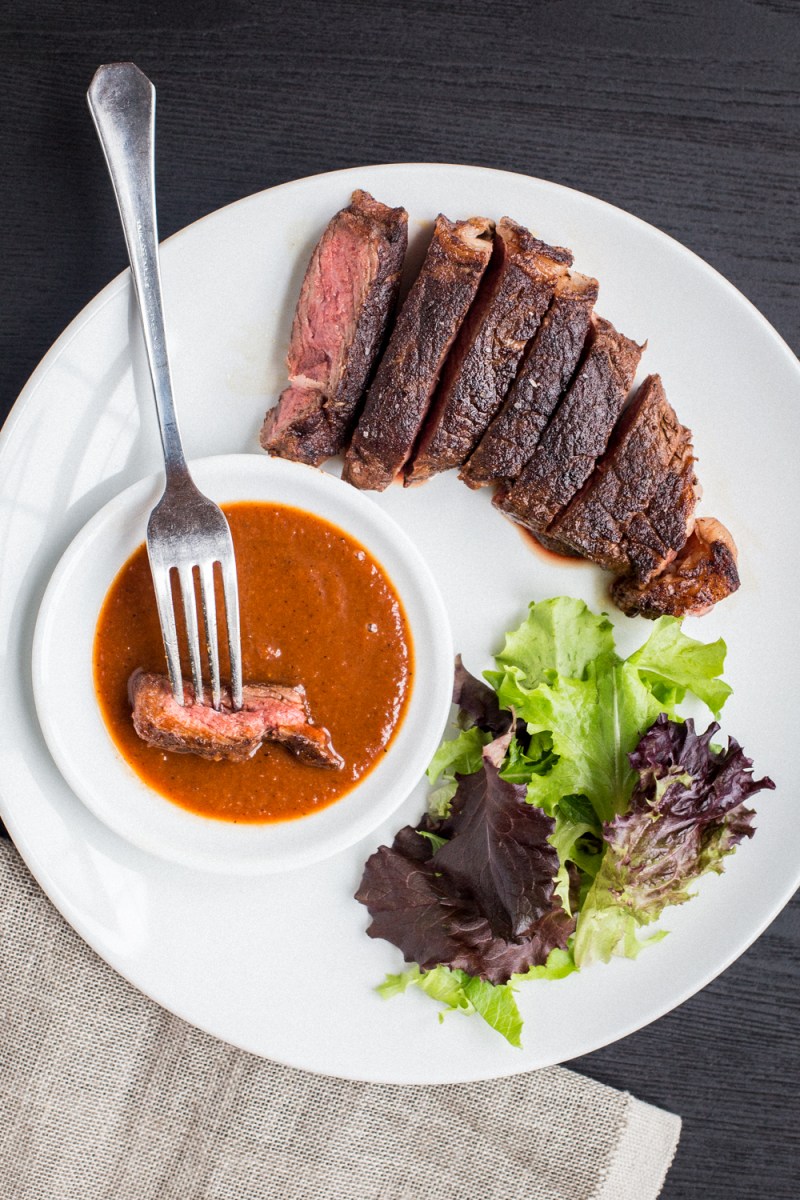
As the temperatures fall this month, I expect many people to be hesitant about going outside to grill food. Personally, we keep the grill outside and ready all year long, but I realize that not everyone feels that way (especially my Midwestern readers, whose winters are a little more significant than ours). So I thought it would be a good time to work on a solid, foolproof pan-seared steak recipe.

To be honest, we as a family don’t eat steak much, due to its high price point. But it’s an excellent celebratory meal, or for when you’re looking for a simple, developed taste without having to spend much time preparing your meal. Generally, steaks are made from the most tender cuts of the animal and cooked quickly; their tenderness comes from a lack of tough fibers and connective tissue found in the muscles that are more worked. Applying a light spice rub on a steak is ideal, and right before cooking, so that you have contrasting tastes of the crust and delicate interior. The combination of cacao, peppers, and salt go especially well with steak.

Read Full Article

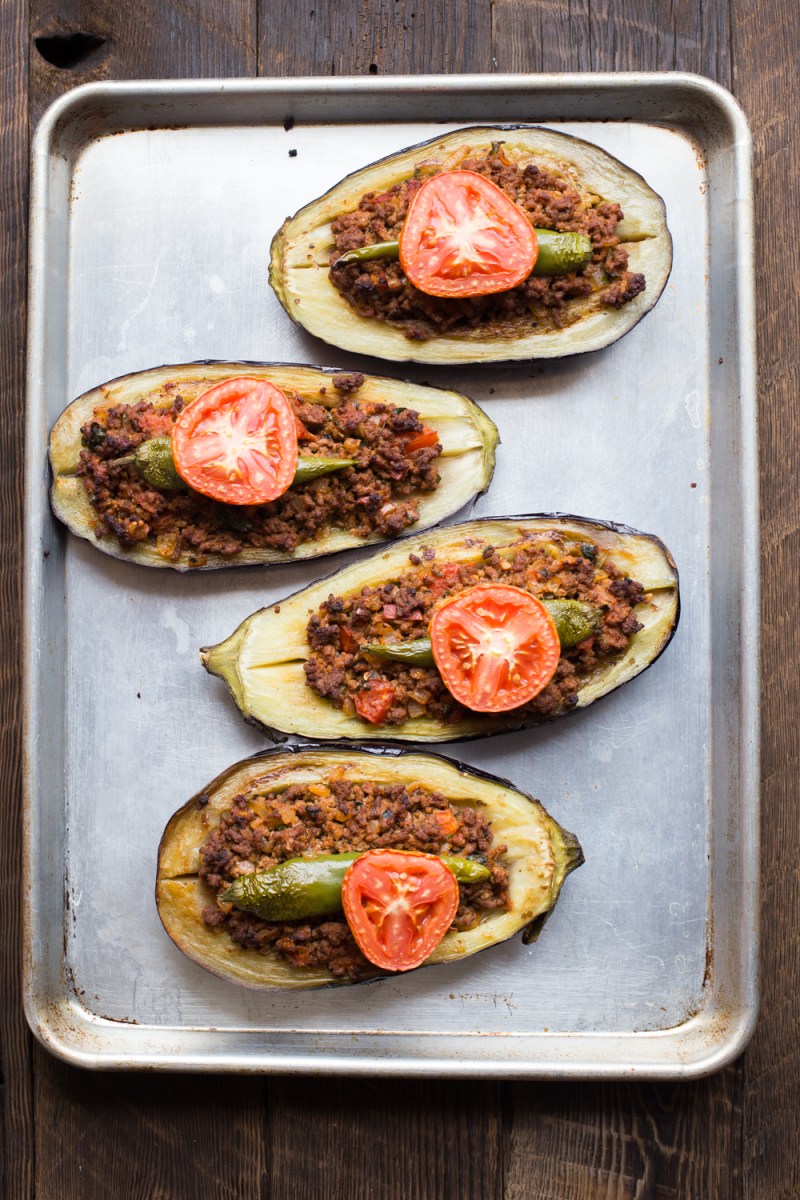
Our local market had some really nice-looking eggplants the other day, so I decided to pick up a couple and whip something up. When coming up with an idea for the dish, I decided to refer to some of the eggplant experts: the countries that live along the Mediterranean coast. Italy seemed too easy, so I went with Turkey instead, who have several classic eggplant dishes. Karniyarik is a stuffed eggplant dish from Turkey, similar to another popular Turkish dish, Imam Bayildi, which is similar but made without ground meat.

Eggplants got their name from their egg-like shape, although they are referred to as aubergines nearly everywhere outside of the United States. Eggplants were probably first cultivated in India about 2,000 years ago, before making their way to the Middle East and Europe. It was one of the first foods brought to the Americas by Spanish and Portuguese explorers in the 16th century.

Read Full Article

Hey folks! Tonight at 7pm ET (4pm PT) I’ll be one of three home chefs participating in a live Google+ Hangout “Cookalong” with MasterChef Top 4 contestant Jessie Lysiak; be sure to tune in via the MasterChef Google+ page or FOX’s YouTube Channel to watch me in action! Thanks for the support!

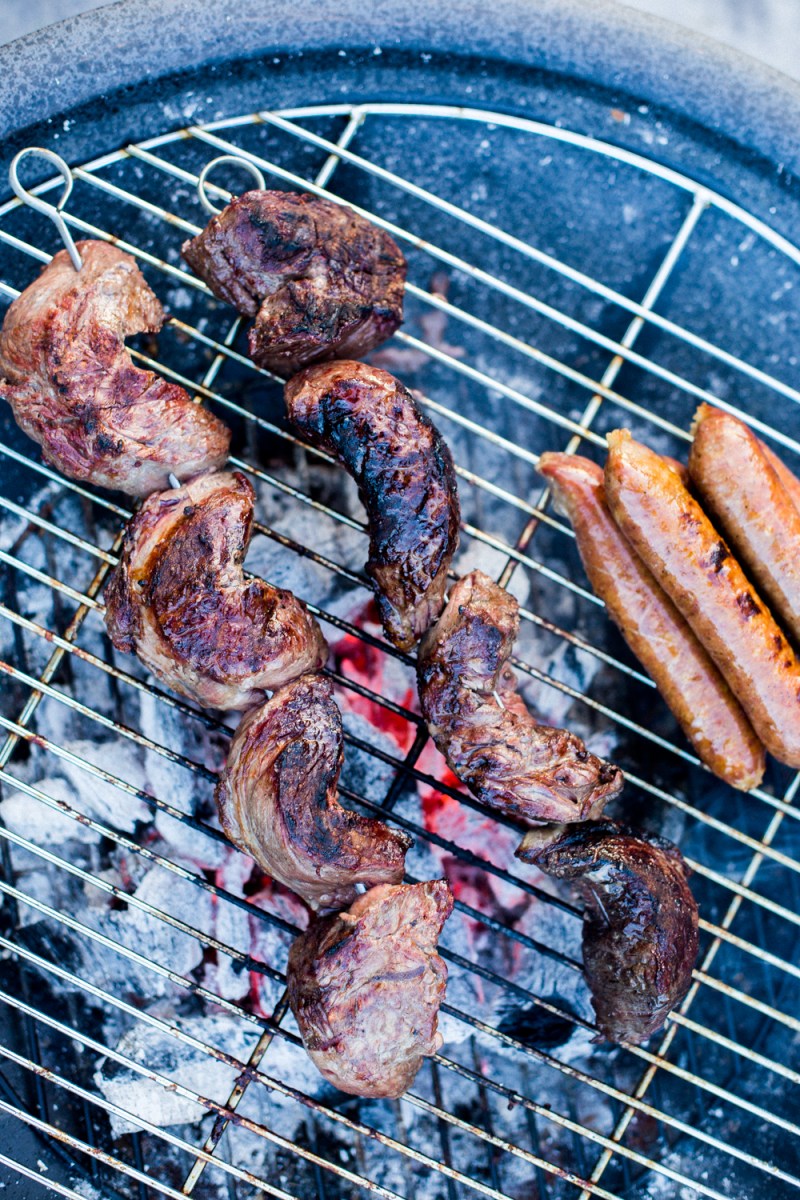
Most of the time, I really appreciate a well-marinated chunk of meat. Or something that’s been swimming in a fragrant sauce for a while. But every once in I while I like to bring dishes back to their basics – and this week’s recipe fits the bill nicely. Picanha (pronounced “Pee-cone-ya”) is about as simple as it can get: skewered rump cap roasted over an open fire, flavored with only sea salt. It’s a staple dish of Brazilian barbecue (churrasco) and one of the more prominent dishes from the region.

A rump cap is hard to find in many American butcher shops, as it’s often incorporated into the cut we call rump roast. If you’re lucky enough to find it in North America, the rump cap is usually identified by a thick layer of fat on one side which flavors the meat as it grills. As an alternative, we used a couple top sirloins from US Wellness Meats, which had a nice layer of fat on one side, mimicking the rump cap perfectly.

This week’s recipe, like last week’s Couve a Mineira, is part of a team-up recipe with my friend Alex Boake. Be sure to check out her illustrated version of this recipe!

Read Full Article

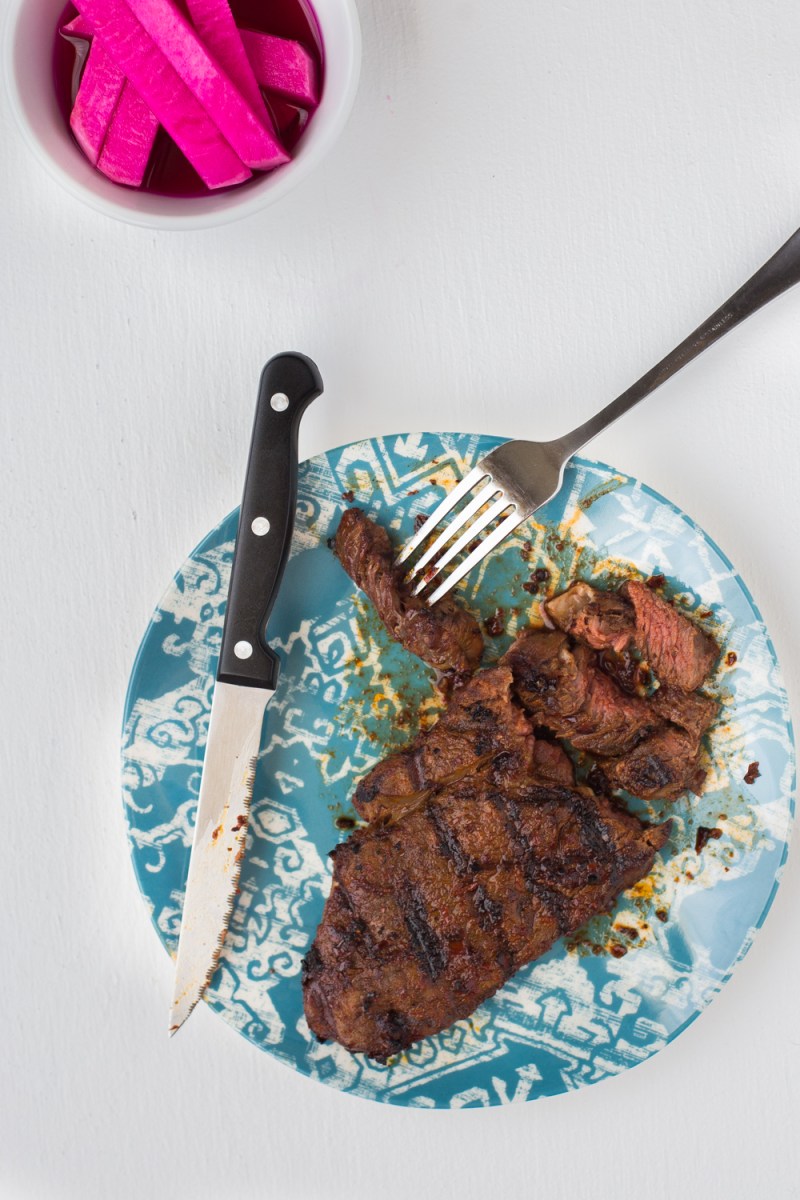
A while back I decided to try out a few new uses for my harissa recipe, besides the lamb tagine dish I posted last year. One great thing about harissa is that it’s so full-flavored that it can take an otherwise simple dish and make it immediately and exponentially complex (not to mention tasty). For example, I tried simply spooning it onto a couple steaks before grilling them, and the taste was ridiculous: the North African condiment formed a nice crust around the steak, but didn’t fully penetrate the pure meaty taste of the steaks themselves. It was a winning combination.

Warning: this is a super simple recipe. I’m still recovering from my trip to Atlanta for the Ancestral Health Symposium, where I spoke about gourmet culinary practices in a Paleo context. I’ll post more about my trip later this week.

Read Full Article

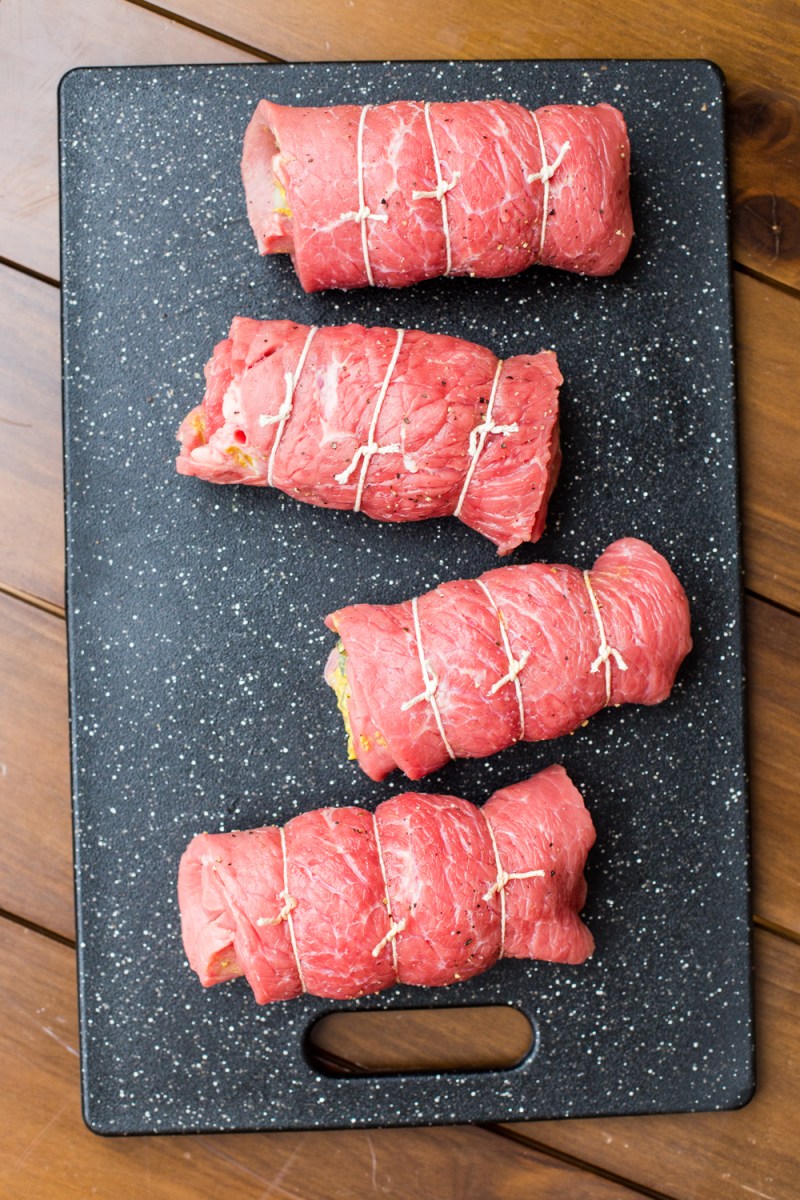
Rouladen is the German version of the French roulade, which is a roll made with thinly-sliced meat. The German version is interesting in that it probably came from Germans using items they had on hand most of the time – mustard, pickles, onion, and pork – to make something that’s unique in its own right. What’s even better is that these characteristics also make it easy to throw together this delicious meal with items you probably already have in your kitchen.

There’s no denying the French influence on this dish, with its use of a wine and broth braise (although Germans sometimes use beer instead) and mirepoix vegetables to add flavor. It’s commonly thought that Rouladen was originally made with strips of pork, although beef has become the most popular meat for this dish over the past century.

Read Full Article