8 – Side Dishes

NOTE: An updated version of this recipe appears in my cookbook, The Ancestral Table.

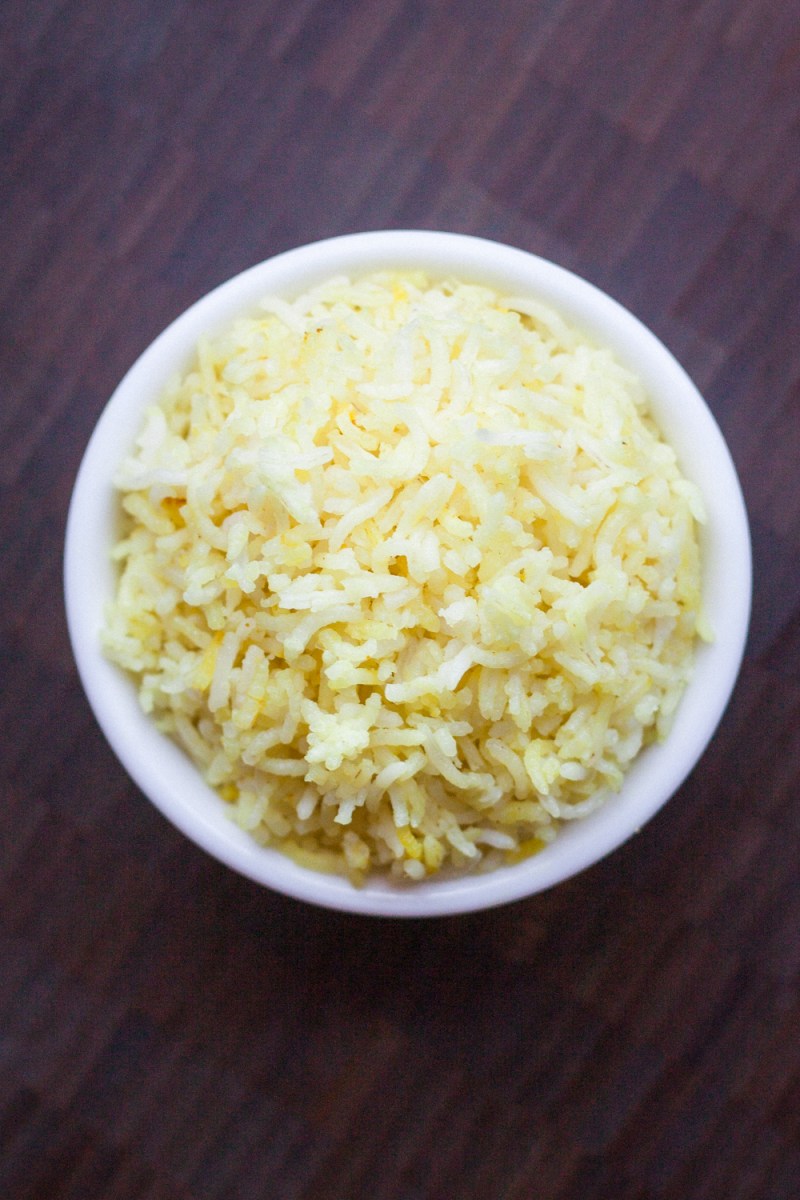
Basmati rice is an aromatic long-grain rice that originated in the Himalaya mountain foothills. It carries a lower glycemic index than short-grain rice, thus having less of an effect on insulin and blood sugar levels than most other forms of rice. Its non-sticky texture also goes well with certain dishes, especially curries.

Before we move on, I’d like to address the fact that white rice even exists on a Paleo-friendly website, since one of the main points of the Paleo diet is avoiding grains. Rice has the lowest toxicity of all cereal grains, and most of rice’s toxins (phytates, trypsin inhibitor, and haemagglutinin-lectin) exist in the rice bran – which is found in brown rice – hence my white rice preference. In fact, white rice has less phytic acid than many foods considered completely safe by Paleo standards, including coconut, walnuts, sesame seeds, almonds, and brazil nuts. Additionally, most of the remaining toxins are destroyed in the cooking process. So, rice is low in toxins, but not necessarily nutritious when compared to meats and veggies. My Paleo hero, Paul Jaminet, suggests a 10% dietary calorie limit on rice, which suits our tastes perfectly. Additionally, when eating rice at the house, we tend to use it as a vehicle for other nutrients: cooking the rice in broth instead of water, or steaming with butter/turmeric/coconut milk as in today’s recipe.

Okay, enough nutrition talk. Let’s make some delicious, guilt-free basmati rice. I should note that this recipe in particular is modeled after the Indonesian rice dish Nasi Kuning, but with less coconut milk and turmeric that what is usually used.
Read Full Article

NOTE: An updated version of this recipe appears in my cookbook, The Ancestral Table.

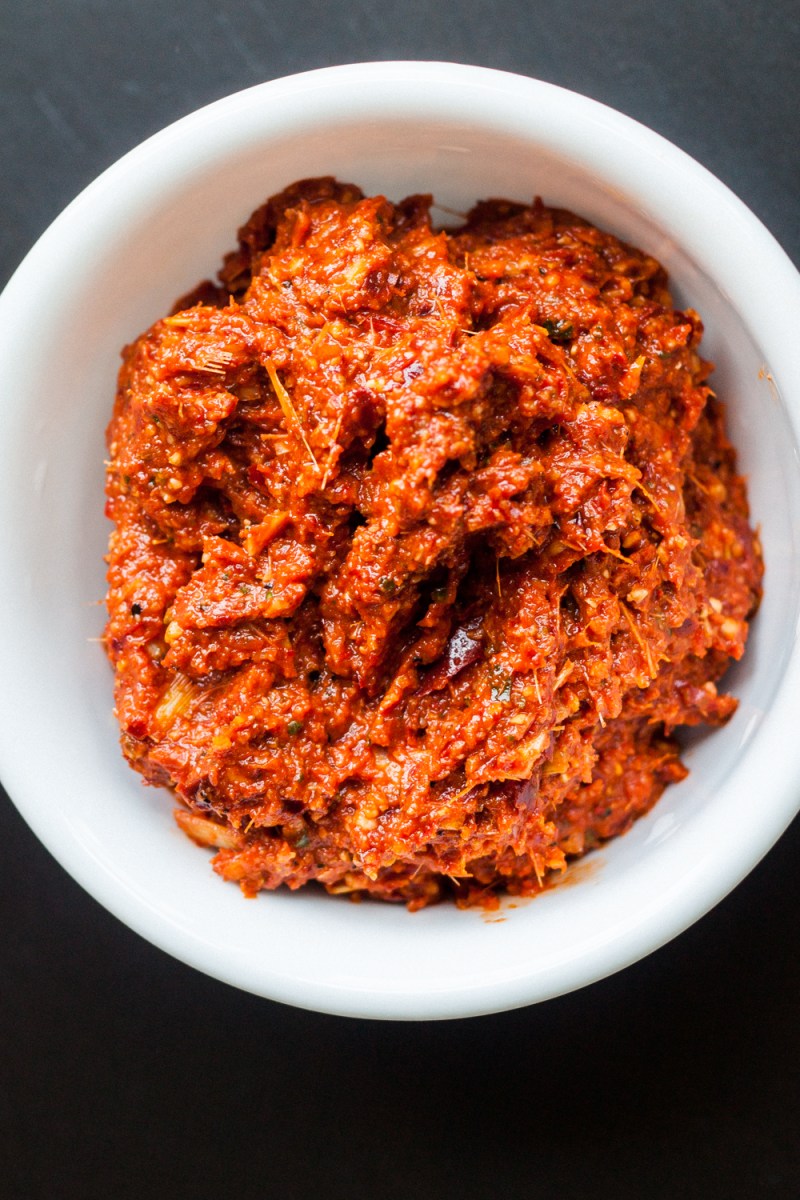
Panang (also spelled Penang and Phanaeng) curry is a mild Thai curry that gets its name from the Malaysian island of Penang. It is similar to Thai red curry but is richer and creamier, and typically uses crushed peanuts as a major part of the dish (I personally use cashews). It is often served with beef, pork, chicken or shrimp in Thai restaurants in the United States, although beef is the traditional meat used in this dish.

While the pre-made Panang curry pastes from Maesri and Mae Ploy are both excellent, they are more spicy than I would like. Reducing the amount of paste used or adding extra coconut milk just makes for a bland meal, so I decided to develop a mild Panang curry paste of my own that could then be adjusted for spiciness. As an added bonus, my recipe is also free of added sugar, unlike the pre-made pastes!

Click here to see this paste in action, in my Chicken Panang recipe.

Read Full Article

Yuca (cassava) is a starchy, tuberous root that originated in South America, most likely Brazil, and has probably been cultivated for 12,000 years. Today, Africa consumes the most yuca, with Nigeria being the world’s largest producer of the root. When dried, it becomes tapioca. Quite a handy root, eh?

The easiest (and possibly tastiest) way to prepare a yuca root is dead simple: all it takes is a quick boil and a little time with some quality coconut oil.

Read Full Article

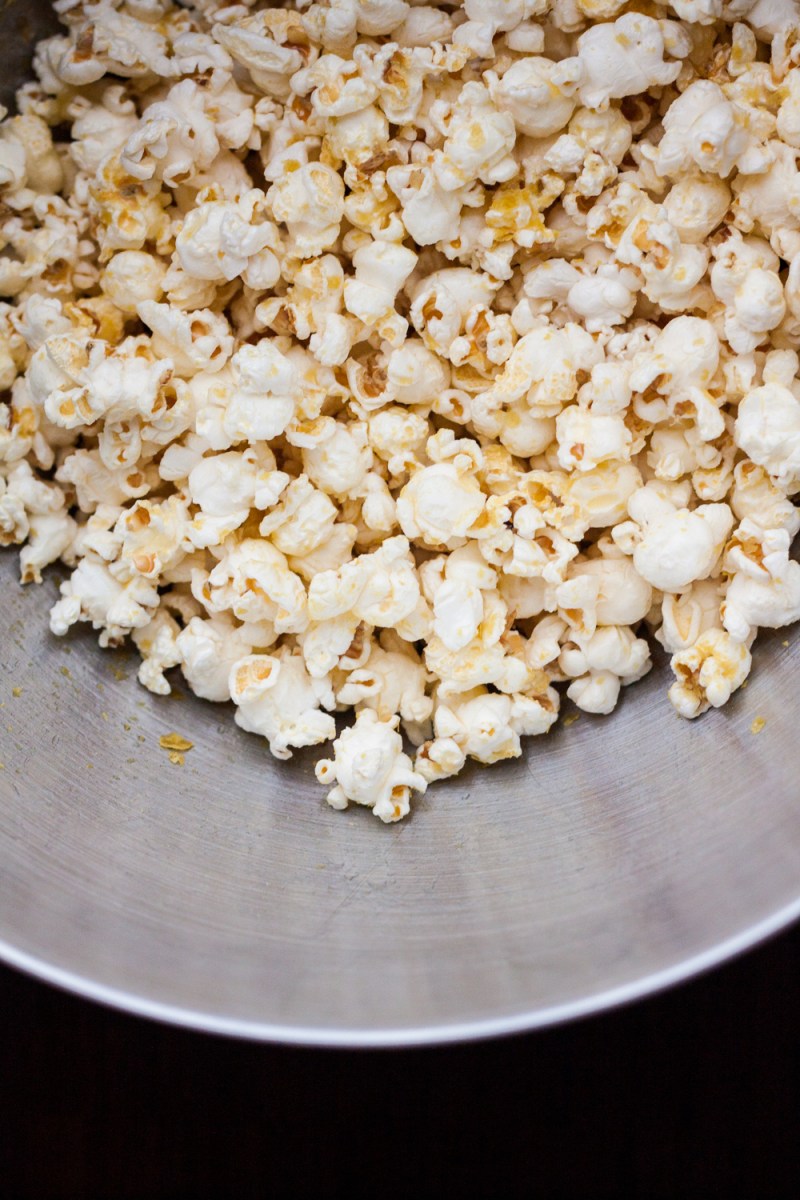
Popcorn is a relatively old dish – there is evidence of its consumption as far back as 4700 BC in Peru – but it didn’t become a part of the Western diet until Native Americans introduced it to British settlers in the 16th century. Today those microwave bags are an easy (and cheap) snack, and it’s a breeze to make at home for even cheaper and without any crazy added ingredients.

Just like with my Mexican rice recipe, popcorn is a great and easy way to put healthy ingredients in an otherwise nutrient-sparce food item. In this case, I like to cook it in coconut oil and then season it with grass-fed butter/ghee.

Read Full Article

Let’s talk about corn a little bit. Although it’s a grain, it is considered moderately safe depending on individual tolerance, so this year our family has decided to try and re-introduce it into our diet. We don’t plan on eating corn that often (heck, I mentioned that I was going to eat corn six months ago and I’m just now getting around to it), but we like the idea of adding a little variety to our eating habits. Mainly, we plan on eating it in the form of tortillas, popcorn, and these little pieces of heaven you see in this recipe: arepas.

Arepas are corn cakes that are popular in Venezuela, Colombia, and other parts of Latin and South America. They couldn’t be simpler to make – ground corn, water, and salt – but they bring a unique texture to other foods. Something about the crispy outside and slightly-mushy inside make them the perfect little sandwich pockets. It’s hard to describe, but they have a density and feel not unlike buttermilk biscuits, but a little grittier.

Read Full Article

NOTE: An updated version of this recipe appears in my cookbook, The Ancestral Table.

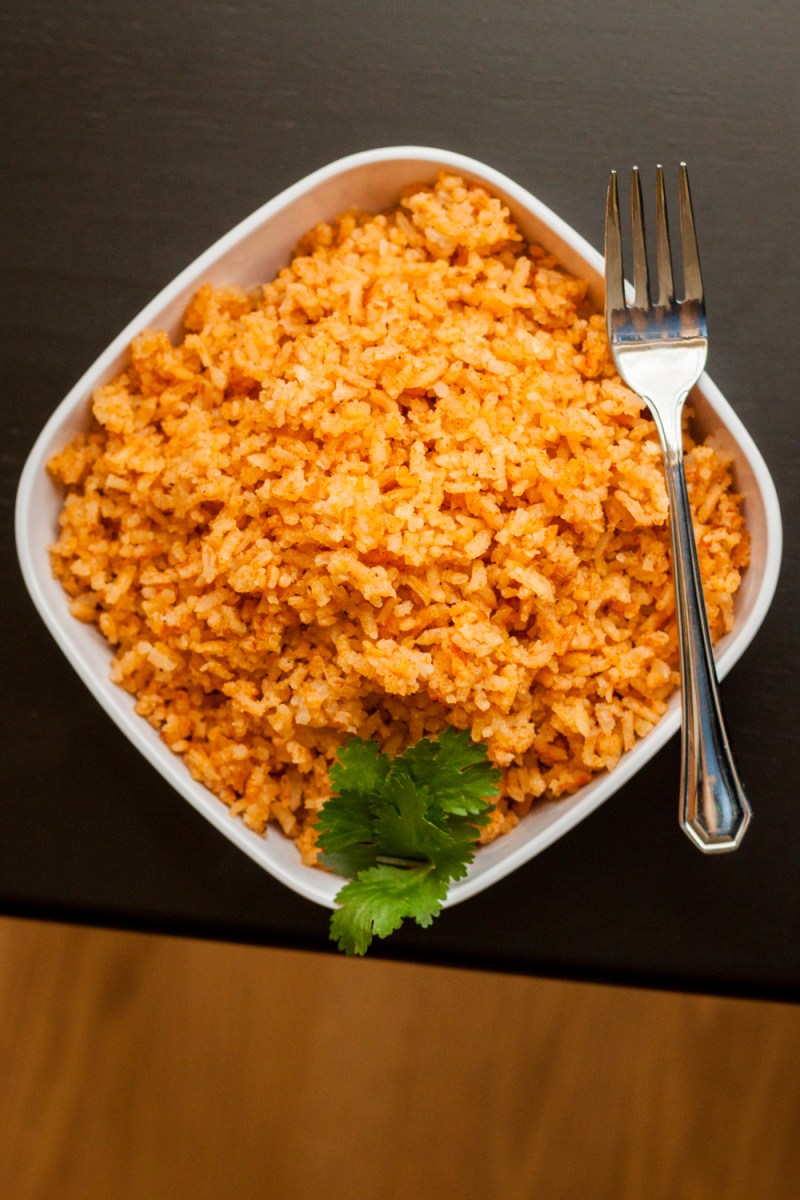
You know what doesn’t get enough credit? White rice. It helps feed a large portion of the world, and is a relatively safe starch. Sure, it doesn’t have a lot of nutritional value, but it can easily become a vessel for other nutrients. Enter my Mexican rice recipe, which is chock-full of tasty and healthy stuff like grass-fed butter/ghee, tomato sauce, and homemade chicken stock.

Although it’s often called “Spanish rice” here in the US as well Mexican rice, no such thing exists in Spain. I’ve been making this side dish for several years, well before switching my diet. For this dish I like to simulate your standard Mexican restaurant rice – tangy, slightly salty, and with a tiny hint of chicken thanks to its use of broth/stock.

Read Full Article

I was recently asked by the fine folks at Cappello’s to try out their unique line of fresh gluten-free, grain-free pasta, and I was excited to get my hands on their product. First of all, I have a special place in my heart for Italian dishes; I started to realize that I was pretty good at this whole “cooking” thing when I first started to focus on and perfect a few Italian meals, many years ago. Secondly, while we do eat dishes using boxed rice noodles from time to time, nothing beats fresh pasta.

The pasta is made using mainly egg and almond flour, and has a taste and consistency that is the best I’ve experienced from a non-wheat product. Read on for some more pictures and details, and I will have the recipes for each of these products up on the site over the next two weeks.

Read Full Article

NOTE: An updated version of this recipe appears in my cookbook, The Ancestral Table.

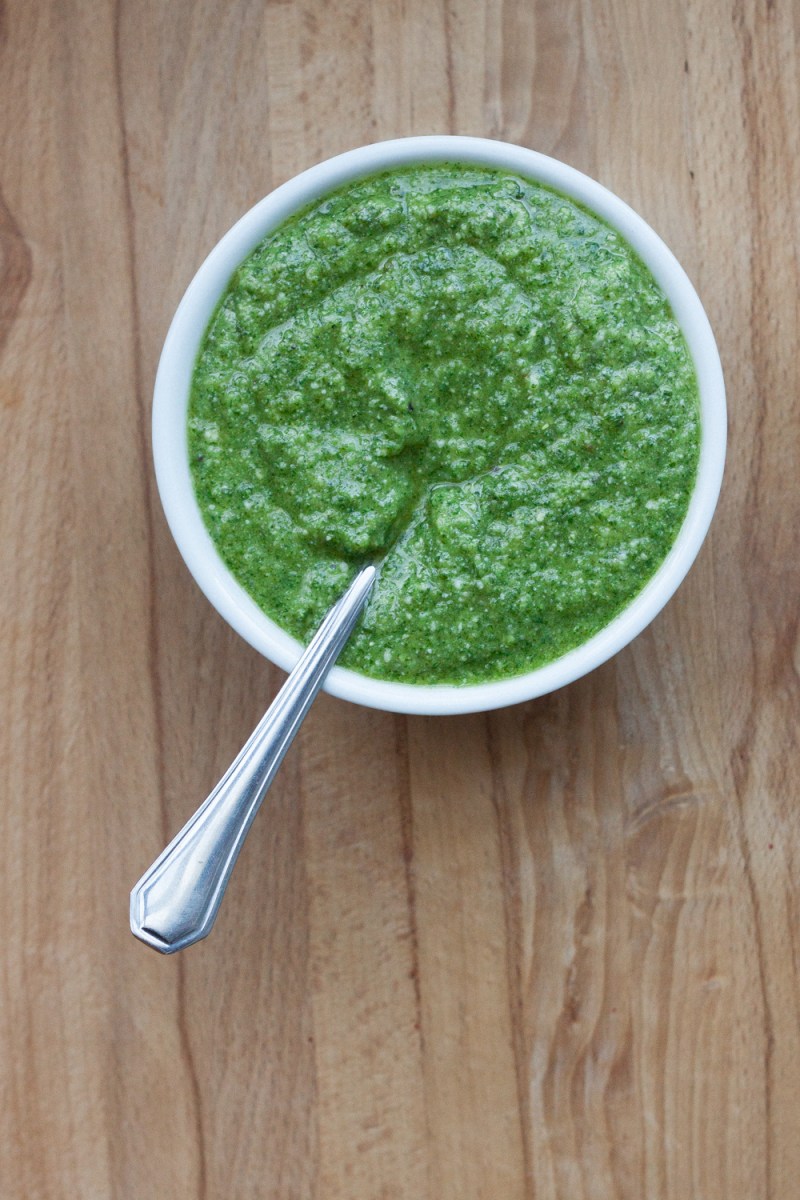
Pesto has an interesting history. Its name comes from a Genoese (Northern Italy) word that means to crush or pound, implying the use of mortar and pestle. In fact, the English word “pestle” has the same root. While pastes have been used in Italy since the Ancient Roman times, basil wasn’t introduced until later, from Africa (via India), and the modern interpretation of basil pesto dates back only to the 19th century. In fact, pesto didn’t even gain popularity in the United States until the latter half of the 20th century.

Basil pesto is great because it is a fool-proof way to spice up many pasta dish, or even sautéed vegetables. I often add a spoonful of it to many sauces, including alfredo or spaghetti sauce (blasphemy, right?) for a subtle extra kick.

Read Full Article

NOTE: An updated version of this recipe appears in my cookbook, The Ancestral Table.

Although there are variations of potato/kale combos found all over Europe, I’m inclined to believe that the Irish variation, colcannon, is grandaddy of them all. First of all, the Irish basically own the creative rights to cabbage. The Romans introduced cabbage to most of Europe back in the day, except that when they got to Ireland it was already there! By tracing the word for cabbage linguistically, it appears that cabbage has been a part of the Irish (well, Celt at the time) diet since the Iron age. Potatoes weren’t introduced to Europe until the 16th Century, with the Irish and French being the first to really embrace them, and so colcannon came about sometime thereafter.

Although colcannon is treated as a St. Patrick’s Day dish here in the US, it’s traditionally a Halloween dish in Ireland. Some families would put a plate of colcannon outside their front door with a large chunk of butter in the middle to feed ghosts/fairies that were passing by. It also was closely related to marriage divination, in that trinkets (wedding rings, coins) would be hidden in the colcannon and the girl that found the trinket would be the next to marry.

Read Full Article

It might sound crazy, but you can totally make lettuce chips. Google it. It’s a thing!

Lettuce chips have a distinct taste to them – they retain a hint of bitterness, and just about melt in your mouth. They’re impossibly delicate so you’ll probably end up eating them all in one sitting instead of trying to store them without crushing everything. My technique for cooking them involved a quick bake in the oven, but I bet you could get the same effect with a food dehydrator for a longer period of time.

Read Full Article