
Food

Parties are the worst, right? All those new people to meet, the inevitable bad music that appears on the stereo, and figuring out what food to bring. Luckily, this week’s recipe will solve two party-related issues: bringing food and breaking the ice (there’s really no fix for bad music). You see, not only are these classically-prepared deviled eggs delicious, but they are a fun party trick, too.

While the name deviled eggs might lead you to think of something wicked, there is no association between this dish and Beelzebub. The term deviled first appeared in England in the 18th century, in reference to dishes that were highly seasoned (usually with mustard and black pepper). So while many folks will use the terms “stuffed eggs”, “dressed eggs”, or “angel eggs” to remove any perceived evil from this popular appetizer, there is none to be found. But this fact got me thinking – what if I could add a bit of mischief to these eggs?

So here’s the trick: place a random amount of Tabasco between the white and yolk of the deviled egg, then let the other party attendees guess how many drops of Tabasco are hidden within each egg they choose.

By the way, the concept of eating eggs before a meal is not new. In Ancient Rome, eggs were part of gustatio (the world’s first word for appetizer), and were so commonplace that a popular saying soon appeared: “ab ova usque ad mala”, which translates to “from eggs to apples”, or from the beginning to the end (apples were served as post-meal treats).

Read Full Article

When first moving to our current home in Pensacola, Florida last year, we were initially concerned with how we were going to easily do our grocery shopping. After all, living in the Baltimore/DC area had spoiled us in terms of convenience; there, you can randomly throw a stone and likely hit Trader Joe’s, Wegmans, MOM’s, Costco, or Whole Foods. But after looking at a map of Pensacola and seeing that those stores were hours away, we figured a change in shopping habits was in order. So we started to lean more heavily on a local (pricey) health food store and weekend farmer’s market, and buying bulk from online vendors like US Wellness Meats and Tendergrass Farms.

But then last weekend I visited my local grocery store, and was pleasantly surprised to find how easy it was to find relatively healthy ingredients (many of the items I would expect to find in our favorite grocery stores before moving). Organic vegetables, grass-fed and pastured meats, wild-caught seafood, full-fat dairy, and gluten-free items were plentiful. It seems like many grocery stores are starting to prioritize real foods, and it is an excellent sign.

So I decided to carry out an experiment. What if I could whip up a meal using only ingredients found in our local Publix grocery store, while still aligning to my dietary restrictions? It just so happened that I was also eager to re-tackle an old lasagna recipe from several years ago, so it all fell together nicely.

Note: I still get frequent request for my first lasagna recipes, so here it is in convenient PDF form.

Read Full Article

Local friends: I’ll be having a talk, cooking demo, and book signing in a couple weeks – for more info, see the bottom of this post.

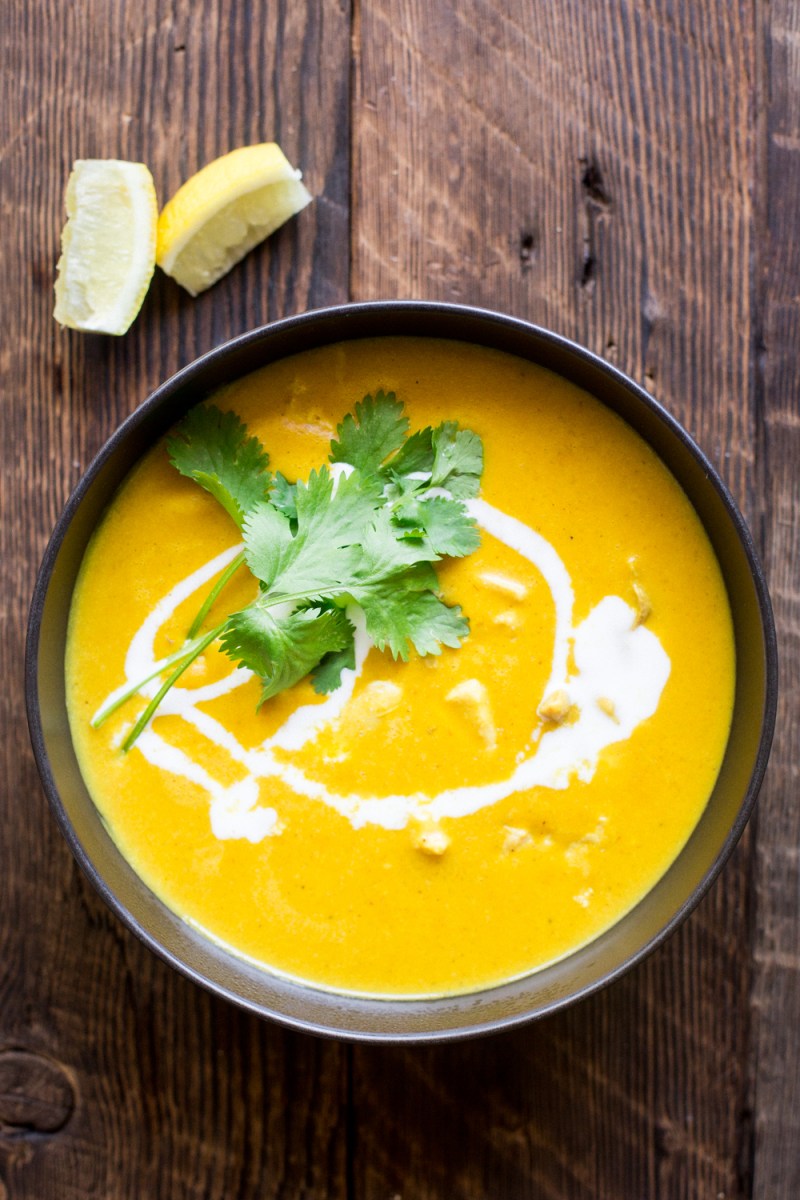
This little soup has made quite a journey over its lifetime. It was traditionally a sauce served over rice in its native India, but British colonials returning to England from travels abroad in the 19th century sought to recreate the dish at home. It eventually evolved into a mildly-flavored soup and spread as far as Australia, and there are now hundreds of variations of the dish.

While coconut milk was likely the original ingredient used to add richness to the soup, cream eventually took over in the UK. Personally, I like the exotic notes that coconut milk provides, so I reverted this dish back to its roots. This soup is typically thickened by adding rice and blending it with the other ingredients, but if you’re rice-free, don’t worry about it, the soup will still have a fairly hearty thickness to it thanks to the soup’s blended sweet potato.

One of my favorite aspects of this dish is that it imparts a slightly exotic flavor while using common ingredients (much like another favorite, Sukuma Wiki). Lastly, one fun fact: the name mulligatawny is derived from the Tamil (Southern Indian) words மிளகு தண்ணீர் (mullaga and thanni), which translate to “pepper water”.

Read Full Article

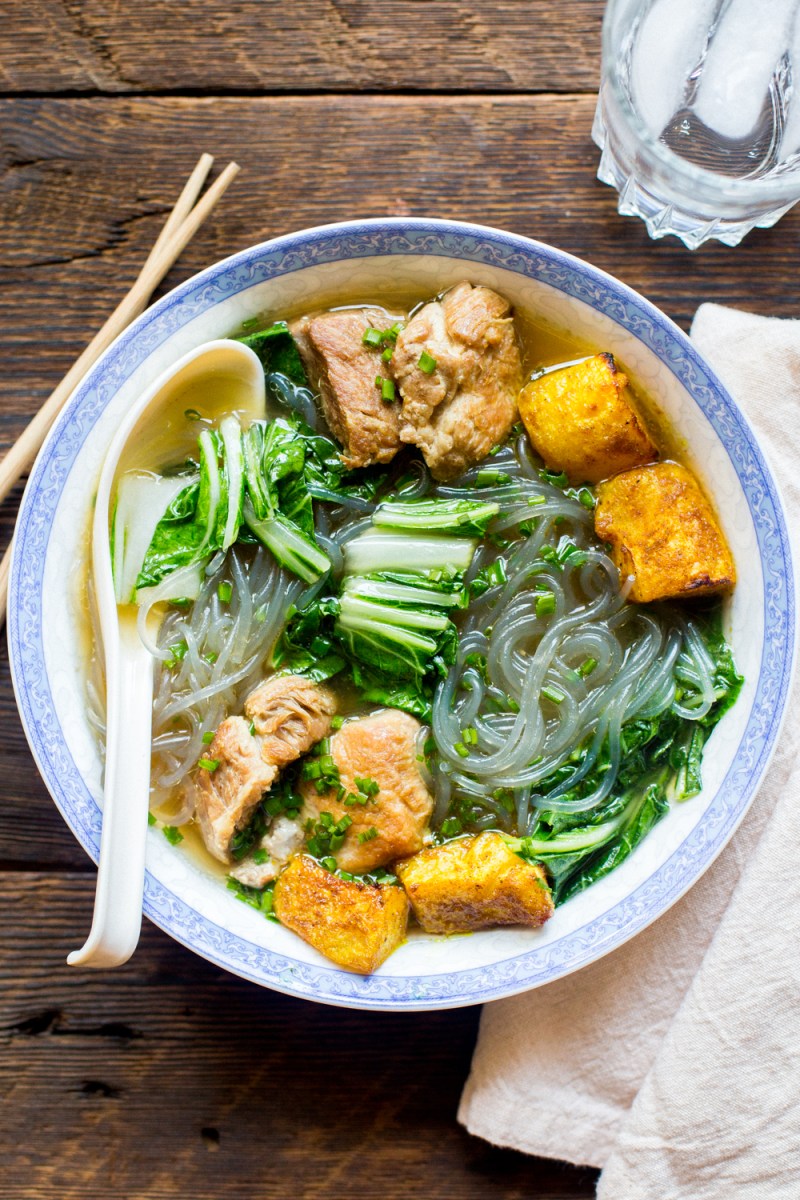
A favorite dish from Paleo Takeout is my Ramen recipe (page 112), which contains eight different types of Ramen and a variety of add-ins. It’s an excellent way to enjoy different takes on the same soup, while sneaking in a good amount of broth at the same time.

Like a lot of North America, we’re receiving a ton of rain right now, which always puts me in the mood for soup (admittedly, it doesn’t take much for me to get in a soup-eating mood). I figure some of you might be interested in soup right about now too, so here is my take on a simple pork-based Ramen, with some added curried winter squash to celebrate the coming winter season. Both pressure cooker and stovetop instructions are provided.

Ramen is a Japanese noodle dish inspired by Chinese cuisine (the word Ramen itself is borrowed from Lāmiàn, a type of Chinese noodle). Ramen is a relatively new phenomenon; it first started appearing in Japan during the early 20th century, but quickly gained ground after World War II, when soldiers returning from war in China had developed an affinity for Chinese-inspired cuisine (namely noodle soups). At the same time, Japan started importing American-grown wheat flour, which spurred the Japanese noodle-making industry. Ramen’s popularity was secured in 1958 when instant ramen noodles were invented, and later exported starting in 1971.

The impressive reach of Japanese Ramen can be neatly summarized by one fact: it has become very popular in China, where it is called Rìshì Lāmiàn (“Japan-style Lāmiàn”). That the soup can originate in one country, gain prominence in another, only to return to the original country with a new identity is both a testament to how delicious this soup is, as well as the ingenuity and adaptability of the human spirit.

Read Full Article

A few weeks back, my friend Stacy from Paleo Parents sent a text to me and our mutual friend, Jennifer from Predominantly Paleo, that went something like this: “Hey, I want to recreate this Red Robin Banzai Burger that I’ve loved for years and we should do a collaborative project because you two are pretty cool.” I liked the idea of teaming up with some other bloggers for something new, and I’m always game for recreating particular flavors (I did write a book of restaurant recreations, after all). So I jumped into the game.

While most folks associate Red Robin with burgers, they have an impressive selection of salads as well. This Caeser-dressed and fire-grilled salad, affectionately called “Insane Romaine”, is a favorite of mine, and I thought this was a great opportunity to recreate their dish plus finally try my hand at a homemade Caesar salad dressing.

Once we had our project in mind, we started talking to Chosen Foods, who recently debuted their avocado oil-based mayonnaise, and decided to take the collaboration one step further: we all featured the mayo in our recipes, too. Be sure to check the bottom of this post for the other two dishes included in our Red Robin recreation progressive dinner: the aforementioned Banzai Burgers plus some crispy fries and “Campfire Sauce”.

Read Full Article

Beef Stroganoff is a dish of Russian origin, most likely named after the Stroganov family, whose last member died in 1923. Members of the Stroganov family were some of the most successful merchants and businessmen in the Russian empire from the 16th to 20th centuries (think of them as enduringly popular Kardashians, albeit with a bit less drama). It’s hard to say how long this dish has been around, but the most popular Russian cookbook from the early 20th century, A Gift to Young Housewives (Подарок Молодым Хозяйкам), contains one of the oldest recorded recipes in its 1907 printing.

This is a dish I first tackled nearly four years ago, but my old version never sat well with me – the sauce was too thin, and used a bit too much sour cream. So I set off to redevelop the recipe by keeping it fairly close to the original (putting my Russian translation skills to the test, see my notes below the recipe); at the same time, I kept the modern American interpretation of the dish in mind, which uses wine, mushrooms, and onions (in my case, shallots) to add some complexity to the dish.

Read Full Article

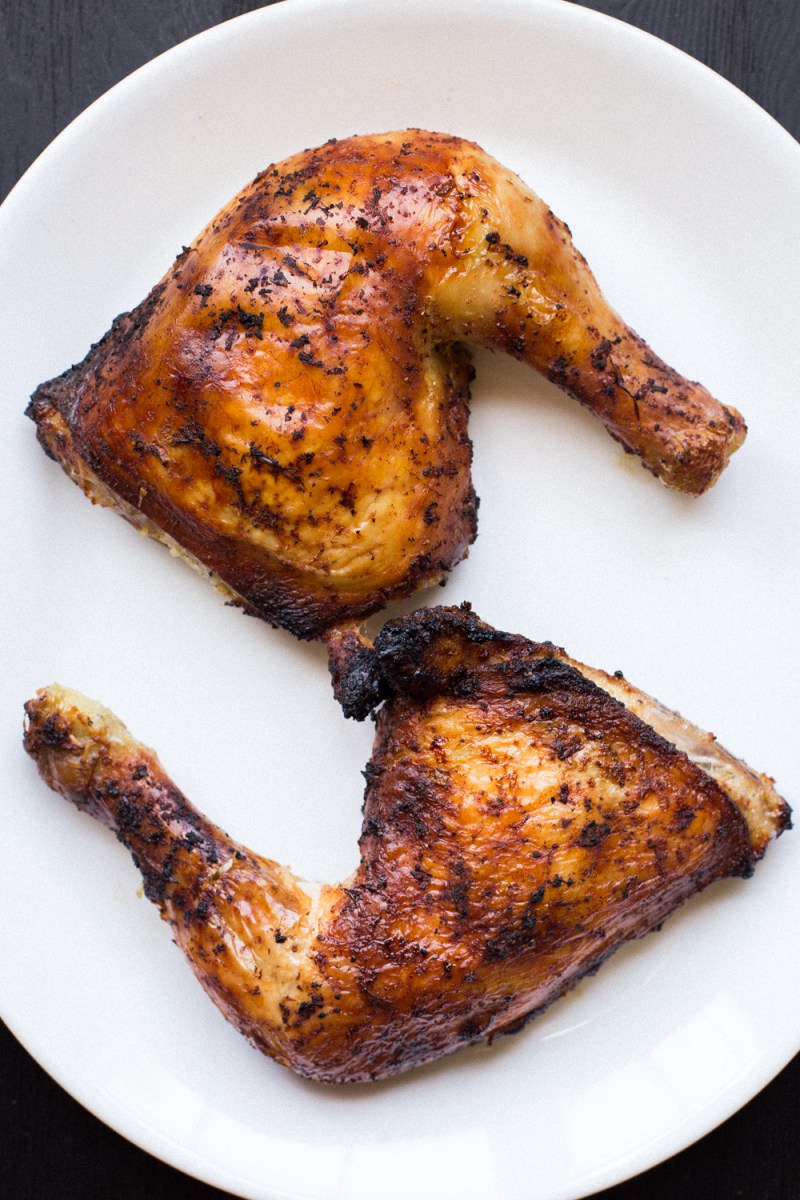
It’s starting to get a little chilly here in the Florida panhandle, which is a welcome change from our typical summer heat. At the same time, this weather has me scrambling to do some last-minute grilling before the grilling season ends. This week’s recipe is perfect for that dwindling window of opportunity to spend time outdoors; it takes a few minutes to prep the marinade (which tastes best when left overnight), then you just throw the chicken on a grill and swing by later to pick it up when it’s done.

Pollo al Ajillo (Garlic Chicken) is a popular Spanish simmered chicken dish, characterized by its generous use of garlic. It is believed that the inclusion of garlic was because this dish was originally prepared with rabbit, and the garlic masked the rabbit’s gamey taste. Pollo al Ajillo also exists in some Caribbean and Latin American regions, and is especially popular in Cuba, where they tend to roast the chicken instead of simmering it. This recipe is modeled after the Cuban version, which also uses citrus fruit (in this case, orange juice) to help tenderize the meat.

Read Full Article

After first watching The LEGO Movie last year, our son Oliver started asking about the mysterious phenomenon known as “Taco Tuesday“. So we started a new tradition of what we call “Taco Bowl Tuesdays”; as you may have seen on my Instagram feed, we make them pretty regularly now. I thought it would be pretty fun to write up our Taco Bowl Tuesday recipe as a change of pace and a glimpse into our everyday lives.

The base of the recipe is simple: equal portions of seasoned ground beef, rice, and lettuce. There is some variation in which rice we use; sometimes we make Mexican Rice, and other times we make Cilantro-Lime Rice. The toppings themselves are usually a combination of what we have on hand and what we’re feeling at the moment.

Read Full Article

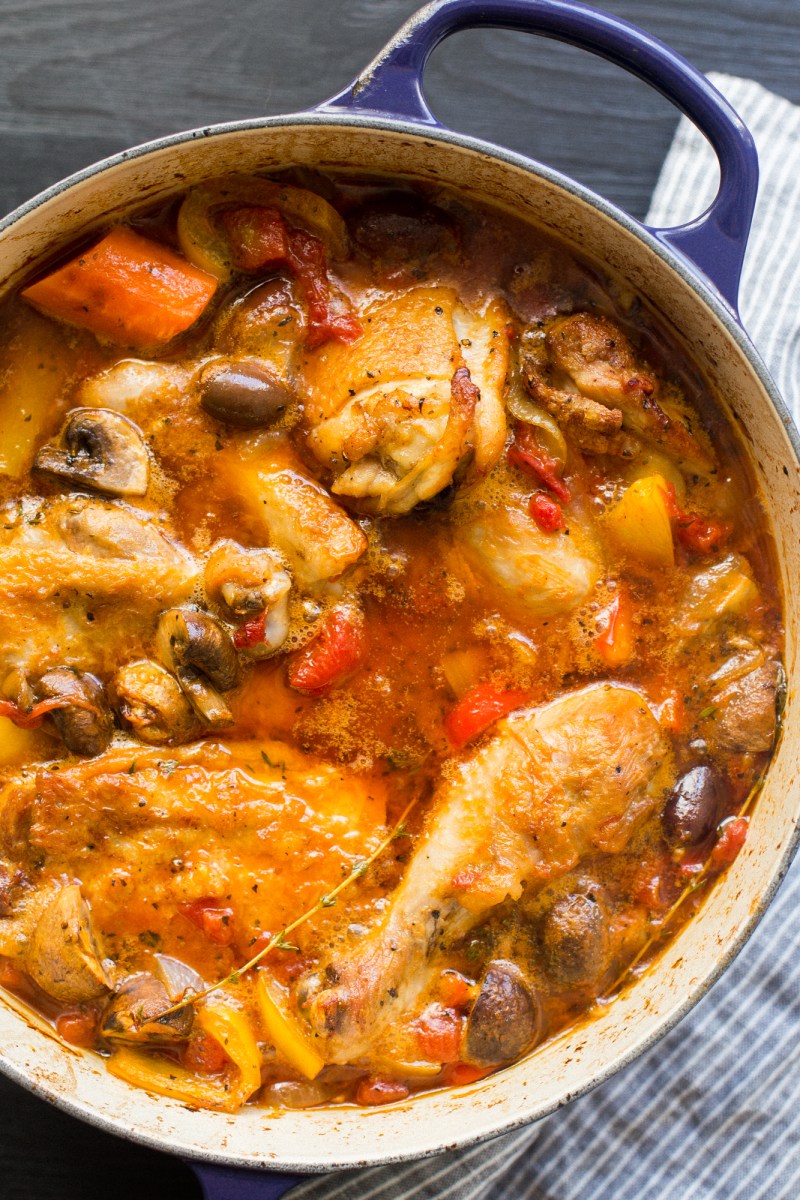
Chicken Cacciatore (Pollo alla Cacciatora) is a traditional Italian dish. The word “Cacciatora” translates to “Hunter” in English, as this dish was originally used to prepare rabbit and gamefowl. Today, variations that feature rabbit meat still abound.

The story goes that this “hunter’s stew” consisted of ingredients you could find in the forest or open fields. Many American versions of this dish have been altered considerably from their source material; breaded, fried chicken cutlets are often smothered in a marinara sauce (not unlike Chicken Parmesan, really). Italian versions often feature tomatoes but not overwhelmingly so; instead they’re a complement to other vegetables like onion, mushrooms, carrot, and bell pepper. Northern Italian variations of this dish use white wine, while Southern Italians use red wine.

Typically, this dish is prepared with a broken-down whole chicken. I’m down for that, but at the same time, I’m always concerned about the different cooking times for dark meat and finicky chicken breasts; instead, I prepared this recipe to feature thighs and drumsticks, so that everything comes together naturally.

Read Full Article

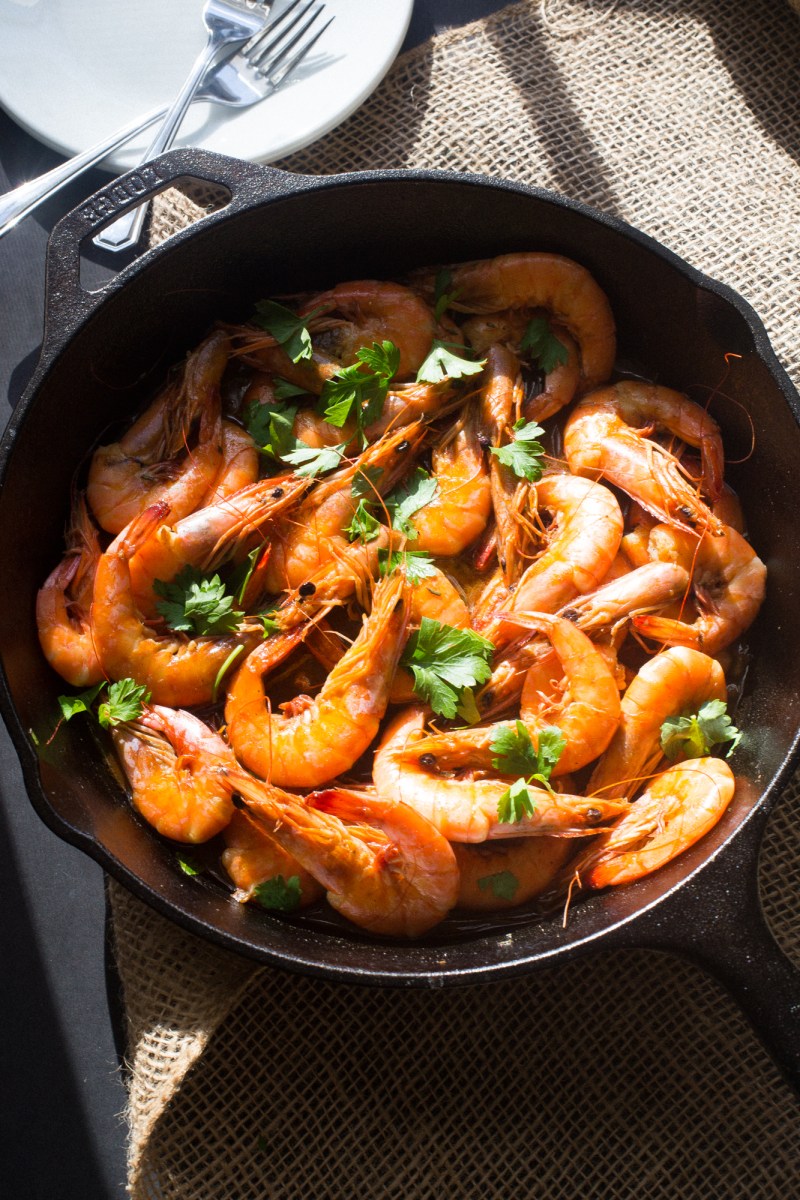
One of my favorite parts of moving to the South last year is that I can now dive head-first into a new food culture. For example, take today’s New Orleans-Style Barbecue Shrimp. A local friend asked me if I had tried “BBQ Shrimp” yet; I immediately thought of shrimp doused in smokey-sweet KC-style barbecue sauce, which sounded a bit weird (but not altogether terrible, honestly). My friend then explained that BBQ Shrimp here in the South is not like your typical barbecue experience. Instead, it’s a crispy shrimp dish flavored with hot sauce, butter, and rosemary, typically served as an appetizer.

Barbecue Shrimp was first popularized by Pascal’s Manale Restaurant in New Orleans during the 1950s. This dish has an “old timey” feel to it today, mostly because of its liberal use of Worcestershire sauce (made famous by Lea & Perrins back in the 1830s). The end result is a little tangy, a bit spicy, and very robust in flavor. One thing I really appreciate about this dish is that it lets the shrimp take center stage. Moreover, it’s relatively cheap to throw together once you get your hands on some high-quality shrimp (especially when you consider the fact that this dish will set you back $26 at the original restaurant!). Head-on shrimp is traditionally used, but I won’t tell on you if you use shelled shrimp.

Read Full Article