Food

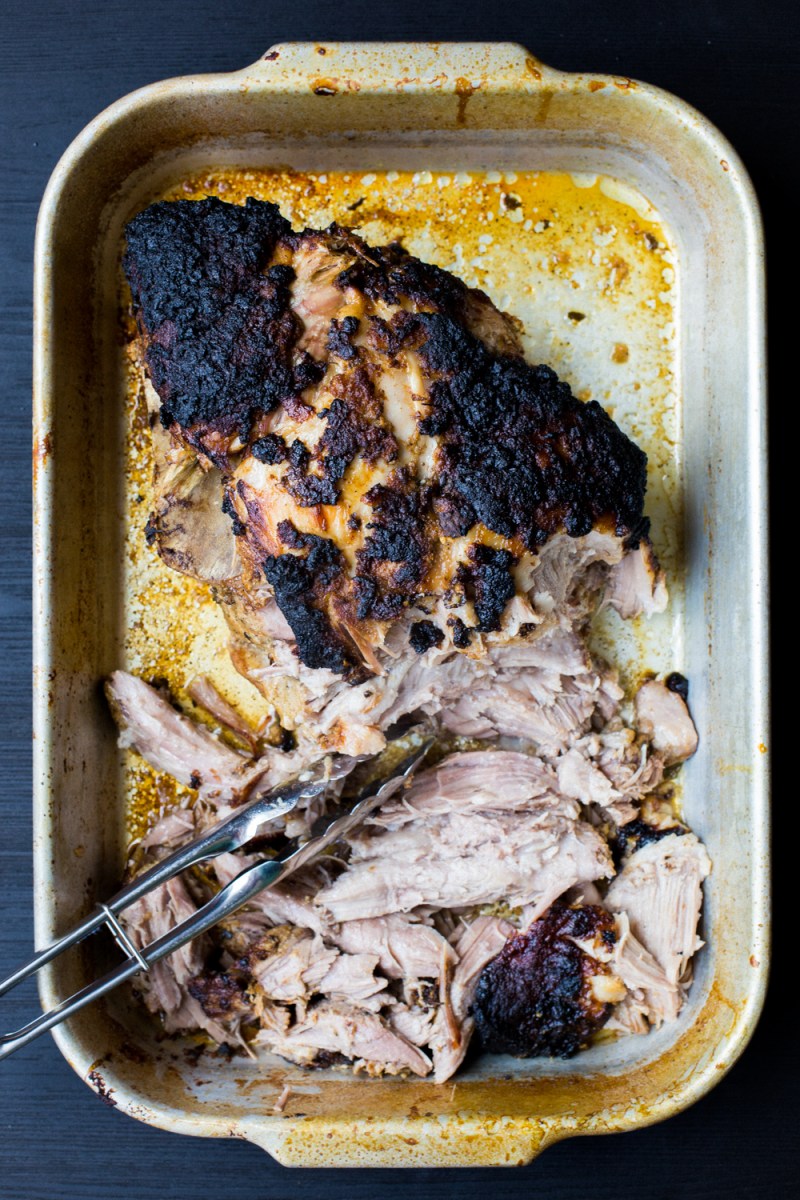
Lately I’ve been in the mood to catch up on all of the recipes that didn’t quite make it into The Ancestral Table. Like last week’s Chicken Tikka Masala, I had initially considered putting Pernil in my book. But once I put everything together and realized that there were already two pulled pork shoulder recipes in there (Kalua Pig and BBQ Pulled Pork), plus a Puerto Rican roast pork (Lechon Asado), I knew that it would be more appropriate to put my Pernil recipe here on the blog.

Pernil is a roasted pork shoulder popular in Puerto Rico, often served during holidays. It is derived from the Spanish word pierno (leg), likely because it was originally made with the hind end, but since most hind quarters are used to make ham nowadays it makes sense that the cheaper shoulder is the cut of choice today. One particular trait of Pernil is the use of an adobo mojado, or wet marinade, which is created by using bitter orange juice (I used orange and lime juices) and a little vinegar to add moisture and tenderize the meat.

Although roasting a pork shoulder in the oven would be considered cheating here in the US, Pernil is surprisingly roasted in an oven on an almost exclusive basis. I can see why, since oven-roasting makes this dish dead-simple to make. I did add a smidge of liquid smoke to boost the roast’s flavor, but otherwise I kept the recipe true to what I found in most Puerto Rican cookbooks.


Read Full Article

Although I consider Butter Chicken to be the ultimate Indian chicken curry (I saved that recipe for my cookbook), Chicken Tikka Masala takes a close second. In fact, there is little difference in the dishes – both are usually made by adding roasted chicken pieces to a tomato-based curry sauce. Butter Chicken has more, well, butter.

The origin of Chicken Tikka Masala is disputed. It’s commonly believed that it was first whipped up in Indian restaurants in the UK (Glasgow in particular is often cited), but many argue that it was first influenced by dishes from the Punjab region of India and Pakistan well before it appeared in UK restaurants.

Putting the curry together is actually pretty simple – start to finish in under an hour. It gets a little complicated when the chicken comes into play, since it should be marinated for at least 6 hours beforehand (overnight preferred). But with a little forethought, this is an excellent weeknight meal.

Read Full Article

There are two types of people: those who make stock all the time and don’t need or want someone else to tell them how to do it, and those who are intimidated by the process and never start in the first place. The other day, when writing my Blue Crab and Chipotle Bisque recipe, I realized that simply calling for fish stock was a little mean to the latter group, since they might not have some fish stock handy. Honestly, it was a little negligent of me to have this blog for over four years and not post a fish stock guide – after all, what if it was the only thing stopping you from making my delicious Brudet recipe?

One thing in particular I like about fish stock is that it’s surprisingly cheap to make. For example, most fish markets will give you their unused fish heads for free or super cheap. Additionally, I find that the best herbs for making stock are actually the stems of fresh herbs, which means you can save the actual herbs for other cooking creations. Fish stock keeps well in the freezer; we tend to divide the stock into pint jars and leave them in the freezer until we need them. We often use it to whip up a quick fish-based soup, or to add to risotto or fish curries.

Read Full Article

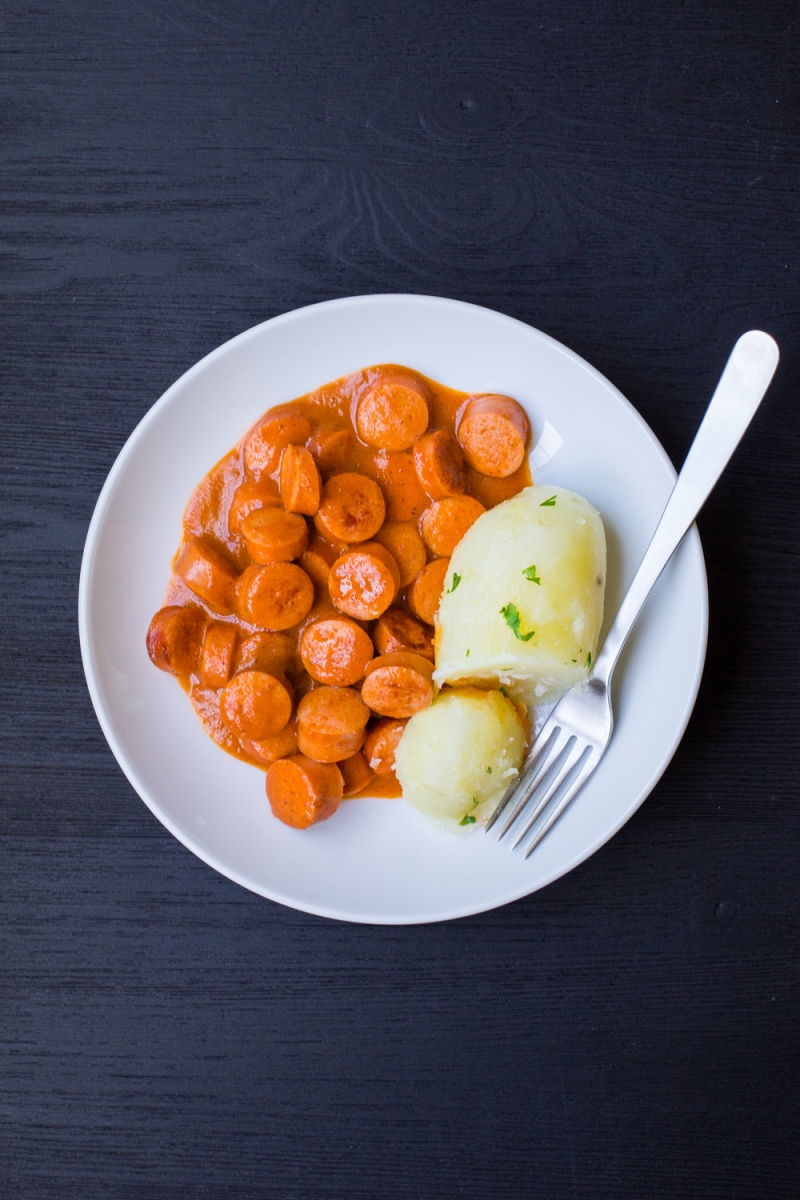
So, I don’t really know anything about this recipe. I just happened to stumble upon it when looking at funny Finnish recipes. If there are any kind Finns who would love to enlighten me on the history of this dish, I’m all ears.

Essentially, the dish calls for simmering hot dogs (or mild sausages) in a tomato-based sauce, which based on my research often consists of ketchup and a few spices. It basically looked like a Chef Boyardee creation to me at first glance. Intrigued, I decided to deconstruct the sauce using more nutritious ingredients – from uncured German weiners to a sauce made with tomato paste, onion, carrot, and broth.

In the end, it didn’t quite capture the canned goodness (or lack thereof) that is Chef Boyardee, but what resulted was a tasty combination of warm tomato flavors that paired perfectly with some comforting boiled potatoes. At the end of the day, this is an easy, interesting dish that’s fun for the whole family.

Read Full Article

NFL team loyalty is a crazy thing. Growing up in Washington state, we were diehard Seahawks fans; after all, who else can you root for all the way up in the Pacific Northwest? Moving away and living in Hawaii for seven years really messed me up, since football games come on so early – over the years, the whole sport dropped off my radar. That all changed six years ago when our family moved to Baltimore, the proud home of the Ravens, and I was immediately drawn to this tough, talented, and admittedly dirty team. Today, I’m torn between who to support – Seattle or Baltimore – but luckily they rarely play each other so it isn’t that big of a deal.

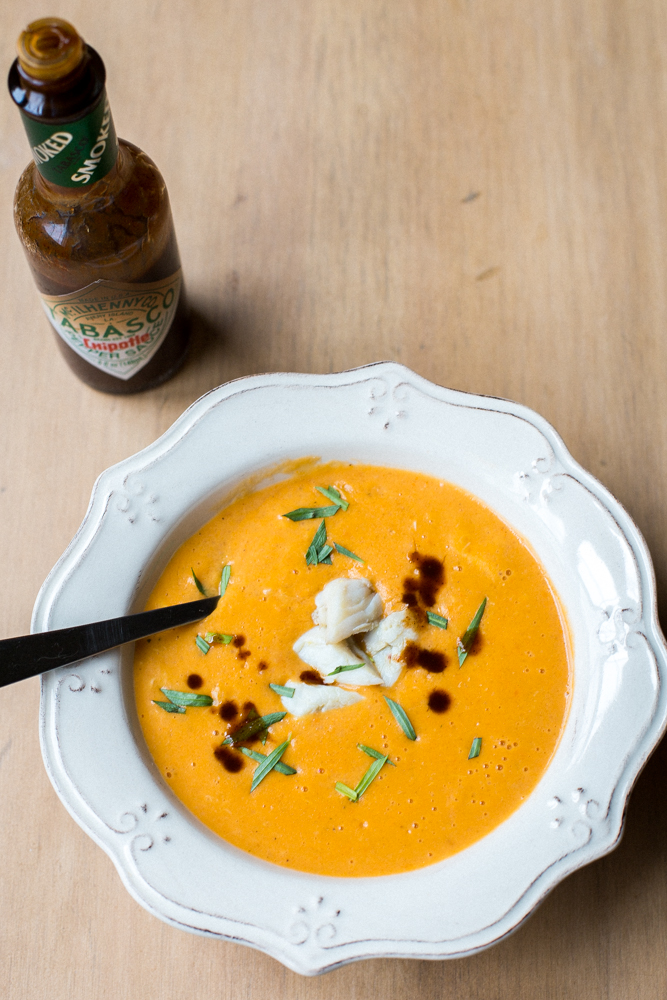
It’s been hard for me to follow games closely after canceling our TV service a couple years ago, but since our family is moving once again this fall (to Pensacola, Florida this time), I can’t help but feel a little sentimental knowing this is our last season in the heart of Ravens madness. The folks behind Tabasco recently asked me to come up with a dish that used ingredients that were indicative of my local NFL team, and something with blue crab immediately came to mind. Since crab cakes are already in my cookbook, I went with my next favorite crab dish – bisque.

A bisque is a cream-based soup of French origin, typically made with shellfish. Seafood bisques are very popular in Maryland, and can be found in just about every diner menu (and we have a lot of diners). I like the type of bisque you find in Maryland – simple, honest flavors – so I whipped up a basic recipe for the home chef, adding a little Chipotle Tabasco in for some kick.

My next challenge: picking a Florida NFL team to follow.

Read Full Article

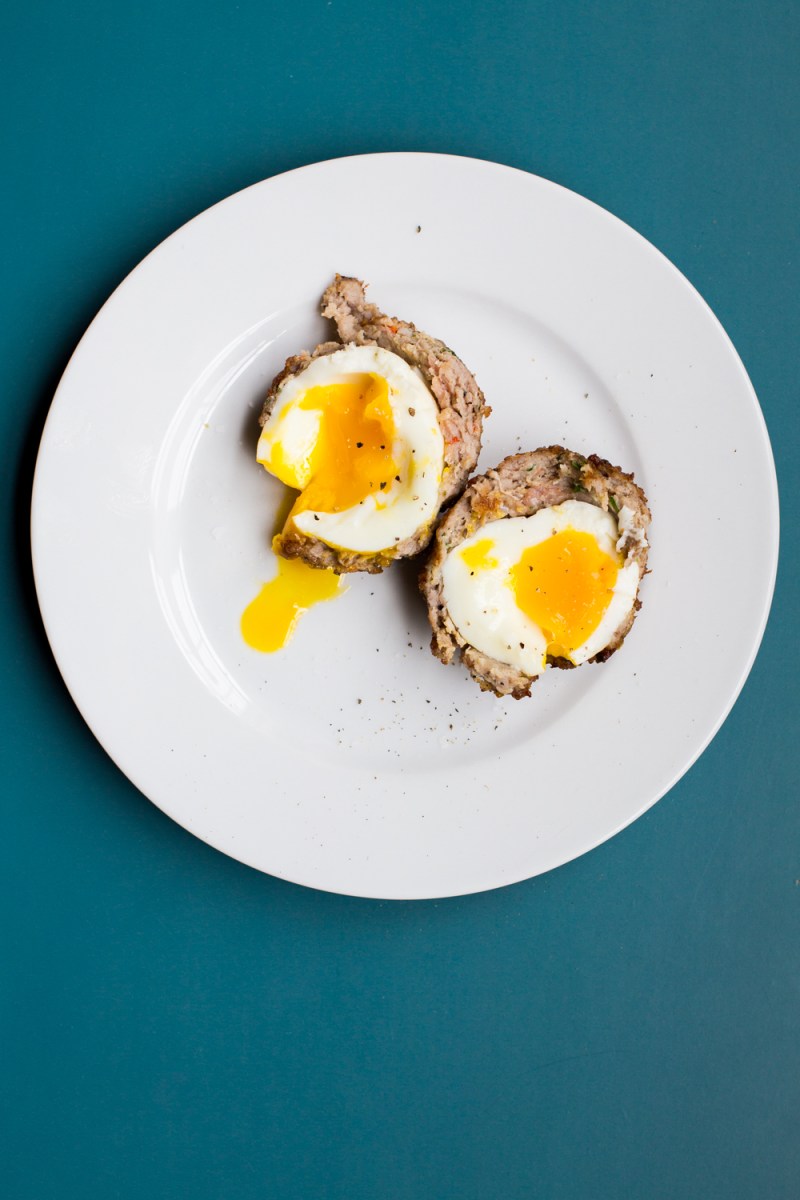
Scotch eggs are a common picnic and party dish in the UK, and have been around for over 200 years. I first had one at the local Maryland Renaissance Festival some years back. Several restaurants and markets claim to have started the craze, but it’s likely that the dish was originally inspired by a North Indian and Pakistani dish called Nargisi Kofta, which encases a hard-boiled egg in spicy ground meat.

We make Scotch Eggs at home from time to time, basically any time we have some loose sausage on hand. But lately we’ve been soft boiling the eggs, which has shifted this dish from something comforting to something exquisite (and still comforting). Typical Scotch Egg recipes call for breading the sausage before frying, which gives them a nice crunch and helps the sausage stay in place; over the years we’ve come to prefer the ease and simplicity of not breading the eggs.

Read Full Article

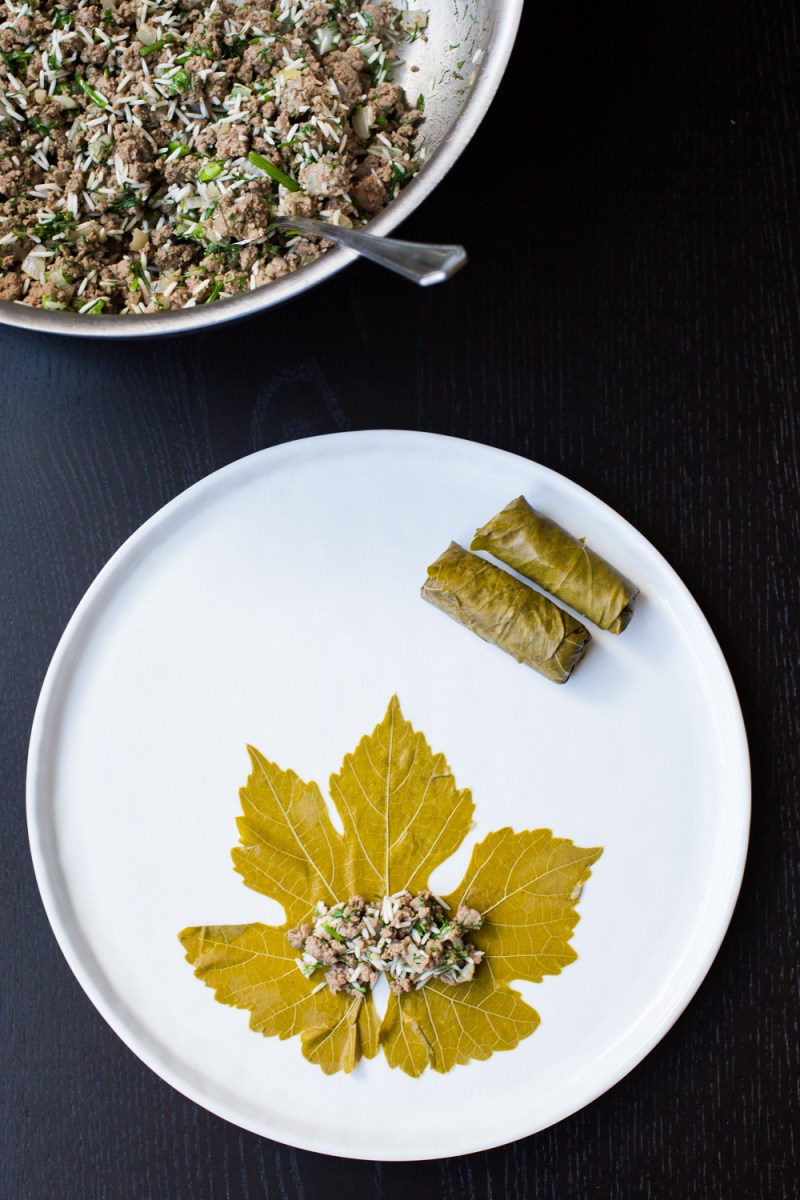
Dolma are stuffed grape leaves, originating in Turkey but expanding all over the Mediterranean, Middle East, and beyond. Their filling can be anything from tomatoes, to eggplant, to meat – really, you can’t go wrong with stuffing these little guys. This particular recipe is the Greek variation, called Dolmathes (an interesting use of Greek plural endings in a foreign word); they are made with rice, ground beef, and fresh herbs. And lemon juice! A whole lemon’s worth. The resulting flavor is both sour, salty, and rich, and is a perfect party dish to accompany other finger foods.

I was first drawn to this dish because it’s a one-stop-macronutrient-shop; it’s equal parts carbs, protein, and fats, ending up in a deeply satisfying experience. The only break from the norm that I adapted in this recipe was to cook the rice in chicken broth instead of water, in order to increase its nutritional profile and tastiness.

Before we move on, let’s have the white rice talk again. As you may know, I find rice to be a perfectly healthy and Paleo-friendly food, since it is very low in toxins (compared to brown rice, and even some common Paleo foods, like coconut). Common questions I get: But what about its glycemic load? Basmati rice (like in this recipe) has a very low glycemic load even compared to other rices, and when paired with protein, fats, and acids, it’s further reduced, and significantly so. But what about arsenic? There are some studies that show there is arsenic in rice, but the amount of arsenic in rice is lower than the arsenic found in other foods (3x less than what’s found in drinking water, for example). But it’s nutritionally poor? Cook it in broth, like in this recipe!

Anyway, those are the most common rice questions I get – be sure to leave more in the comments below if you have any. At the end of the day, I think that white rice is a good thing to have on the table; it’s delicious, and if having a bit of rice as part of a meal helps keep cravings for other (unhealthier) foods at bay, go for it – provided you tolerate it well.

Read Full Article

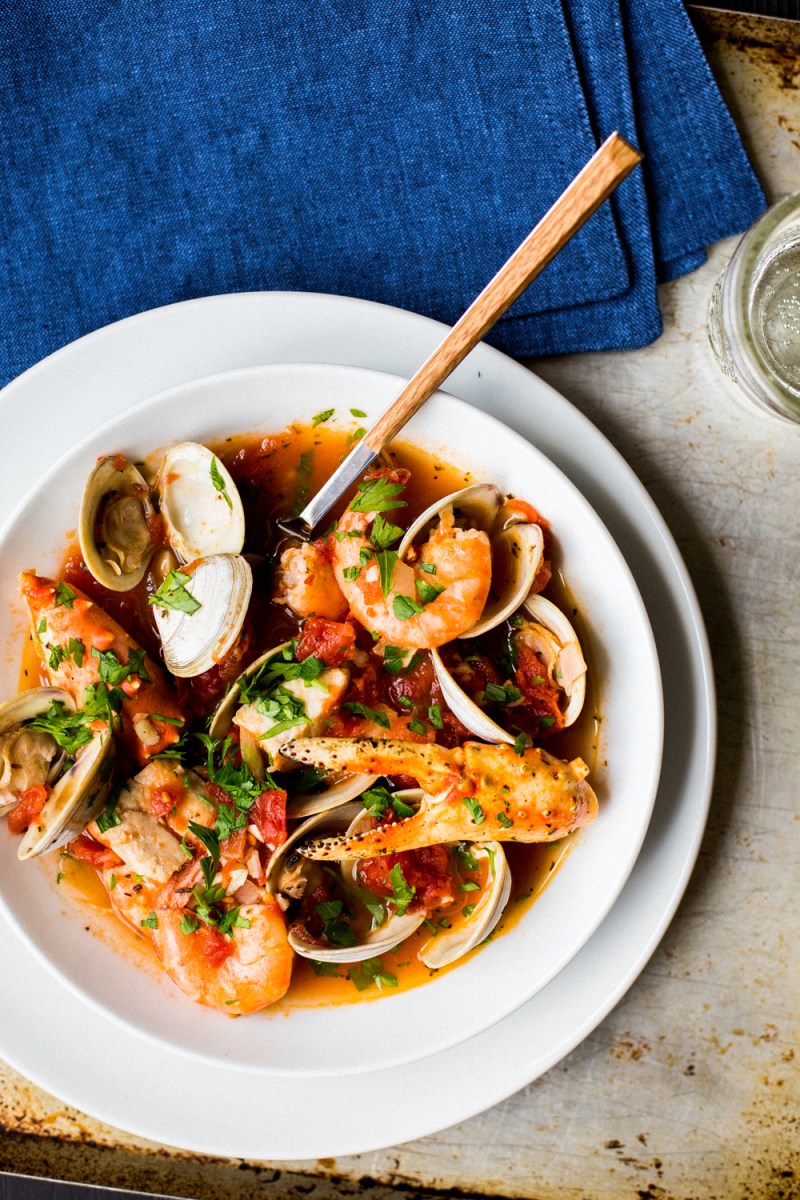
Cioppino is an Italian-American seafood stew first developed in San Francisco in the late 1800s. Originally made by Italian fisherman who had settled in the region, it was crafted directly on fishing boats using rudimentary cooking tools before making its way into local restaurants and beyond. Much like the French Bouillabaisse or the Eastern European Brudet, Cioppino is made with a variety of seafood, depending on whatever is on hand. Also, apparently I’m obsessed with tomato-based seafood stews, because this is my third such recipe in the past year.

The origin of this dish’s name is the subject of some debate. The most likely answer is that it comes from the word ciuppin, which means “chopped” in the Ligurian dialect spoken in Genoa, Italy’s largest seaport, from where many immigrants in the San Francisco area originated. The idea is that fishermen chopped up a bunch of fish for the stew. There’s also a seafood stew from Genoa called Ciuppin, so there’s that, too. But a more compelling origin is that the name comes from Italian-Americans asking their fellow fishermen to “chip in” some seafood for a communal feast, and their broken English formed the word we know today as Cioppino.

No matter its etymology, this is a quick and versatile dish to make for any weeknight or weekend, allowing you to maximize your flavors based on whatever seafood is on sale at your local market. For us, king crab was (somewhat) affordable the other day, so that’s what we used to spice up our dinner. Just stick with the underlying foundation of the recipe and you can’t go wrong.

Read Full Article

Mofongo is a Puerto Rican dish made with fried and smashed plantains. It is related to the West African staple starch dish called Fufu, originally made with yuca; slaves sent to the Caribbean originally brought this dish across the Atlantic.

Fufu made it into several Caribbean cuisines, with varying levels of alteration. In Cuba, it is known as Fufu de Platano, and in the Dominican Republic it carries the name Mangú. In Puerto Rico, it is almost always made with plantains, but yuca and breadfruit variations exist. The plantains are typically smashed using a wooden mortar and pestle called a pilon, and sometimes served directly in the pilon. My stone mortar and pestle gets the job done nicely.

There are many ways to enjoy Mofongo. It is often dipped in chicken broth or a sauce made with mayonnaise and ketchup (aptly called “mayoketchup”), or served with a tomato-based sauce and grilled or sautéed shrimp. Personally, I enjoy it plain, as a simple starchy side dish, which is what you’ll find in this week’s recipe.

Read Full Article

Last month I visited my parents in the Pacific Northwest (they live in a small town in Washington called Yelm). Along the way I stopped by and toured a few health-minded food producers in the area. First on the list: Salt, Fire & Time, a traditional healing foods kitchen in Portland, Oregon.

As expected, they had a variety of tasty and healthy food items (more on that later), but what stood out to me about Salt, Fire & Time is their journey to find the best way to bring health to its customers. It got me thinking about how businesses have to find a common ground between themselves and their community, so we’ll talk a bit about that, too.

Read Full Article