perfect health diet

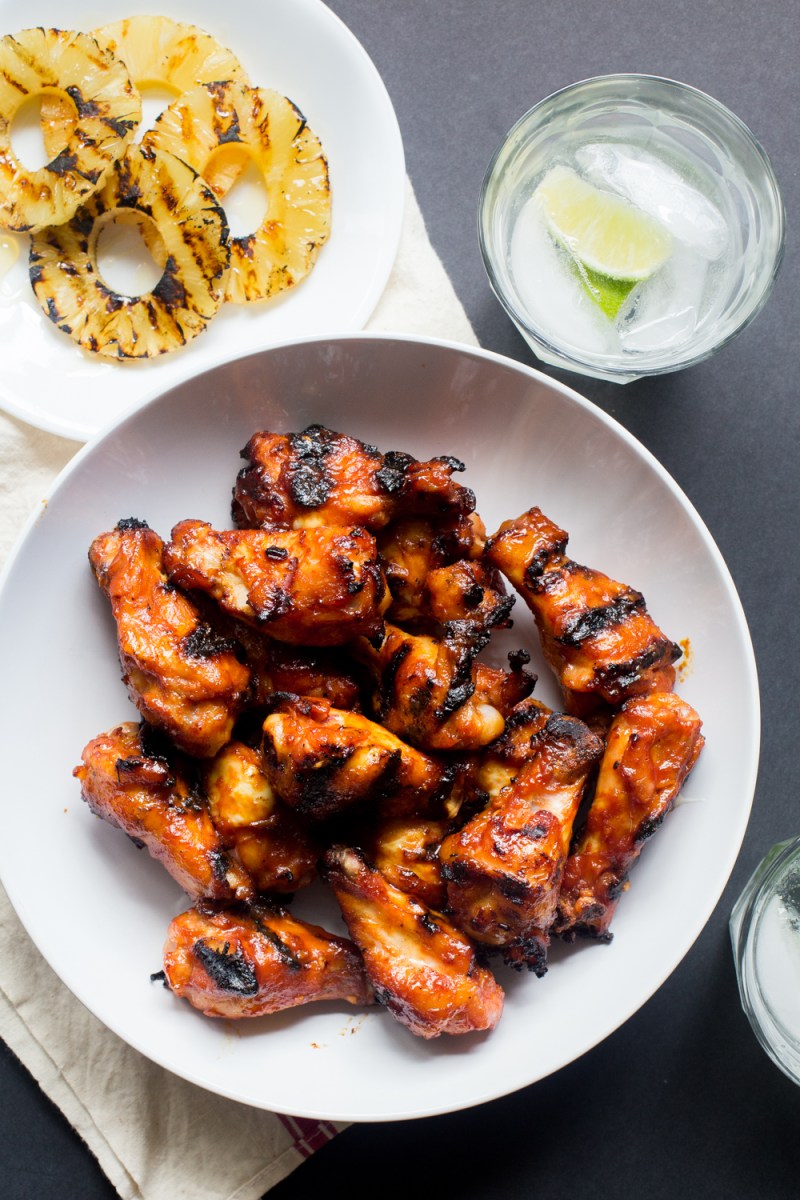
Having used up my vacation days writing a book earlier this year, I wasn’t able to join my wife and son during their summer trip to visit family in Hawaii. While there, they lovingly (teasingly?) texted me photos of all the delicious meals they were enjoying. So for my own little slice of revenge, I developed this recipe for one of Hawaii’s best-known dishes, Huli-Huli Chicken, while they were gone.

“Huli-Huli” translates to “turn, turn” in the Hawaiian language, but this chicken is not a traditional Hawaiian dish. In the 1950s, the head of a Hawaii chicken breeders association, Ernest Morgado, broiled up some teriyaki chicken for a farmers’ meeting. The chicken was a hit, and so he started selling the cooked chickens for local fundraisers. The name “Huli-Huli” comes from the fact that the chickens are cooked between two grills, and are turned as each side finishes cooking. Today, Huli-Huli Chicken is still a staple fundraising tool in Hawaii. Morgado, who passed away in 2002, holds the Guinness world record for the single largest chicken barbecue, cooking 46,386 chicken halves at a school fundraiser in 1981.

Morgado trademarked the name “Huli-Huli” in 1958 and the sauce is still sold today. For a bit of excitement, I decided to make my recipe using wings, to fully capture the sticky-sweet fun of eating this dish. My take on the sauce uses pineapple juice, honey, and apple cider vinegar to lend the chicken its sweet flavor (as opposed to gobs of brown sugar), and a bit of red palm oil will give the dish its signature red color (usually achieved with ketchup).

By the way, Ernest Morgado and I share more than just a love for chicken: he served as a Navy Chief Petty Officer during WWII (I’ve been serving in the Navy since 2000, and was recently promoted to the rank of Master Chief Petty Officer).
Read Full Article

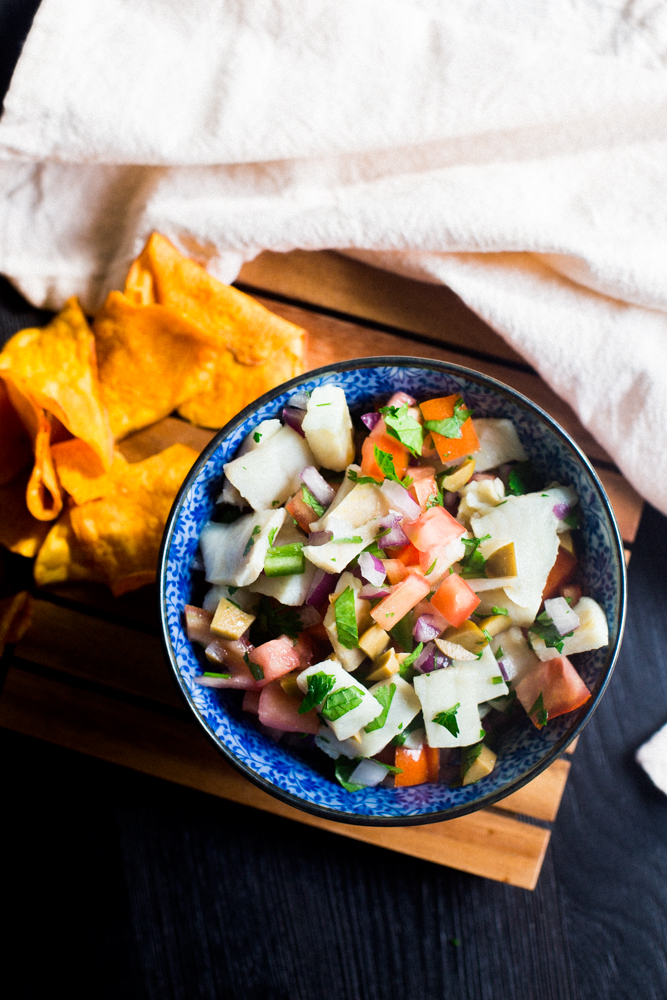
Ceviche is a popular seafood dish in Central and South America made from raw seafood (usually fish or shrimp) marinated in citrus juices. Today, it is most associated with Peru, who even has a holiday to celebrate the dish (June 28, if you’re interested). Spaniards arriving in the Americas found that the pre-Inca peoples of Mocha had a similar dish, which used the fermented juices of the banana passionfruit. There is archeological evidence of ceviche’s consumption as far back as 2,000 years ago.

Unlike Peruvian ceviche, the Mexican variation often includes tomatoes, jalapeños, and green olives. That’s the variation we’re going to make today.

When choosing a fish, it’s best to use a white ocean fish like sea bass, grouper, halibut, or flounder. Keep the fish as cold as possible while preparing it, and be sure to remove the blood line (the dark line down the center of some fish) to keep the dish from tasting too “fishy”. I also prefer to combine the ingredients near the end; red onions steeped in lime juice will color the dish prematurely.

Read Full Article

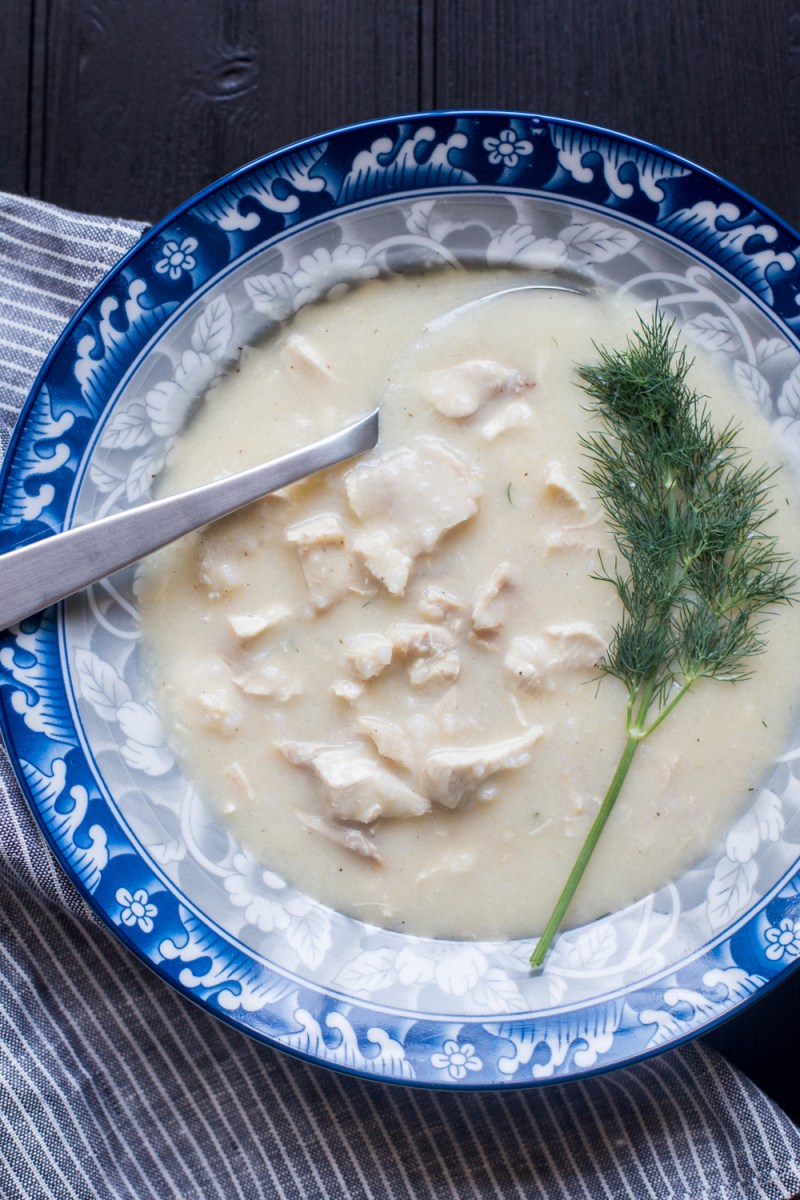
Avgolemeno is a Mediterranean sauce and soup, most commonly associated with Greece. As a sauce, it’s often served with Dolma or used as a vegetable dip. But if you ask me, it really shines the most as a mild and comforting soup, and that’s why I’m sharing this recipe with you today. It features egg yolks and lemon juice which enrich and enliven the soup, and some fresh dill brings it all together to give it a distinct and just slightly exotic flavor.

I’m a big fan of taking my time when making recipes. After all, cooking is one of my main sources of relaxation (second only to reading cheesy sci-fi). But I realize that’s not always the case for folks, so I’m trying something new today; below you’ll find a “short version” of the recipe that can be made in 20 minutes, as well as the traditional 2-hour version. Let me know what you think. If you like it, I’ll try to incorporate more variety into my recipe posts (kind of like how I’ve been adding pressure-cooker versions to some recipes).

Read Full Article

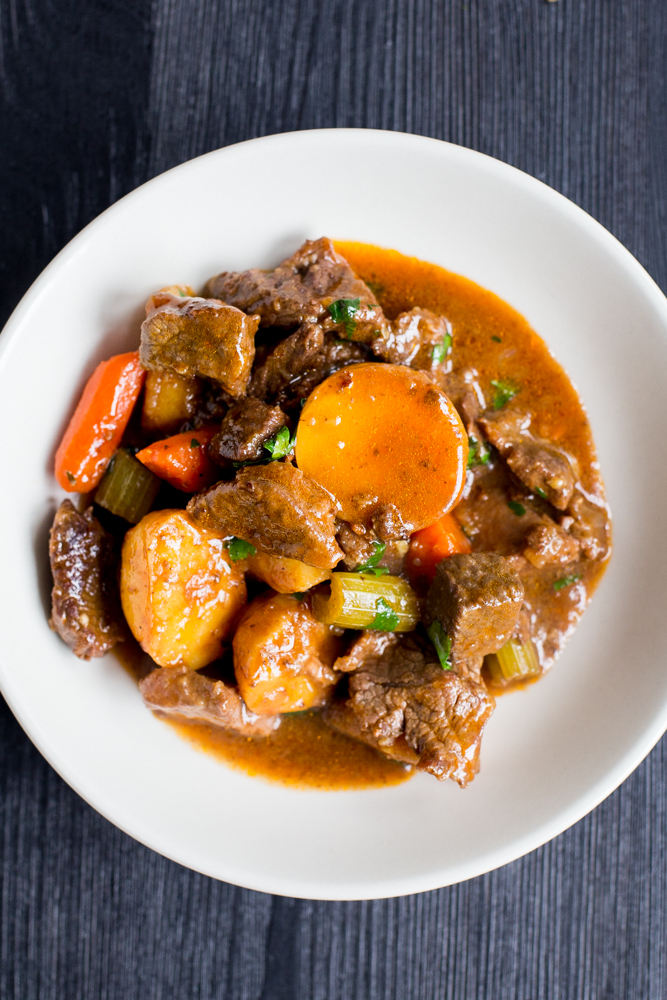
First of all, sorry about that title. Just like the elusive free lunch, there is no such thing as an “Instant Stew”. You see, I recently asked my Facebook followers what dish they’d like to see me develop, and I received several requests for pressure cooker and stew recipes. We use (and love) an electric pressure cooker called an Instant Pot, so that’s what I used for this recipe (and hence the name).

At its heart, this dish is similar to many of my other stew recipes, but with a new approach. When it comes to simple weeknight recipes, many folks like the idea of crockpot stews (wherein you leave the ingredients to slow-cook while away at work). But I’ve found that more often than not, the vegetables become too mushy and tired after a long simmer. This is where a pressure cooker really shines, as it shaves a multi-hour recipe into just over an hour, making it a potential weeknight option with superior texture.

If you want to make this dish without any fancy (awesome) gadgetry, I’ve also included stovetop instructions below.

Read Full Article

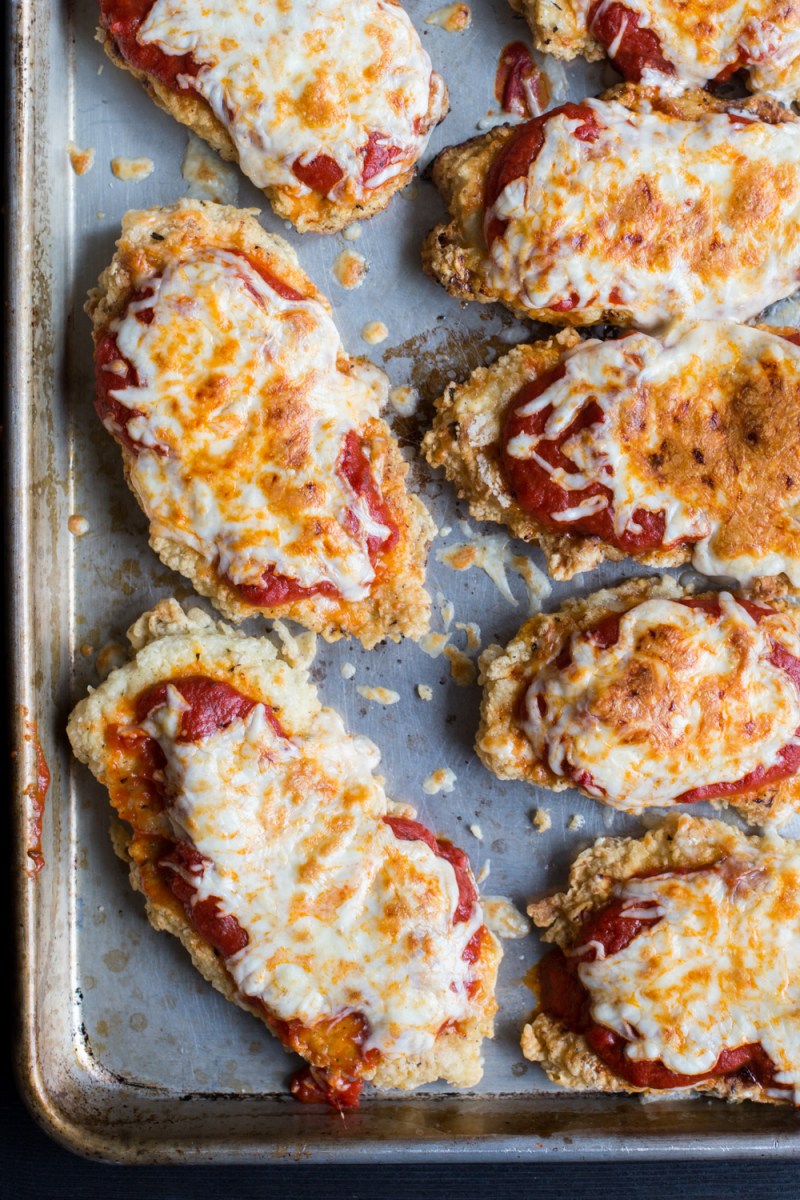
Parmigiana is a method of Italian cooking wherein breaded, fried cutlets are layered in cheese and tomato sauce. Originally made with eggplant (Melanzane alla Parmigiana), breaded chicken and veal cutlets are popular as well. There is some dispute as to where this dish came from; logic would dictate that the Northern city of Parma started the craze, but Southern regions Campania and Sicily also stake a claim in this dish. A common misconception is that the dish got its name from its inclusion of Parmesan cheese (despite the fact that mozzarella is the most common cheese used in this dish); but like Chicken Parmesan, Parmesan cheese got its name from the fact that it is produced in the city of Parma.

While Chicken Parmesan is fairly well-known in the US, it’s of monstrous popularity in Australia, where it is called Chicken Parm, Chicken Parma, or even Chicken Parmy. Their take on the dish usually includes french fries, and was named the #37 best food in the world by CNN Traveler a few years back.

My take on the dish is surprisingly similar to the way I made it while working as a line chef many years ago; the only thing that’s changed is the breading ingredients. While plain tapioca or arrowroot starch works well for its first dusting layer, mixing the starch with some potato starch for the outer breading layer gives the outside a crisp texture. If you’re looking for a really authentic, slightly rough texture that only breadcrumbs can provide, you could toast your favorite gluten-free bread, cool it, then blend to make breadcrumbs. But as you’ll see from the pictures below, this simple preparation is pretty awesome, too.

Read Full Article

Local friends: I’ll be cooking a four-course dinner as a guest chef at So Gourmet Pensacola on Saturday, January 17th from 6-8pm. There are still seats available, RSVP for the event here. See you then!

Hanger steak is a v-shaped cut taken from the diaphragm of the cow. It was a relatively rare cut until recently, because butchers commonly kept it for themselves; in fact, another name for this cut is “butcher’s cut”. It weighs less than two pounds, which is a perfect size for whipping up a date-night dish. Gents, take note: we’re only a little over a month out from Valentine’s Day – plenty of time to practice this recipe beforehand!

Hanger steak works best when cooked quickly over a high heat, and served medium rare. Marinating the cut will infuse it with a punch of flavor, but it takes a little away from the spontaneity of this dish. Instead, I like to complement the simple, tender steak with a rich sauce, like the Bordelaise in today’s recipe.

Read Full Article

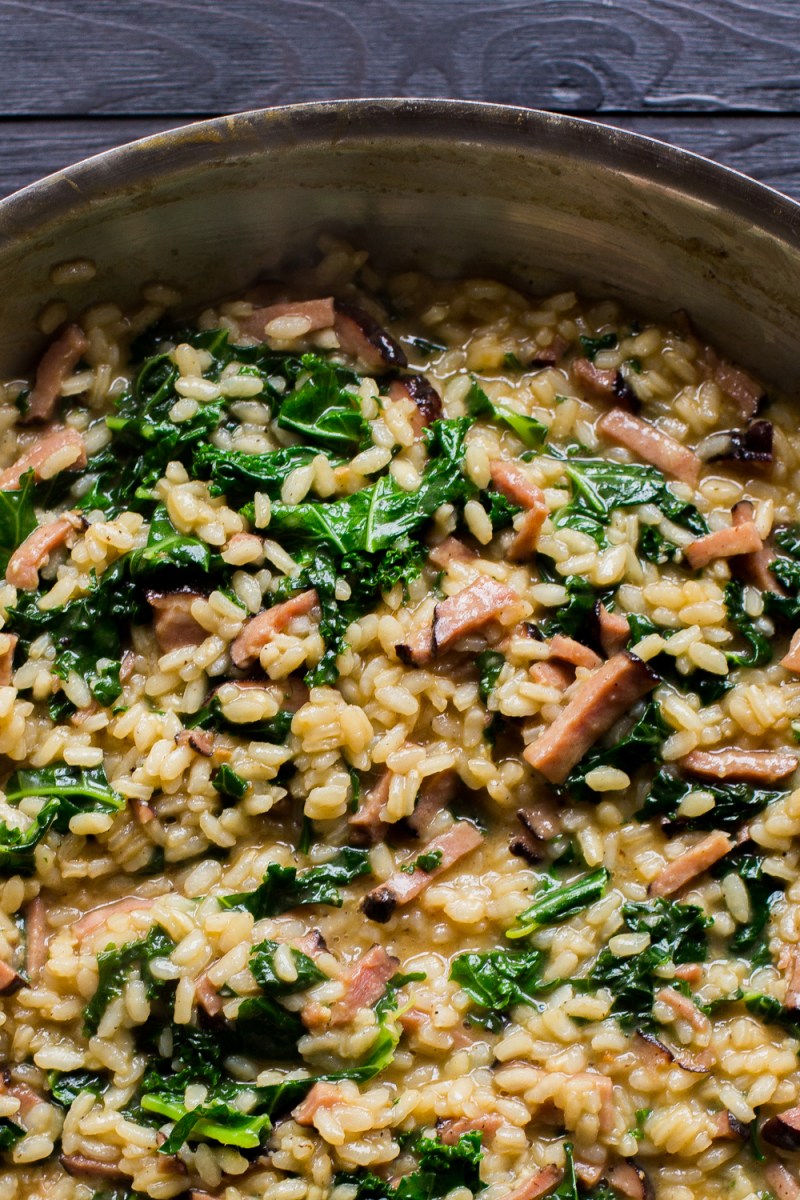
So here we are, five days after Christmas, and you’re probably wondering what to do with the leftover holiday ham in your fridge. After all, there are only so many ham soups you can make before they get tiring (and I’m a big fan of ham soups). As I was thinking about everyone’s ham problem yesterday, I put together this ham and kale risotto for lunch. I thought you folks would enjoy it as well.

Risotto is the most popular way to prepare rice in Italy, and has been around since the 1500s. The rice varieties used in risotto (typically Carnaroli, Arborio, or Vialone Nano) are high in starch and impart a creamy texture to the dish. There’s a certain technique to making risotto: you create a soffrito using fat and onion, toast the rice and coat it in the fat, pour in and evaporate wine, ladle in hot broth until cooked through, then finish with butter and/or cheese.

The risotto-cooking process requires almost constant stirring in order to loosen up the starch and to keep the rice from sticking to the pan, so expect to spend a lot of time in front of your stove when making this dish (I usually grab a book or watch some Netflix on my phone). As an added bonus, your arm will get a bit of a workout along the way.

Read Full Article

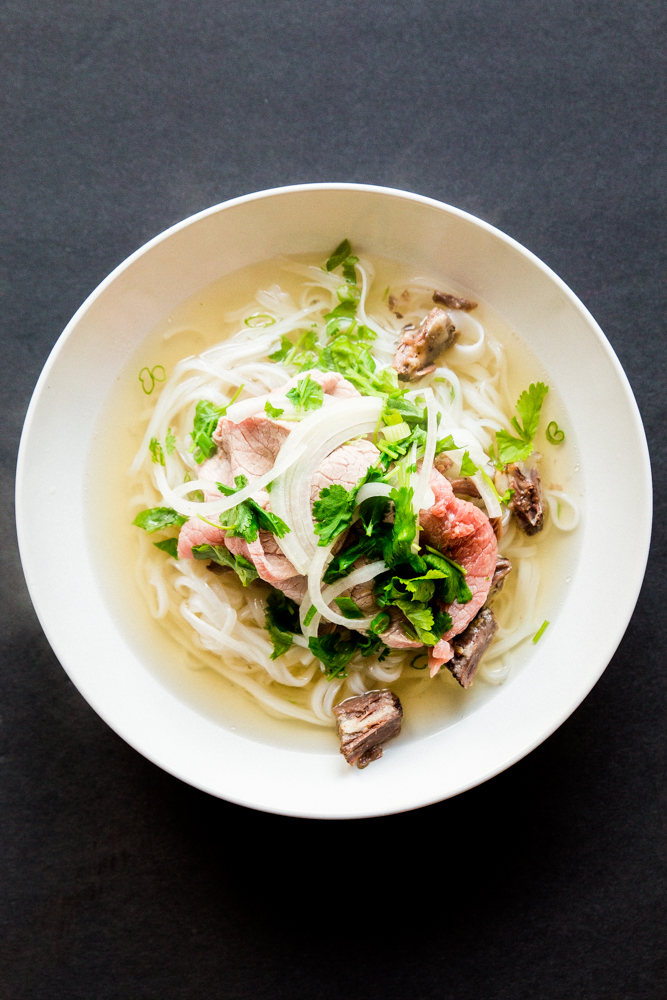
Pho is one of my favorite dishes of all time. It was one of my first meals when I moved to Hawaii nearly 15 years ago, and I’ve eaten it regularly ever since. To this day, if I’m feeling under the weather, I immediately reach for the nearest pho bowl that’s lying around (if only it was that easy).

I spent years working on a good recipe of my own, which I wrote in 2012 (confidently declaring it my “definitive recipe” – ha!). I then updated and improved upon the recipe for my cookbook. I love my cookbook recipe, and I would confidently put it toe-to-toe with your favorite bowl of soup. Unfortunately, it takes over 7 hours to make it from start to finish, since I make the broth from scratch. While spending a whole day making one soup is very satisfying (and slightly therapeutic), I wanted to put together a faster version with similar flavors, which I’m proud to debut today.

This dish first emerged as a Hanoi street food during the late 1800s, and was brought to the US in the 1970s by refugees after the fall of Saigon. The inclusion of beef in the dish is reflective of its French influence; prior to French colonialism, cows in Vietnam were mainly used for labor and not as a food source.

Be sure to scroll through to below the recipe text, because I also recorded a video of the recipe. Thanks to everyone for your feedback on my last video; I adjusted my side camera angle so that you can better see what’s in the pots, but since this recipe is basically just a lot of boiling, it’s not very exciting footage!

For this recipe I used the US Wellness Meats eye of round, oxtails, and marrow bones, all sourced from grass-fed cows. I pressure-cooked the oxtail and marrow bones to make broth; I then picked the meat off the oxtails and added it to the soup with some thinly-sliced eye of round. US Wellness Meats is currently offering 15% off all orders under 40lbs using the code “soda”, and the deal expires at midnight CST tonight (December 9th), so jump on it! Okay, on to the recipe.

Read Full Article

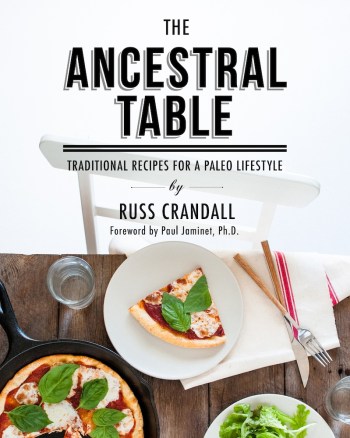
Great news! The Kindle version of my cookbook is part of a one-day sale next week, for only $.99 (normally $9.99)! If you’ve ever wanted to have a portable version of The Ancestral Table handy, this will be a great time to grab it; for example, I think it would be really convenient for you to have access to my recipes while grocery shopping. That’s worth a dollar, right? Nothing beats the feeling of flipping trhough a paper book, and truth be told navigating a Kindle cookbook takes a bit of effort, but you can’t argue with the price! (Also note that there is a “Give as a Gift” button on the Amazon site – hint hint.)

Bear in mind that most smart phones have a Kindle app which will allow you to access the book, so you don’t need an actual Kindle to enjoy my book while on the go. There are even Kindle desktop apps for those of you without smart phones. I actually don’t make any money off the book when it’s sold at this price – I’m just happy to get it into your hands and spread the word about delicious food.

This sale is part of a community-wide event, with plenty of other great eBooks on sale at the same time:

The Primal Blueprint by Mark Sisson
The Paleo Solution by Robb Wolf
The Paleo Manifesto by John Durant
Beyond Bacon by Stacy Toth and Matthew McCarry
The Paleo Kitchen by Juli Bauer and George Bryant
Gather, The Art of Paleo Entertaining by Bill Staley and Hayley Mason
Everyday Paleo By Sarah Fragoso
Sexy by Nature by Stefani Ruper
Free the Animal by Richard Nikoley
The Paleo Girl by Leslie Klenke
The Paleo Sweet Tooth by Alison Russo
Decadent Paleo Desserts by Hannah Healy
The Modern No Nonsense Guide to Paleo by Alison Golden
The Everything Weeknight Paleo Cookbook by Michelle Fagone

I suggest checking out the event site; there you can sign up to be notified immediately when the books go on sale, so that you don’t miss the deal. Remember, the books will be on sale for one day only, Tuesday, November 25th, 2014!

Note that some of the books above will be on sale for $1.99 vice $.99 because of length, but we don’t know which books (if any) will be at the higher (outrageous! ridiculous!) price.

It’s hard to believe that my cookbook is nearly 8 months old! As I was going through some of my blog’s draft archives, I came across this post that I wrote for Nom Nom Paleo back when the book first launched. For the sake of posterity, and for your reading pleasure, here it is again.

In case you haven’t grabbed a copy yet, you can find my book on Amazon, Barnes & Noble, or in your local bookstore. Also, be sure to check out the cookbook landing page, full recipe list, my reasons for writing the book, a list of tools and ingredients you’ll need, and a list of dishes that are Autoimmune Paleo compatible.

Read Full Article