primal

Some of my long-time readers may remember that over two years ago I rendered my own beef tallow and shared the experience with the world. It was actually one of my first “Paleo” adventures, as my wife and I went from butcher shop to butcher shop in our area trying to find someone that would sell us some fat. Finally, our local Whole Foods agreed to set aside their fat as they trimmed it off their cuts of meat – not the most ideal source of fat since it came from all kinds of cuts, and was often full of muscle meat, but it worked for a while. And it was free!

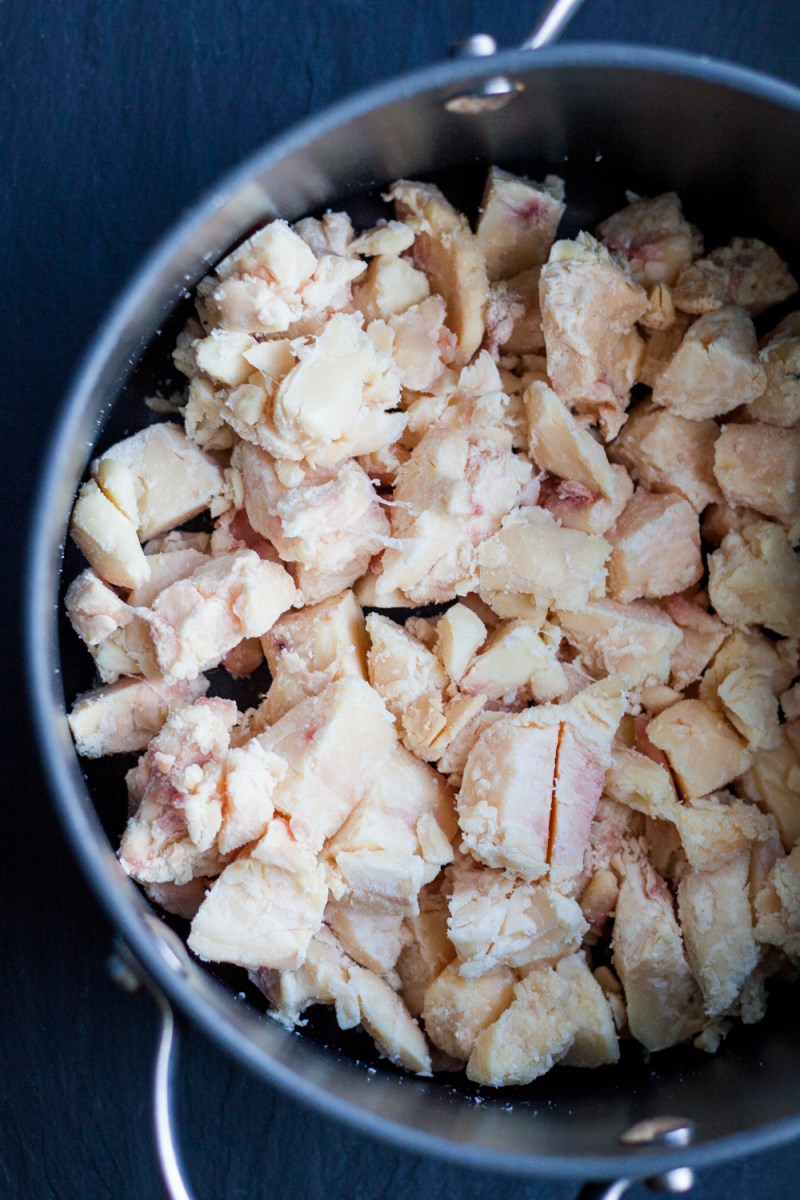
My friends at US Wellness Meats recently started selling bison fat, and considering the fact that I had a really good experience with their bison stew meat last year (recipe: Hearty Bison Stew), I wanted to try rendering my own bison tallow. I’m glad I did – the fat was of perfect quality, and the tallow came out both mild and delicious.

Read Full Article

Shirred eggs, more commonly known as baked eggs, are eggs that are baked in a flat-bottom dish. Although they are traditionally prepared with minimal ingredients, my variation is a little different in that I like to use cupcake pans and layer a host of ingredients into a cup lined with ham or other form of cured meat. I like the idea of building your whole breakfast at once.

These baked eggs are a great way to treat guests that come over for brunch, or everybody’s favorite meal, “breakfast for dinner.”

Read Full Article

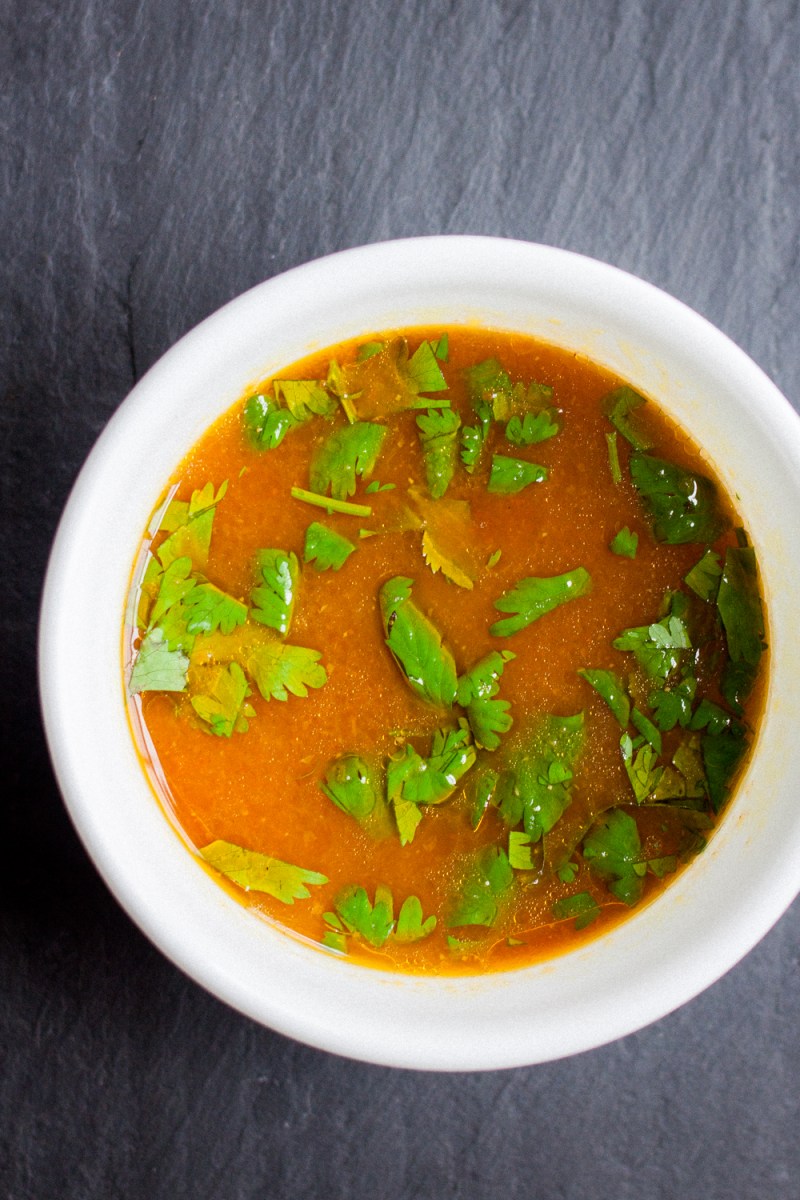
Attukal Paya (sometimes spelled as Aattukaal Paya or just Paya) is a hearty soup made with lamb, sheep, or goat feet served in South India. What fascinates me about this dish is that it’s often served for breakfast – initially this sounded strange to me, but the more I thought about it, the more it made sense; why not start your day out with some nutritious bone broth soup?

I also love the idea of throwing together a bunch of ingredients at night and waking up to breakfast already made!

Read Full Article

To start off the New Year, I’ll be posting only Whole30-compliant recipes this month. What is the Whole30 Program? It’s very similar to what I eat already, but with a few more restrictions: no dairy (except ghee), no white potatoes, no rice, no alcohol, no sugars or sweeteners of any kind. It’s a great way to jump headfirst into an ancestral diet (although easing into a Paleo diet is just fine, too) and see some dramatic changes in your health.

For my first January recipe I wanted to share one of my go-to comfort foods: sausage and sauerkraut. It can be whipped up in less than 30 minutes and always hits the spot! Sauerkraut is a superfood thanks to its healthy bacteria; Genghis Kahn took it with him as he conquered Eurasia, and Germans brought it with them on ships as they traveled to America, in order to fight off disease. Admittedly, many of its healthy bacteria are destroyed in the cooking process of this dish, but don’t let it deter you from chowing down on this tasty recipe! When shopping for sauerkraut, be sure to buy some that only has water, salt and cabbage as its ingredients. You can always make it yourself, too; it’s one of the easiest pickling endeavors you could undertake.

Read Full Article

As we’re all celebrating the New Year, I wanted to take a second and reflect on 2012. It’s been an eventful year for all of us. We survived Presidential elections in both the US and Russia, watched some breathtaking Olympic performances and the successful Mars rover landing, and even averted a Mayan apocalypse. And through it all this little site here kept chugging away. Back in October of 2011 I made myself a promise that I would post a new recipe at least once a week, and I’m proud to say that I’ve kept up my end of the bargain. I’ve made some dishes that I’m really happy with, and some others that I can’t wait to pull down from the website when I get a chance!

We’ve made quite a few friends over the year, and built some relationships we hope to keep for years to come. I’ve happily watched some of my favorite new recipe sites like Strictly Paleo…ish, Virginia is for Hunter-Gatherers, and Alex Boake’s Food Blog find audiences and grow stylistically. It’s also been great to watch some of the big names in the Paleo movement help refine the community, with the Perfect Health Diet book providing the best approach to ancestral eating that I’ve seen, and Nom Nom Paleo’s incredible iPad app raising the bar in terms of presentation and culinary masterwork.

On a personal note, 2012 has been quite a year for our family. Our son started pre-pre-school and is starting to make his way through that whole “reading” thing, and I finished a Masters in Healthcare Administration and was selected for a new job as a Health Care Administrator starting next year. And we survived another year on the East Coast! (We consider Hawaii to be home.)


a peek at 2013

So, thanks for visiting in 2012, and I hope I’ve provided a little inspiration for your kitchen. There’s plenty more to come.

– Russ

Update: Please note that I’ve improved upon this recipe – check out the new version here. They are also featured in my second cookbook, Paleo Takeout.

Over the past few weeks we’ve spent a fair amount of time out in town, shopping for gifts, and we have often found ourselves away from the house with no lunch plans. Chipotle is our emergency standby, but sometimes we’re tempted to grab Chick-fil-A since they’re everywhere (there are 30 of them within 20 miles of our house!). But as Melissa at Hunt.Gather.Love. points out, regardless of how you feel about Chick-fil-A’s stance on current social issues, the quality of their food alone should be enough to boycott the restaurant chain. For example, let’s take a look at the ingredients list for their nuggets:

100% natural whole breast filet, seasoning (salt, monosodium glutamate, sugar, spices, paprika), seasoned coater (enriched bleached flour [bleached wheat flour, malted barley flour, niacin, iron, thiamine mononitrate, riboflavin, folic acid], sugar, salt, monosodium glutamate, nonfat milk, leavening [baking soda, sodium aluminum phosphate, monocalcium phosphate], spice, soybean oil, color [paprika]), milk wash (water, egg, nonfat milk), peanut oil (fully refined peanut oil with TBHQ and citric acid added to preserve freshness and Dimethylpolysiloxane an anti-foaming agent added).

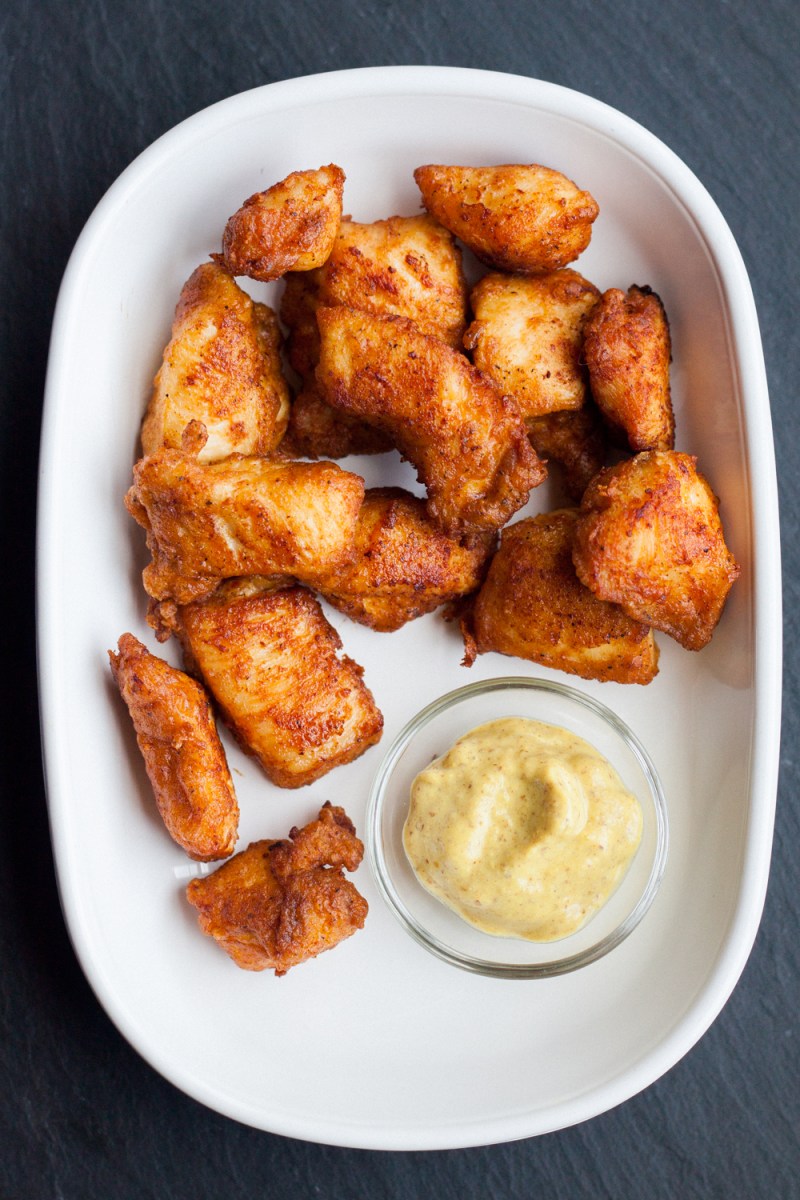
So I set out to recreate these chicken nuggets, and most importantly, reduce the ingredients list of this dish from 30+ ingredients down to 10 with minimal compromise on taste.

Read Full Article

My buddies at US Wellness Meats recently sent me a box of goodies to cook with, so for the next few weeks you’ll see some of their products popping up in my recipes. I couldn’t be happier – everything I’ve tried from this place is downright awesome.

When eyeing their Alaskan scallops, I knew some sort of pork needed to be paired with it, but I couldn’t decide. Bacon-wrapped scallops? Done to death. Sausage? Maybe. Both? Now we’re talking. So I whipped up one of my rare “thin-air” recipes – which are actually pretty hard for me to do, since I love recreating traditional recipes more than anything.

This dish only uses a few ingredients and seasonings on purpose – to hone in on the natural taste of the scallops, sausage, bacon, and kale. I also kept the portions a little small, so this dish is perfect for a light, tasty, and slightly messy lunch.

Read Full Article

NOTE: An updated version of this recipe appears in my cookbook, The Ancestral Table.

For a dairy free variation, check out my Flatbread recipe.

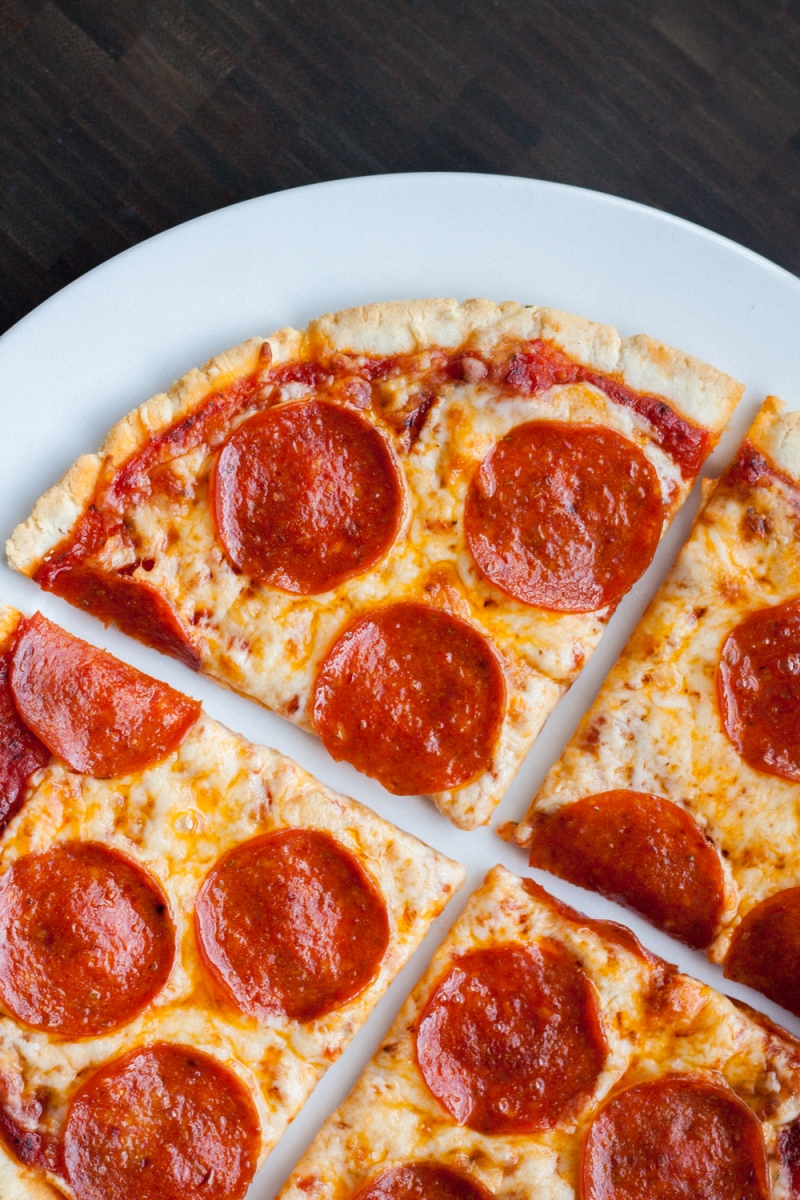
Like most residents of planet Earth, I’m pizza crazy. I’d like to say that my love affair started with those pesky Ninja Turtles, but I have a feeling that I was addicted well before the heroes in a half shell became popular. When adopting Paleo, I was probably worried about a lack of pizza the most, and after re-introducing dairy I tried all sorts of things, from frozen GF crusts to eggplant pizzas. Finally, I hunkered down and developed a gluten and grain free pizza crust of my own, and after several failed attempts, I’m happy to say that you will love this pizza.

Do I really need to provide a food history for pizza? Okay, since you asked so nicely. Pizza is a food first traced to Ancient Greece, when they took bread and covered it with oil and cheese (this is also the base for Pita bread). Italy is credited for adding tomatoes to pizza following their introduction from the New World in the 15th and 16th centuries. Interestingly, the combination of tomatoes and cheese wasn’t popular for hundreds of years, until the famous Pizza Margherita (tomatoes, cheese, and basil) incident – wherein the combination was served to Queen Margherita in 1889 to represent the Italian flag.

Pizzerias existed in the United States at the turn of the century, but it was only popular with Italian immigrants. Soldiers returning from the European campaign of World War II raved about pizza, and it became the sensation it is now almost overnight.

Read Full Article

UPDATE: Congratulations to Heather M., who won the giveaway!

Today I’m taking a break from my regularly scheduled recipe to host another giveaway. I feel like Father Christmas – two giveaways in one month! Don’t worry though, I will still be posting a recipe this week (on Thursday). And it’s a doozy.

The new edition of Perfect Health Diet comes out today, and I’m proud to say that I’m teaming up with Paul and Shou-Ching Jaminet to host a giveaway: a signed copy of their new book! The Perfect Health Diet is the template I use to guide my own dietary habits, and it’s quite a coincidence that this book is coming out on the same week as my two-year anniversary of switching my own diet.

The Perfect Health Diet is a simple and thoughtful approach to eating, which could probably be summed up as 3/4 vegetables and safe starches, and 1/4 meats, with healthy fats and acids to taste. The diet avoids the same foods as a Paleo diet (cereal grains, legumes, added sugar, grain-derived oils) with the exception of white rice, which is considered a safe starch.

Here’s how to enter the giveaway (first one is required, second is optional):

1. Sign up for the Perfect Health Diet RSS feed and leave a comment on this post letting me know you did it. If you don’t use RSS feeds, you can “like” the PHD FB page or follow Paul on Twitter instead.
2. Sign up for my newsletter (on the right sidebar of this page) and leave a comment on this post letting me know you did it.

If you do both options, I’ll give you two entries into the giveaway! You can tell me which options you did in one comment to save time. The giveaway ends midnight Saturday, December 15th (EST), and I will select a winner using a random number generator on Sunday. Good luck!

Giveaway not restricted to US residents – international entrants are welcome!
Giveaway graphic by Alex Boake Illustration.

NOTE: An updated version of this recipe appears in my cookbook, The Ancestral Table.

A tagine is a type of slow-cooked Moroccan stew, which gets it name from the pot it is usually cooked in, also named tagine (طاجين). It is often spelled as tajine as well. A typical tagine is made with cheaper cuts of lamb or beef, like shoulder or shank, but can also be used with chicken and seafood. Seasonal fruits like dates, raisins, and apricots are often used, as well as honey and preserved lemons.

For this recipe, I decided to make a baseline lamb tagine dish – no frills or gimmicks, just a simple template for you to follow. Feel free to experiment with tastes, especially different veggies (potatoes and olives add an interesting dynamic) and meats as you see fit. Since preserved lemons aren’t the easiest thing in the world to find (although making them yourself seems pretty easy), using chopped lemon rind works almost as well, and it’s what I usually use at home. Lastly, while tagines are very pretty looking, that’s a lot of cookware just for one type of dish – my trusty Le Creuset dutch oven worked out beautifully, as always.

Also, don’t forget that I am hosting a $50 gift card giveaway for Lava Lake Lamb this week! I used their delicious lamb shoulder for this recipe, and I can’t say enough good stuff about how well it turned out.

Read Full Article