primal

NOTE: An updated version of this recipe appears in my cookbook, The Ancestral Table.

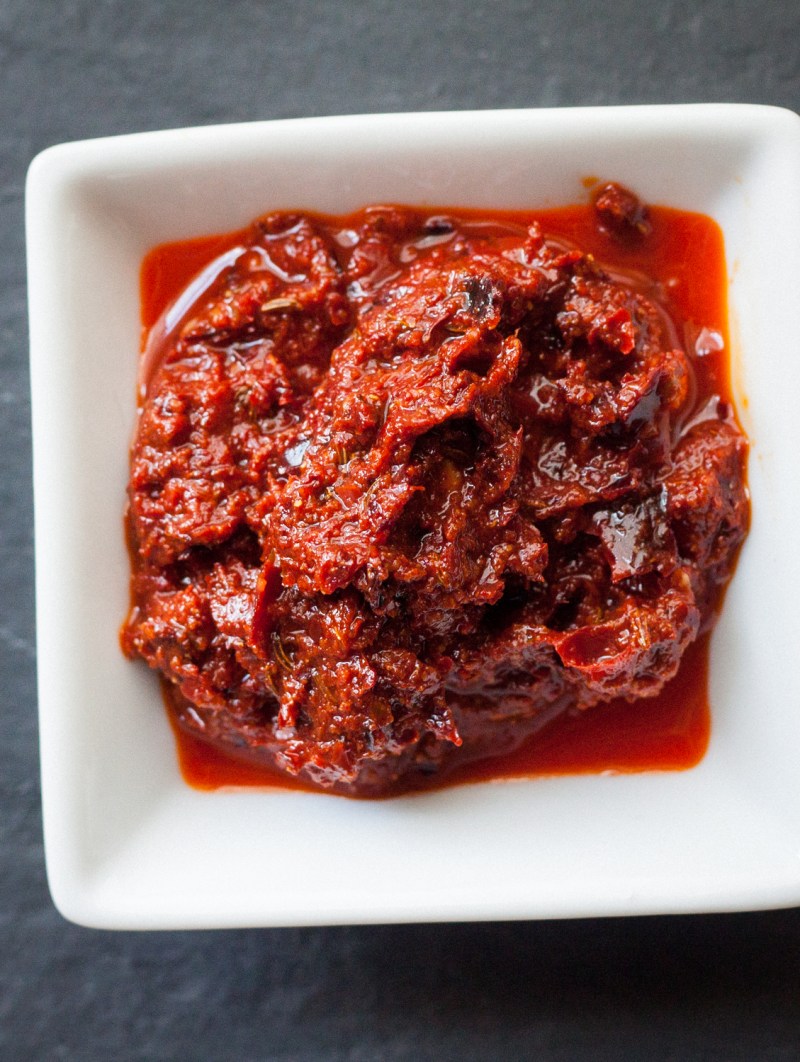
Harissa (هريسة) is a North African chili sauce, commonly used as a condiment and curry base in Tunisia, Libya, Algeria, and Morocco. Its complex and slightly spicy taste is often compared to a similar Asian sauce, the equally-delicious almighty Sriracha. There is a lot of variation in the sauce, but the recipe I developed is one that pairs well with many curry sauces, including my Lamb Tagine recipe.

While there is mention of Harissa as early as the 13th century, it probably didn’t take the form we recognize today until later, since chili peppers arrived in Europe and Africa following Columbus’ discovery of the New World.

Read Full Article

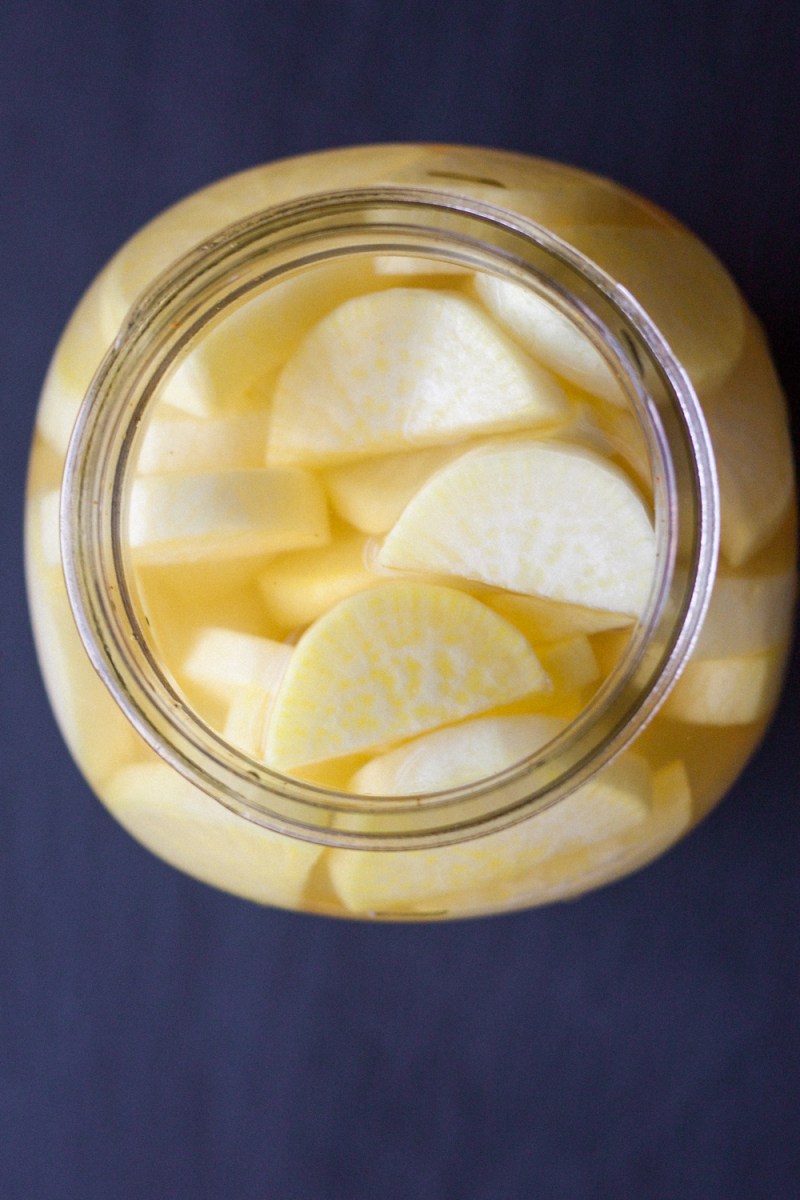
Takuan is a Japanese dish of fermented daikon radish. It is a form of Tsukemono (Japanese pickled veggies), which are served as side dishes or snacks, and are even part of the Japanese tea ceremony. Takuan in particular is often served at the end of meal to help digestion. The name “Takuan” is often attributed to Takuan Soho, a 17th century Zen Buddhist figure and the creative basis for the character Dakuan from the anime film Ninja Scroll. Korean cuisine has a similar pickled daikon radish dish, called Danmuji (단무지).

The daikon radish itself made its way to Japan from China about 2,000 years ago. Today, more land in Japan is used to grow daikon than any other vegetable. Takuan sold in many stores today is dyed yellow with food coloring; I was able to get a similar color by using a tiny bit of turmeric while pickling the radishes.

Read Full Article

NOTE: An updated version of this recipe appears in my cookbook, The Ancestral Table.

Kabees El Lift is a popular Lebanese dish, often served as a lighter side to heavy meat dishes. The dish sports a vibrant pink color, which is made by adding beets to the turnips as they ferment. Fermented foods are great for adding natural probiotics into your diet. And, as Paul Jaminet points out, there is evidence of fermented foods like kimchi helping against autoimmune diseases and allergies. Plus they’re tasty.

I’m not sure how long this dish has been around, but I do know that turnips have been around for a long, long time; the Romans talked about them, and some of their original names were in Greek, which suggests they were eaten in Ancient Greece. Beets have been around just as long, although early forms were only the beet greens, and the bulbous root was developed/cultivated later.

Read Full Article

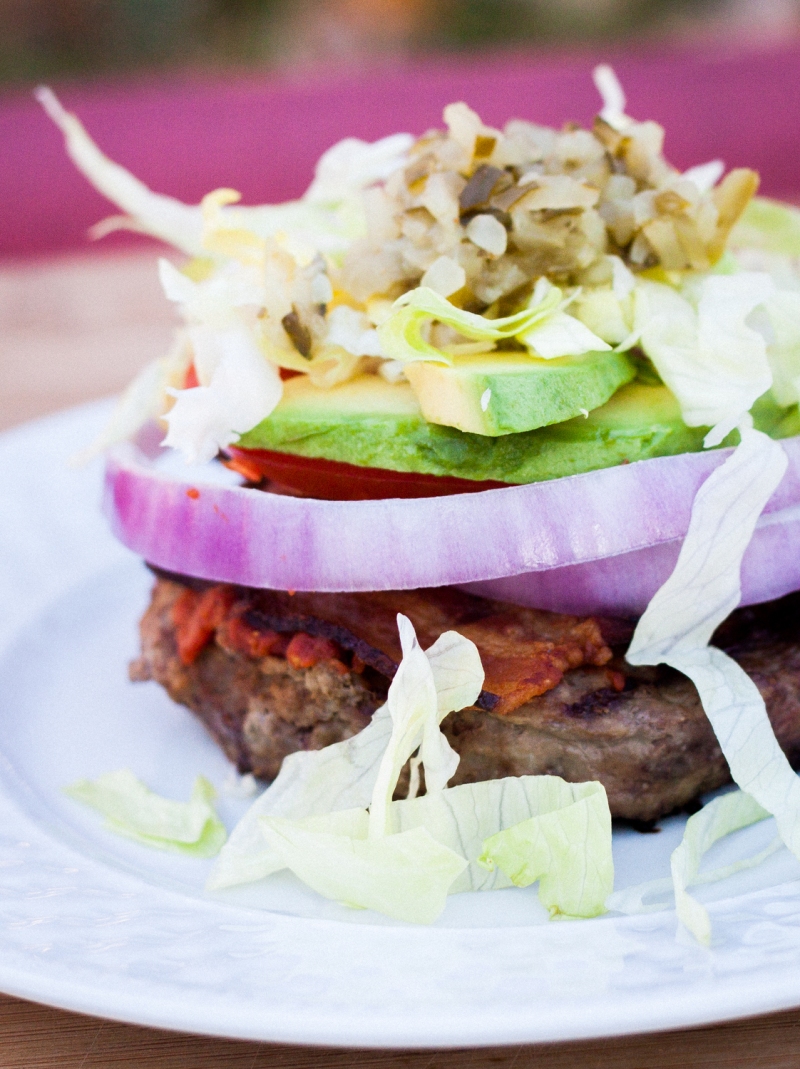
Last weekend we got together with our friends Brent and Heather from Virginia is for Hunter-Gatherers and collaborated on a couple of dishes. Brent tackled a cole slaw that was pretty dang tasty, and we also built a few interesting fork-and-knife burger creations based on some standard burger concepts. It was fun to jump into someone else’s kitchen and throw together some food, and it all turned out so well that I figured I should share our results.

The origin of hamburgers is greatly disputed, but most sources point to the bread-and-burger invention being of American origin, and showing up in the late 19th century. A connection to the German port city of Hamburg is a little hard to find, but it turns out that ground beef steaks were common in Hamburg in the mid 1800s, which were brought to the city by Russians. They were served raw. Some years later, New York City became a common destination for travelers from Hamburg, and local German immigrants started selling the raw ground beef steaks, called Hamburg steaks, to visiting German tourists – who were otherwise known as “Hamburgers” (in the same sense that someone from New York is a “New Yorker”). Sometime down the line, the “Hamburger sandwich” was born, and the rest is history.

Read Full Article

For Thanksgiving this year, we decided to make a traditional side dish instead of trying to invent something new that is in line with our dietary restrictions. What we settled on is not a traditional dish for Thanksgiving by any means, but it’s a traditional one nonetheless!

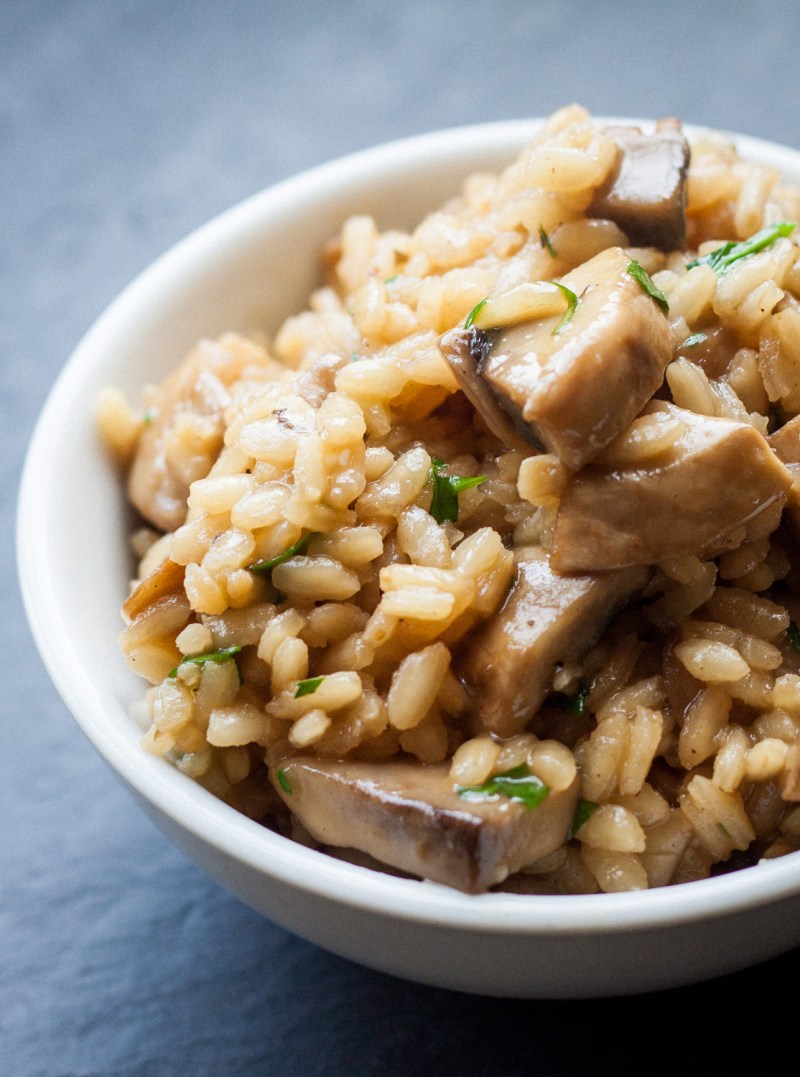
Risotto is a dish first served in Italy in the 16th century, when rice was first introduced from neighboring Mediterranean cuisines, and gained popularity in Milan. Risotto was served in the United States in the 1800s, but didn’t get popular until after WWII (along with pizza). The 1980s are also a time when this dish became really popular and faddish in the US.

Read Full Article

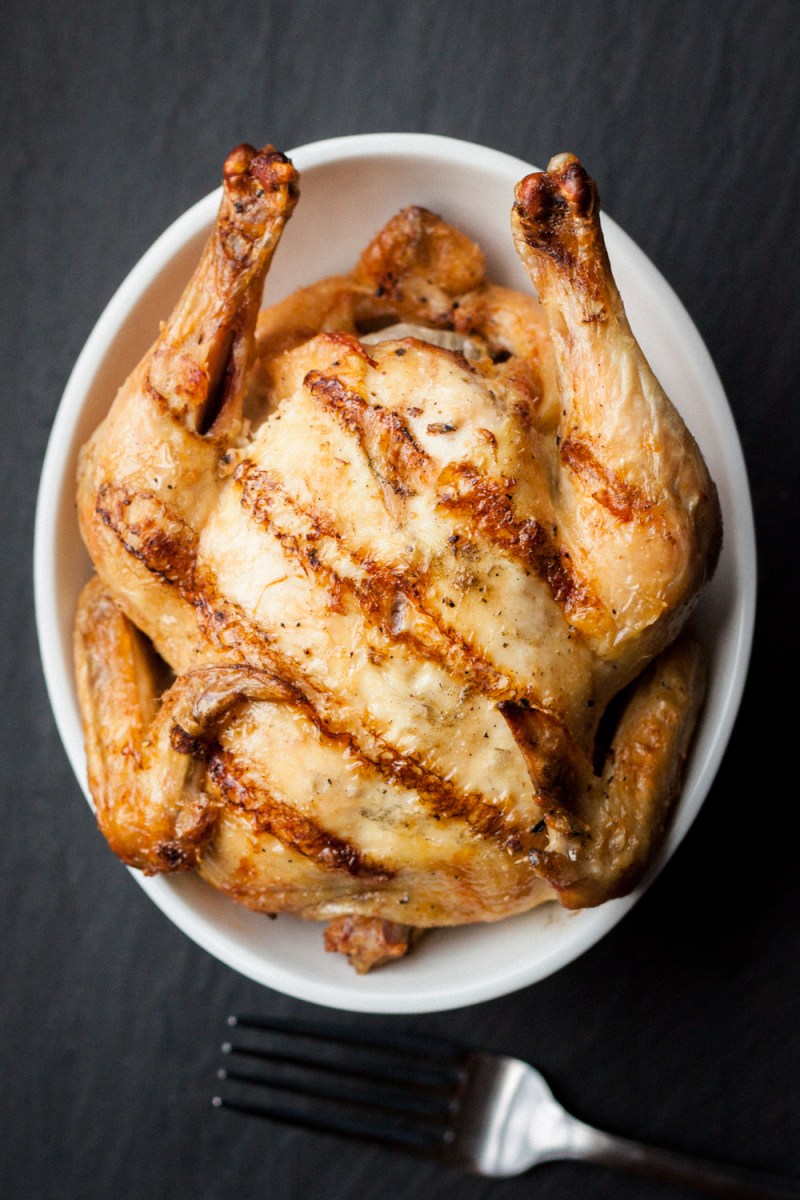
The Cornish hen, often referred to as a Cornish game hen or Rock Cornish hen, is a hybrid chicken first developed in the United States in the 1950s. Besides being much smaller than its predecessor (the Cornish-Rock chicken, which is the common “broiler” chicken worldwide), it also generally has a higher white-to-dark meat ratio than its big brothers. Some other interesting tidbits include the fact that the Cornish “game” hen is not a game bird at all, it can be either male or female, and it reaches maturity within 30 days.

I love cooking these little bird because they’re the perfect single-person meal. You get the best of everything! Both drumsticks, both wings, and both oysters. I also find cooking Cornish hens easy and stress-free, and they can be ready in much less time than a full-sized bird.

Read Full Article

My friends at Lava Lake Lamb recently started carrying grass-fed beef, and I jumped at the chance to give some of it a try. One particular challenge came in finding a unique, yet somewhat traditional, way of preparing sirloin steak; it’s a very simple cut, which fares the best with a simple preparation (garlic, salt, and pepper are usually perfect). Luckily, after some digging I discovered quite a few different ways that people grill this steak in Turkey, so I developed a recipe based on some of those traditional Turkish methods.

It’s hard to find specific history related to grilled beef steaks in Turkey – in fact, many regions only ate meat during special celebrations until very recently. My guess is that this particular preparation is relatively new to the country, probably only 50 years old. But at the end of the day, it doesn’t really matter – this steak was delicious, regardless of how long people have been cooking it!

Read Full Article

NOTE: An updated version of this recipe appears in my cookbook, The Ancestral Table.

Pão de Queijo is a traditional cheese bun popular in South America, most especially in Brazil. The dish has been around since the 17th century, and was made with just tapioca starch and water before the widespread domestication of cattle in Brazil in the 1800s. Today, it’s a popular breakfast food and can be found in most bakeries in Brazil.

Cheese buns are some of our favorite non-bread breads to make. They’re dead simple – mostly tapioca starch and hard cheese – and are a great complement to many meals (not just breakfast). We first discovered them in our pre-Paleo days at a Fogo de Chao Brazilian steakhouse. Later we started making them using pre-packaged Chebe brand dry mixes, until we found out that the Jaminets over at Perfect Health Diet had posted a recipe of their own. My recipe is very close to theirs, the only main difference being that I use a combination of cream and water instead of milk (there’s nothing wrong with making it with milk, but I have an easier time digesting cream than milk). I’ve also adjusted the portion sizes so that our recipe only makes 15-20 cheese balls – otherwise, that’s all we would be eating at every meal!

Read Full Article

NOTE: An updated version of this recipe appears in my cookbook, The Ancestral Table.

Gnocchi are a type of dumpling most often made with potatoes, and like many Italian dishes, there is a lot of variability to the dish. It’s commonly believed that gnocchi have been around since the Roman times, and that they actually came from the Middle East. It’s unclear whether the word gnocchi comes from nocchio (a knot in wood) or from nocca (knuckle). The addition of potatoes is relatively new, since they came over to Europe in the 15th century; semolina was widely used before then, and still used in some recipes today.

My version of the little dudes is very simple, and similar to many mass-produced variations of the dish. Sure, you could add all sorts of neat stuff like herbs or spinach, but I prefer to leave my gnocchi as a blank canvas for other tastes/sauces.

Read Full Article

My family loves Chipotle. Their chicken burrito bowls are our default food choice when we’re out in town and in a pinch. There are both good and bad aspects of our relationship with Chipotle. The good is that we’re able to find quick meals that are within our dietary parameters and with relatively naturally-raised ingredients. The bad is that while Chiptole is pretty upfront about their standards towards raising animals, they have not released a list of their ingredients to the public. There’s actually a petition (right here) to ask Chipotle to reveal their ingredients. My personal concern is that they are cooking with oils that are high in Omega-6 fatty acids, like soybean oil.

My other issue is that we like Chipotle so much that sometimes it becomes our dinner even if we’re not out in town and in a pinch; it’s so tasty that we find ourselves wanting it even when we have a fridge full of food.

So I decided to do something about it and re-create our beloved chicken bowls so we can enjoy them in the comfort of our own home and know exactly what ingredients go into the meal. Also, I am sure that this recipe isn’t 100% authentic, especially in its use of chipotle powder (as opposed to whole dried chipotles and/or canned chipotles) but I made a couple shortcuts to make the process a little easier. I pieced this recipe together using my taste buds and some rumors I found floating around on message boards, so if you have intimate knowledge of some of Chipotle’s ingredients, leave me a comment below!

Read Full Article