primal

This recipe is similar to my original ribs recipe, but with spare ribs instead of baby back ribs, and with more ingredients in the braising liquid. It resulted in a rich, complex meaty taste.

The first thing you’ll probably notice right off the bat is that spare ribs aren’t very nice looking. “Spare ribs” is a phrase used for the lower ribs, which aren’t particularly evenly cut. That’s the sacrifice one makes for getting cheaper ribs! The ribs I used in my recipe were pre-cut but you may have to cut them yourself. Also, spare ribs are usually home to a bunch of pieces of cartilage, which some people find unappealing; personally, I like to dig around the ribs and find them.

Read Full Article

I don’t write about breakfast much but I thought I should do a real quick post on my typical starting meal.

On weekdays, I generally focus on three items that I take to work: meat, cheese, and fruit. Breakfast is the only time of day that I actively eat fruit, one or two pieces a day. I tend to eat applesauce, berries, plum, or kiwi. The meat is generally four slices of uncured lunchmeat (usually from Applegate Farms), beef jerky, smoked or canned salmon, or a can of sardines. Cheese is usually Kerrygold grass-fed Dubliner or Blarney cheese, or Trader Joe’s grass-fed cheddar.

Weekends is usually the same combination but only one piece of fruit max, with eggs and bacon added. Often I skip the cheese as well. I’m not a big fan of mixing eggs with other ingredients, so I don’t usually make omelets or those crazy Paleo concoctions you’ve probably seen floating around the internet. Sometimes we’ll make something with potatoes, and very rarely we take a stab at gluten-free pancakes (usually to disastrous result). Fried rice for breakfast is pretty tasty, too, and nothing beats spam musubi every once in a while.

That’s basically it. What do you eat for breakfast?

Man, I had the hardest time finding a chicken cordon bleu recipe in my French cookbooks. Turns out that this dish isn’t French at all; it was created in the US and we added the “cordon bleu” to make it sound awesome. And in that respect, it totally worked.

The challenge with making a grain-free chicken cordon bleu lies in its crispy outer crust, which is usually achieved through flour and bread crumbs. I experimented a bit and found that a combination of coconut flour and potato starch worked best: the coconut flour surprisingly doesn’t leave any sweet/coconuty flavor behind, and the potato starch creates a crisp, delicate shell around the chicken.

Read Full Article

Mashed sweet potatoes have a distinctly different taste from your everyday mashed potatoes. Yep, you guessed it: they’re sweeter. They’re also much more delicate so they require a slightly different approach; namely, you steam them instead of boiling them.

For this recipe, I used three different sweet potatoes/yams, only because we had all three at the house. This recipe will work fine with almost any sweet tuber, although admittedly this dish looks pretty awesome with all three.

Read Full Article

NOTE: An updated version of this recipe appears in my cookbook, The Ancestral Table.

What’s there not to love about pork belly? It’s basically just super thick slices of uncured bacon. I’ve seen this cut at our local Asian market for years but didn’t know how to prepare it until I stumbled upon this recipe at Rasa Malaysia, and decided to give it a shot. What resulted was an impressive-looking dish with a crispy, flavorful outside layer and a tender and delicious center.

Read Full Article

NOTE: An updated version of this recipe appears in my cookbook, The Ancestral Table.

There are several types of chinese cabbage out there in the wide wide world (or your local supermarket), so let’s learn them real quick. Won bok (“napa” cabbage) is the large, football-shaped heads of cabbage that are used in making kimchee. Bok choy resembles celery but with large green leaves (as seen above). Lastly, choy sum is the inner core of bok choy, with narrow, green stalks. Now that the hard stuff is out of the way, here’s how to steam bok choy for an interesting and nutritious side dish.

Read Full Article

NOTE: An updated version of this recipe appears in my cookbooks, The Ancestral Table and Paleo Takeout.

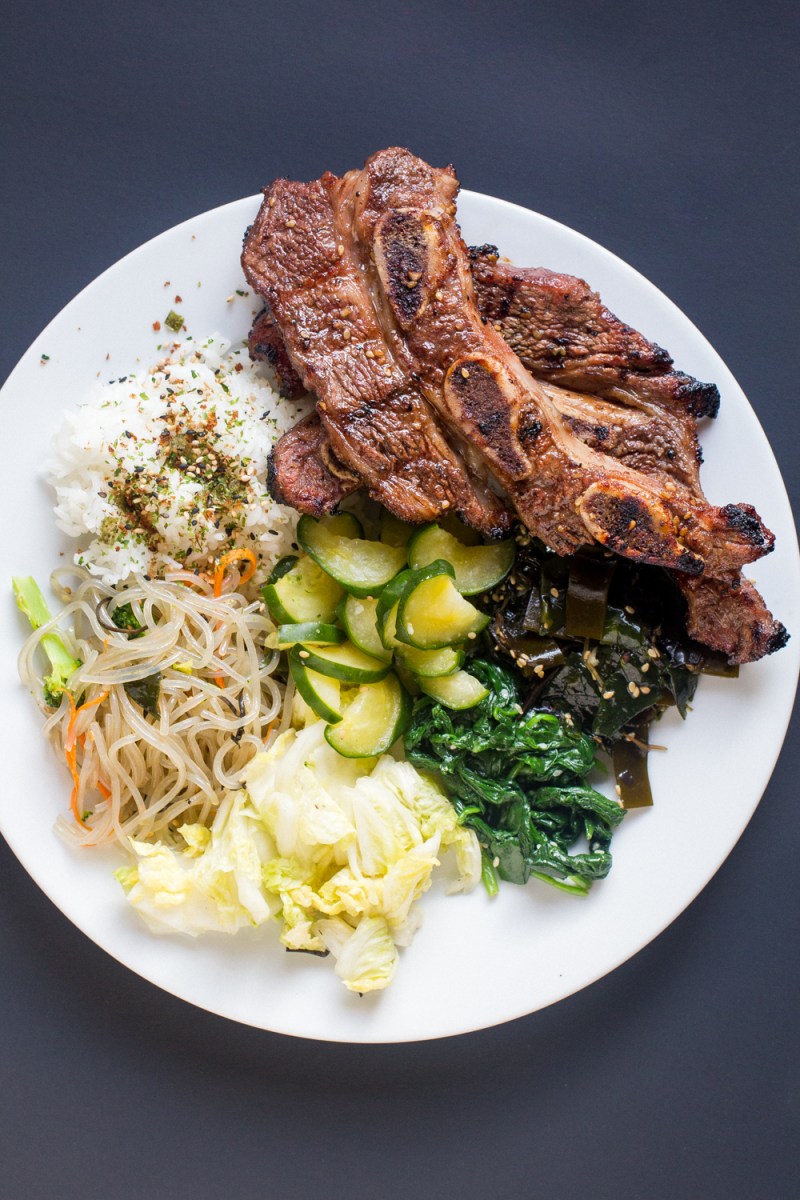
Kalbi (also known as Galbi) is one of my favorite meat dishes to grill at home. Unfortunately, all of the commercially-available marinades contain all sorts of nefarious ingredients, so I decided to try making the sauce from scratch. Luckily, it turned out to be really easy and tasted great.

This recipe calls for one Asian pear, but a regular golden pear, or even unsweetened applesauce, will do in a pinch.

Read Full Article

I’ve touched a little on gluten-free pizza crusts in this post, but I thought it was time to explain how I make pizza at home.

This recipe uses an Against the Grain 12″ pizza shell, which has an impressively simple ingredients list: tapioca starch, milk, eggs, canola oil, mozzarella cheese, cheddar cheese, and parmesan cheese. Simply put, if you allow dairy in your diet, this pizza crust is close enough to the real thing that you can easily ward off pizza cravings without any lingering guilt.

I also prefer to use 8oz blocks of fresh mozzarella cheese for practical reasons. I’ve found that using bags of shredded cheese never seems to work out for me, because I end up with too much or not enough cheese. Cutting fresh mozzarella is easy and takes all of the guesswork out of this simple dish. Plus, natural and fresh mozzarella is a lot easier to find than good shredded cheese anyway.

Read Full Article

Boiling potatoes for anything other than the purpose of mashing them may seem insane, but with certain potatoes it results in an evenly cooked potato with a mild taste – provided you cook them perfectly. Fingerling potatoes are perfect for boiling because it brings out their subtle, nutty flavor.

Read Full Article

Simply put, honey walnut shrimp (hé táo xiā) is one of my favorite Chinese dishes, and one of the best ways to eat shrimp. Period. This delicate and sweet dish is definitely worth the high price you’ll usually pay for it in most Chinese restaurants, but my make-at-home recipe is both inexpensive and easy to pull off.

I omitted this dish’s trademark candied walnuts because they’re chock-full of sugar, and the walnuts aren’t the same without the candy coating anyway. And honestly, I prefer the shrimp in its pure, unadulterated form.

Read Full Article