dinner

Callaloo is a Caribbean dish that originated in Africa. It is typically made with amaranth leaves (aptly called callaloo in the West Indies), taro leaves (dasheen), or water spinach; since these plants are somewhat hard to find in the United States, spinach is a common replacement stateside. There are many variations of this dish, and my recipe follows the Trinidadian version, which includes coconut milk and okra. In the Caribbean, Callaloo is often served as a side dish, but when I make it, it almost always turns into a main course. I’m not the type of guy that craves vegetables often, or vegetable soups for that matter, and I crave this dish. A lot.

I think I could eat my weight in Callaloo. I don’t know what it is about this dish that makes me go crazy about it. For one thing, I feel like a superhero after I eat it – like I’ve consumed a week’s worth of vegetables in one sitting. It’s also ridiculously delicious, and carries a unique flavor despite using fairly common ingredients. The only ingredient in here we don’t eat regularly is okra, since my wife isn’t a fan of okra’s slimy texture; luckily, the texture is cleverly masked in this dish.
Read Full Article

A couple weeks ago I did a guest post on RobbWolf.com, which was pretty exciting for me. I first heard of the Paleo diet through his book, The Paleo Solution, and considering how profound of an impact it made on my health, it was just surreal to join forces with him.

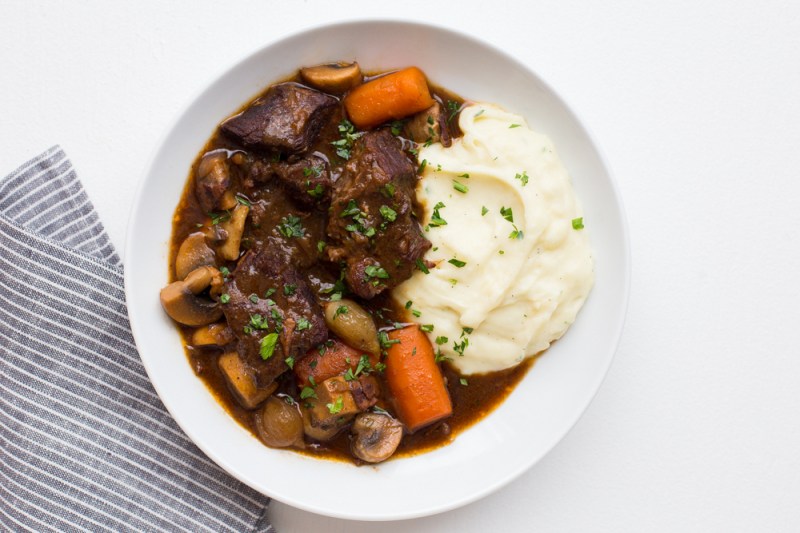
For my guest post, I deconstructed the entire history of one of my favorite dishes – Beef Bourguignon – including the individual histories of every ingredient used in the dish and the people who made it. It took a fair bit of research to put it all together, and I think it’s a very interesting read, though a little longer than my typical blog posts. For posterity’s sake, I decided to move the article to this blog in case you wanted to check it out. Enjoy! The link to my recipe is at the bottom of the post.

Read Full Article

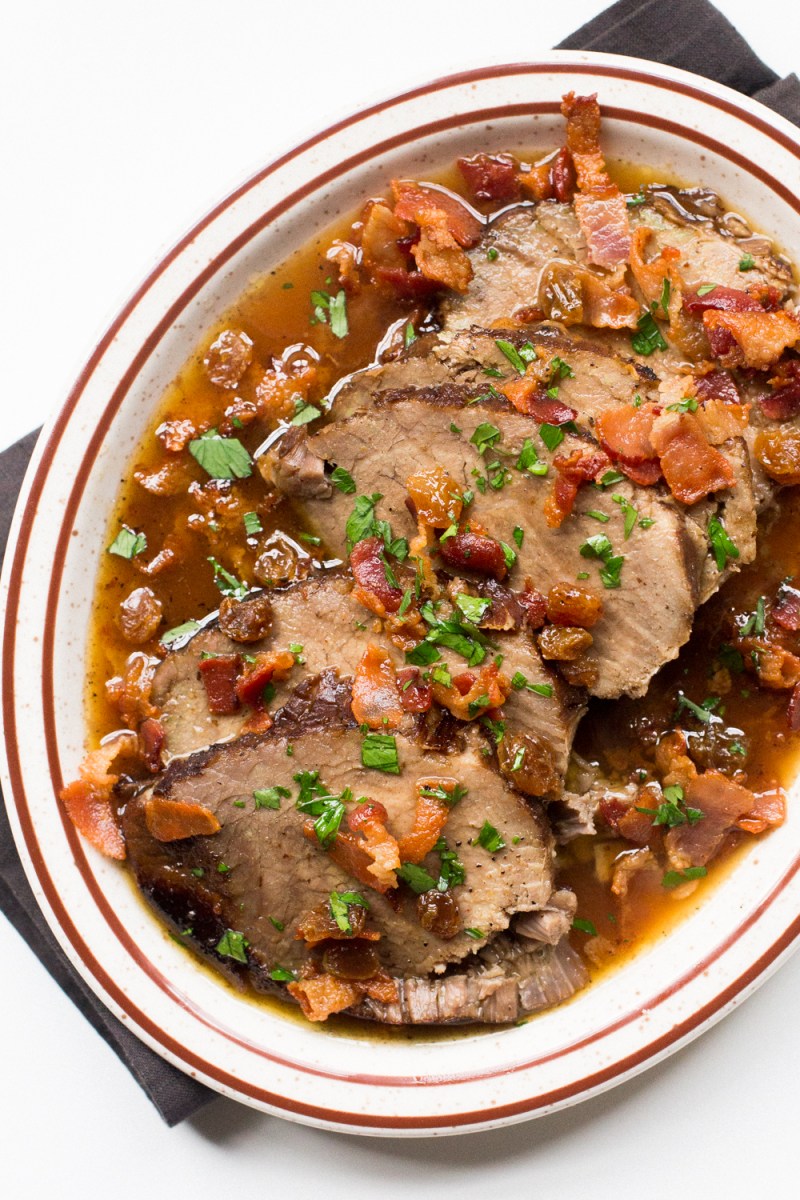
Sauerbraten (“Sour Roast”) is a German pickled roast. Traditionally made with lean horse meat, this dish works well with any lean roast. For my recipe in particular I used eye of round roast. This dish is unique in that the meat is tenderized in a wine or vinegar marinade for several days, probably a carryover from ancient preservation methods.

To counter the sour taste of the meat, Germans today commonly add gingersnap cookies to the roast’s gravy; personally, I used a bit of honey and golden raisins to cut its sourness, a custom found in Rheinischer Sauerbraten (Sauerbraten from the Rhine region in West Germany).

The eye of round roast for this recipe was graciously donated by Friends & Farms, a Maryland-based community that provides high-quality food baskets from local farms and artisans. They build the baskets with certain recipes in mind, and provide the recipes each week; each basket is designed to complement your eating habits, and is enough food for about three meals per week. You can also customize your baskets for a more Paleo-minded lifestyle, which is really cool.

Better yet, they are giving away a free weekly food basket to one of my readers – if you’re in the greater Baltimore area, click here to enter the giveaway via Rafflecopter. The giveaway ends ends midnight (EST) Saturday, Feb 22nd, 2014 and is limited to Maryland-area residents; you’ll need to be able to pick up your winnings at one of their many pickup locations. Good luck!

Read Full Article

People say nice things about companies all the time, and I’m always leery of endorsements. After all, companies are just big, hulking, impersonal machines, right? While it’s probably easy or convenient to say that The Ancestral Table is solely the result of my own hard work over the years, the truth is that my cookbook wouldn’t have been possible without the support of many people, chief among them my friends at US Wellness Meats. I realize that sounds a little extreme, so hear me out.

Two years ago, I sent them an email asking if they were interested in partnering for some recipes. This was my first time putting myself (and this blog) out there like that, and I felt sheepish writing such an assuming email – after all, at the time I had only a few hundred Facebook “likes” and a regular readership of around 50 people. But the USWM team saw something they liked in my little site, and sent me a box of various meats to work with; they also added me as their April 2012 Featured Chef, and my website took off from there. I attribute the turning point of this blog – from something I was writing for mostly myself to what it is today – to their support in early 2012.

Read Full Article

Bouillabaisse is a traditional Provençal (Southeast France) stew, typically made with fish and shellfish. Although it was originally made with rockfish, today it’s also made with all sorts of different seafood. For this recipe in particular, I decided to go with lobster and mussels; I like the idea of pairing two foods that are at opposite ends of the price spectrum (lobster = rare & elegant, mussels = common & unglamorous). This dish is paired with my lobster stock recipe, so be sure to check that out since you’ll need some stock. Putting this dish together – stock and all – is actually a fairly quick experience: in about 90 minutes you’ll have a recipe that will have your dinner guests swooning.

Don’t let the assumed costs of buying lobster deter you. If available in your area, live lobsters are surprising affordable when compared to the going rate at a seafood restaurant. And really, sometimes you can’t put a price tag on eating a rich, classic meal in the comfort of your own home.

Also, don’t forget that I’m hosting a giveaway this week; click here for a chance to win two live 1.5 lb lobsters from lobster.com ($65 value)! The giveaway is limited to continental US residents and ends midnight, Saturday, Feb 8th, 2014. Good luck!

Read Full Article

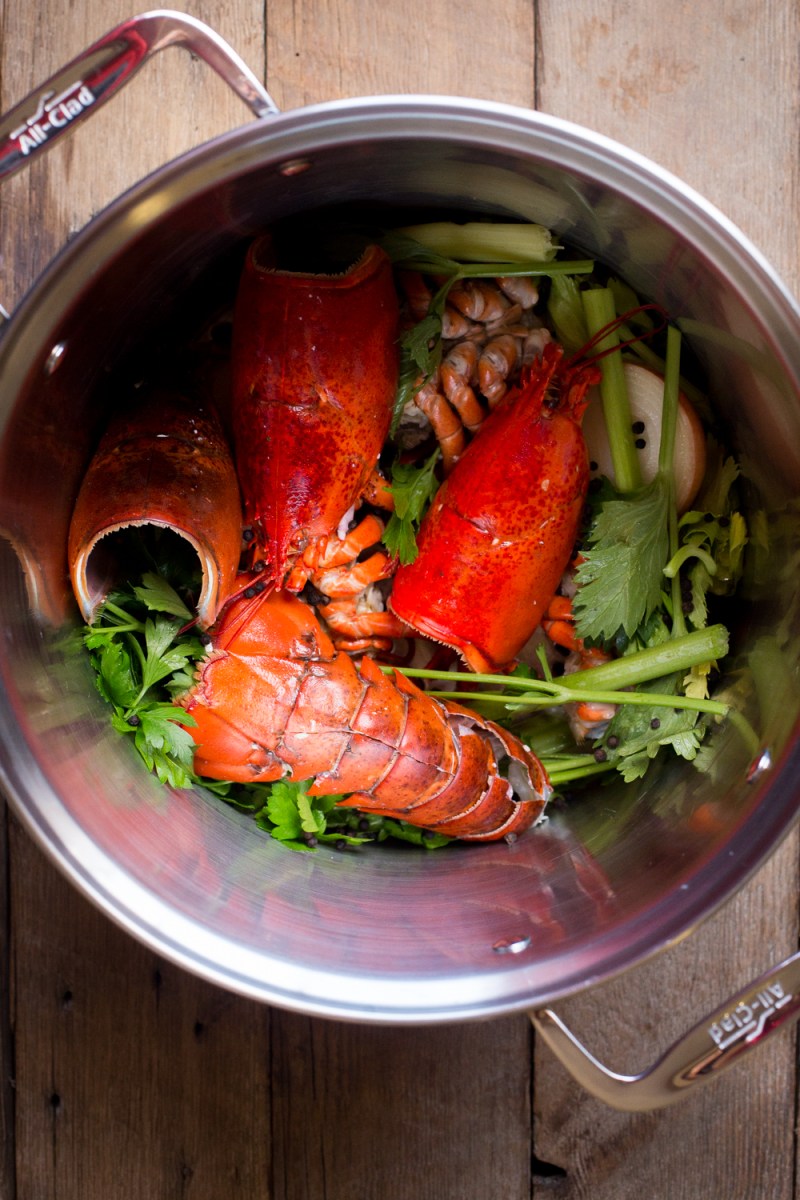
Phew! January has come and gone, which means that my tradition of sharing only Whole30 recipes during the month is over. While I think that Whole30 recipes are easy to make and fun to work with, I miss cooking with alcohol the most each January. So let’s dive right into February with an easy, tasty recipe that can be used in many different ways – lobster stock. Most people associate stock with long, boring hours of slow-cooking. The opposite is true with lobster (and all shellfish) stock, as it’s just a matter of sautéing vegetables and the shells, then adding water and wine, and cooking until it’s super delicious (about 45 minutes).

The folks at Lobster.com were kind enough to donate a lobster for my stock recipe. They ship overnight to the continental US, and it was quite an experience to receive a package in the mail that contains a live, breathing animal; not only was it alive, but it was the most lively lobster I’ve ever worked with! I par-boiled the lobster (instructions in the recipe below) so that I could use its shell for stock, and its meat for a Lobster and Mussel Bouillabaisse. I bought a couple lobster shells from my local grocer to add to this recipe and I was amazed at how thick and hearty the Lobster.com shell was compared to what I usually buy!

I was also able to arrange a giveaway through Lobster.com: two 1.5 lb live lobsters, delivered to your door ($65 value)! To enter, click here to enter via Rafflecopter. The giveaway is limited to continental US residents and ends midnight, Saturday, Feb 8th, 2014. Good luck! Okay, let’s move on to the recipe.

Read Full Article

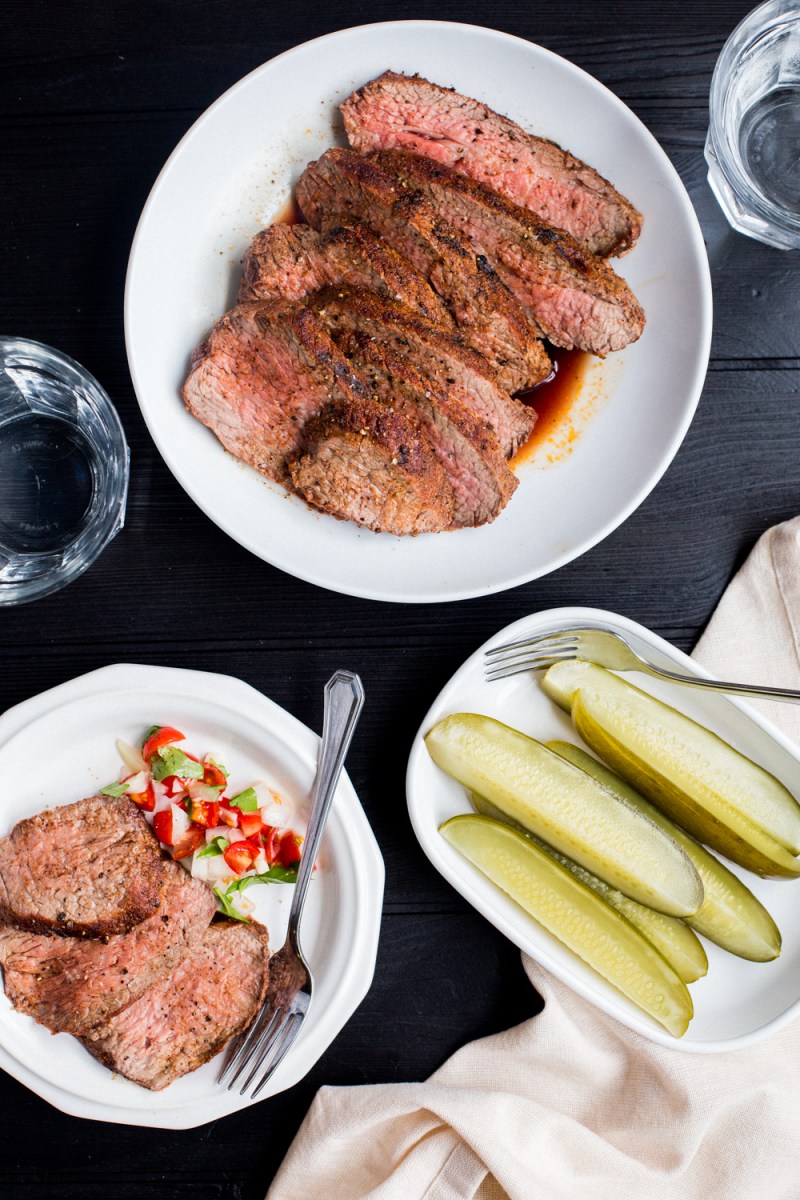
Santa Maria Tri-Tip Steak is a specialty of Santa Maria, California, which lies about 100 miles northwest of Los Angeles. Tri-tip is taken from the bottom sirloin of the cow, and is often cut into steaks and sold as “sirloin steak” (a tougher version of the prized “top sirloin steak”). When sold whole, as is used in this recipe, it can weigh up to 4 pounds. This lean, moderately tough, and economical cut of meat fares best when cooked only to medium-rare or medium.

The key to making a good Santa Maria Tri-Tip is cooking it so that it has a crusty outside and tender, juicy inside. There are different ways to achieve this result; in Santa Maria, chefs often use a grill that can be adjusted up and down, so as to develop a crust and then pull it away from the fire to prevent burning.

My method is similar. We’re going to only heat one side of the grill, indirectly roast it until it reaches a certain temperature, then place it directly over the fire to create a tasty crust at the end. The end result is a dead simple recipe that always makes for a tasty experience.

Read Full Article

This past week I did a guest recipe on PaleoParents.com, and I wanted to share the recipe with you folks too. This is actually an update of an old recipe that I decided to re-shoot because I was unsatisfied with the recipe’s photos. It’s amazing to see how much my photography has changed over the past three years; sometimes it’s hard to see the forest for the trees. For comparison’s sake, I’ve included the old picture at the bottom of this post. Although I’m posting all Whole30 recipes all month, this recipe isn’t technically Whole30 because it uses white wine; but it’s a guest post, so it’s exempt, right??

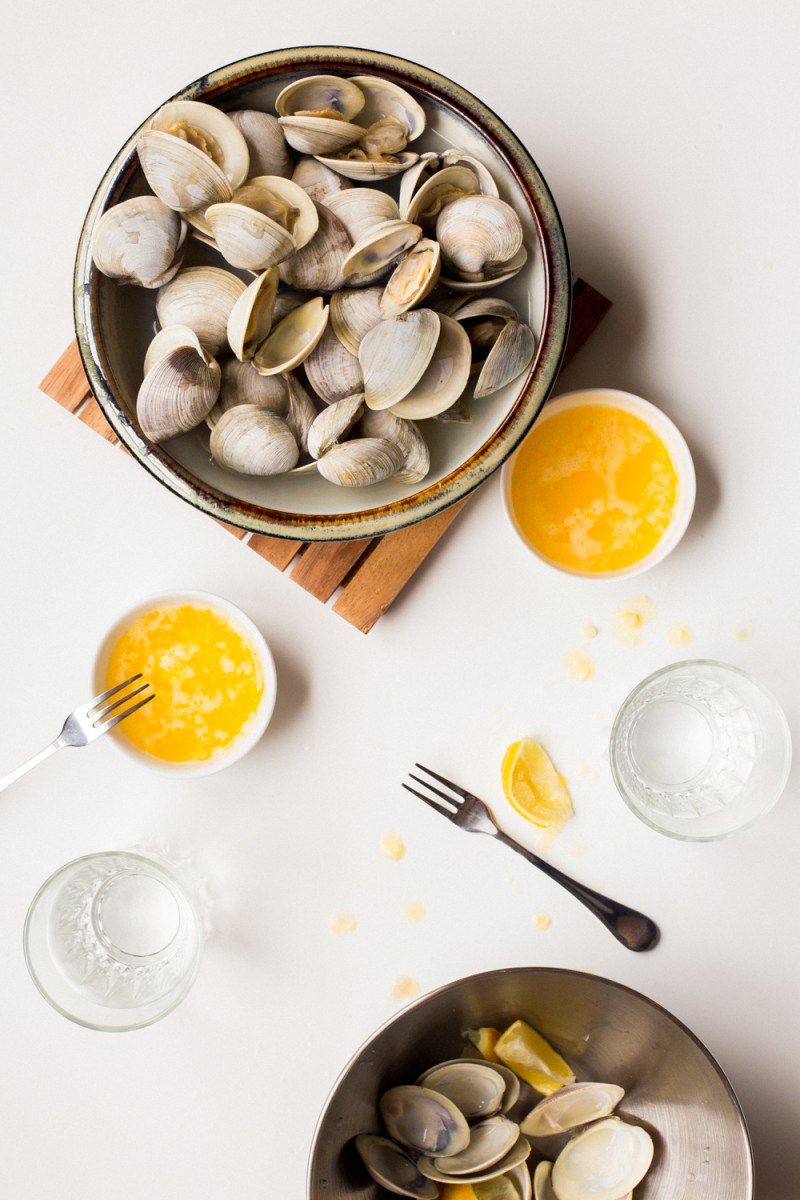
Lately, I’ve been on a personal quest to turn more people on to seafood. Besides the fact that it’s both delicious and full of nutrients, it can often be dead-simple to prepare. Take this recipe, for example, which requires only 15 minutes from start to finish – 5 minutes to scrub the clams, 5 minutes to prep the melted butter, and 5 minutes to steam the clams. Cooking clams at home is also much more economical than ordering them at a restaurant; you can often find and steam clams yourself for a fraction of the cost you’d pay out in town.

Clams in particular are especially nutritious. Pound-for-pound, they have more iron than beef liver, and they’re high in Vitamin B12, Vitamin A, calcium, selenium and potassium. They are an excellent source of protein, and are especially healthful when considering that they have Omega-3 fatty acids and a much lower contamination profile than other ocean-based sources of Omega-3 (like salmon). Have I convinced you yet?

Unlike other seafood, farm-raised clams (and mussels) are preferred over wild-caught clams; they are raised on ropes suspended above the sea floor, which makes them less gritty than wild clams dredged from the ocean floor. Dredging can also damage the ocean’s ecosystem.

Read Full Article

Today’s recipe is a combination of two recent events in our house. First, I recently bought a remote grill thermometer, and I was itching to try it out. The thermometer has has two probes: one that goes in the meat and one to gauge the overall grill temperature. It’s an easy way to keep an eye on both the grill temp and your food without having to open the grill lid. Plus, it has a wireless receiver so I can keep an eye on the temperatures from afar, perfect for some wintertime grilling.

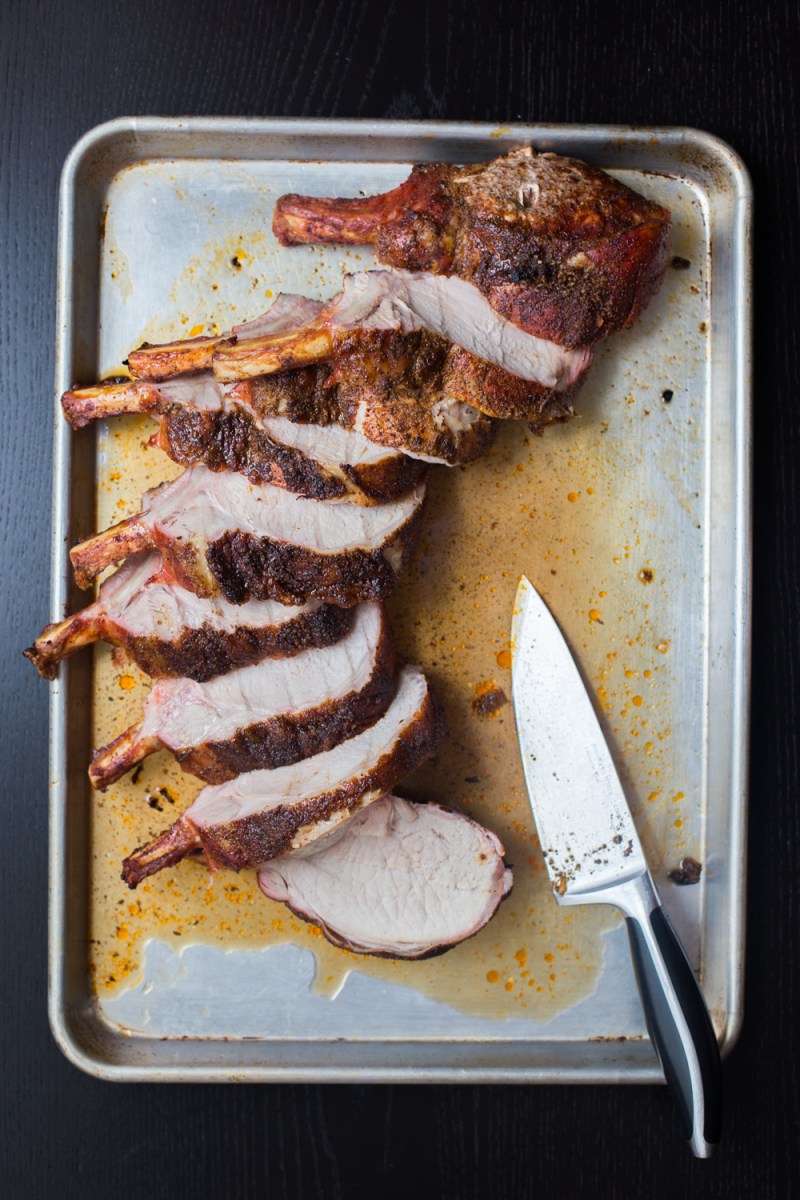
Second, we recently came across a beautiful French Rack of Pork at our local market, which is a shoulder pork loin still attached to the ribs; basically, it’s a rack of center cut pork chops. As luck would have it, the rack was on sale; my guess is that it intimidated customers and the store was having a hard time selling it. Either way, we couldn’t turn down the price, so I dragged the big hunk of meat home and the rest is history.

I decided to smoke the rack on my gas grill, which would allow me to give it a flavorful crust without overcooking the tender meat inside. Just to be safe, I brined the pork overnight to keep it from drying out, which was also a good call. The end result was crisp on the outside, and ridiculously juicy and flavorful on the inside.

Read Full Article

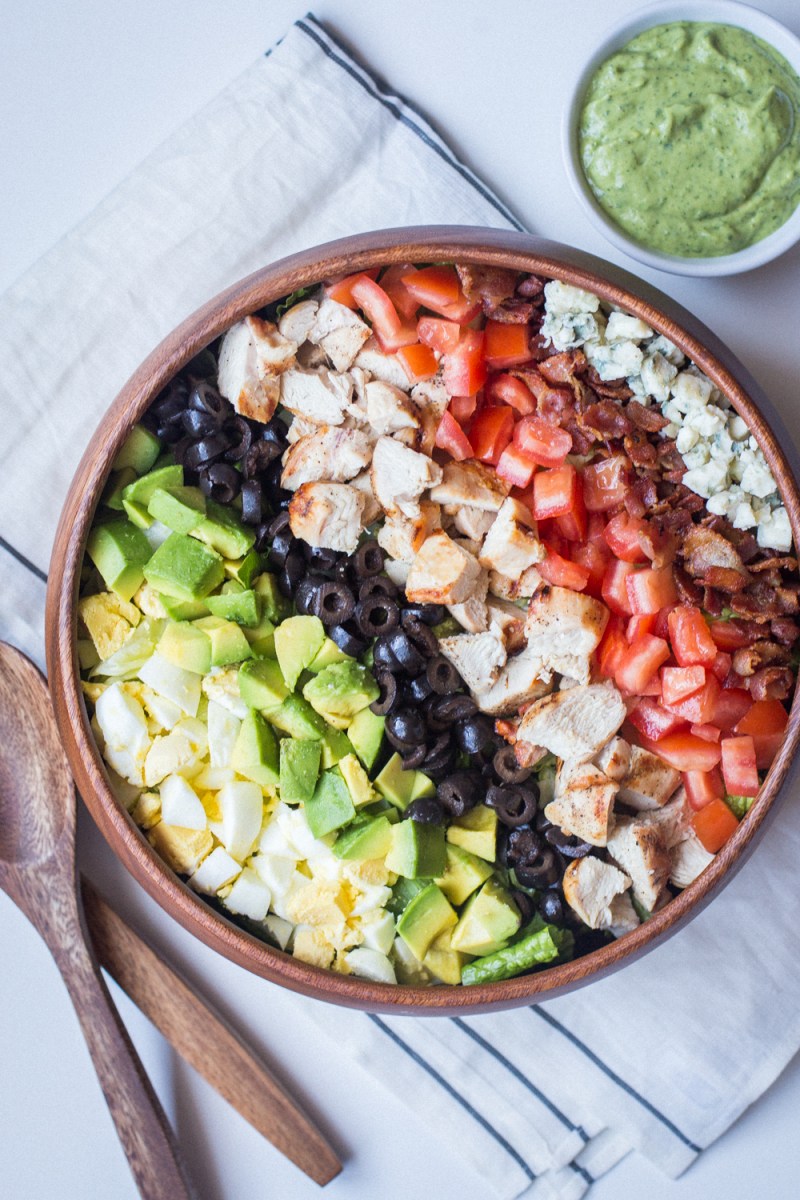
To tell the truth, it’s not often that I get a hankering for a meal-sized salad. There’s a lot of chewing involved. But if I am going to sit down and enjoy a full salad, I prefer to eat something made with a wide variety of hearty ingredients. In that regard, Cobb Salad takes the cake: it’s basically lettuce and a bunch of solid, pleasurable mix-ins. No dainty ingredients like sprouts, no sir! Okay, sometimes Cobb recipes call for chives, but you get my point.

Both the salad and dressing used in today’s recipe come from California in the early 20th century. Bob Cobb, owner of the Brown Derby Restaurant in Hollywood during the 1930s, whipped up a quick salad for a friend with a toothache using leftovers found in his kitchen. He cut the ingredients up into small pieces so as not to exacerbate his friend’s condition. (Personally, I would have whipped up a pureed soup if my friend had a toothache.) Other stories contend that there was no toothache involved. Either way, the salad was such a hit that Cobb added it to his menu, and it took off from there. Green Goddess Dressing was made by a San Francisco chef in the 1920s, after a popular stage play of the same name. While the salad and dressing don’t traditionally go together (Cobb salad is usually served with red wine vinaigrette), I really like the pairing of the two. Plus, they each call for 1/2 an avocado, so in that sense, they fit together perfectly.

Special thanks to my friends at Pacific Merchants who donated the hand-carved acacia wood salad bowl for the picture you see above. Their 12″ bowl is both beautiful and sturdy; it’s a perfect size for a whopping salad like this one.

Read Full Article