dinner

My friends at Lava Lake Lamb recently started carrying grass-fed beef, and I jumped at the chance to give some of it a try. One particular challenge came in finding a unique, yet somewhat traditional, way of preparing sirloin steak; it’s a very simple cut, which fares the best with a simple preparation (garlic, salt, and pepper are usually perfect). Luckily, after some digging I discovered quite a few different ways that people grill this steak in Turkey, so I developed a recipe based on some of those traditional Turkish methods.

It’s hard to find specific history related to grilled beef steaks in Turkey – in fact, many regions only ate meat during special celebrations until very recently. My guess is that this particular preparation is relatively new to the country, probably only 50 years old. But at the end of the day, it doesn’t really matter – this steak was delicious, regardless of how long people have been cooking it!

Read Full Article

NOTE: An updated version of this recipe appears in my cookbook, The Ancestral Table.

Gnocchi are a type of dumpling most often made with potatoes, and like many Italian dishes, there is a lot of variability to the dish. It’s commonly believed that gnocchi have been around since the Roman times, and that they actually came from the Middle East. It’s unclear whether the word gnocchi comes from nocchio (a knot in wood) or from nocca (knuckle). The addition of potatoes is relatively new, since they came over to Europe in the 15th century; semolina was widely used before then, and still used in some recipes today.

My version of the little dudes is very simple, and similar to many mass-produced variations of the dish. Sure, you could add all sorts of neat stuff like herbs or spinach, but I prefer to leave my gnocchi as a blank canvas for other tastes/sauces.

Read Full Article

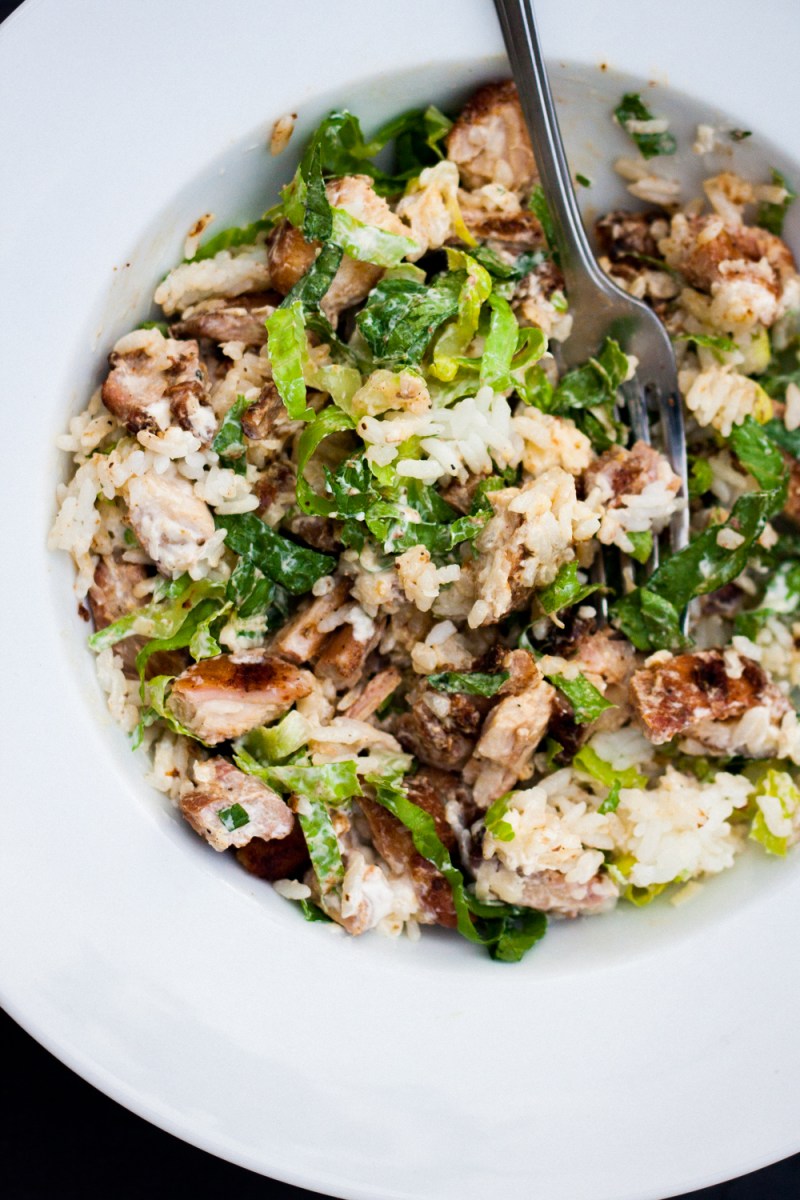
My family loves Chipotle. Their chicken burrito bowls are our default food choice when we’re out in town and in a pinch. There are both good and bad aspects of our relationship with Chipotle. The good is that we’re able to find quick meals that are within our dietary parameters and with relatively naturally-raised ingredients. The bad is that while Chiptole is pretty upfront about their standards towards raising animals, they have not released a list of their ingredients to the public. There’s actually a petition (right here) to ask Chipotle to reveal their ingredients. My personal concern is that they are cooking with oils that are high in Omega-6 fatty acids, like soybean oil.

My other issue is that we like Chipotle so much that sometimes it becomes our dinner even if we’re not out in town and in a pinch; it’s so tasty that we find ourselves wanting it even when we have a fridge full of food.

So I decided to do something about it and re-create our beloved chicken bowls so we can enjoy them in the comfort of our own home and know exactly what ingredients go into the meal. Also, I am sure that this recipe isn’t 100% authentic, especially in its use of chipotle powder (as opposed to whole dried chipotles and/or canned chipotles) but I made a couple shortcuts to make the process a little easier. I pieced this recipe together using my taste buds and some rumors I found floating around on message boards, so if you have intimate knowledge of some of Chipotle’s ingredients, leave me a comment below!

Read Full Article

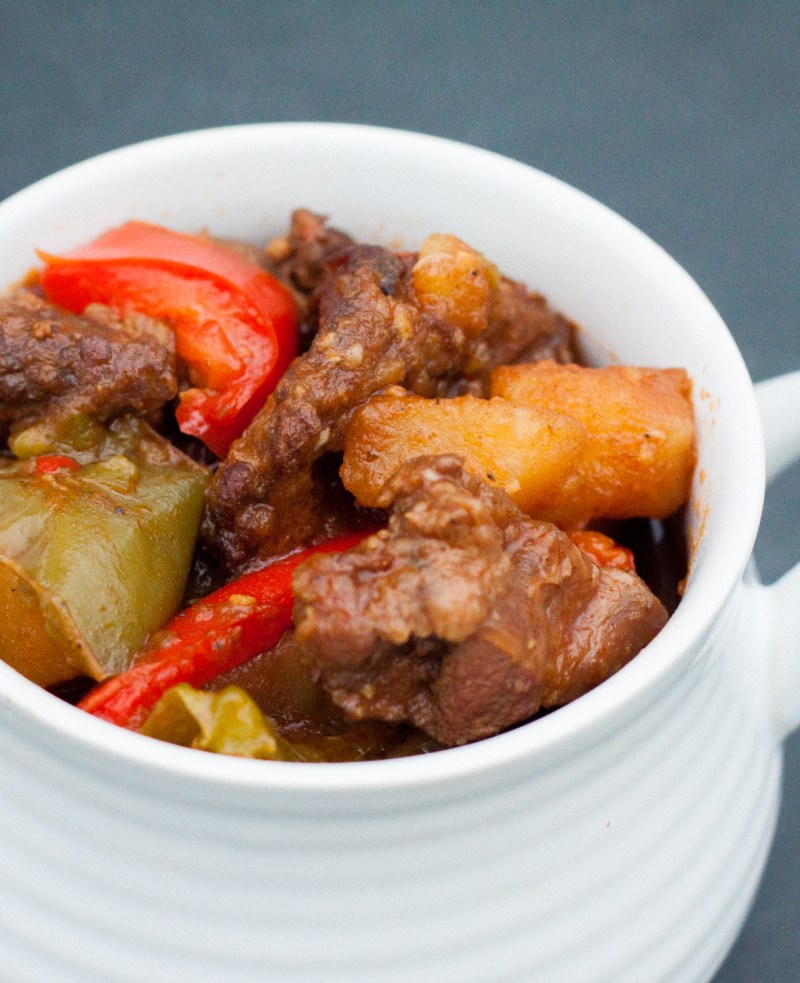
Goulash has a fairly long history, as it is traced back to 9th century Hungarian shepherds (the term gulyás translates to “herdsmen”), when soup was an important part of the lifestyle. People would dry meats and veggies and then add hot water later to create a soup, and goulash was born. Although paprika is a signature spice of both Hungarian cuisine and this dish, it wasn’t introduced until the 16th century (bell peppers came from the New World), so the original variations of this dish were paprika-less.

Goulash is often classified as a stew here in the United States, but many Hungarians maintain that it’s a soup, often to differentiate it from a similar, thicker dish called pörkölt. Goulash is often served over egg noodles or spätzle, but many variations use potatoes, including mine. They help to bring a hearty feel to the dish, plus they conveniently thicken the sauce at the same time.

Read Full Article

NOTE: An updated version of this recipe appears in my cookbook, The Ancestral Table.

Cabbage rolls are found all over Europe, Asia, and the Middle East. They are staple dishes in Croatia, Poland, Ukraine, Russia, and Sweden; in Russia, they’re called голубцы (golubtsy) and make regular dinnertime appearances in most homes.

There is some controversy over the origin of the dish. One common theory is based on its name, which could be linked to the word Russian word for pigeons (голуби). Russian cuisine and culture was heavily influenced by the French in the 17th and 18th centuries, and these stuffed cabbage rolls could be an attempt to recreate roasted pigeons, a popular French dish at the time.

Read Full Article

NOTE: An updated version of this recipe appears in my cookbook, The Ancestral Table.

Pho, often considered the national dish of Vietnam, is a rice noodle dish that uses a beef bone broth. It’s hard to describe the basic, yet complex taste that comes from this unique mix of broth, beef, spices and herbs – I recommend just going to your local pho joint and trying it for yourself. You’ll be hooked. I had my first bowl right after moving to Hawaii in 2001, and ever since then I’ve been slightly obsessed with figuring it how to make it at home. After several dozen ho-hum attempts I finally settled on this, which I consider my definitive, recipe.

This dish emerged from Hanoi in the early 20th century, and was brought to the US in the 1970s by refugees after the fall of Saigon. The inclusion of beef in the dish is reflective of its French influence; prior to French colonialism, cows in Vietnam were mainly used for labor and not as a food source. I’ve read a few different histories of the word “phở” itself, and my favorite is that it came from the French word “feu” (fire), and that pho itself is Vietnam’s take on the popular French beef stew, pot au feu.

Read Full Article

NOTE: An updated version of this recipe appears in my cookbook, The Ancestral Table.

Growing up with the Standard American Diet (otherwise known as SAD), I became accustomed to certain tastes. One of my favorite random meals was Salisbury steak TV dinners – something about that squishy meat and savory broth really hit the spot for me. So I decided to re-create this dish, but instead of squishy, breadcrumb-filled beef, I used some of the best ground beef I’ve ever tasted – US Wellness Meats’ 75% lean ground beef (by the way, their 25lb. bulk pack is on sale until 10PM CST on Saturday, March 3rd!). It tasted just as good as it looks.

Interestingly enough, Salisbury steak was first developed in the late 19th century by Dr. J H Salisbury as a low-carb, weight-loss dish. Similar dishes are popular worldwide, especially in Japan (hanbāgu steak) and Russian (котлета).

Read Full Article

One of the more unique elements of my December giveaway was that I promised to make the winner a gluten-free variation of any traditional dish they wanted. The winner, Mandy from The Yard, requested a gluten-free chicken lasagna, and I was definitely up for the challenge. Little did I know how much of a challenge it would be!

From the outset, I wanted to make a creamy, spinach-based lasagna like you’d find in Northern Italy, since it would go really well with chicken. The trouble came with the rest of the ingredients – how much cream do I use? What cheese will work best? And how long do I cook it? After several unsuccessful attempts, I feel like a chicken lasagna expert in what NOT to do. For example, don’t use ricotta cheese, because it makes the dish too rich. Also, you don’t need as much cream as you’d think, and you need to thicken the cream with hard cheese to keep it from bubbling over while baking. You also need to soak the no-boil noodles in hot water before cooking (despite the manufacturer warning you AGAINST doing that) in order to get the perfect consistency without overcooking your spinach. Lastly, mozzarella cheese works best on a top layer, creating a pizza-like upper crust.

After a good amount of trial and error, I’m proud to say that I’ve got a unique and delicious chicken lasagna recipe that is just about the tastiest thing I’ve ever made. Fair warning: this is a dairy-intensive dish, with butter, cream, and four different types of cheese!

Read Full Article

NOTE: An updated version of this recipe appears in my cookbook, The Ancestral Table.

Poi is a Polynesian staple food, typically made with mashed taro root. However, it’s a little-known fact that the Hawaiian people also made poi from sweet potato and breadfruit. Given the fact that taro root is relatively hard to come by here in Maryland, we regularly make sweet potato poi to stave off our Hawaiian-food cravings. To bring in a little extra island flavor, I add a little coconut milk to the poi, which gives it a taste similar to haupia (a Hawaiian coconut dessert). Its creamy texture and sweet taste are perfect accompaniments to my kalua pig recipe.

Read Full Article

Note: an updated version of this recipe is here.

Beef stroganoff (бефстроганов) is a Russian dish that dates back to the 19th century. The dish became popular here in the US after World War II, when Russian immigrants and American soldiers returning from war brought it stateside.

Historically, the dish was served in a sauce made primarily of mustard and sour cream. Other variations include a little tomato paste for zing. Here in the US, it’s generally served with onion and mushrooms as well; it turns out that a little of everything is what tastes the best.

Read Full Article