whole30

Before I forget, let me start off by saying thank you for your support and continued readership. In October of 2011, I made a decision to follow a strict posting schedule – one post a week at the least, two posts a week at the most – to make sure that I had enough recipes to keep this little website chugging along at a steady pace. I’m happy to say that I haven’t missed a week since, and The Domestic Man has grown to be something far beyond my expectations; to give you an idea, my average daily traffic is now far higher than the traffic for the entire month of October 2011. This is all thanks to you and your encouragement along the way.

To be honest, I had expected 2013 to be a relatively quiet year for me. I started secretly writing and shooting for my debut cookbook in late 2012, and my goal was to basically just keep the website afloat while I focused on writing the book. Turns out that everyone else had other plans! Let’s look through some of this year’s surprises.

Read Full Article

My path to a Paleo-style way of eating wasn’t perfectly straightforward. After years of health issues, in late 2010 I came upon an article describing a recently-published book called The Paleo Solution, written by a guy who obviously knows a thing or two about prehistory since his last name is Wolf. The book promised to demonstrate positive results for a number of health issues, including autoimmune diseases. Feeling like I was at a dead end with my own issues with autoimmunity, I bought the book at the very first opportunity, devoured it, and switched my diet within days.

While I’m very grateful to Robb Wolf and his Paleo Solution, it only gave me a glimpse of the journey I would need to take in order to restore my health. Much of the eating advice in the book was based on low-carb principles, which is understandable since the book is geared towards those who are looking to lose weight. But after losing an initial 30 pounds (likely due to discontinuing steroid therapy at that same time), I struggled with maintaining my weight, and had consistently low energy. It wasn’t until I reintroduced white rice and potatoes, foods promoted by The Perfect Health Diet, that I really started to feel like I had figured out an ideal way of eating for me (and one that I’ve maintained since). Dairy was also something I had to figure out on my own, as I found that I better tolerated certain types of dairy (mainly heavy cream, butter, and fermented products), and that my tolerance improved as my health improved. Dairy just didn’t warrant a blanket “avoid” stamp since individual tolerance was a better determining factor.

So over the years, I have had a hard time answering when people asked me where to start reading if they wanted to learn about the Paleo diet. The Paleo Solution is fairly inflexible, and was quickly becoming outdated as new voices entered the scene and brought new ideas with them. The Perfect Health Diet is a superior work, and provides an excellent template for sustained eating, but its lifelong approach to diet can be intimidating to those who aren’t ready for such a long commitment right out of the gate.

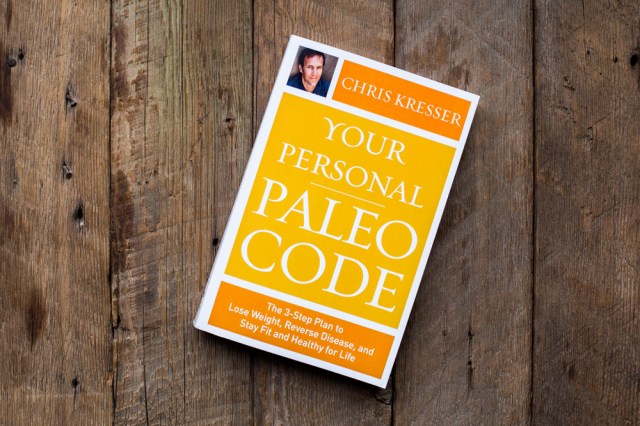
And in steps Your Personal Paleo Code by Chris Kresser.

Read Full Article

NOTE: An updated version of this recipe appears in my cookbook, The Ancestral Table.

I love collard greens. They may be my favorite green food – well, second to mint chocolate chip ice cream, at least. They’ve been in use for at least 2,000 years; the ancient Greeks cultivated them along with kale.

I typically simmer my collard greens with some sort of smoked pork (usually bacon or smoked ham hocks), chicken broth, and apple cider vinegar, and it’s always delicious, although it can get a little boring. So a while back I consulted my buddy, the internet, to find another use for collard greens. During my search, I kept coming across the word Sukuma Wiki, the Swahili name for collard greens. Sukuma Wiki literally translates to “push/stretch the week” – collard greens are available year-round in East Africa, and are used to stretch meals out to last all week.

In the culinary world, Sukuma Wiki is a common name for a Kenyan dish of braised collard greens, usually prepared with ground meat, tomatoes, and onions. Turns out that this dish is dead easy to make, both in terms of time/preparation and ingredients. I was able to whip it up using stuff already in my pantry, and it’s always nice to find another use for ground beef. But the best part about this dish is its taste: it’s absolutely delicious, and has just a hint of exoticness to make it remarkable. One thing that sets this dish apart is that the collard greens are simply wilted down, and so they retain a slightly crunchy texture that really complements the ground beef.

Read Full Article

Who doesn’t love spinach? Besides kids, I mean. Actually, funny story, kids are more apt to eat vegetables if they watch Popeye. Personally, I despised it growing up, but now I love spinach in all forms – raw, blanched, or simmered (as in this recipe); it has a mild and unique taste with each preparation.

This recipe is modeled after the German dish Rahmspinat (“creamed spinach”), and it mostly true to the original except for the fact that this particular recipe is dairy-free. So I guess the more appropriate term for this dish would be Spinat. If you’d like to prepare it more true to the original dish, I’ve added instructions below!

Read Full Article

A few weeks back I did a guest recipe for Nom Nom Paleo, and I thought I’d share it here on my site for posterity’s sake.

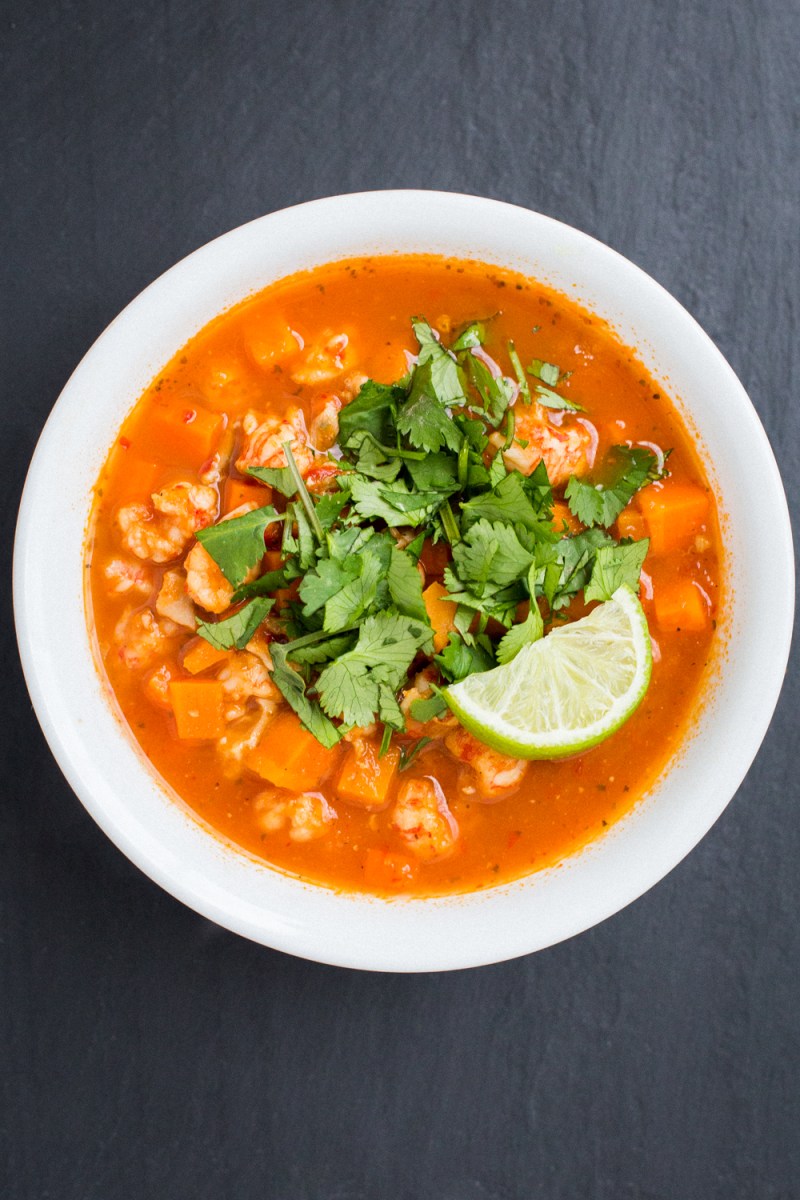
Langostinos (Pleuroncodes Monodon, also called “squat lobsters”) are small, lobster-like crustaceans most often fished off the coast of Chile. They are found in abundance worldwide, but sadly, they are rarely caught for human consumption; instead, they’re used as feed in fisheries, mostly because they carry a certain pigment that helps color farm-raised salmon and trout. They have a sweet, shrimpy tasty to them and can be found for relatively cheap – so if you can get your hands on them, definitely give them a try.

This recipe in particular is modeled after a traditional Mexican soup, Caldo de Camarón, which is typically used with shrimp. If you don’t have any langostinos on hand, shrimp can be used with this recipe.

Read Full Article

We eat watermelon a few times a year, and usually throw the rinds into the compost pile. I figure that’s what most people do. But a while back I ran across the idea of pickling the rinds, and I was immediately hooked on the concept; I love the idea of using a quick, simple pickling process to render something that’s usually inedible into a delicious, tangy, and crunchy treat.

It might sound a little weird at first glance, but watermelon pickles have been around for a while. While in Germany and Eastern Europe they tend to pickle the red flesh of watermelon, there are a few Scandinavian recipes that focus on pickling the rinds. In the US, there are records of people making pickles of watermelon rinds dating back to the Civil War; those original recipes call for soaking the rinds in a salt brine, then boiling with sugar, vinegar, cloves, and cinnamon until clear and soft, which turns it into something resembling a sweet relish. I went with a Scandinavian approach, but left a little of the flesh on the rind in order to add a little natural sweetness to the pickle and to aid in the fermentation process (bacteria likes sugar!).

Read Full Article

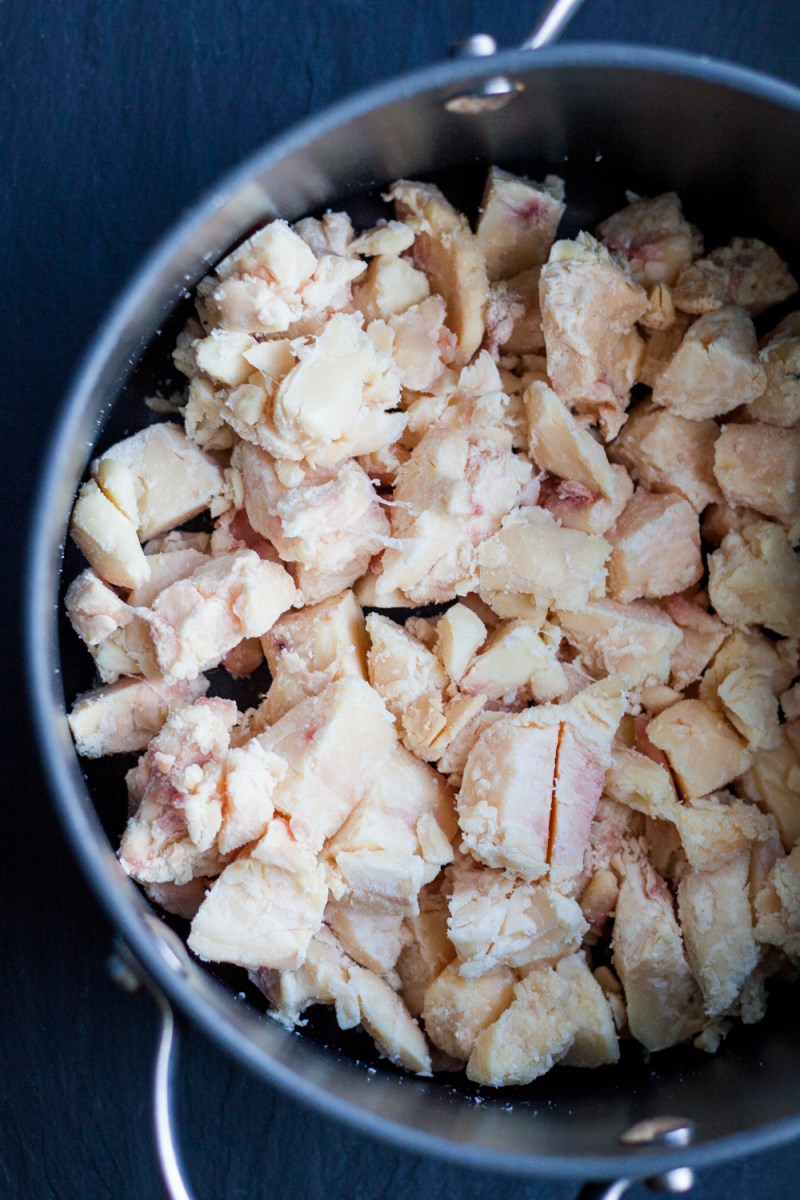
Some of my long-time readers may remember that over two years ago I rendered my own beef tallow and shared the experience with the world. It was actually one of my first “Paleo” adventures, as my wife and I went from butcher shop to butcher shop in our area trying to find someone that would sell us some fat. Finally, our local Whole Foods agreed to set aside their fat as they trimmed it off their cuts of meat – not the most ideal source of fat since it came from all kinds of cuts, and was often full of muscle meat, but it worked for a while. And it was free!

My friends at US Wellness Meats recently started selling bison fat, and considering the fact that I had a really good experience with their bison stew meat last year (recipe: Hearty Bison Stew), I wanted to try rendering my own bison tallow. I’m glad I did – the fat was of perfect quality, and the tallow came out both mild and delicious.

Read Full Article

Shirred eggs, more commonly known as baked eggs, are eggs that are baked in a flat-bottom dish. Although they are traditionally prepared with minimal ingredients, my variation is a little different in that I like to use cupcake pans and layer a host of ingredients into a cup lined with ham or other form of cured meat. I like the idea of building your whole breakfast at once.

These baked eggs are a great way to treat guests that come over for brunch, or everybody’s favorite meal, “breakfast for dinner.”

Read Full Article

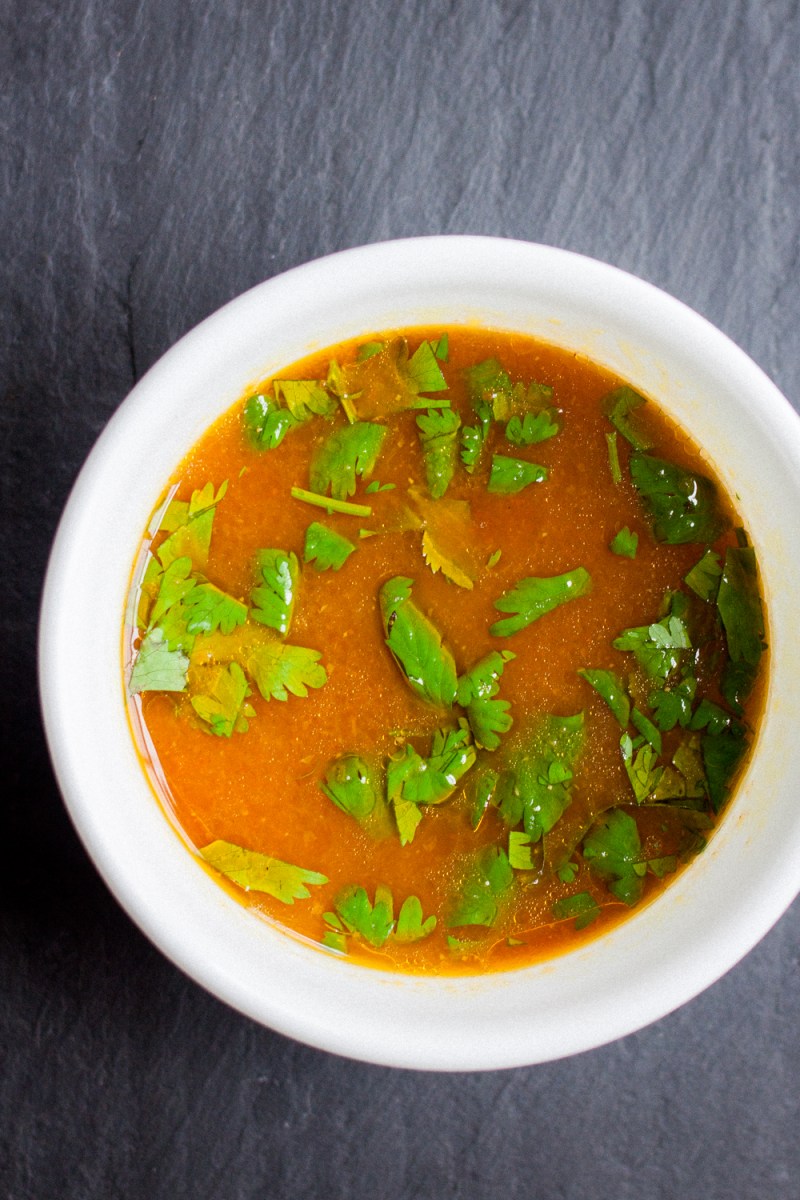
Attukal Paya (sometimes spelled as Aattukaal Paya or just Paya) is a hearty soup made with lamb, sheep, or goat feet served in South India. What fascinates me about this dish is that it’s often served for breakfast – initially this sounded strange to me, but the more I thought about it, the more it made sense; why not start your day out with some nutritious bone broth soup?

I also love the idea of throwing together a bunch of ingredients at night and waking up to breakfast already made!

Read Full Article

To start off the New Year, I’ll be posting only Whole30-compliant recipes this month. What is the Whole30 Program? It’s very similar to what I eat already, but with a few more restrictions: no dairy (except ghee), no white potatoes, no rice, no alcohol, no sugars or sweeteners of any kind. It’s a great way to jump headfirst into an ancestral diet (although easing into a Paleo diet is just fine, too) and see some dramatic changes in your health.

For my first January recipe I wanted to share one of my go-to comfort foods: sausage and sauerkraut. It can be whipped up in less than 30 minutes and always hits the spot! Sauerkraut is a superfood thanks to its healthy bacteria; Genghis Kahn took it with him as he conquered Eurasia, and Germans brought it with them on ships as they traveled to America, in order to fight off disease. Admittedly, many of its healthy bacteria are destroyed in the cooking process of this dish, but don’t let it deter you from chowing down on this tasty recipe! When shopping for sauerkraut, be sure to buy some that only has water, salt and cabbage as its ingredients. You can always make it yourself, too; it’s one of the easiest pickling endeavors you could undertake.

Read Full Article